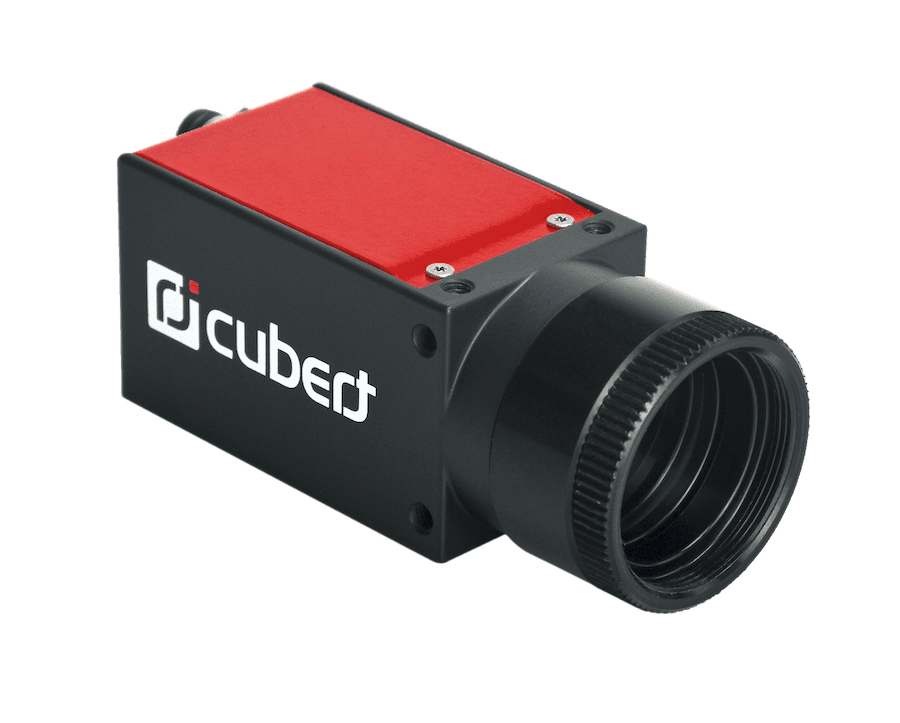
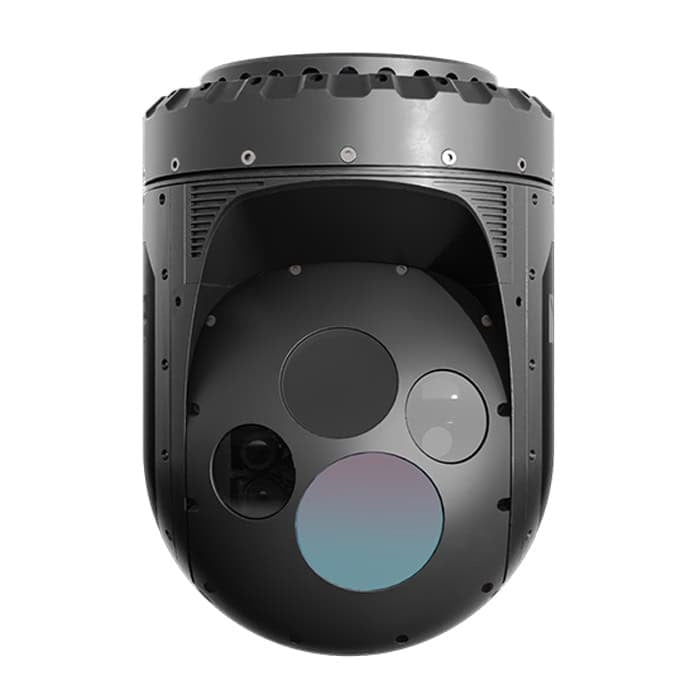
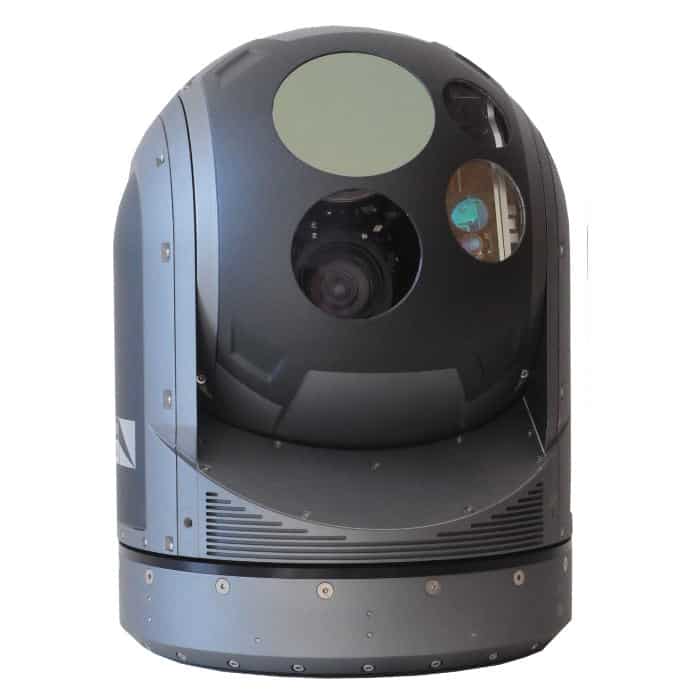
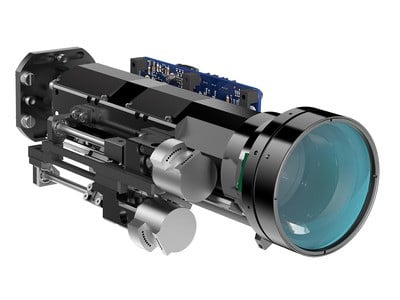
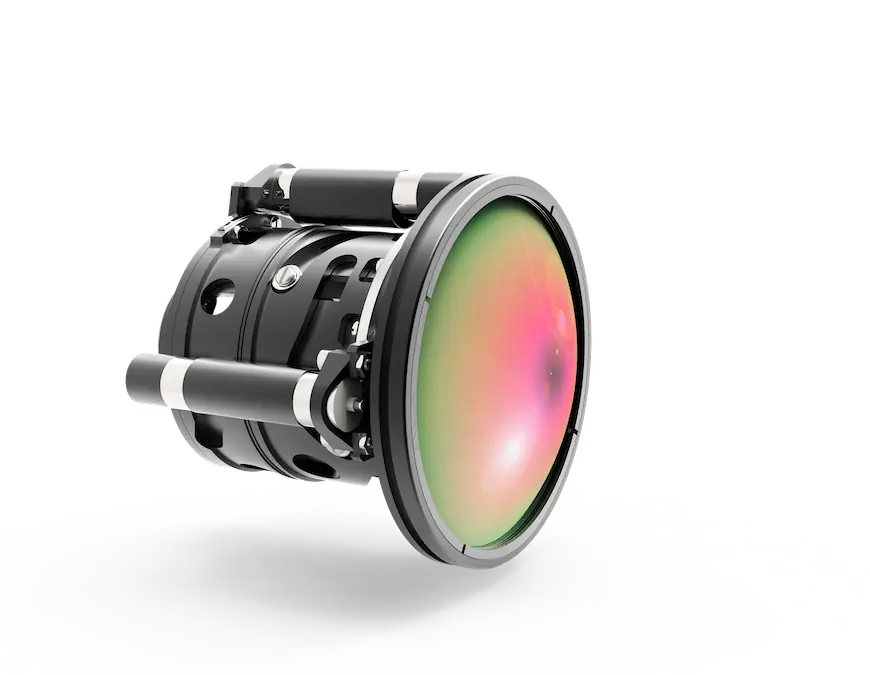
Cameras and imaging systems provide the critical capability to capture, analyze, and relay visual information across a spectrum of conditions and environments. This category details suppliers of technologies ranging from daylight and low-light cameras, to advanced EO/IR systems and multispectral technologies. Integrated on vehicles, aircraft, naval platforms, or carried by dismounted personnel, these systems enable surveillance, targeting, reconnaissance, and force protection in complex scenarios.
If you design, build or supply Cameras & Imaging Systems, create a profile to showcase your capabilities and connect with visitors who have an active requirement for your solutions.
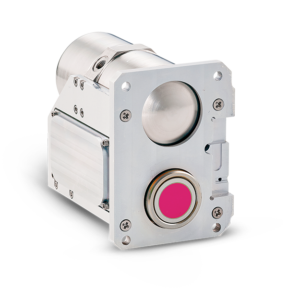
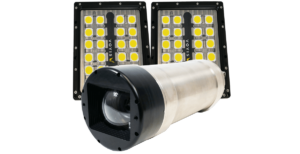
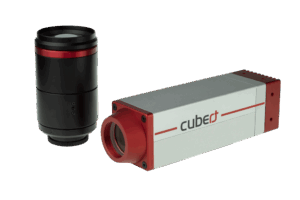
Compact 4K subsea imaging system for small ROV & AUV platforms
Compact 4K subsea imaging system for small ROV & AUV platforms
...compact subsea imagingsystem developed for small Autonomous Underwater Vehicles (AUVs) and... ...ironments, the system incorporates Deep Vision Optics technology to reduce water distortion effects...
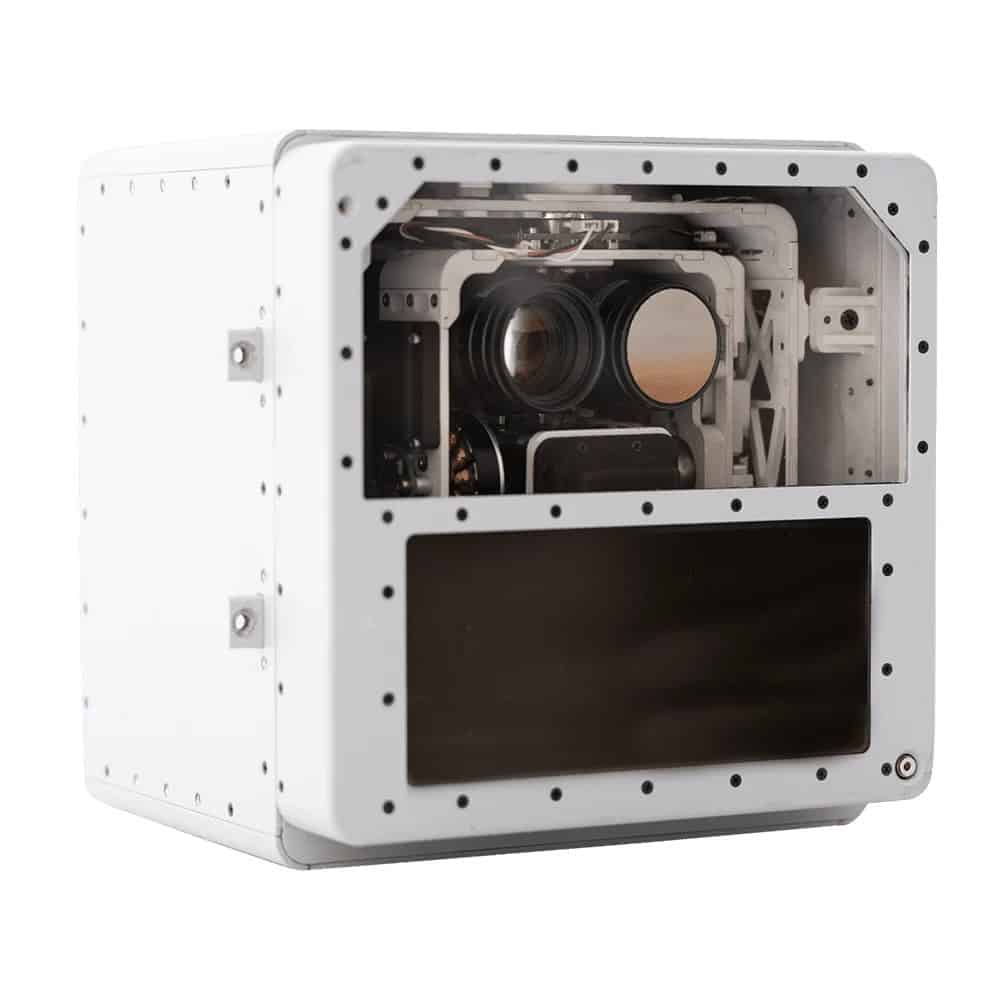
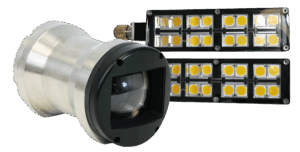
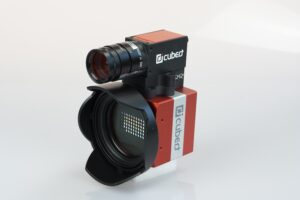
High-sensitivity subsea imaging system for long-range optical survey operations
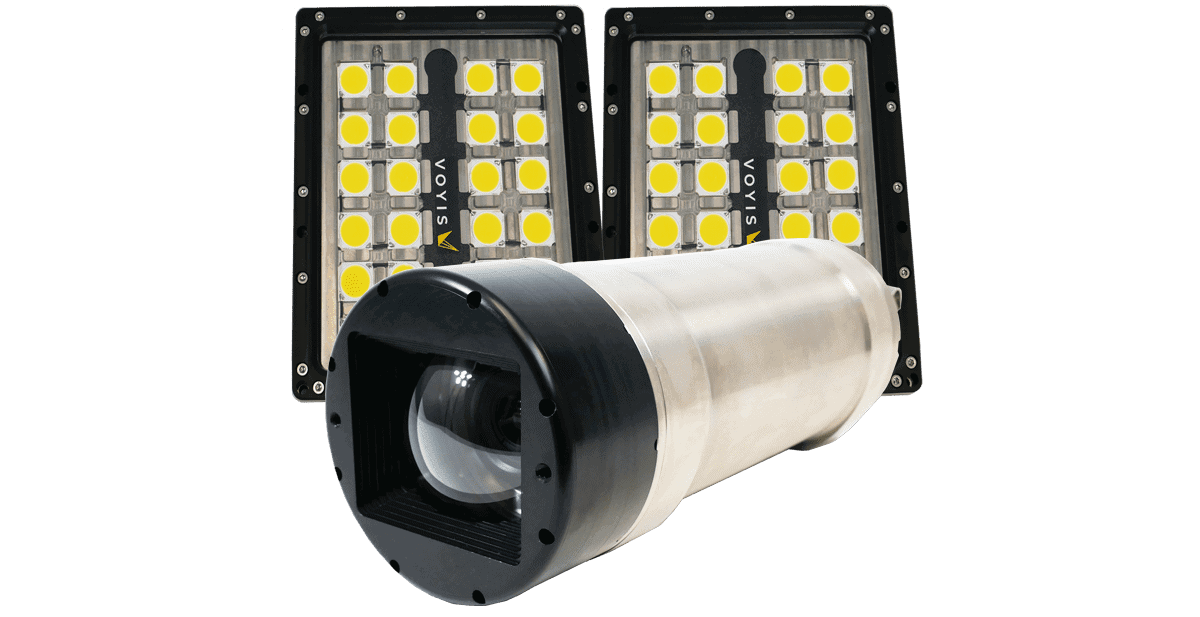
High-sensitivity subsea imaging system for long-range optical survey operations
...ormance subsea imagingsystem developed for long-range optical surveys and high-speed underwater... ...y cooled sCMOS imaging sensors and Deep Vision Optics technology, the Observer Survey Series Pro...
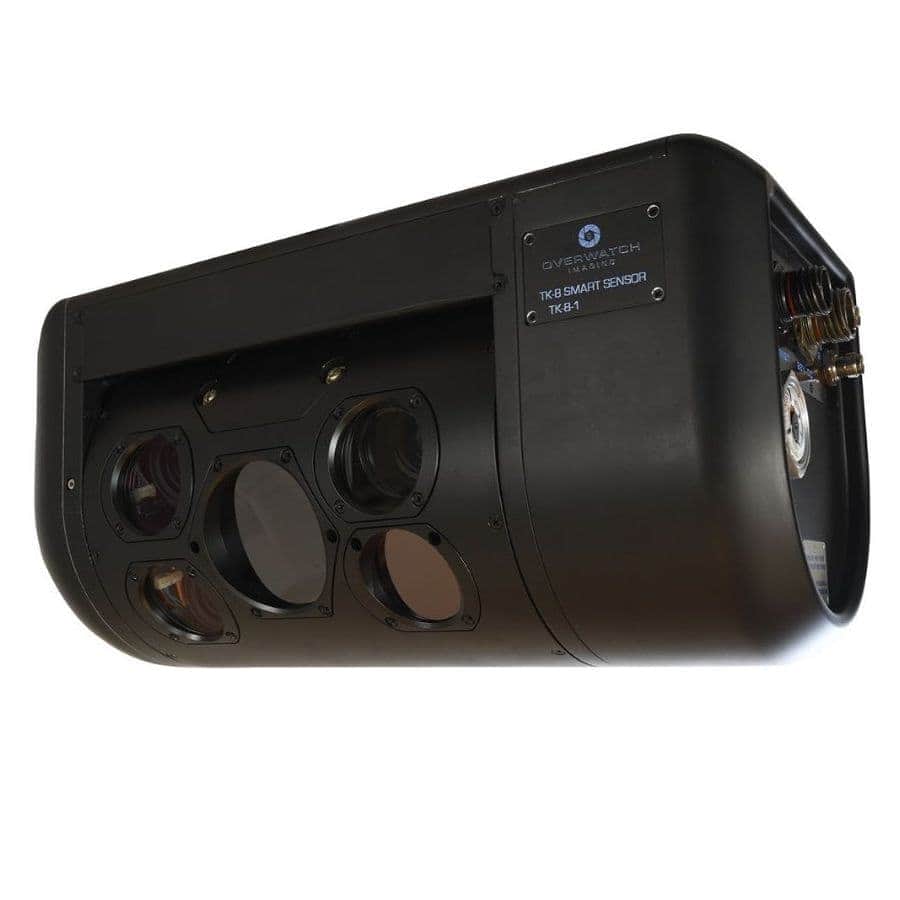
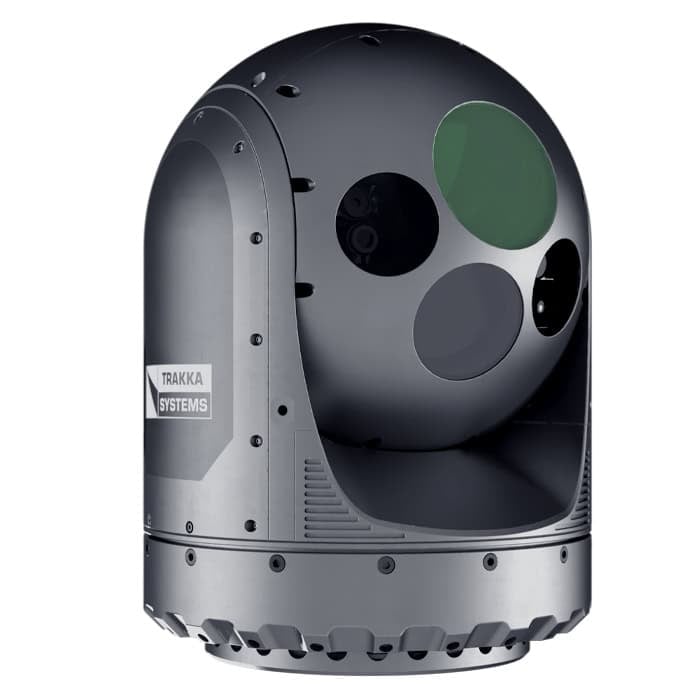
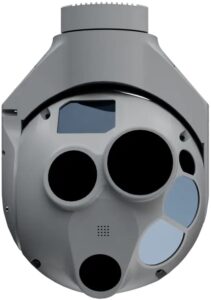
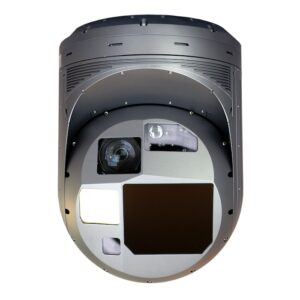
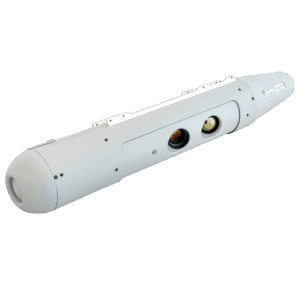
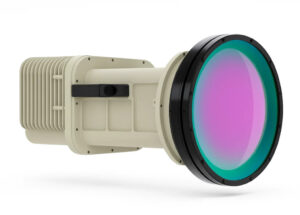
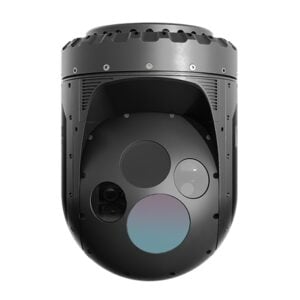
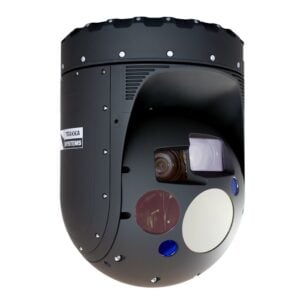
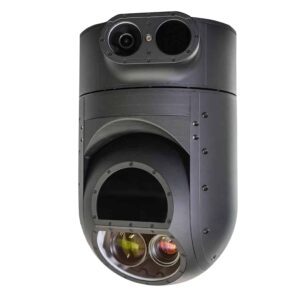
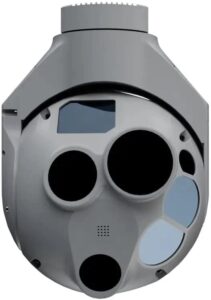
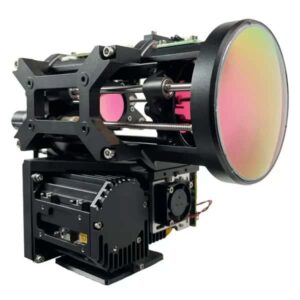
Multispectral EO/IR surveillance system for airborne defense missions
Multispectral EO/IR surveillance system for airborne defense missions
...R surveillance system designed for airborne ISR, force protection, and tactical mission operations.... ...WIR, low-light imaging, laser range finding, and laser illumination capabilities. Continuous optical...
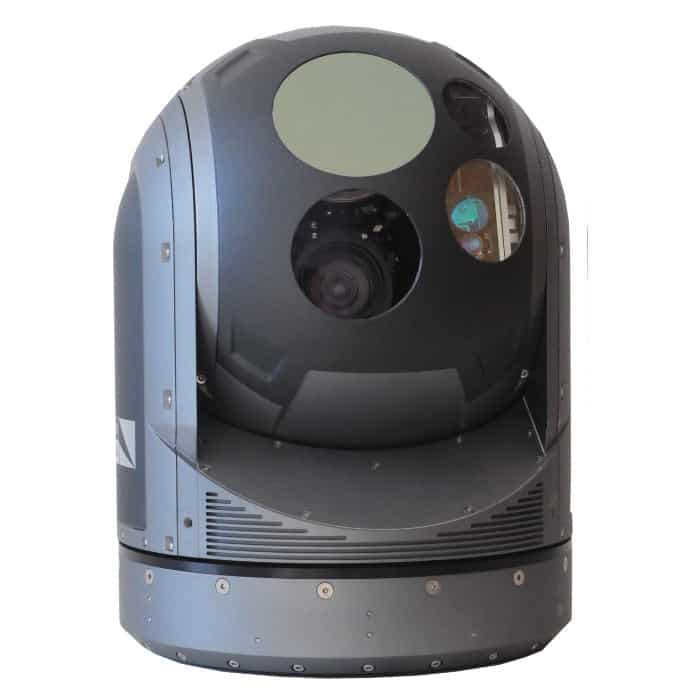
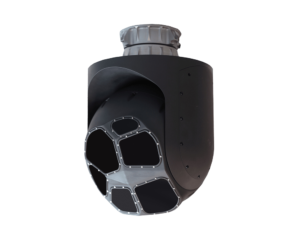
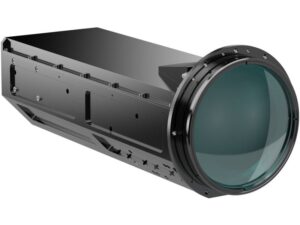
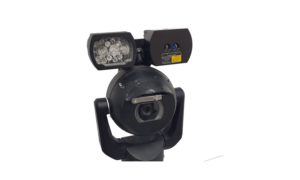
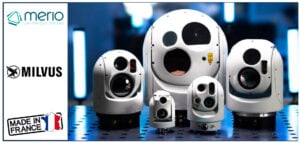
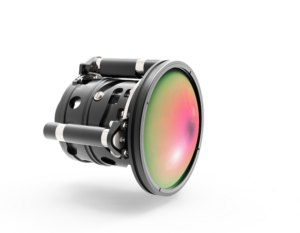
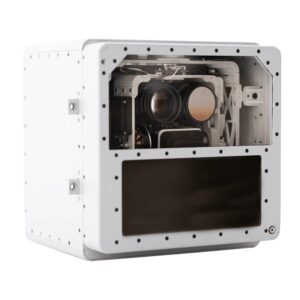
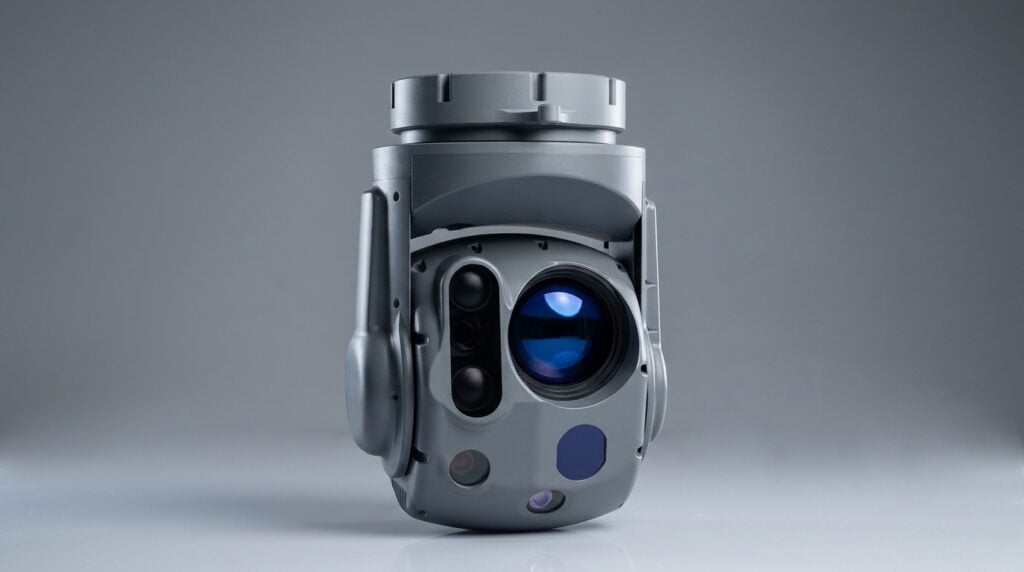
Compact long-range multispectral EO/IR surveillance system with 50x continuous zoom & embedded MTI
Compact long-range multispectral EO/IR surveillance system with 50x continuous zoom & embedded MTI
...R surveillance system developed for airborne ISR, tactical overwatch, and mission-critical security... ...s, and command systems without requiring external encoders. The system features continuous optical...
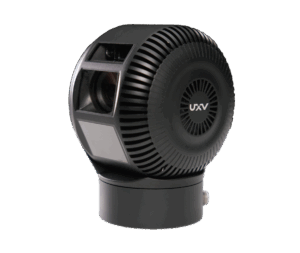
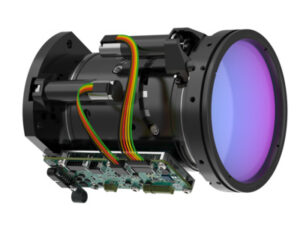
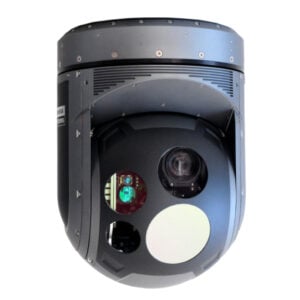
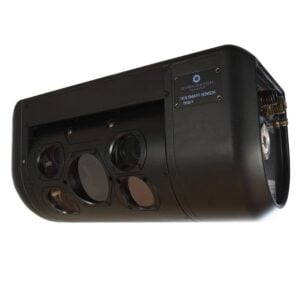
Multispectral EO/IR surveillance system with integrated SWIR imaging for degraded visual environment
Multispectral EO/IR surveillance system with integrated SWIR imaging for degraded visual environment
...nfrared (SWIR) imaging capability enables improved visibility through haze, mist, fog, rain, smoke,... ...oom across all imaging channels, and advanced real-time HD image processing directly within the...
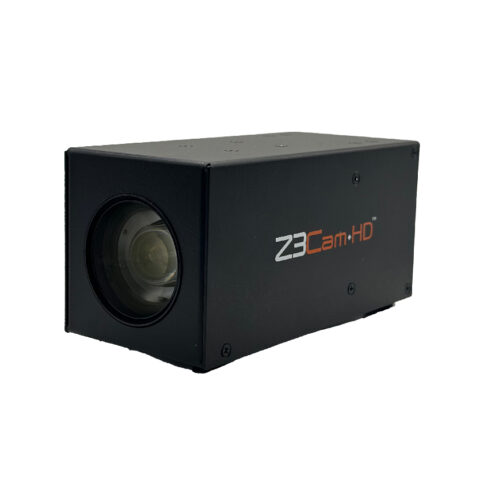
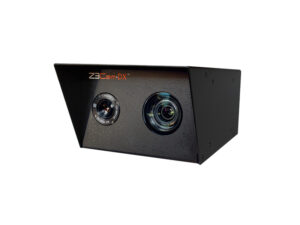
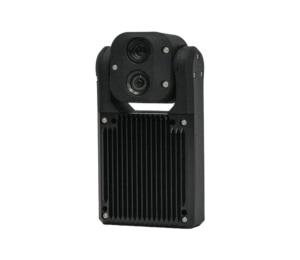
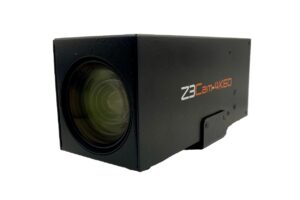
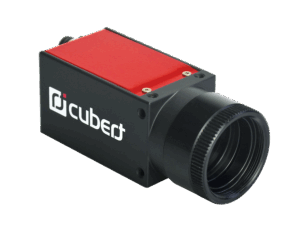
H.265 4K IP camera with 60 fps streaming & simultaneous UHD/HD output
H.265 4K IP camera with 60 fps streaming & simultaneous UHD/HD output
...-time H.265 IP camera that streams full-resolution 4K video at 60 fps using the Sony FCB-ER9500... ... can configure imaging functions through Z3 Technology’s web interface, pass Sony VISCA commands...
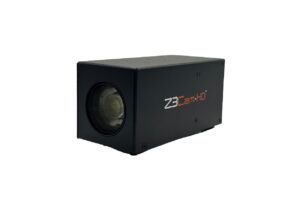
H.265 HD IP camera with 60 fps streaming and Super+ image stabilization
H.265 HD IP camera with 60 fps streaming and Super+ image stabilization
...nt H.265 HD IP camera built around the Sony FCB-EV9520L camera block. It provides Full HD imaging... ...s S and T. The camera also supports unicast and multicast transmission, USB or NFS recording, PoE,...
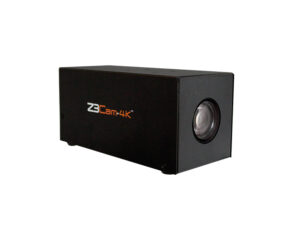
NDAA/TAA-compliant 4K H.265 IP camera with SRT streaming
NDAA/TAA-compliant 4K H.265 IP camera with SRT streaming
... FCB-ER8530 4K camera module for real-time IP imaging over Gigabit Ethernet. It provides 20x optical... ...SRT operation. Camera and streaming settings can be managed through an HTTPS-based interface with...
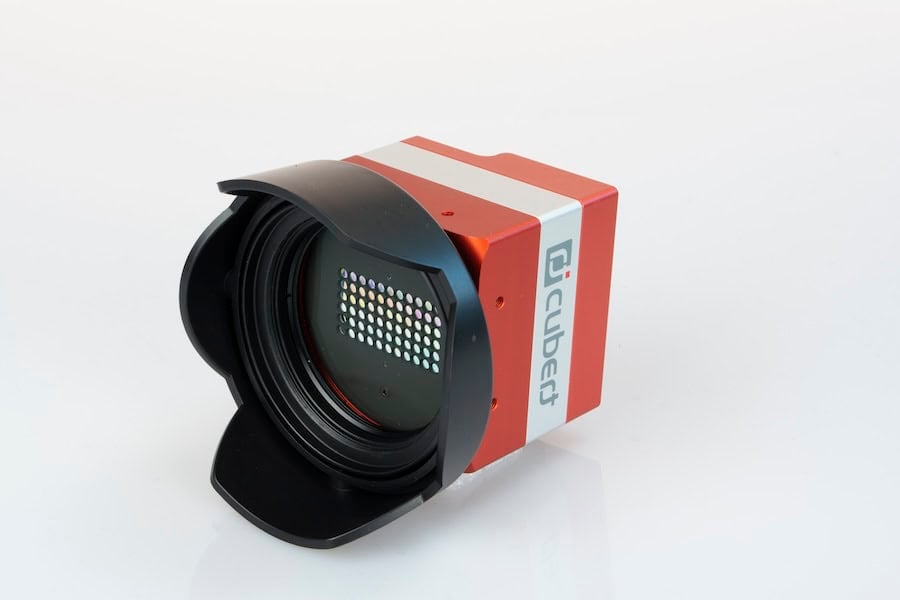
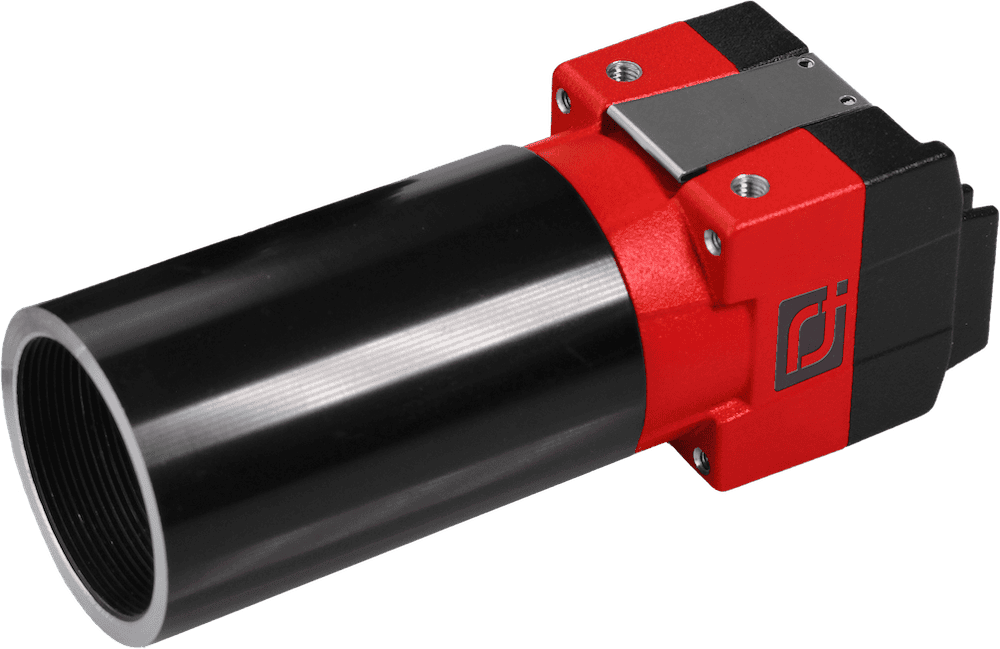
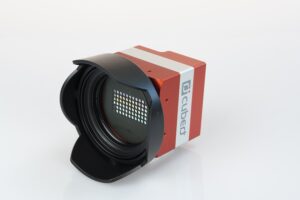
.... The advanced camera provides clean hyperspectral imagery out of the box with a native resolution... ......ions such as UUVs, enabling the camera to be submerged at depths of 10m for up to 10 hours...
Optics and imaging systems support intelligence surveillance reconnaissance, targeting, and force protection across land, air, and maritime operations. Technologies including electro-optical infrared systems, thermal imaging cameras, laser rangefinders, and lidar systems provide situational awareness and range measurement for detection, identification, and tracking.
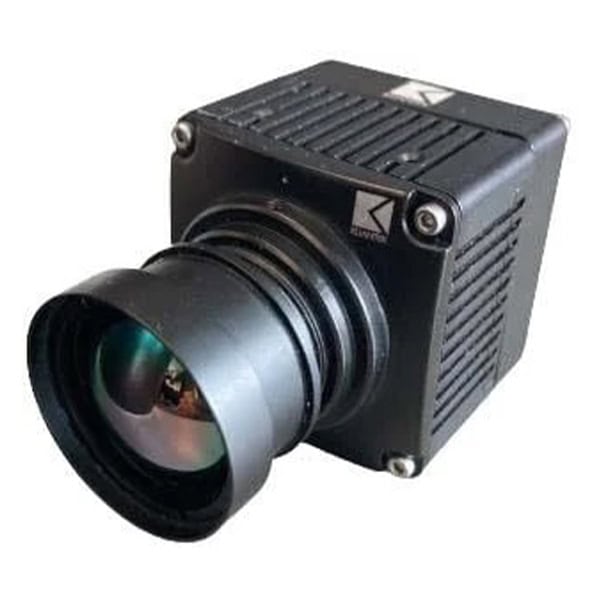
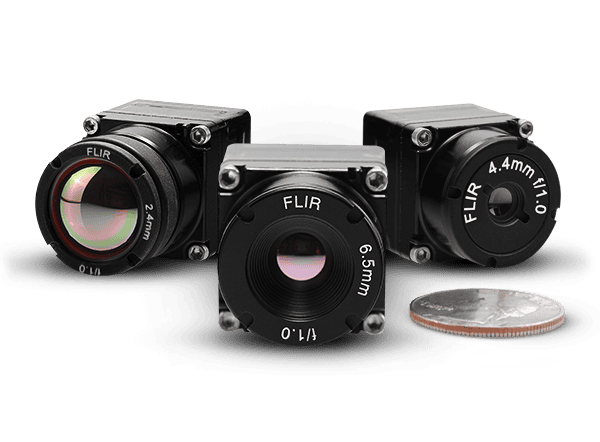
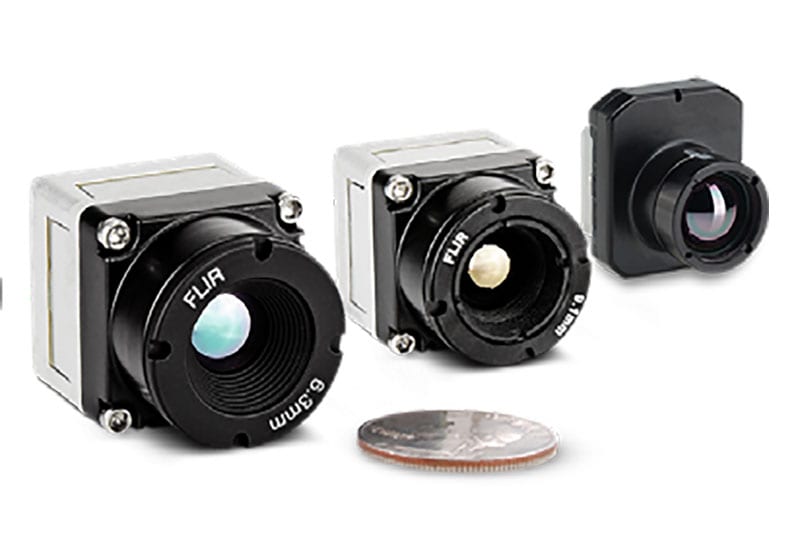
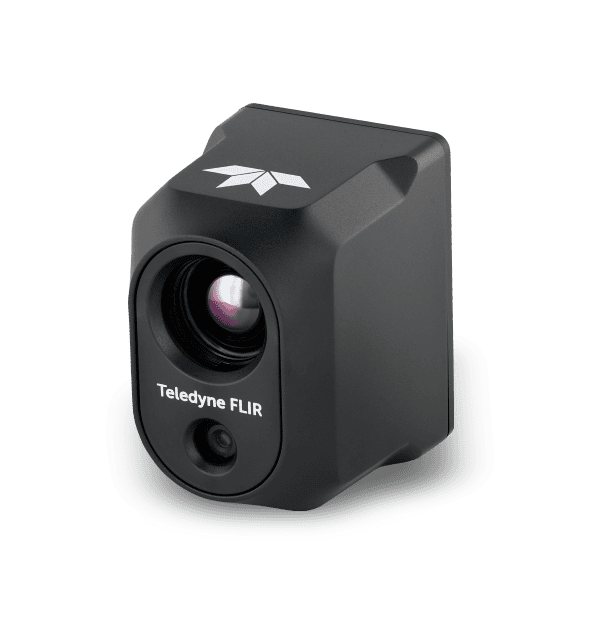
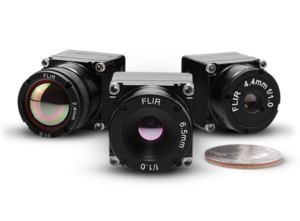
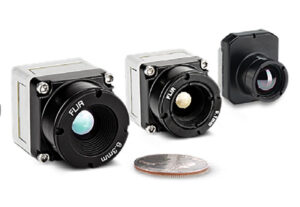
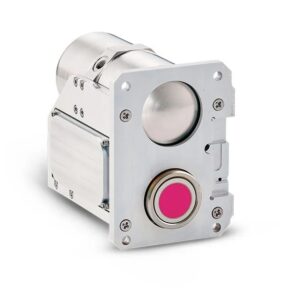
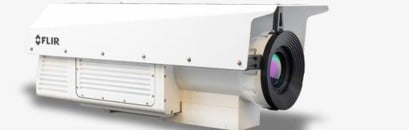
Neutrino SWaP Series by Teledyne FLIR OEM
Military optics integrate lenses, mirrors, prisms, optical filters, image sensors, and infrared detectors into ruggedized assemblies engineered for shock, vibration, temperature variation, and electromagnetic compatibility. Deployed across ISR platforms, aircraft, naval vessels, ground vehicles, and soldier systems, these optical systems interface with C4ISR networks to support operational decision making.
Key Applications Of Military Optics And Vision Systems
ISR Systems And Military Reconnaissance
Optics and imaging systems are central to ISR payloads on UAV surveillance platforms, maritime patrol aircraft, and ground-based surveillance systems. Multispectral imaging systems, MWIR, SWIR, and LWIR cameras support long-range surveillance and reconnaissance missions. High-resolution imaging improves intelligence collection and operational decision-making.
Target Acquisition And Laser Designation
Laser rangefinders, laser systems, and laser target designation modules enable accurate target acquisition for missile guidance and precision munitions. Optical systems integrated with targeting systems and illuminated reticles support sniper targeting, weapon sights, and forward observer operations. These capabilities enhance engagement accuracy while reducing collateral risk.
Counter UAS And Threat Detection Systems
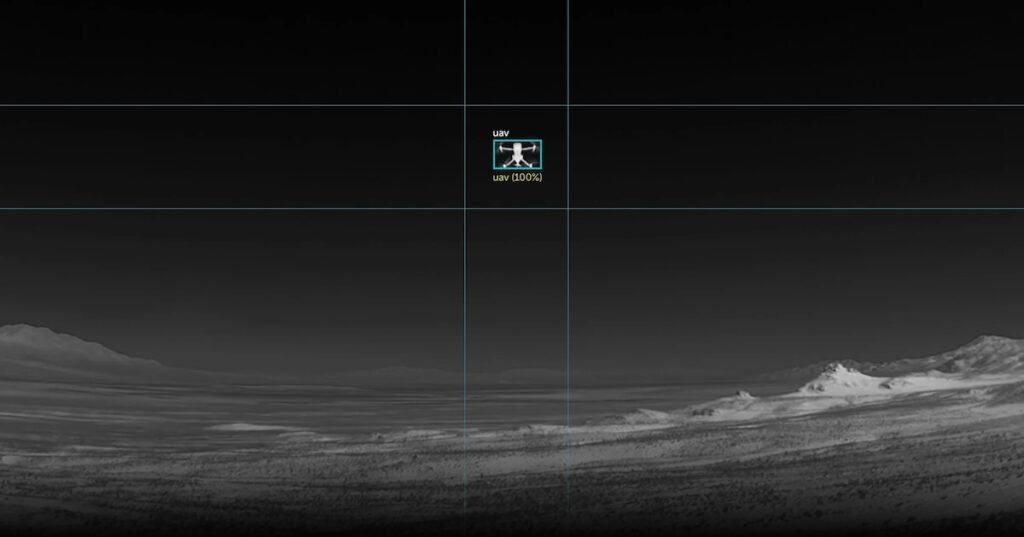
Electro-optical components and infrared cameras are widely used in counter-unmanned aerial systems and counter-drone detection architectures. Combined with lidar sensors and machine vision systems, optics enable rapid detection, classification, and tracking of aerial threats. Integrated threat detection systems strengthen force protection and perimeter security.
Border And Perimeter Security
Thermal cameras, optical imaging systems, and lidar systems are deployed for border surveillance and perimeter monitoring. These systems enable persistent day-and-night operations in remote or austere environments. Advanced optics support situational awareness systems for critical infrastructure and defense installations.
Airborne And Naval Surveillance
Airborne imaging and maritime surveillance rely on stabilized electro-optical and infrared camera systems. ISR payloads for naval surveillance and maritime patrol platforms integrate infrared detectors and high-performance optical lenses to provide wide-area coverage. Optical systems are engineered to withstand salt fog, humidity, and vibration at sea.
Night Operations And Situational Awareness
Night vision systems and thermal imaging cameras enable operations in low-light and zero visibility conditions. Helmet-mounted and HUD display systems provide pilots and vehicle crews with integrated vision data. Enhanced situational awareness reduces risk during night operations and complex battlefield maneuvers.
Types Of Defense Optical Systems
Electro-Optical Infrared Systems
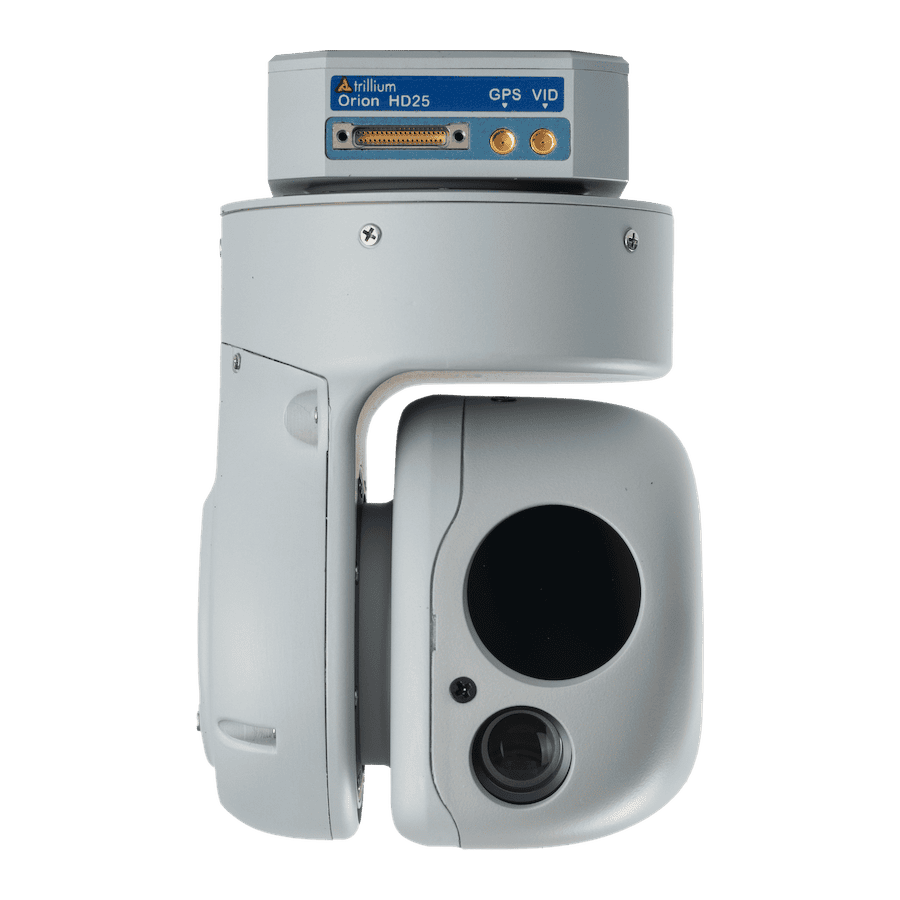
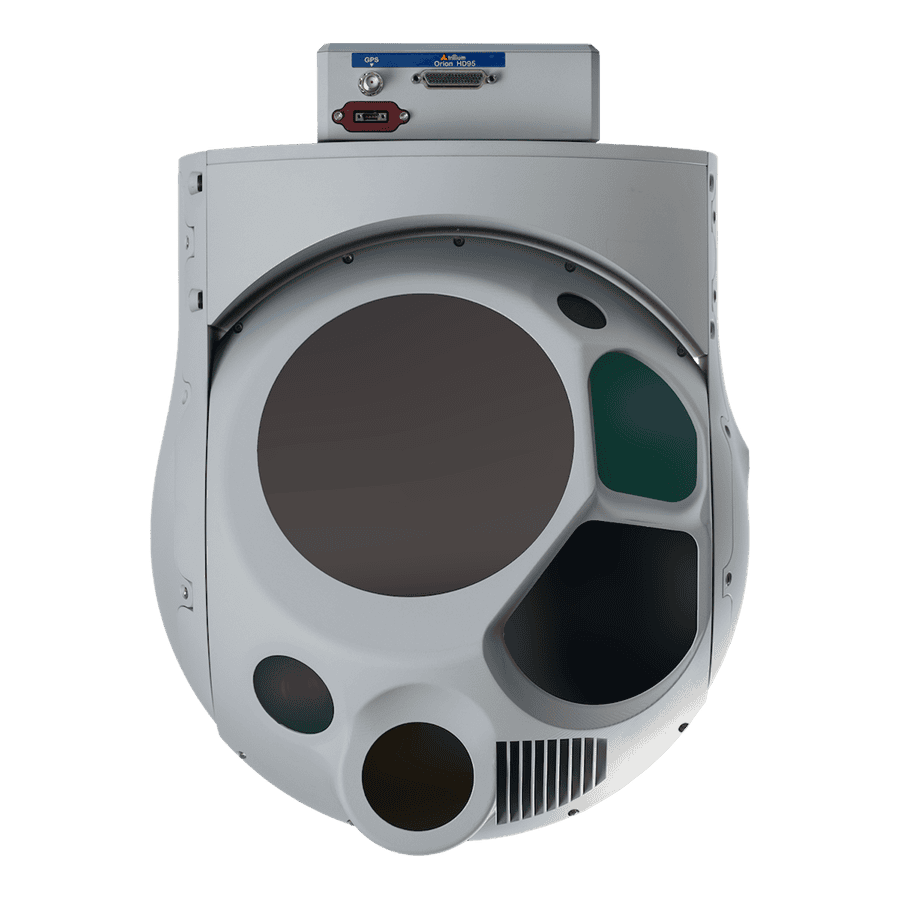
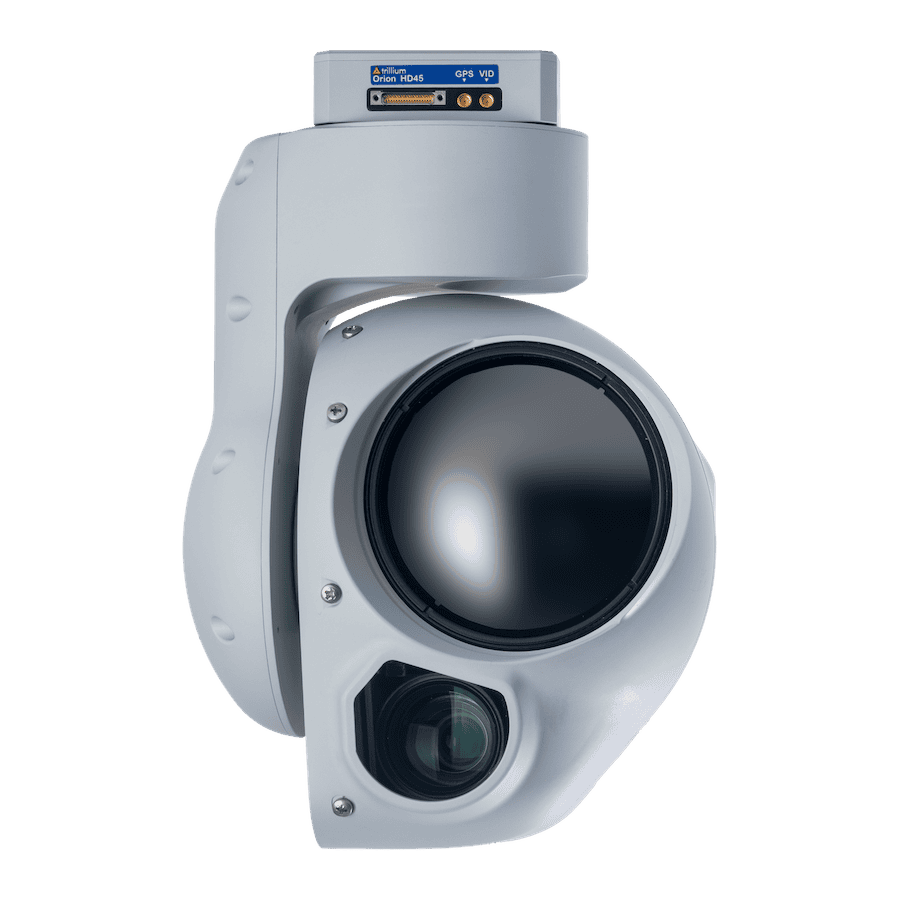
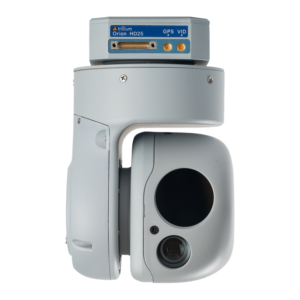
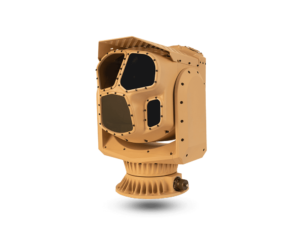
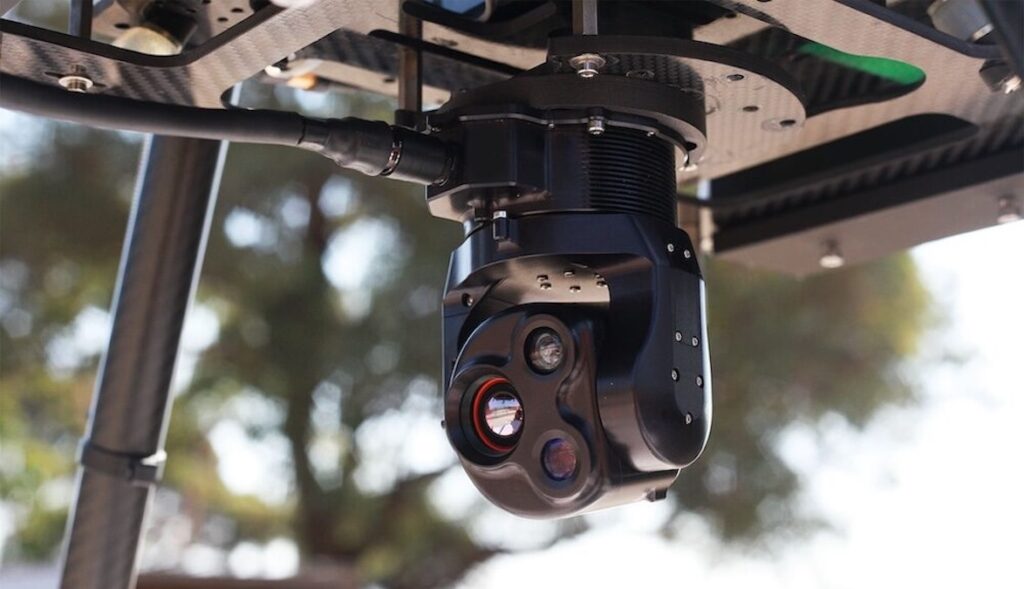
HD59 by Trillium Engineering
EO/IR systems combine visible and infrared cameras into integrated electro-optical systems for multi-band imaging. These systems are widely used in ISR (intelligence, surveillance, and reconnaissance) applications and targeting systems. They often include cooling systems for MWIR and LWIR sensors to enhance sensitivity.
Lidar Systems
Light detection and ranging systems use laser diodes and photodetectors to generate high-resolution 3D maps and detect objects. Lidar sensors support drone surveillance, autonomous navigation, and battlefield surveillance. Integration with imaging systems enables sensor fusion for improved threat detection.
Thermal Imaging Cameras
Thermal cameras detect infrared radiation to identify heat signatures from vehicles, personnel, and equipment. Infrared cameras and thermal imaging cameras are essential for force protection systems and long-range surveillance. Cooled and uncooled configurations are selected based on range and sensitivity requirements.
Precision Optical Components
Optical components such as lenses, mirrors, prisms, beam splitters, and filters form the foundation of advanced optics assemblies. Aerospace optics require tight tolerances, high transmission efficiency, and environmental durability. These components are used across electro-optical systems and military cameras.
Machine Vision And Imaging Systems
Machine vision cameras and image sensor technologies enable automated detection and tracking. Imaging systems support counter-drone detection, perimeter monitoring, and ISR system analytics. Integration with display units and command systems ensures the delivery of actionable intelligence.
Comparison Of Optical Technologies In Defense
Visible-spectrum cameras provide high-resolution imaging in daylight conditions but are limited in low-light environments. Infrared and thermal cameras extend capabilities to night operations and obscured conditions, such as smoke or fog.
Lidar systems deliver precise distance measurement and 3D mapping, supporting targeting and navigation. However, they are typically complementary to imaging systems rather than replacements, as they do not provide detailed visual imagery.
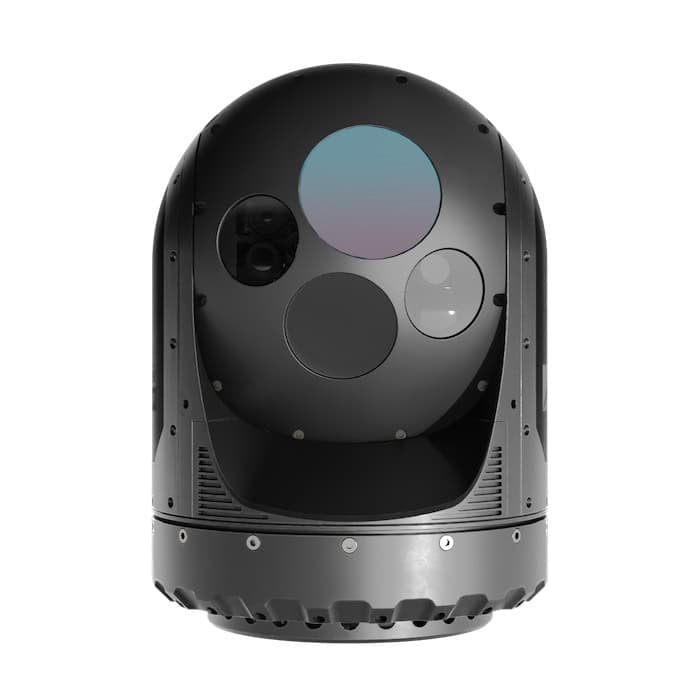
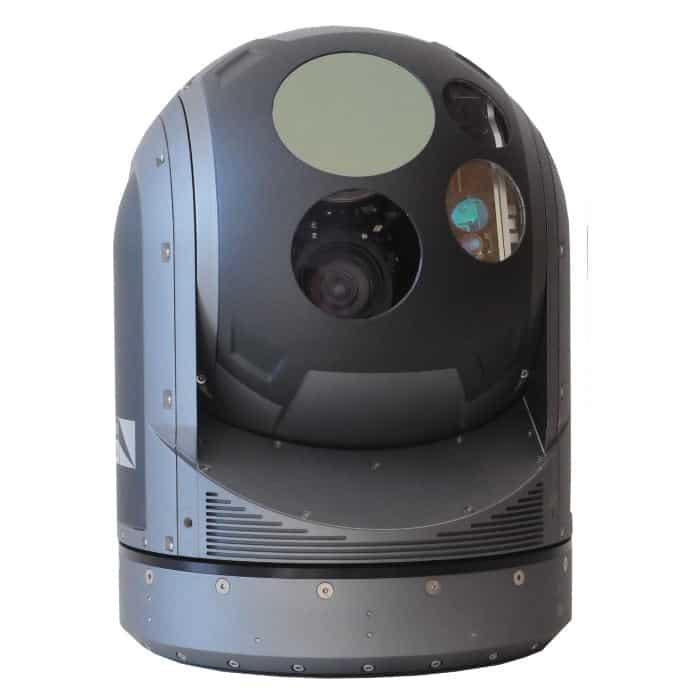
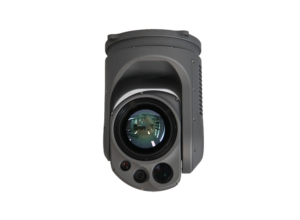
Ventus HD6-2.4 Sierra-Olympia Technologies
Cooled MWIR and LWIR cameras offer superior detection range and sensitivity compared to uncooled thermal cameras, but at a higher cost and system complexity. Selection depends on mission profile, platform constraints, and required detection performance.
Electro-optical infrared systems integrate multiple sensor modalities into a single optical system, improving situational awareness and reducing payload footprint. This approach is increasingly common in ISR payloads and airborne surveillance systems.
Military Standards And Compliance Considerations
Defense optics and imaging systems must comply with established standards to ensure operational reliability and interoperability.
Common requirements include:
MIL-STD-810 for environmental durability, including shock, vibration, and temperature
MIL-STD-461 for electromagnetic interference and compatibility
MIL-STD-1472 for human factors and display integration
NATO STANAG agreements for interoperability across allied forces
In addition, export-controlled optical systems may be subject to ITAR or EAR regulations depending on sensor performance and application. Procurement teams must verify compliance during supplier evaluation.
Integration Across Defense Platforms
Optical systems are deployed across land vehicles, naval vessels, fixed-wing aircraft, rotary platforms, and unmanned systems. ISR payloads and electro-optical systems must interface with mission computers, data links, and situational awareness systems.
Ruggedized camera systems, infrared detectors, and laser systems are engineered for battlefield optics applications where reliability and precision are mission-critical. Modular architectures and open system design principles support long-term upgrade paths and cross-platform integration.
Defense optics, imaging systems, and vision systems continue to evolve with advances in sensor technology, laser systems, and multispectral imaging. For defense program managers, engineers, and procurement officers, selecting qualified manufacturers and suppliers of precision optics and advanced optical systems is central to ensuring mission readiness and operational superiority.
European aviation authorities have certified an Ondas advanced airborne missile protection suite on the Bombardier Global 7500, delivering directional infrared countermeasure capabilities to expand security for international government and VIP aircraft
Microcon Vision to unveil MICRO-D at AUSA 2026, a 1.9 kg system combining EO/IR sensing, inertial navigation and laser designation in a compact, gyro-stabilized payload
Teledyne FLIR launches the RS8480, combining a 1280 × 1024 HD MWIR sensor with the proven RS6780 platform for long-range radiometric measurement and outdoor scientific research.
CACI examines the design of integrated EO/IR payloads for SWaP-constrained small UAS, including how payload capabilities must be balanced with weight and power considerations that affect aircraft endurance, range and maneuverability
Trillium Engineering is transitioning its software versioning strategy from a Calendar Versioning (CalVer) model to a standardized Semantic Versioning (X.Y.Z) framework, starting with software release 3.1
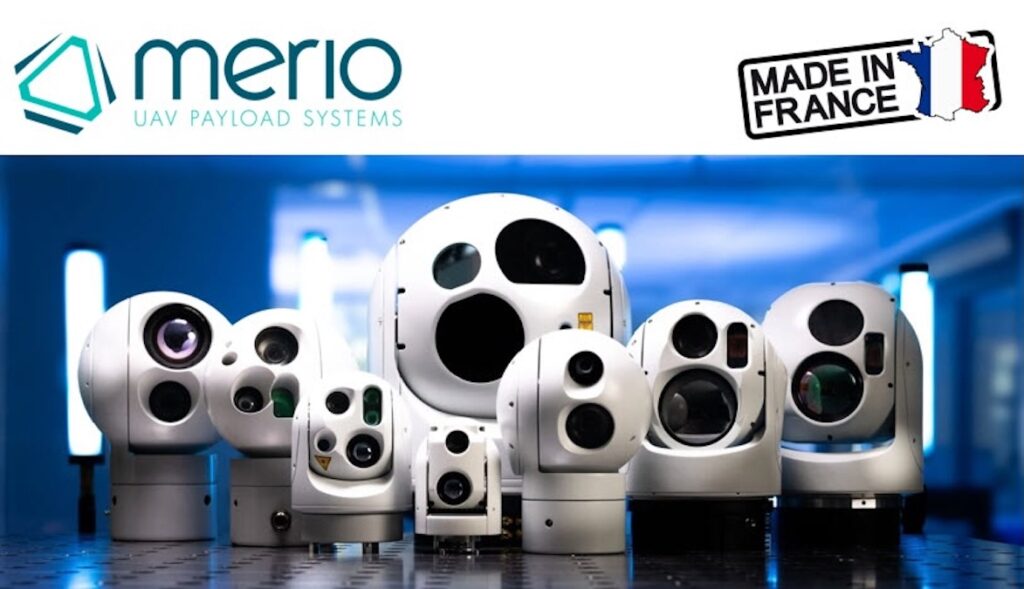
UAV Propulsion Tech explores the key considerations involved in UAV gimbal selection, from payload and sensor requirements to detection performance and system integration, highlighting relevant capabilities across MERIO’s gimbal portfolio
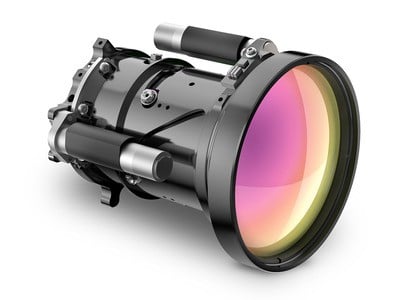
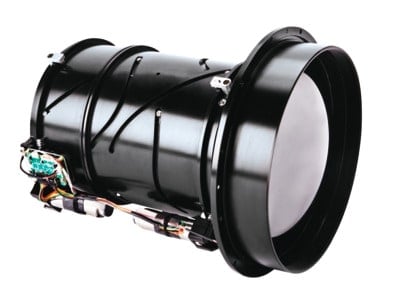
MKS Ophir has released the Ophir LightIR 15-75 mm f/1.2 LWIR continuous zoom lens to reduce germanium dependency while supporting high-performance thermal imaging for defense, security, and industrial applications
The latest defense technology news, straight to your inbox.
Get our weekly roundup of technology developments, new products and industry news.
THANK YOU FOR SIGNING UP
Thanks for joining us. Check your inbox.
We've sent you an email. Click the confirmation link to complete your subscription to the weekly eBrief. In the meantime, explore the latest news, suppliers and technologies on DA.
Advancing Defense Capability Through Strategic Collaboration
Defense Advancement works with major OEMs to foster collaboration and increase engagement with SMEs, to accelerate innovation and drive defense capabilities forward.