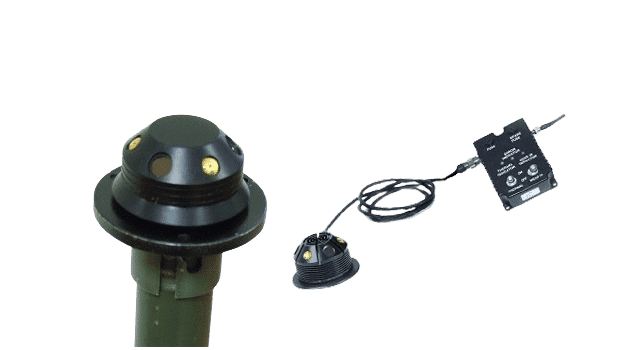
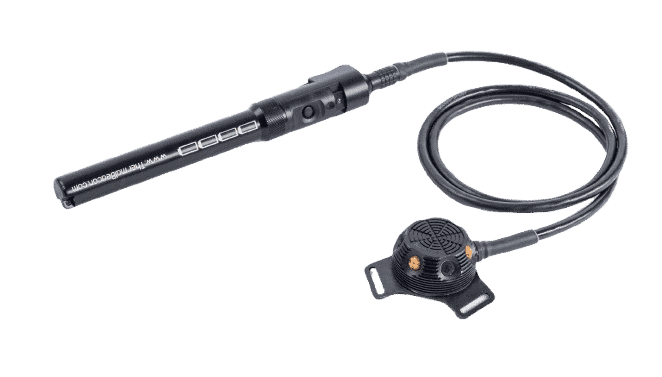
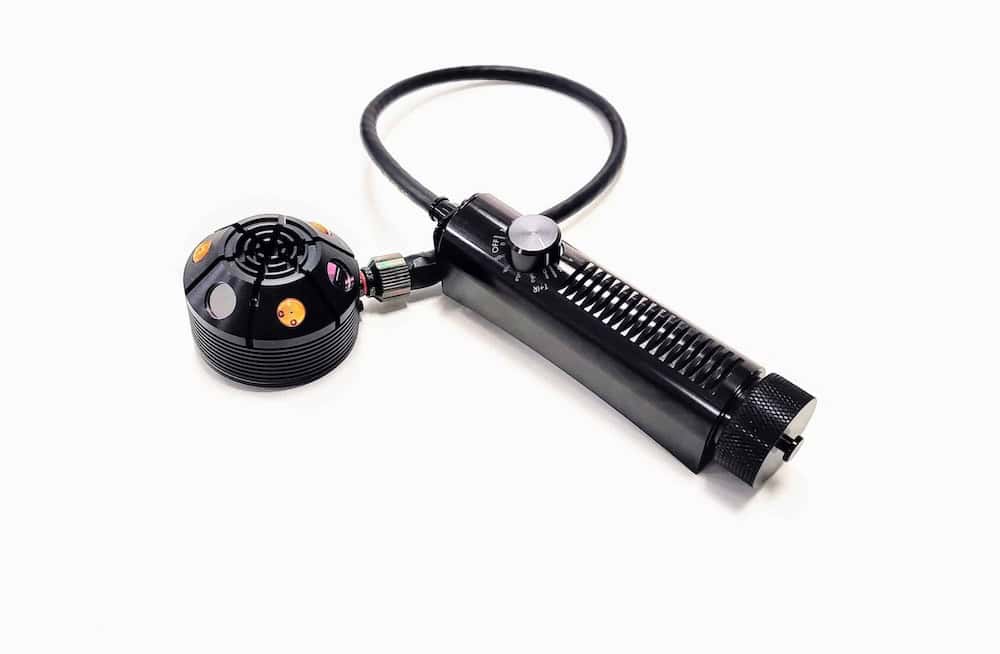
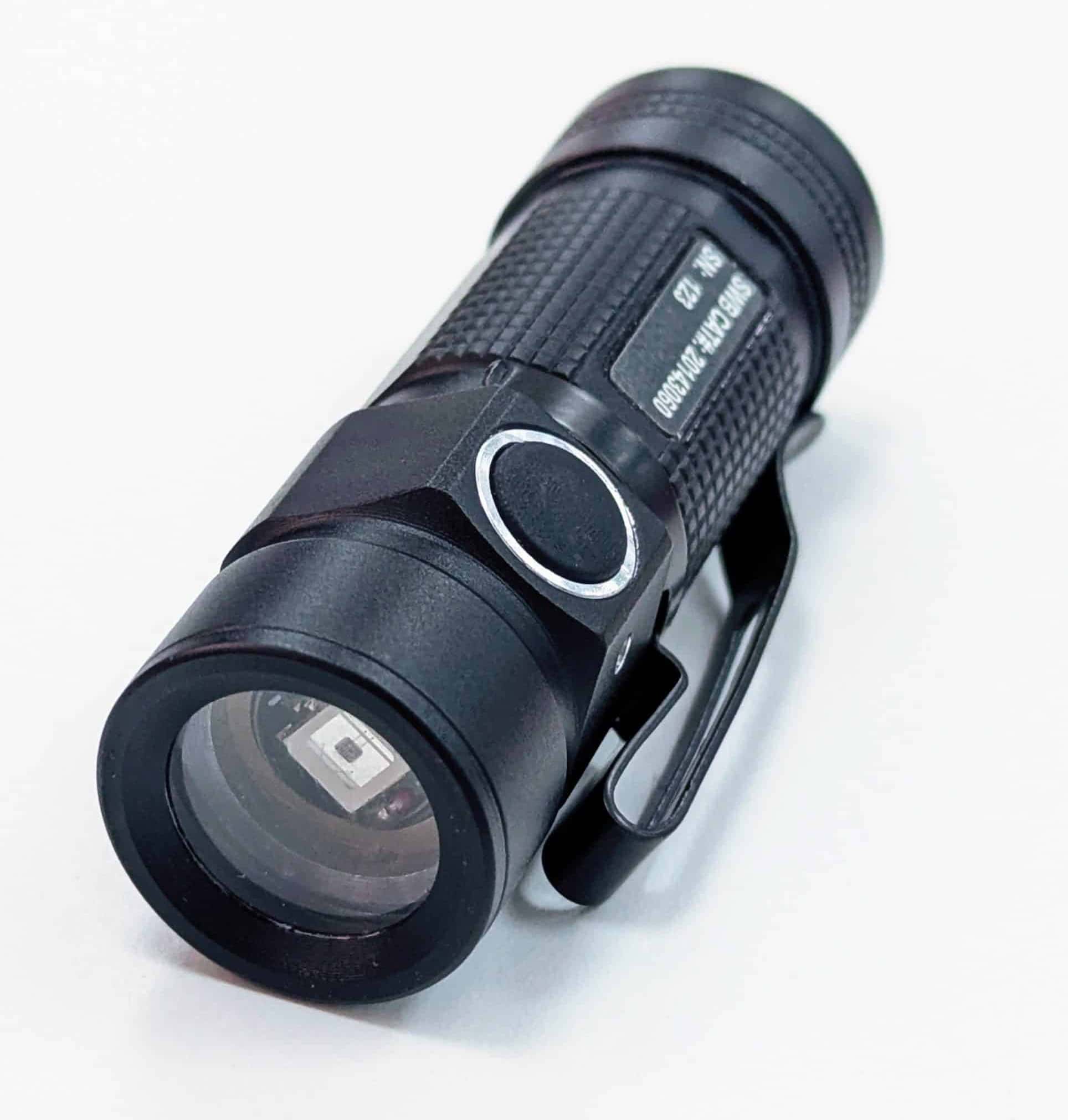
Combat Identification Systems (CID) provide critical situational awareness by enabling positive identification (PID) of friendly forces. These technologies use spectral signatures to distinguish combatants in high-tempo, multi-domain environments.
This category details leading providers of battlefield combat identification system solutions, including IR beacons and thermal markers, and explores technical considerations for specifying a combat identification CID within defense applications.
If you design, build or supply Combat Identification Systems (CID), create a profile to showcase your capabilities and connect with visitors who have an active requirement for your solutions.
Combat Identification Systems (CID): Thermal and IR Solutions for Multidomain Defense Operations
Overview by
DA Staff
Updated:
The modern battlespace is an increasingly saturated environment where high-tempo maneuver, asymmetric threats, and degraded visibility converge to heighten the risk of fratricide. Within this context, a battlefield combat identification system (CID) is no longer a luxury: it is a prerequisite for mission success. Unlike traditional Combat Identification IFF (Identification Friend or Foe) which refers specifically to transponder-based radar interrogation systems in aviation, CID in a ground or maritime context focuses on driving fast, repeatable Positive Identification through the sensors actually employed by tactical operators.
Specifying combat identification kit requires a deep understanding of the electromagnetic spectrum, ranging from Near-Infrared (NIR) to Long-Wave Infrared (LWIR). Modern requirements have expanded to include Short-Wave Infrared (SWIR) capabilities, as SWIR provides a distinct advantage when identifying friendly markers through specific glass types and atmospheric haze that might otherwise occlude NIR or thermal signatures. Effective CID is less about a single device and more about a layered system-of-systems that integrates with current military doctrine and sensor suites.
Multi-Domain CID Implementation
Combat Identification Systems for the Dismounted Soldier
For dismounted forces, the combat identification system for the dismounted soldier must resolve the tension between weight and readability. These solutions are categorized as wearable and consumable items: they must survive extreme abrasion, mud and sweat while remaining legible through allied Night Vision Goggles (NVGs) and thermal sights.
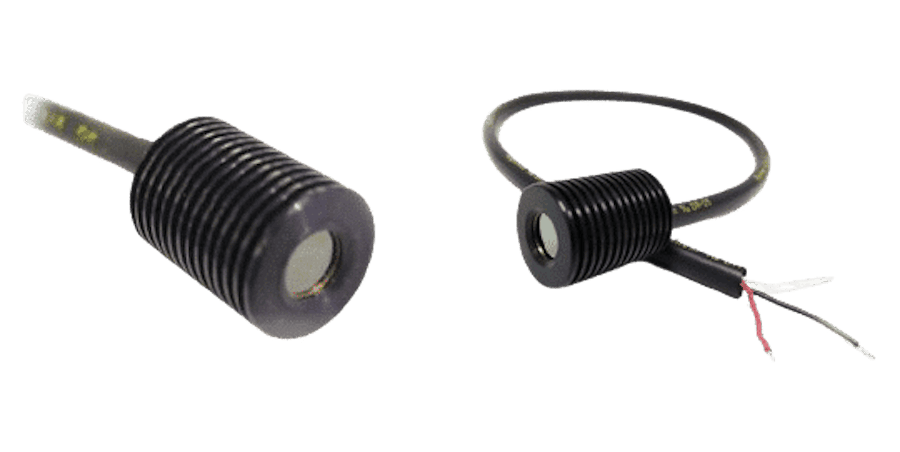
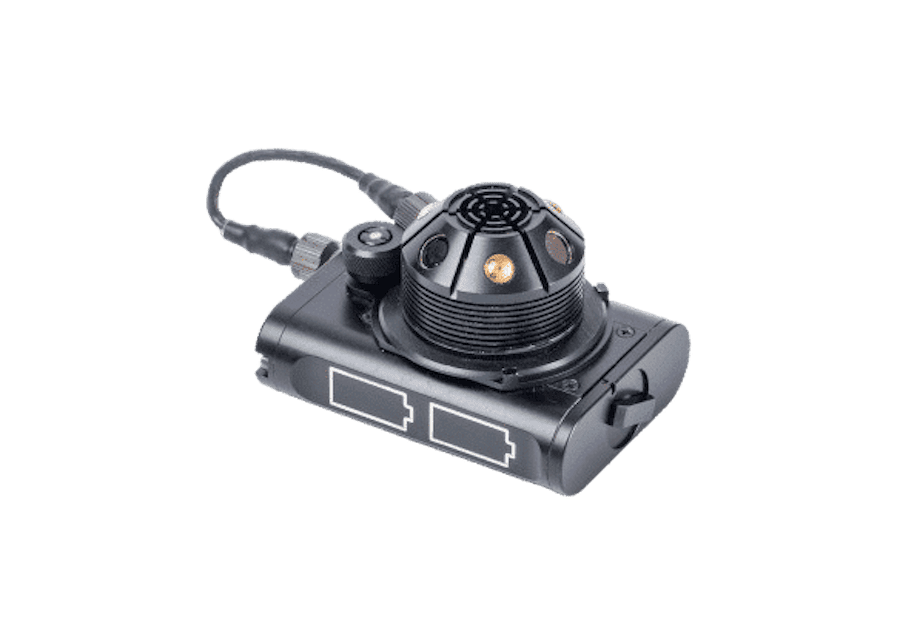
Technical approaches vary by spectral band. Common components include a low-power NIR beacon or an IR marker visible to NVGs, alongside low-profile IR tabs and thermal contrast patches. Unlike active emitters, these passive markers utilize emissivity management: the controlled differential rate at which a surface radiates infrared energy compared to its environment. Procurement teams must ensure that a wearable IR marker remains recognizable at multiple angles and against variable urban or foliage backgrounds. Furthermore, all soldier-worn electronics must meet MIL-STD-810H standards to guarantee reliability under heavy vibration and moisture exposure.
Armored Vehicles and MBTs: The Combat Identification Panel (CIP)
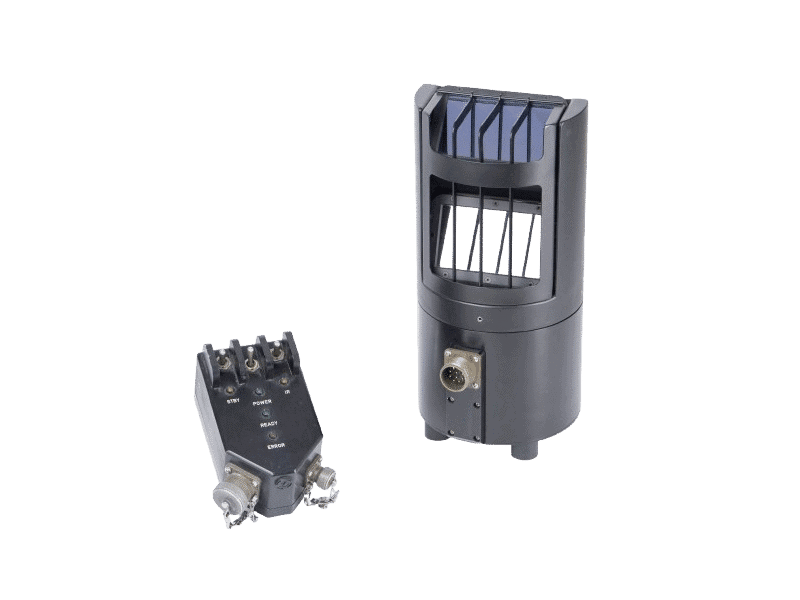
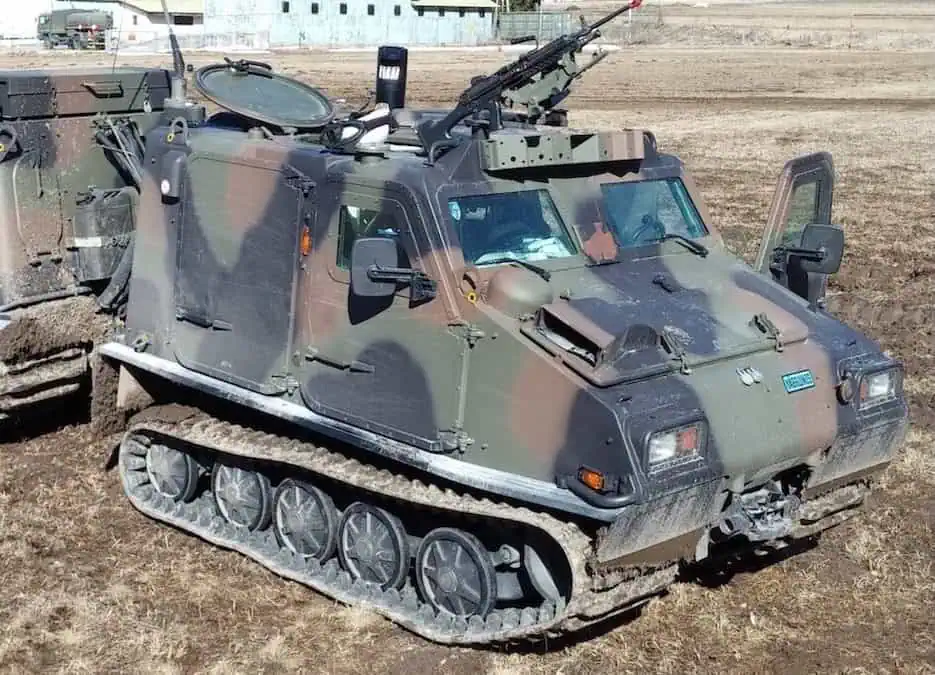
On armored platforms, CID must scale to meet long-range engagement distances and overcome the extreme heat signatures generated by exhaust plumes and tracks. The primary solution for ground platforms is the Combat Identification Panel (CIP). A combat identification panel army specification usually involves high-contrast thermal panels that appear as a distinct cold or hot pattern through thermal sights.
There are several combat identification panel types, including passive panels that rely on low-emissivity materials and powered emitters that provide a clearer signature at extended ranges. To ensure interoperability during coalition maneuvers, these systems should adhere to STANAG 2129, the NATO standard for the identification of land forces. Placement is critical: the Joint Combat Identification Marking System (JCIMS) requires that panels be positioned to avoid occlusion by stowage or reactive armor tiles. Engineers must define a 360 degree field of regard to ensure visibility during close-in maneuver and bounding overwatch where friendly units may cross the gun line rapidly.
Rotary-Wing and Fixed-Wing IR Identification
Air-to-ground operations compress decision cycles, requiring IR identification combat solutions that are legible to aircrews through EO/IR targeting pods and helmet-mounted displays. Rotary-wing operations benefit from a thermal IFF beacon or coded NIR beacons that help crews distinguish friendlies from noncombatants in intermingled terrain. These emitters must be designed to avoid blooming or saturating high-gain sensors.
Fixed-wing platforms, operating at higher altitudes and longer slant ranges, rely on an optical combat identification systems that provides a distinct geometric pattern or coded cue. Since fixed-wing operators often utilize MWIR and LWIR pods, the CID must “read” through variable atmospheric conditions. Integration with Joint Terminal Attack Controller (JTAC) procedures is mandatory: if a marker is intended for friendly-confirmation, it must be visible in the specific spectral band utilized by the aircraft pod during its orbit.
Technical Sourcing and Environmental Verification
Contested Environments and Signature Management
Thermal CID performance can degrade rapidly in high-humidity or high-clutter environments. Procurement must move beyond raw output power and specify recognition criteria based on contrast thresholds. This is especially vital for radio based combat identification and optical cues that must function through smoke, dust, and battlefield aerosols.
Signature management is a critical engineering hurdle. Active IR beacons create a detection paradox: while helping friendlies, they may expose the user to enemy sensors. Advanced specifications should include adjustable intensity, restricted duty cycles, and sophisticated coding/modulation. This ensures the system provides high-confidence identification for allies without becoming a target indicator for the adversary.
Standards and Interoperability
CID hardware resides at the intersection of optics, ruggedization, and policy. Beyond MIL-STD-810H for environmental durability, systems must be verified against representative sensors, including multiple generations of NVGs and thermal imagers. Configuration control is essential: firmware versions for coded beacons and optical filter variants must be documented to prevent interoperability failures in the field.
Selecting a Combat Identification Systems Supplier
The directory at the top of this page features leading global manufacturers of CID systems, including thermal and IR beacons, and is the primary resource for qualifying vendors against specific mission or application requirements. When sourcing a battlefield combat identification system, it is vital to select partners who can demonstrate repeatable production quality and compliance with international standards such as STANAG 2129. These suppliers provide the technical depth necessary to integrate CID into complex, multi-domain defense frameworks.
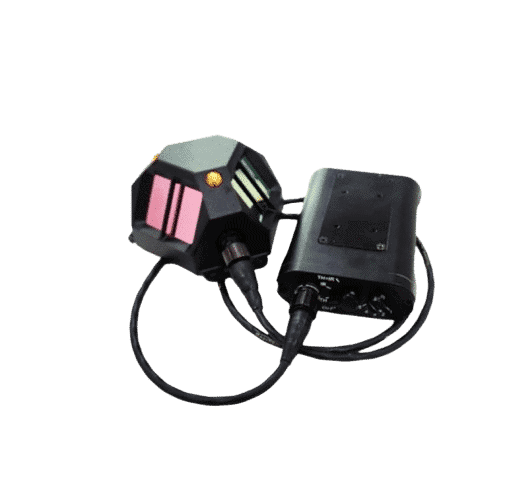
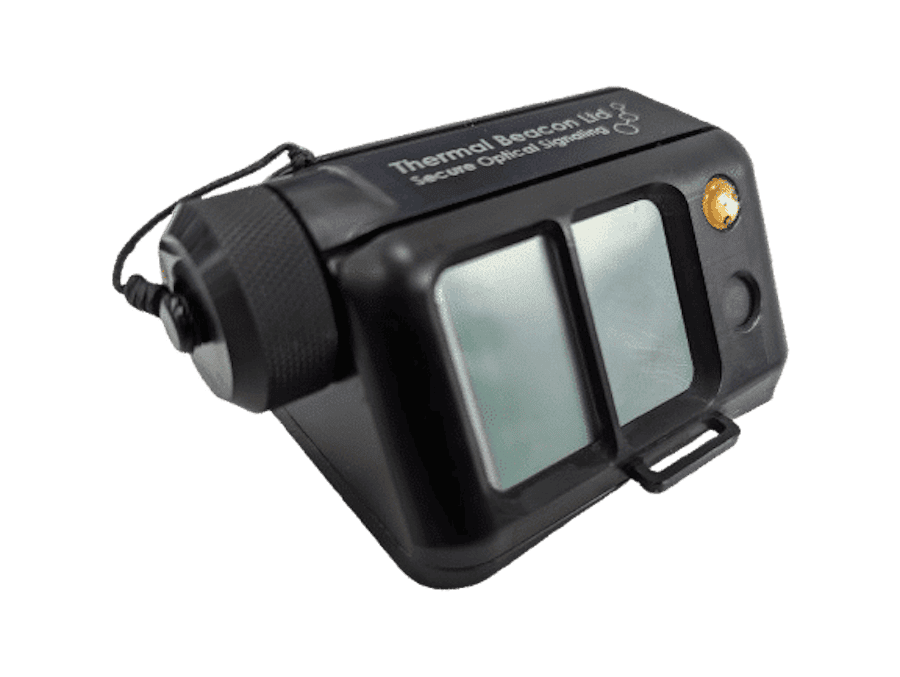
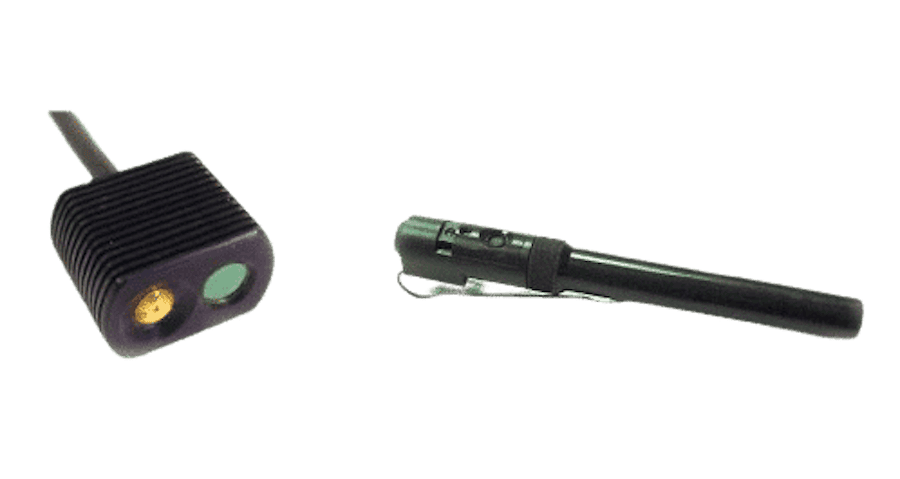
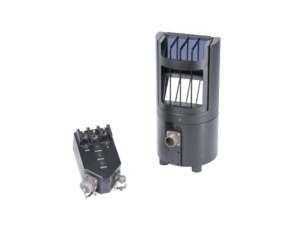
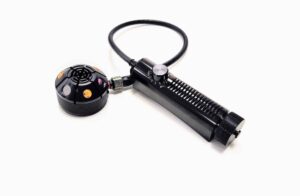
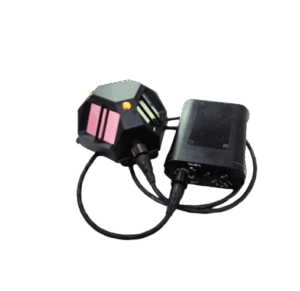
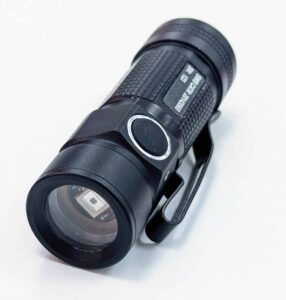
Thermal Beacon’s optical IFF systems provide covert multi-spectral identification capabilities for military, security, maritime, and rescue operations across SWIR, MWIR, and LWIR bands
Thermal Beacon Ltd. develops cutting-edge infrared and laser technologies, including optical IFF systems and high-powered laser solutions for mission-critical defense environments
The latest defense technology news, straight to your inbox.
Get our weekly roundup of technology developments, new products and industry news.
THANK YOU FOR SIGNING UP
Thanks for joining us. Check your inbox.
We've sent you an email. Click the confirmation link to complete your subscription to the weekly eBrief. In the meantime, explore the latest news, suppliers and technologies on DA.
Advancing Defense Capability Through Strategic Collaboration
Defense Advancement works with major OEMs to foster collaboration and increase engagement with SMEs, to accelerate innovation and drive defense capabilities forward.