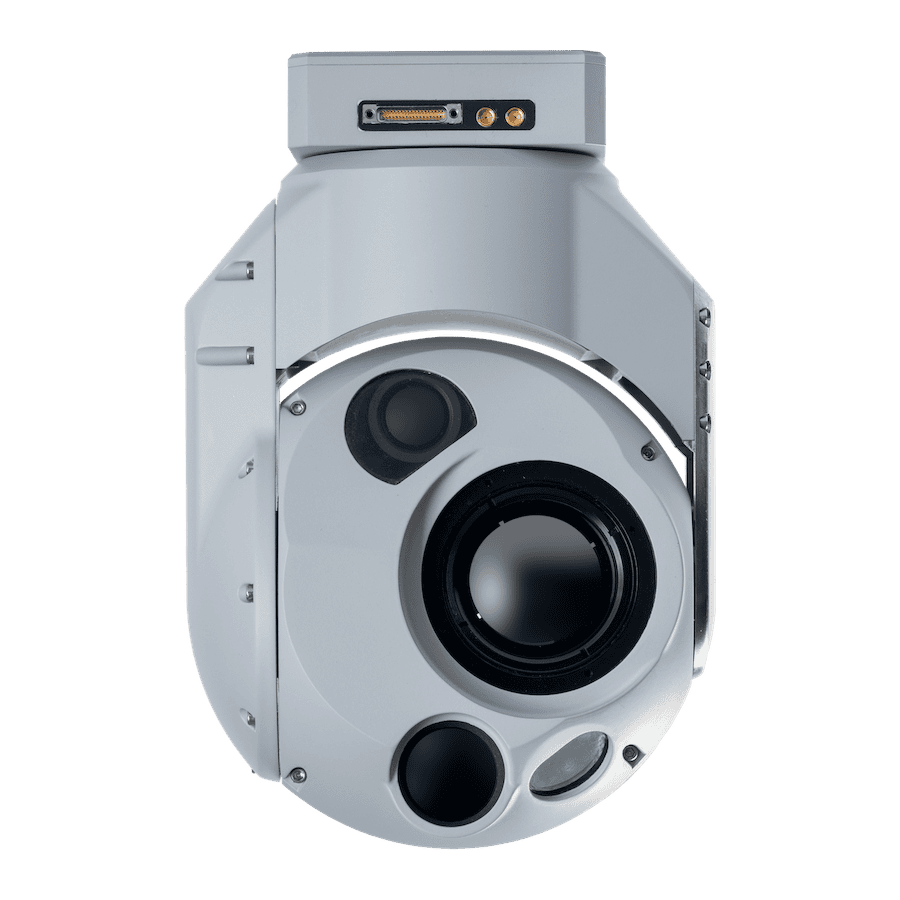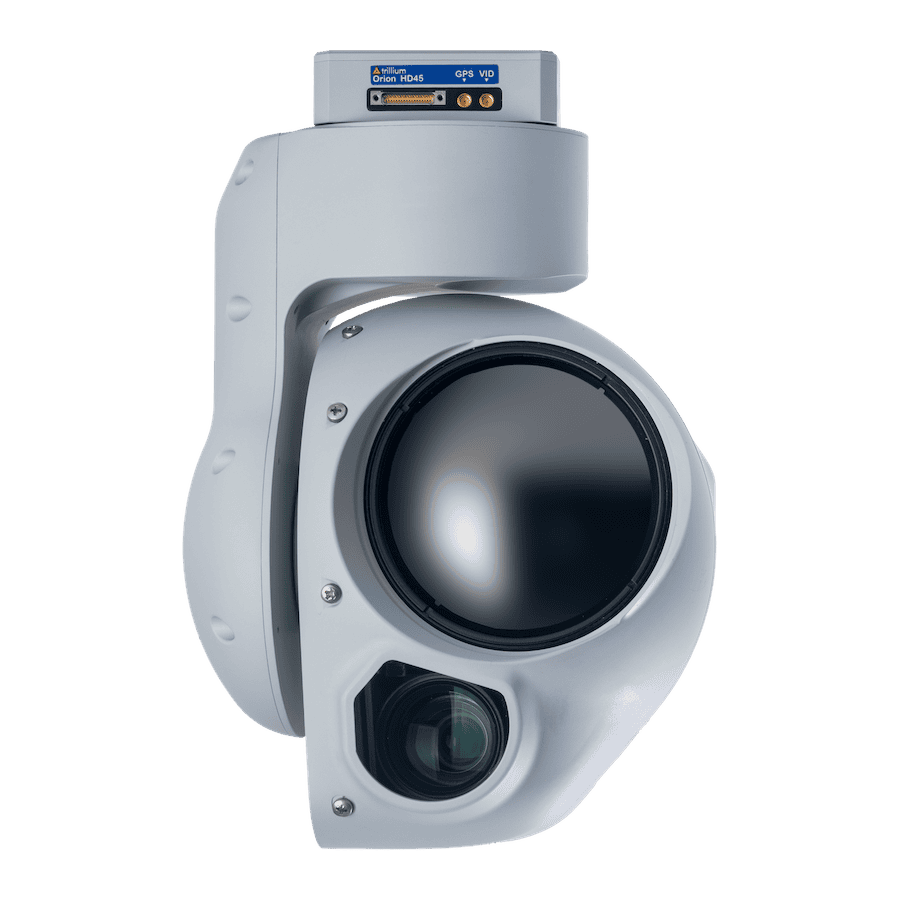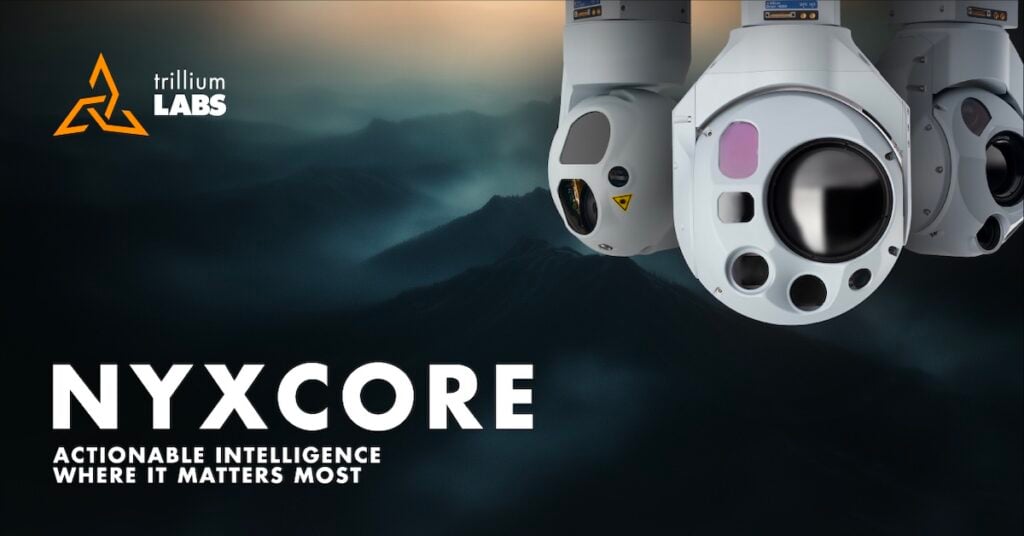
Trillium Engineering’s HD80 multi-sensor imaging and targeting payload recently supported the Taiwan Army’s first successful manned-unmanned teaming operation during the annual Divine Eagle Exercise.
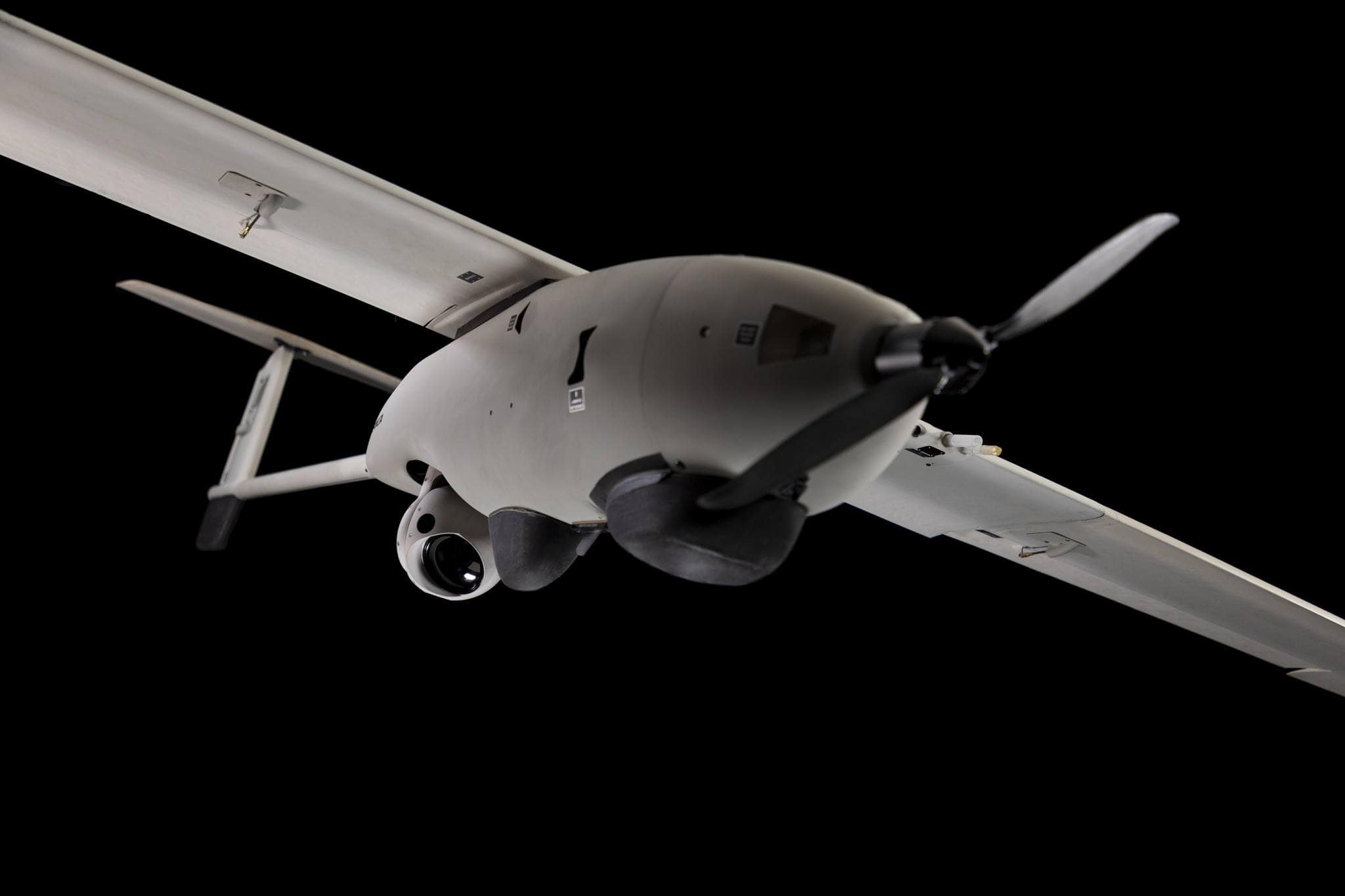
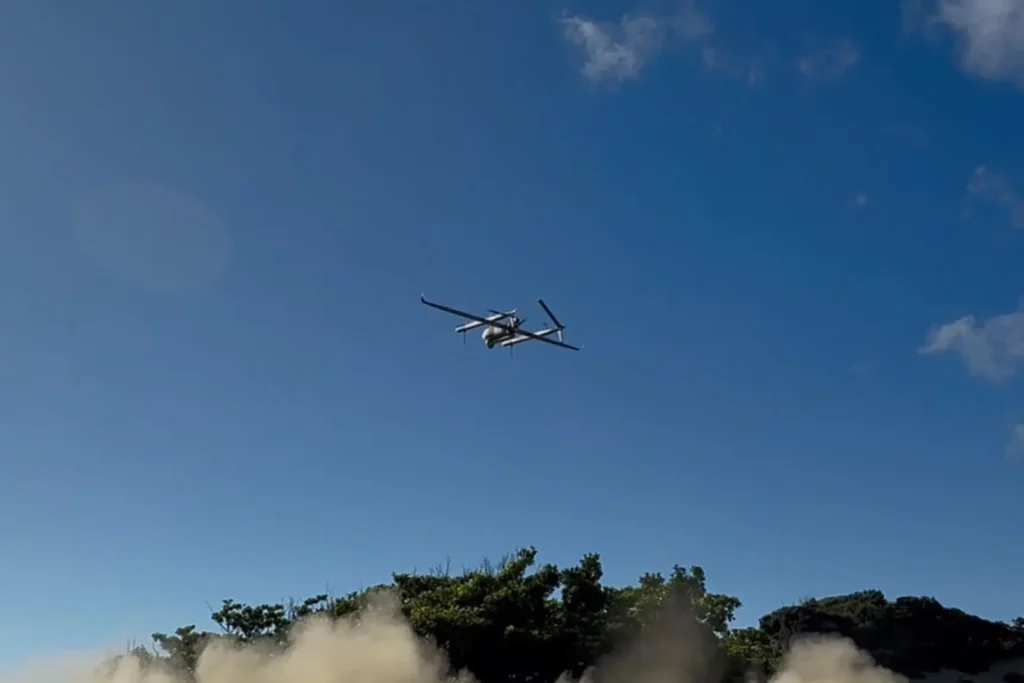
During the live-fire mission conducted in July, Textron Systems’ Aerosonde uncrewed aircraft system worked alongside an AH-64E Apache attack helicopter to detect, track, and engage simulated maritime targets. By placing advanced sensing and targeting capabilities aboard the uncrewed platform, the crewed Apache was able to maintain a greater standoff distance until the moment of engagement.
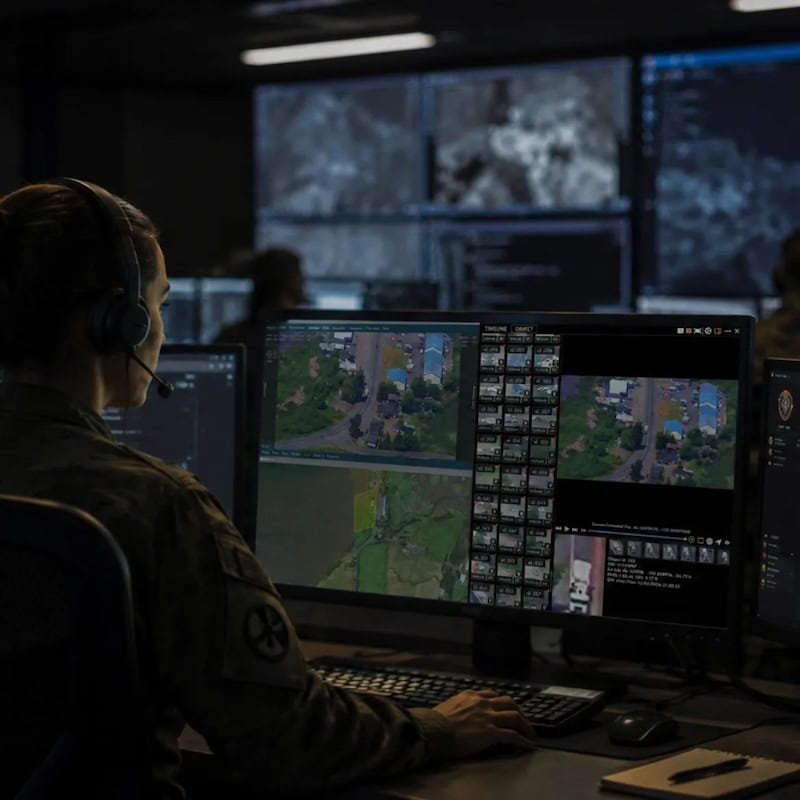
The joint operation demonstrated a streamlined sensor-to-shooter workflow tailored for challenging littoral environments. Operating as a forward overwatch node, the Aerosonde first detected targets through distance marine layer conditions using an onboard IMSAR NSP-3 SAR/GMTI system. The cross-queued HD80 payload then identified the maritime targets in detail, maintained tracking, and laser-designated the selected target for the Apache helicopter to engage.
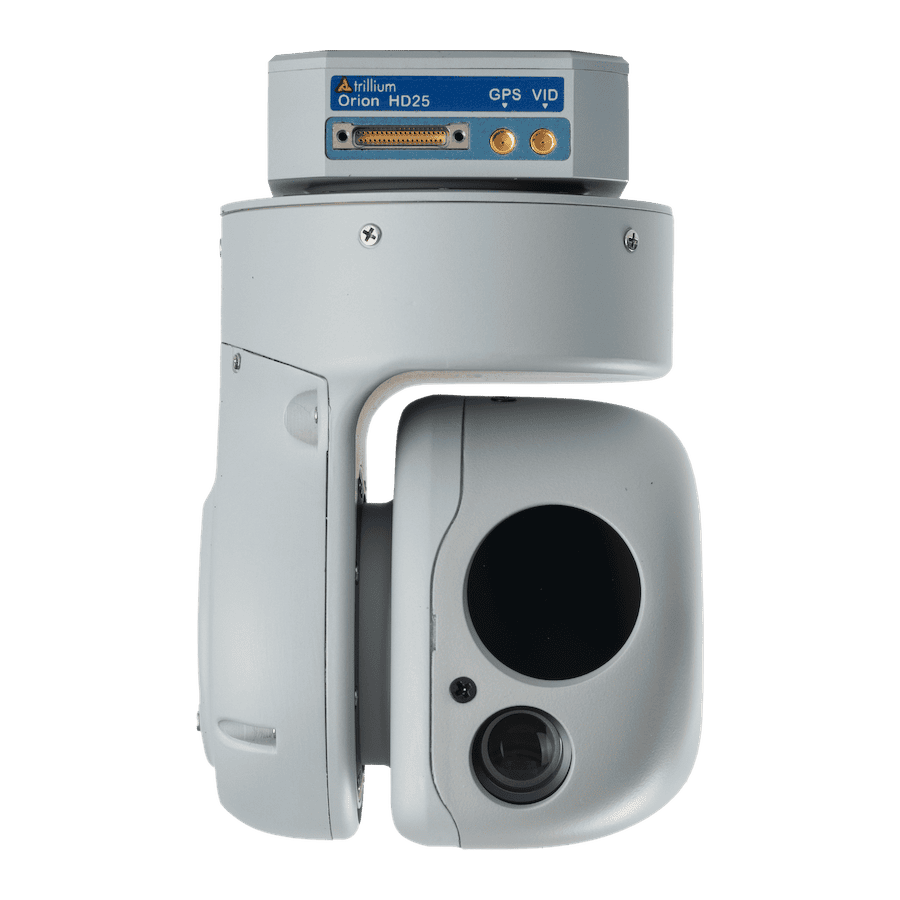
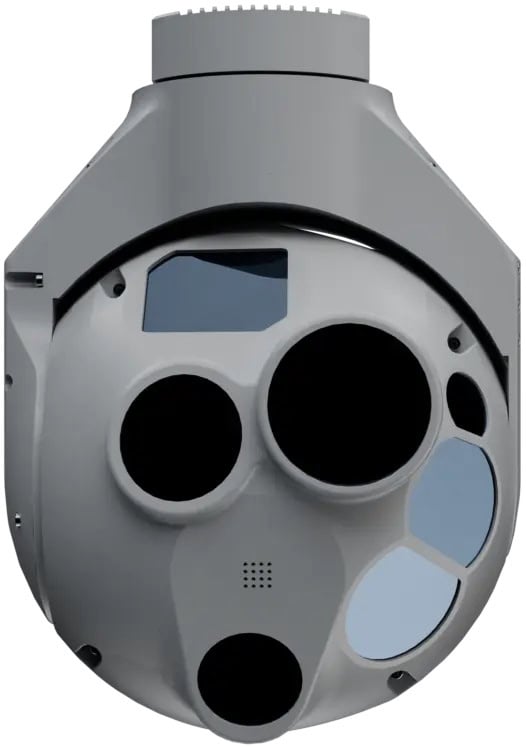
The HD80-MLVS-LD-LRF-LP system integrates stabilized multi-sensor imaging with laser designation, rangefinding, and pointing capabilities into a single package. This integrated suite enables operators to transition seamlessly from observation and target identification to tracking, ranging, and target designation without switching systems.
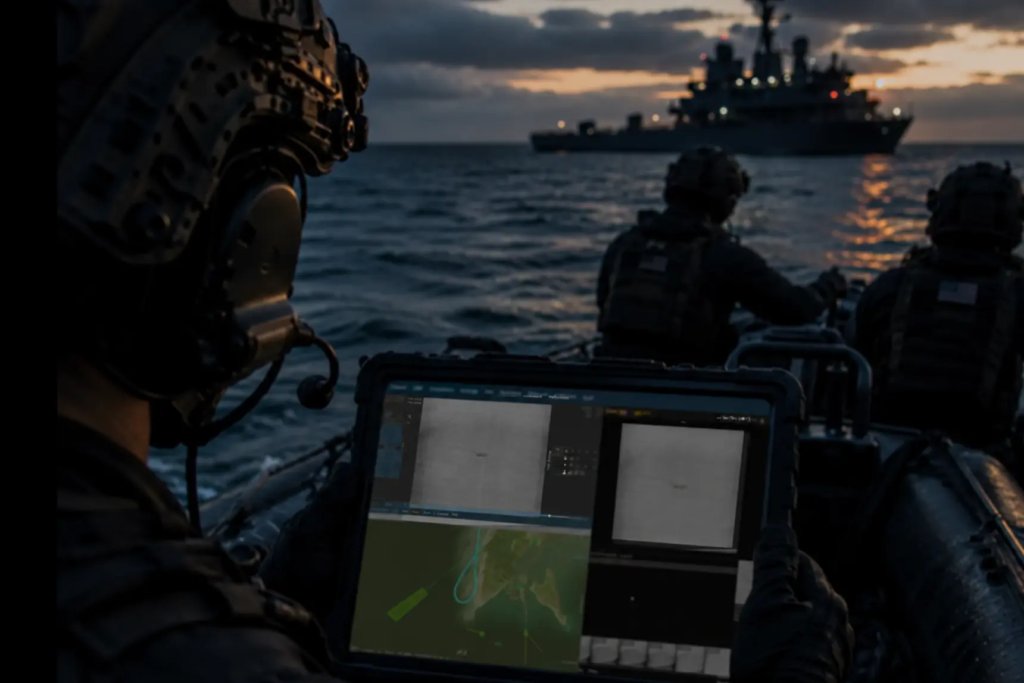
By serving as forward sensing nodes, uncrewed platforms extend mission reach, provide persistent situational awareness, and accelerate coordination across complex engagement chains. The milestone exercise highlights how Trillium’s ongoing collaboration with Textron Systems delivers key imaging and targeting technology that allows crewed and uncrewed platforms to operate together with higher precision and lower aircrew risk.