



Showcase your capabilities
If you design, build or supply Thermal Cameras, create a profile to showcase your capabilities and connect with visitors who have an active requirement for your solutions.




Source thermal cameras from trusted manufacturers and suppliers supporting ISR, UAV, counter UAS, and force protection missions. Military thermal cameras and infrared imaging systems provide mission-critical situational awareness across air, land, and maritime domains, enabling target detection, identification, and tracking in degraded visual environments. From ruggedized uncooled thermal camera modules to high-performance cooled MWIR and LWIR cameras, defense-grade solutions are engineered for integration into UAV systems, UGV platforms, naval surveillance payloads, and fire control systems.
Read the Technology Overview
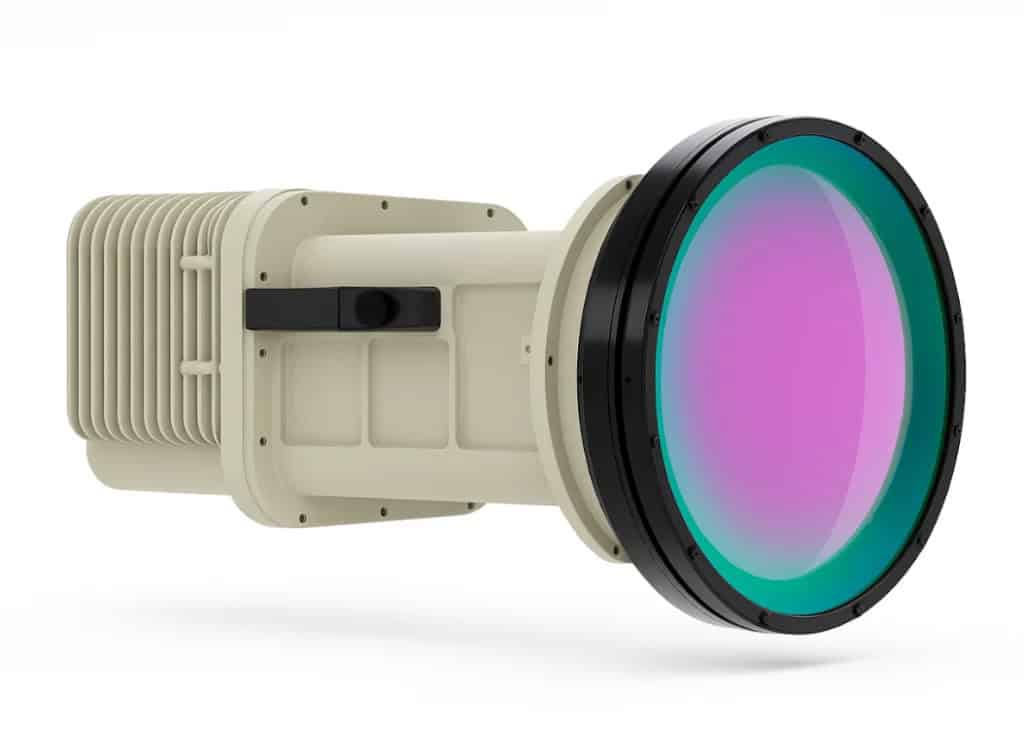
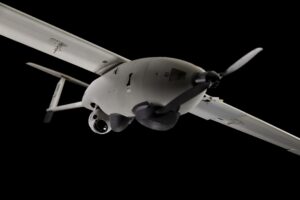
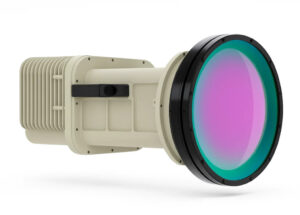
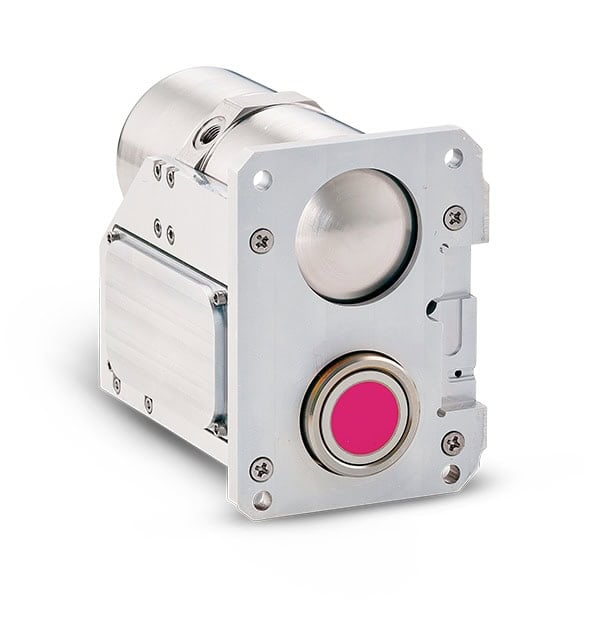
Cutting-Edge Visible & Thermal Imaging Camera Gimbal Payloads for Mission-Critical Applications

Advanced Military & Defense Electronics, Electro-Optics, Thermal Imaging, FPGA, Embedded Systems, Industrial IoT and Smart Energy Solutions

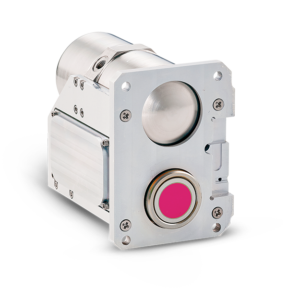
Thermal Imaging Solutions Featuring Cutting-Edge Intelligent Sensing & Threat Detection Technologies

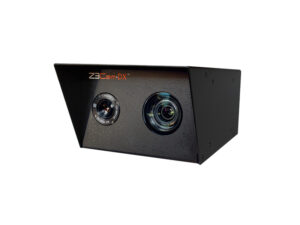
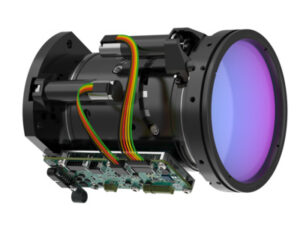
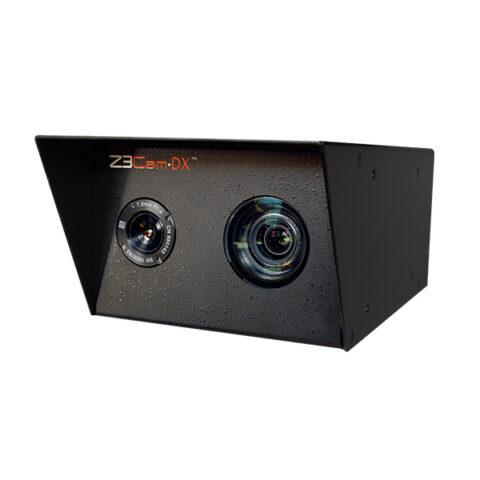
NDAA & TAA Compliant Video Encoding & IP Camera Solutions for Mission-Critical Applications

If you design, build or supply Thermal Cameras, create a profile to showcase your capabilities and connect with visitors who have an active requirement for your solutions.

Thermal cameras, including advanced thermal imaging cameras, detect infrared radiation emitted by objects and convert heat signatures into visible images, enabling operation in total darkness, smoke, and low-visibility conditions. Unlike image intensification night vision, thermal imaging does not rely on ambient light. Systems operate across LWIR, MWIR, and SWIR bands, supporting surveillance, long-range targeting, and specialized ISR roles. Military thermal cameras are deployed on UAVs, UGVs, USVs, naval vessels, and fixed installations, and are integrated into EO IR systems, weapon sights, and drone payloads to enhance situational awareness and battlefield surveillance.
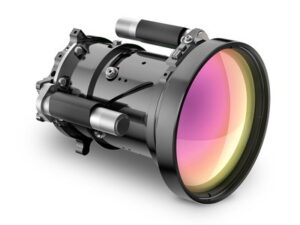
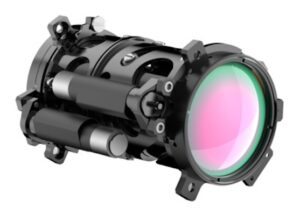
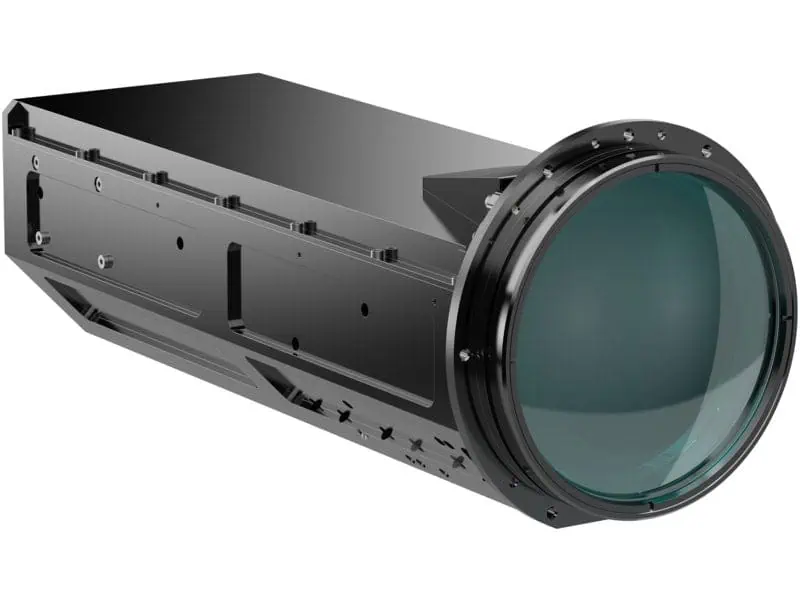
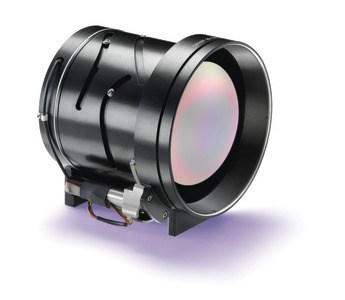
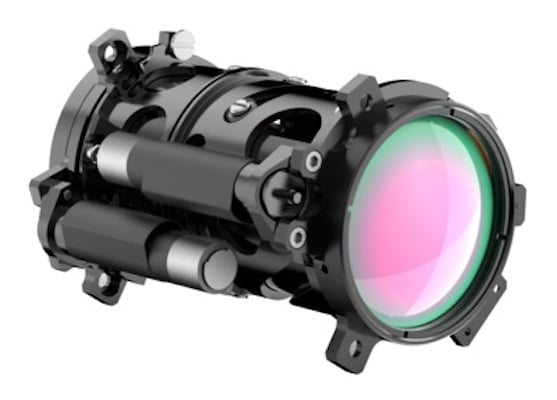
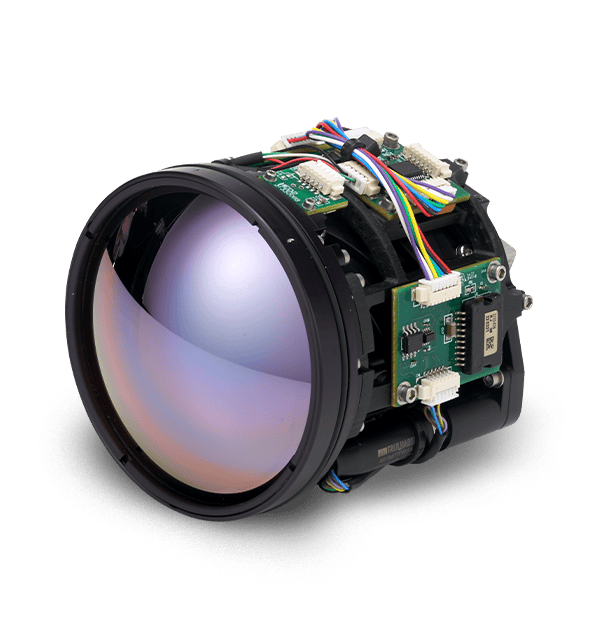
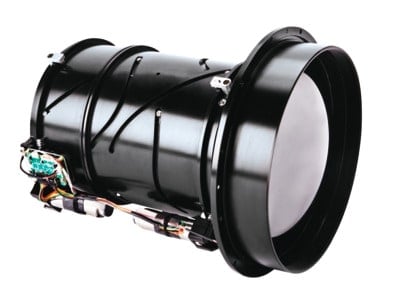
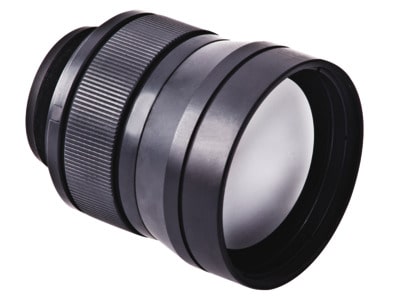
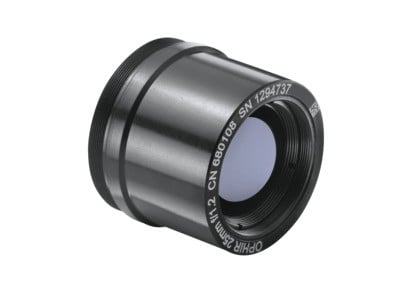
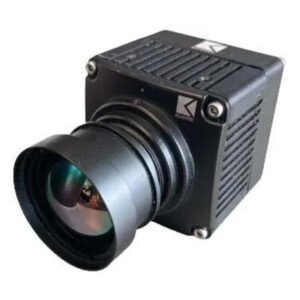
LightIR 18-225mm f/3.6 from MKS | Ophir
LWIR cameras operate in the 8 to 14 µm range and are widely used for perimeter security, border surveillance, and base security. Uncooled thermal cameras in this band are compact, energy-efficient, and suitable for UAV and UGV systems, as well as handheld thermal cameras. LWIR camera technology is often selected for force protection systems and coastal monitoring.
MWIR cameras operate in the 3 to 5 µm band and typically use cooled infrared technology to enhance sensitivity and long-range performance. These systems are common in airborne surveillance, maritime patrol, fire control systems, and missile guidance applications. Cooled thermal cameras provide superior target identification and detection performance in ISR missions.
Short-wave infrared cameras operate in the 0.9 to 1.7 µm range and are effective for low-visibility operations, laser spot tracking, and certain intelligence, surveillance, and reconnaissance scenarios. SWIR camera systems are often integrated into advanced EO-IR systems and optical assemblies that require specialized infrared optical materials or configurations.
Cooled thermal cameras use cryogenic cooling to reduce sensor noise and improve detection range. They are typically deployed in high-resolution thermal camera systems for airborne ISR, counter-UAS systems, and naval surveillance. These systems support long-range target acquisition and threat detection.
Uncooled thermal cameras use microbolometer sensors and are valued for their reduced size, weight, power consumption, and cost. They are widely used in unmanned aerial systems, thermal camera drones, and perimeter monitoring systems. Uncooled systems are suitable for rugged thermal camera deployments in harsh environments.
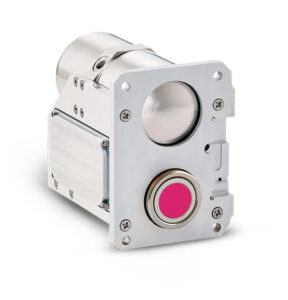
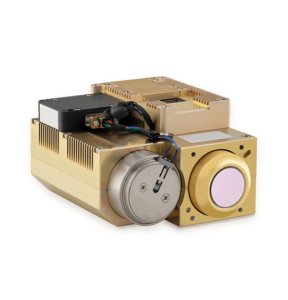
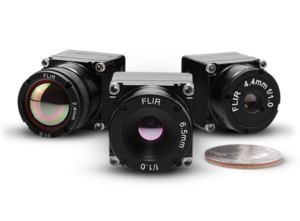
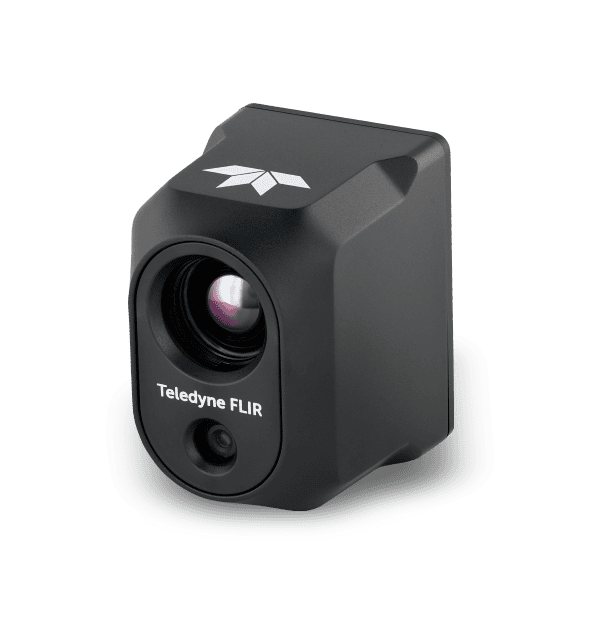
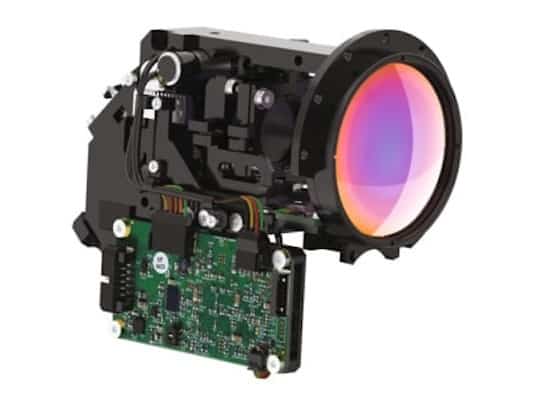
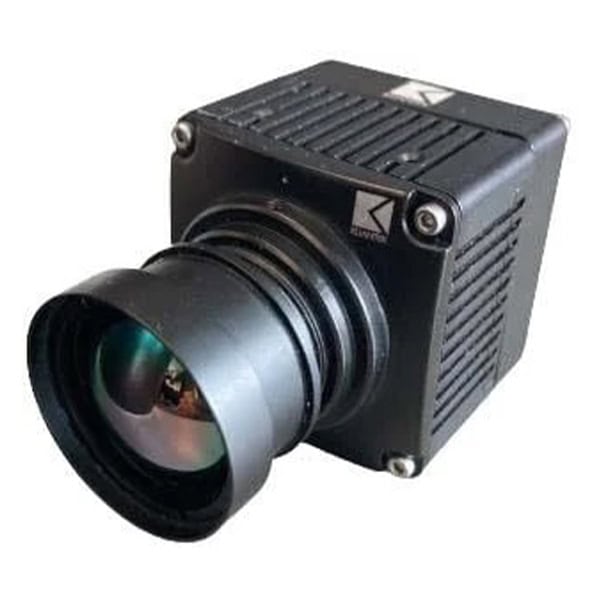
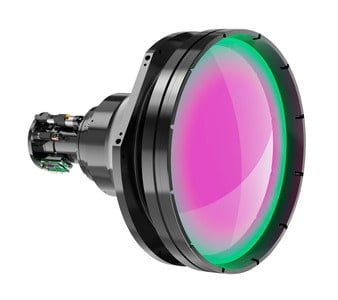
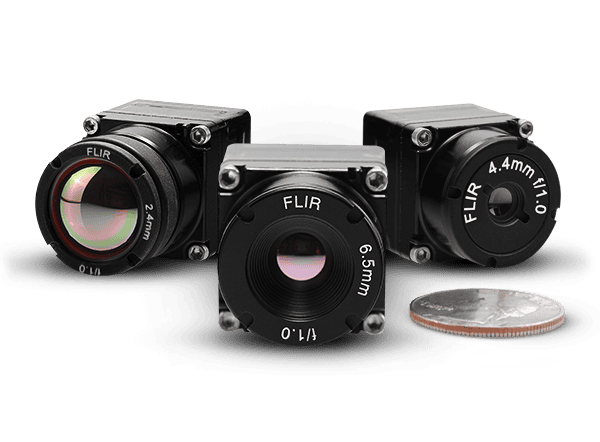
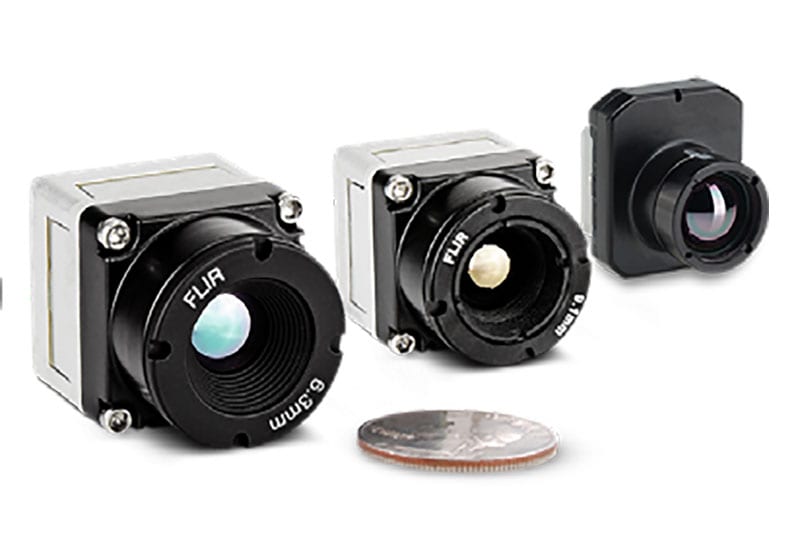
Neutrino SWaP Series from Teledyne Flir OEM
Thermal cameras integrated into UAV and UAS platforms enable airborne drone-based surveillance, and real-time intelligence, surveillance, and reconnaissance. A thermal camera for drone applications enhances night operations and tactical situational awareness. Integration with gimbal systems ensures stabilized imaging for drone surveillance missions.
Thermal imaging systems support counter-UAS systems by detecting and tracking low-visibility aerial threats. High-resolution thermal cameras improve threat-detection accuracy in homeland security operations and military perimeter security missions. Thermal sensor modules are often paired with radar and RF detection systems.
Unmanned ground vehicles and armored platforms utilize infrared cameras and thermal imagers for battlefield awareness and target detection. Thermal weapon sights and infrared weapon sights enhance force protection during special operations missions. Ruggedized enclosure designs ensure survivability in harsh operational conditions.
Thermal surveillance cameras and EO IR systems are deployed on naval patrol vessels, unmanned surface vehicles, and coastal surveillance installations. LWIR and MWIR cameras enable maritime surveillance, coastal monitoring, and maritime patrol in low-visibility conditions. Rugged enclosure and sensor housing designs are engineered to withstand saltwater exposure and shock environments.
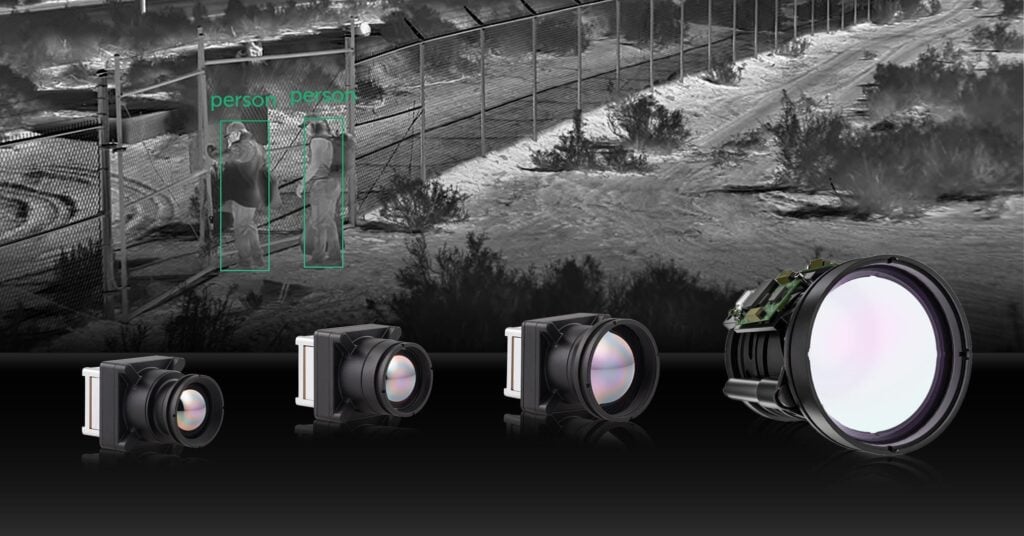
Border patrol surveillance and perimeter security systems rely on thermal imaging modules and long-range thermal cameras to detect intrusions. Infrared surveillance cameras provide continuous monitoring for military base protection and base security. Thermal surveillance systems support persistent ISR missions in remote regions.
Thermal imaging cameras assist in combat search-and-rescue operations by identifying personnel heat signatures in challenging terrain. Airborne surveillance platforms equipped with infrared imaging cameras support the rapid location of survivors during special forces operations. Thermal vision enhances mission effectiveness in degraded visual environments.
Thermal cameras are rarely standalone systems. They are integrated into EO IR systems, gimbal systems, sensor housings, and multi-sensor payloads. Mechanical design considerations include optical assemblies, selection of germanium lenses, vibration isolation, and construction of a ruggedized enclosure.
Electrical and software integration requires compatibility with DSP architectures, fire control systems, and mission computers. For UAV and drone thermal camera applications, size, weight, and power constraints are critical. For vehicle-mounted or naval systems, shock resistance and environmental sealing are prioritized.
Data interfaces must align with secure communications architectures that support ISR missions. High-bandwidth digital outputs enable integration into intelligence, surveillance, and reconnaissance networks and tactical command systems.
Night vision cameras typically rely on image intensification and ambient light amplification. While effective in low-light conditions, they can be limited in complete darkness or in obscured environments. Thermal cameras detect infrared radiation emitted by objects, providing reliable performance in smoke, fog, and total darkness.
For target identification and target acquisition, thermal imaging systems often outperform traditional night vision when detecting concealed threats. However, night vision can offer finer detail in certain illuminated scenarios. Many EO IR systems combine thermal imaging and visible or SWIR camera channels to deliver complementary capabilities.
Military thermal cameras must comply with rigorous environmental, electromagnetic, and interoperability standards.
Common standards include:
Compliance with these standards ensures that infrared imaging camera systems can withstand vibration, shock, temperature extremes, humidity, and electromagnetic interference typical of battlefield surveillance and naval surveillance operations.
Export control considerations are also critical. Many military infrared cameras and cooled infrared camera systems are subject to ITAR or other export regulations. Procurement teams must evaluate jurisdiction, classification, and licensing requirements when sourcing thermal imagers for international programs.
Selecting the right military thermal camera for defense use requires careful assessment of detection range, spectral band, resolution, frame rate, and integration compatibility. High-resolution thermal cameras may be required for long-range thermal imaging systems used in ISR missions and missile guidance.
Program managers should evaluate manufacturers and suppliers based on:
For counter-drone systems, perimeter monitoring, and base security applications, the emphasis is on continuous operation, automated threat detection, and integration with command-and-control networks.
Advances in microbolometer sensitivity, detector materials, and digital signal processing are improving thermal imaging performance. Modern thermal imaging systems increasingly incorporate onboard DSP capabilities for edge processing, automated target detection, and intelligent threat classification.
Integration with unmanned aircraft systems and drones with thermal camera configurations continues to expand. Lightweight thermal imaging modules enable smaller UAV platforms to conduct intelligence, surveillance, and reconnaissance missions with extended endurance.
Multi-sensor fusion is another key trend. Combining LWIR, MWIR, SWIR, and visible spectrum cameras within a single EO-IR system enhances battlefield and tactical situational awareness. These integrated systems support force protection systems, special operations missions, and airborne surveillance requirements across joint defense operations.
As global security environments evolve, thermal cameras remain a foundational technology for intelligence, surveillance, and reconnaissance; border surveillance; maritime surveillance; and target identification. Defense-grade thermal imaging solutions enable reliable performance in contested, low-visibility, and mission-critical environments across air, land, and sea domains.


 Searching Companies & Products