Introduction to Military Optical Components
Military optical components are used in imaging, surveillance, targeting, and guidance systems, providing precise light transmission, focusing, and environmental protection in demanding defense applications. Optical windows, lenses, domes, and filters are manufactured from specialized materials selected for their spectral transmission, optical clarity, durability, and resistance to environmental conditions. These components support visible, near-infrared, mid-wave infrared (MWIR), and long-wave infrared (LWIR) imaging across military aircraft, armored vehicles, naval platforms, and other defense systems.
Key Materials for Military Optics
The material selection for optical windows, lenses, and domes is crucial for their performance and suitability in different military applications. The most common optical materials offer different advantages in terms of spectral transmission, durability, thermal stability, and cost:
- Sapphire Windows: Renowned for their exceptional strength, scratch resistance, and wide spectral transmission range, sapphire windows are a leading choice for demanding tactical and military applications. They excel in harsh environments, withstanding extreme temperatures, high G-forces, and corrosive elements. However, their relatively high cost makes them a specialty material.
- Germanium Windows: With outstanding infrared transmission capabilities, germanium windows are a vital component for MWIR and LWIR thermal imaging systems. They enable thermal detection and imaging in darkness and other challenging visibility conditions. Germanium optics may also incorporate protective coatings for improved environmental resistance. However, germanium is relatively heavy, can be expensive, and requires careful consideration of temperature-dependent optical performance.
- Quartz Windows (fused silica): Offer exceptional thermal stability and transmit a broad range of wavelengths, including ultraviolet, visible light, and near-infrared. Fused silica windows are ideal for applications requiring high-precision imaging across a broad spectral range. It is worth noting that fused silica is generally more susceptible to scratching than sapphire.
- Optical Glass Windows: Available in various formulations, optical windows made from glass offer a balance between good optical performance, affordability, and durability. They are a popular choice for applications where cost and optical performance are important factors. However, some glass compositions may not be suitable for extreme environments or may have a limited spectral transmission range.
Key Types of Optical Components
Optical Windows
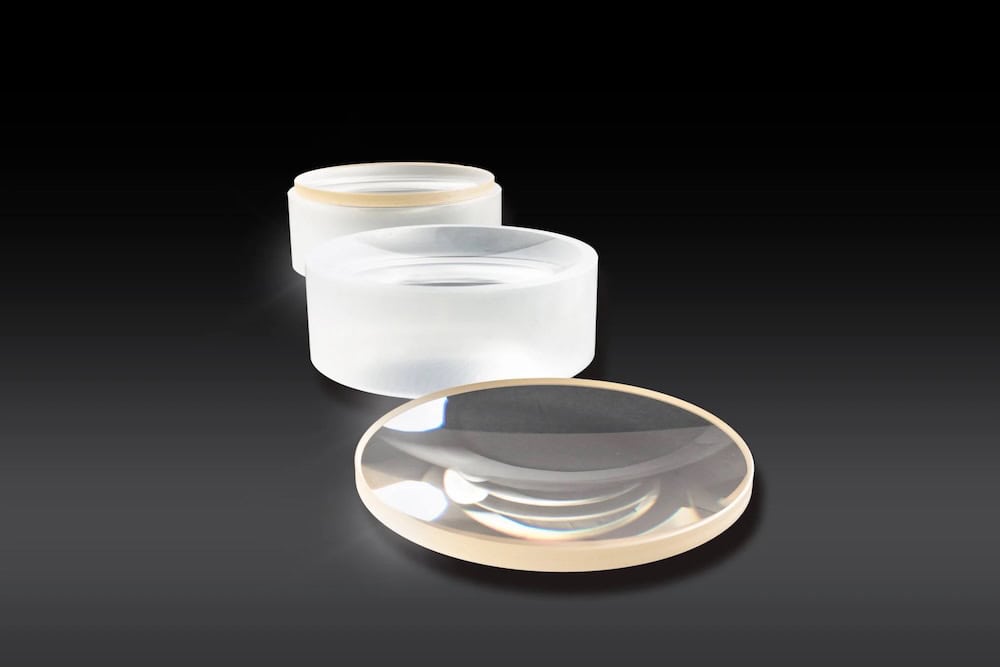
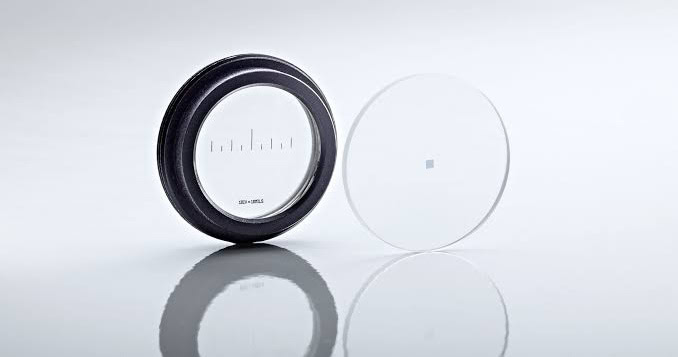
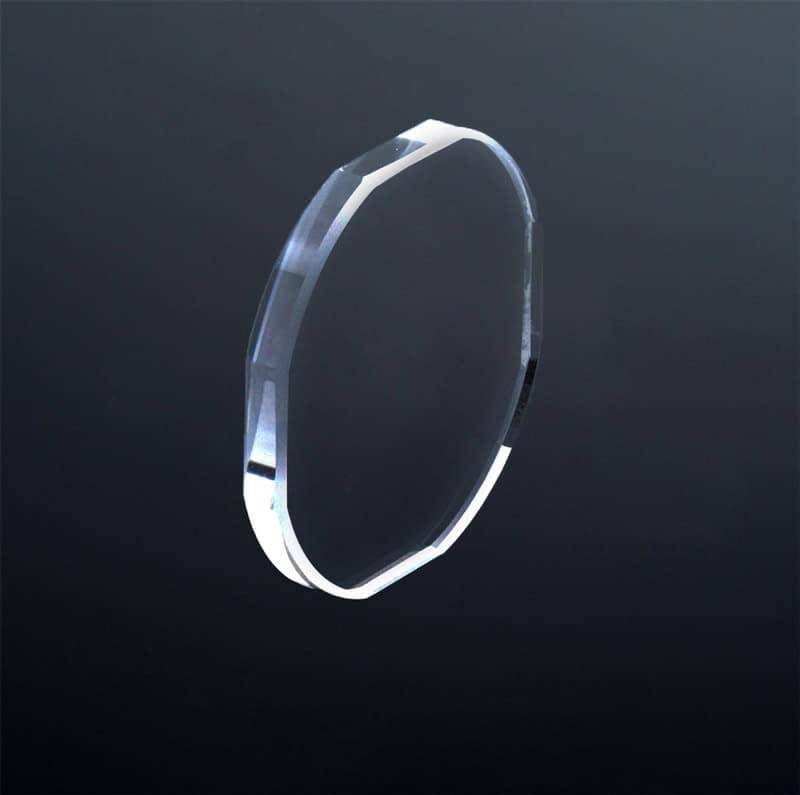
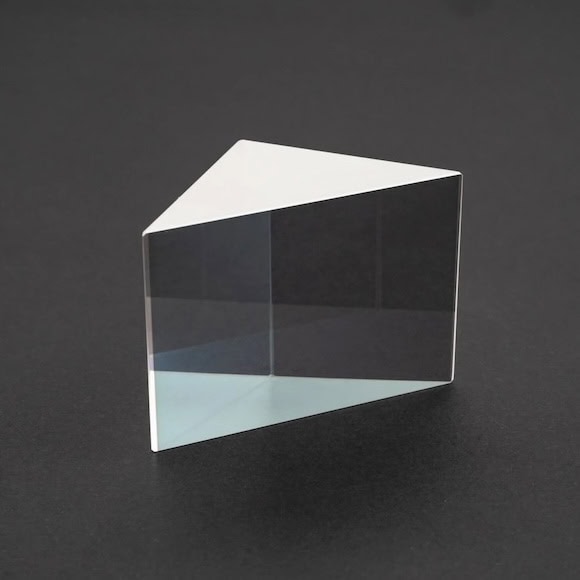
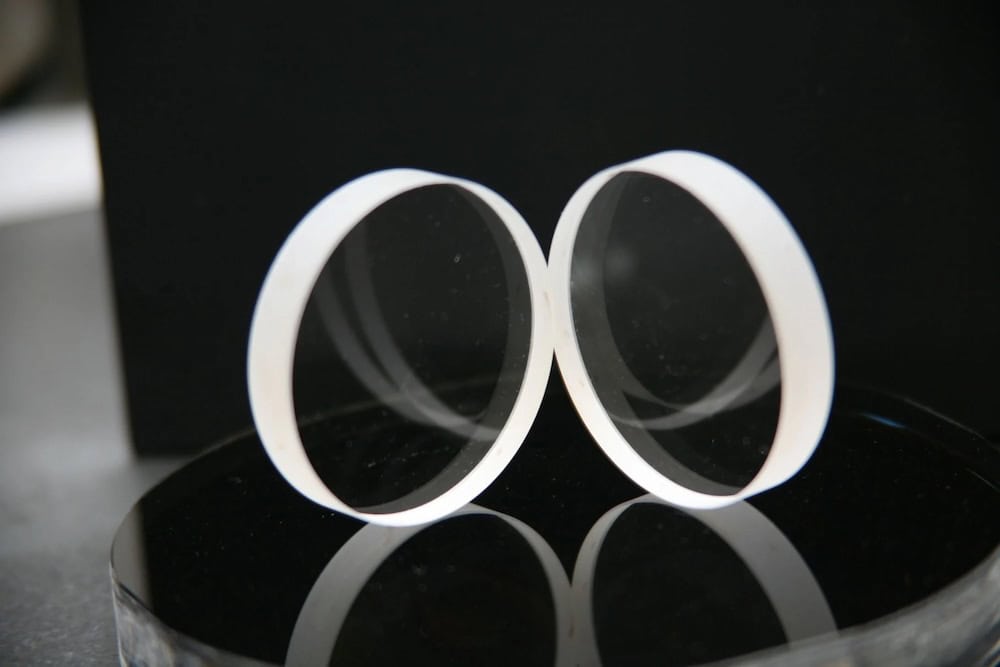
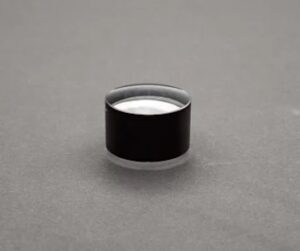
Optical windows are flat, transparent components that allow light to pass through with minimal distortion while protecting internal equipment from dust, moisture, debris, and environmental exposure. Common materials include sapphire, fused silica, germanium, and optical glass, with selection depending on the required spectral transmission, mechanical strength, and thermal stability. They are widely used in military cameras, electro-optical sensors, thermal imaging systems, and surveillance equipment.
Optical Lenses
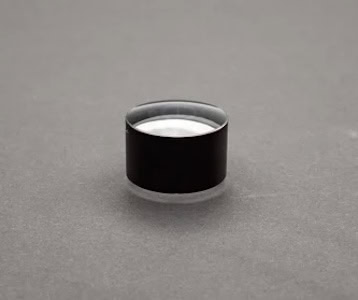
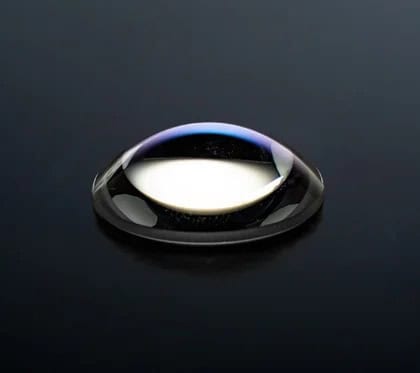
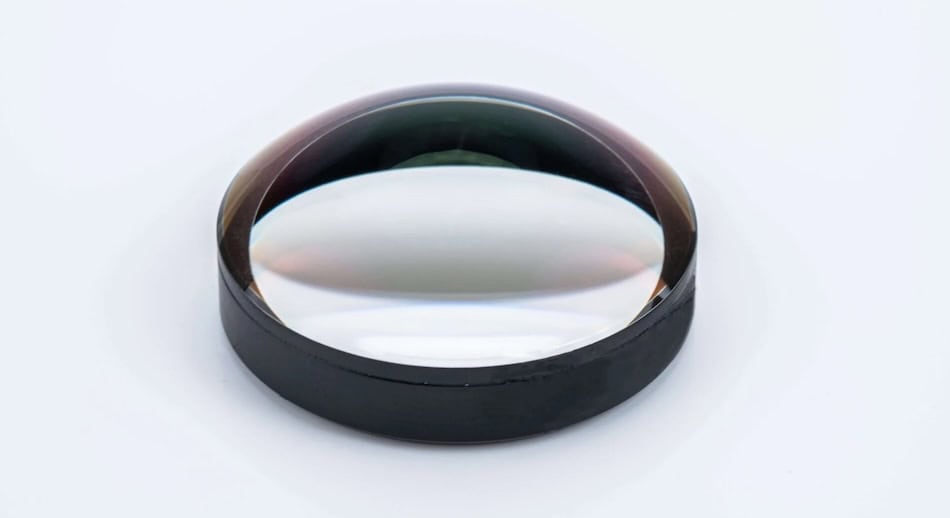
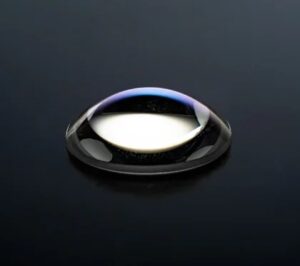
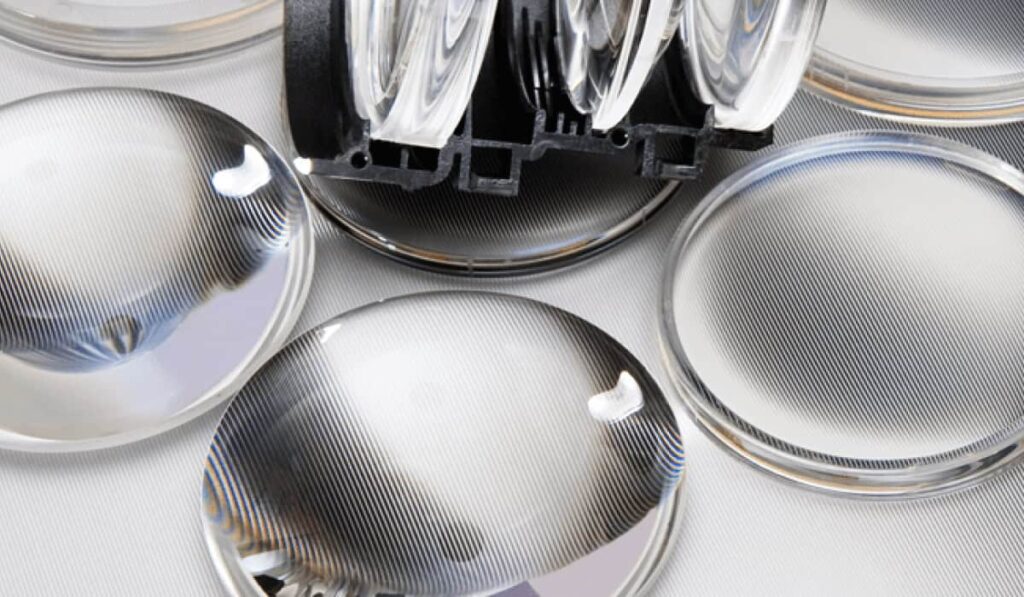
Optical lenses focus or collimate light to produce clear images in military cameras, weapon sights, targeting systems, and electro-optical payloads. Different configurations include aspheric lenses, which reduce spherical aberration and improve image quality, and achromatic lenses, which minimize chromatic aberration by bringing different wavelengths into closer focus. Specialized infrared lenses are also used in thermal imaging and surveillance systems, with materials and optical designs selected according to the operating wavelength.
Optical Domes
Optical domes are curved, transparent enclosures that protect imaging sensors while providing a wide field of view. They are commonly used in military aircraft, missile guidance systems, surveillance turrets, and other exposed optical assemblies. Materials such as sapphire and fused silica offer mechanical strength and environmental resistance, while specialized infrared materials are used for thermal imaging applications.
Optical Filters
Optical filters selectively transmit, reflect, or block specific wavelengths of light to improve image quality and isolate particular spectral bands. Common configurations include bandpass, longpass, shortpass, and neutral density filters, each serving different optical requirements. These components are used in military surveillance, targeting, thermal imaging, and multispectral sensing systems to reduce unwanted light, improve contrast, and support accurate detection.
Matching Material to the Application
Reconnaissance and Surveillance Systems
Sapphire windows and fused silica windows are commonly selected for their durability and optical transmission properties in visible and near-infrared imaging systems. These materials help protect surveillance cameras and electro-optical sensors from environmental exposure while maintaining image clarity. Thermal surveillance systems may require alternative infrared-transmitting materials, such as germanium, depending on their operating wavelength.
Thermal Imaging

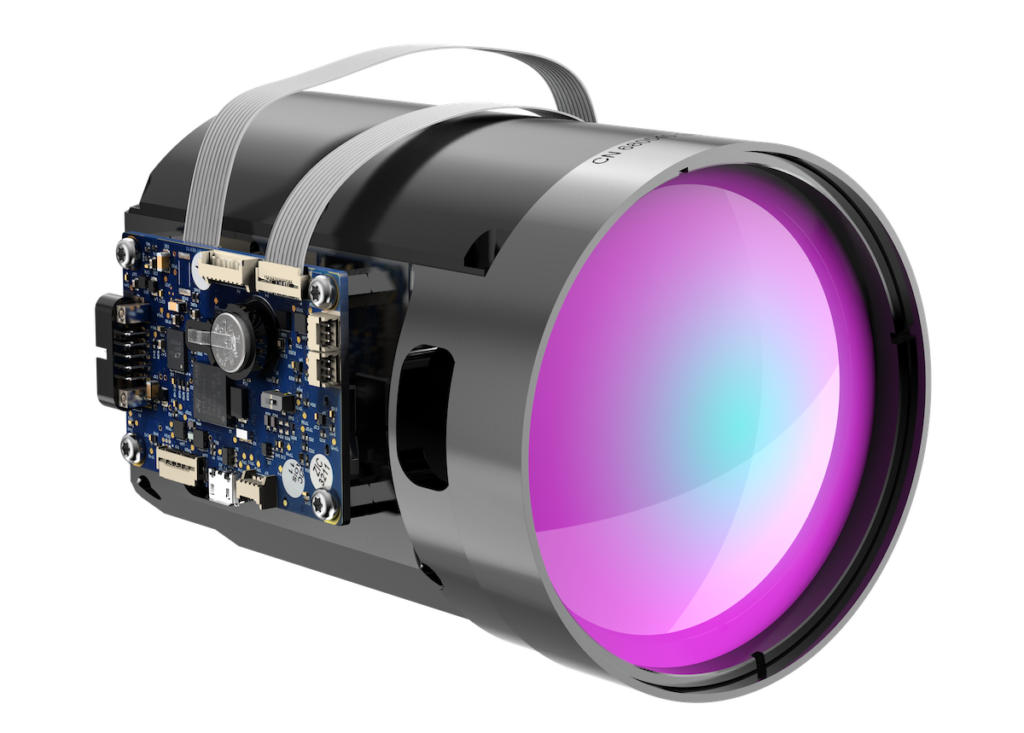
Manual focus imaging lens for 1024×768 XGA format uncooled LWIR cameras by MKS Ophir
Thermal imaging systems typically use germanium windows and lenses for MWIR and LWIR applications, although other infrared materials may be selected according to the operating wavelength. These components transmit thermal radiation to infrared detectors, supporting target detection, surveillance, and situational awareness in darkness, smoke, and certain other reduced-visibility conditions. Protective coatings may also be applied to improve durability in demanding military environments.
Target Acquisition and Weapon Sights
Sapphire windows and high-performance optical glass windows provide a combination of mechanical strength, optical clarity, and environmental resistance for military weapon sights and targeting equipment. Material selection depends on the spectral requirements of the sighting system, with infrared optics requiring suitable infrared-transmitting materials. Anti-reflective and protective coatings can further improve transmission and help maintain optical performance during field operations.
Night Vision
Conventional image-intensifier night vision systems typically use optical glass components designed to transmit visible and near-infrared light, allowing users to observe scenes under low-light conditions. Fused silica and other suitable optical materials may also be used where additional environmental resistance or specific transmission characteristics are required. Unlike conventional night vision, thermal imaging systems generally require specialized infrared materials such as germanium.

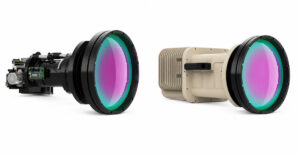
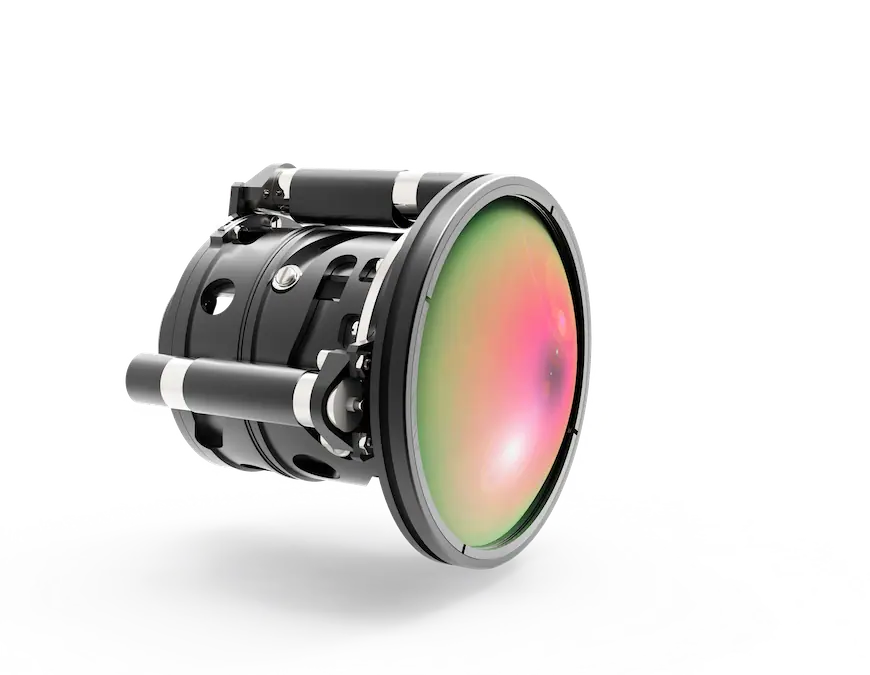
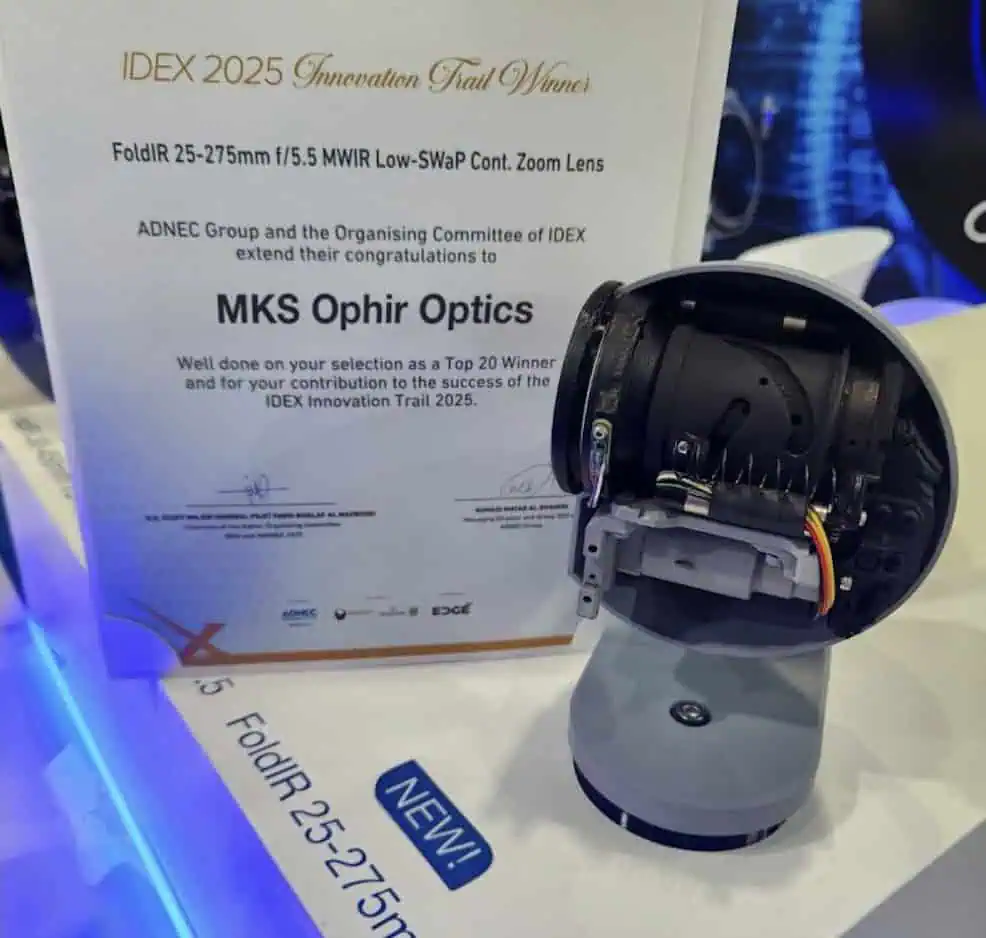
MWIR zoom lens with vehicle detection range exceeding 16 km by MKS Ophir
Missile Guidance Systems
Sapphire and other specialized optical materials are selected for missile guidance systems based on their spectral transmission, mechanical strength, and thermal performance. Optical windows and domes protect imaging sensors from aerodynamic heating, vibration, and high acceleration while allowing the required wavelengths to reach the detector. Material and coating selection must account for the missile’s operating environment and the requirements of its guidance sensor.
Relevant Military & Optical Standards
Military optical windows, lenses, and domes may need to meet specific environmental, optical, and manufacturing requirements to ensure reliable performance in defense applications. Applicable standards depend on the component, its integration into a larger system, and the requirements of the military platform.
- MIL-STD-810: Establishes environmental engineering considerations and laboratory test methods for military equipment, including temperature, humidity, shock, vibration, and other environmental stresses. These methods may be used to evaluate optical components or assemblies under representative operating conditions.
- MIL-PRF-13830: Provides requirements associated with the manufacture, quality, and inspection of optical components used in military optical systems, including surface imperfections such as scratches and digs.
- ISO 10110: Defines standardized methods for specifying optical elements and systems on technical drawings, including surface form, material imperfections, and optical tolerances.
- ISO 9211: Covers optical coatings, including requirements and test methods relating to coating performance and durability. It is relevant to anti-reflective, reflective, and protective coatings applied to optical components.
Compliance with these standards is not universal across military optical components. Manufacturers and system integrators should confirm the applicable standards, revisions, testing procedures, and acceptance criteria for each defense application.