Optics enable dismounted personnel to observe, identify, range, and track targets across daylight, darkness, and degraded visual conditions. As modern military operations increasingly rely on accurate target data, rapid decision-making, and connected situational awareness, handheld optics, soldier optics, and networked electro-optical systems play an important role in supporting reconnaissance, target acquisition, navigation, and force protection.
This guide covers military optics for dismounted applications, including binoculars, spotting scopes, monoculars, laser rangefinders, thermal imagers, night vision devices, and multi-sensor fusion systems, while addressing optical performance, target geolocation, battlefield network integration, environmental ruggedization, and SWaP-C requirements.
If you design, build or supply Handheld & Soldier Optics, create a profile to showcase your capabilities and connect with visitors who have an active requirement for your solutions.
Handheld & Soldier Optics: Advanced Optical Systems for the Modern Warfighter
Introduction to Handheld & Soldier Optics
Handheld and soldier-worn tactical optics encompass a wide range of portable observation, surveillance, target acquisition, and situational awareness systems utilized by dismounted personnel in modern military and special operations. These systems range from ruggedized day-optics, binoculars, and spotting scopes to advanced thermal imagers, eye-safe laser rangefinders, night vision systems, and multi-sensor fusion platforms.
As defense and tactical operations have become increasingly complex, modern handheld optics have evolved from passive magnification tools into intelligent, networked electro-optical/infrared (EO/IR) systems. Integrated directly into soldier modernization programs, these devices deliver actionable intelligence, maximize target detection, recognition, and identification (DRI) ranges, and drastically compress the sensor-to-shooter decision timeline.
Categories and Types of Handheld & Soldier Tactical Optics
Military Binoculars & Spotting Scopes
These standard-issue and specialized long-range observation tools are engineered for harsh field environments, and provide a range of different capabilities.
Fixed & Variable Magnification: Optimized for durability, light transmission, and rapid target acquisition.
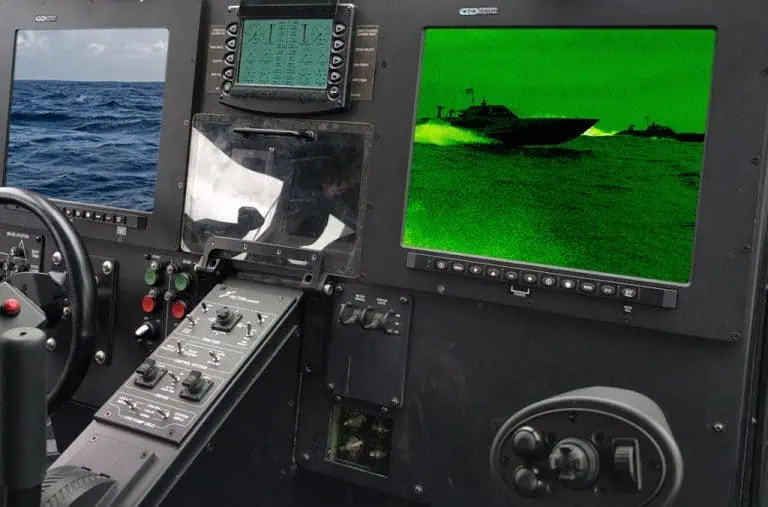
Stabilized Binoculars: Incorporate active electronic or mechanical image stabilization to eliminate motion blur during vehicle-mounted, maritime, or airborne reconnaissance.
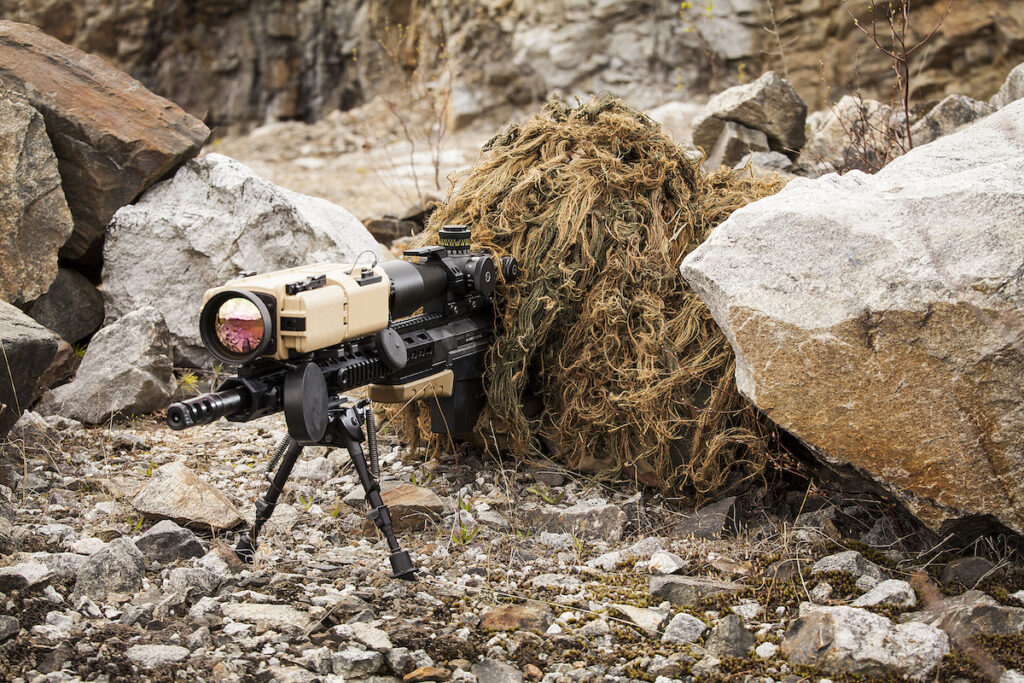
Long-Range Spotting Scopes: Featuring high-aperture objective lenses for superior resolution and image brightness, utilized by snipers, forward observers, and border security teams.
Tactical Monoculars & Weapon-Independent Devices
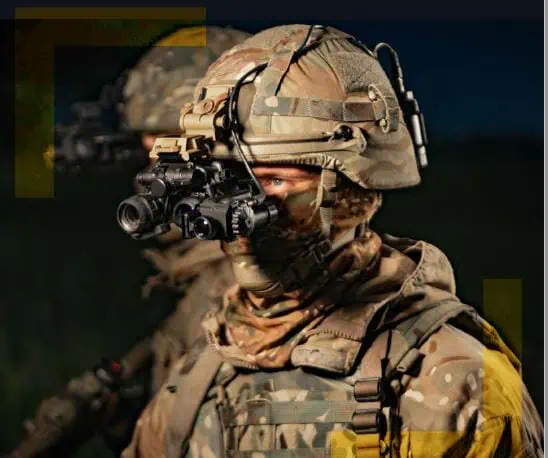
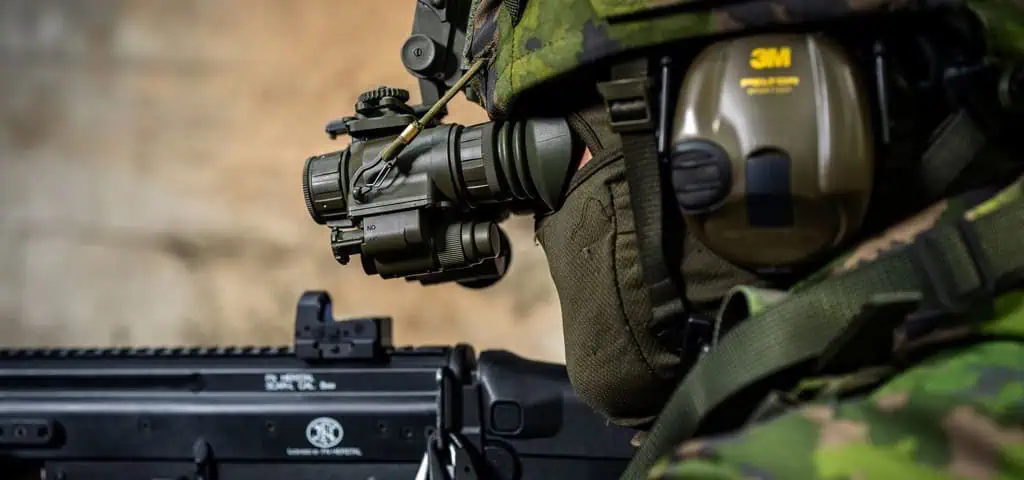
These lightweight, compact observation tools are designed to reduce physical burden while maintaining rapid mobility. Available in daylight, thermal, and night vision configurations, they can be handheld, helmet-mounted, or integrated into weapon systems. Handheld, weapon-independent devices allow reconnaissance forces to conduct covert surveillance without exposing weapon positions or altering tactical profiles.
Handheld Laser Rangefinders (LRFs)
These precision range measurement devices are critical for ballistics, indirect fire adjustment, and tactical mapping. Modern military LRFs integrate eye-safe laser diodes, digital magnetic compasses (DMC), and global navigation satellite systems (GNSS) to determine exact target coordinates instantly.
Thermal Imaging & Night Vision Devices (NVDs)
Thermal Imagers: Utilizing uncooled microbolometers for optimal SWaP-C in dismounted roles, or cooled thermal sensors for extreme long-range DRI performance in degraded visual environments (DVE).
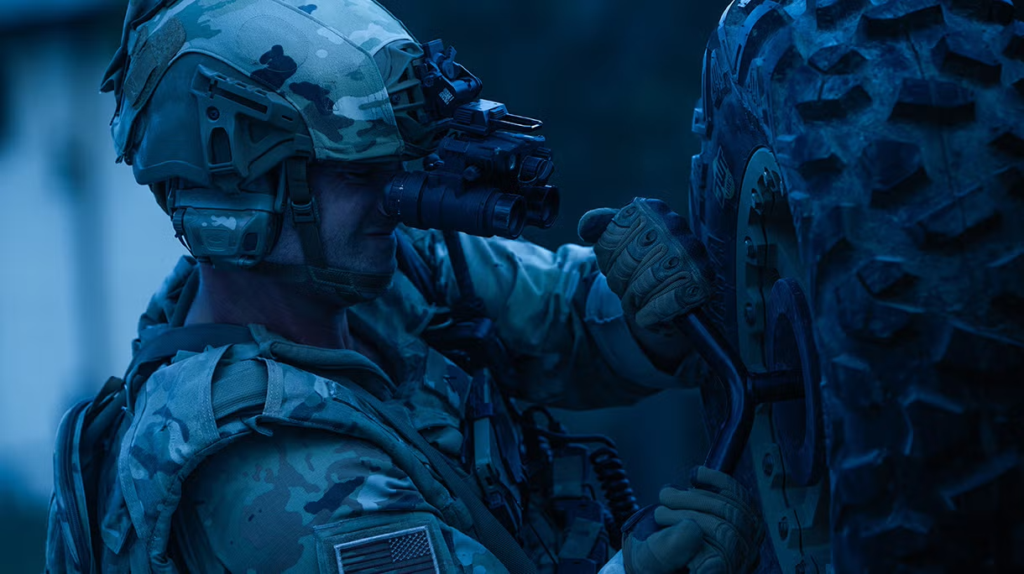
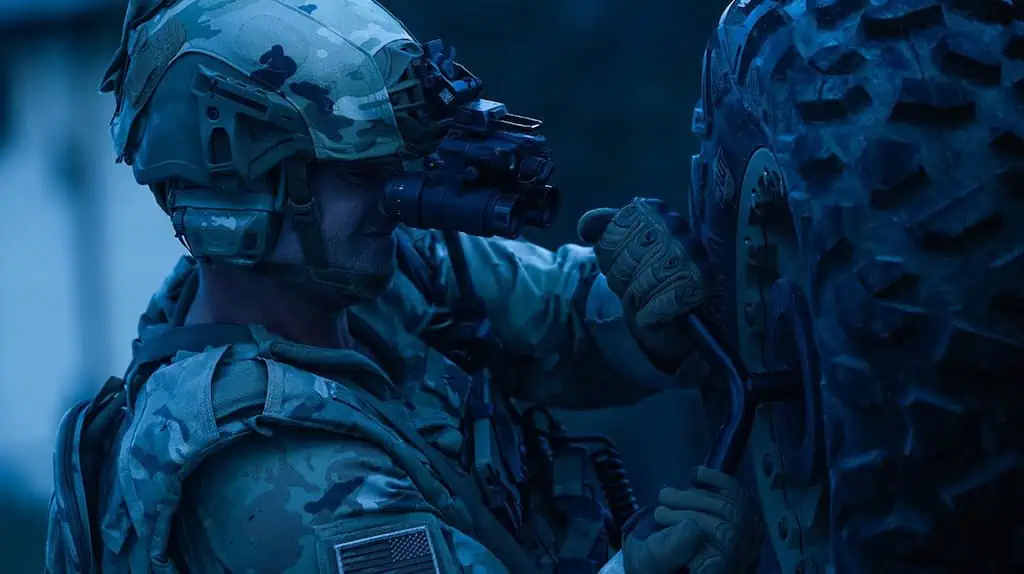
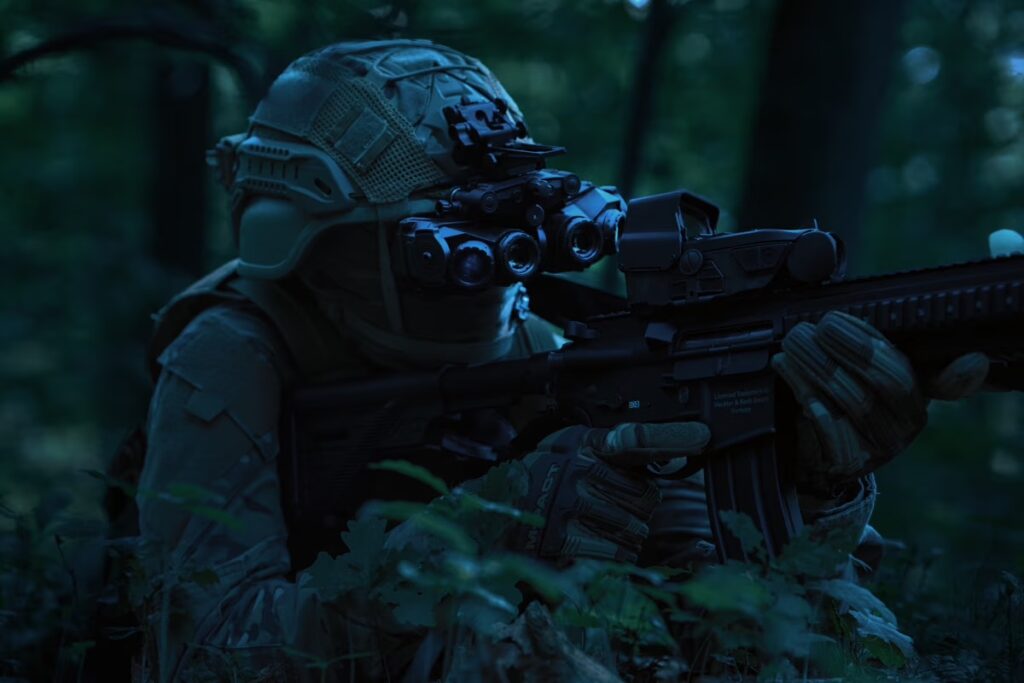
Image Intensification: Classic night vision technology utilizing high-performance photocathodes, microchannel plates, and green or white phosphor screens to amplify ambient starlight and moonlight.
Digital Night Vision: Leveraging high-sensitivity CMOS sensors to enable digital image enhancement, real-time video recording, and low-latency data transmission.
Multi-Sensor Fusion Optics
These systems represent the cutting edge of soldier optics, combining visible, short-wave infrared (SWIR), or long-wave infrared (LWIR) thermal channels into a unified display. Multi-sensor fusion provides unmatched situational awareness by overlaying thermal signatures onto high-resolution night vision imagery, mitigated by real-time edge processing.
Core Optical Technologies & Sensor Fusion
Optical Design & Thin-Film Coatings
The baseline performance of military-grade optics depends on advanced optical engineering. Objective lenses are designed to maximize light-gathering efficiency while balancing the critical trade-off between magnification and field of view (FOV).
To ensure survival in extreme environments, optical surfaces feature specialized thin-film coatings, including:
Multi-layer Anti-Reflective (AR) Coatings: Maximize light transmission across visible and infrared spectrums while minimizing optical glare.
Hydrophobic & Oleophobic Coatings: Repel water, moisture, mud, and fingerprint oils for clear observation in tropical or maritime environments.
Scratch-Resistant/Diamond-Like Carbon (DLC) Coatings: Protect external lens elements from abrasion caused by blowing sand, dust, and rugged field handling.
Advanced Night Vision Features
Modern image intensification and digital night vision systems utilize auto-gating power supplies to dynamically adjust the photocathode voltage. This protects the intensifier tube from damage and prevents image “blooming” or washout when exposed to sudden bright light sources such as muzzle flashes, explosions, or urban lighting.
Digitalization, AI, and Network-Centric Soldier Systems
Modern handheld optics are no longer isolated devices, and typically function as intelligent nodes within the net-centric battlefield.
Integration with Battlefield Management Systems (BMS)
Through tactical Bluetooth, Wi-Fi, or ruggedized military connectors, digital optics interface seamlessly with Battlefield Management Systems (BMS) and Android Tactical Assault Kit (ATAK) frameworks. This allows dismounted soldiers to push live video streams, high-resolution snapshots, and target telemetry directly to command and control (C2) centers or nearby combat vehicles.
Target Location & Geolocation
By syncing an internal digital compass, a multi-constellation GNSS receiver, and an eye-safe laser rangefinder, advanced target locators automatically compute highly accurate target grid coordinates. This data can be instantly fed into automated fire control networks to support precision-guided munitions and coordinated fires.
Edge Processing, AI & Augmented Reality (AR)
Next-generation soldier optics feature embedded digital signal processors (DSPs) capable of running artificial intelligence and machine learning algorithms at the edge.
Automated Target Detection (ATD): Automatically highlights moving personnel or hidden vehicles within the user’s FOV.
Augmented Reality Overlays: Projects tactical graphics, friendly blue-force tracking symbols, navigation waypoints, and heading indicators directly onto the daytime or night-vision optic display, eliminating the need to look down at a handheld map.
Defence Applications & Mission Profiles
Handheld and soldier-worn tactical optics devices are utilized widely in a broad range of military and defense applications and domains.
Infantry & Dismounted Combat: Enhances squads’ lethality and survivability with portable day/night target acquisition tools.
Special Operations Forces (SOF): Ultra-compact, multi-sensor fusion systems tailored for covert, long-range reconnaissance, and counter-terrorism missions.
Forward Observers & JTACs: High-accuracy target location systems and laser designators for coordinating close air support (CAS) and precision artillery fire.
Border Security & Force Protection: Long-range thermal and digital day surveillance systems optimized for persistent tracking, intrusion detection, and perimeter security.
Maritime Security & Naval Boarding: Corrosion-resistant, optically stabilized systems engineered to mitigate wave action during visit, board, search, and seizure (VBSS) operations.
Arctic & Extreme Environment Operations: Specialized low-temperature battery architectures and anti-fogging lens designs that guarantee operational readiness in sub-zero, high-glare polar regions.
Ruggedization, SWaP-C, and Military Standards
Environmental Testing & Qualifications
Dismounted tactical optics must deliver uncompromised reliability in the world’s most hostile environments. Systems may be engineered, sealed, and nitrogen-purged to meet strict environmental and electromagnetic defense standards, including:
MIL-STD-810: Compliance testing covering extreme operational temperatures, mechanical shock, ballistic vibration, sand/dust ingress, salt fog corrosion, and immersion.
MIL-STD-461: Ensures robust electromagnetic compatibility (EMC) and electromagnetic interference (EMI) shielding, preventing the device from being jammed or exposing its own RF signature.
SWaP-C Optimization (Size, Weight, Power, and Cost)
For the dismounted warfighter, weight is a paramount consideration. Engineering teams heavily emphasize SWaP-C optimization to reduce the physical burden on personnel. This includes utilizing lightweight magnesium or carbon-fiber reinforced housings, designing high-efficiency power management circuits to maximize battery life during multi-day missions, and incorporating flexible power options such as centralized smart soldier batteries and harvesting systems.
L3Harris Technologies has received a $55 million award from the U.S. Army to supply its NOVA™ night-vision goggle system in support of the Binocular Night Observation Device (BiNOD) program
L3Harris will provide its NOVA night-vision goggle system to the U.S. Army under a new contract designed to enhance situational awareness and modernize equipment
Elbit America’s F4949 night vision goggles supported an RNZAF C-130J Hercules during a difficult winter medical evacuation from a U.S. research station in Antarctica
Anduril launches EagleEye, an AI-powered, helmet-integrated system unifying mission command, situational awareness, and enhanced survivability, creating lightweight, connected warfighters with HUD-driven perception, mission planning, and unmanned-asset control
General Digital details how to evaluate and specify NVIS-compatible displays for defense applications, addressing environmental durability, optical performance, and integration requirements in mission-critical systems
Thales has unveiled PANORAMIC, an advanced night vision goggle providing special forces with an ultra-wide field-of-view, enhanced situational awareness, and advanced stealth features for high-risk operations
Instro, a subsidiary of Elbit Systems UK, will supply additional XACT nv33 Night Vision Goggles to the British Armed Forces under a £16 million contract
Senop will provide the Finnish Defence Forces with more compact night vision devices, designed for individual soldiers and enabling mobile combat in low-light battlespaces
Teledyne FLIR Defense is set to supply its ThermoSight® HISS-XLR clip-on thermal weapon sights for a NATO partner country, enabling snipers to detect targets at over 2,000 meters
The latest defense technology news, straight to your inbox.
Get our weekly roundup of technology developments, new products and industry news.
THANK YOU FOR SIGNING UP
Thanks for joining us. Check your inbox.
We've sent you an email. Click the confirmation link to complete your subscription to the weekly eBrief. In the meantime, explore the latest news, suppliers and technologies on DA.
Advancing Defense Capability Through Strategic Collaboration
Defense Advancement works with major OEMs to foster collaboration and increase engagement with SMEs, to accelerate innovation and drive defense capabilities forward.