Explore defense optical components designed to enhance the performance and precision of modern military systems. From advanced electrical optical systems to versatile electro-optical components, these technologies play a critical role in surveillance, targeting, and communication across diverse defense applications.
If you design, build or supply Optical and Electro-Optical Components, create a profile to showcase your capabilities and connect with visitors who have an active requirement for your solutions.
Optical and electro-optical components are critical in the design and operation of advanced defense systems, ensuring precise data collection, target acquisition, and communication in challenging operational environments.
These technologies underpin a wide range of military applications, from surveillance and reconnaissance to missile guidance and electronic warfare systems.
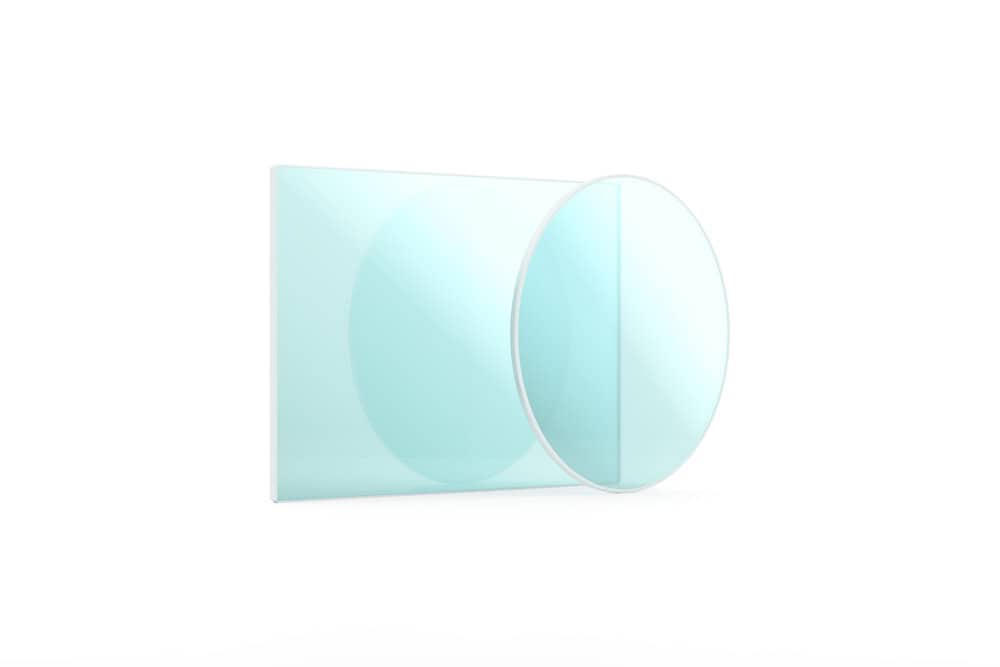
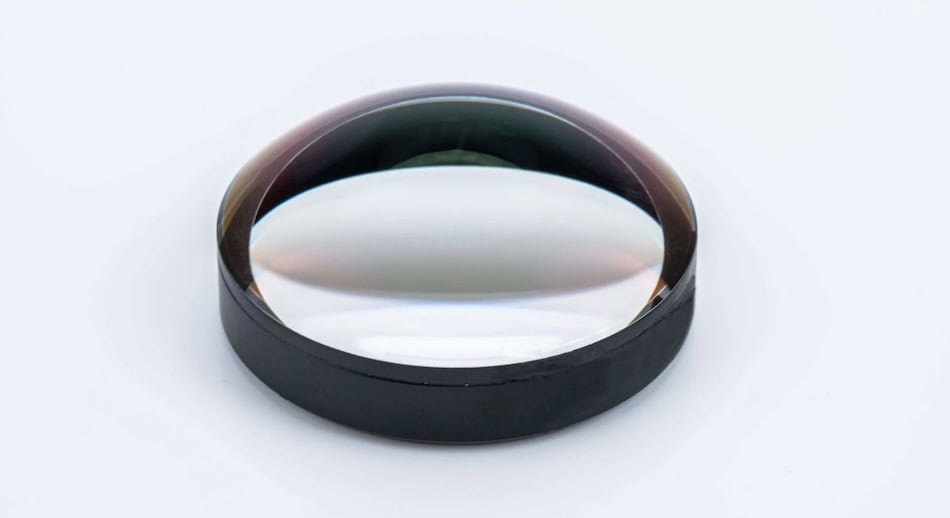
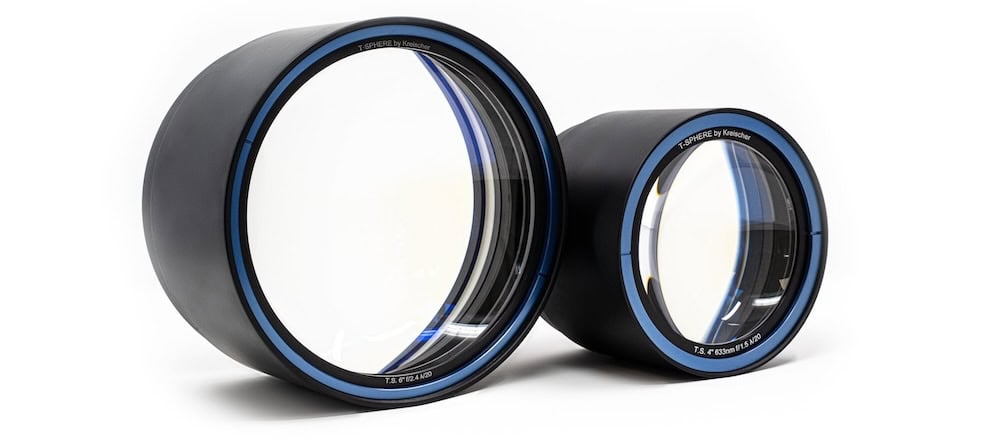
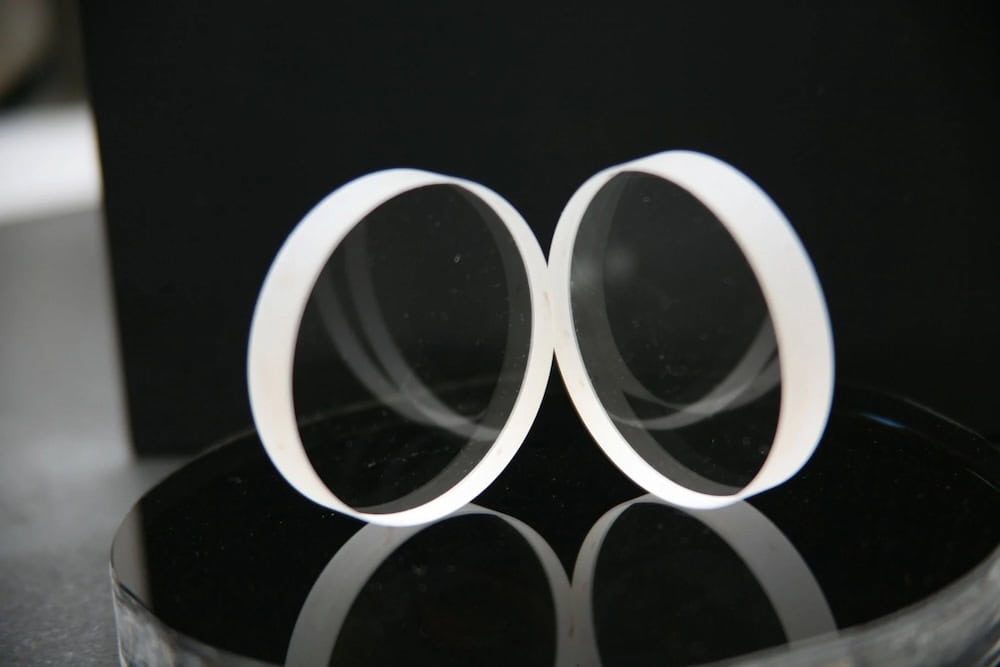
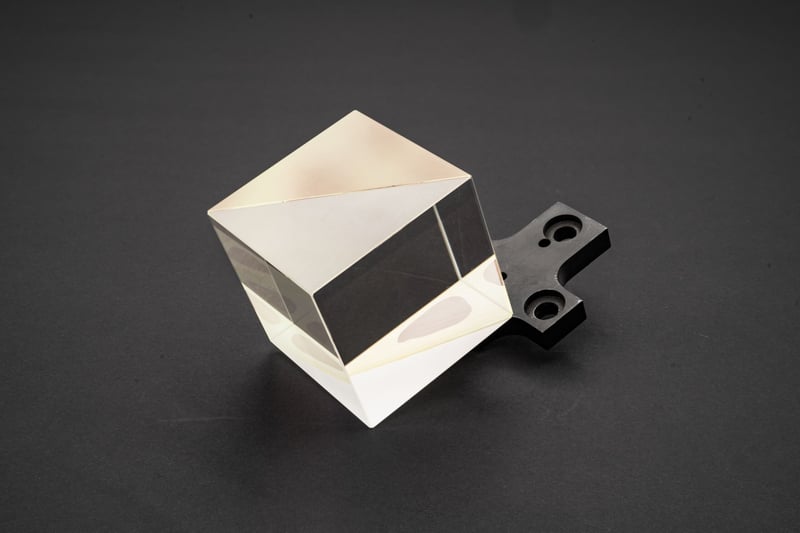
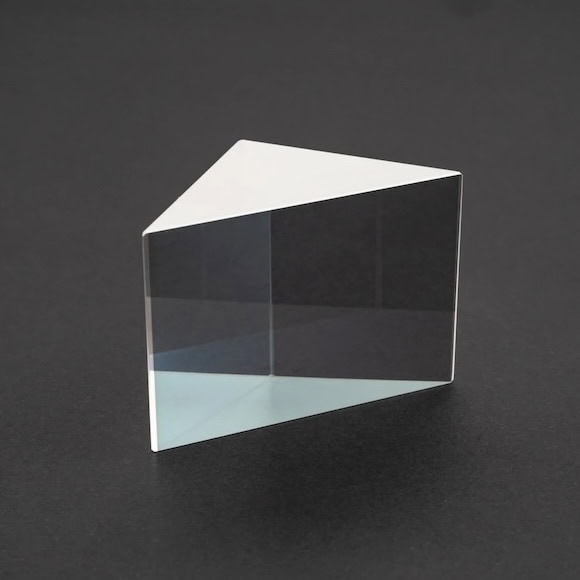
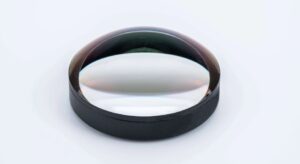
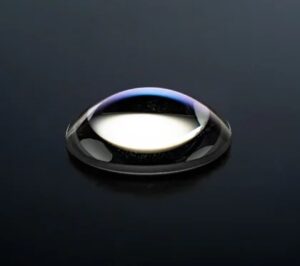
Modern defense optical components are engineered to deliver unmatched accuracy and reliability, even in extreme conditions. Precision lenses, mirrors, and prisms are utilized to enhance imaging and light transmission, enabling cutting-edge systems to function effectively across various spectrums, including visible, infrared (IR), and ultraviolet (UV). Advanced coatings are often applied to optimize reflection, minimize distortion, and enhance resistance to harsh environmental factors, such as abrasion and thermal shock.
Applications of Defense Optical Components
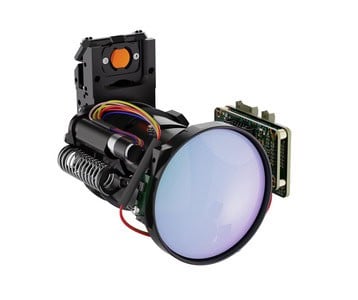
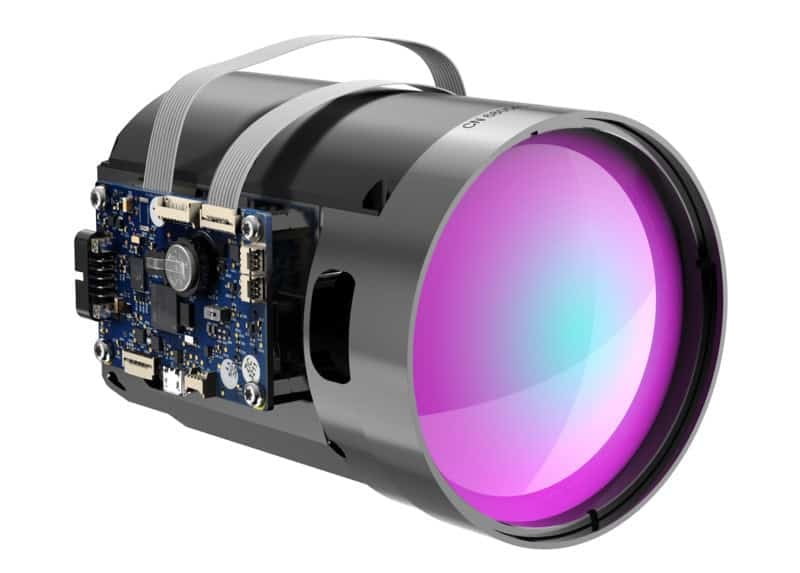
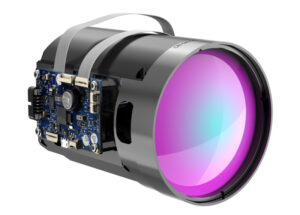
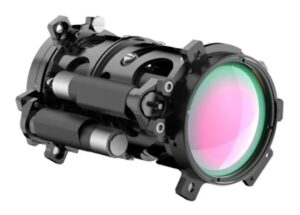
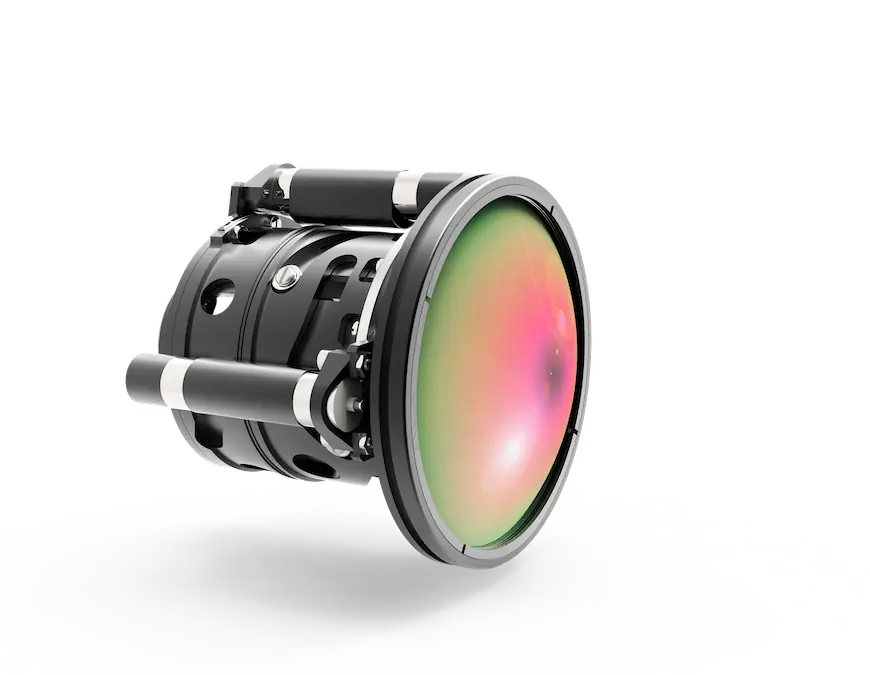
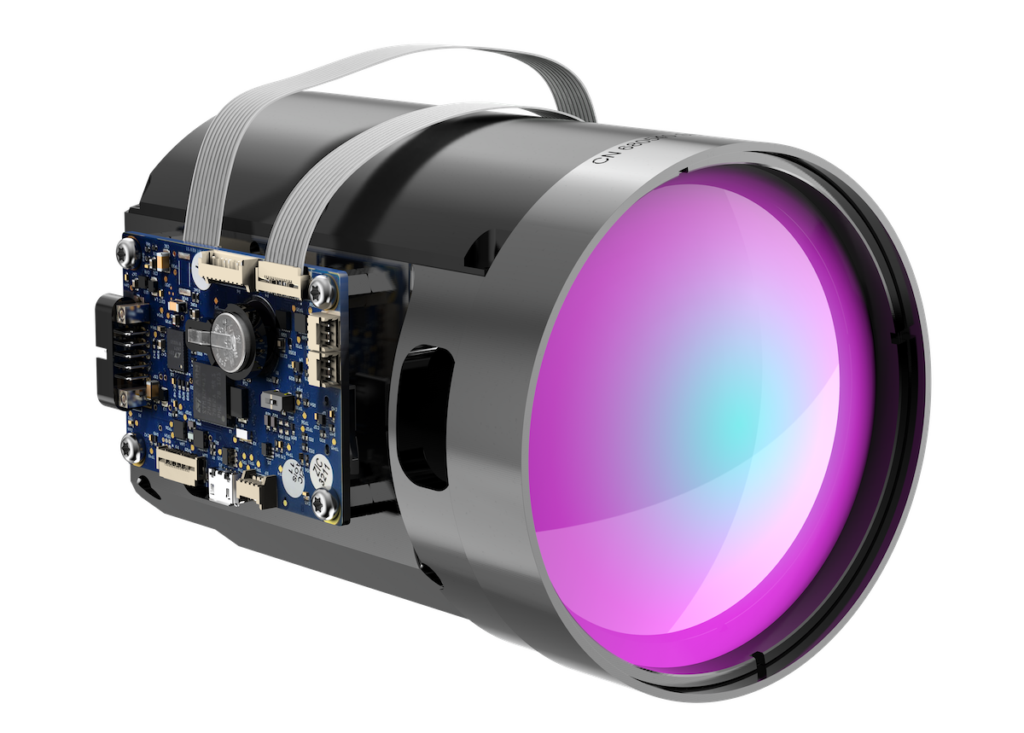
Optical Component from MKS | Ophir
Optical and electro-optical components serve a wide range of applications in defense systems, driving advancements in situational awareness, precision targeting, and secure communication. These technologies ensure robust performance across varied operational scenarios, including land, sea, air, and space environments.
Surveillance and Reconnaissance Systems
Optical and electro-optical components are foundational to surveillance and reconnaissance systems such as those used in drones, satellites, and ground-based platforms. These systems employ high-resolution cameras, IR sensors, and night vision devices to gather intelligence in all lighting conditions. Electro-optical payloads are especially crucial for unmanned aerial systems (UAS), enabling real-time data transmission for battlefield monitoring and threat detection.
Targeting and Range-Finding Devices
Electro-optical rangefinders and laser designators deliver precision targeting for guided munitions and artillery. These systems integrate advanced sensors with optical assemblies to calculate accurate distance measurements, even in low-visibility conditions. The ability to lock onto targets with unparalleled precision enhances operational effectiveness in high-stakes missions.
Navigation and Guidance Systems
Robust navigation systems equipped with optical and electro-optical components ensure mission success in dynamic environments. These systems utilize optical gyroscopes, star trackers, and celestial navigation technologies to maintain accuracy, even when GPS signals are compromised. Electro-optical components also power missile guidance systems, enabling precise trajectory adjustments in flight.
Countermeasure Systems
Optical and electro-optical technologies are integral to active countermeasure systems. Directed energy weapons, such as high-energy lasers, leverage these components to neutralize threats, including incoming missiles and hostile drones. Infrared countermeasure systems (IRCM) utilize electro-optical sensors to detect and jam enemy targeting systems, providing enhanced protection for aircraft and vehicles.
Communication Systems
Secure and efficient communication is vital for defense operations. Electro-optical components, including fiber-optic transceivers and modulators, enable high-speed, encrypted data transmission across vast distances. These systems are resistant to electromagnetic interference, ensuring reliable communication in contested environments.
Autonomous and Unmanned Platforms
Autonomous systems, including unmanned ground vehicles (UGVs), unmanned aerial vehicles (UAVs), and unmanned surface vehicles (USVs), heavily rely on electro-optical sensors for navigation, obstacle detection, and threat identification. Advanced sensor fusion technologies combine data from multiple spectrums, enabling seamless operation in complex scenarios.
Electronic Warfare Systems
Optical and electro-optical components are pivotal in electronic warfare (EW), supporting capabilities such as signal intelligence (SIGINT) and electronic countermeasures (ECM). These systems use advanced sensors to intercept and analyze electromagnetic signals, allowing forces to disrupt enemy communications and radar systems effectively.
Advanced Electro-Optical Technologies
Electro-optical components seamlessly integrate electronic and optical technologies, playing a pivotal role in defense applications requiring rapid, automated responses. These components include high-speed detectors, modulators, and optical waveguides, which enable systems to process, amplify, and transmit critical information in real-time.
Some notable implementations include:
Missile Guidance Systems: Leveraging IR sensors and electro-optical trackers to ensure precision engagement.
Countermeasure Systems: Utilizing laser-based technologies to disrupt enemy targeting systems.
Communication Networks: Employing fiber-optic systems for secure, high-speed data transmission.
Engineering Rugged Electro-Optical Systems
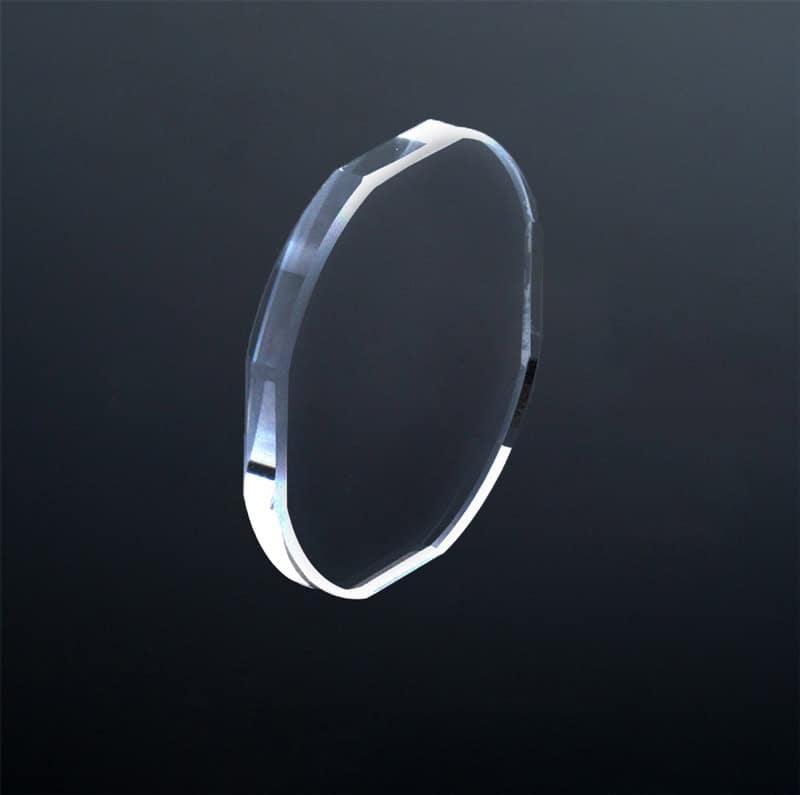
Designing optical and electro-optical systems for defense requires overcoming significant challenges. High vibration, temperature extremes, and electromagnetic interference demand robust engineering solutions. Materials such as fused silica, sapphire, and advanced polymers are often selected for their durability and performance under these conditions.
Miniaturization is another key trend, with compact electro-optical modules allowing for integration into smaller, more agile platforms without compromising functionality.
The rise of autonomous systems has driven further advancements in this field. Electro-optical sensors are increasingly equipped with artificial intelligence (AI) and machine learning (ML) capabilities, enabling platforms to identify and respond to threats autonomously. Additionally, multi-spectral and hyperspectral imaging systems are broadening the scope of applications, delivering unparalleled detail for intelligence gathering and battlefield assessment.
Torrent Photonics delivers precision optical and laser components, coatings, assemblies, and custom engineering services for advanced defense imaging, sensing and targeting systems
MKS Ophir has released the Ophir LightIR 15-75 mm f/1.2 LWIR continuous zoom lens to reduce germanium dependency while supporting high-performance thermal imaging for defense, security, and industrial applications
The Robin family of uncooled infrared detectors features an ultra-fast thermal time constant of seven milliseconds to provide blur-free imaging for missile seekers, guided munitions, and autonomous systems
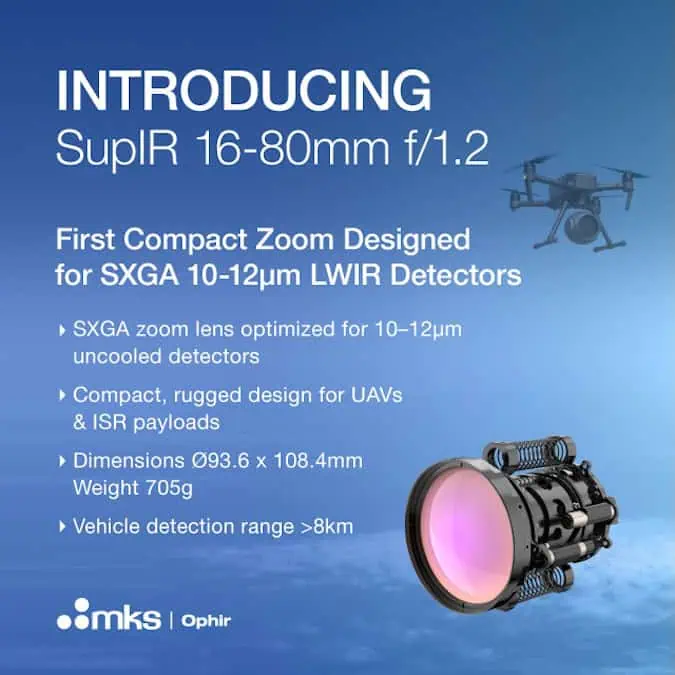
MKS-Ophir has introduced the Ophir® SupIR 16–80mm f/1.2, a rugged, compact LWIR continuous-zoom lens designed to enhance long-range thermal imaging and situational awareness on defense, ISR, and sUAS platforms
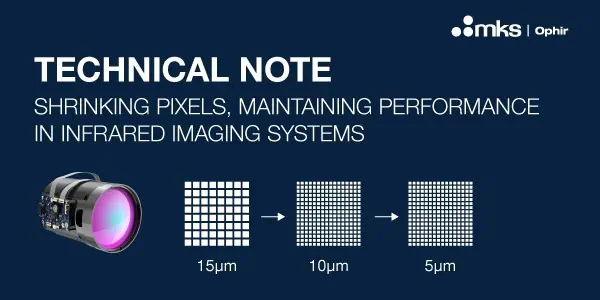
The new Ophir SupIR-X 15-300mm f/4 lens is purpose-built for 10 µm SXGA detectors, providing extended range & clarity for intelligence, surveillance & reconnaissance missions
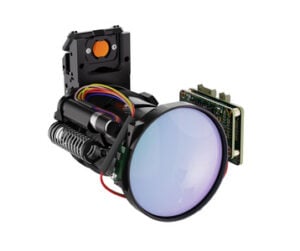
MKS Instruments has introduced a motorized MWIR lens with 14x zoom, enabling high-resolution thermal imaging and long-range target detection in defense and security applications
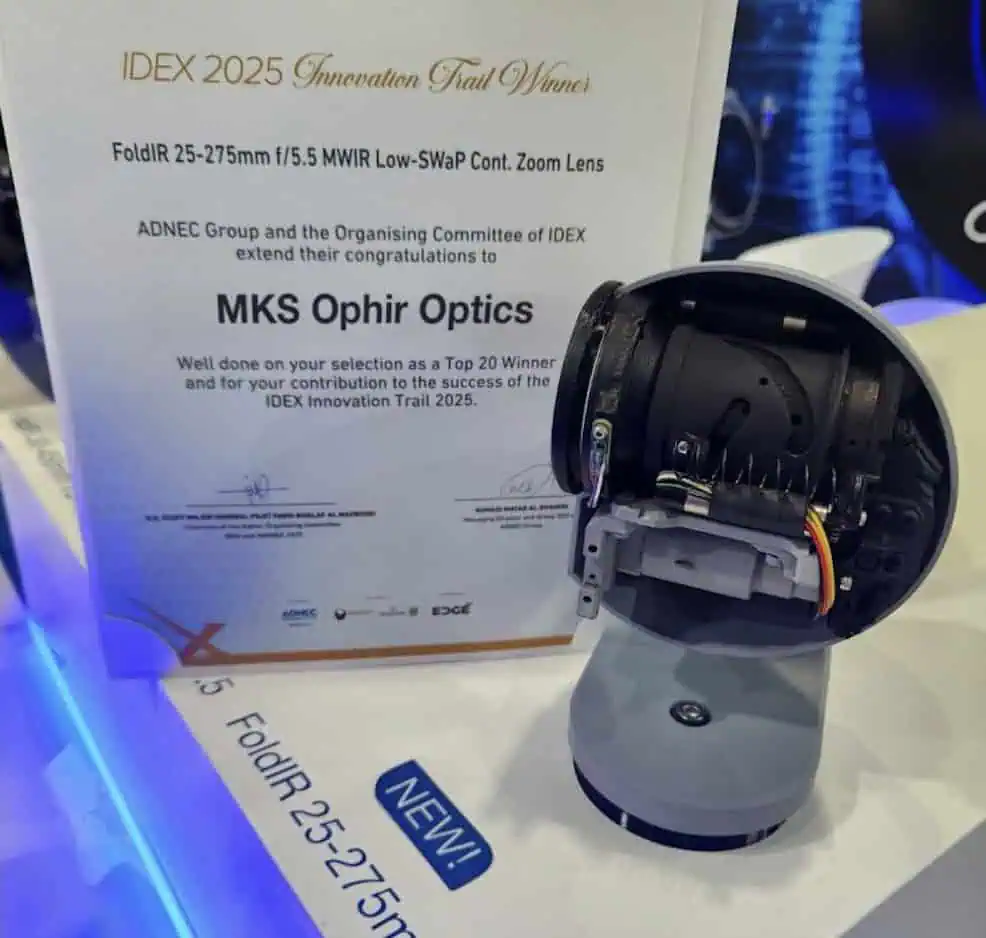
MKS Ophir’s FoldIR 25-275mm f/5.5 MWIR lens, specifically designed for 5” (127mm) gimbals on drones, has won the Innovation Award at IDEX 2025 in Abu Dhabi
HENSOLDT’s ODAEON system is set to enhance battlefield protection for Bundeswehr combat vehicles by detecting enemy optics, enabling real-time threat awareness, and integrating advanced countermeasures like jamming and dazzling
The latest defense technology news, straight to your inbox.
Get our weekly roundup of technology developments, new products and industry news.
THANK YOU FOR SIGNING UP
Thanks for joining us. Check your inbox.
We've sent you an email. Click the confirmation link to complete your subscription to the weekly eBrief. In the meantime, explore the latest news, suppliers and technologies on DA.
Advancing Defense Capability Through Strategic Collaboration
Defense Advancement works with major OEMs to foster collaboration and increase engagement with SMEs, to accelerate innovation and drive defense capabilities forward.