Showcase your capabilities
If you design, build or supply Amphibious Vehicles, create a profile to showcase your capabilities and connect with visitors who have an active requirement for your solutions.



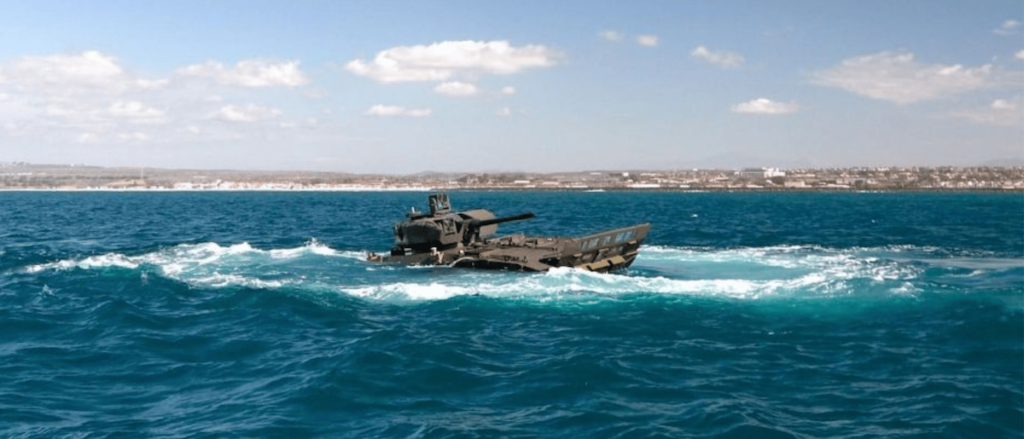
Amphibious military vehicles are engineered to operate seamlessly on both land and water, enabling armed forces to conduct river crossings, beach landings, and littoral operations with tactical efficiency.
Read the Technology Overview
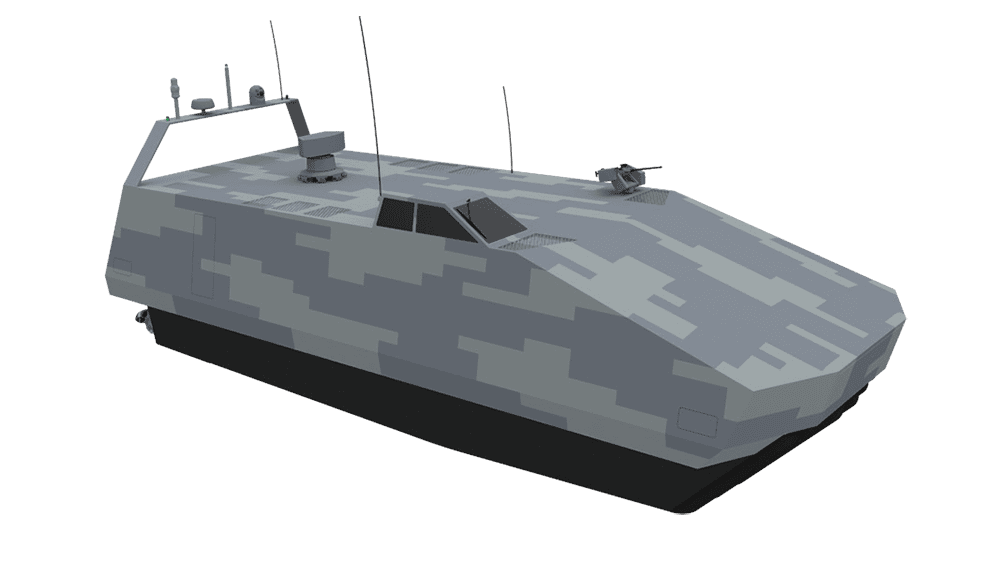
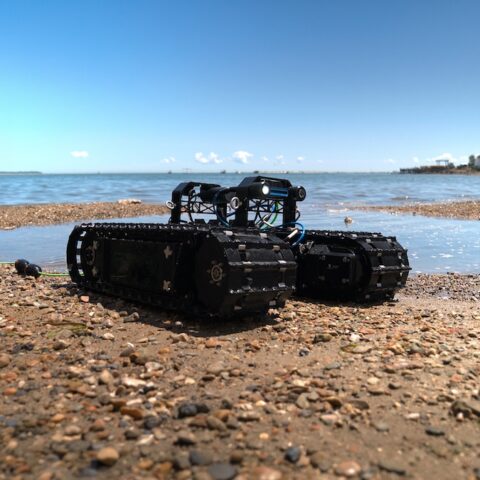
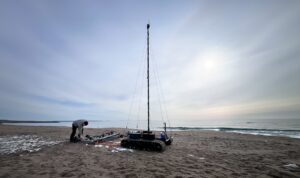
Autonomous Military Robotics and Technologies | Amphibious Tracked Vehicles

Crewed & Uncrewed Vessels for Naval Defense, Coast Guard & Humanitarian Missions

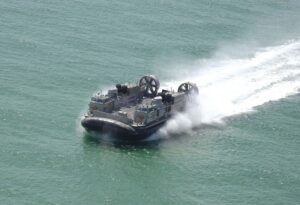
Cutting-Edge Defense Technologies Empowering The Warfighter On The Modern Battlefield

If you design, build or supply Amphibious Vehicles, create a profile to showcase your capabilities and connect with visitors who have an active requirement for your solutions.

Amphibious military vehicles represent a key capability in multi-domain operations, bridging the operational gap between land and water environments. These specialized platforms are purpose-built to maneuver over varied terrain; on land, through rivers, across coastal surf zones, and in flooded regions. Their integration into modern forces enhances mobility, strategic reach, and mission readiness across scenarios ranging from amphibious assaults to humanitarian disaster relief.
Contemporary conflict and crisis zones often span geographies that include rivers, swamps, and urban coastal environments. Amphibious vehicles enable ground forces to maintain operational momentum without reliance on infrastructure like bridges or ports. Whether conducting beach landings or supporting civil authorities in flood-prone areas, these vehicles deliver essential mobility in inaccessible terrain.
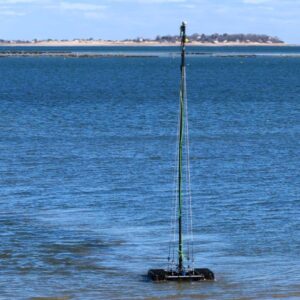
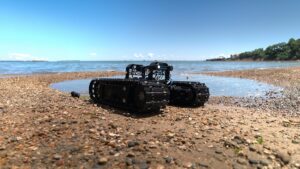
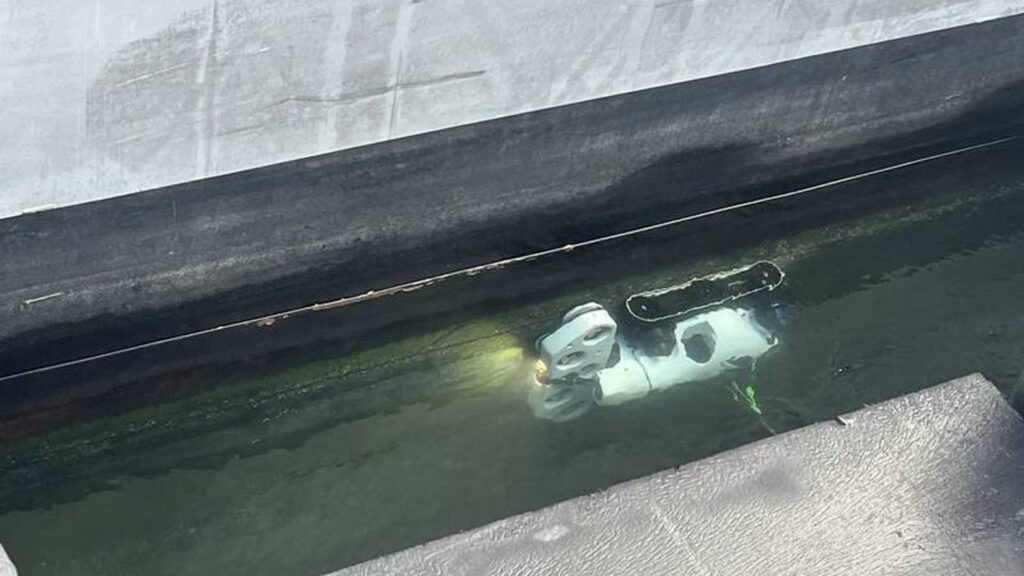
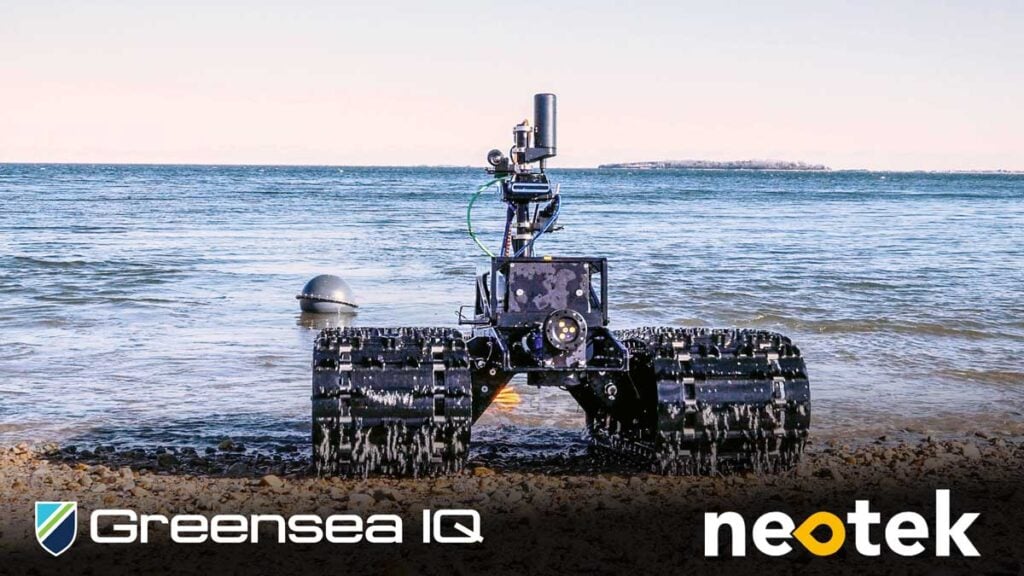
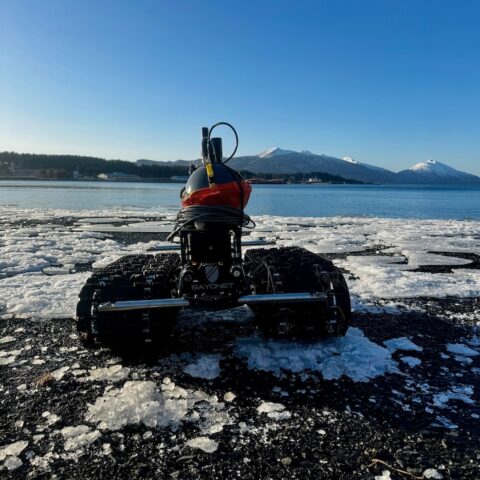
Bayonet 350, amphibious vehicle by Greensea IQ
Amphibious military vehicles are used in both combat and non-combat operations. Their broad utility spans tactical engagements, logistics, engineering support, and special operations. Key mission applications include:
These vehicles are particularly valuable in the Indo-Pacific region, the Baltic, and other geographies where littoral zones dominate the operational landscape.
Amphibious military vehicles can be categorized based on propulsion, chassis type, and mission configuration. Each type offers advantages tailored to specific operational needs.
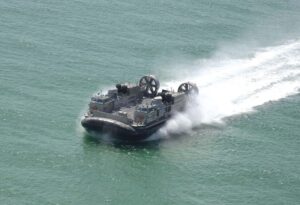
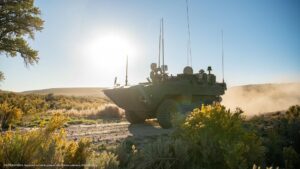
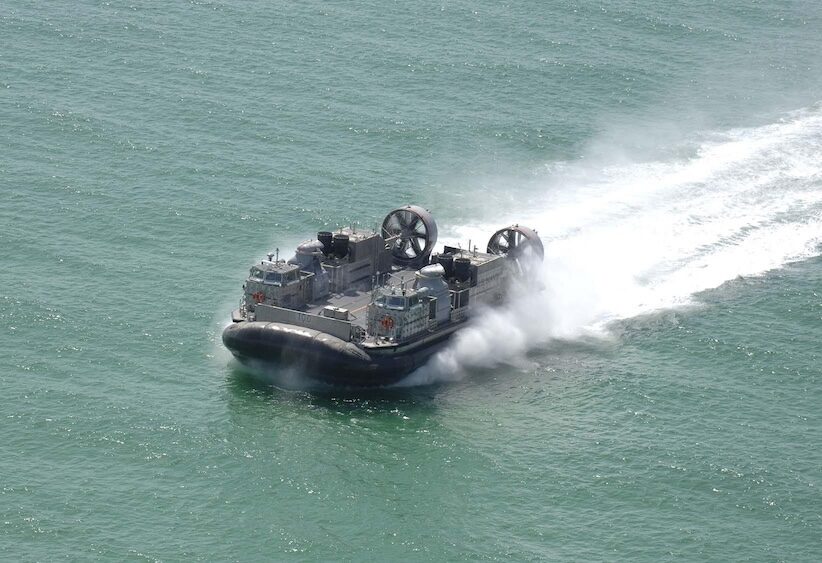
Ship-to-shore Connector, military amphibious vehicle by Textron Systems
Tracked amphibious vehicles are widely used due to their superior cross-country performance, weight distribution, and obstacle negotiation. Tracks offer low ground pressure and increased traction on soft or uneven surfaces, making them ideal for marshes, riverbanks, and sandy beaches.
Notable examples include:
These vehicles often feature reinforced hulls, amphibious propulsion systems, and sealed compartments. Their configuration allows for direct engagement following disembarkation, without reconfiguring mobility systems.
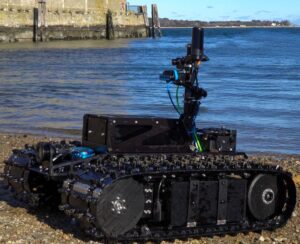
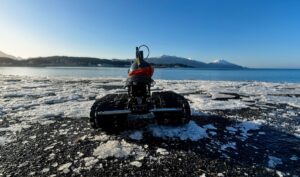
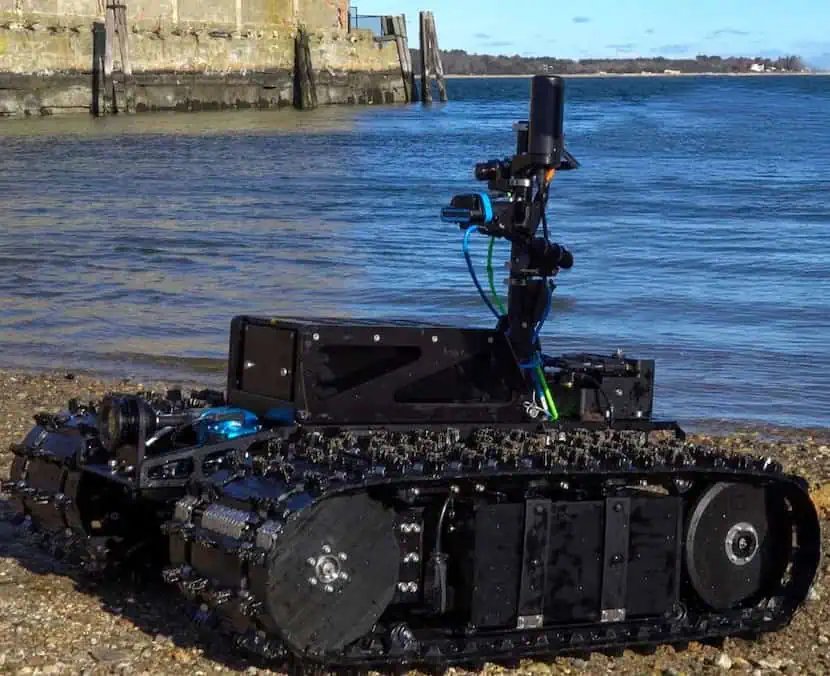
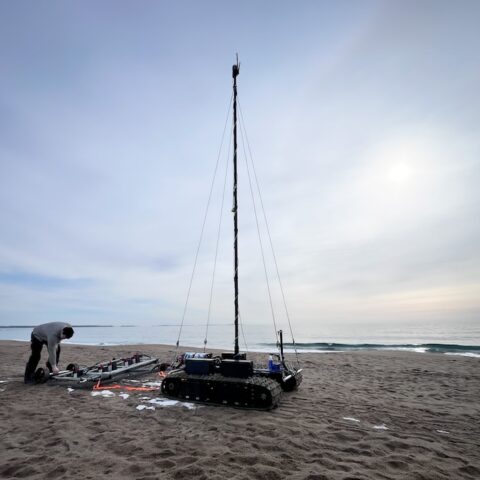
Bayonet 250, amphibious military vehicle by Greensea IQ
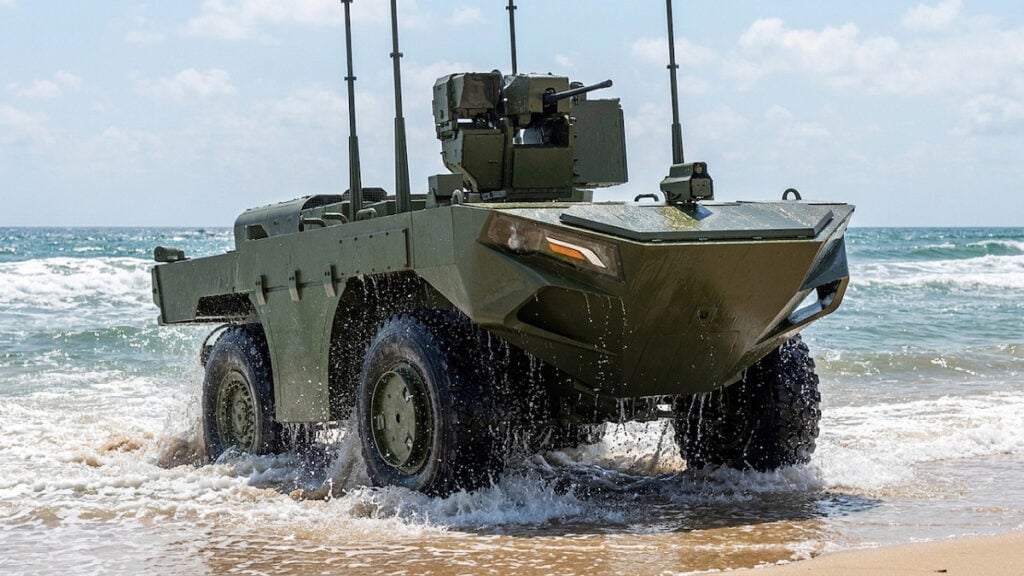
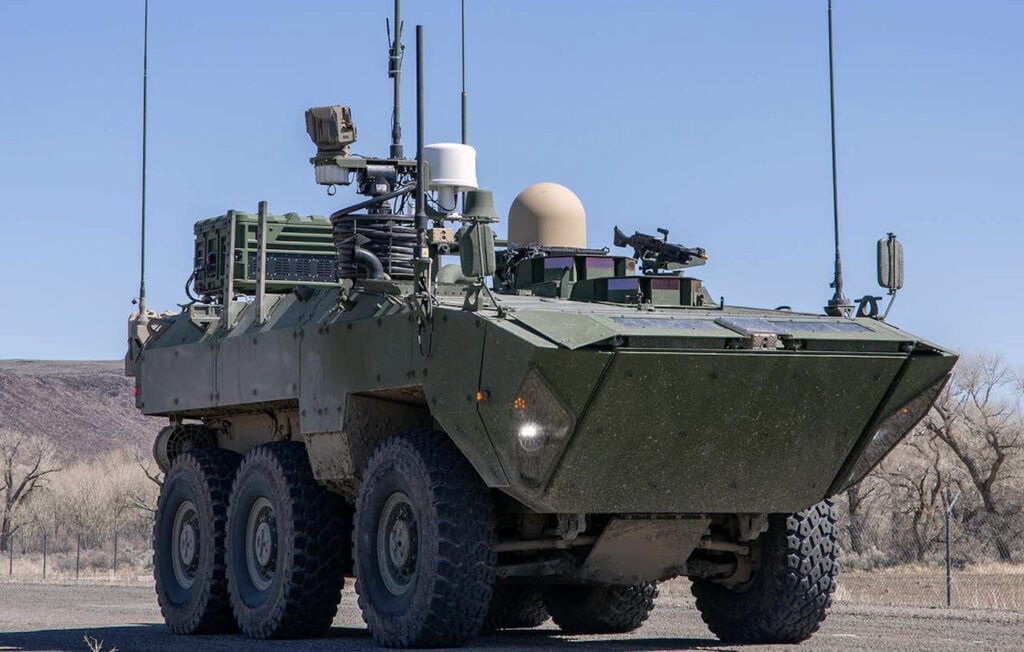
Wheeled variants offer higher speeds and easier road mobility. Though limited in payload and terrain adaptability compared to tracked platforms, they are highly effective in urban amphibious operations and river crossings.
Examples include:
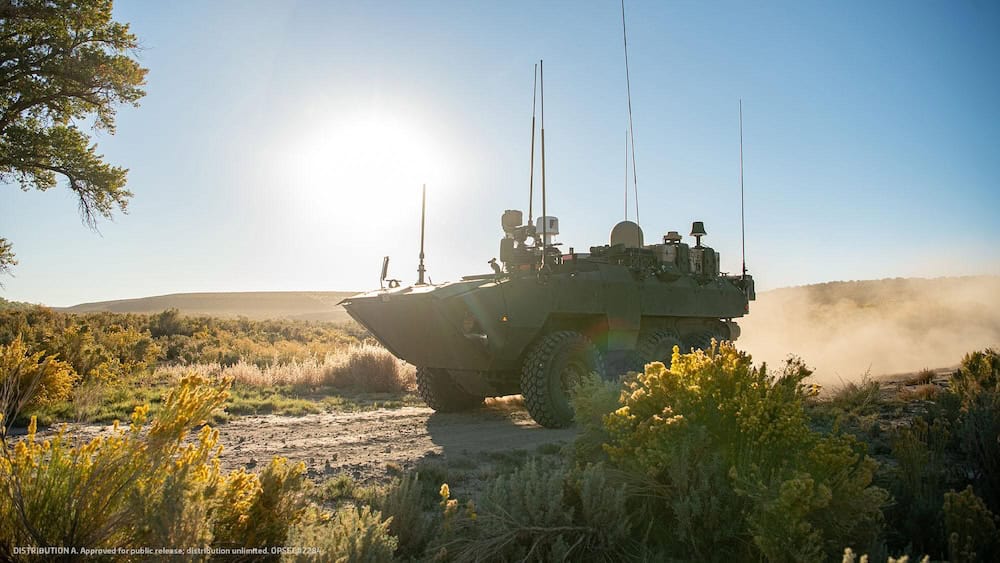
These vehicles are optimized for troop movement and often include NBC (nuclear, biological, chemical) protection and infantry support systems. Depending on the chassis, they may be either wheeled or tracked.
Modern designs include a modular chassis capable of accepting different mission modules. Some are fitted with retractable wheels or dual-mode propulsion, track plus water jet, to switch environments with minimal transition time.
Military hovercrafts, or air-cushion vehicles (ACVs), create an air cushion between the vehicle and the surface, allowing them to travel over water, mud, sand, ice, and flat land. Unlike traditional tracked or wheeled amphibious vehicles, hovercrafts are fully amphibious and capable of high-speed transit over land and sea without relying on conventional propulsion or track systems.
Key Characteristics:
Operational Use:
Military hovercrafts offer speed and versatility at the cost of higher maintenance and greater exposure to environmental factors such as wind and sea state.
Effective operation across two domains requires sophisticated engineering and redundancy. Common technical features include:
These design elements are critical for safe and effective amphibious deployment, particularly in fast-moving currents, tidal zones, or high surf.
Amphibious vehicles for military use must conform to international and defense-specific standards. Key benchmarks include:
Operational testing typically includes saltwater submersion, wave impact trials, and ingress/egress under combat load conditions. Survivability under fire and mine protection are also evaluated.
Regional threats, defense spending, and joint force doctrine shape the global market for military amphibious vehicles. Growing interest in:
Leading manufacturers offer platforms that can be adapted for new mission sets through modular upgrades. Additionally, interest in military amphibious vehicles for sale, including refurbished legacy systems, remains strong for allied and developing forces.
Amphibious vehicle designs have also influenced civilian sectors:
Compared to conventional military land vehicles, amphibious units are slower and less armored but provide strategic flexibility. Naval vessels cannot maneuver inland; aircraft depend on runways or vertical lift. Amphibious vehicles fill a unique niche, offering self-deploying land-water mobility without external support.
Tracked amphibious vehicles offer the best cross-terrain performance, while wheeled units deliver speed and logistical simplicity. Hybrid configurations attempt to balance these trade-offs with modular, mission-adaptable platforms.
R&D is focusing on:
These developments reflect the evolution of amphibious vehicles from niche capabilities into core components of modern land and maritime force structures.


 Searching Companies & Products