




Trillium Engineering has demonstrated an alternative positioning and timing solution capable of operating through intense satellite navigation disruption during government-organized trials north of the Arctic Circle.
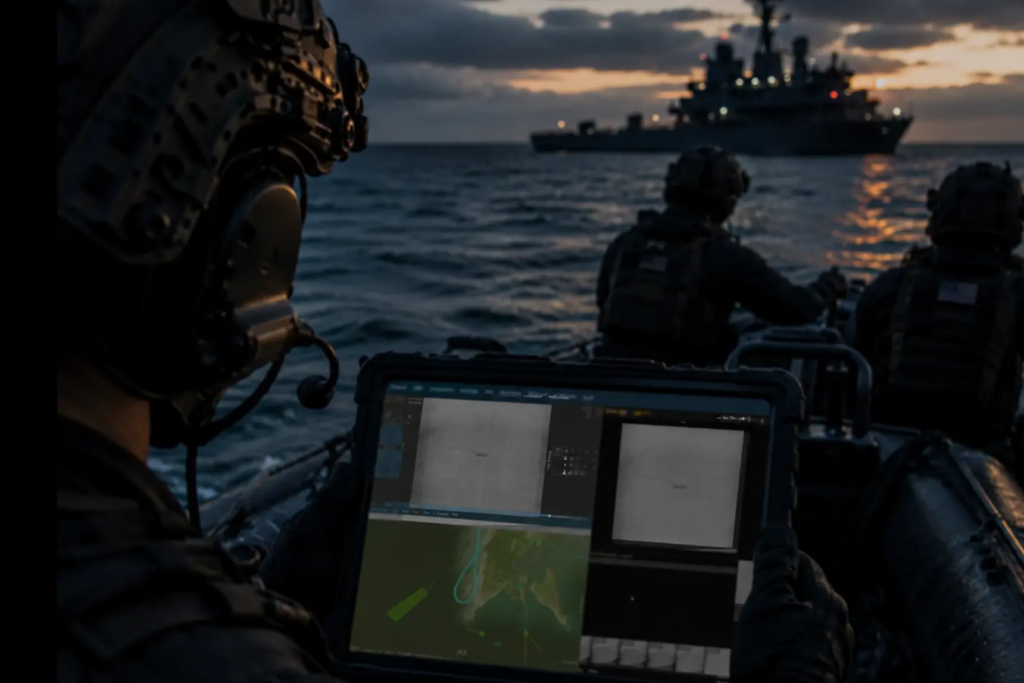
The evaluation was conducted during Jammertest 2026, a five-day event held on the island of Andøya, Norway. Over the course of the exercise, the Trillium Labs team logged 34 hours of testing, including nighttime data collections, to assess performance under live broadband jamming, spoofing, and meaconing scenarios designed to disrupt and deceive satellite navigation systems.
For uncrewed platforms, access to continuous position and timing data is essential for flight path navigation, target tracking, and synchronizing optical payload video with precise coordinates at the moment of capture. When Global Positioning System signals are blocked or manipulated, systems risk losing their bearings and generating misleading positional data, compromising mission effectiveness.
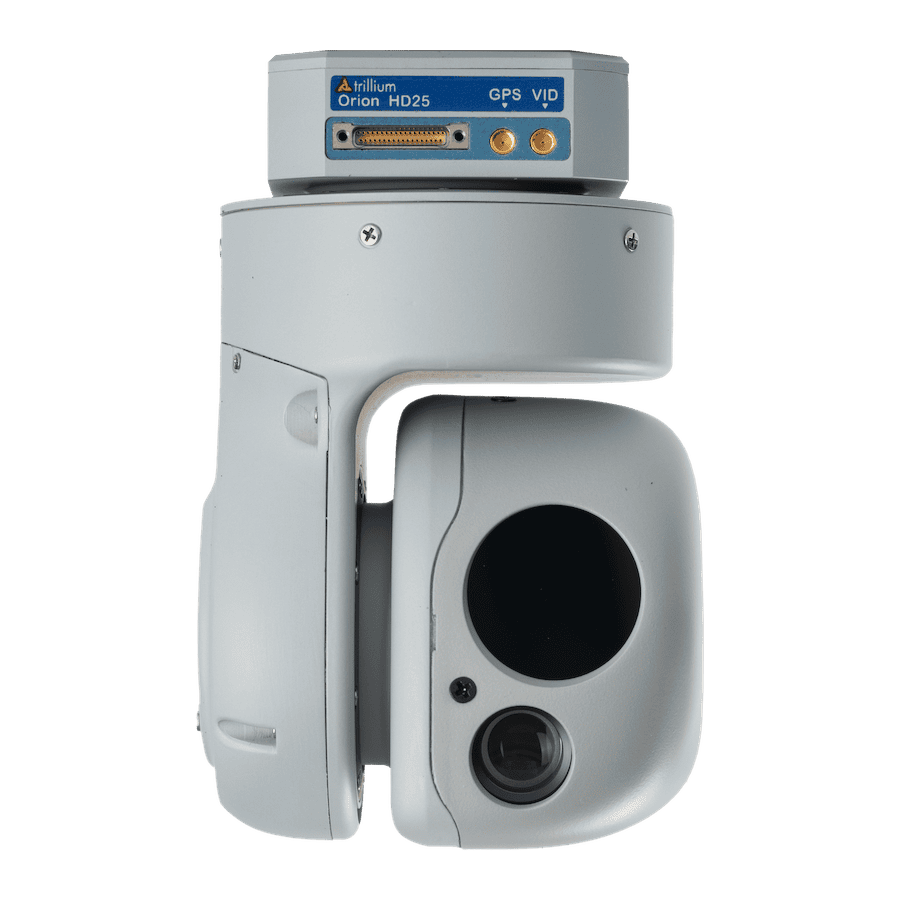
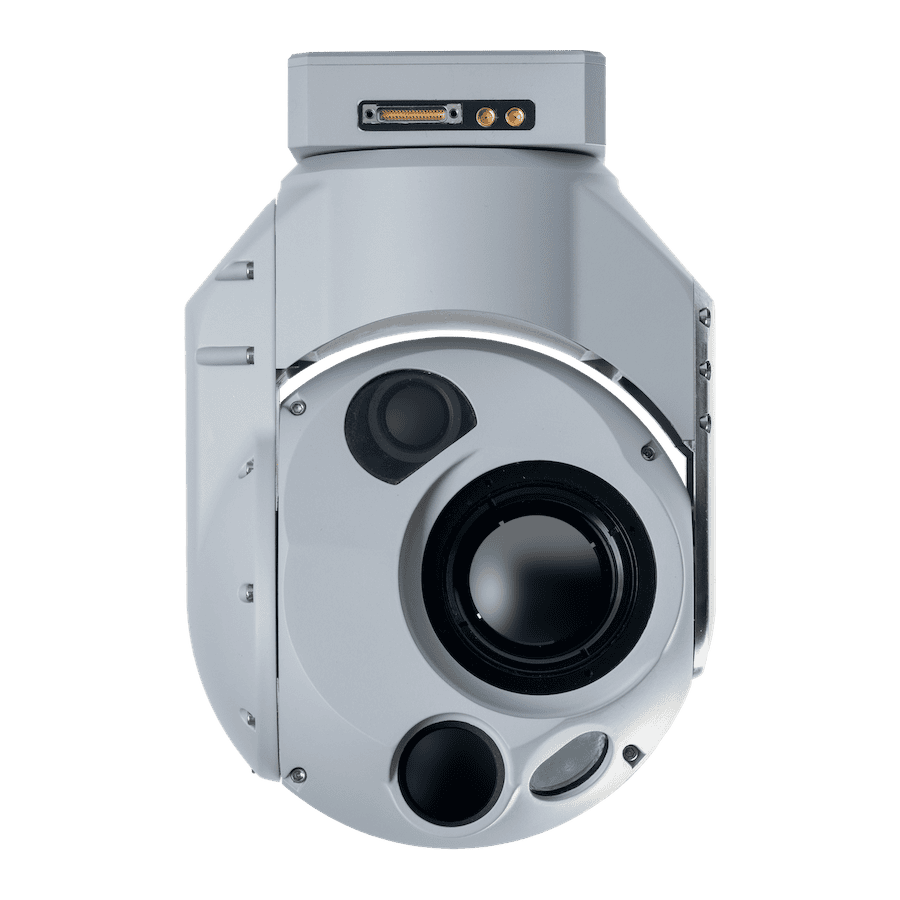
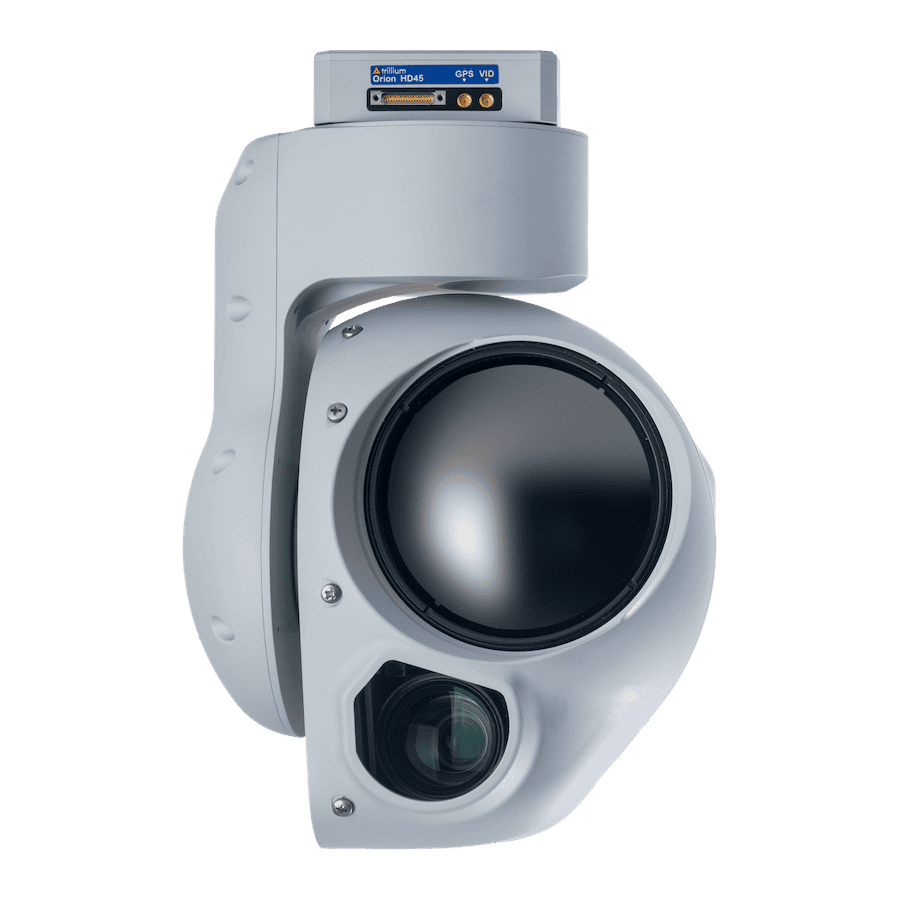
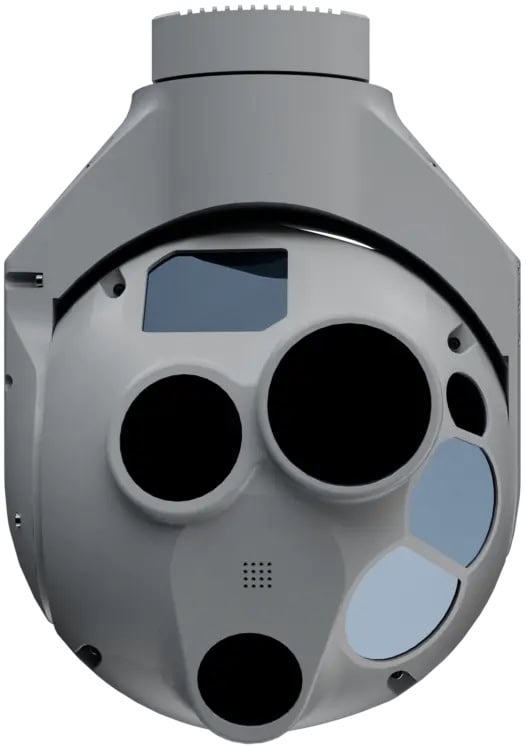
To counter these vulnerabilities, Trillium validated its GD-Nav technology using a test setup centered on the HD45-LV-CZ gimbal. Engineered for both overland and maritime missions, the lightweight system operates independently without requiring data feeds from the host vehicle. In addition to securing payload performance, the technology can provide alternative navigation data directly to the host platform, offering secondary positioning resilience across the entire system.
As uncrewed platforms take on more complex roles, engineering resilience against navigation interference before field deployment is becoming standard practice for platform developers and integrators. To support early integration efforts, customer evaluation prototypes of the GD-Nav system are scheduled for availability in the third quarter of 2027, ahead of a planned full release in 2028.