Showcase your capabilities
If you design, build or supply Rugged HMI, create a profile to showcase your capabilities and connect with visitors who have an active requirement for your solutions.




Displays and human–machine interfaces (HMI) deliver the critical bridge between complex defense systems and the personnel who operate them. These technologies encompass hardened touchscreens, multifunction panels, heads-up displays, and adaptable control consoles designed to survive shock, vibration, dust, moisture, and extreme temperatures.
Read the Technology Overview



Advanced Solutions for Defense Modernization: Propulsion, Sensors, Communication & Augmented Reality Systems

Rugged Image Processing & Mission-Critical Electronics for Defense Systems

Rugged Hardware & HMI Equipment for Mission-Critical Military, Naval & Defense Applications


WE ARMOR IT. MilSpec Electronics & Rugged IT Equipment for Military, Government & Critical Infrastructure


Mission-Critical Rugged Displays, Embedded Computing & Electronics for Defence Systems

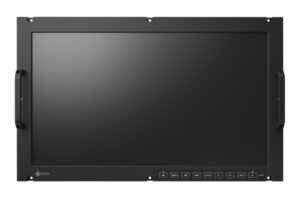
High-Performance Video Graphics, GPGPU, AI/ML Processing & Display Solutions for Mission Critical Environments

If you design, build or supply Rugged HMI, create a profile to showcase your capabilities and connect with visitors who have an active requirement for your solutions.

Modern defense platforms depend on increasingly capable sensors, communications equipment, mission computers, remote effectors and autonomous functions. None of these capabilities delivers operational value unless personnel can understand system status, select the correct action and issue reliable commands under pressure. The rugged human-machine interface (HMI) is the physical and digital point at which a human operator interacts with a defense system, whether through a vehicle-mounted touchscreen, a pilot’s helmet display, a weapon-station hand controller or a sealed keyboard inside a deployable command post.
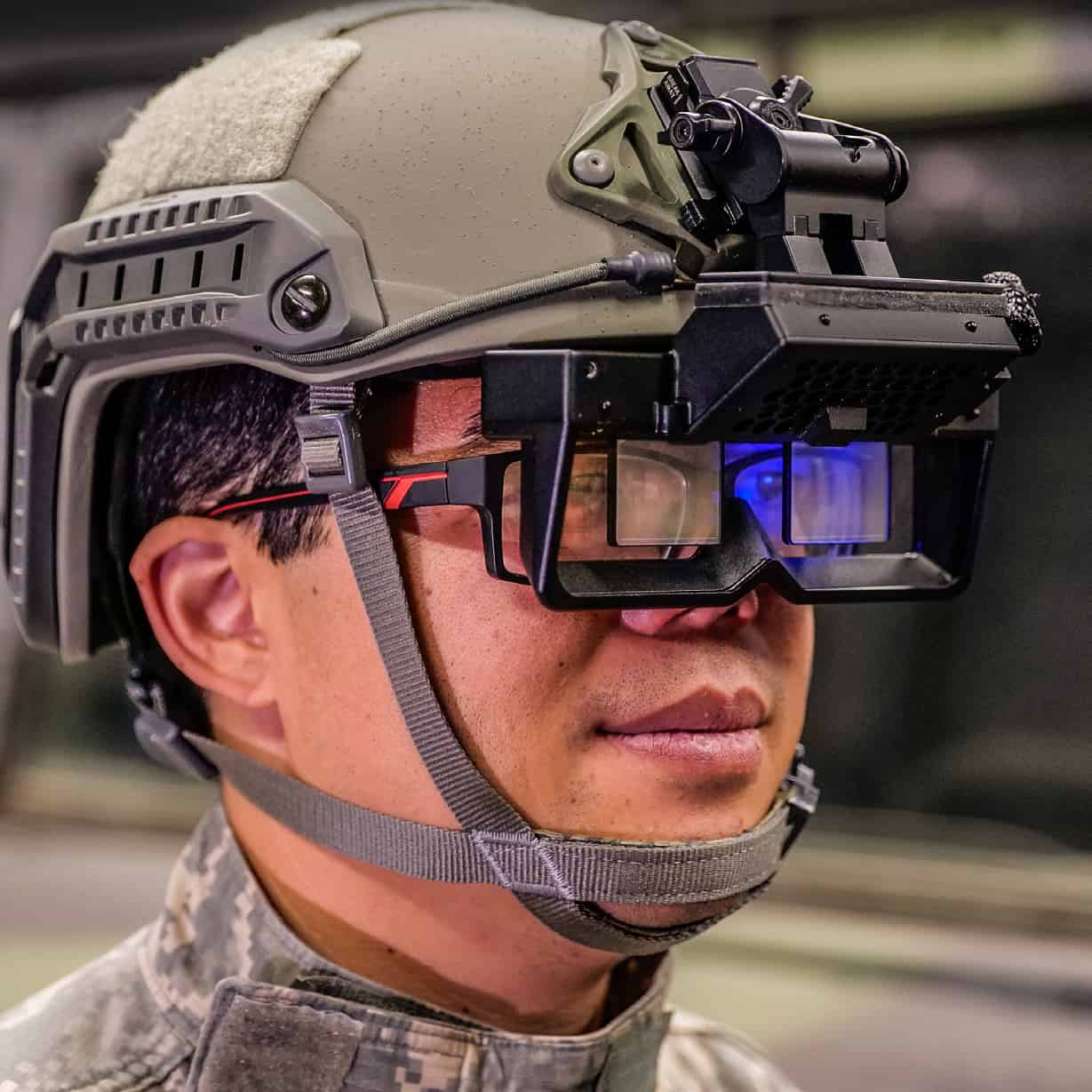
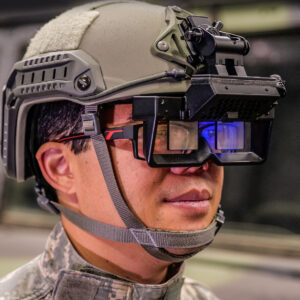
A rugged HMI is an operator interface engineered to remain usable and dependable in the environmental, mechanical and electromagnetic conditions associated with defense operations. It may provide visual information, accept operator commands, or combine both functions in a single device. Typical examples include an armoured vehicle crew display, a naval console touchscreen, a UAS payload-control joystick, a glove-operable keyboard in a mobile shelter, or a helmet-mounted display presenting navigation and targeting cues. For defense engineers and system integrators, an HMI is part of the core mission architecture. A display that cannot be read in direct sunlight, a joystick that becomes imprecise under vibration, or a wearable display that distracts the user at the wrong moment can reduce the effectiveness of an otherwise capable platform. Rugged HMI design therefore combines environmental resilience, human engineering, electronic integration and operational safety.
Rugged HMI designs prioritize gloved-hand operation, tactile precision, and consistent feedback, ensuring personnel can manipulate controls during stressful, high-intensity operations.
Rugged HMI encompasses a range of durable input technologies and supporting components developed for use in military environments.
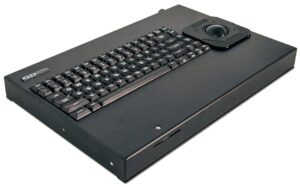
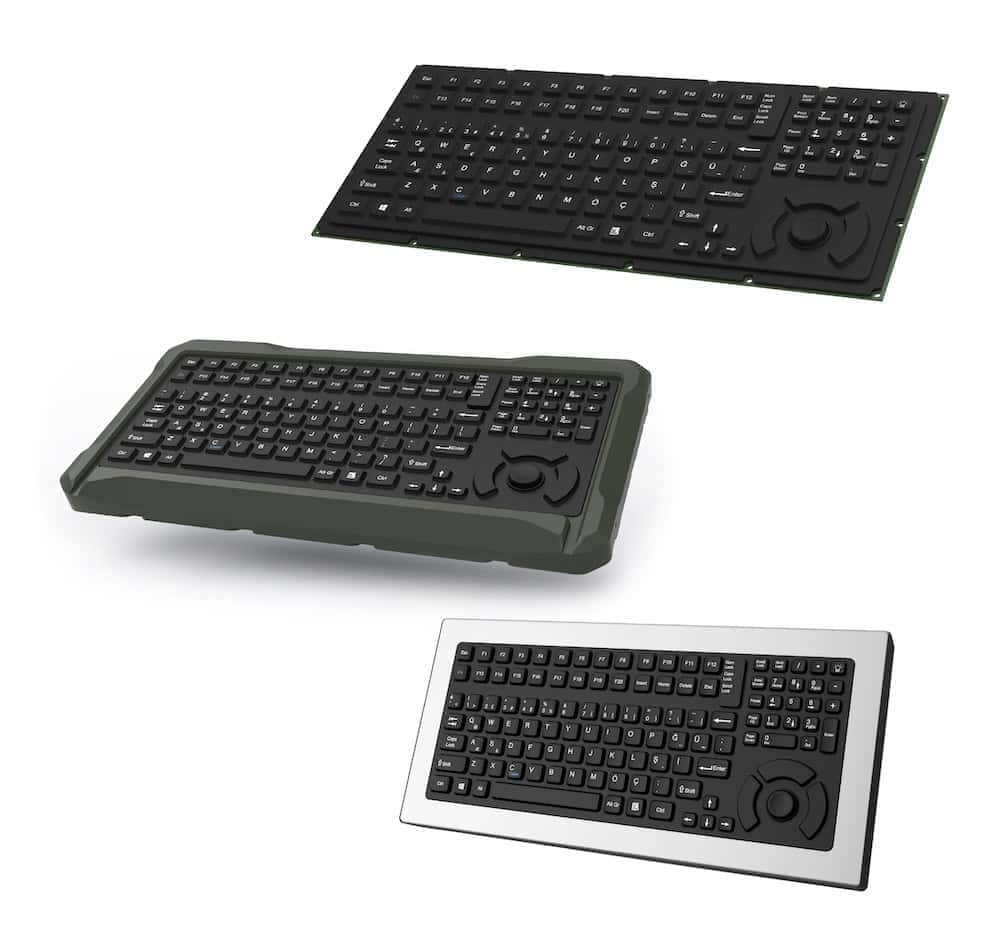
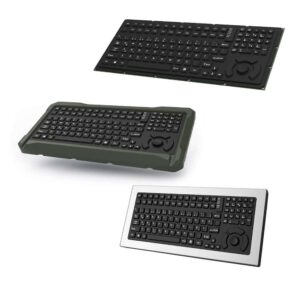
Rugged keyboard from General Digital.
Rugged keyboards are constructed with sealed housings, reinforced key structures, and protective overlays to prevent ingress of dust and fluids. Waterproof, sealed, and IP67 or IP68 keyboards provide protection against liquid exposure and contamination. Mechanical switches, silicone membranes, and hybrid mechanisms deliver consistent tactile feedback suited for gloved operation. These devices are used in combat vehicles, ground control stations, naval control rooms, and fixed command facilities.
Rugged keypads provide reliable input in compact spaces. These devices incorporate sealed domes, protective films, and backlit legends for use during night operations. They are commonly integrated into weapon system consoles, mission computers, secure communications equipment, and operator panels on military vehicles. Enclosures are reinforced to withstand vibration and debris intrusion.
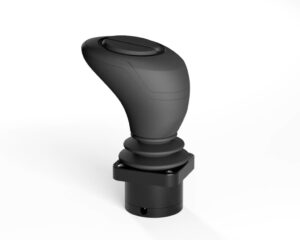
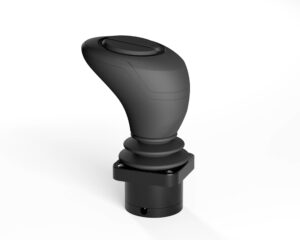
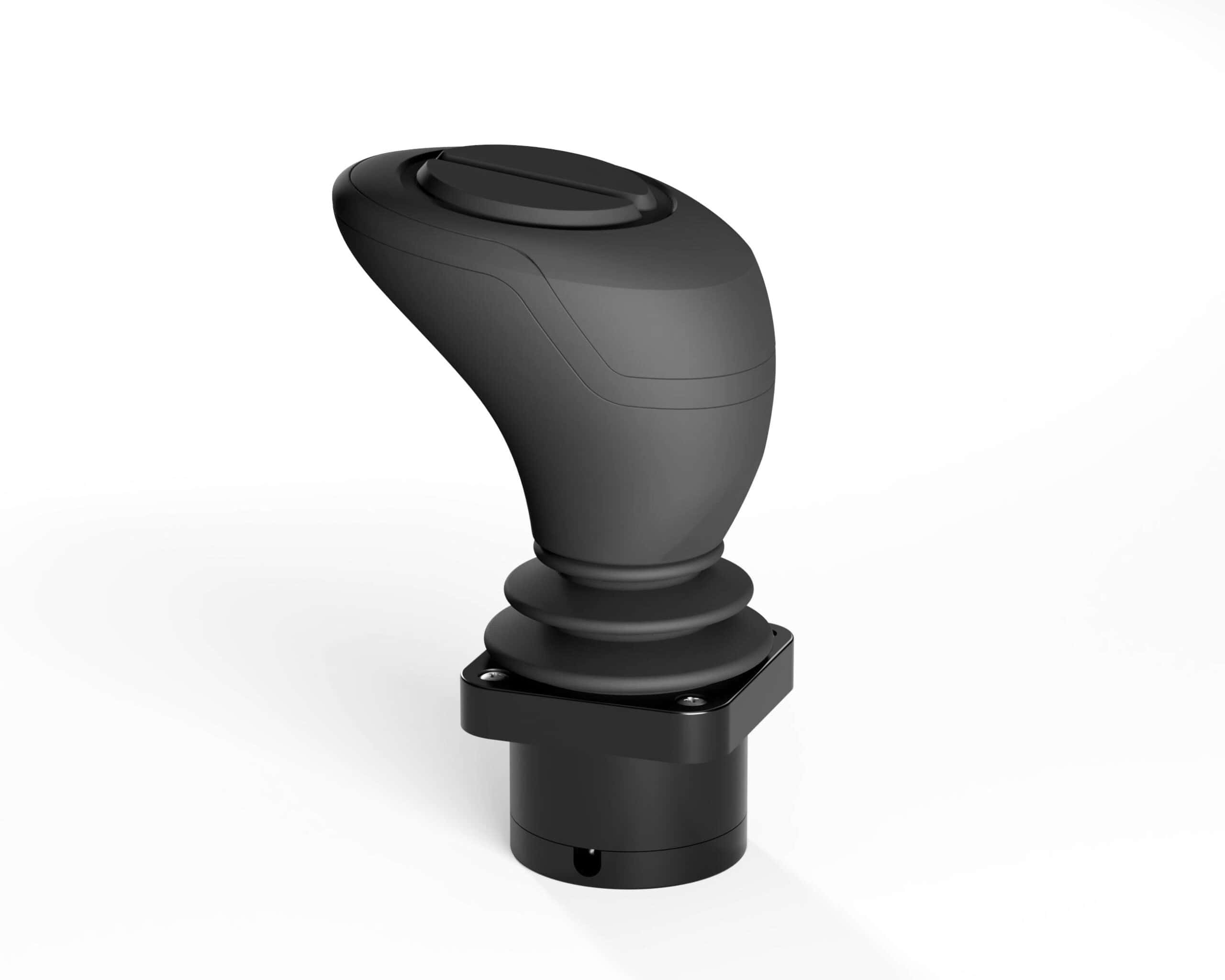
Rugged joystick for UAV control from General Digital.
Rugged joysticks support precision control for remote weapon stations, UAS controls, turret control, robotic vehicles, and targeting systems. Their multi-axis sensing systems, sealed gimbals, and reinforced handles ensure long-term performance even under heavy use and in harsh environments. Materials and mechanisms are selected to resist impact, dust, moisture, and chemical agents.
Rugged pointing devices such as trackballs, trackpads, and panel-mounted pointing modules allow operators to control graphical interfaces where standard commercial devices cannot survive. These devices feature sealed housings, corrosion-resistant materials, and vibration-resistant mechanisms. They are used extensively in armored vehicles, naval control stations, and command center systems.
Switches and control buttons form part of rugged control assemblies found in logistics systems, secure communication systems, vehicle consoles, and mission computers. These switches may be momentary, latching, tactile, or custom-engineered to support specific workflows. Integration into sealed panels protects components from contaminants and mechanical stress.
Some solutions combine capacitive touch sensors with mechanical switches to provide flexible input options. Protective surfaces enable use in environments containing moisture, dust, or chemical exposure. Where required, capacitive sensors support precision interaction, while mechanical switches provide redundancy and durability.
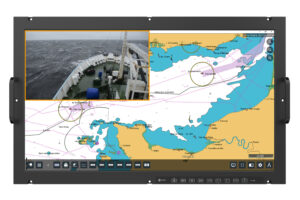
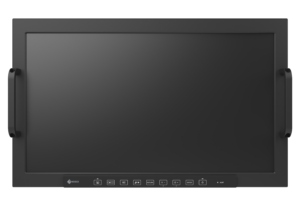
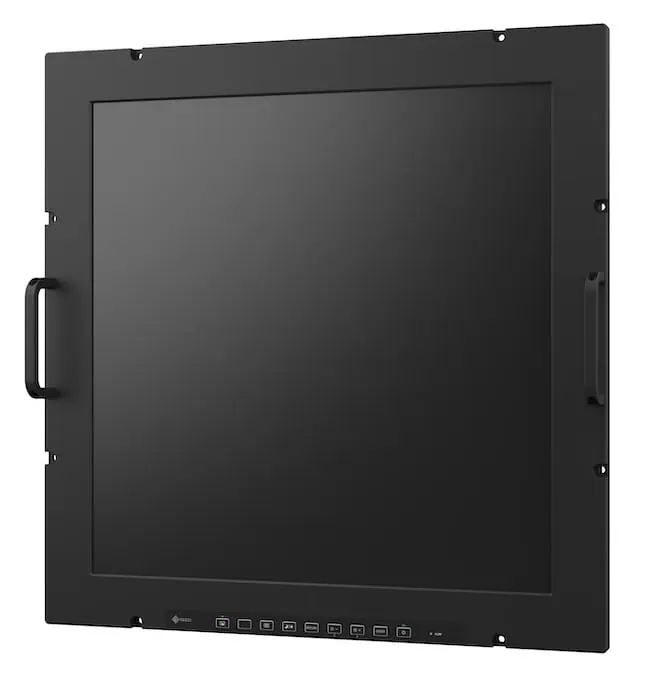
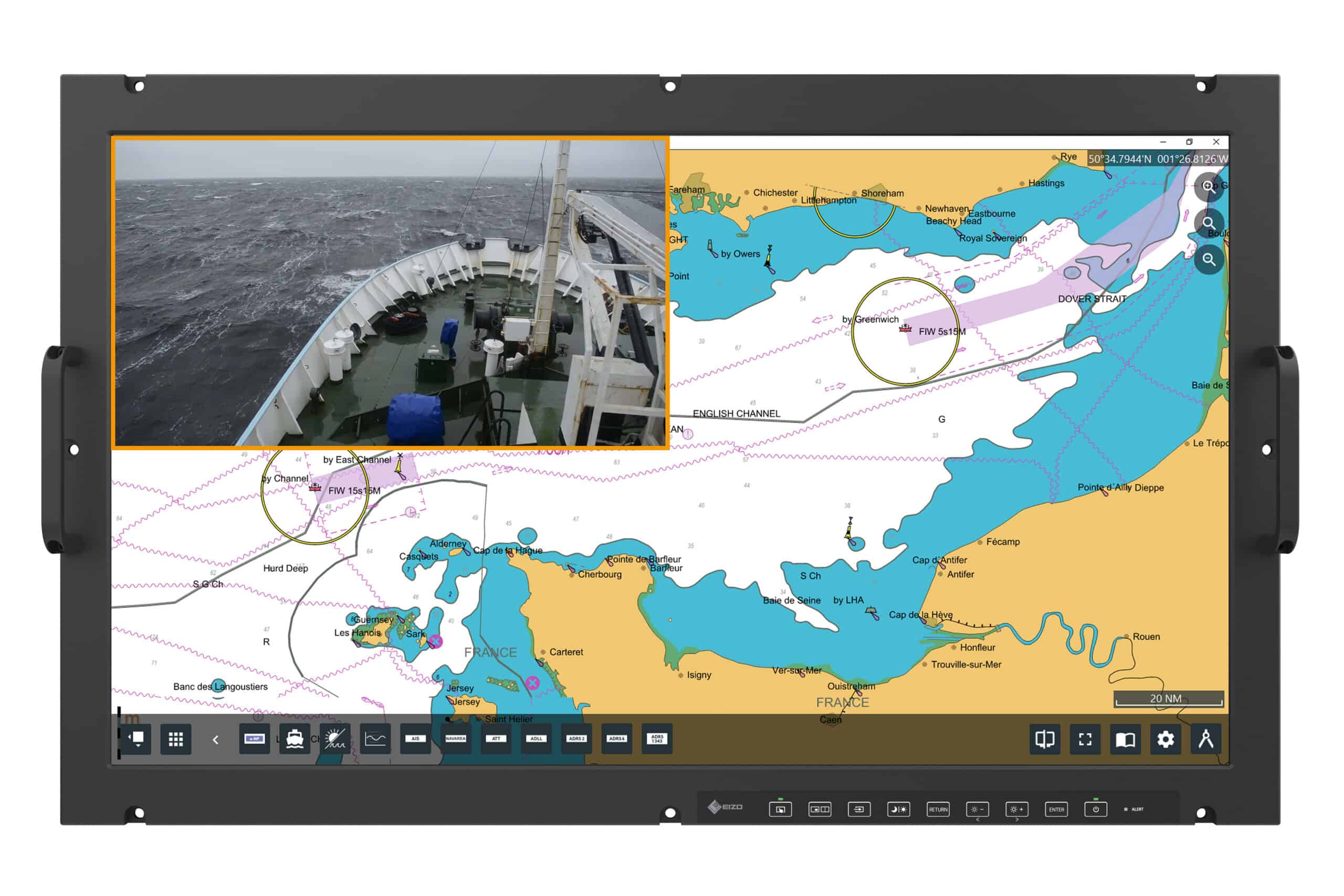
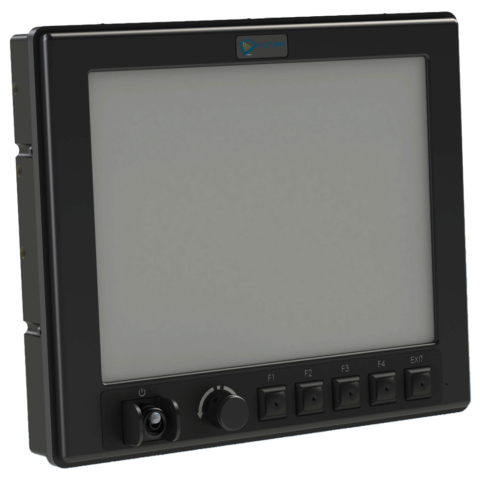
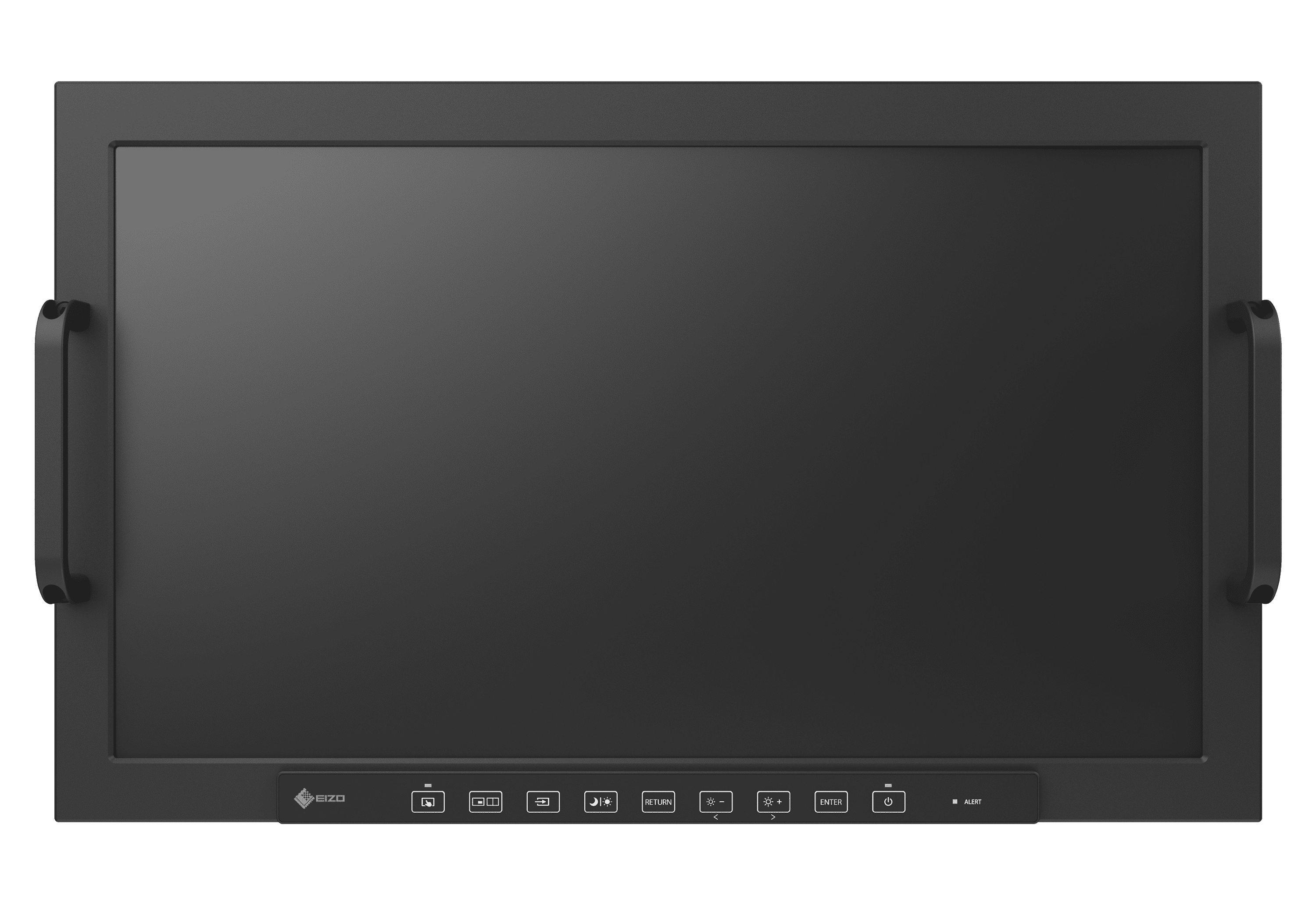
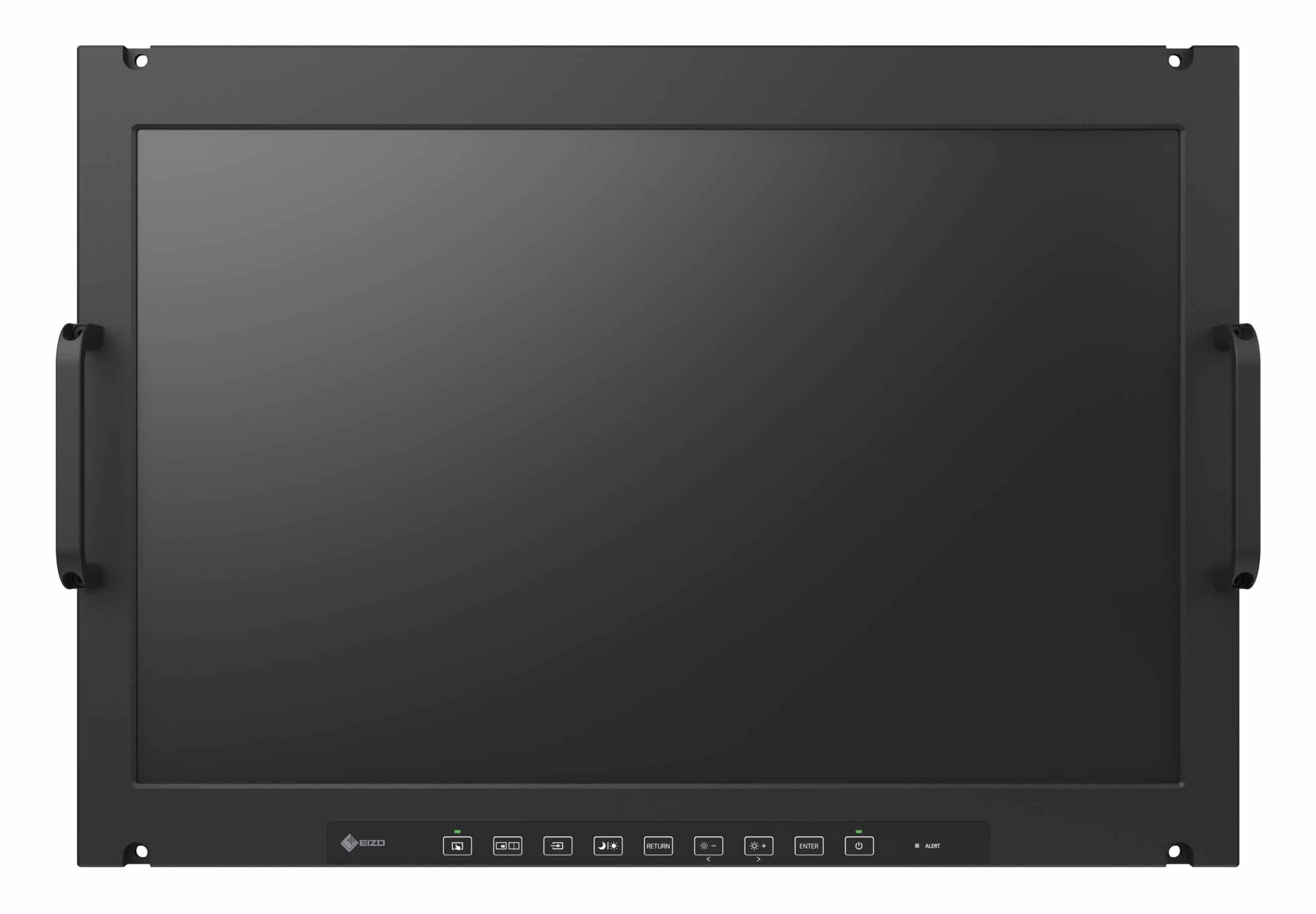
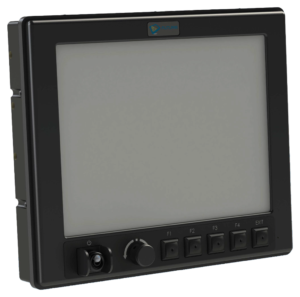
Interfaces often incorporate display and touchscreen components that provide visual indicators, situational awareness, and system feedback. Rugged monitors and touch panels are designed to resist shock, vibration, humidity, and temperature extremes. Anti-reflective coating, sealed housings, robust mounting, and protective layers ensure readability and functionality in military environments.
Ruggedized interfaces are engineered to withstand the wide range of operational conditions encountered in defense deployments. Key considerations include:
Interfaces connect to mission computers and communication systems via USB, RS-232, RS-485, or specialized serial interfaces. Cable assemblies and connectors must meet stringent reliability requirements in environments with constant mechanical stress.
Combat vehicles, tactical platforms, and armored systems rely on rugged HMI devices for navigation controls, fire control systems, turret management, sensor controls, and battlefield management systems. Rugged keyboards, keypads, joysticks, and pointing devices support consistent operator input during high vibration, dust exposure, and extreme temperatures.
Ground control stations, UAV control environments, and training simulators integrate rugged HMI components to manage unmanned vehicle operations, mission planning, electronic warfare systems, and virtual training systems. Interfaces must remain responsive during extended operational cycles.
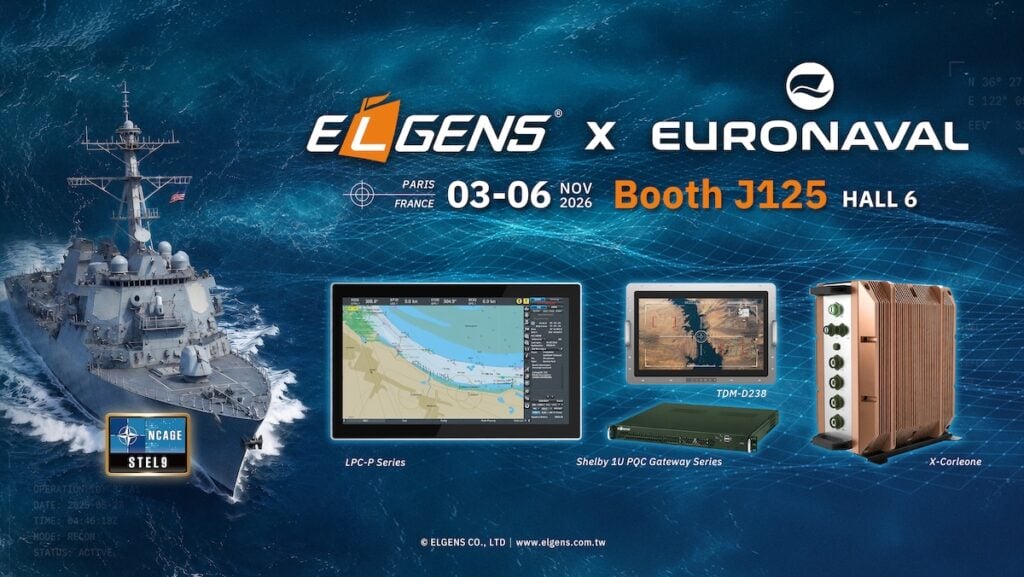
Maritime and marine systems depend on corrosion-resistant, rugged HMI components that maintain performance under humidity, salt fog, and vibration. Control room systems, targeting systems, and sensor networks utilize sealed input devices and marine-grade materials.
Secure and tactical communication systems require rugged HMI devices to manage encrypted communications, data routing, and command and control (C2) functions. These interfaces ensure that personnel maintain control of mission-critical networks during field operations.
HMI components are frequently combined into operator panels that include keypads, switches, joysticks, pointing devices, and displays. These assemblies support complex workflows in command centers, combat vehicles, maritime platforms, and remote weapon stations.
Integration with controller modules aligns rugged HMI components with system electronics, power distribution, sensor interfaces, and mission software. Modular housings or customizable enclosures may be used to accommodate specific switches, connectors, wiring harnesses, or panel arrangements required for military platforms.
Rugged HMI must comply with standardized performance requirements to ensure reliable operation under military conditions. Common standards include:
Compliance with these standards informs material selection, mechanical design, connector interfaces, coatings, and environmental sealing.
When selecting rugged HMI solutions, defense engineers and procurement teams evaluate:
These considerations ensure rugged HMI components provide reliable service across the lifecycle of defense platforms.


 Searching Companies & Products