

Showcase your capabilities
If you design, build or supply Embedded Computing, create a profile to showcase your capabilities and connect with visitors who have an active requirement for your solutions.




Rugged embedded computers provide processing, control, networking, and data handling for defense platforms operating under demanding environmental and electrical conditions. These systems include mission computers, rugged box PCs, SBCs, VPX and OpenVPX platforms, small form factor systems, and rugged servers.
This category showcases rugged embedded computer manufacturers and suppliers, with solutions for ground vehicles, aircraft, naval platforms, unmanned systems, C5ISR, and sensor processing.
Read the Technology Overview
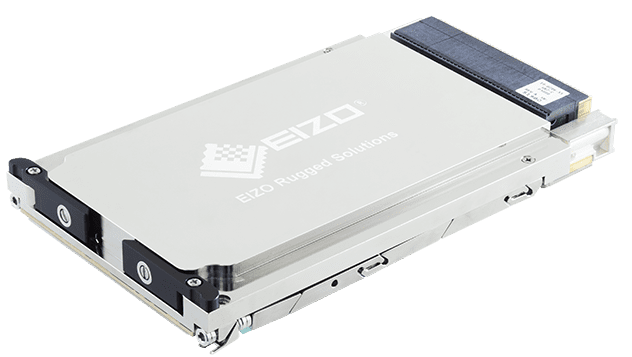
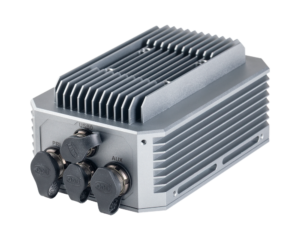
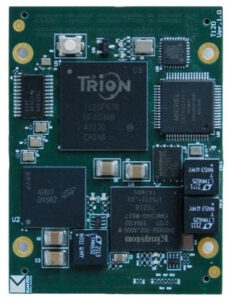
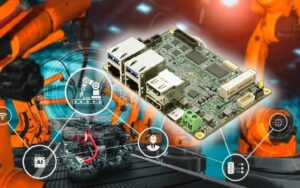
Embedded Computing Module for AI-Powered Image Processing Capabilities

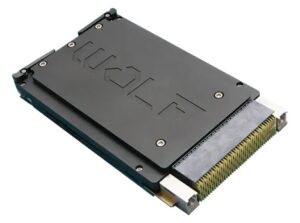
Rugged High-Performance Computing & Video I/O Modules: 6U and 3U VPX, XMC, and VNX+ for Defense Applications

Assured Position, Navigation and Timing (PNT) Solutions for Military and Defense

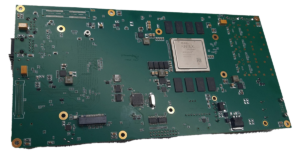
Rugged Image Processing & Mission-Critical Electronics for Defense Systems

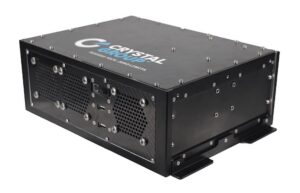
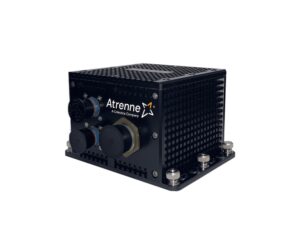
Ruggedized Edge Computing & Networking for Mission-Critical Defense Applications

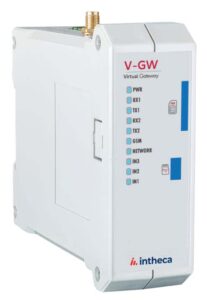
Advanced Military & Defense Electronics, Electro-Optics, Thermal Imaging, FPGA, Embedded Systems, Industrial IoT and Smart Energy Solutions

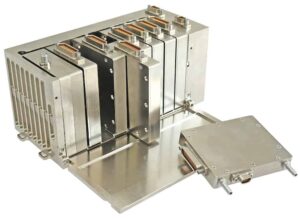
Anti-Jam GPS-GNSS Devices, Tactical Data Links, Telemetry Systems, Electronic Warfare Equipment & Flight Termination Systems

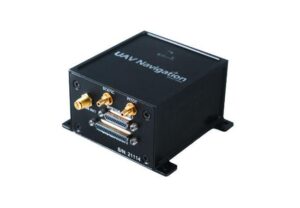
State-Of-The-Art Flight Control & GNSS-Denied Navigation Technologies for Tactical UAV Platforms

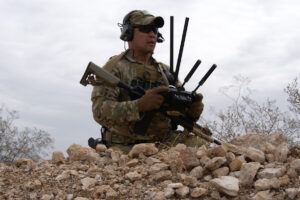
Mission-Critical Hardware & Software Technologies for Enhanced Command & Control in Challenging Battlefield Environments

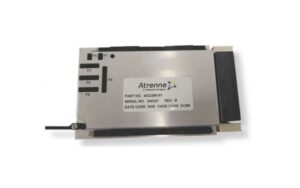
Rugged Electronic Enclosures, Backplanes & Full Systems Integration for Defense & Aerospace Applications

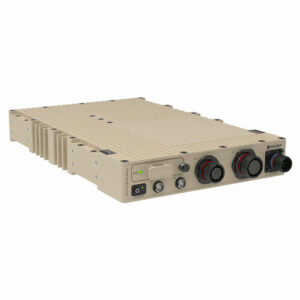
WE ARMOR IT. MilSpec Electronics & Rugged IT Equipment for Military, Government & Critical Infrastructure

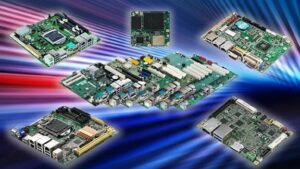
Mission-Critical Rugged Displays, Embedded Computing & Electronics for Defence Systems

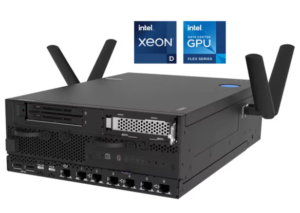
Secure IT Infrastructure & Cybersecurity Solutions for Mission-Critical Defence Operations

Advanced Precision Timing and Frequency Synchronization Solutions for Mission-Critical Networks and Systems

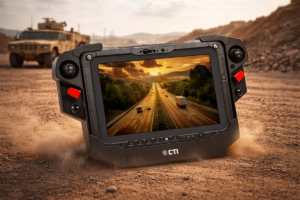
Rugged Computing Solutions for Mission-Critical Defense, Homeland Security, Law Enforcement & Emergency Response Applications

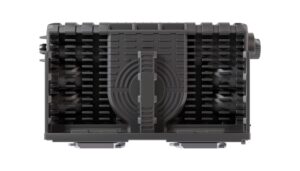
Pioneering Ground Control Stations (GCS), Electronics and Payload Solutions for Unmanned Systems and Defense Robotics

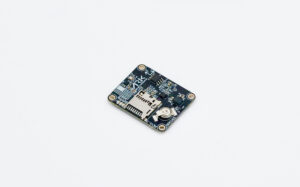
State-Of-The-Art NDAA-Compliant Electronic Hardware Components for Mission-Critical Drone & Robotics Platforms. Made in the USA.

Secure Radio Communication & Authentication Systems for Military, Defense & Security Applications

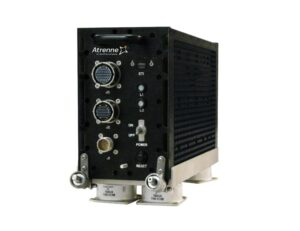
Rugged Mission-Critical Computing Solutions for Defense & Government Applications: Air, Land & Sea

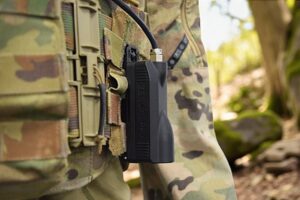
Mission-Critical Power & Lighting Solutions for Sustainable Military Operations

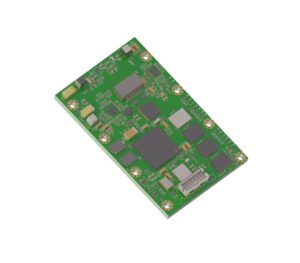
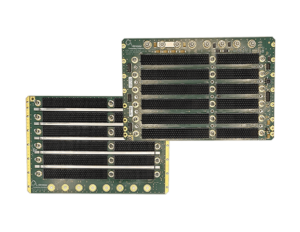
Mission-Critical Integrated Systems, Chassis & Backplanes For Military Systems Operating In All Domains

NDAA-Compliant Software-Defined Ecosystem For Next-Generation Robotics & Autonomous Vehicle Platforms

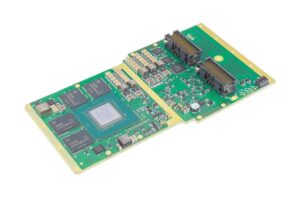
High-Performance Video Graphics, GPGPU, AI/ML Processing & Display Solutions for Mission Critical Environments

If you design, build or supply Embedded Computing, create a profile to showcase your capabilities and connect with visitors who have an active requirement for your solutions.

Rugged embedded computers provide processing, control, networking, and data handling within defense platforms that must operate under demanding environmental and electrical conditions. Unlike conventional commercial hardware, a rugged embedded computer is engineered around defined requirements for temperature, shock, vibration, power quality, electromagnetic compatibility, cooling, mechanical integration, and long-term operational reliability.
These embedded computing solutions are used across vehicles, aircraft, naval platforms, unmanned systems, sensors, and C5ISR architectures. Military-grade embedded computers are designed for operation in demanding defense environments, with requirements that can include extended temperature ranges, shock and vibration resistance, electromagnetic compatibility, power conditioning, secure operation, and long-term availability. System designers typically select platforms according to the environmental, processing, interface, and integration requirements of the application.
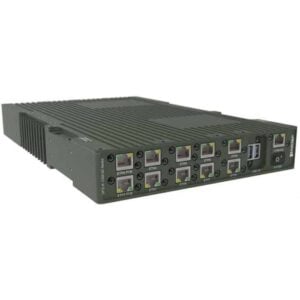
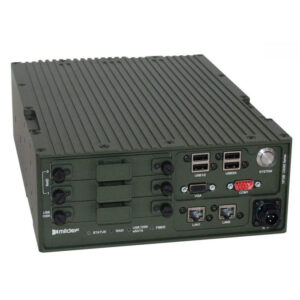
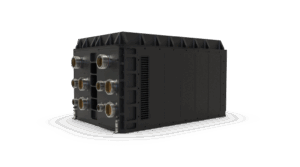
CS9100 Series Mil Spec Computer, rugged networking computer, from MilDef Group
Rugged mission computers combine processing, storage, networking, and application-specific I/O in an integrated unit. They may support mission management, navigation, sensor control, communications, data recording, or platform monitoring. A military embedded computer can be optimized for one defined workload or designed with expansion capacity for later capability, software, or interface upgrades.
Rugged box PCs package processors, memory, storage, and interfaces within a reinforced enclosure for direct platform installation. Their self-contained design can simplify integration where space is limited or environmental protection is required. Custom embedded computers may add specialized connectors, power conditioning, removable storage, secure storage, or interfaces for existing vehicle and sensor networks.
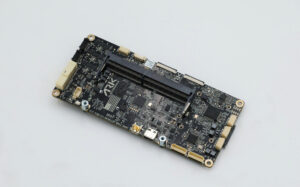
Single board computers (SBCs) integrate the principal computing resources onto one board and are commonly used as processing elements within larger military embedded systems. A rugged embedded computing board may combine a CPU, memory, graphics, storage, and network interfaces while relying on the surrounding chassis for power conversion, cooling, mechanical protection, and external connectivity.
VPX systems use rugged plug-in modules and high-speed backplane fabrics for modular embedded computing. OpenVPX defines profiles for slots, modules, backplanes, and development chassis to improve system-level interoperability. ANSI/VITA 65.0-2025 is the current OpenVPX System Standard and adds further communication protocol support, optical profiles, and clarifications to existing system definitions.
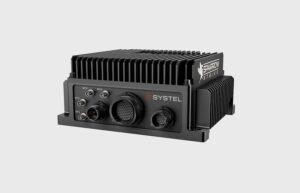
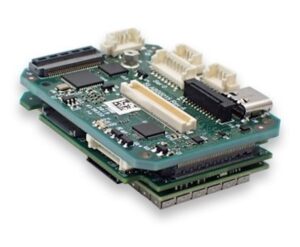
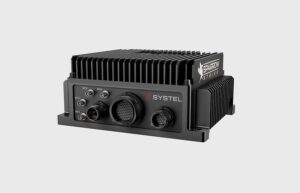
Sparrow-Strike, ultra-small form factor rugged embedded computer, from Systel
Small form factor systems are intended for platforms where size, weight, and power are tightly constrained. An SFF rugged embedded computer may be used in compact payloads, autonomous vehicles, remote sensors, or distributed processing nodes where a larger chassis would impose unacceptable installation, mass, power, or cooling penalties.
Rugged servers provide greater processing density, memory capacity, storage, and accelerator support for demanding edge workloads. These systems can support sensor fusion, artificial intelligence, image exploitation, mission data processing, and other applications that require more compute resources than smaller embedded computers can practically provide within their thermal and power limits.
Ground vehicles use rugged embedded computers for situational awareness, communications, navigation, vehicle electronics, sensor processing, and crew interfaces. Systems may need to tolerate vibration, electrical transients, dust, temperature extremes, and restricted cooling while fitting within established vehicle architectures and available installation space.
Airborne embedded computers support avionics functions, mission processing, payload control, communications, data recording, and sensor management. Integration is shaped by SWaP limits, altitude, thermal rejection, electromagnetic compatibility, connector selection, and the electrical characteristics of the host aircraft, as well as applicable airworthiness and safety requirements.
Naval platforms use embedded computers for navigation, communications, combat systems, machinery monitoring, sensor processing, and data distribution. Equipment selection may also need to account for humidity, salt exposure, shock, vibration, cooling arrangements, enclosure location, and the long service lives typical of maritime defense systems.
Unmanned aircraft, ground vehicles, surface vessels, and underwater systems rely on local computing for navigation, perception, autonomy, sensor fusion, and payload management. A UAV rugged embedded computer must balance processing throughput against strict mass, volume, power, and thermal limits while supporting reliable operation and fault handling without continuous human intervention.
C5ISR and electronic warfare applications can require high-throughput networking, low-latency processing, secure data handling, and rapid movement of information between sensors and decision systems. Military embedded computers for surveillance may combine general-purpose processors and accelerators to support communications processing, signal analysis, data fusion, mission applications, encryption, and other security functions.
Radar, electro-optical, infrared, and spectral imaging systems can generate high-volume data streams that benefit from processing close to the sensor. An embedded rugged computer can perform filtering, image enhancement, detection, tracking, compression, or sensor fusion while reducing the amount of raw data transported across platform networks and lowering associated bandwidth demands.
Rugged embedded computing platforms may combine several processor types, with the appropriate architecture determined by workload, latency, power, thermal limits, determinism, and software requirements.
Selecting the right processing mix helps balance computational performance with the SWaP and thermal limitations of the host defense platform.
Military embedded computer systems must exchange data with sensors, radios, storage devices, vehicle networks, and other computing resources while supporting interoperability, cybersecurity, and future technology insertion.
Open interfaces can make a rugged embedded computer easier to integrate, upgrade, secure, and sustain across a long defense program lifecycle.
Qualification requirements vary by platform and program, so standards should be applied according to the intended operating environment rather than treated as universal indicators of ruggedness. Platform-specific requirements may also address input power, naval shock and vibration, airworthiness, safety, environmental sealing, and other installation-specific conditions.
For an embedded computer manufacturer, system integrator, or defense procurement team, configuration-specific qualification evidence, test conditions, and documented compliance are more meaningful than a general claim that equipment is military-grade.


 Searching Companies & Products