
Leading Global Suppliers

Embedded Boards

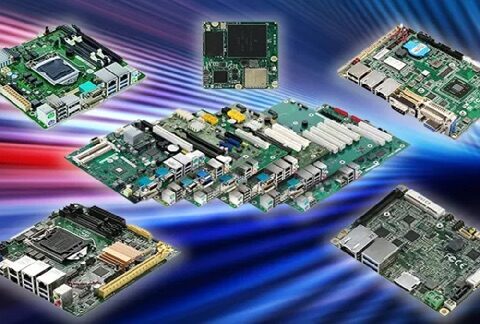
Embedded boards are compact computing platforms that provide processing, control, networking, and data-handling functions within defense and aerospace electronic systems. Architectures include single board computers, VPX and OpenVPX modules, VME and CompactPCI boards, computer-on-module designs, FPGA modules, and GPU-based processing platforms.

This page features embedded board manufacturers supporting mission computing, ISR, radar, electronic warfare, avionics, and maritime systems.

Read the Technology Overview

Embedded Board Manufacturers

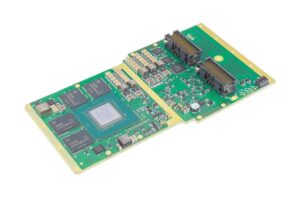
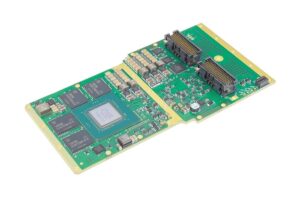
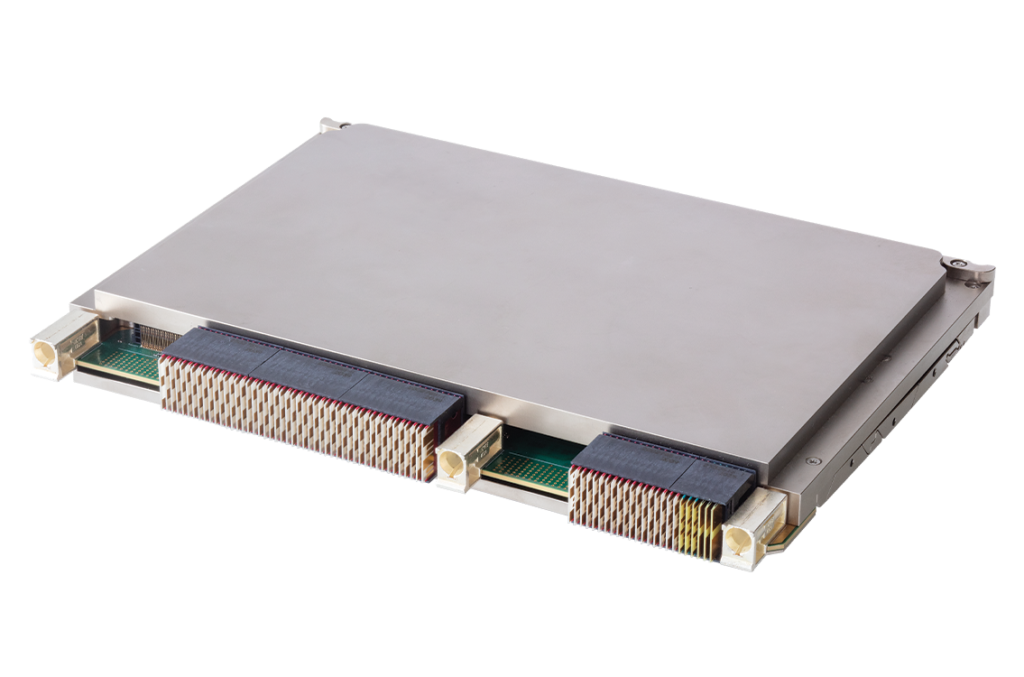
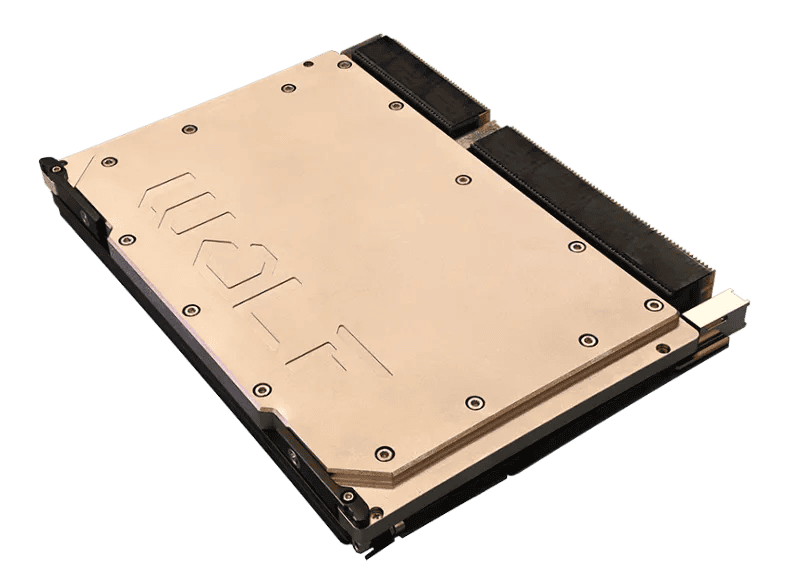
Wolf Advanced Technology

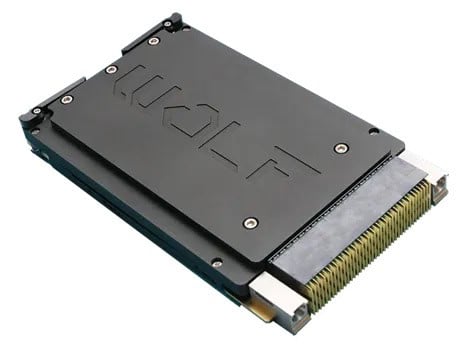
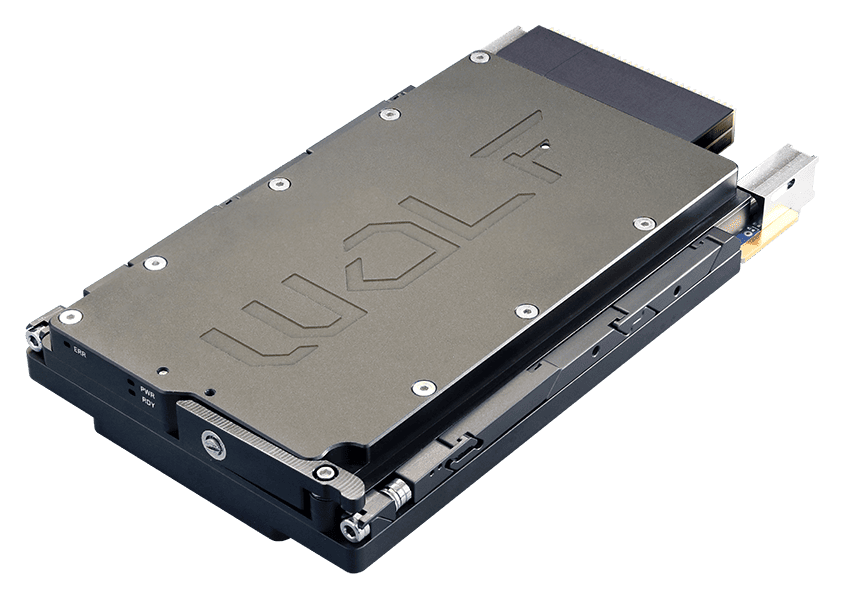
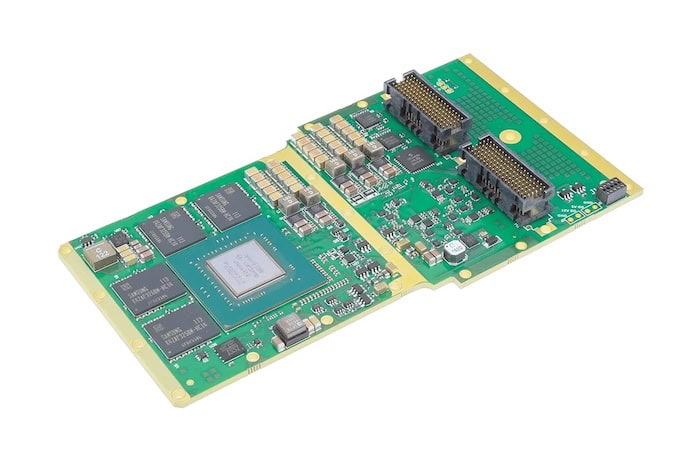
Rugged High-Performance Computing & Video I/O Modules: 6U and 3U VPX, XMC, and VNX+ for Defense Applications

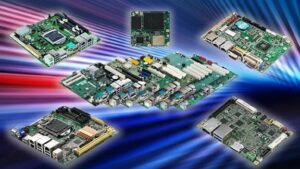
Futuris Electronic
Futuris Electronic

Rugged Image Processing & Mission-Critical Electronics for Defense Systems

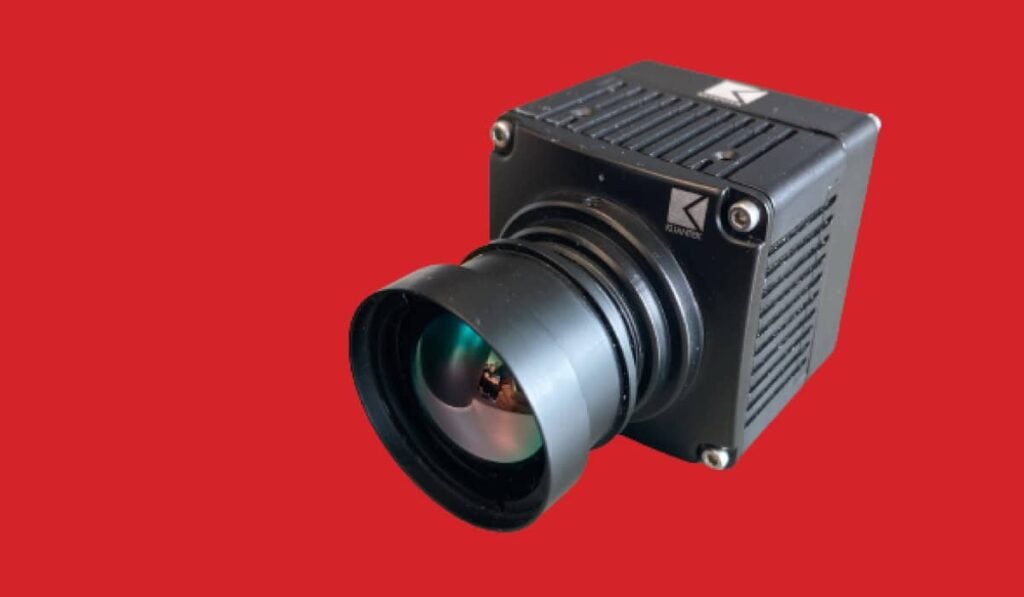
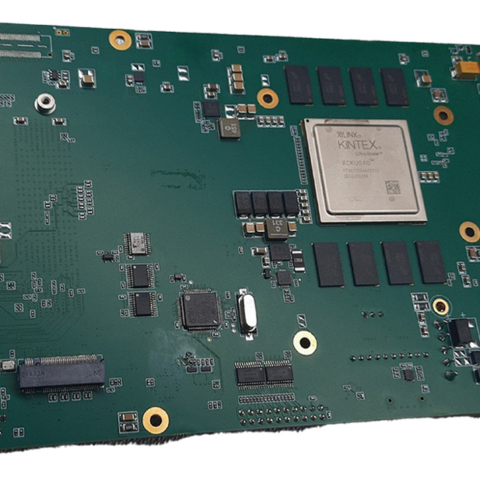
Kuantek Elektronik
Kuantek Elektronik

Advanced Military & Defense Electronics, Electro-Optics, Thermal Imaging, FPGA, Embedded Systems, Industrial IoT and Smart Energy Solutions

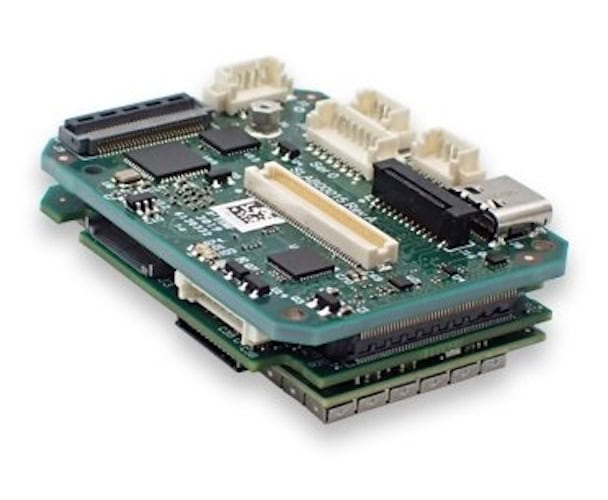
Sightline Intelligence

Powerful Edge Video Processing and AI-Powered Defense Solutions

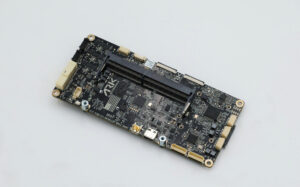
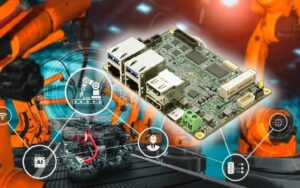
ARK Electronics
ARK Electronics

State-Of-The-Art NDAA-Compliant Electronic Hardware Components for Mission-Critical Drone & Robotics Platforms. Made in the USA.

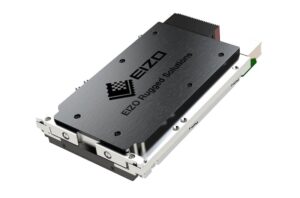
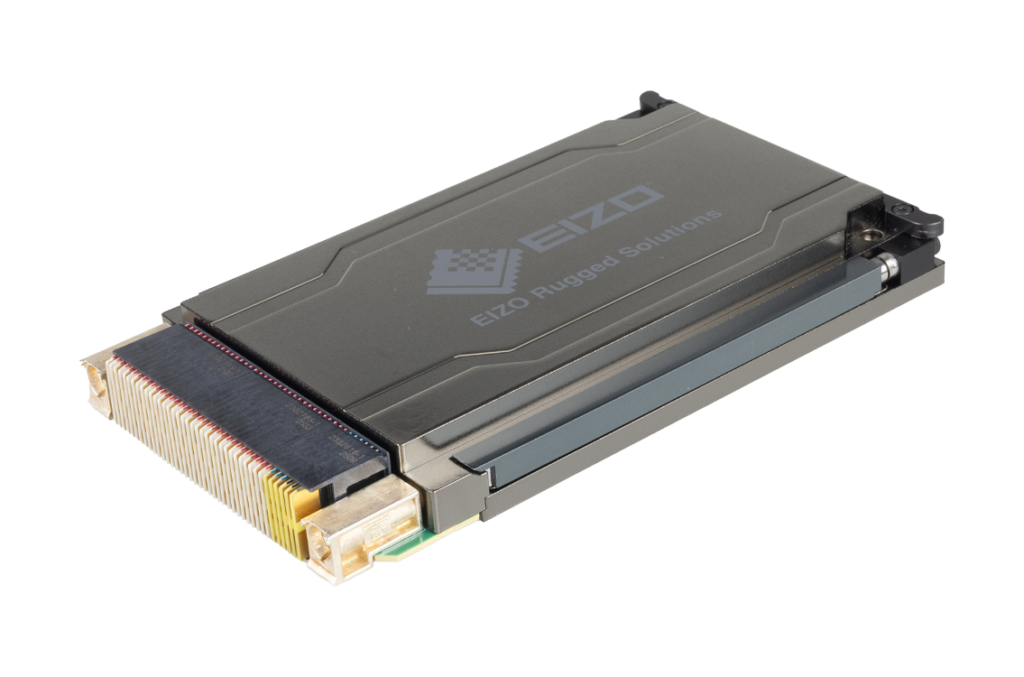
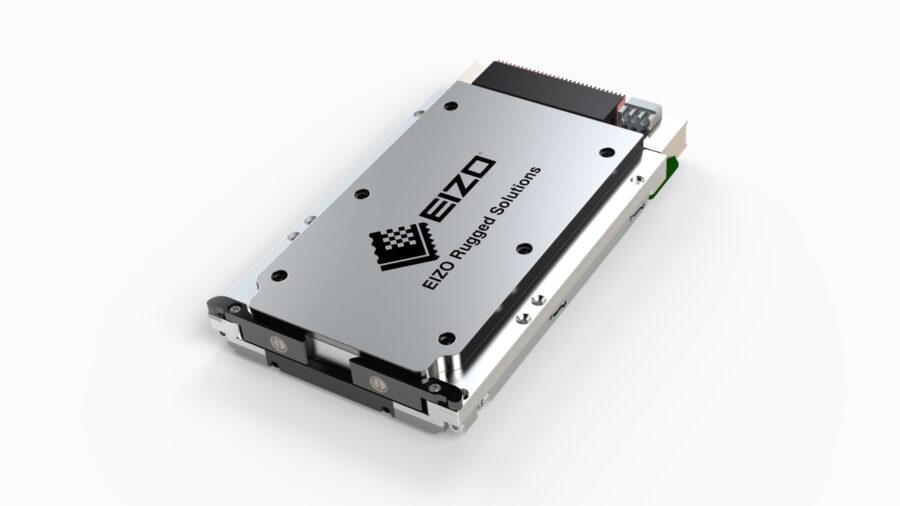
EIZO Rugged Solutions

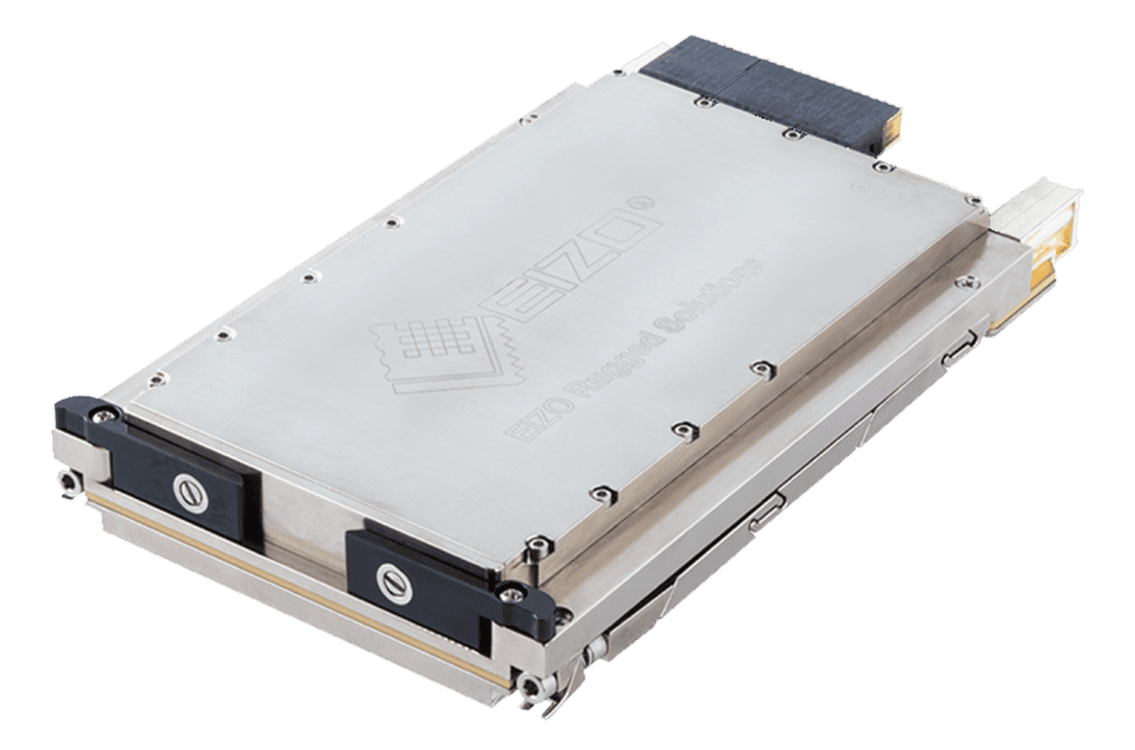
High-Performance Video Graphics, GPGPU, AI/ML Processing & Display Solutions for Mission Critical Environments

Showcase your capabilities

If you design, build or supply Embedded Boards, create a profile to showcase your capabilities and connect with visitors who have an active requirement for your solutions.


Create Supplier Profile

Embedded Boards

17 Cutting-edge Solutions
Add your solutions
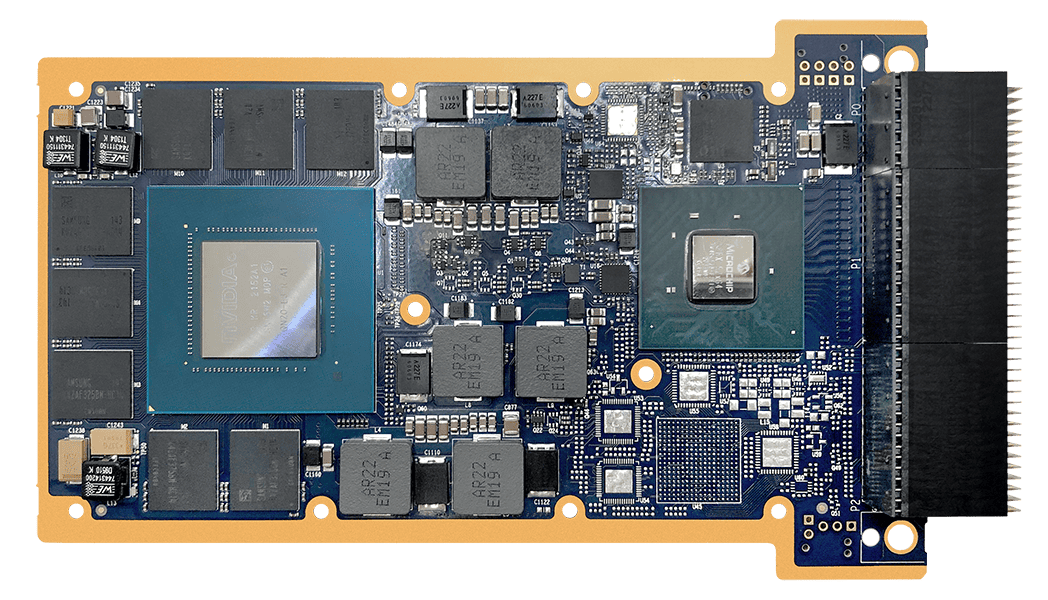
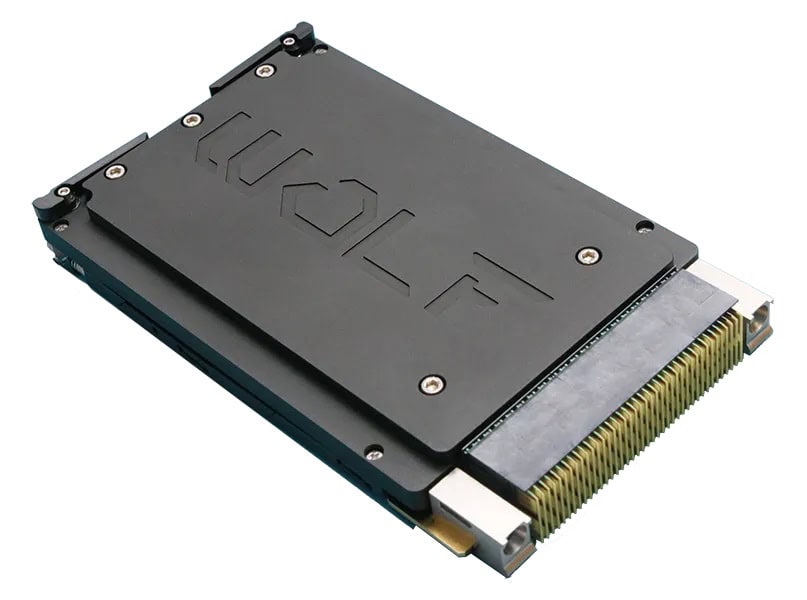
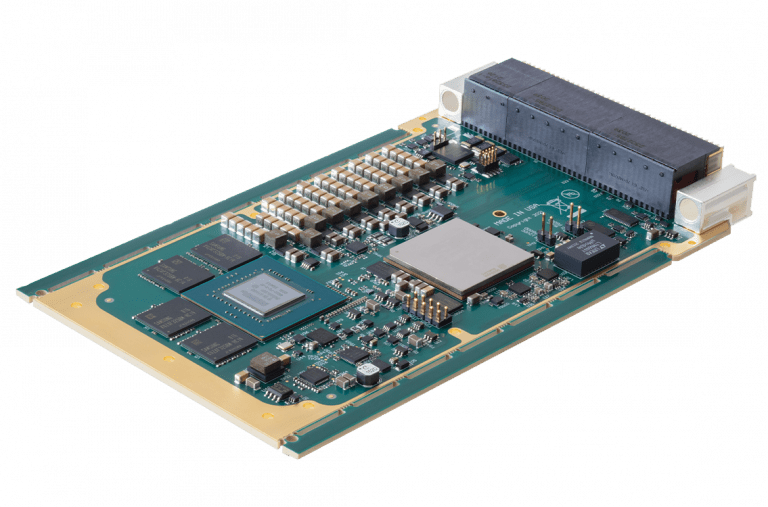
VPX3U-THOR-SBC (WOLF-16T1)

3U VPX computing module with NVIDIA IGX Thor™ GPU for defense AI & mission computing

3U VPX computing module with NVIDIA IGX Thor™ GPU for defense AI & mission computing
The VPX3U-THOR-SBC (WOLF-16T1) is a rugged 3U VPX computing module built for next-generation defense...
VPX3U-THOR-CX7-PAY (WOLF-16TZ)

3U VPX AI payload module with NVIDIA IGX Thor™ GPU & ConnectX®-7 SmartNIC for C5ISR systems

3U VPX AI payload module with NVIDIA IGX Thor™ GPU & ConnectX®-7 SmartNIC for C5ISR systems
... movement. Its embedded 14-core Arm® Neoverse®-V3AE CPU and Blackwell GPU with 2560 CUDA cores and... ... optimized for embedded defense applications where reliability and throughput are mission critical....
VPX3U-THOR-CX7-SBC (WOLF-16T5)

3U VPX SBC with NVIDIA IGX Thor™ GPU & ConnectX®-7 SmartNIC for defense AI workloads

3U VPX SBC with NVIDIA IGX Thor™ GPU & ConnectX®-7 SmartNIC for defense AI workloads
...gh-performance embedded computing for military AI and defense mission systems. Combining NVIDIA®...
VPX3U-THOR-CX7-FGX2-SBC (WOLF-16T0)

3U VPX SBC with NVIDIA IGX Thor™, ConnectX®-7 SmartNIC & FGX2 video I/O for ISR systems

3U VPX SBC with NVIDIA IGX Thor™, ConnectX®-7 SmartNIC & FGX2 video I/O for ISR systems
...mpute from the embedded Blackwell GPU and 14-core Arm® Neoverse®-V3AE CPU, the module delivers...
GPU & FPGA Image Processing Board

Hybrid edge processing solution for AI, video and sensor data

Hybrid edge processing solution for AI, video and sensor data
...age Processing Board combines an NVIDIA Jetson GPU and AMD UltraScale FPGA on a single embedded...
Thermal ISP IP Core
Thermal ISP IP Core

FPGA IP core for thermal camera image enhancement

FPGA IP core for thermal camera image enhancement
Kuantek’s FPGA IP core for thermal vision cameras provides a range of advanced image enhanceme...
CAN 2.0 / CAN FD IP Core

FPGA IP core providing a multimaster CAN serial bus

FPGA IP core providing a multimaster CAN serial bus
Kuantek's CAN/CAN FD IP core has been designed according to ISO 11898-1:2015 specifications and prov...
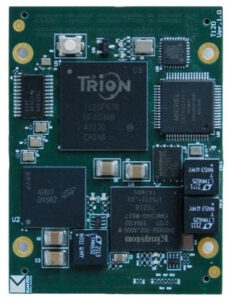
Nyks+ FPGA SoM Family

System-on-module solutions for Efinix FPGA development

System-on-module solutions for Efinix FPGA development
Based on Efinix FPGAs, Kuantek’s Nyks+ system-on-module family provides a wide range of options fo...
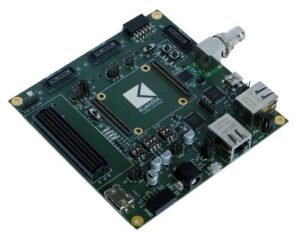
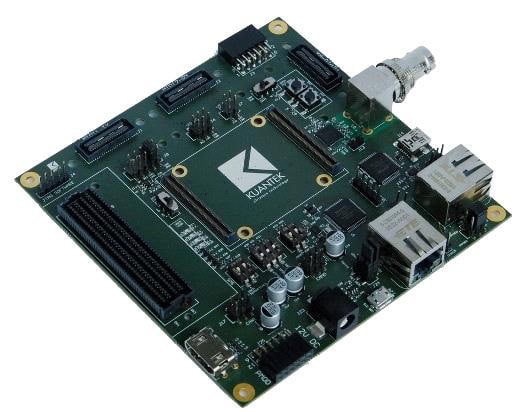
FPGA Carrier Board
FPGA Carrier Board

Carrier card supporting Nyks+ FPGA modules

Carrier card supporting Nyks+ FPGA modules
... these carrier boards provide a range of convenient GPIO and video interfaces, as well as USB OTG...
1710-OEM Embedded Video Processing Board

Ultra-compact embedded video processor for tactical ISR & counter-drone detection

Ultra-compact embedded video processor for tactical ISR & counter-drone detection
...ion-engineered embedded video processing board developed for tactical ISR platforms. At just 15...
1750-OEM Embedded Video Processing Board

Full 1080p performance for the smallest camera systems

Full 1080p performance for the smallest camera systems
...th HDSDI input board, and low power, 2-4W (software function dependent) meets the requirements for...
4100-OEM Embedded Multi-Channel Video Processing Board

Powerful tactical video processor with 4k encoding and streaming

Powerful tactical video processor with 4k encoding and streaming
... input adapter board, MIPI, and USB-3. Multiple video outputs include: ethernet streaming H.264 and...
ARK Jetson PAB V3
ARK Jetson PAB V3

Pixhawk Autopilot Bus carrier for defense and autonomous platforms

Pixhawk Autopilot Bus carrier for defense and autonomous platforms
The ARK Jetson PAB V3 is a Pixhawk Autopilot Bus (PAB) Carrier designed to integrate NVIDIA Jetson O...
Condor GR5SL-B5000
Condor GR5SL-B5000

SOSA-aligned 3U VPX graphics & GPGPU card based on NVIDIA RTX PRO 5000 Blackwell GPU

SOSA-aligned 3U VPX graphics & GPGPU card based on NVIDIA RTX PRO 5000 Blackwell GPU
The Condor GR5SL-B5000 is a SOSA-aligned 3U OpenVPX graphics and GPGPU card for military, surveillan...
Condor GR5SL-B4000
Condor GR5SL-B4000

Rugged 3U VPX graphics & GPGPU card for military & ISR systems

Rugged 3U VPX graphics & GPGPU card for military & ISR systems
......ration, shock, and humidity, and is also suited to surveillance, UAV, naval, and embedded...
Condor NVB2000xX
Condor NVB2000xX

Rugged XMC graphics & GPGPU card based on NVIDIA RTX PRO 2000 Blackwell GPU

Rugged XMC graphics & GPGPU card based on NVIDIA RTX PRO 2000 Blackwell GPU
...AV, naval, and embedded platforms. Operating temperature ranges from -40°C to +70°C (air-cooled)...
Condor NVB500xX
Condor NVB500xX

Rugged XMC graphics & GPGPU card for high-performance military systems

Rugged XMC graphics & GPGPU card for high-performance military systems
......interface. GDDR7 technology enhances bandwidth and efficiency for demanding embedded... ...AV, naval, and embedded platforms. It operates from -40°C to +70°C (air-cooled) or -40°C to...

Overview of Embedded Boards for Military & Defense Computing

William Mackenzie

Updated:

Introduction to Embedded Boards

Embedded boards provide the processing, control, networking, and data-handling functions at the core of many defense electronic systems. Depending on the architecture, an embedded computer board may combine processors, memory, storage, high-speed interfaces, and specialized accelerators within a compact module designed for integration into a larger platform.

Military applications often demand more than commercial computing performance. A rugged embedded computing board may need to operate through vibration, temperature extremes, electromagnetic interference, constrained cooling, and long program lifecycles. Form factor, processing architecture, I/O, environmental design, cybersecurity, lifecycle support, and interoperability therefore influence how embedded computing boards are selected.
Key Types of Embedded Boards

Single Board Computers

A single board computer integrates the principal computing functions needed to run an embedded system on one PCB. An embedded SBC board may include a CPU, system memory, storage interfaces, networking, graphics, and peripheral I/O, making it suitable for mission computers, vehicle electronics, control systems, and distributed processing nodes.

VPX and OpenVPX Boards

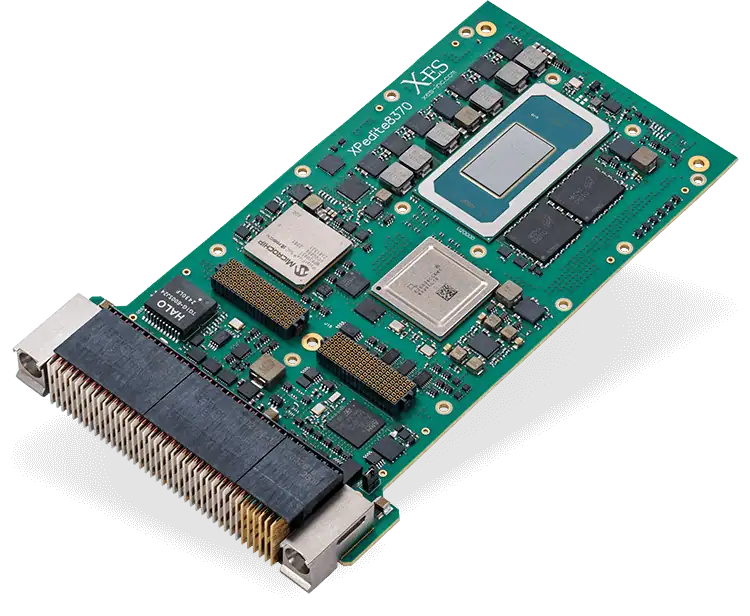
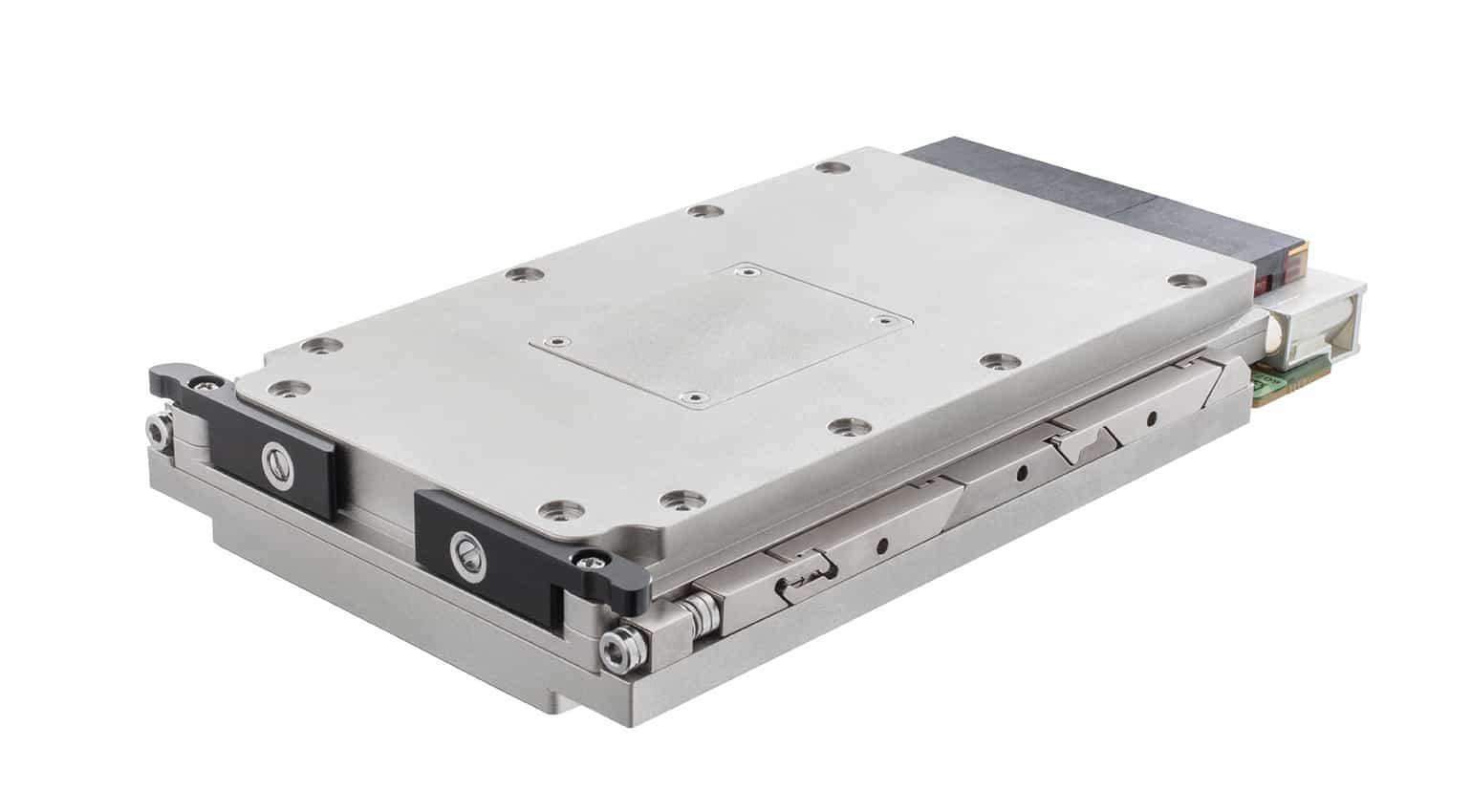
VPX boards use rugged 3U or 6U plug-in module formats with high-speed serial fabrics and backplane connectivity. OpenVPX applies defined slot, module, backplane, and interconnect profiles that improve interoperability within modular system architectures. An embedded VPX board is suited to modular, high-performance processing architectures where bandwidth, cooling, scalability, and technology insertion are important.

VME Boards

VME boards use a parallel-bus architecture established before newer switched-fabric standards. They remain relevant where existing military platforms depend on installed VME infrastructure, software, and I/O. Newer embedded CPU boards can also support legacy-system refresh programs when replacing an entire computing architecture would be impractical or unnecessarily disruptive.

CompactPCI and CompactPCI Serial Boards

CompactPCI applies modular Eurocard mechanics and PCI-based connectivity to embedded computing, while CompactPCI Serial uses high-speed serial interfaces such as PCI Express and Ethernet through the backplane. These embedded computer boards can support defense systems that benefit from modular expansion, defined backplane interfaces, and a structured approach to integrating processor, networking, storage, and peripheral cards.

Computer-on-Module Boards

Computer-on-module architectures place core processing, memory, and standard interfaces on a replaceable module that connects to an application-specific carrier. This approach separates processor technology from platform I/O, allowing designers to tailor the carrier while retaining a more manageable route for processor upgrades, technology refreshes, and lifecycle changes.
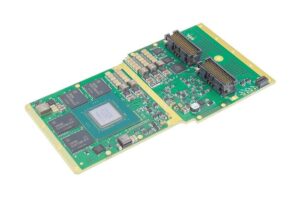
XMC Carrier Cards and Other Mezzanine Modules

XMC mezzanine modules add specialized processing or I/O to a host board through compact, high-speed interfaces, while carrier cards provide the host connections and physical support needed to integrate those modules into a larger system. XMC modules can provide FPGA, networking, storage, graphics, or data-acquisition functions without requiring a full-size board for each capability, helping increase functional density inside constrained embedded systems.

FPGA Modules

An embedded FPGA board uses programmable logic for highly parallel and deterministic data processing. FPGAs are particularly useful where sensor streams must be filtered, transformed, packetized, or analyzed with predictable latency, including radar, electronic warfare, communications, and imaging systems. They can also implement custom interfaces and preprocessing functions close to the data source.

GPU and GPGPU Boards

An embedded GPU board provides parallel processing resources for graphics and general-purpose compute workloads, with GPGPU referring to the use of GPU resources for non-graphics computation. Defense applications can use GPUs for image processing, sensor fusion, computer vision, AI inference, and visualization. Integration requires balancing compute throughput against electrical power, thermal dissipation, physical size, memory bandwidth, and data-movement requirements.

x86 Embedded Processors

Embedded processor boards based on x86 architectures support software-rich workloads that benefit from mature operating systems, development tools, virtualization options, and broad application compatibility. They are commonly considered for mission computing, command-and-control functions, data processing, and human-machine interfaces where general-purpose performance and software portability are priorities.

Arm-Based Embedded Boards

Arm-based embedded boards can provide strong processing performance within constrained power envelopes. They are used across control, communications, autonomy, and edge-processing applications. Their suitability depends on software support, required interfaces, real-time behavior, accelerator integration, security capabilities, and the electrical and thermal limits of the host platform.

Applications of Embedded Boards Across Aerospace & Defense

Mission Computers and ISR Systems

Mission computers combine data from sensors, communications equipment, navigation systems, and operator interfaces. Embedded computing boards in ISR architectures may perform sensor ingest, data fusion, image processing, recording, and network distribution while operating within strict platform limits for space, power, cooling, bandwidth, and latency.

Radar, Electronic Warfare, and Sensor Processing

Radar and electronic warfare systems generate large, continuous data flows that require rapid movement and processing. FPGA, GPU, and multicore processor boards can divide workloads such as digital signal processing, beamforming, detection, classification, and data reduction across specialized computing resources according to latency, throughput, and determinism requirements.

Avionics and Unmanned Aerial Vehicles

Aircraft and unmanned aerial vehicles use embedded boards for mission processing, payload control, navigation, communications, and autonomy. Airborne designs place particular emphasis on low weight, efficient thermal management, deterministic interfaces, environmental resilience, and careful power budgeting, especially on smaller platforms with limited cooling capacity.

Unmanned Ground Vehicles and Tactical Vehicle Computing

Ground platforms use embedded computer boards for perception, navigation, communications, situational awareness, and payload management. Ruggedization must reflect vehicle shock, vibration, dust, temperature, and electrical environments while maintaining sufficient processing capacity for real-time sensor fusion and autonomous or assisted operation.

Maritime Systems and Underwater Processing

Surface vessels and underwater platforms use embedded computing for sonar, navigation, machinery monitoring, communications, payload control, and autonomy. Board selection must account for enclosure design, cooling, vibration, moisture protection, corrosion risks, long-duration operation, and the high data rates associated with acoustic and other maritime sensors.

Military Standards & Qualification

The applicable qualification requirements depend on the embedded board, enclosure, host platform, intended environment, and procurement specification. Qualification is frequently performed at equipment or system level rather than treating the internal board as an independently qualified component. Commonly referenced standards and architectures include:

  • MIL-STD-810: Provides environmental engineering guidance and laboratory test methods used to tailor evaluation to the expected service environment. It does not prescribe a single universal set of tests for every product.
  • MIL-STD-461: Defines EMI emission and susceptibility requirements for applicable equipment and subsystems. It should not automatically be treated as a standalone internal board-level qualification.
  • VITA 46: Defines the baseline VPX architecture, including mechanical and electrical provisions used for high-speed backplane-based embedded computing.
  • VITA 65: Defines OpenVPX system profiles covering modules, slots, backplanes, and related architecture elements to support system-level interoperability.
  • VITA 48: The VITA 48 family covers Ruggedized Enhanced Design Implementation (REDI) approaches for improved structural and thermal performance in VPX plug-in modules.
  • SOSA Technical Standard: Defines a modular open systems approach with standardized interfaces intended to improve interoperability, portability, reuse, and technology insertion in defense sensor systems.

These standards do not replace platform-specific engineering. Qualification should reflect the actual mechanical, electrical, thermal, electromagnetic, and mission environment of the complete system, together with applicable reliability and lifecycle requirements.

Emerging Trends in Embedded Boards

Several technology directions are influencing the next generation of rugged embedded computing:

  • AI acceleration at the edge: AI embedded board architectures combine general-purpose processors with GPUs, FPGAs, or dedicated accelerators to process sensor data closer to its source and reduce dependence on external processing resources.
  • Heterogeneous processing: Mixed architectures allocate workloads to CPUs, GPUs, FPGAs, and other accelerators according to latency, parallelism, power, determinism, and software requirements.
  • Modular open systems: Open architectures support technology insertion, defined hardware interfaces, and increasingly high-bandwidth switched-fabric connectivity, particularly in high-performance sensor and mission-processing systems.
  • Chiplet and advanced packaging technologies: Greater package-level integration may enable new combinations of processing, memory, and I/O as suitable devices become available, while increasing the importance of thermal management, signal integrity, and packaging reliability.

For embedded board manufacturers and system integrators, these developments reinforce the need to evaluate performance alongside ruggedization, interoperability, cooling, cybersecurity, supply-chain assurance, lifecycle support, and upgrade strategy.


Related Articles

EIZO Unveils New VPX SBC for Tactical Edge AI Processing

EIZO has launched the Condor T5-IOX single board computer, harnessing NVIDIA IGX Thor to deliver next-generation tactical edge AI, multi-sensor fusion, and low-latency processing for mission-critical military applications

Aug 13, 2026
Managing SWaP-C Constraints in High-Performance System Design

WOLF Advanced Technology explores how Size, Weight, Power, and Cost considerations influence system design decisions across defense, aerospace, robotics, and edge AI applications operating within strict size, thermal, and power constraints

Jul 22, 2026
Electronics, Thermal Imaging & Embedded Systems for Military Applications

Kuantek Elektronik brings advanced defense electronics, thermal imaging, FPGA technologies and embedded engineering expertise to DA’s global supplier network

Jul 17, 2026
EIZO OpenVPX Cards Add Dual Blackwell GPUs for Embedded Edge AI

EIZO has introduced the SOSA-aligned Condor XR2S 6U VPX Series, supporting AI inference, sensor processing, real-time video analytics, and dynamic GPU resource allocation in embedded edge systems

Jul 02, 2026
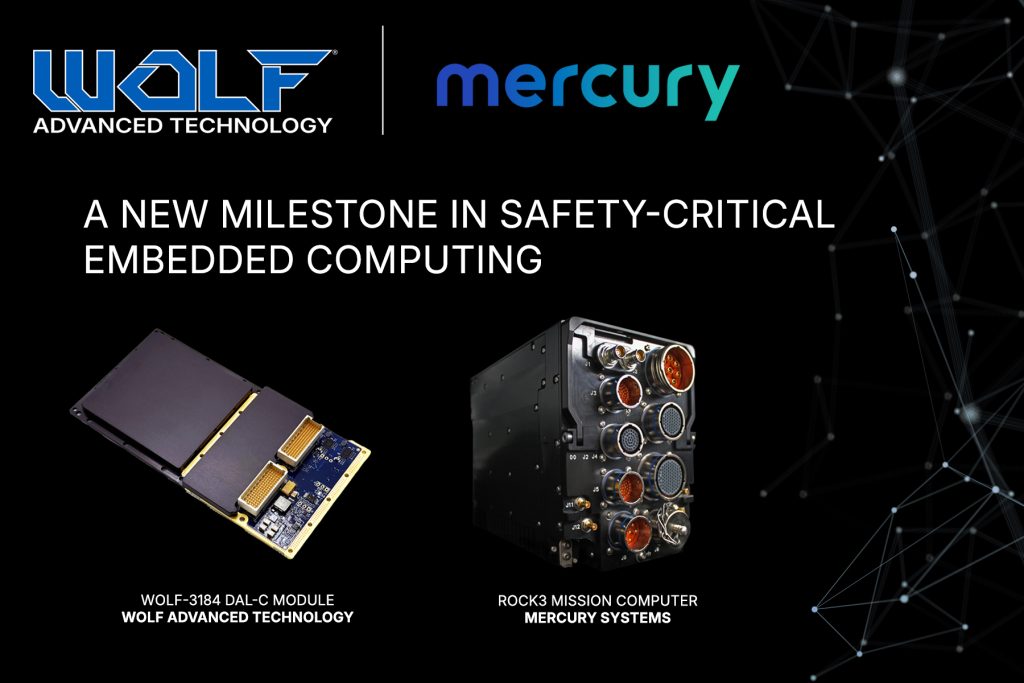
WOLF XMC Board Integrated into ROCK3 Mission Computer

WOLF’s DO-254 DAL-C certifiable board supports safety-critical video capture and processing within Mercury’s ROCK3 platform.

Jun 29, 2026
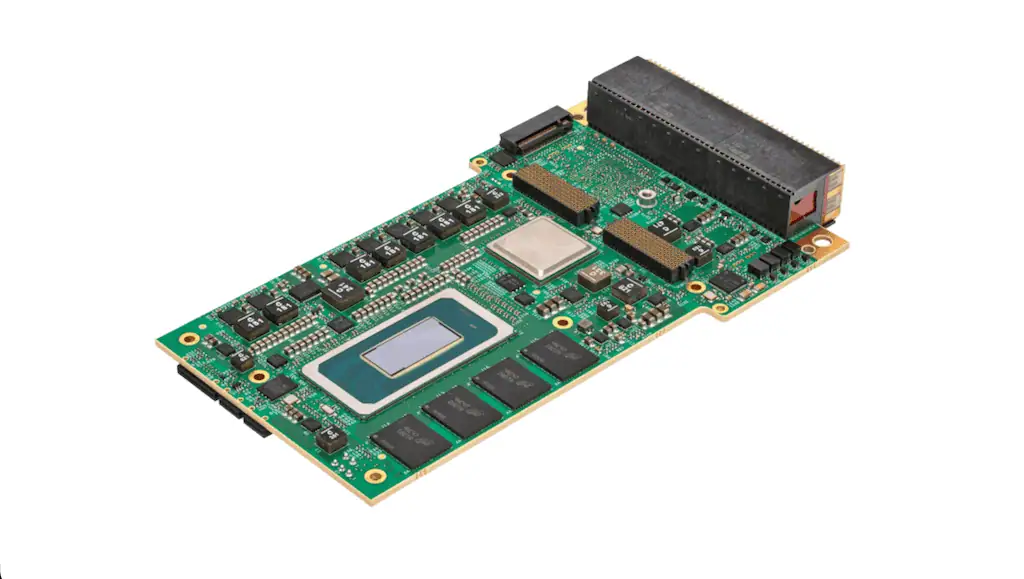
Aitech Unveils SOSA-Aligned Mission Computers for High-Performance Edge Computing & AI

Aitech has launched two single board computers, leveraging Intel 14th Gen Core Ultra technology to deliver accelerated AI processing and high-speed connectivity for military and aerospace environments

Apr 13, 2026
Enabling AI Workloads in Embedded Mission Systems with XMC-Based GPU Integration

EIZO Rugged Solutions describes how XMC (Switched Mezzanine Card) technology enables GPU acceleration in embedded mission systems, supporting AI workloads while preserving existing architectures and avoiding full platform redesign

Mar 26, 2026
Next-Generation Rugged Computing with X-ES & Intel Core Ultra Series 3

New Single Board Computers (SBCs) leverage Intel 18A process technology and hybrid architecture to deliver high-performance AI and real-time processing in extreme environments

Jan 09, 2026
Architectural Developments in NVIDIA GPUs for Embedded Defense Systems

WOLF Advanced Technology outlines the improvements of NVIDIA GPU architecture when upgrading from Turing to Blackwell, detailing changes to memory systems, processing cores and data paths that influence the design of embedded defense computing platforms

Dec 10, 2025
Advancing Defense Capability Through Strategic Collaboration Defense Advancement works with major OEMs to foster collaboration and increase engagement with SMEs, to accelerate innovation and drive defense capabilities forward.