
WOLF Advanced Technology discusses how Size, Weight, Power, and Cost (SWaP-C) considerations influence the development of high-performance systems for defense, aerospace, robotics, and edge AI applications. Read more >>
Rather than functioning as a simple checklist, SWaP-C is presented as a systems-level engineering approach focused on balancing operational requirements with practical deployment limitations. Increasing compute density within a fixed footprint, for example, can introduce additional thermal and power demands, while reducing power consumption may require more advanced components or affect overall system cost.

As edge computing and autonomous technologies continue to expand into constrained operating environments, SWaP-C requirements have become increasingly important. Lightweight drones, portable defense systems, and remote AI deployments all rely on solutions capable of delivering the required level of processing performance within strict size, weight, and energy limits. Addressing these factors early in development can help reduce integration challenges, improve reliability, and support more effective operation in real-world conditions.
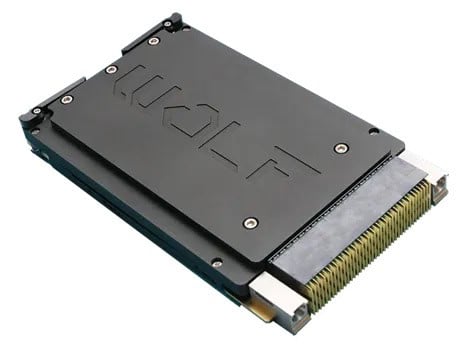
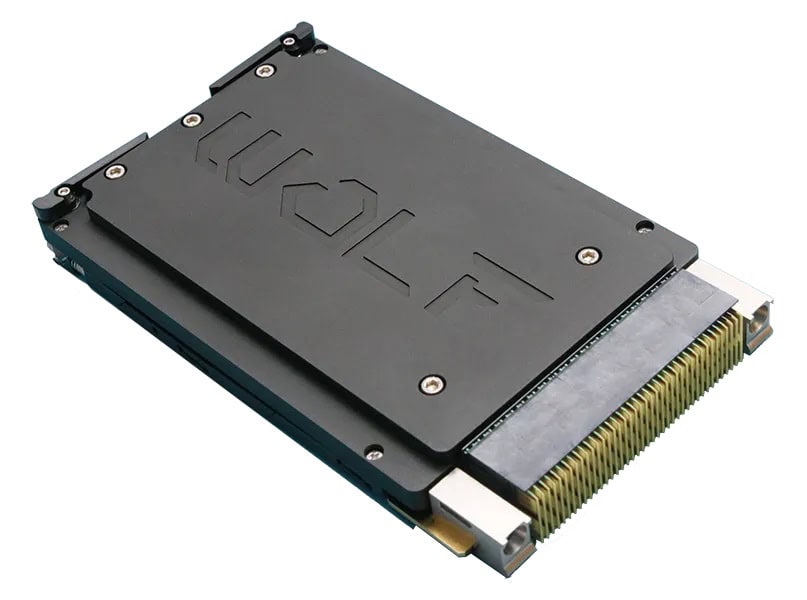
Improvements in compute efficiency can increase system capability without expanding platform size or weight. Newer VPX-based GPU boards are able to deliver significantly higher compute performance within the same form factor and similar weight, improving performance per pound while retaining the same physical footprint. Effective SWaP-C optimization depends on establishing performance requirements first, then managing trade-offs across hardware, software, thermal management, power delivery, and system integration.
This approach is reflected in the VNX+ ecosystem, which supports high-performance computing within compact, ruggedized form factors. The VNXP-ORIN-NX module delivers up to 100 TOPS of AI inference capability in an approximately 220 g package designed for harsh operating environments, while configurable VNX+ chassis options ranging from approximately 4 to 10 inches in diameter support deployment across space-constrained platforms. Integrating hardware, software, AI, and early-stage modeling enables more efficient system performance within fixed SWaP-C requirements.
To find out more information, read ‘SWaP-C: No Room for Bad Engineering’ here >>