









Showcase your capabilities
If you design, build or supply Radio Systems, create a profile to showcase your capabilities and connect with visitors who have an active requirement for your solutions.





Find Military Radio manufacturers and suppliers of encrypted, RoIP (radio over IP), SDR (software-defined radios) and survival radio technologies for defense applications; army, navy marine and air force
Read the Technology Overview

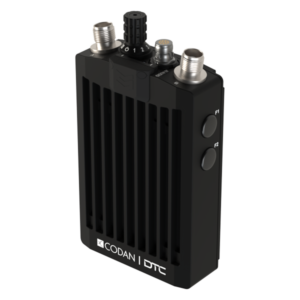
IP Mesh and COFDM MANET Technology: Mission-Critical Tactical Communications for Unmatched Operational Superiority

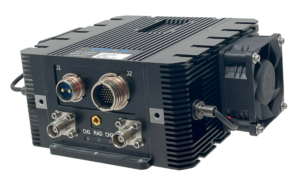
Integrated Radio MIMO Systems, RF Power Amplifiers for C-UAS, Electronic Warfare & ISR Data Links

BLOS Strategic Communications Systems and Tactical Radio Range Extension Technologies


Defense Technology Consultancy Providing Rapid Development of Mission-Critical Solutions

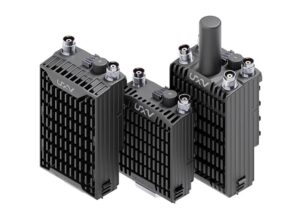
Pioneering Ground Control Stations (GCS), Electronics and Payload Solutions for Unmanned Systems and Defense Robotics

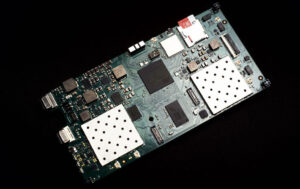
Secure Radio Communication & Authentication Systems for Military, Defense & Security Applications

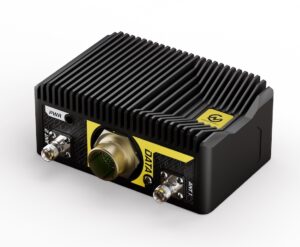
Intelligent MANET Communication Solutions for the Warfighter and Mission-Critical Defense & Government Operations

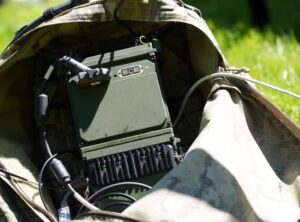
Mission-Critical Power & Lighting Solutions for Sustainable Military Operations

If you design, build or supply Radio Systems, create a profile to showcase your capabilities and connect with visitors who have an active requirement for your solutions.

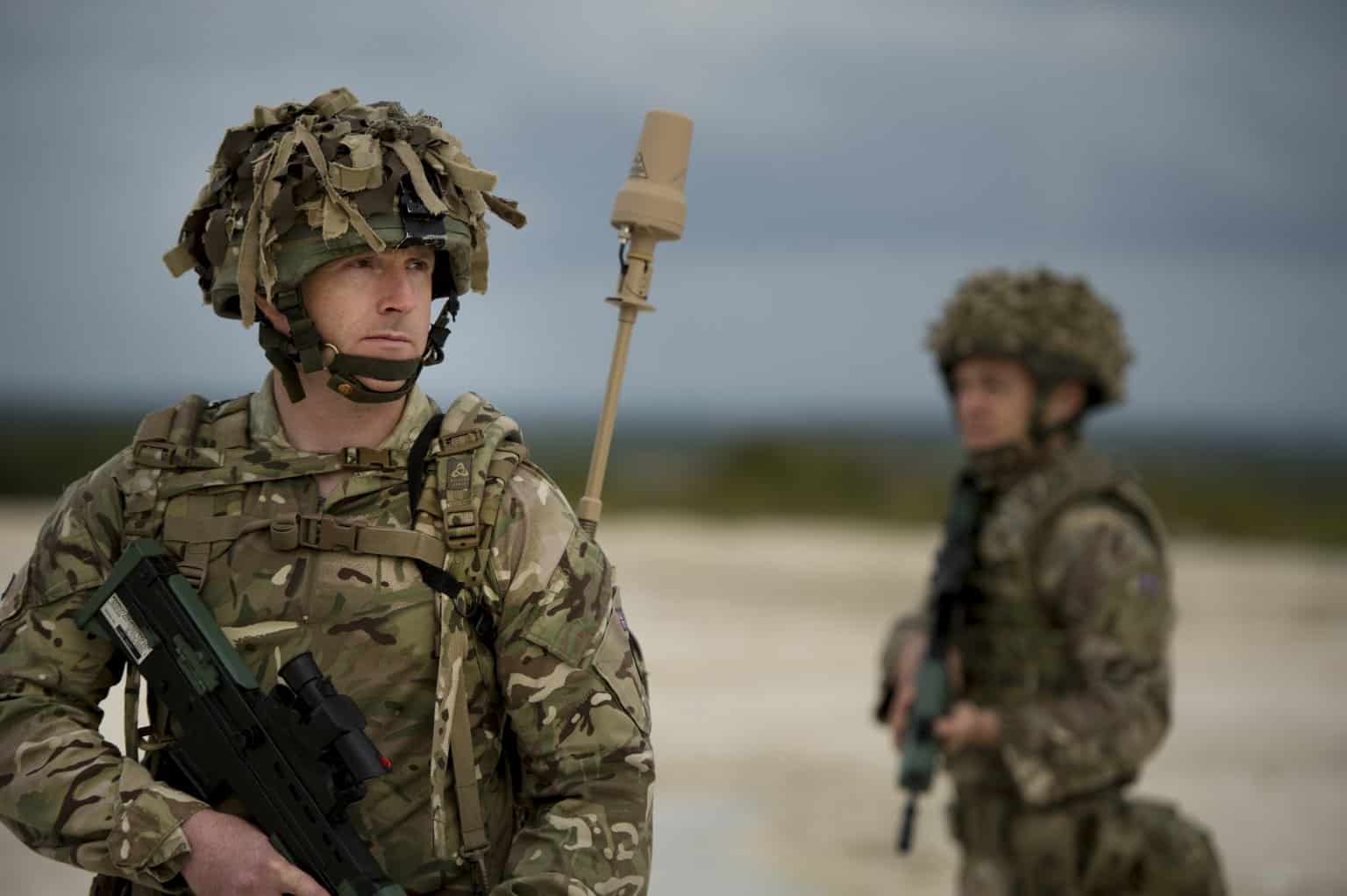
Radio technologies are used by a wide range of military forces to provide voice and data communications between field personnel, vehicles, aircraft, naval vessels, headquarters, forward operating posts and other assets. Radios may need to be engineered for interoperability not only with different branches of armed forces but possibly also allied nations.
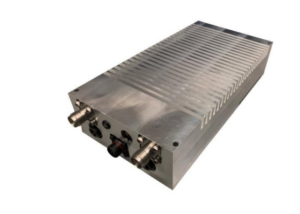
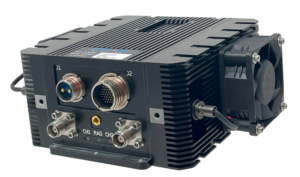
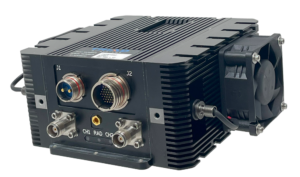
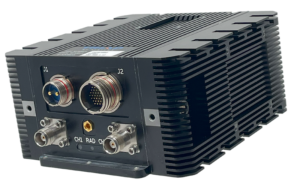
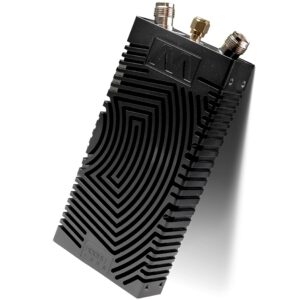
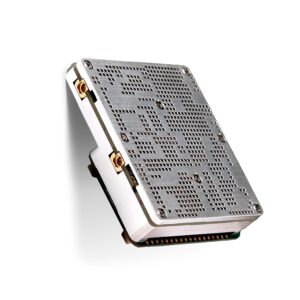
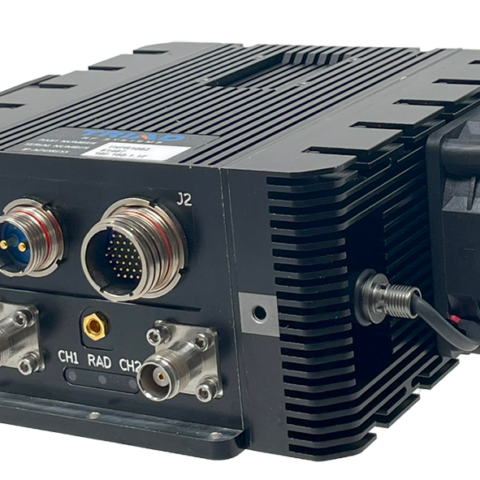
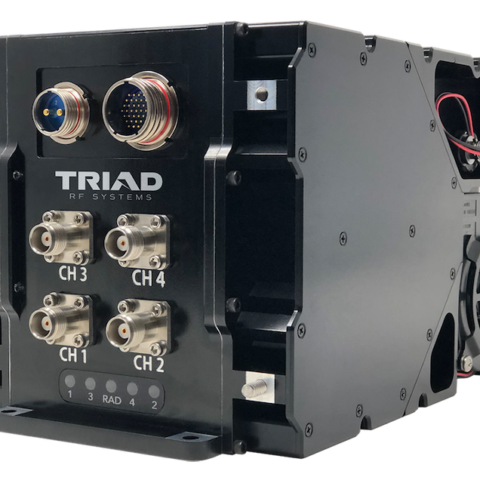
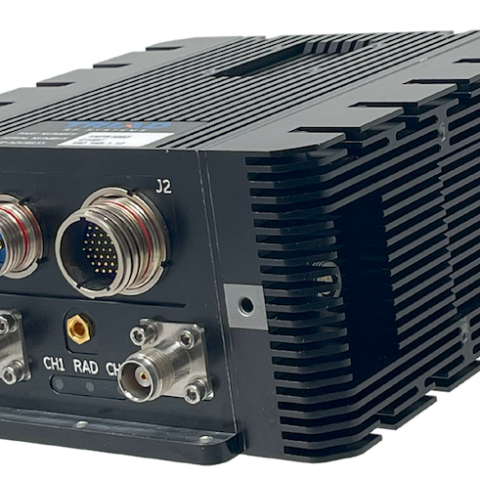
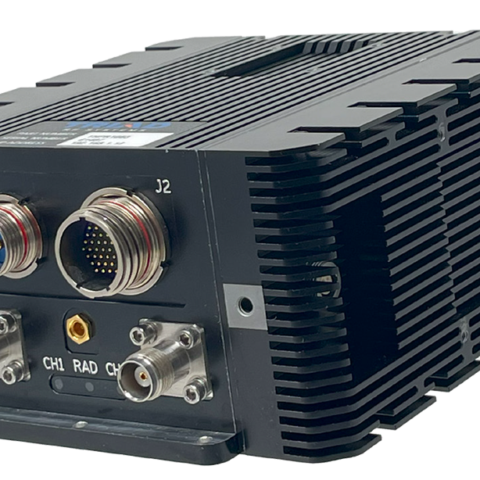
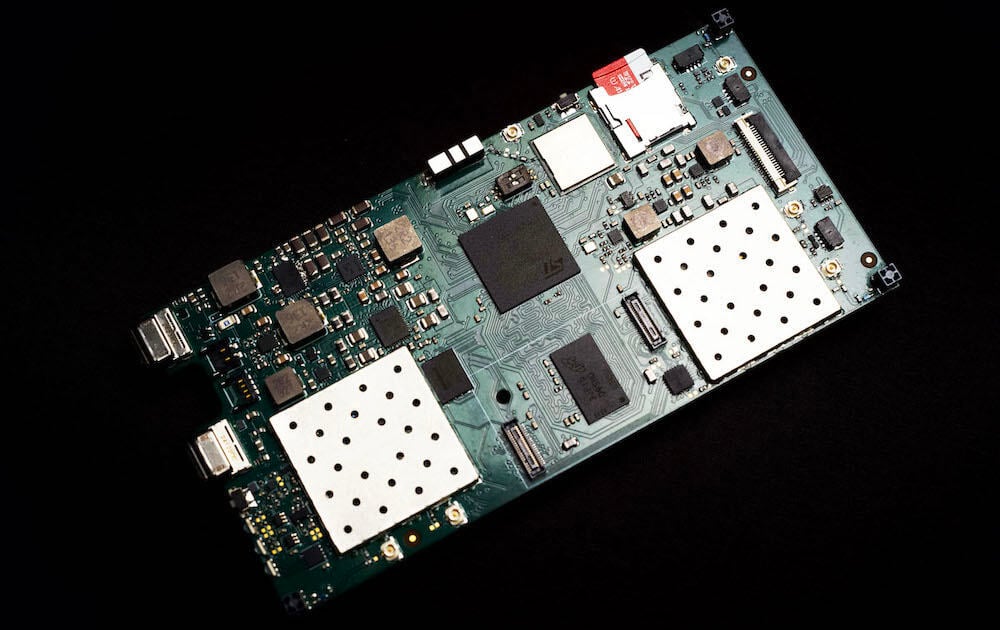
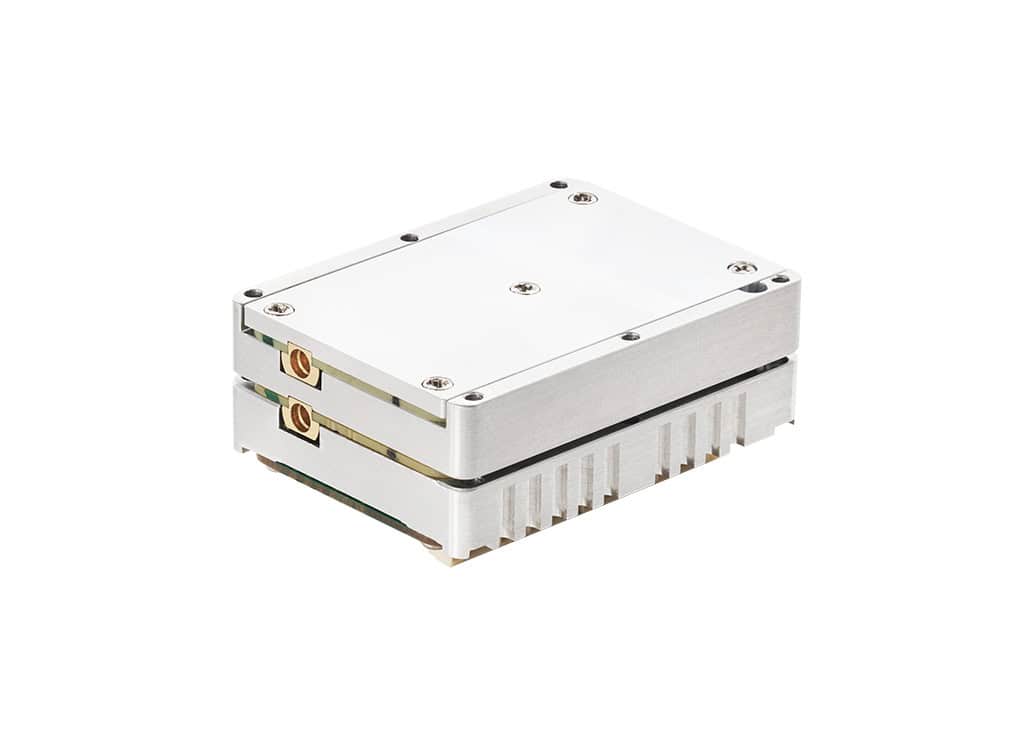
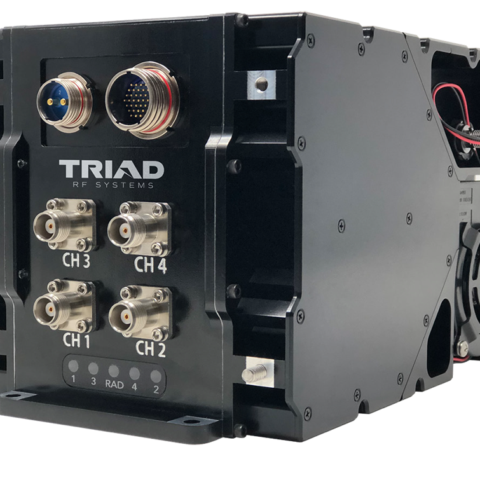
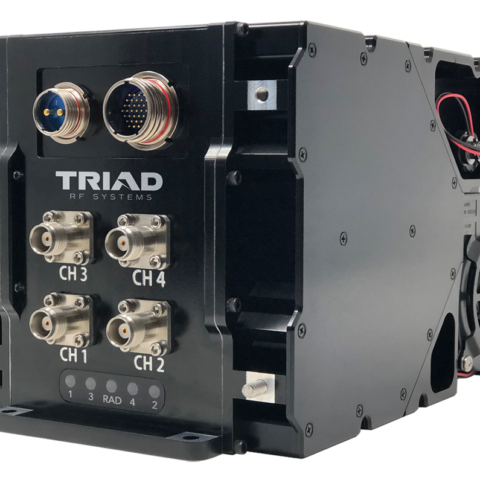
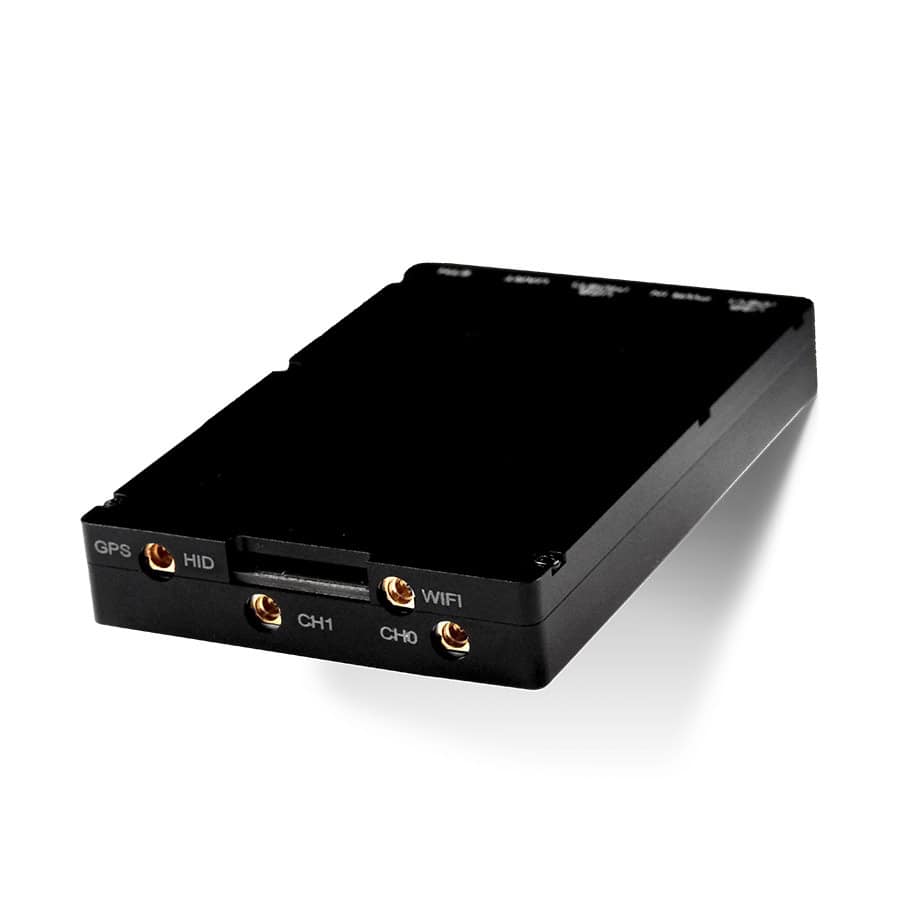
Triad High Power Radio in OEM and Embedded Module Forms
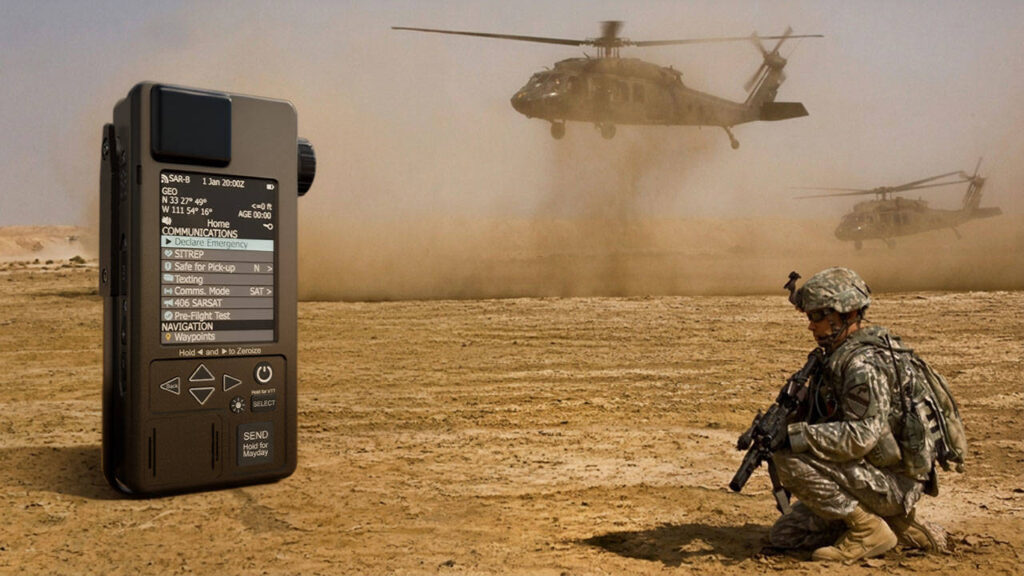
Military radios may transmit and receive on a variety of different frequency bands, including HF (high frequency), VHF (very high frequency), and UHF (ultra-high frequency). Some frequencies may be reserved specifically for military use. Special military survival radios may be tuned to international distress frequencies, allowing survivors to be found by search and rescue (SAR) teams.
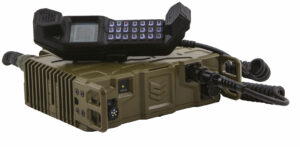
Military radios may be designed in a number of form factors, including handheld, manpack and small form-fit radios, vehicle-mounted radios, and larger radio systems designed for aircraft and ships. Generally speaking, larger radios with longer antennas and more powerful transmitters can broadcast over greater distances.
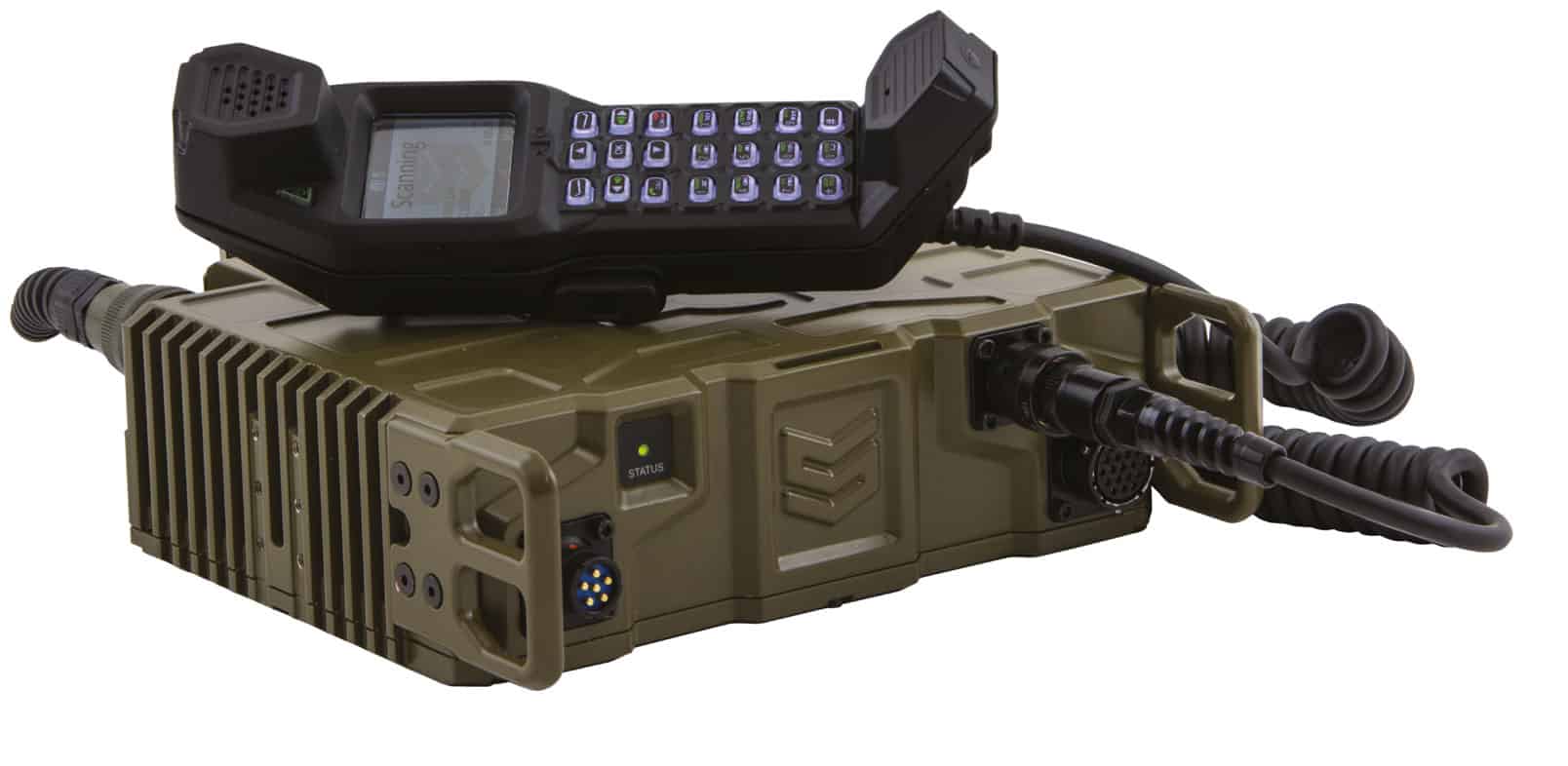
Many military radios have built-in GNSS or GPS receivers, allowing users to know their precise position. Radio units may also include data terminals, incorporating keyboards, screens and CPUs and allowing text and other information to be sent over radio waves. They may utilize Radio over IP (RoIP) technology, which allows the radio to act as a node in an IP network, including private networks or public internet. RoIP is useful for applications such as networking together convoys spread over large geographic areas.
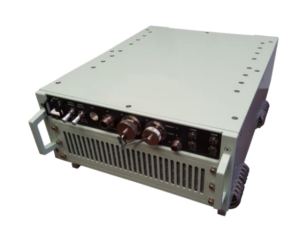
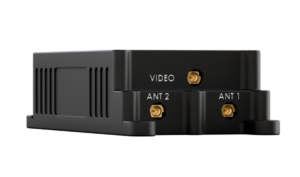
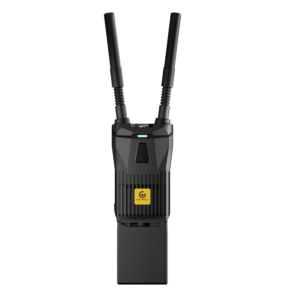
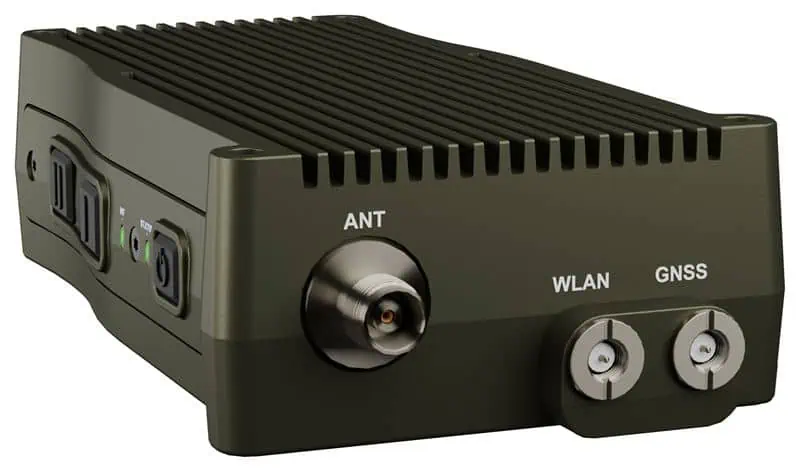
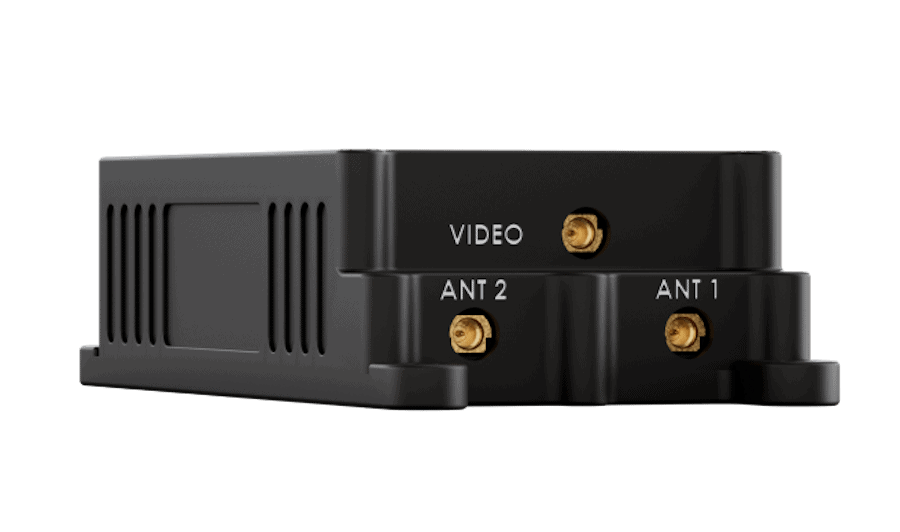
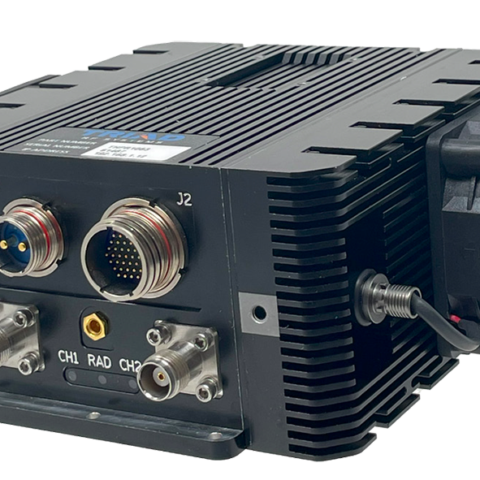
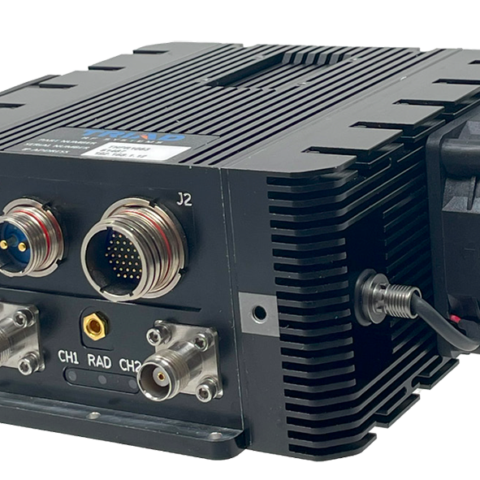
TSYS10xx Dual-Band, Quad MIMO, High Data Rate MANET Radio by Triad RF Systems
Modern military radios may be software-defined radios (SDRs). SDRs allow upgrades such as different protocols and other functionality to be delivered via software updates, thus doing away with the need for expensive hardware replacement.
Information sent over military radios may be encrypted to prevent interception by enemy forces. This may be done using frequency-hopping techniques as well as algorithms such as AES-128 and AES-256.


 Searching Companies & Products