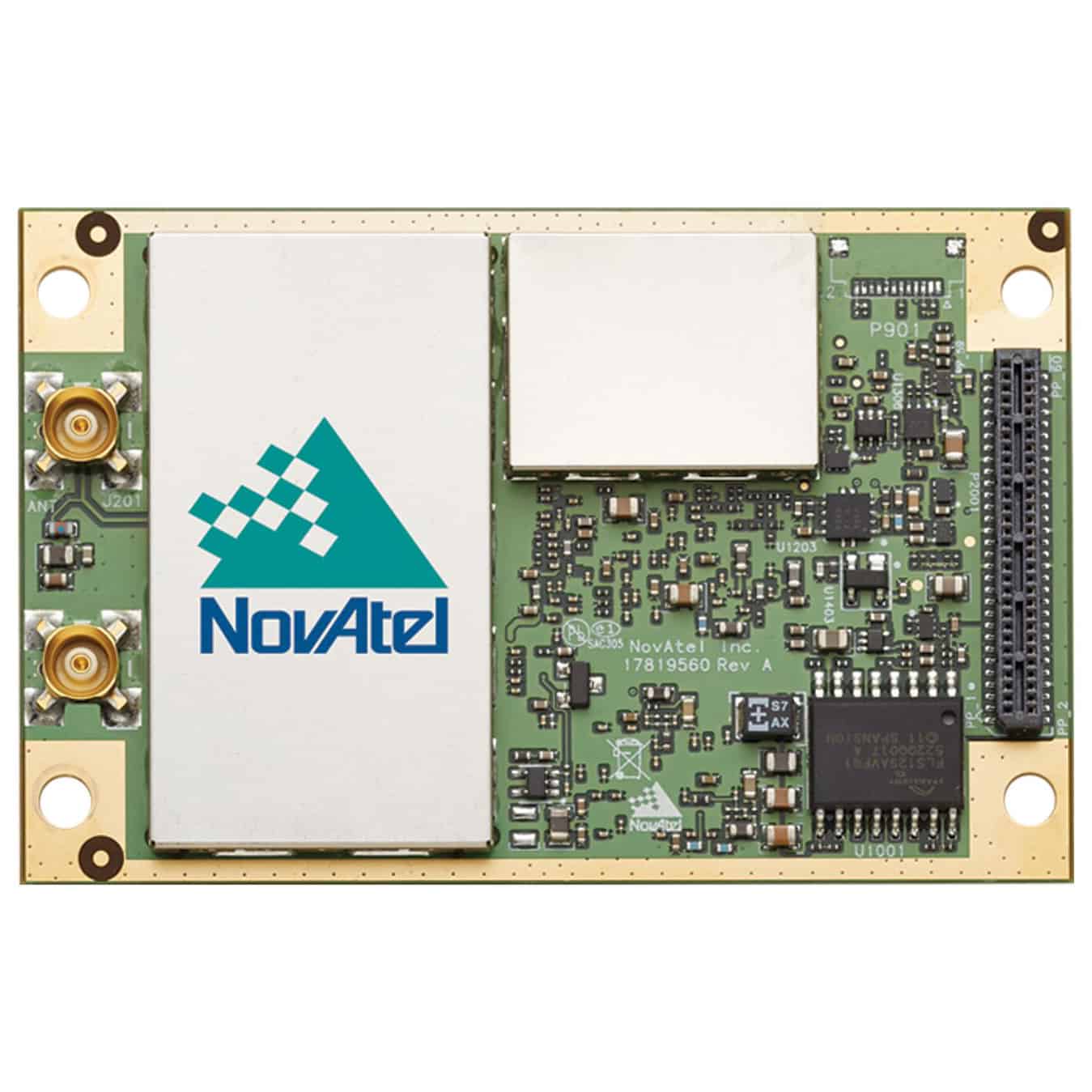
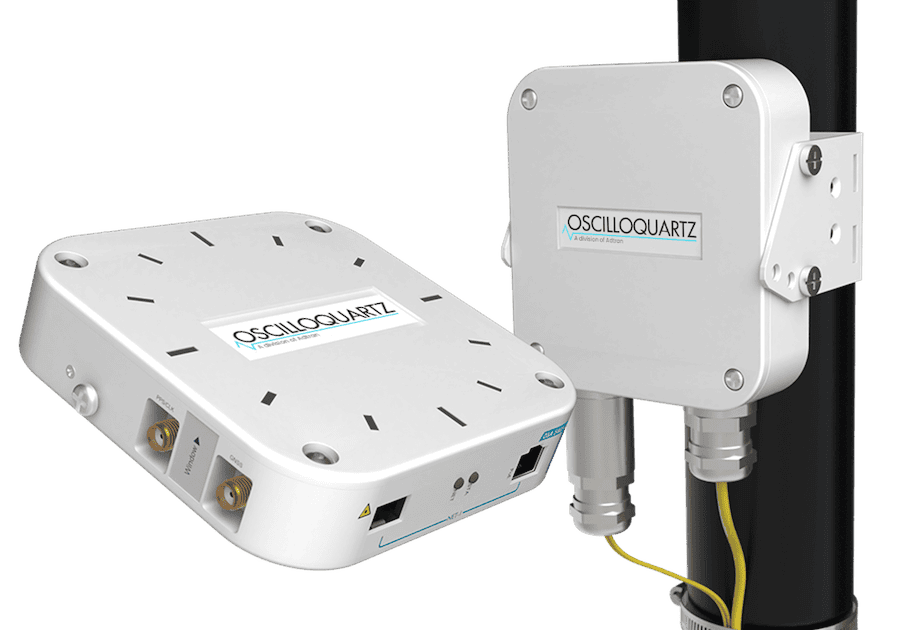
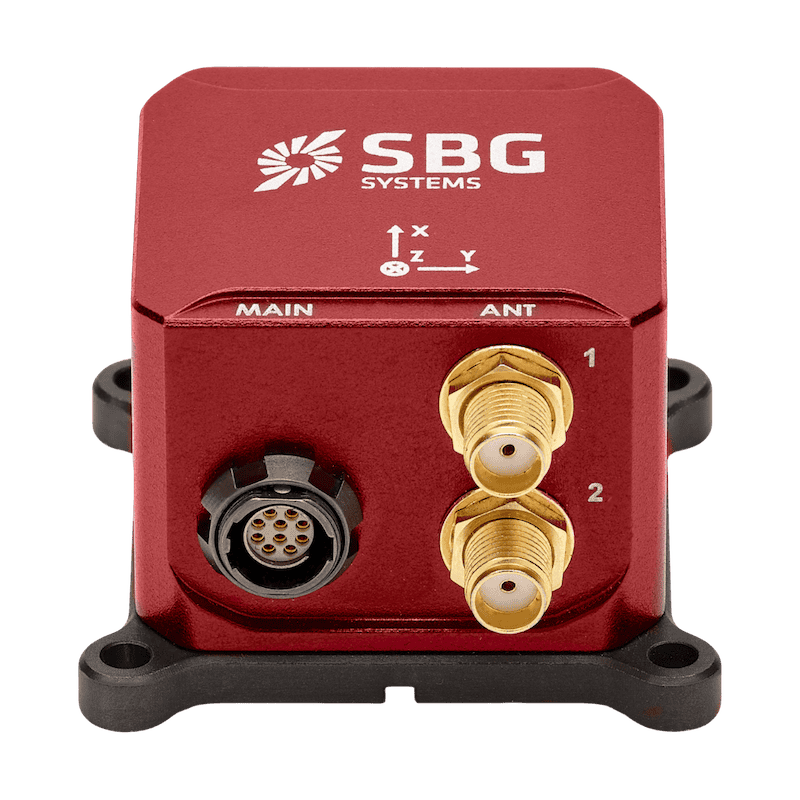
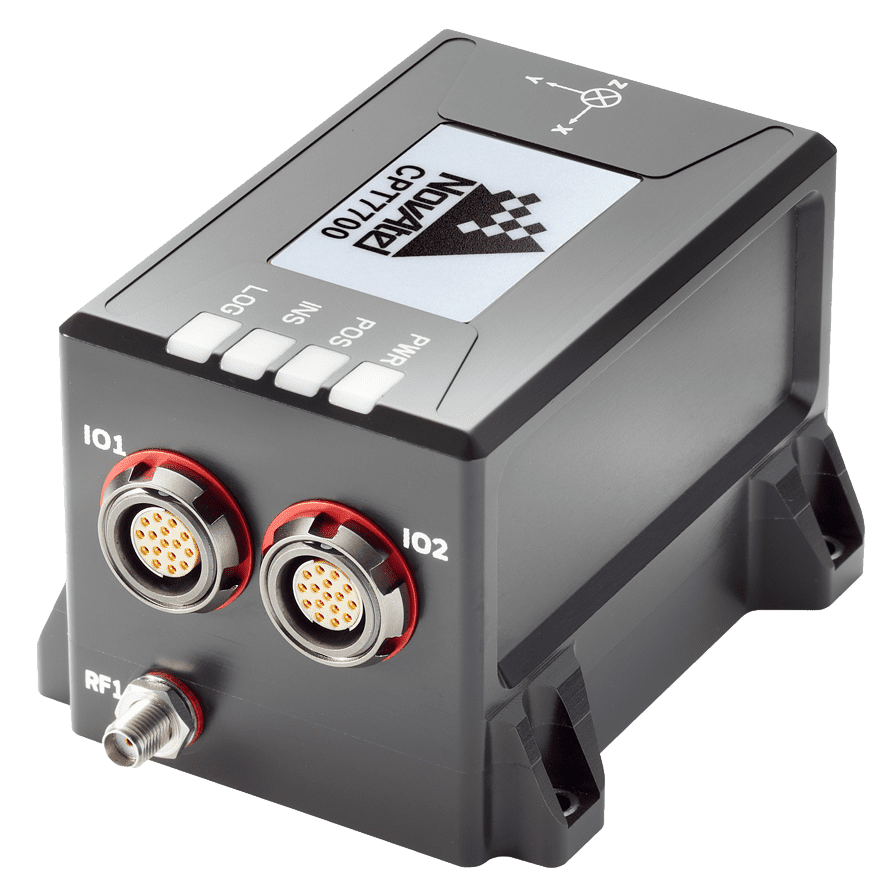
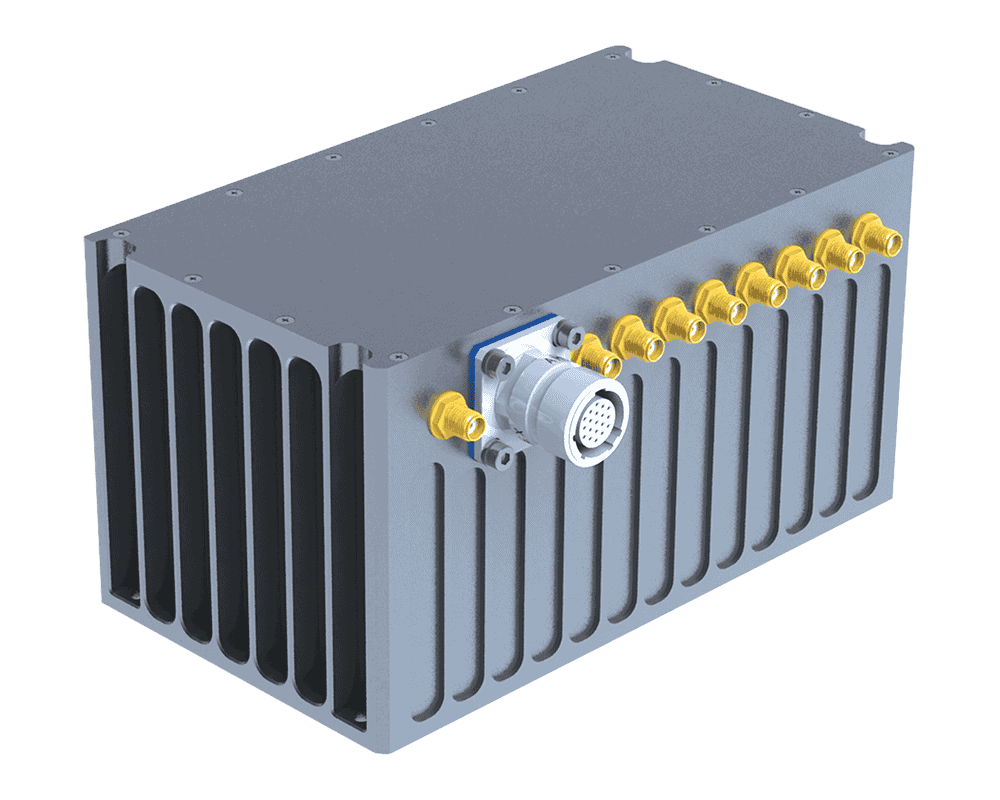
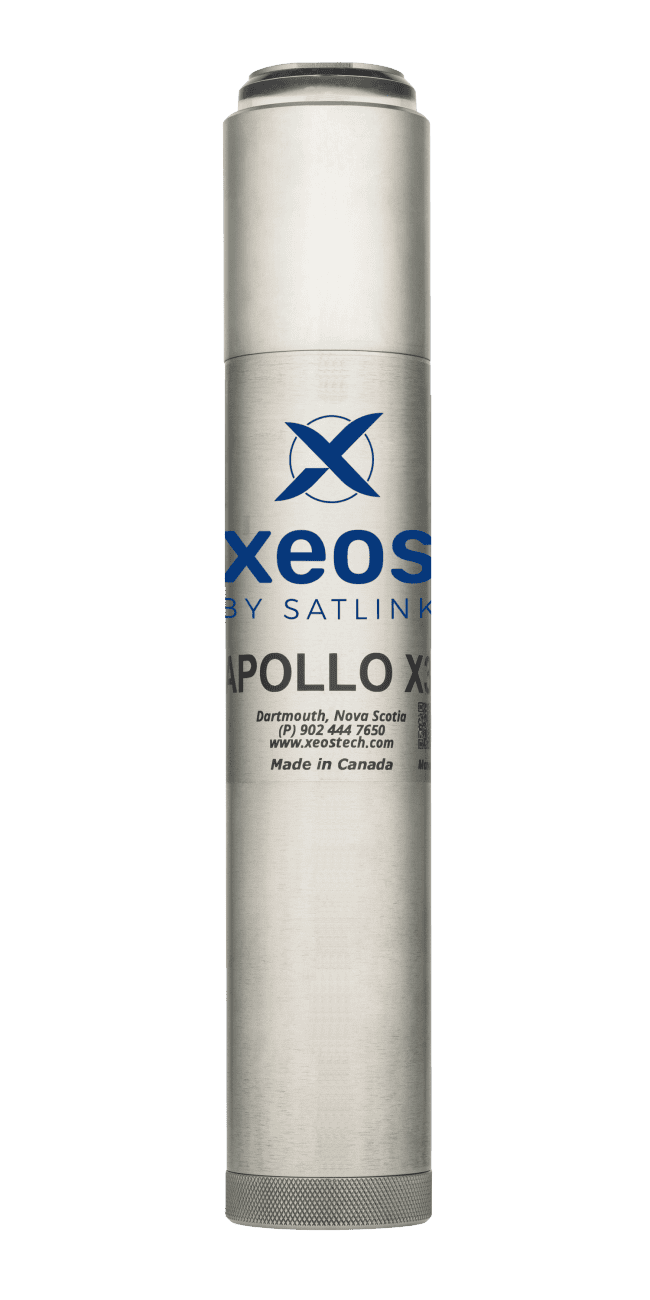
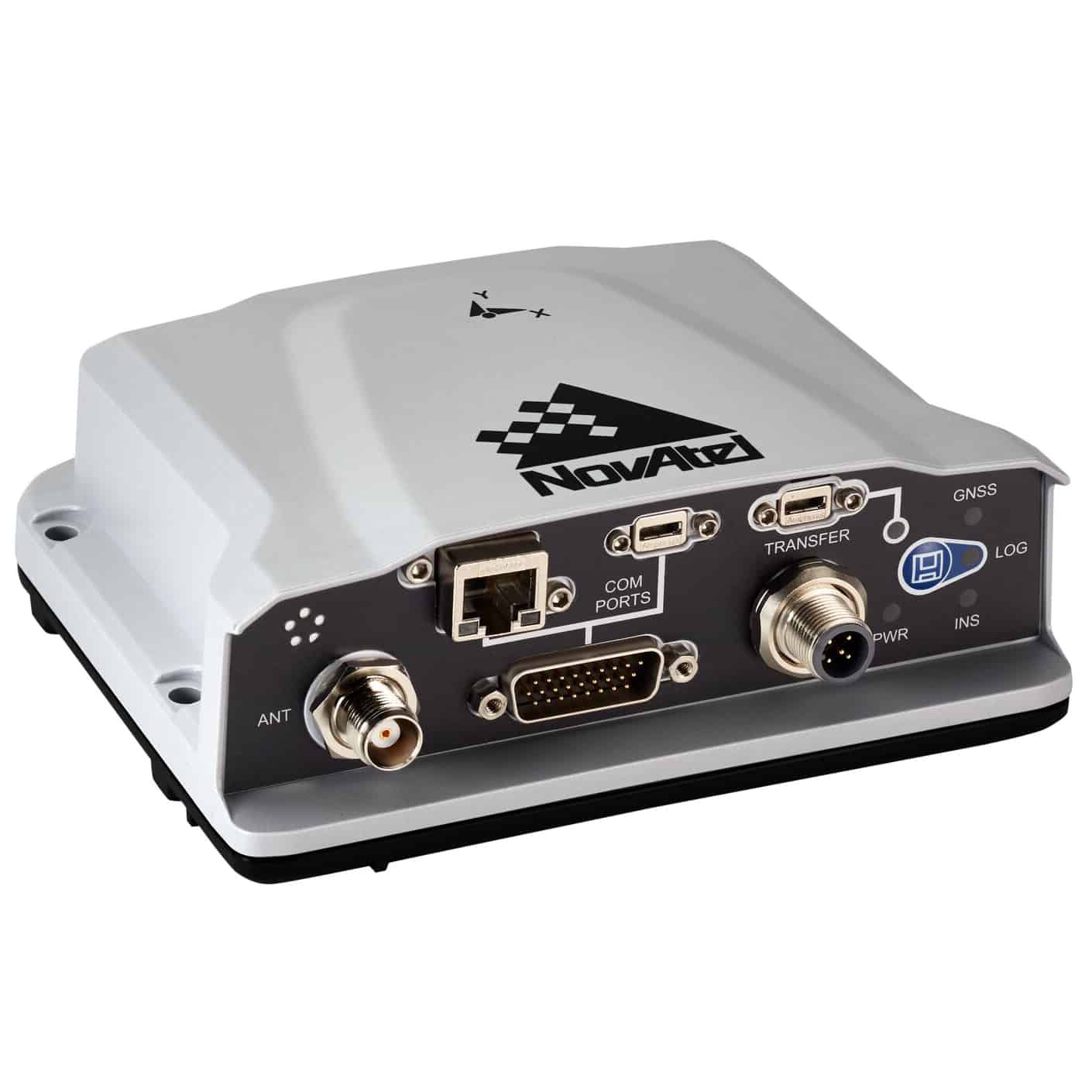
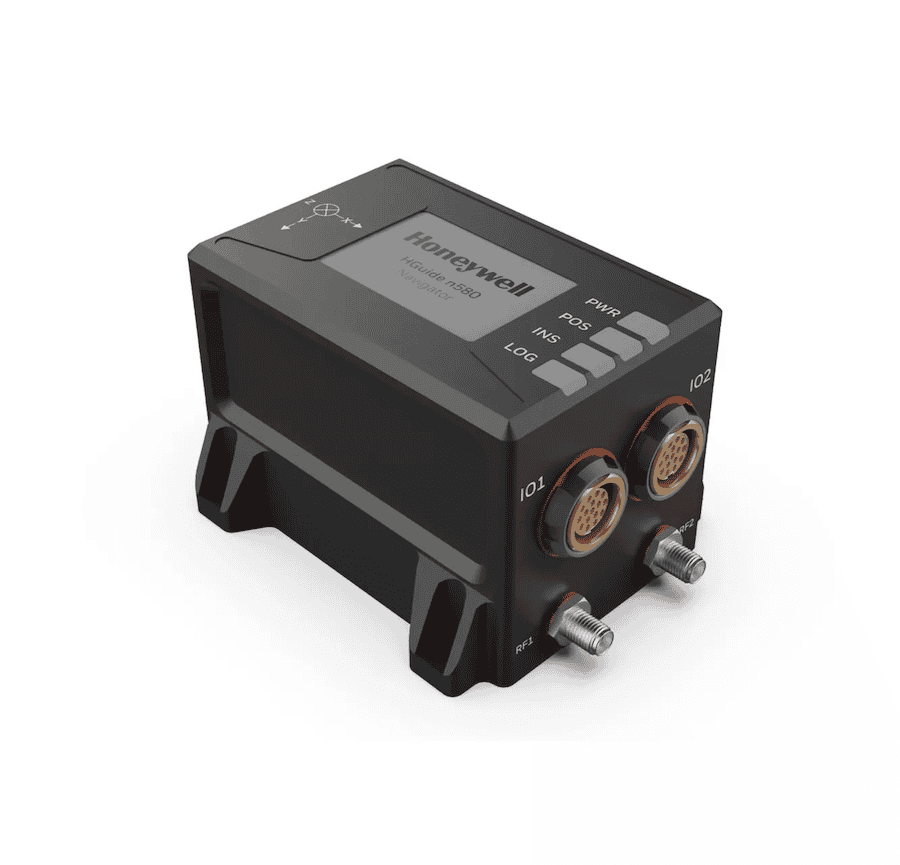
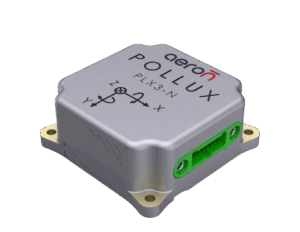
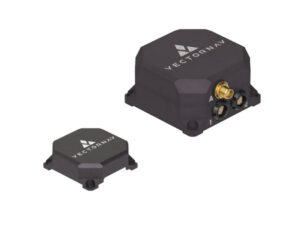
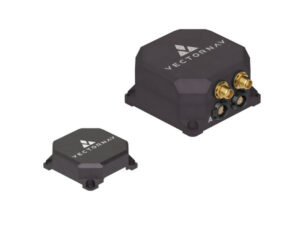
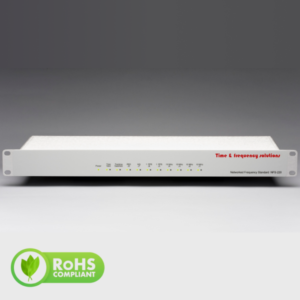
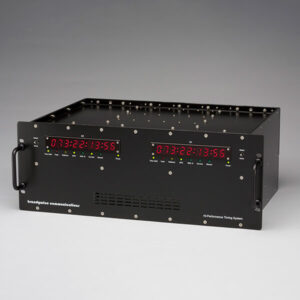
Navigation and positioning solutions deliver the critical foundation for accurate movement, coordination, and timing across air, land, and maritime missions. Encompassing technologies such as GNSS receivers, antennas, timing and synchronization equipment, geolocation software, sensing and air data systems, these capabilities ensure forces can operate with precision even in GPS-degraded or contested environments.
If you design, build or supply Navigation & Positioning, create a profile to showcase your capabilities and connect with visitors who have an active requirement for your solutions.
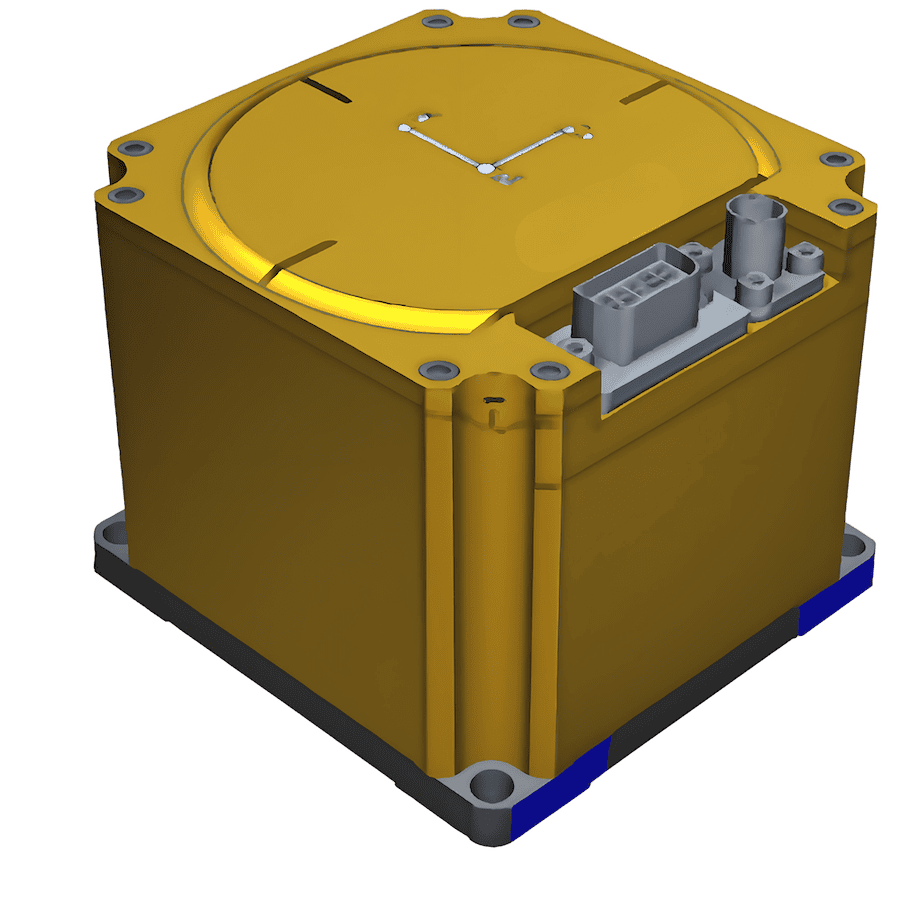
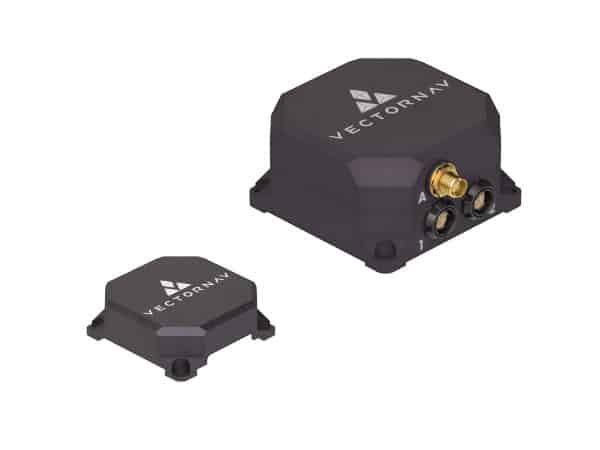
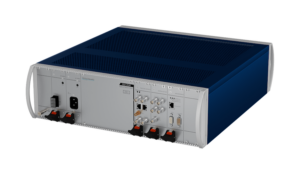
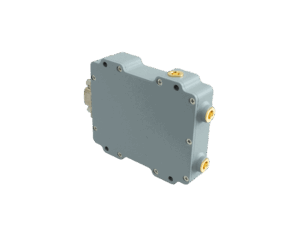
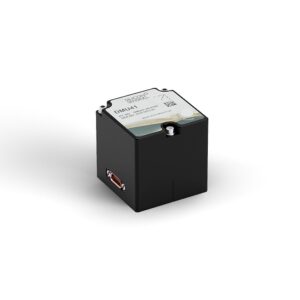
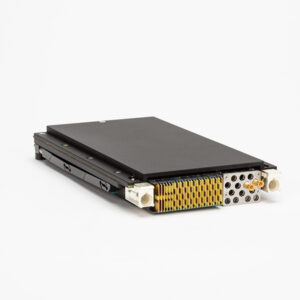
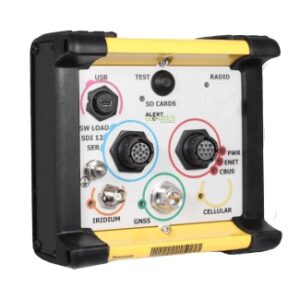
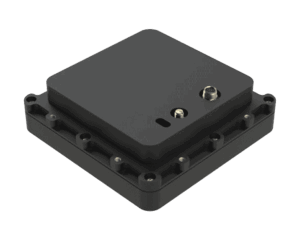
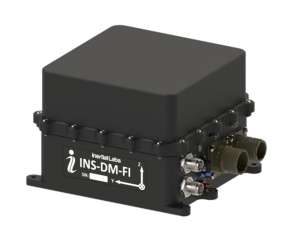
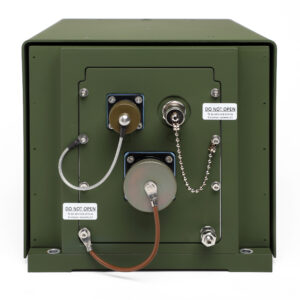
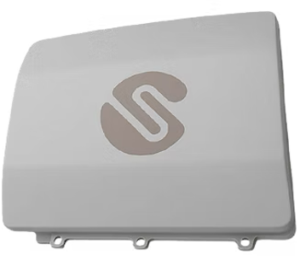
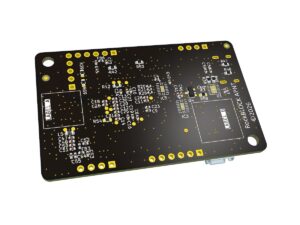
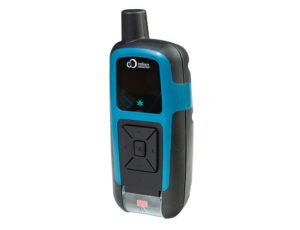
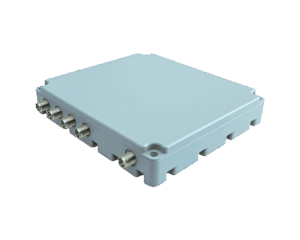
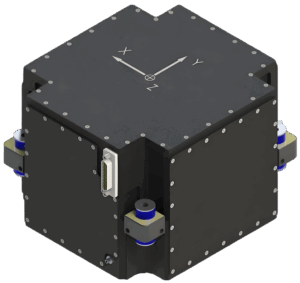
LEO-aided inertial navigation system for A-PNT in D3SOE operations
LEO-aided inertial navigation system for A-PNT in D3SOE operations
... Labs, a VIAVI Solutions Inc. company, is a Low Earth Orbit (LEO)-aided Inertial Navigation System... ...ous and secure navigation and timing data without reliance on GNSS. The device includes an embedded...
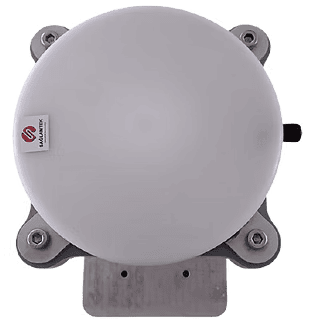
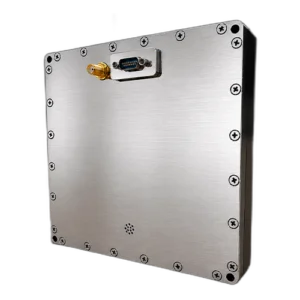
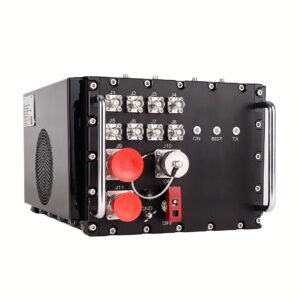
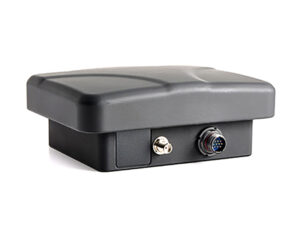
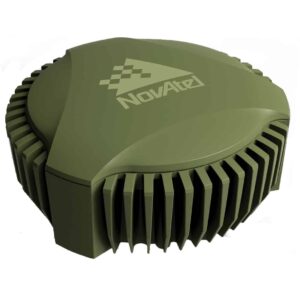
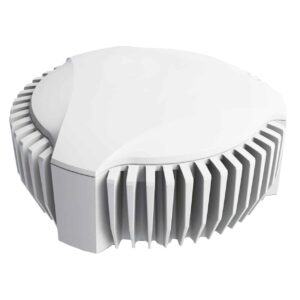
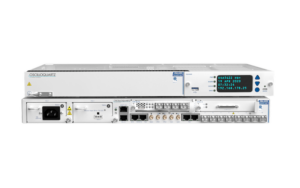
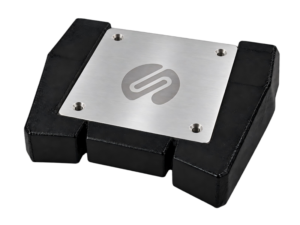
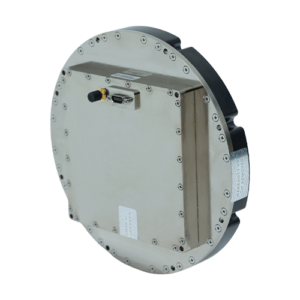
Advanced CRPA anti-jamming antenna for assured GNSS PNT in hostile environments
Advanced CRPA anti-jamming antenna for assured GNSS PNT in hostile environments
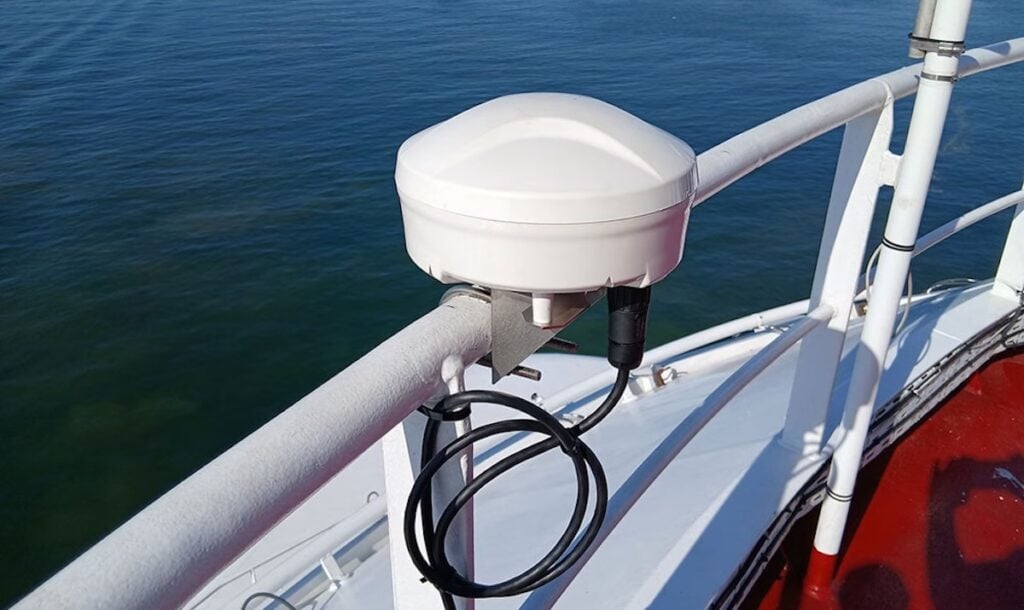
...lt for assured Positioning,Navigation, and Timing (A-PNT), it operates across all L1, L2, and L5... ...diary of VIAVI Solutions Inc., is a next-generation Controlled Radiation Pattern Antenna (CRPA)...
... receivers and navigation systems on existing and legacy military fleets.
... ... receivers and navigation systems on existing and legacy military fleets....
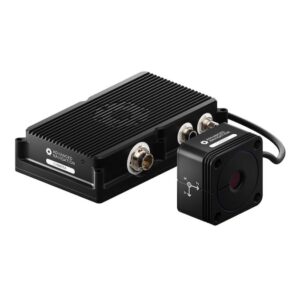
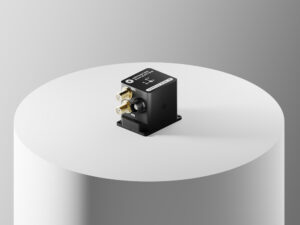
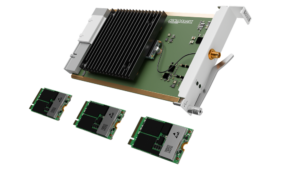
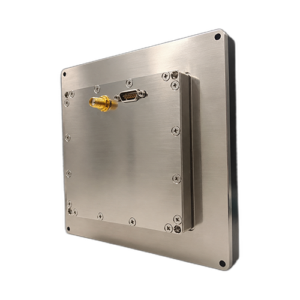
Laser velocity sensing for assured navigation in GNSS-denied operations
Laser velocity sensing for assured navigation in GNSS-denied operations
...ly to Advanced Navigation’s INS navigation filter, eliminating the scaling errors and slip effects... ......icle motion, capturing dynamics such as vibration and wheel slip that affect navigation accuracy....
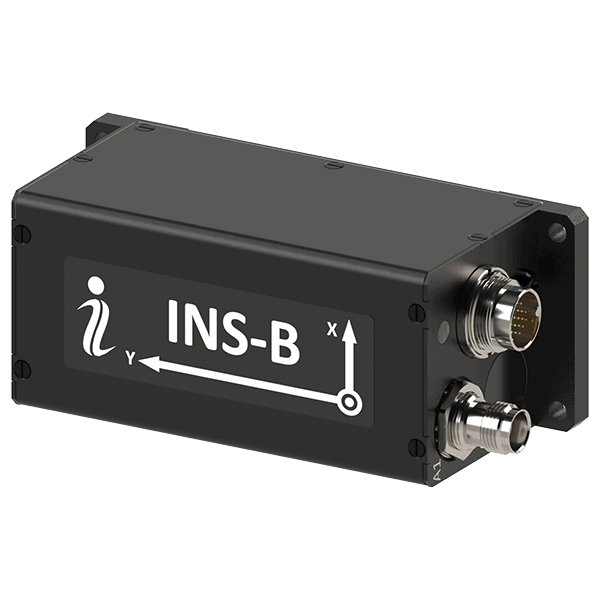
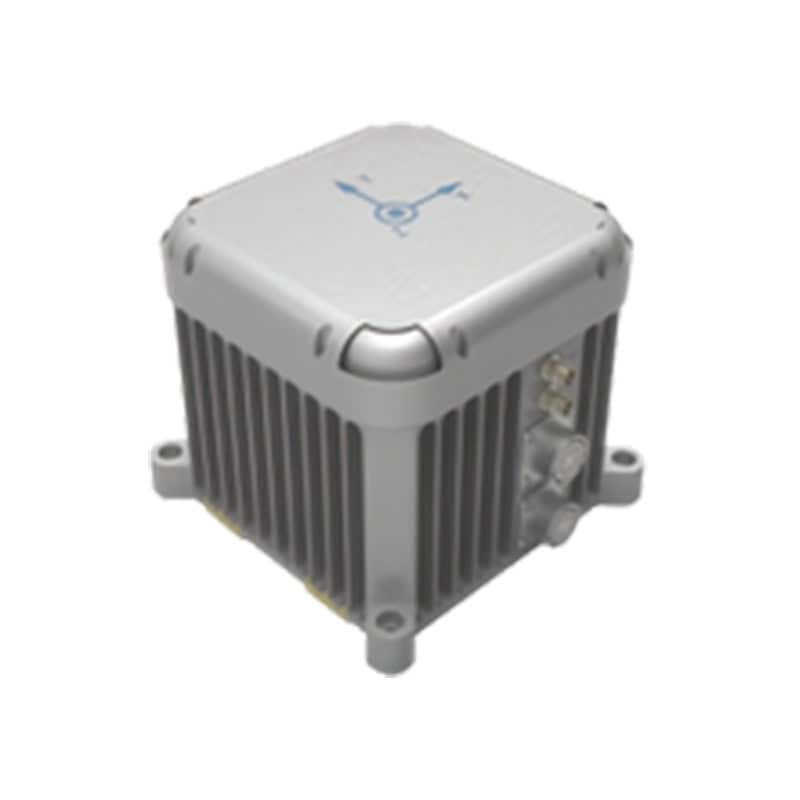
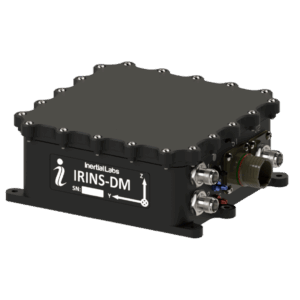
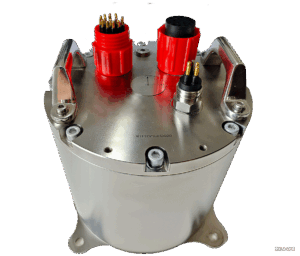
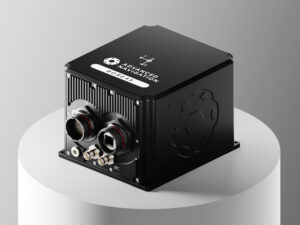
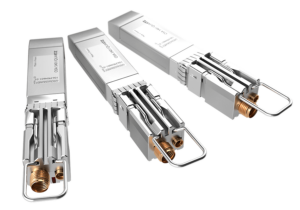
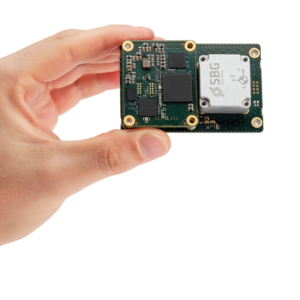
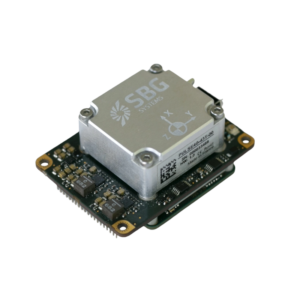
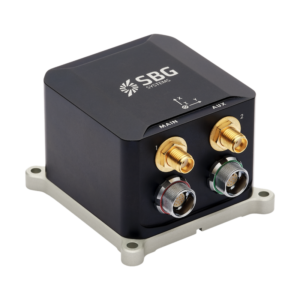
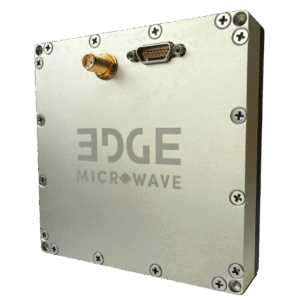
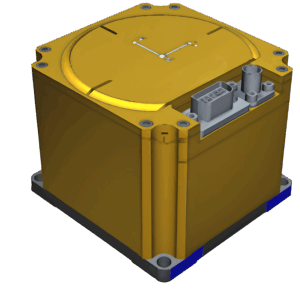
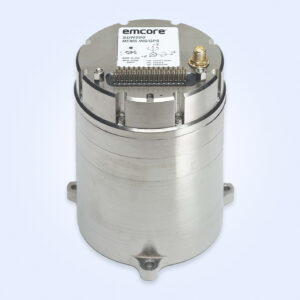
FOG AHRS & INS for GPS-denied navigation & resilient heading
FOG AHRS & INS for GPS-denied navigation & resilient heading
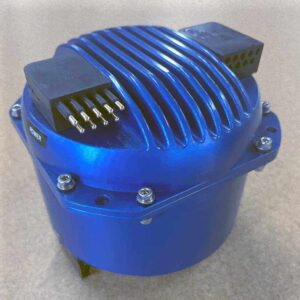
...) and Inertial Navigation System (INS) engineered for military navigation, guidance, and control. It... ...as 50 supports navigation in GNSS-denied or degraded scenarios and provides sensor outputs suitable...
Complete GNCC platform designed for underwater EOD robots
Complete GNCC platform designed for underwater EOD robots
...ise real-world navigation for defense and EOD operations. Built on Greensea’s OPENSEA software... ...provides local navigation, command, and control directly on the vehicle, enabling stable operation...
Diver navigation & autonomy platform for combat operations
Diver navigation & autonomy platform for combat operations
...-the-art diver navigation platform developed by Greensea IQ in partnership with STIDD Military.... ...ystem, reroute navigation, or monitor mission progress and system status. An integrated acoustic...
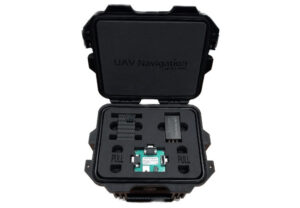
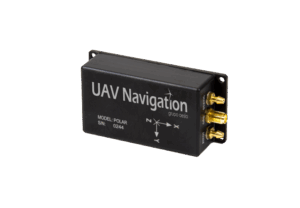
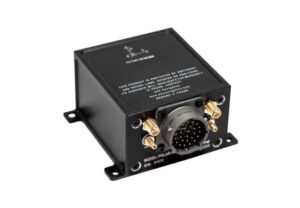
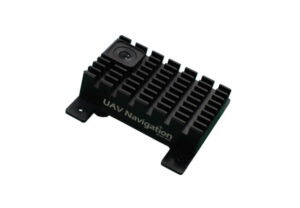
Multi-tiered system for secure UAV navigation in GNSS-denied environments
Multi-tiered system for secure UAV navigation in GNSS-denied environments
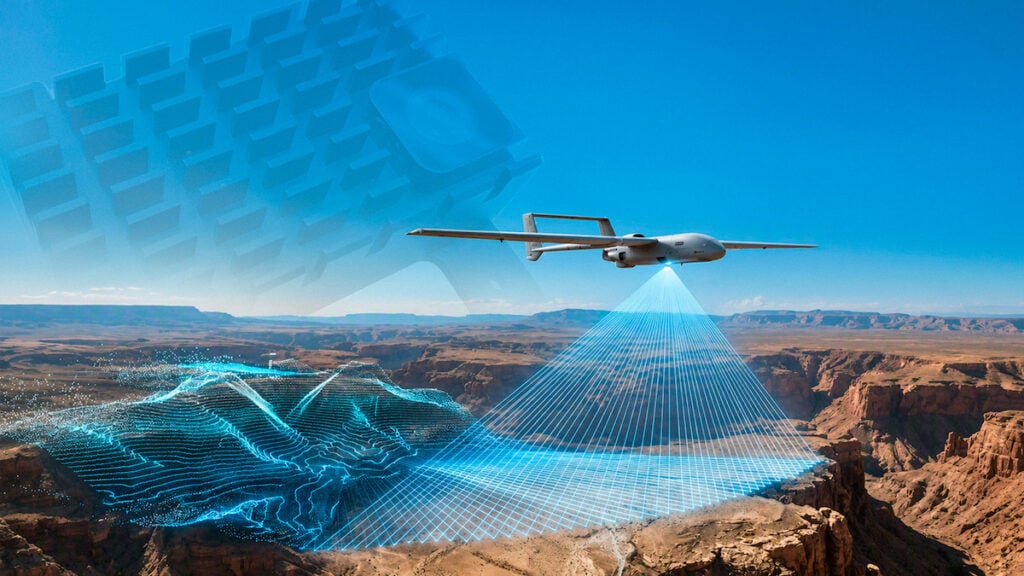
...pace Resilient Navigation System is a low-SWaP solution that utilizes three different technologies... ......
The three layers of the Resilient Navigation System include:
16 channels, 8+8 elements multi-array CRPA anti-jamming solution for L1/L2 or L1/L5 GNSS protection
16 channels, 8+8 elements multi-array CRPA anti-jamming solution for L1/L2 or L1/L5 GNSS protection
...upport assured navigation for tactical UAVs, autonomous ground systems, naval platforms, robotics,... ...t tracking and positioning performance under active interference conditions. An integrated WebGUI...
8-channel dual-band CRPA anti-jamming solution for L1/L5 GNSS protection
8-channel dual-band CRPA anti-jamming solution for L1/L5 GNSS protection
...ring resilient positioning performance in contested electromagnetic environments. Designed to meet... ...ver for robust navigation performance. An integrated WebGUI provides real-time monitoring and...
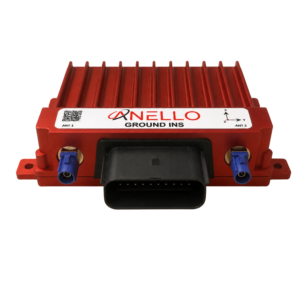
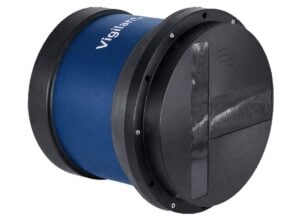
Precision navigation for military and commercial vehicles in GNSS-denied & contested environments
Precision navigation for military and commercial vehicles in GNSS-denied & contested environments
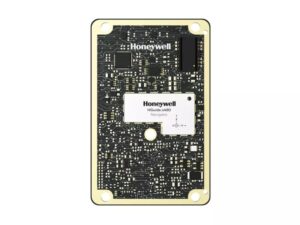
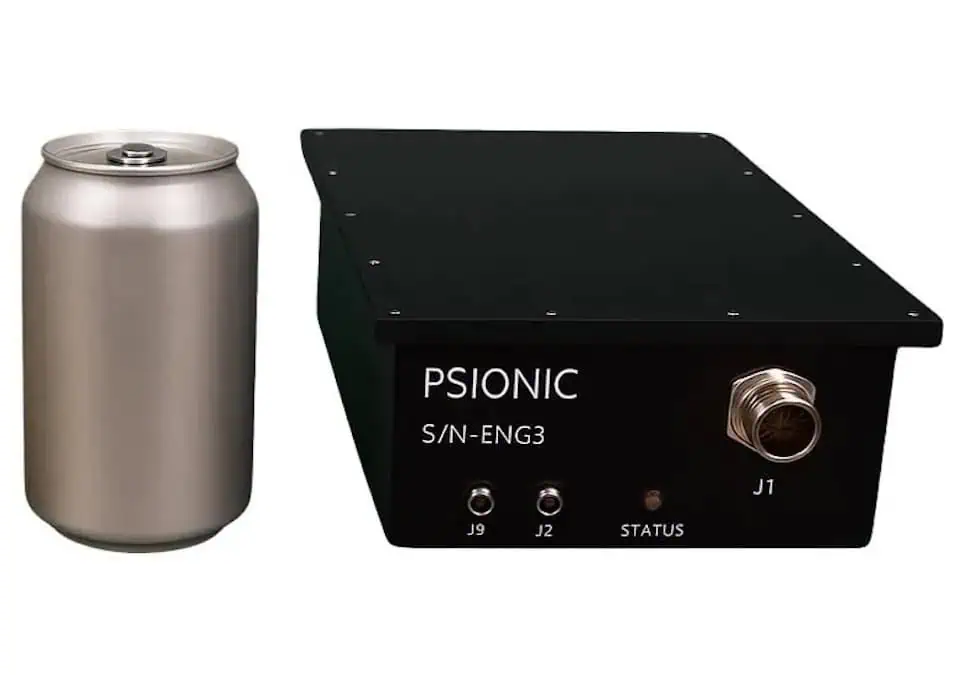
... is an assured navigationsolution for military land vehicles that uses advanced Doppler LiDAR... ...S and inertial navigation sensor architectures. It provides RS-422, CAN and Ethernet interfaces, and...
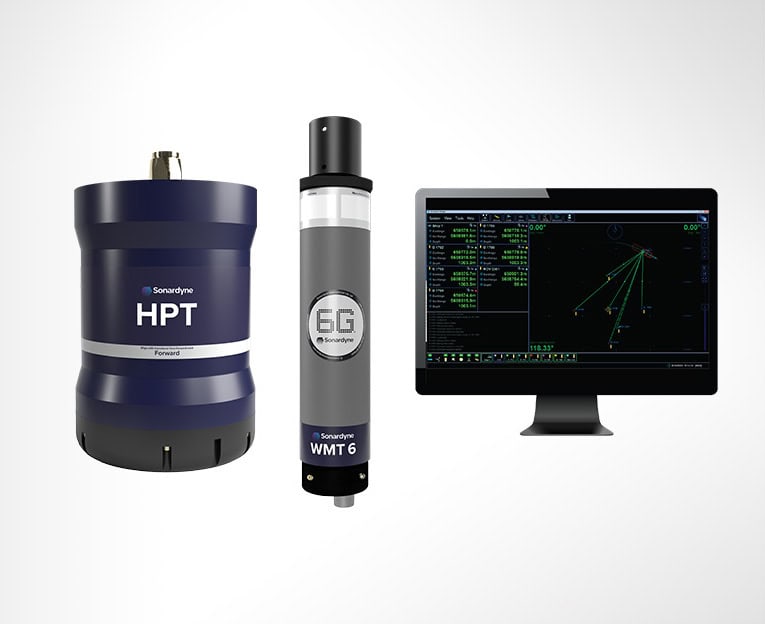
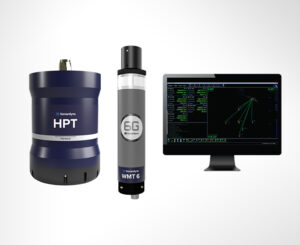
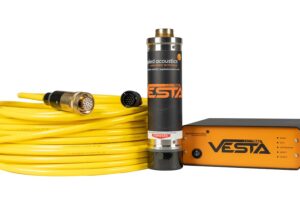
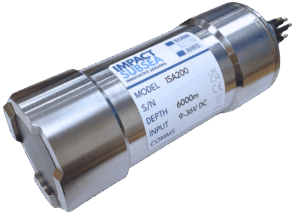
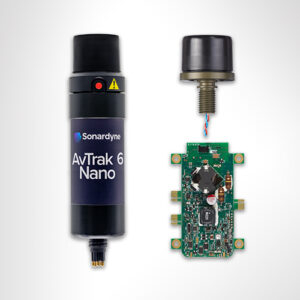
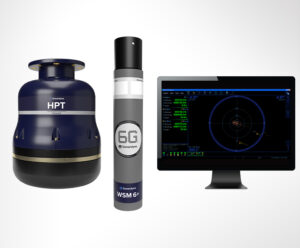
USBL tracking, dynamic positioning & subsea telemetry system
USBL tracking, dynamic positioning & subsea telemetry system
...ty for dynamic positioning, acoustically aided inertial navigation, autonomous vehicle command and... ...ile underwater positioning, tracking, and telemetry system developed for subsea survey, offshore...
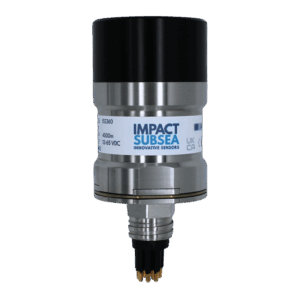
Compact acoustic transceiver for AUV tracking, communications & navigation aiding
Compact acoustic transceiver for AUV tracking, communications & navigation aiding
...ng, telemetry, navigation aiding, and emergency relocation capabilities within a highly... ...unications and positioning performance for swarm robotics, coordinated AUV missions, and seabed...
USBL tracking, positioning & underwater communications system for marine robotics
USBL tracking, positioning & underwater communications system for marine robotics
...ater tracking, positioning, and communications system developed for offshore survey, marine... ...ivers reliable positioning and telemetry performance even in challenging high-elevation and long...
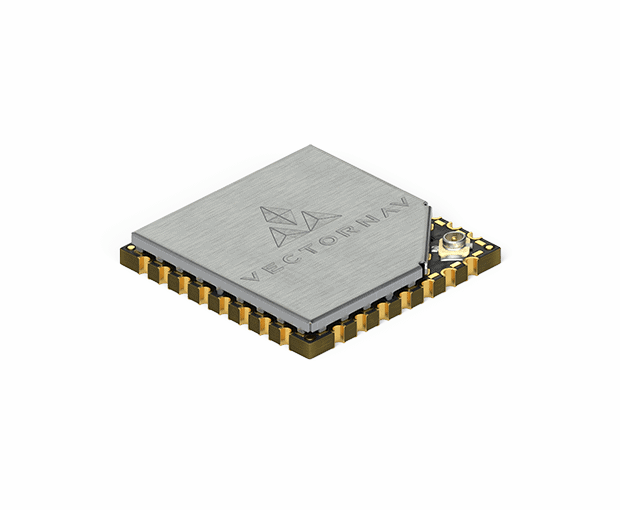
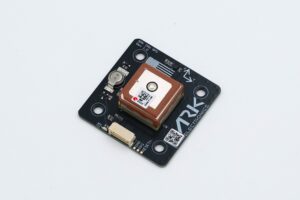
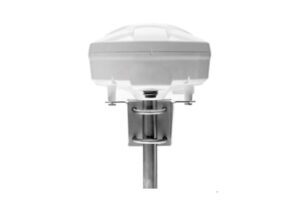
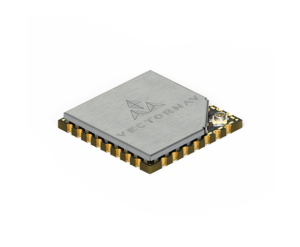
NDAA-compliant dual-band GNSS & magnetometer module for reliable positioning
NDAA-compliant dual-band GNSS & magnetometer module for reliable positioning
...ence-resistant positioning performance. Powered by the u-blox DAN-F10N receiver, it supports L1, L5,... ......sing, compact form factor, and verified compliance for demanding embedded navigation...
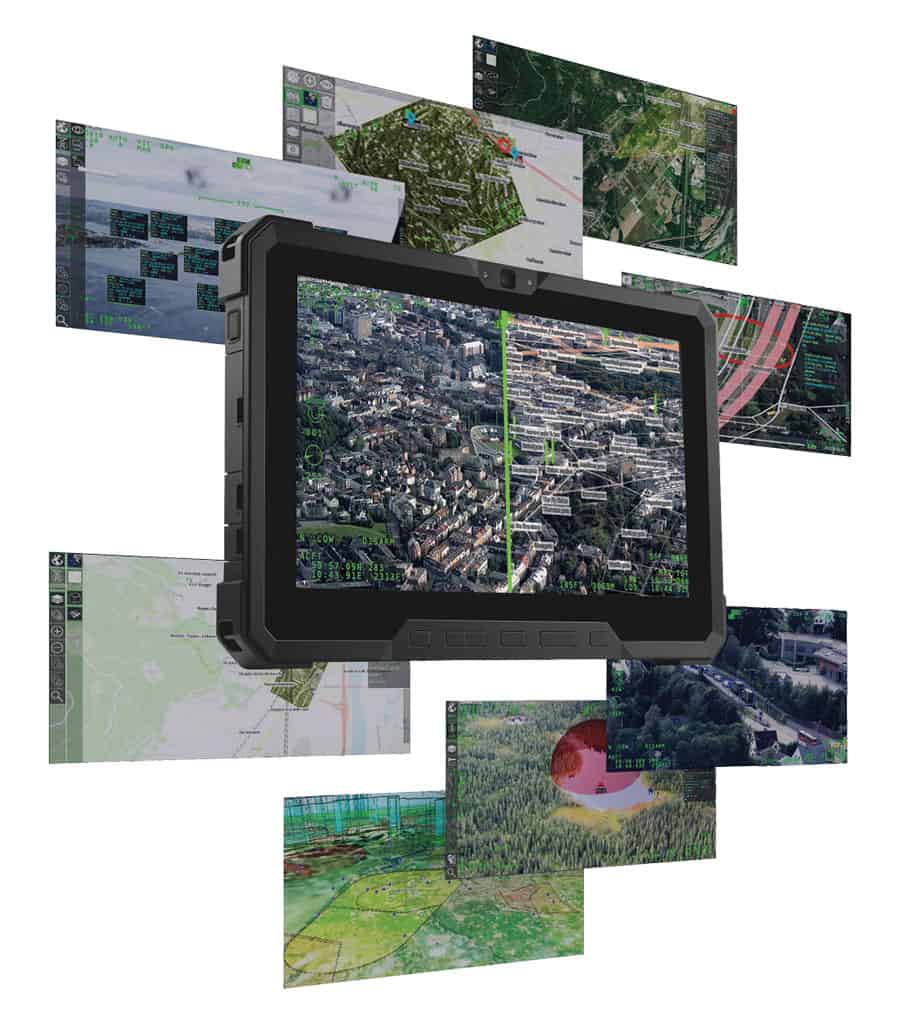
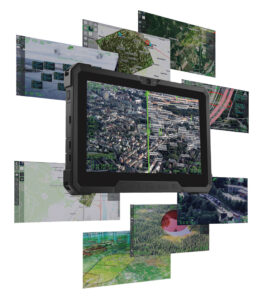
Cutting-edge multi-domain PED software for enhanced situational awareness
Cutting-edge multi-domain PED software for enhanced situational awareness
...Dissemination) solution that utilizes real-time geospatial and environmental information from a... ...multi-platform solution can be deployed on a wide variety of workstation, desktop and mobile...
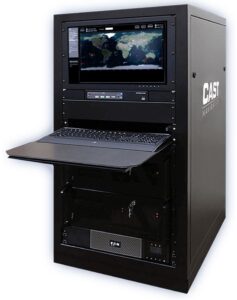
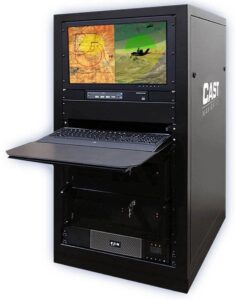
Threat simulation for navigation & anti-jamming systems
Threat simulation for navigation & anti-jamming systems
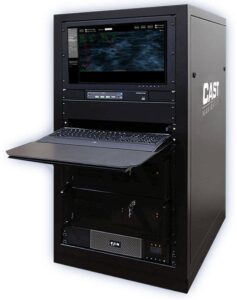
CAST Navigation's jamming and interference simulation systems for military navigation and... ...Ideal solution for military laboratories where an interference signal capability is desired
Wavefront simulation for CRPA antenna systems testing
Wavefront simulation for CRPA antenna systems testing
......��wavefront” that is a perfect solution for testing phased array (CRPA) types of antenna... CAST Navigation CRPA (controlled reception pattern antenna) simulators provide coherent, and...
Military navigation involves moving vehicles or personnel from place to place, usually by comparing current position to known locations. It is an essential process on land, at sea and in the air, and navigation systems have been developed for soldiers on foot, land vehicles, naval vessels, and manned and unmanned aircraft.
GNSS satellite navigation using systems such as GPS or Galileo is one of the primary forms of military geolocation and navigation technology, although older methods such as radio or radar navigation are also still used.
Radio navigation uses measurements that determine the direction of and distance to a radio source such as navigation beacons.
Radar navigation is usually used by airborne and marine platforms, and can be used to identify and track targets and obstacles at sea or in the air.
Military GPS navigation uses PPS (Precise Positioning Service), which utilizes both L1 and L2 frequencies to ensure more robust positioning. A signal known as M-code is also used to improve security and anti-jamming and spoofing capabilities.
Inertial navigation which uses measurements from accelerometers and gyroscopes to calculate position, orientation and velocity, can be used as a complement to GNSS navigation, and is especially useful for environments where GPS-denied navigation is required.
Other alternative navigation technologies currently under development include:
Vision-aided navigation: compares footage from a camera feed with computerized maps to provide accurate positioning and navigation
Celestial-aided navigation: uses stars and other objects such as satellites to provide known references for position and velocity
Magnetic anomaly-aided navigation: compares readings of magnetic strength to magnetic maps to determine position relative to Earth
Navigation Displays
Military navigation displays are used to provide information to soldiers, pilots, mariners and vehicle operators. These may take the form of handheld devices, built-in screens, rugged enclosed systems that can be plugged into vehicle interfaces, and aircraft head-up displays (HUDs). They may include features such as touchscreens or night vision compatibility.
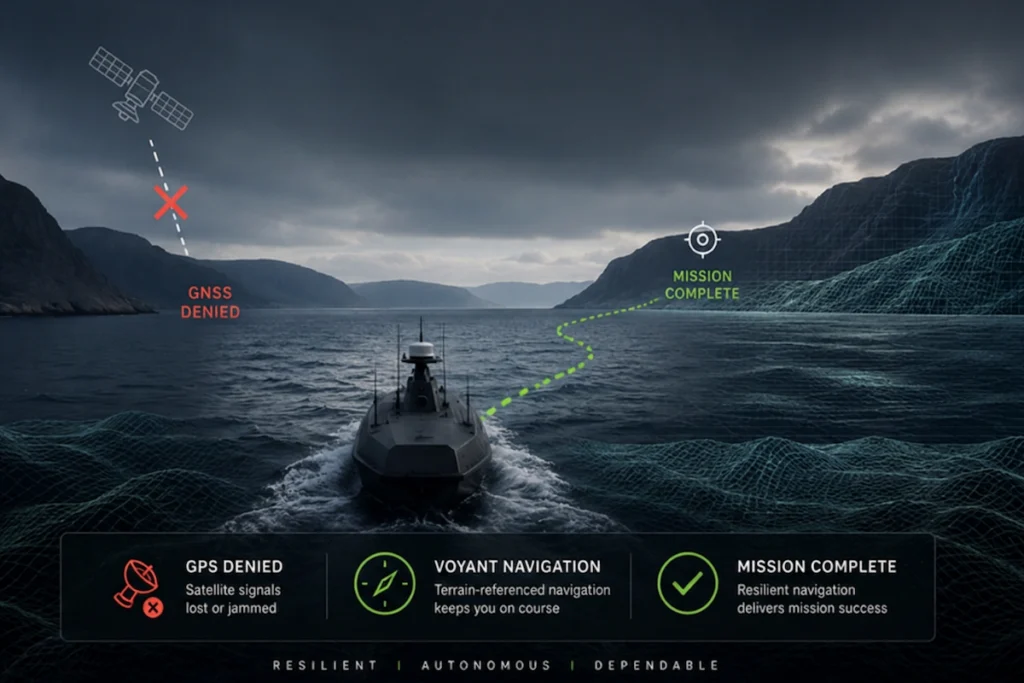
Live trials aboard an autonomous surface vessel proved that Voyant's advanced software comparing radar imagery with terrain maps maintains reliable positioning across contested maritime operating environments where satellite signals are denied
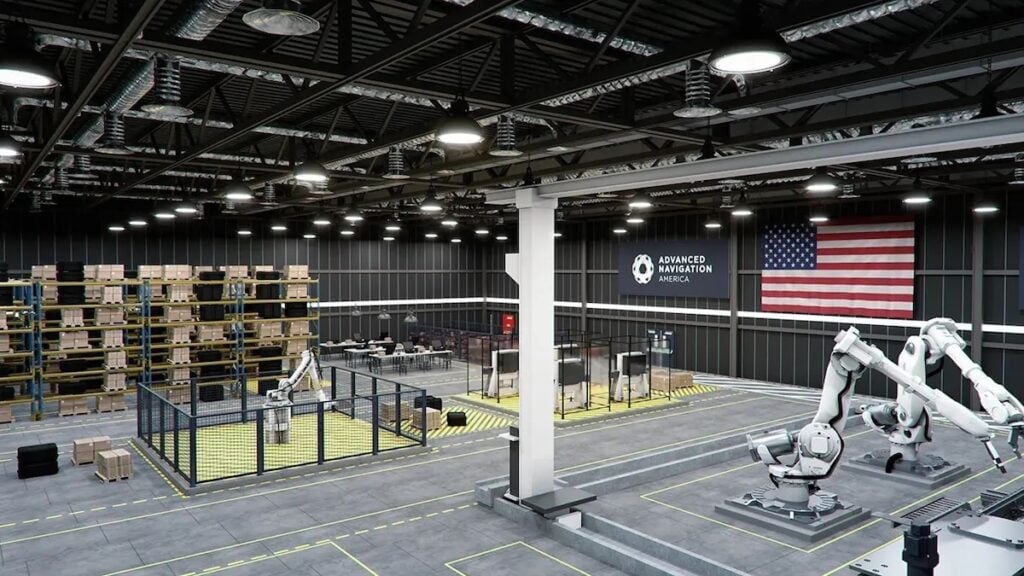
Advanced Navigation America is establishing a PNT Center of Excellence in Huntsville, Alabama, to expand domestic manufacturing of advanced navigation technologies supporting U.S. defense operations in GPS-denied and contested environments
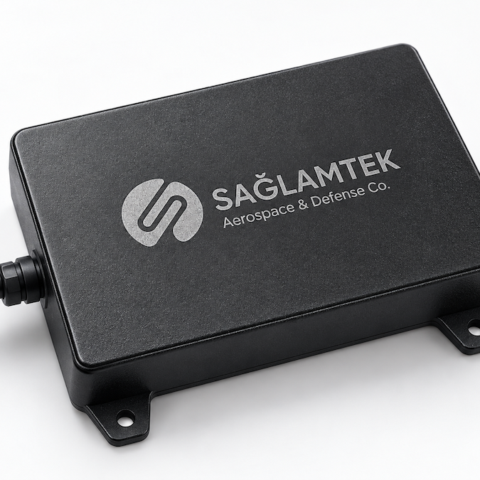
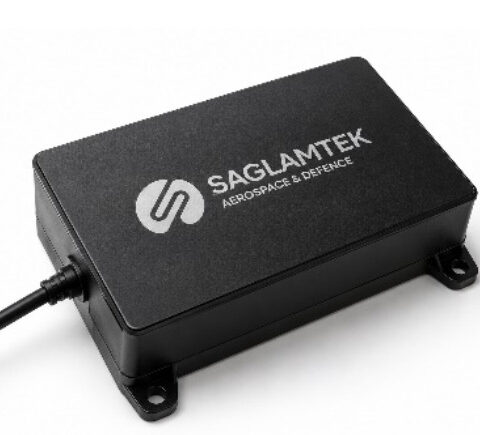
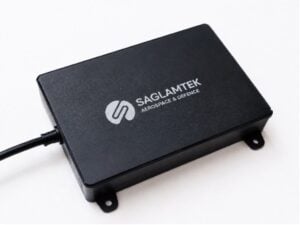
SAGLAMTEK delivers mission-ready GNSS anti-jamming, secure data links, antennas, radar altimeters and electronic systems for demanding aerospace and defense platforms
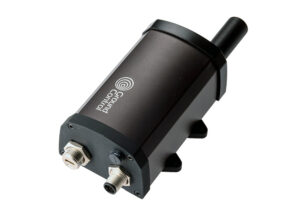
Ground Control details ten common misconceptions surrounding GNSS jamming, spoofing and A-PNT, exploring positioning integrity, navigation resilience and the role of independent positioning data
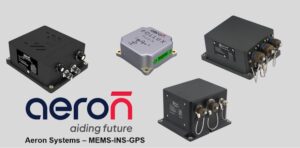
Aeron Systems launches DriftLoc™, an advanced navigation algorithm designed to deliver accurate inertial positioning in GNSS denied environments using compact, cost effective MEMS hardware
UAV Navigation–Grupo Oesía upgrades its VNS01 system with TRN and map-matching to restrict positioning drift to 30 meters during extended signal outages
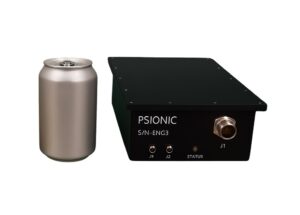
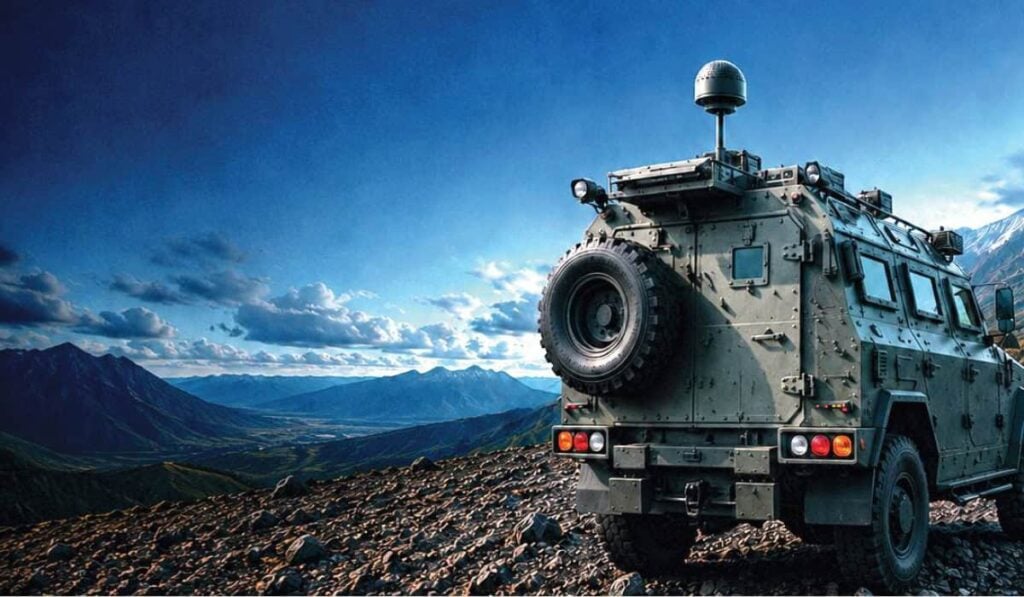
Psionic explains how SurePath™ Ground-V and Navigation Doppler LiDAR can support military vehicles in GNSS-denied environments, including across challenging terrain and through integration with existing vehicle systems
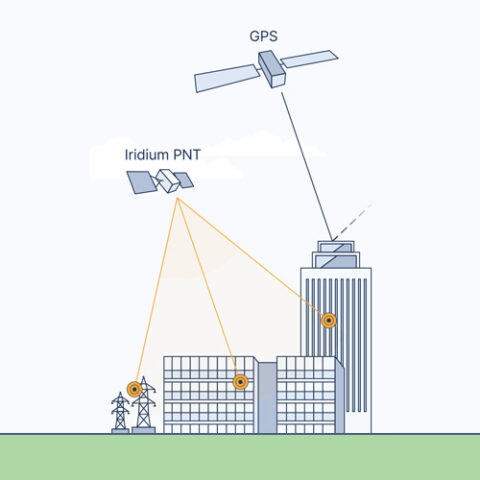
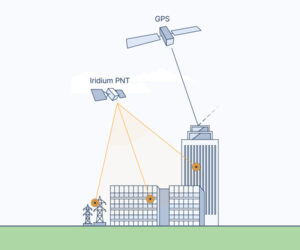
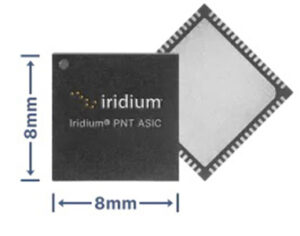
Iridium provides dependable global SATCOM and resilient positioning, navigation and timing capabilities to support defense, government and mission-critical operations worldwide
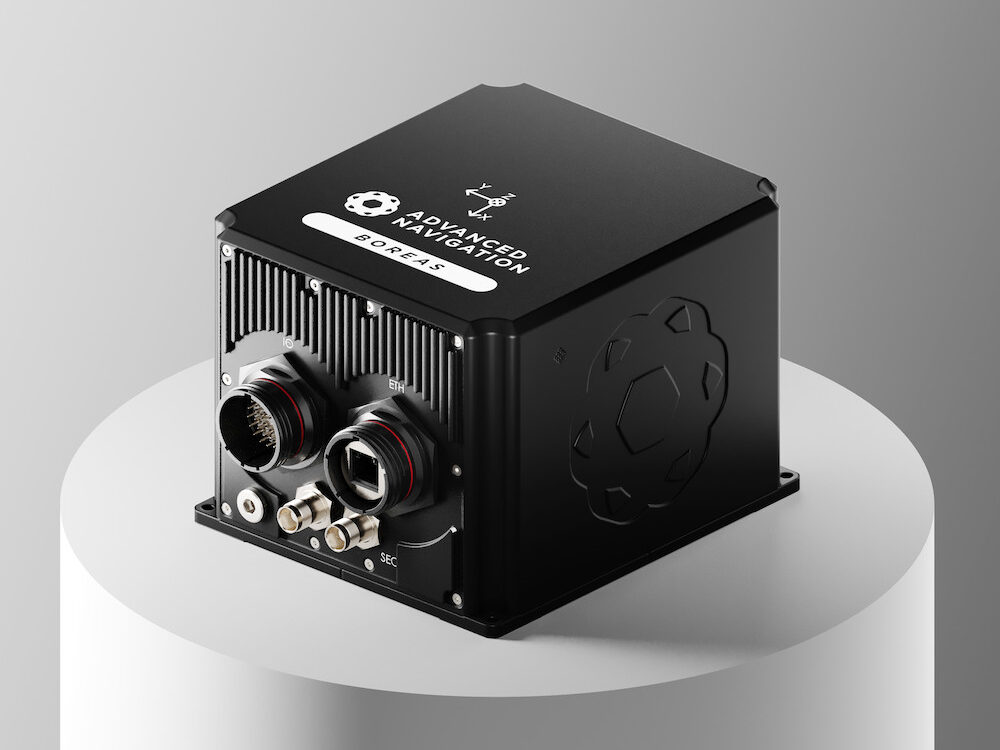
Advanced Navigation examines how evolving jamming and GNSS spoofing threats are exposing the limitations of traditional PNT protection, and how layered Electronic Protection using inertial navigation and sensor fusion can help detect and reject compromised signals
The latest defense technology news, straight to your inbox.
Get our weekly roundup of technology developments, new products and industry news.
THANK YOU FOR SIGNING UP
Thanks for joining us. Check your inbox.
We've sent you an email. Click the confirmation link to complete your subscription to the weekly eBrief. In the meantime, explore the latest news, suppliers and technologies on DA.
Advancing Defense Capability Through Strategic Collaboration
Defense Advancement works with major OEMs to foster collaboration and increase engagement with SMEs, to accelerate innovation and drive defense capabilities forward.