Whitepapers by Edge Microwave
GNSS Interference & Mitigation
Modern Global Navigation Satellite Systems (GNSS) are highly vulnerable to radio-frequency interference due to the extremely weak nature of their signals, which typically reach the Earth’s surface at around –130 dBm. To address these threats, a layered defense strategy is required that combines pre-correlation techniques like adaptive notch filtering with advanced hardware solutions such as Controlled Reception Pattern Antennas (CRPAs).
An Overview of Global Navigation Satellite Systems (GNSS)
Edge Microwave examines global navigation satellite constellations and the signal modulation techniques used to ensure their accuracy. It further explores the critical vulnerabilities of GNSS to interference and the advanced hardware strategies required for signal protection.
A Primer on GNSS Signal Modulations
A technical overview of the modulation techniques used in modern satellite navigation, ranging from foundational BPSK-DSSS to advanced AltBOC waveforms. It explains how these sophisticated signal structures are engineered to enhance positioning accuracy, multipath resistance, and resilience against radio-frequency interference.
Improved Frequency Tracking with Adaptive Moments for Narrowband Interference Mitigation in GNSS
This whitepaper details an enhanced frequency tracking method for GNSS receivers that utilizes adaptive moments to mitigate the effects of narrowband interference. It explores how these adaptive algorithms dynamically adjust to signal disruptions, ensuring robust carrier tracking and maintaining positioning accuracy in challenged RF environments.
Real-time Pre-Correlation GNSS Interference Classification with Lightweight Learned Algorithms
In this whitepaper, Edge Microwave categorizes various types of GNSS interference, distinguishing between unintentional noise and malicious threats like jamming and spoofing. It outlines the specific spectral characteristics of these disruptions and discusses the detection methods necessary to maintain signal integrity.




 verified
This business has been claimed by EDGE Microwave and verified by DA.
verified
This business has been claimed by EDGE Microwave and verified by DA.
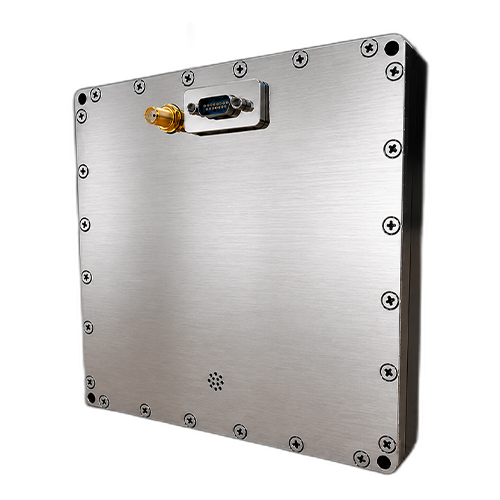
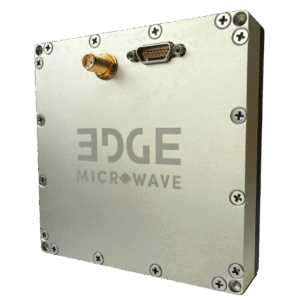 HEDGE-8008
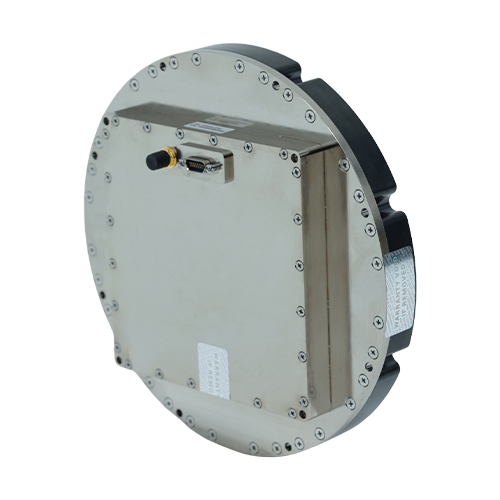
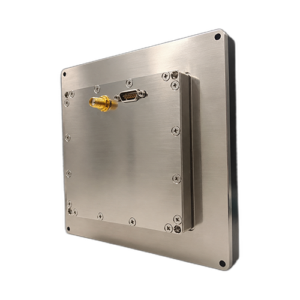 HEDGE-4008-S130
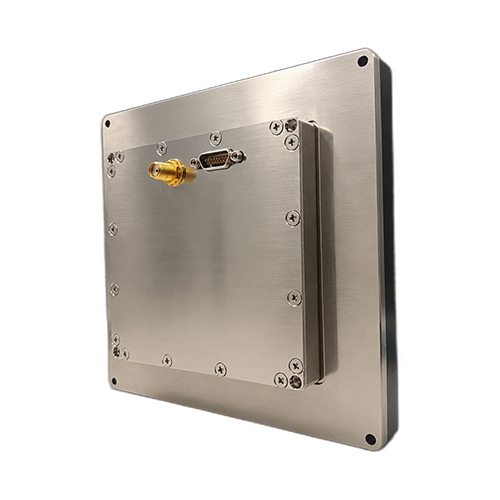
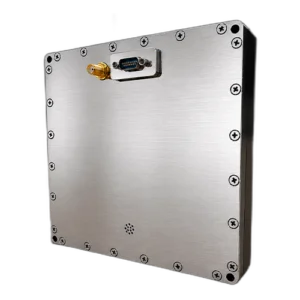 HEDGE-8016-S130
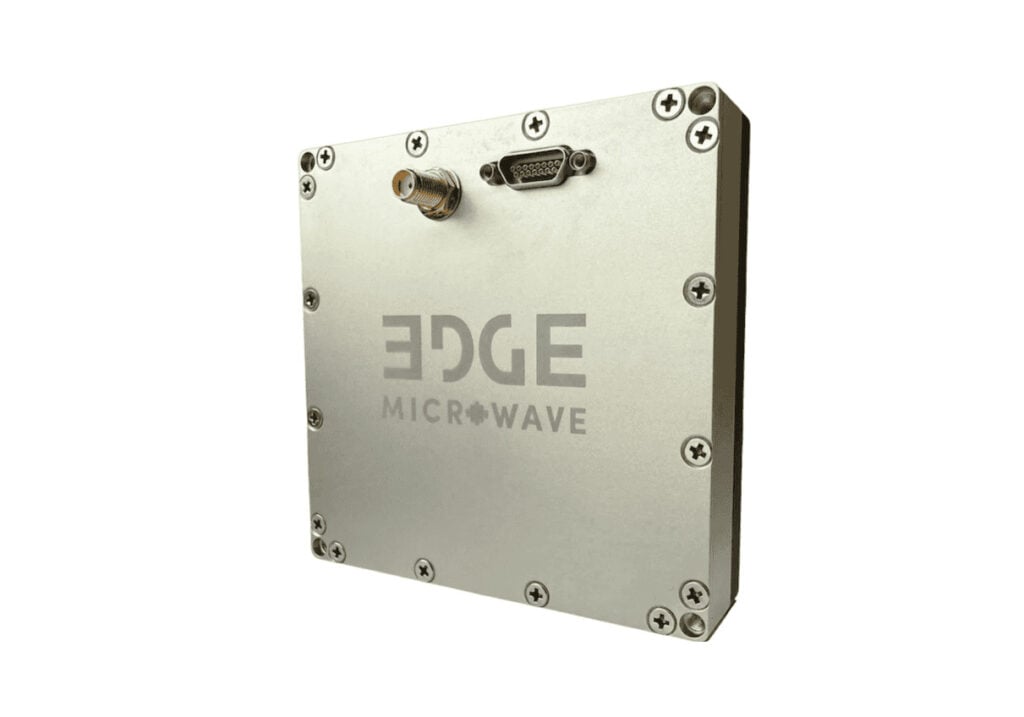
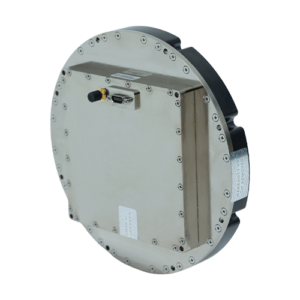 HEDGE-8016-C200