
Showcase your capabilities
If you design, build or supply Long-Range Drones, create a profile to showcase your capabilities and connect with visitors who have an active requirement for your solutions.




Long-range and long-endurance drones are a specialized category of unmanned aerial vehicles (UAVs) designed to support extended missions over large distances, often beyond visual line of sight (BVLOS). These systems play a vital role in reconnaissance, surveillance, logistics, and tactical support within military operations. Unlike shorter-range or tactical UAVs, long-range drones are optimized for endurance, payload capacity, and continuous resilience, making them indispensable for strategic defense and multi-domain operations.
Read the Technology Overview
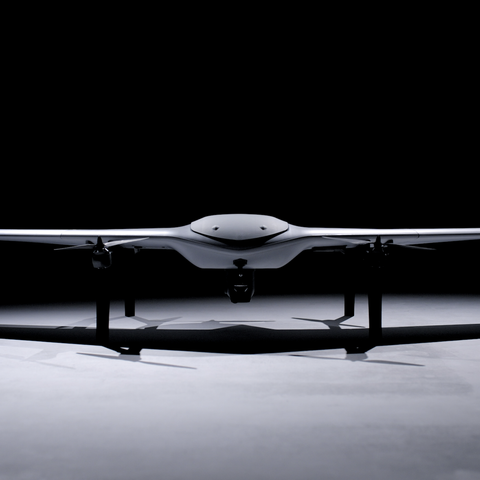
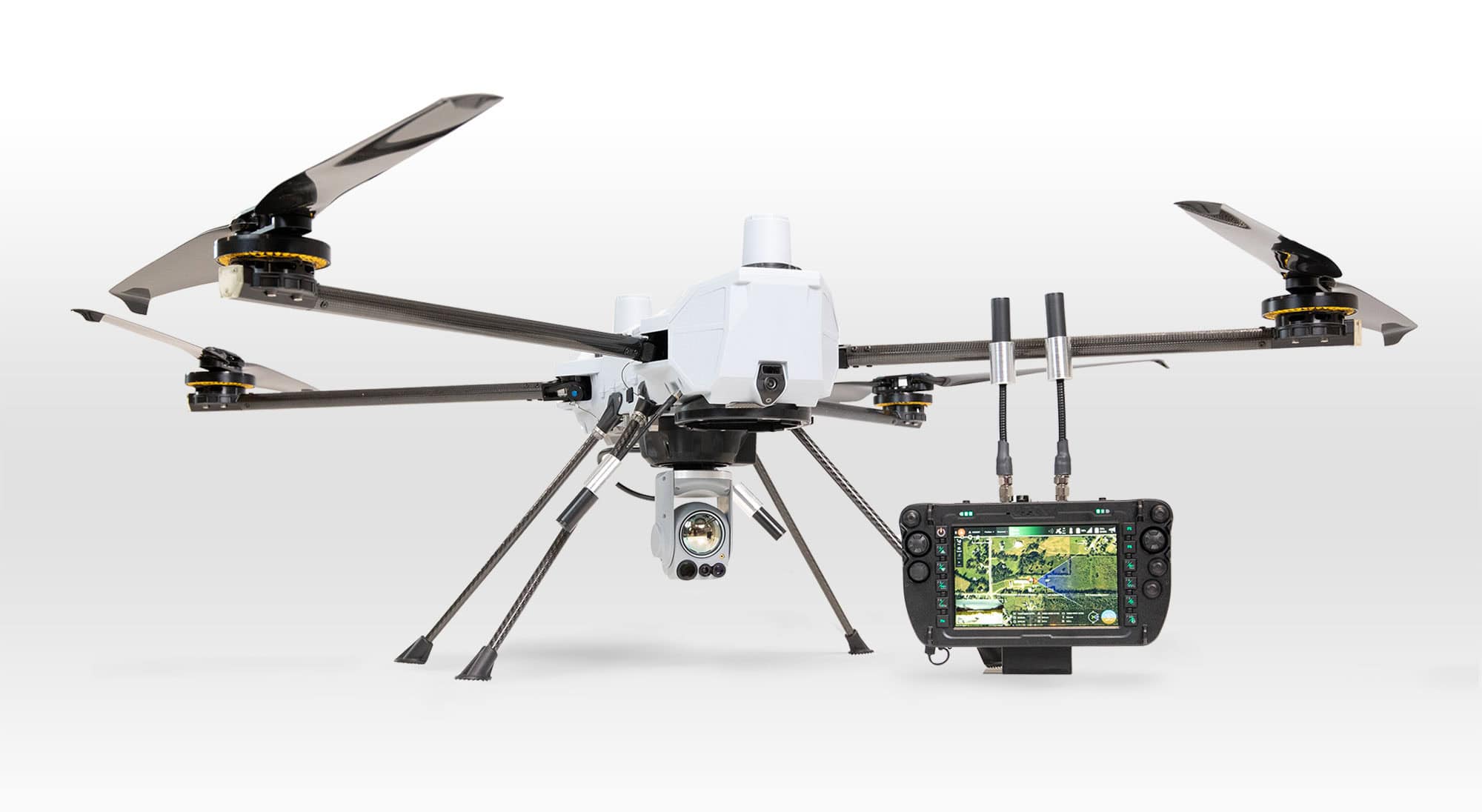
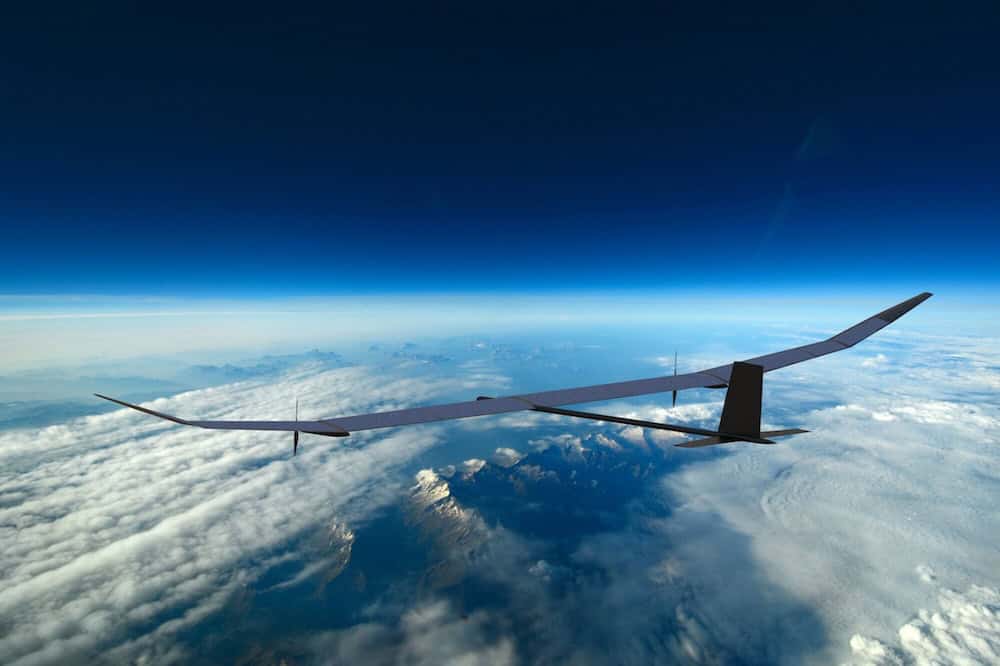

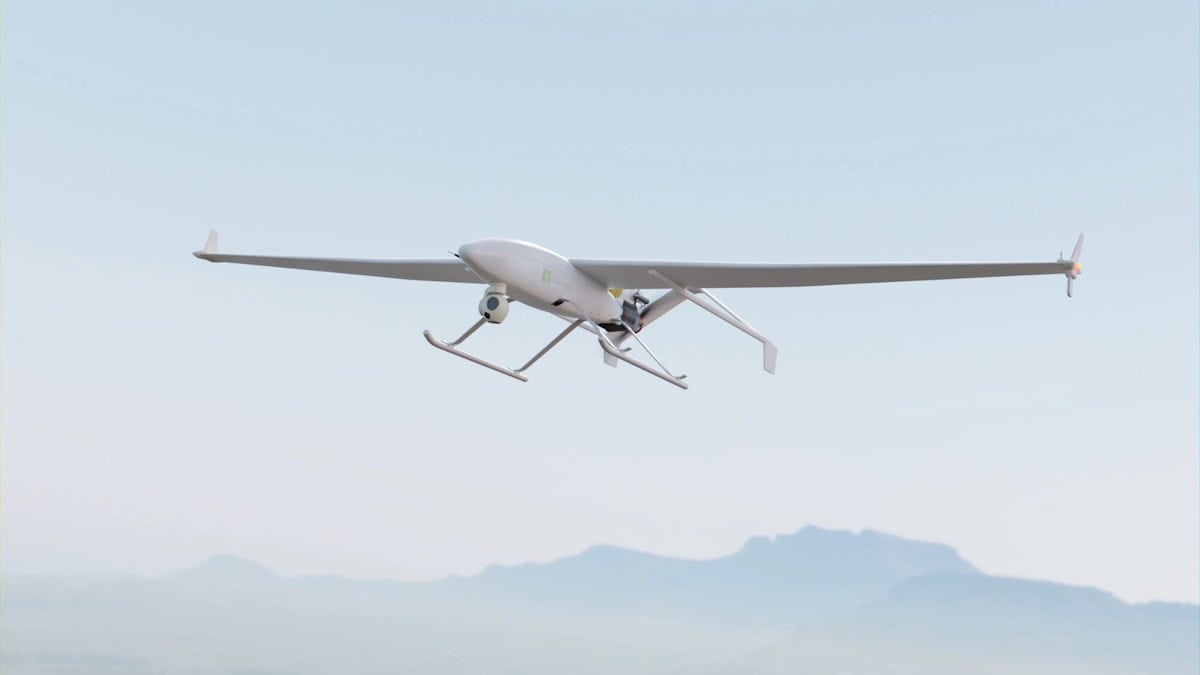
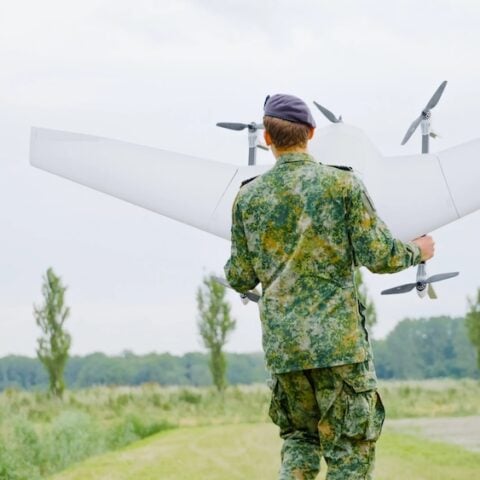

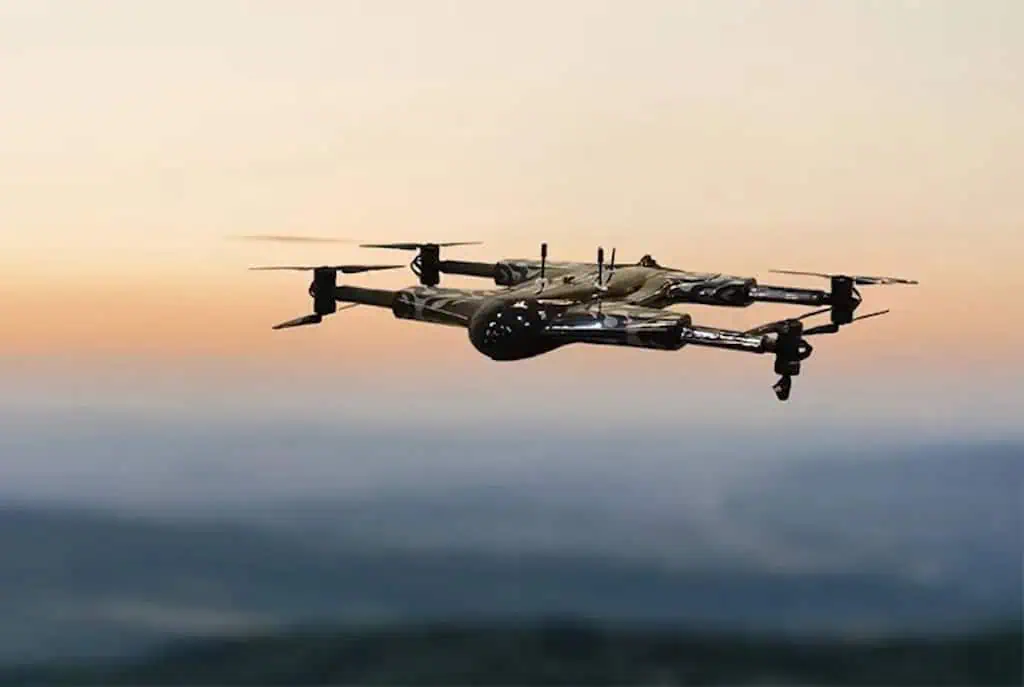
Developing & Delivering A Range of Uncrewed Air Systems for Both Military & Commercial Applications

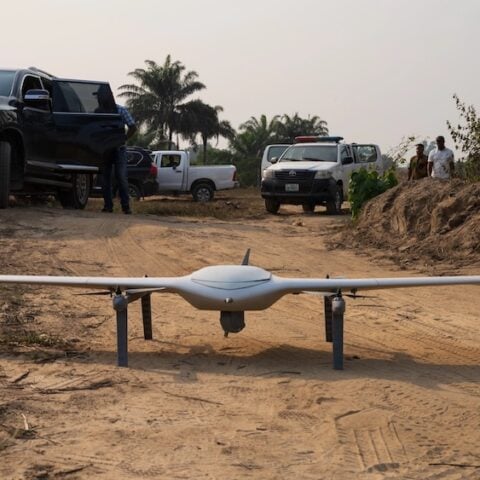
Autonomous UAV Platforms & Drone Services for Military, Government, Security & Emergency Response

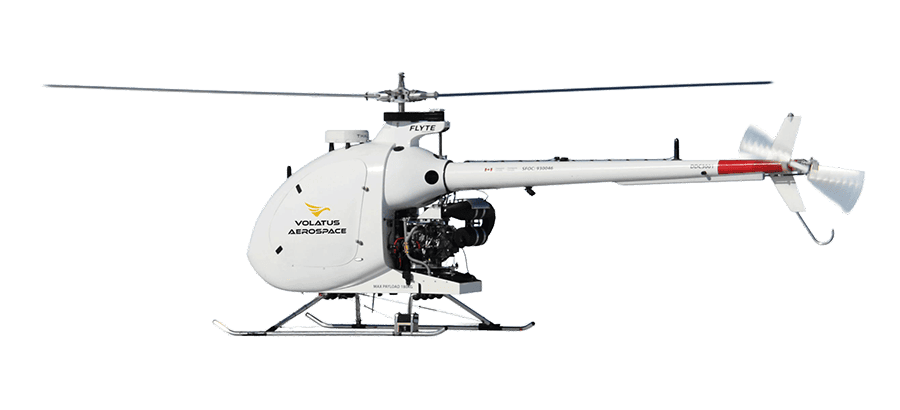
Unmanned Aerial Systems for Military & Defense Applications, from Mission-Critical ISTAR to Battlefield Logistics

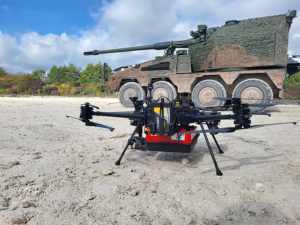
UK Sovereign Autonomous Uncrewed Systems for Defence, Security & Critical Infrastructure

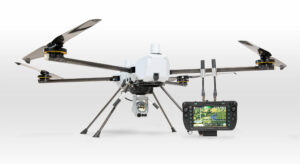
Tactical UAS Platforms for Mission-Critical Military, Defense & Law Enforcement Applications

If you design, build or supply Long-Range Drones, create a profile to showcase your capabilities and connect with visitors who have an active requirement for your solutions.

Military organizations rely on long-range drones for many missions, including border patrol, search and rescue, pipeline and infrastructure monitoring, law enforcement support, and long-duration surveillance. These operations demand unmanned platforms with extended endurance, reliable BVLOS connectivity, and modular payload capabilities, all engineered to meet stringent MIL-STD specifications for performance and resilience in complex environments.
Military long-range drones differ from general-purpose military drones and tactical drones in three fundamental ways:
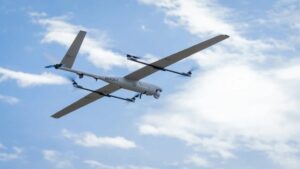
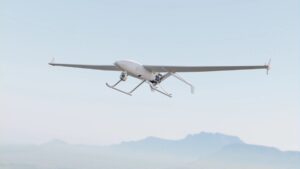
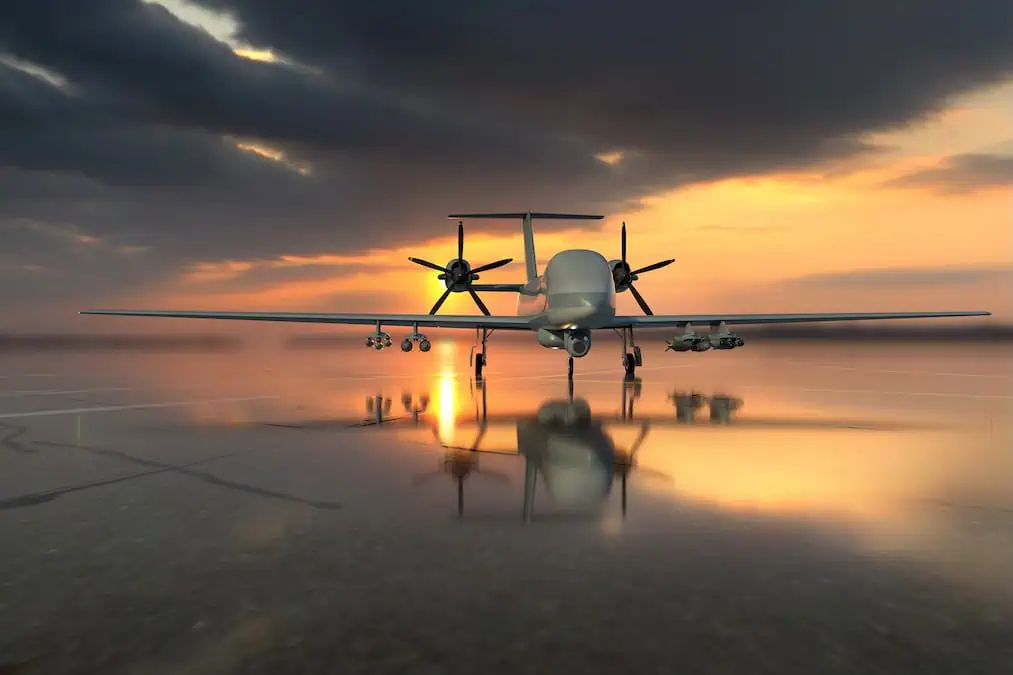
SKIRON-X Unmanned Aircraft System by Aurora Flight Sciences.
These drones are capable of sustained missions lasting 24 to 72+ hours and can cover hundreds to thousands of kilometers, supported by efficient propulsion systems, aerodynamic airframes, and, in some cases, solar augmentation.
Designed to operate well beyond the visual line of sight, long-range drones incorporate secure satellite communications and long-range datalinks. They often comply with MIL‑STD‑810 for environmental durability and MIL‑STD‑461 for electromagnetic compatibility.
While many military UAVs feature rugged construction, long-range variants must also endure extended environmental exposure and continuous operation. Their airframes and subsystems are optimized for prolonged stress, vibration, and adverse weather, often requiring certification to additional endurance and safety standards beyond typical military UAV baselines.
long-range UAVs support persistent ISR missions across vast areas, equipped with EO/IR cameras, HD video sensors, SAR radar, magnetometers, and RF detectors. These systems enable real-time intelligence gathering for border patrol, strategic monitoring, and mission planning.
Armed forces deploy long-range drones to assist in target acquisition by marking high-value targets using laser rangefinders and designators. These payloads, often interfacing with MIL‑STD‑1760 systems, allow drones to coordinate with manned aircraft, artillery, or precision munitions.
For extended SAR operations in remote or hazardous environments, these drones integrate night vision cameras, thermal sensors, gas detectors, and multispectral imaging. They may also deploy flares or serve as airborne relays to ground teams.
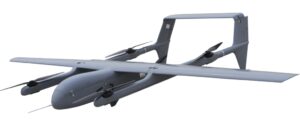
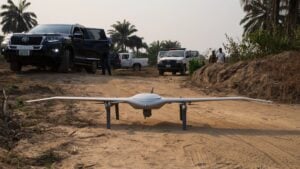
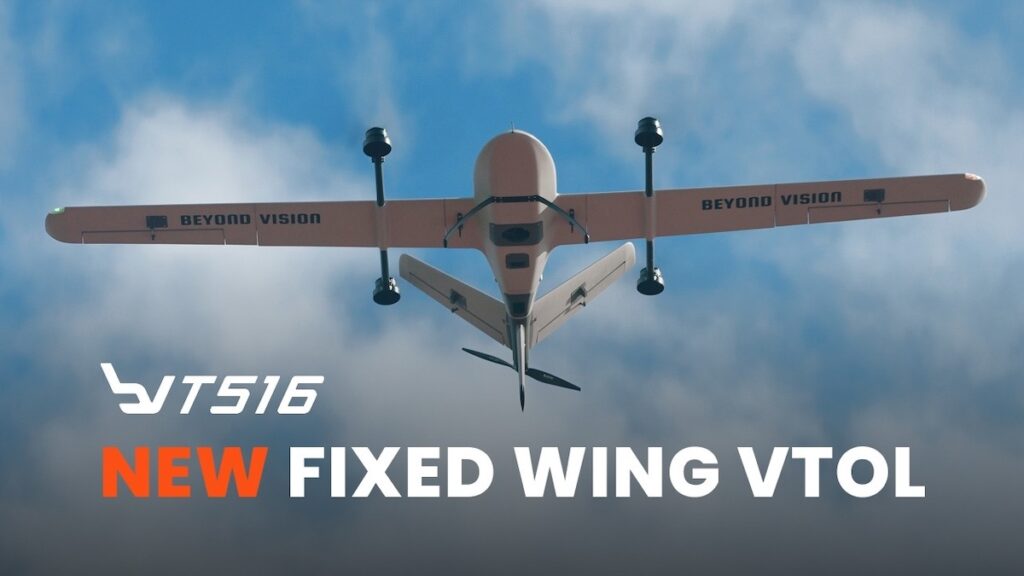
Sensus M4E-FW 35 by ISS Aerospace.
Using a combination of LiDAR, high-resolution cameras, GNSS receivers, inertial navigation systems, weather sensors, and radiation detectors, long-range UAVs can inspect critical infrastructure across long distances without requiring human access to dangerous or remote areas.
Some long-range UAVs serve as cargo drones, delivering supplies to forward operating bases or emergency locations. Designed for autonomous or semi-autonomous operation, these platforms often comply with MIL‑STD‑1275 to ensure compatibility with military ground vehicles and logistical systems.
Military forces also use long-endurance drones for non-combat missions such as wildlife tracking, radiation detection, environmental assessment, and CBRN hazard surveillance. Equipped with hyperspectral and multispectral sensors, these drones support civilian protection and situational awareness.
Fixed-wing drones provide maximum range and flight efficiency, often used for strategic ISR and cargo missions. Vertical takeoff and landing (VTOL) variants, while offering shorter range, are suited for rapid deployment in confined or improvised locations.
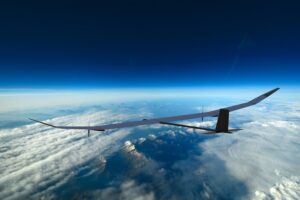
To maximize endurance, many long-range UAVs use hybrid or solar-assisted propulsion systems. Solar panel arrays can extend flight duration by supplementing battery or fuel cell power during daylight hours.
Long-range UAVs must operate reliably for extended durations across varied climates and terrains. MIL‑STD‑810 covers resistance to temperature extremes, humidity, shock, and vibration. MIL‑STD‑461 ensures electromagnetic compatibility, critical in contested or noisy RF environments.
Some platforms are designed for stealth or low detectability, using radar-absorbing materials, minimized thermal signatures, and passive sensing payloads to evade detection in hostile regions.
Enabled by encrypted Satcom links, AIS, and ADS‑B transponders, compliant with MIL‑STD‑188 communication standards.
Long endurance drones must balance sensor or cargo loadouts against available energy or fuel, tailored per mission type.
Equipped with ADS‑B and mission-specific identification systems to operate safely within joint civilian-military airspace frameworks.
| Capability | Tactical UAV | Long Range/Endurance UAV |
| Endurance | 1-6 hours | 24-72+ hours |
| Mission range | Up to 80km | Hundreds to thousands of kilometers |
| Communication links | short-range, line-of-sight | SATCOM, encrypted BVLOS |
| Payload options | Basic sensors | Full suite: EO/IR, SAR, CBRN, cargo |
| Deployment environment | Local tactical zones | Strategic zones, remote/hostile areas |
Compliance with these standards ensures mission success, survivability, and seamless integration within military platforms and operations.
Onboard processing allows long-range AI drones to manage sensor inputs, recognize patterns, adjust flight paths, and operate semi-autonomously in complex environments.
These UAVs may serve as command nodes in swarm systems, sharing sensor data and coordinating tactical decisions with smaller UAVs or loitering munitions.
Fuel cells, solar panels, and advanced battery tech push endurance boundaries, reducing reliance on traditional refueling or recharging infrastructure.
With solar augmentation and efficient propulsion, next-generation UAVs aim for continuous multi-day or even multi-week aerial presence for ISR and communication relay roles.
Armed forces use long-range UAVs equipped with EO/IR, SAR, and RF sensors to monitor vast border regions, identifying unauthorized activity and relaying live intelligence.
High-endurance drones provide wide-area coverage for locating survivors, mapping disaster zones, and delivering emergency supplies, especially when ground access is limited.
BVLOS drones conduct autonomous patrols along energy infrastructure, identifying leaks, structural weaknesses, or security breaches over long distances.
As ISR platforms and forward observers, long-range drones guide munitions, track targets, and enhance situational awareness for joint forces.
In challenging environments, UAVs transport gear, medicine, or ammo autonomously to outposts, increasing supply chain agility under MIL‑STD‑1275 protocols.
Use of ADS‑B, AIS, and encrypted links ensures safe coordination with other air and ground assets.
High-performance drones require specialized maintenance and calibration, particularly for precision payloads and flight systems.
While representing a larger investment, long-range drones serve as persistent force multipliers, reducing manned aircraft risk and enabling faster response across vast operational theaters.
Long-range drones represent a cornerstone of modern military capability. Their ability to conduct BVLOS missions, endure extended deployments, and carry advanced payloads makes them essential for ISR, targeting, logistics, and security. With compliance to MIL-STD protocols and expanding AI and power technologies, these UAVs are poised to remain indispensable tools in national defense strategies for years to come.


 Searching Companies & Products