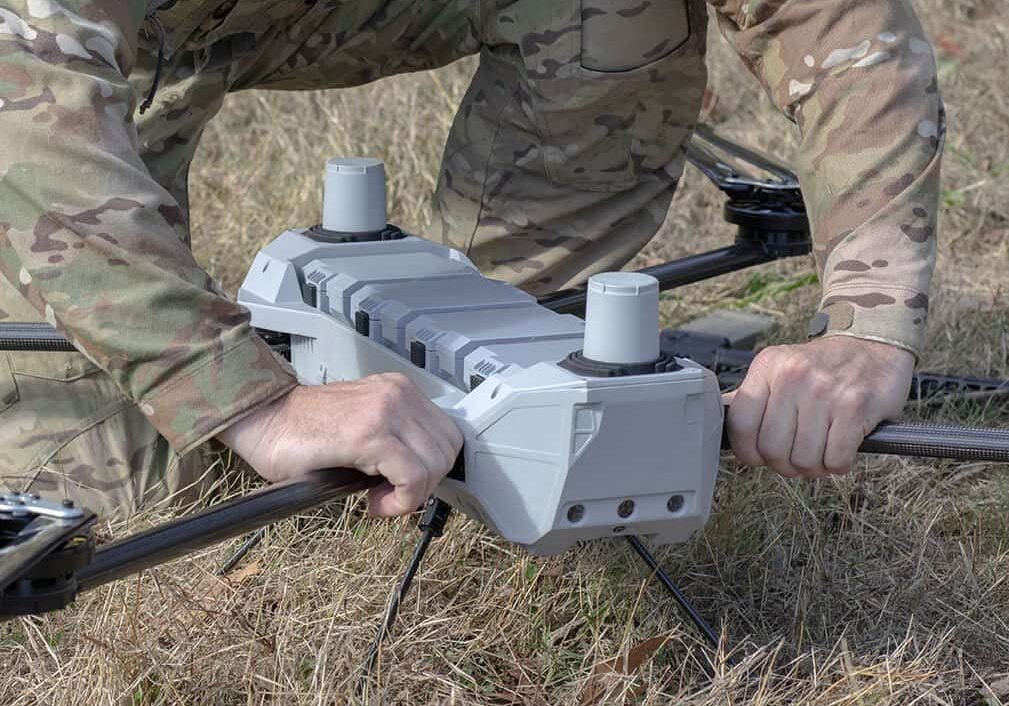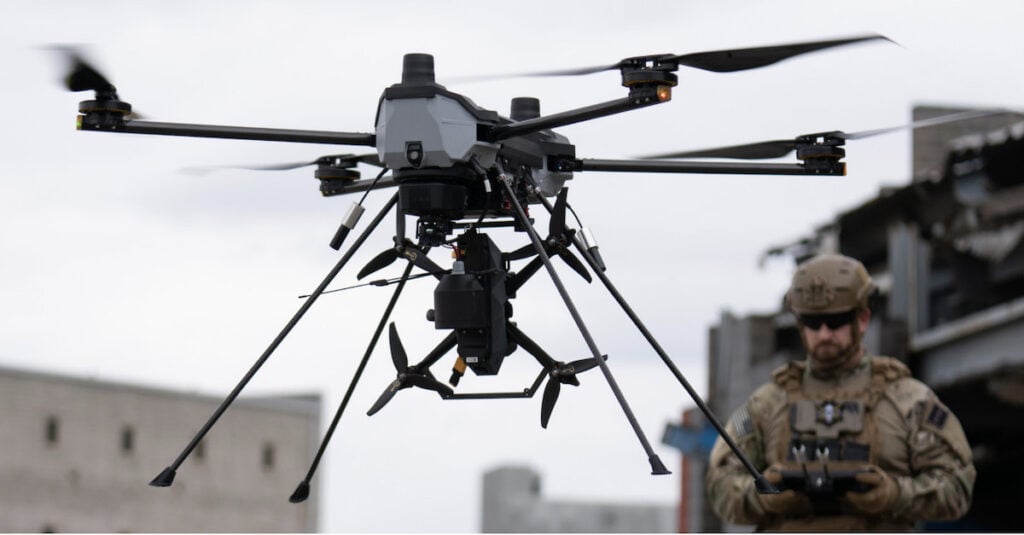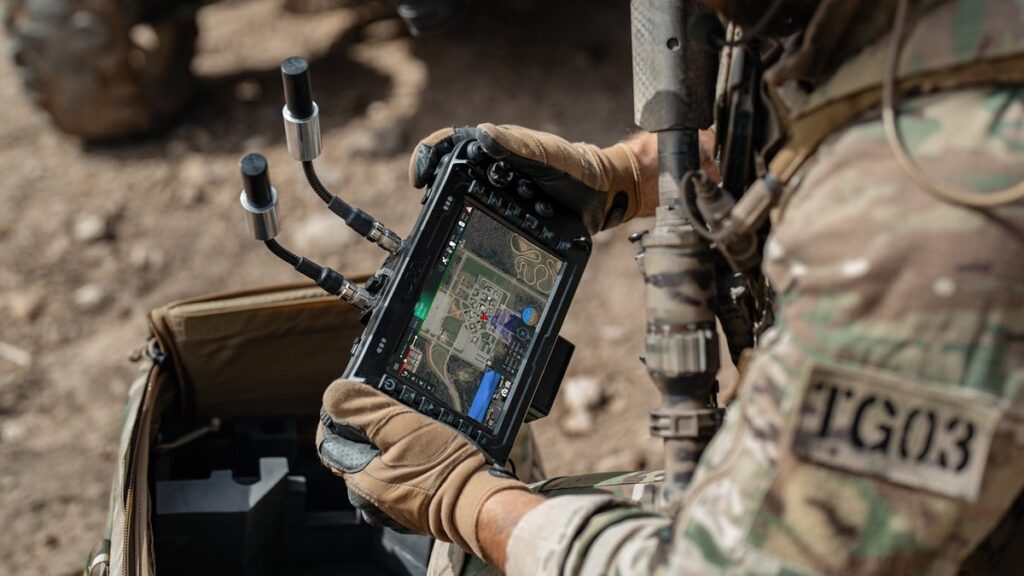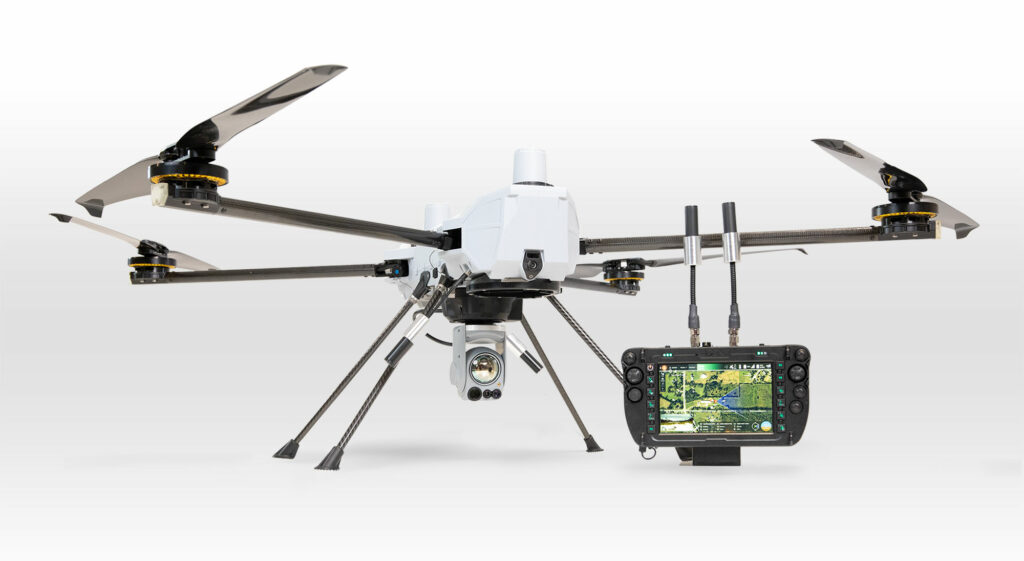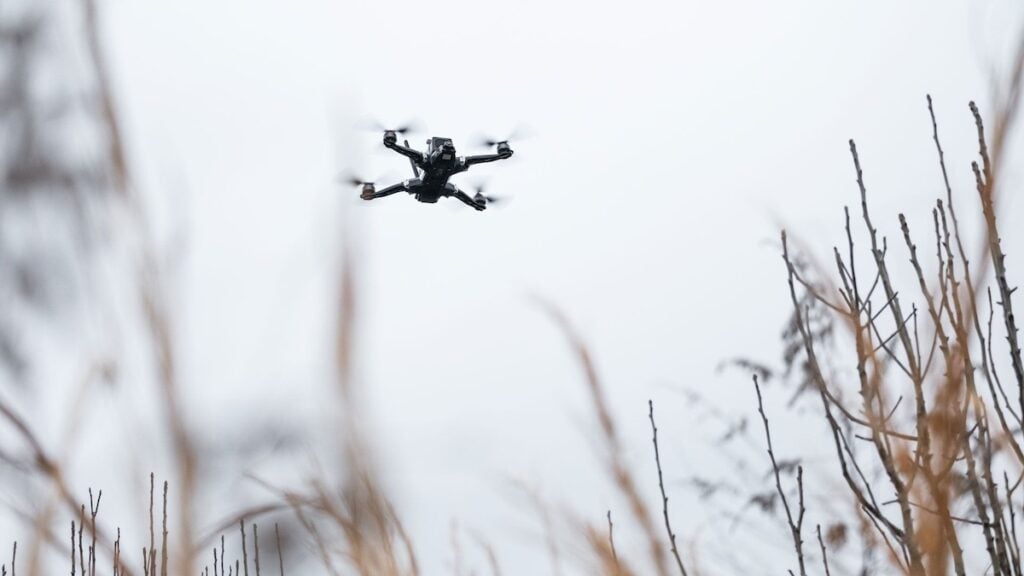





A cross-functional team from Performance Drone Works (PDW) recently completed a comprehensive three-day flight test series at the 9-Mile Training Center in Texas to validate new platform capabilities across hardware, software, autonomy, and communications systems.
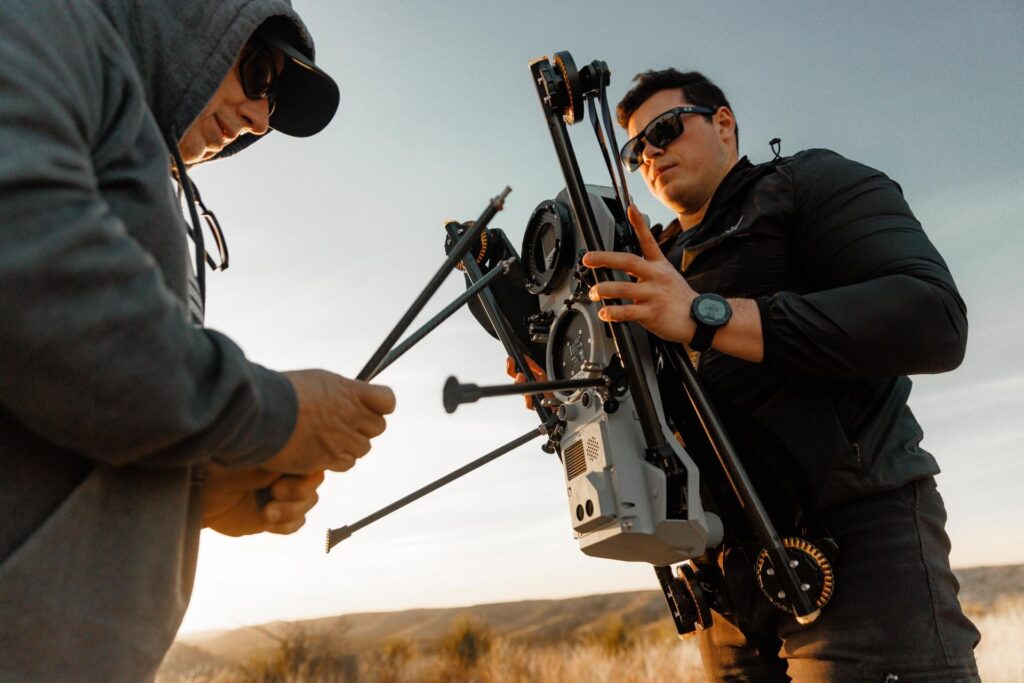
The campaign consisted of 114 flights designed to assess the performance of the C100 and AM-FPV platforms under operational conditions. As combat robotics continue to dominate modern battlefields, front-line operators depend on unmanned systems that can perform in demanding environments. Rigorous testing prior to deployment ensures these systems can be relied upon when operational success is on the line.
During the trials, the C100 platform, paired with PDW’s Range Extension Kit and Extended Range Antenna, demonstrated secure command and control at distances of up to 20 kilometers. The AM-FPV platform also demonstrated Beyond Visual Line Of Sight (BVLOS) operations at distances of 10+ kilometers using a Doodle Labs mesh network with relay support.
PDW CEO James Slider, commented, “Range defines who sets the terms of the fight and control from a distance is tactical leverage. By extending operational reach without compromising connectivity, PDW ensures operators retain full authority over mission execution in dynamic environments.”

The campaign also validated autonomy and navigation capabilities. The C100, equipped with the PDW Vision Payload (PVP), completed 11 fully autonomous flights without relying on GPS for navigation. By leveraging visual navigation, the platform maintained stable vehicle control in GPS-denied conditions, supporting readiness for emerging operational requirements from the DoW and other customers.
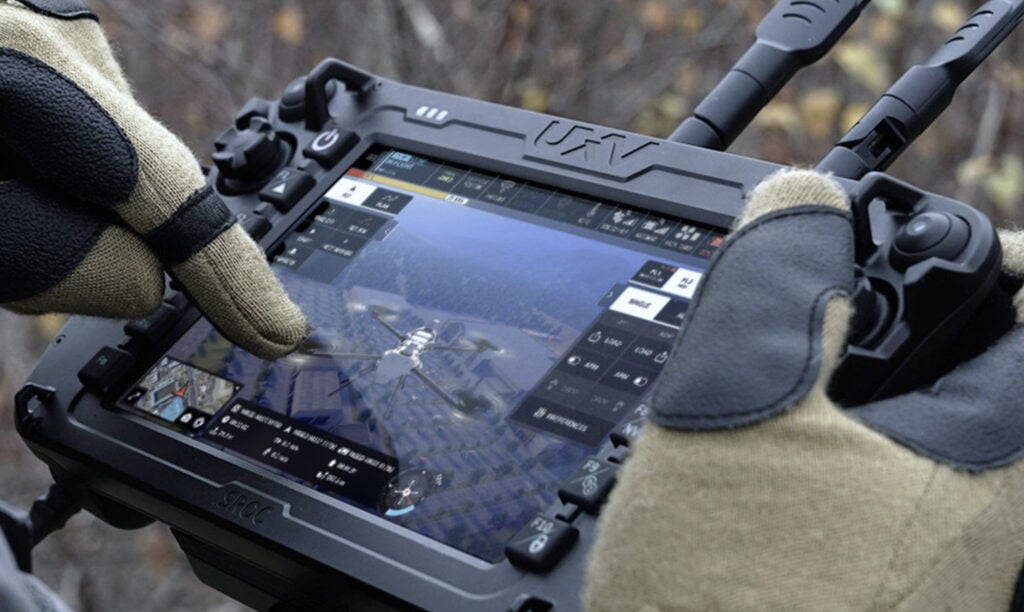
Technical validation extended to PDW’s CORE 1.4 software, which demonstrated consistent performance throughout the 114-flight campaign. The software confirmed system stability, flight performance improvements, and operational reliability across repeated sorties.
“PDW is committed to supporting U.S. DoW readiness by delivering resilient, long-range, and autonomous unmanned systems to our front-line operators. Our top priority has and will continue to be advancing mission-ready systems designed to operate when and where they are needed most,” Slider concluded.