
sUAS Manufacturers & Suppliers

Robinson Unmanned

Compact UAS & Heavy-Lift Rotorcraft for Military ISR & Logistics Operations

Red Cat Holdings

Advanced American-Made Drone Technologies for Aerial ISR (Intelligence, Surveillance & Reconnaissance)

Vantage Robotics Inc.

Mission-Ready, Blue UAS-Cleared & NDAA-Compliant Platforms for Defense, Government, and Security Operations

Arctic Horizons

Cutting-Edge Unmanned Aircraft Systems for Tactical Applications

Showcase your capabilities

If you design, build or supply sUAS, create a profile to showcase your capabilities and connect with visitors who have an active requirement for your solutions.


Create Supplier Profile

Products: Small Military Drones & sUAS

7 Cutting-edge Solutions
Add your solutions
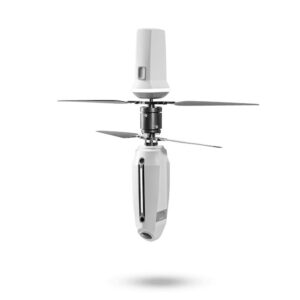
SPIRIT

Small UAS for modular ISR & multi-mission defense operations

Small UAS for modular ISR & multi-mission defense operations
SPIRIT is a small tactical UAS engineered to support ISR, inspection, and sensing missions across...
HELIUS

Nano UAS for rapid ISR & close-range situational awareness

Nano UAS for rapid ISR & close-range situational awareness
HELIUS is a sub-250 g nano UAS designed to deliver immediate aerial visibility for defense, security...
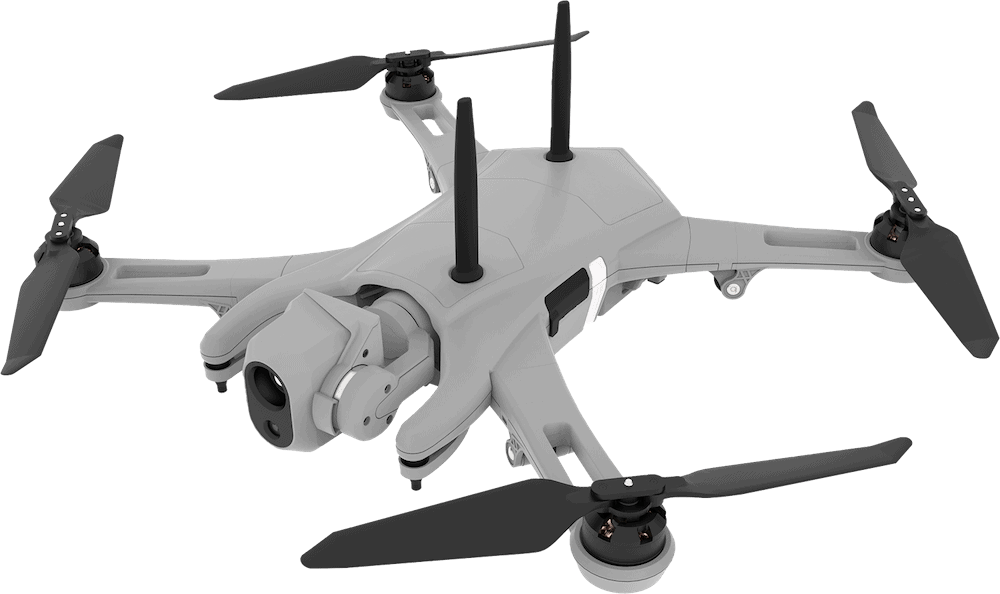
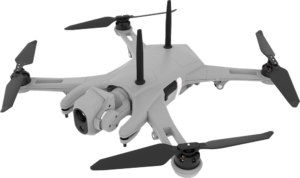
Black Widow™ sUAS

Short-range ISR platform for contested environments & electronic warfare

Short-range ISR platform for contested environments & electronic warfare
...dge multirotor sUAS designed to support a variety of tactical defense and government requirements,...
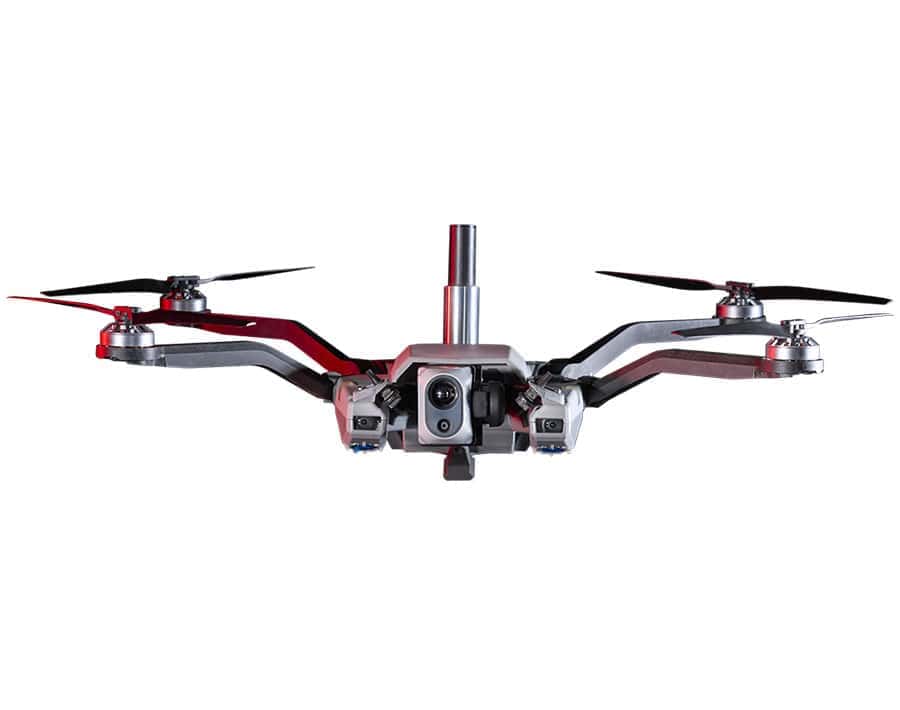
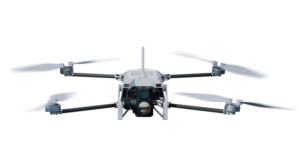
Teal 2

Compact Blue UAS-approved quadcopter with FLIR EO/IR payload

Compact Blue UAS-approved quadcopter with FLIR EO/IR payload
...ade quadcopter sUAS that is featured on the U.S. Department of Defense DIU Blue UAS list. Optimized...
Vesper

Rugged & portable multirotor UAS for trusted & secure ISR

Rugged & portable multirotor UAS for trusted & secure ISR
Vantage Robotics' Vesper is a compact quadcopter unmanned aerial system (UAS) built to deliver trust...
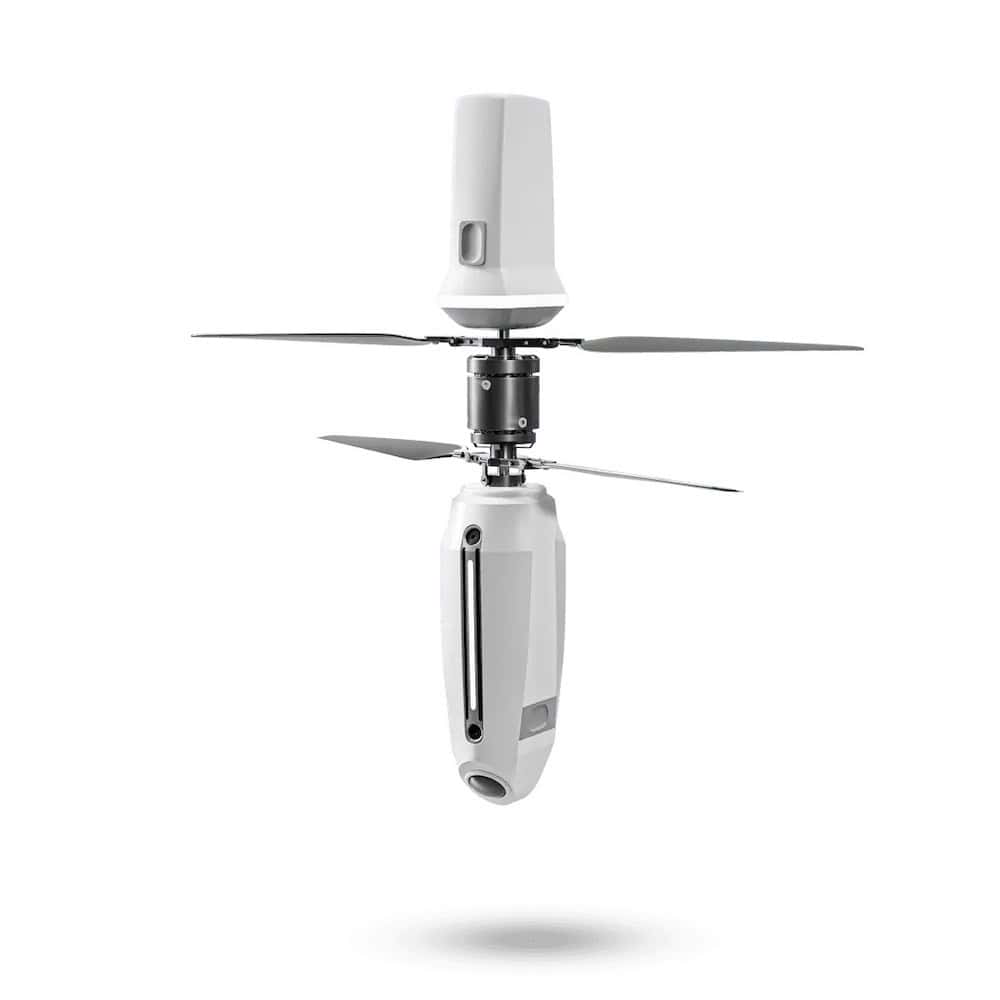
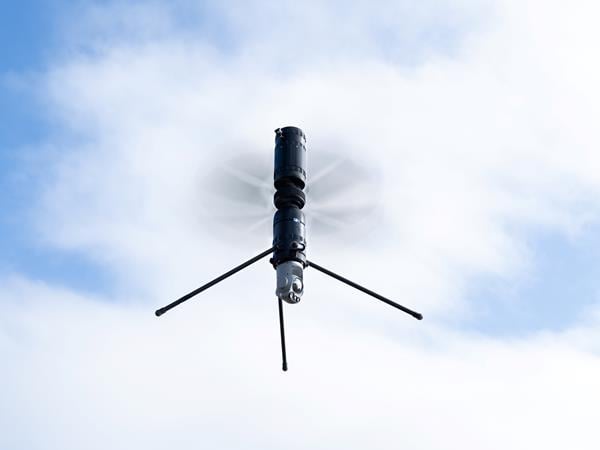
Trace

Miniature multirotor UAS for covert reconnaissance

Miniature multirotor UAS for covert reconnaissance
...et-leading ISR drone platform. ...
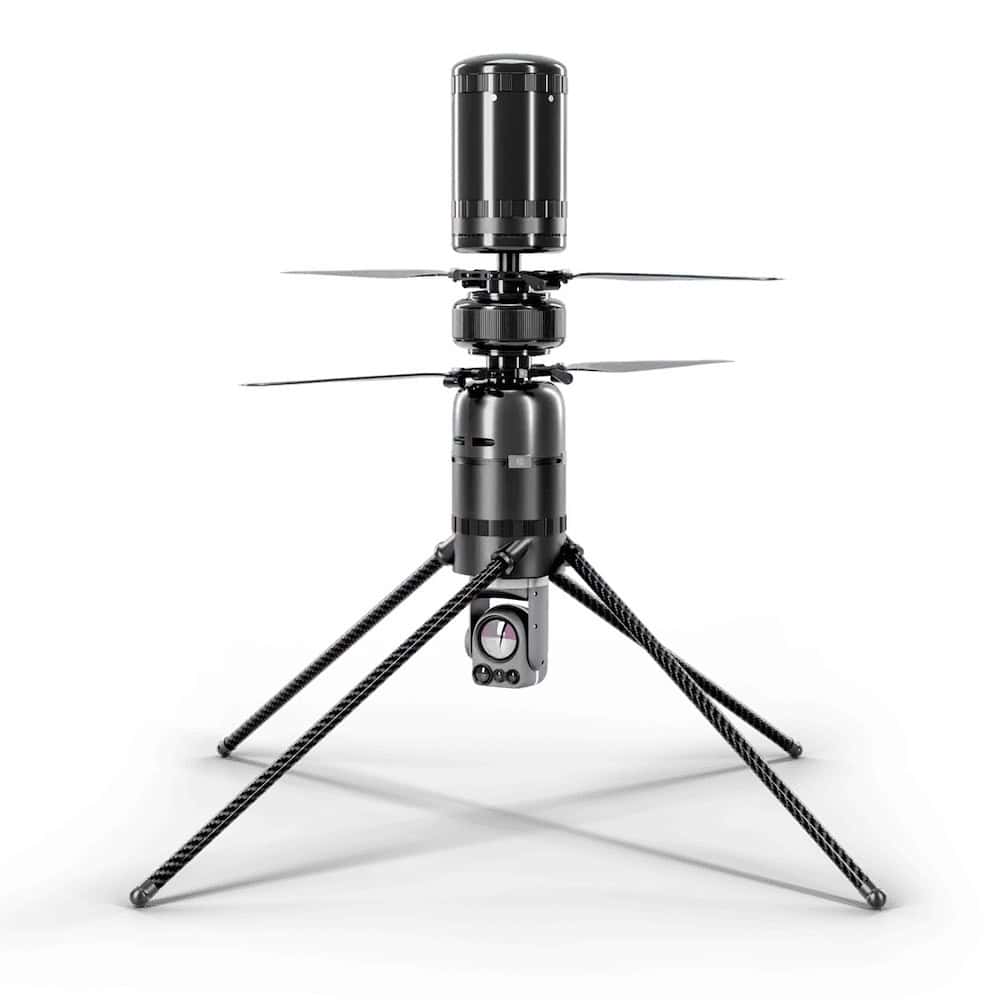
Stictia Nano Unmanned Aircraft System

Nano attritable UAS with swarming capabilities

Nano attritable UAS with swarming capabilities
...ntegrates with military helmets, vehicle dashboards, and firearm rail systems....

A Tactical Guide to Small Military Drones & sUAS Technology

William Mackenzie

Updated:

Introduction to Small Military Drones & sUAS Technology

Small Unmanned Aerial Systems (sUAS) are a class of lightweight, low altitude unmanned platforms designed to deliver tactical capability at the edge of the battlespace. Typically encompassing NATO Group 1 and lower-end Group 2 systems, these small military drones are characterized by their portability, rapid deployment, and relatively low cost compared to larger unmanned aircraft.

In modern defense operations, sUAS technology has transitioned from developmental ISR tools into essential force multipliers. These small drones used by military units provide real time situational awareness, extend the sensor reach of dismounted units, and increasingly serve as effectors in their own right. Their accessibility and adaptability have also reshaped the threat landscape, driving parallel investment in countermeasures and survivability technologies.
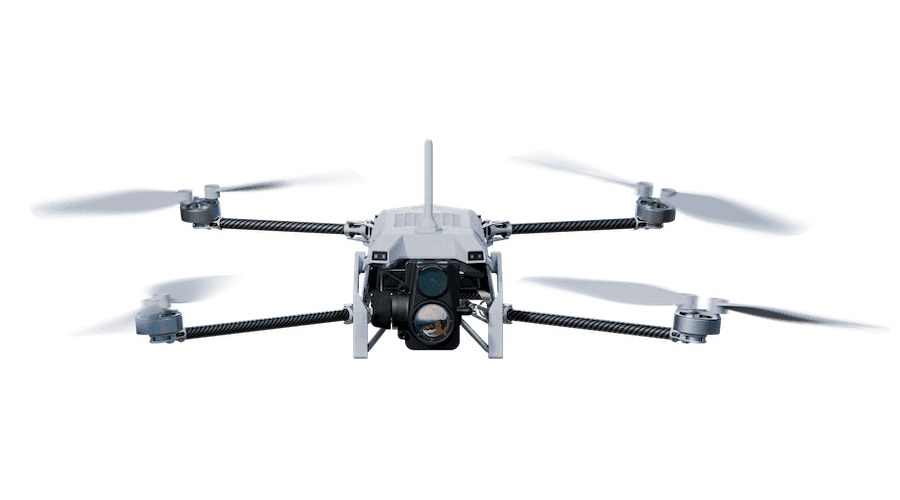
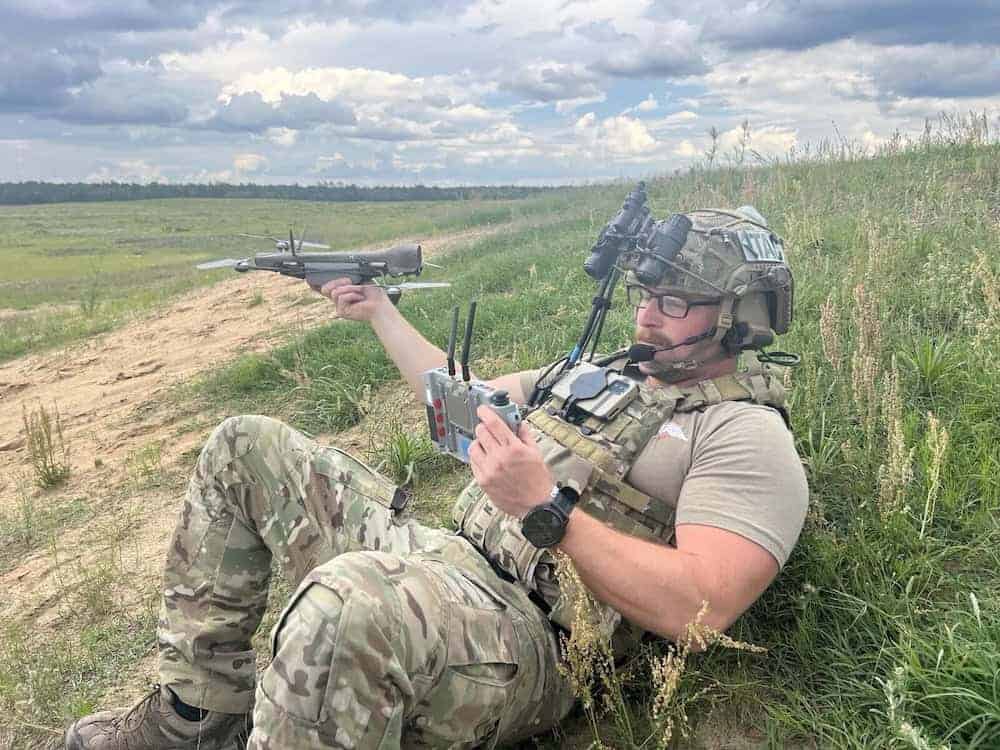
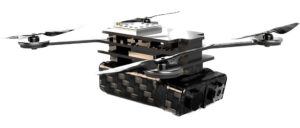
Small military drones from Red Cat Holdings

Black Widow, Small Unmanned Aircraft System, sUAS, from Red Cat Holdings.

Key Types & Categories of Small Military Drones

Platform diversity in the sUAS sector allows commanders to select assets based on specific mission endurance and weight requirements. These systems are generally categorized by the following physical and operational configurations:

  • NATO and DoD UAS Group Classifications (Group 1 & 2): Group 1 sUAS are typically man portable and operate at very low altitudes, while Group 2 UAS systems introduce increased endurance and payload capacity.
  • Nano, Micro, and Small Tactical UAS: Nano and micro drones are optimized for dismounted troops in urban environments, while a small tactical UAS supports platoon to brigade level operations.
  • Attritable and Loitering Munition Systems: Attritable systems are designed for high risk environments, including small combat drones that combine ISR persistence with precision strike functionality.
  • Fixed-Wing vs Rotary-Wing vs Hybrid VTOL Platforms: Small fixed-wing drones offer superior range, while a small military helicopter drone excels in hover precision, and hybrid VTOL systems provide runway independent deployment.

These classifications ensure that the correct small military drone is matched to the appropriate operational envelope and regulatory framework.

sUAS Applications & Operational Use Cases

The utility of sUAS extends far beyond basic video feeds, serving as the primary nodes for several critical tactical mission sets.

Intelligence, Surveillance, and Reconnaissance (ISR)

ISR remains the cornerstone application for small military surveillance drones. These platforms provide persistent, real time intelligence at tactical levels, enabling units to monitor terrain and track adversary movement without exposing personnel to risk.

Target Acquisition and Forward Observation

Small drones for military use are increasingly integrated into targeting workflows, providing accurate geolocation data and laser designation for indirect fire systems. Their ability to operate close to the target area enhances precision and reduces collateral risk.

Electronic Warfare and Signals Intelligence Missions

Equipped with compact SIGINT and electronic warfare payloads, a small military drone can detect, classify, and in some cases disrupt adversary communications and radar systems. This capability extends electronic warfare to lower echelons, decentralizing what was traditionally a high level asset.

Loitering Munitions and Strike Roles

Loitering munitions represent one of the most significant shifts in sUAS employment. These small armed drones can patrol a designated area, identify targets, and execute precision strikes with minimal operator intervention, offering both tactical flexibility and cost efficiency.

Urban Warfare and Close-Quarters Operations

In dense urban environments, a small surveillance drone or scout drone provides reconnaissance capability. The ability to navigate confined spaces, enter buildings, and provide real time video feeds supports operations where line of sight is limited and threats are highly dynamic.

Core System Architecture of Small Military Drones

The engineering behind a suitable army sUAS must balance structural integrity with the strict weight limitations required for portable operation. Every component is selected to maximize mission duration while maintaining durability in harsh field conditions:

  • Airframe Design and Materials: Lightweight composite drones for military use utilize carbon fiber and additive manufacturing to achieve high strength to weight ratios.
  • Propulsion Systems: Electric motors are standard for low acoustic signatures, though hybrid and fuel based systems are used when extended endurance is required.
  • Flight Control Systems and Autopilots: These systems integrate inertial sensors and GNSS inputs to enable autonomous waypoint navigation and adaptive flight behavior.
  • Power Management and Energy Storage: Sophisticated battery management systems are used to extend the operational life of the army small drone during long duration flights.

By integrating these core subsystems into a cohesive architecture, manufacturers ensure that the platform remains stable and responsive throughout its mission profile.
SwaP-Optimized Sensors & Payload Technologies

Electro-Optical and Infrared (EO/IR) Payloads

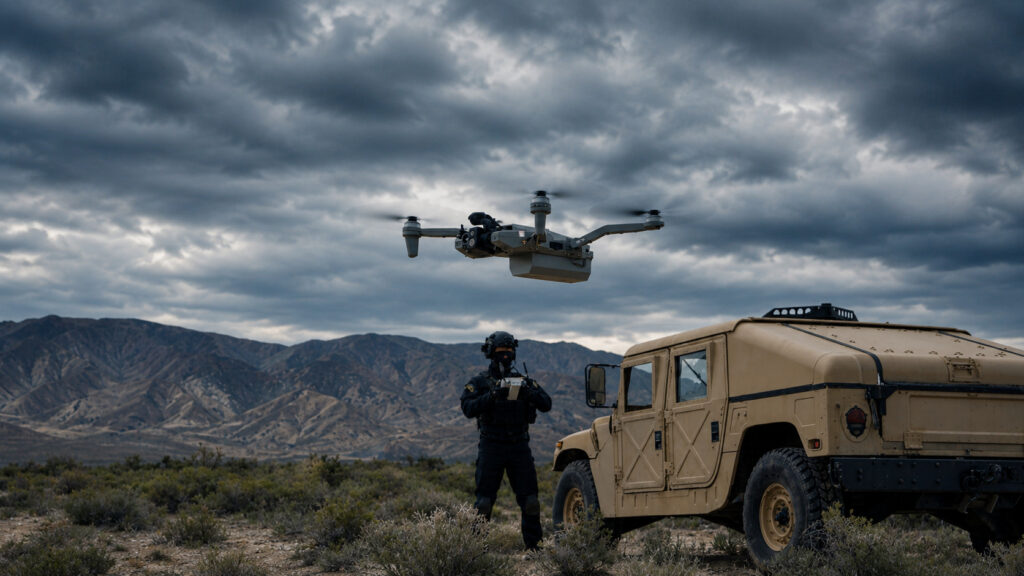
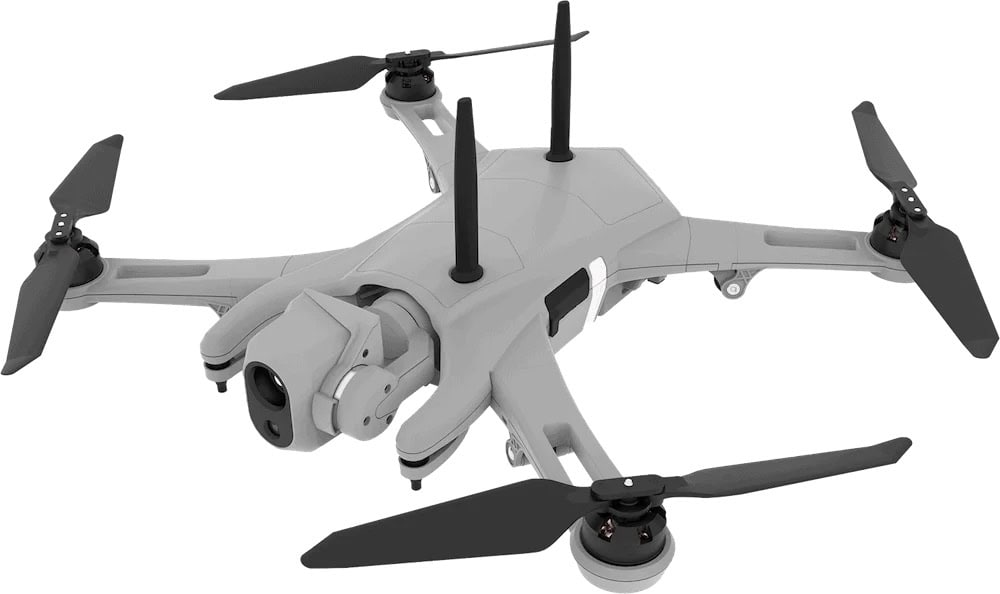
Small UAS Teal 2 Quadcopter by Red Cat Holdings

Small UAS Teal 2 Quadcopter by Red Cat Holdings

EO/IR payloads are the primary sensing modality. High resolution daylight cameras combined with thermal imaging enable round the clock operation and target identification across a wide range of environmental conditions.

ISR (Intelligence, Surveillance, Reconnaissance) Sensor Suites

Integrated ISR payloads combine multiple sensing technologies into a single, stabilized unit. These systems are optimized for Size, Weight, and Power (SWaP), ensuring compatibility with a compact drone while maintaining performance.

Signals Intelligence (SIGINT) and Electronic Warfare Payloads

Miniaturized SIGINT payloads allow a small recon drone to intercept and analyze RF emissions, providing insight into adversary communications and electronic systems.

LiDAR, Radar, and Multi-Sensor Payload Integration

Emerging payloads include compact LiDAR and radar systems, enabling terrain mapping, obstacle avoidance, and enhanced target detection. The integration of multiple sensors into a unified payload supports robust mission outcomes.

Secure and reliable connectivity is a prerequisite for sUAS operations, especially when operating in contested electromagnetic environments. Modern communication suites utilize the following technologies to maintain link integrity:

  • LOS and BLOS Communications: Line of Sight (LOS) provides low latency control, while Beyond Line of Sight (BLOS) uses satellite or relay nodes to extend operational reach.
  • Tactical Data Links and Interoperability: Standards such as STANAG 4586 allow different small tactical drones to operate within a unified command and control framework.
  • Mesh Networking: This architecture allows multiple units to share data and maintain connectivity without a central node, providing resilience for swarm operations.
  • Secure Communications: Anti jamming techniques and robust encryption protocols are employed to protect the sensitive data gathered by a small spy drone.

These networking capabilities allow for a decentralized flow of information, ensuring that data reaches the decision maker regardless of local interference.

Autonomy, AI, and Onboard Processing

Autonomous Navigation and GPS-Denied Operations

As GNSS denial becomes common, an autonomous sUAS is equipped with alternative navigation methods, including visual odometry and inertial navigation. These capabilities ensure continued operation in degraded environments.

AI and Machine Learning for Target Detection and Tracking

AI driven analytics enable the system to process sensor data in real time, identifying and tracking targets with minimal operator input. This reduces cognitive load and accelerates decision making for small tactical drone operators.

Edge Computing and Mission Computers in sUAS

Onboard processing is central to modern capability. Mission computers act as the processing backbone, integrating sensor data and executing autonomy algorithms in real time. These systems enable distributed decision making at the platform level.

Swarm Intelligence and Collaborative Behaviors

Swarm technologies allow multiple sUAS to operate cooperatively. This capability enhances mission effectiveness, enabling distributed sensing and redundancy for military small drones.

Launch, Recovery & Deployment Methods

The method of deployment is often dictated by the size of the platform and the specific environmental constraints of the launch site. Operators utilize a range of techniques to ensure the aircraft can be safely deployed and retrieved:

  • Hand-Launched Systems: These enable rapid deployment by dismounted personnel, prioritizing simplicity and speed for the small army drone.
  • Catapult and Runway Launch: Used to support heavier payloads and extended endurance when hand launching is not feasible.
  • Vertical Takeoff and Landing (VTOL): This capability is valuable for a compact drones fleet operating from confined areas or maritime decks without launch infrastructure.
  • Recovery Techniques: Methods include net recovery and parachutes for fixed wing systems, while rotary and VTOL platforms typically perform autonomous landings.

Effective launch and recovery protocols ensure that the asset can be reused across multiple mission cycles with minimal maintenance.

Defense Standards, Compliance & Certification

MIL-STD Environmental and EMI/EMC Requirements

Systems must comply with rigorous standards to ensure reliable operation in harsh environments. These include resistance to vibration, temperature extremes, and electromagnetic interference.

STANAG Compliance and Interoperability Standards

NATO STANAG standards ensure interoperability across allied forces, enabling seamless integration into joint operations and command structures.

Airworthiness and Safety Certification (e.g., DO-178C, DO-254)

Airworthiness certification ensures that hardware and software meet stringent safety requirements. Standards such as DO-178C and DO-254 govern these assurance levels.

Export Controls and ITAR/EAR Considerations

Export regulations play a significant role in the development and distribution of technology. Compliance is essential for small drone manufacturers seeking international market access.

Emerging Technologies in Small Military Drones

The next generation of small military drones will be defined by increased autonomy and the ability to operate as part of a larger, integrated multi domain force. Key trends currently shaping the industry include:

  • AI-Enabled Autonomous Swarms: Development of swarms capable of executing complex missions with minimal human oversight for small reconnaissance drones.
  • Advanced Power Systems: New fuel cell and battery technologies are extending the endurance of sUAS platforms for expanded operational reach.
  • Multi-Domain Integration: A small drones or portable drones fleet is increasingly integrated with ground and maritime systems for a unified operational picture.
  • Human-Machine Teaming (MUM-T): This approach improves mission effectiveness for a tactical unit, supporting the use of small stealth drones in sensitive environments.

As these technologies mature, small UAS will continue to shift from being mere sensors to becoming proactive participants in every phase of the mission.


Related Articles

Mission-Ready, Blue UAS-Cleared ISR Platforms for Defense & Security Operations

Vantage Robotics' mission-ready Blue UAS-cleared platforms designed to deliver reliable ISR performance in urban, expeditionary, and GPS-contested operational environments

May 08, 2026
Smart Air Defense Using Decoy UAS

UAV Navigation explores how decoy UAS platforms can serve as a tactical mechanism for safeguarding higher-value assets such as crewed aircraft and surveillance systems

May 05, 2026
Eliminating the Performance & Size Tradeoff for Small Unmanned Systems

The Nano² radio from Doodle Labs eliminates size and performance compromises for small drone platforms by delivering full Mesh Rider capabilities in a compact form factor designed for unmanned operations

Apr 27, 2026
Army Contract Awarded for Vector AI sUAS & Enhanced Tactical Intelligence

Quantum-Systems secures U.S. Army contract to supply Vector AI eVTOL sUAS, delivering reconnaissance, surveillance, and target acquisition capabilities with GPS-independent navigation, anti-jamming resilience, and rapid deployment for tactical operations

Apr 22, 2026
NATO Ally Selects Red Cat sUAS for Tactical Edge ISR & Defense Operations

Red Cat Holdings has secured a competitive tender from a NATO ally to provide Black Widow drone systems through the NATO Support and Procurement Agency, for deployment throughout 2026

Apr 13, 2026
Red Cat Black Widow™ sUAS Selected for Asia-Pacific Military Use

Red Cat Holdings has been chosen to deliver an undisclosed number of Black Widow™ sUAS systems to an Asia-Pacific military ally following a competitive tender, supporting tactical intelligence, surveillance, and reconnaissance applications

Feb 10, 2026
Visual Navigation System Delivers GNSS-Denied Capability to Puma sUAS Family

AV Inc’s Visual Navigation System integrates with Puma LE to deliver GNSS-denied navigation, using real-time fusion of visual and inertial data to support continuous operation in contested environments

Dec 11, 2025
Advanced Thermal Imaging from Teledyne FLIR Enhances SYPAQ’s CorvoX sUAS Capability

Teledyne FLIR OEM’s Boson® thermal infrared camera has been integrated into SYPAQ Systems’ CorvoX sUAS under the Thermal by FLIR program for the Australian Army

Nov 12, 2025
GA-ASI Partners with Dutch MoD to Develop Advanced Multi-Role sUAS

GA-ASI has partnered with the Dutch Ministry of Defence to develop a new small unmanned aircraft system to enhance European defense capabilities

Oct 20, 2025