
Showcase your capabilities
If you design, build or supply Nano Drones, create a profile to showcase your capabilities and connect with visitors who have an active requirement for your solutions.




Military nano drones are ultra-compact UAV systems designed to deliver real-time situational awareness at the tactical edge. These platforms support urban reconnaissance, ISR, force protection, and special operations through low-signature, close-range sensing.
This page showcases leading military nano drone manufacturers and micro UAV suppliers built for deployment by dismounted troops or integration with tactical vehicles.
Read the Technology Overview
Compact UAS & Heavy-Lift Rotorcraft for Military ISR & Logistics Operations

Autonomous UAV Platforms & Drone Services for Military, Government, Security & Emergency Response

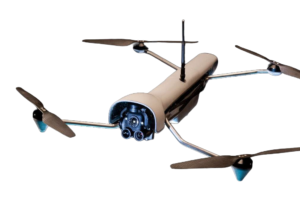
Mission-Ready, Blue UAS-Cleared & NDAA-Compliant Platforms for Defense, Government, and Security Operations

If you design, build or supply Nano Drones, create a profile to showcase your capabilities and connect with visitors who have an active requirement for your solutions.

Military nano drones and micro Unmanned Aerial Vehicles (UAVs) represent the most compact systems currently deployed in modern defense environments. Typically categorized within the sub-250 g (Nano) and sub-2 kg (Micro) weight classes, these platforms deliver disproportionately high operational value by extending high-fidelity situational awareness directly to the tactical edge.
For the dismounted soldier, these systems are critical flying sensors that bridge the gap between human vision and the hidden complexities of the modern battlefield.
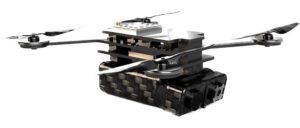
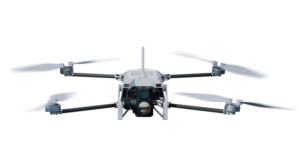
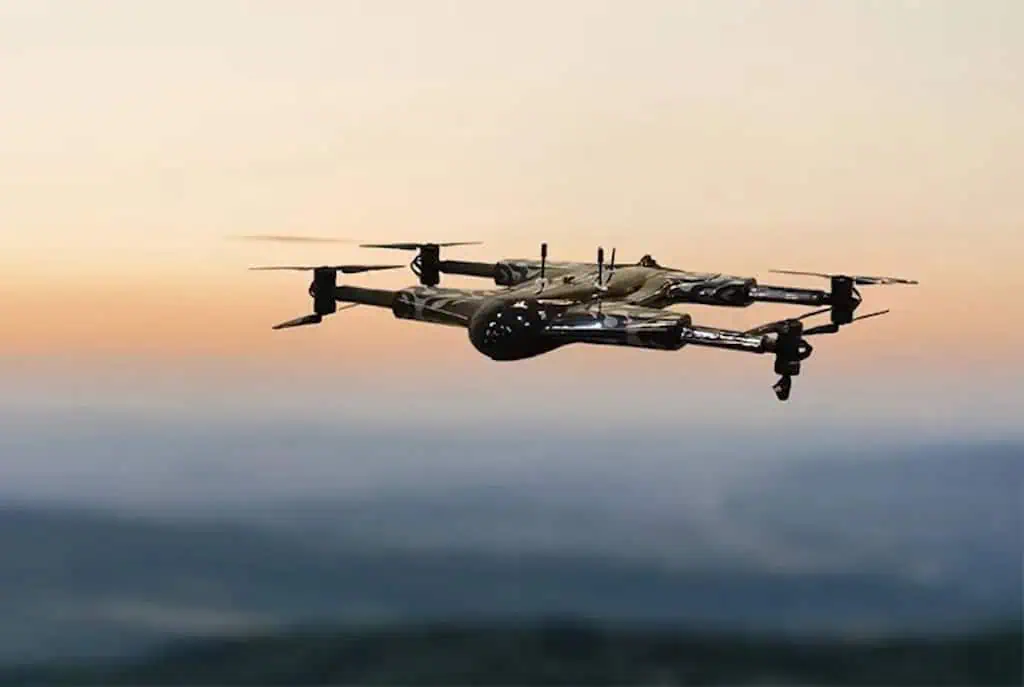
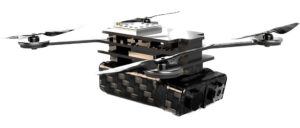
Military nano drone, Stictia, from Arctic Horizons.
The utility of a military nano drone is evident in scenarios where situational awareness is limited by physical barriers or environmental complexity.
Urban combat presents a complex operational environment with limited visibility and high threat density. A nano quadcopter enables forces to look before they enter by navigating through doorways, windows, or corridors to identify obstacles and occupants before personnel are exposed. Their small size and reduced acoustic and visual signature compared to larger UAVs lower detectability, allowing for building clearing and indoor reconnaissance even in close proximity to adversaries.
While strategic assets provide a broad theater view, micro UAVs enable granular inspection of specific points of interest such as border crossings, terrain features, or suspected infiltration routes. This localized ISR capability allows units to maintain situational awareness at the tactical edge in dynamic environments without relying on centralized tasking or higher-tier assets.
Force protection relies on the reduction of uncertainty. Mini surveillance drones contribute by feeding real-time visual and thermal data to operators, allowing for early threat detection. Whether monitoring a patrol route or scanning rooftops for potential ambushes, these systems improve operational confidence and decision-making for small units on the ground.
In asymmetric conflicts where adversaries exploit concealment, a nano spy drone offers a decisive advantage through covert surveillance and intelligence gathering. Special operations units benefit from the low signature and portability of miniature spy drones, using them for reconnaissance in sensitive missions where maintaining stealth and protecting friendly force positions is paramount.
Post-engagement assessment is critical for determining mission success and planning follow-on actions. A nano or micro UAV can be deployed immediately after a strike to capture high-resolution imagery of the target area. This enables rapid verification of effects and identification of residual threats without exposing personnel to unnecessary risk in a potentially active combat zone.
The development of military-grade micro UAVs is an exercise in extreme SWaP (Size, Weight, and Power) optimization. To achieve the necessary balance between durability and flight performance, engineers prioritize several critical design pillars:
These engineering choices ensure the platform remains a viable tool in high-intensity environments where a failure in structural integrity would result in a total loss of the ISR asset.
The design process is governed by the need for portability and durability. Constraints on mass directly impact flight endurance, necessitating the use of lightweight yet resilient components to ensure the system remains viable for field use.
Airframes utilize high-strength polymers and advanced carbon-fiber composites to ensure the platform survives the rigors of field deployment. While some military micro drones are designed for high-cycle reuse, the industry is moving toward attritable designs that can be lost in action without compromising the mission budget.
To maintain stealth, engineers focus on signature management. This involves optimizing propeller geometry to influence noise characteristics and utilizing non-reflective, low-visibility coatings. Thermal output is inherently low at nano scale, but system design can still influence infrared detectability under certain conditions.
Electric propulsion is the standard for military micro drone and nano platforms due to its low acoustic signature and mechanical simplicity. The selection of power components is specialized to meet the unique requirements of high-efficiency flight in small form factors:
The combination of these technologies allows for flight times typically ranging from approximately 15 to 30 minutes for military nano drones and micro UAVs, depending on the payload and environmental conditions.
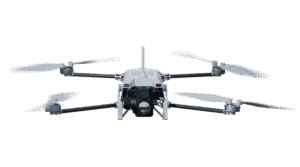
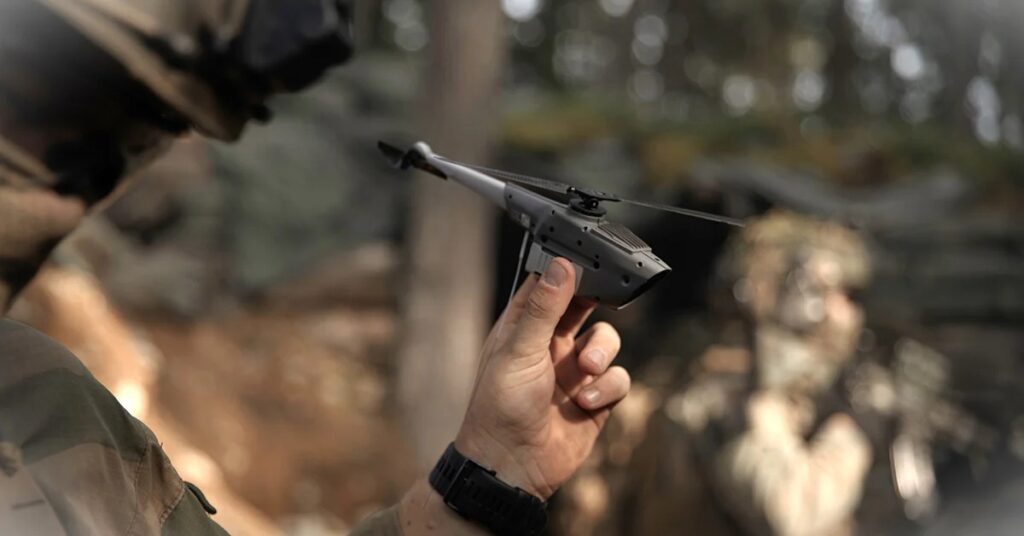
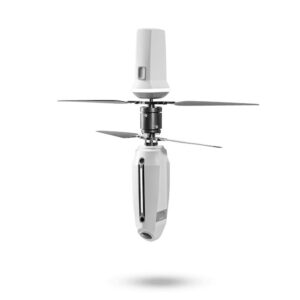
Miniature drone with camera, Trace, from Vantage Robotics.
The utility of a micro recon drone is defined by its sensor suite. Miniature gimbals house both high-resolution EO cameras for daylight and IR sensors for night operations, providing the critical data needed for target identification and environmental assessment.
These payloads enable operators to detect heat signatures and capture high-definition visual data. The integration of dual-sensor gimbals ensures that the drone remains effective across varying light conditions.
Advanced CMOS sensors and thermal imaging allow for effective reconnaissance in darkness. This capability ensures that the tactical advantage of micro surveillance drones remains throughout 24-hour operations.
Integrating sensors into nano platforms presents engineering challenges. Constraints on size and power require trade-offs between resolution, range, and the overall endurance of the miniature military drone.
Modern systems fuse thermal and visual data streams into a single augmented view. Data fusion algorithms process these inputs to provide a coherent operational picture, highlighting heat signatures against a high-contrast visual background.
Operating military micro drones in complex environments requires advanced onboard intelligence to assist the operator. To ensure mission success in GPS-denied or high-interference areas, developers have introduced several autonomous flight capabilities:
These autonomous features reduce the cognitive load on the soldier, allowing them to focus on the tactical situation while the system manages flight stabilization and navigation.
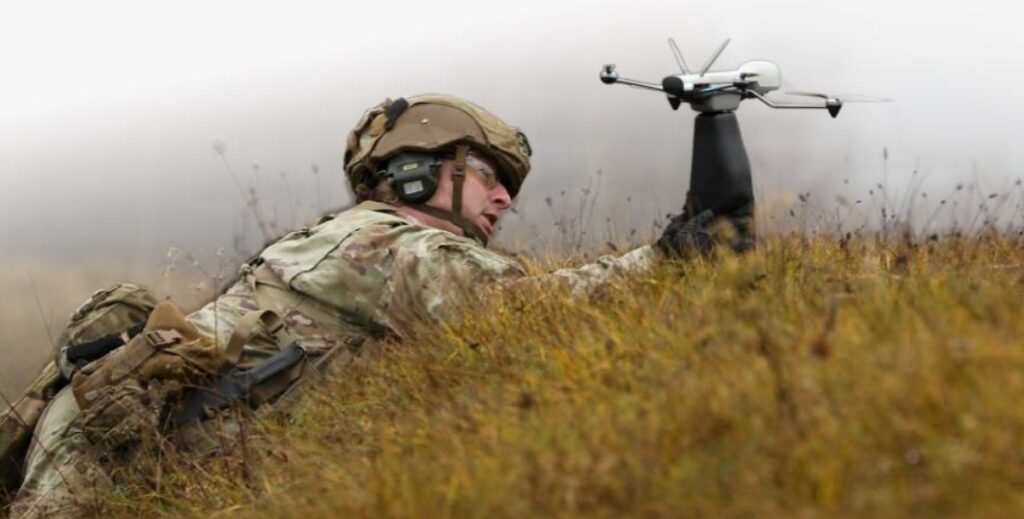
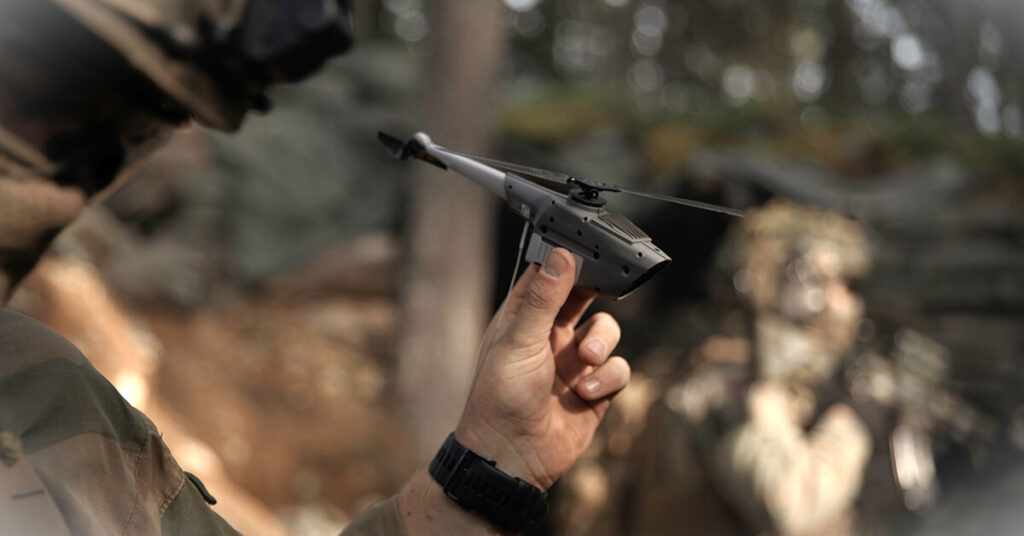
Military mini drones are carried as standard equipment in vest pouches. Their portability and rapid deployment make them suited for foot patrols where immediate situational awareness is required.
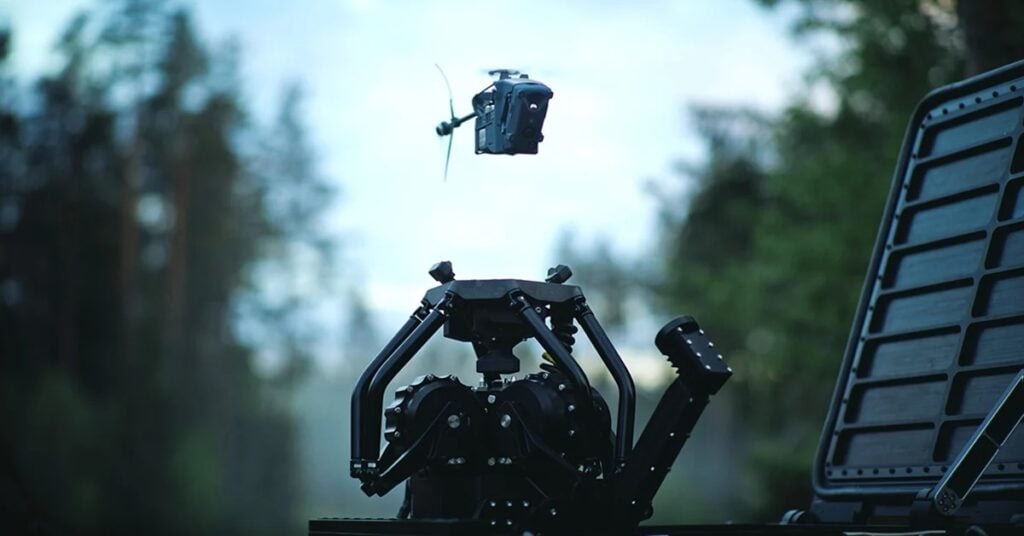
Integration with ground vehicles allows for extended operational reach. Vehicle-mounted systems can deploy and recover micro military drones while on the move, providing a mobile periscope for armored units.
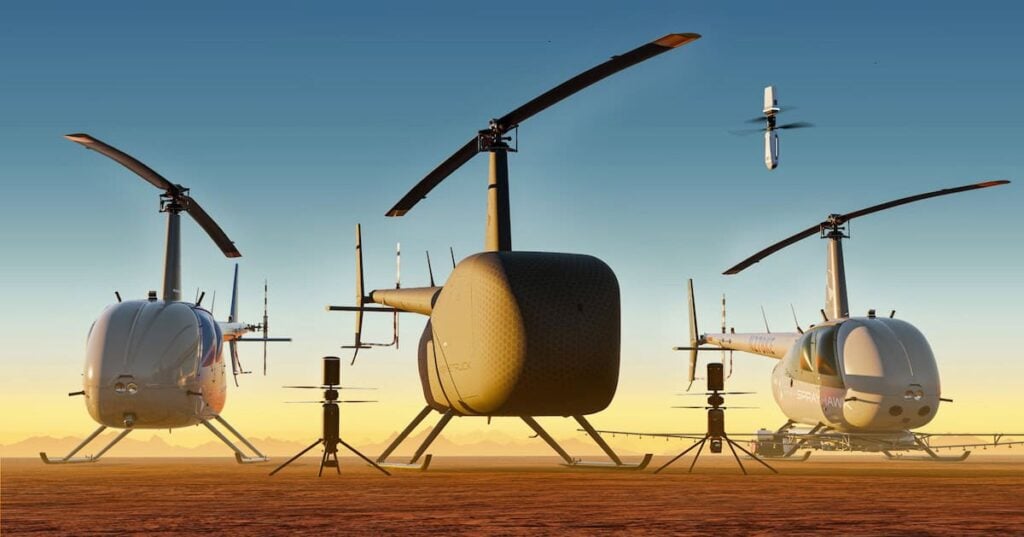
Swarm deployment enables simultaneous coverage of multiple areas, increasing operational efficiency. This approach is particularly relevant as coordinated multi-drone capabilities continue to develop.
A military mini helicopter drone or quadcopter is suited to indoor operations where GPS signals are unavailable. Outdoor operations introduce challenges such as wind resistance and environmental exposure, which require robust flight control.
The trajectory of the mini army drone and broader sUAS industry is moving toward deeper integration and increased onboard processing power. Engineers are currently focused on several high-priority development areas:
As these developments mature, future miniature spy drones will serve as increasingly autonomous, integrated components of the digital soldier toolkit, providing enhanced situational awareness on the battlefield.


 Searching Companies & Products