


Showcase your capabilities
If you design, build or supply Gimbal Payloads, create a profile to showcase your capabilities and connect with visitors who have an active requirement for your solutions.




Gimbal payloads integrate stabilized sensor systems into airborne, ground-based, and maritime platforms to support defense operations. These precision-engineered systems enhance targeting, surveillance, and reconnaissance capabilities across tactical and strategic missions.
Read the Technology Overview

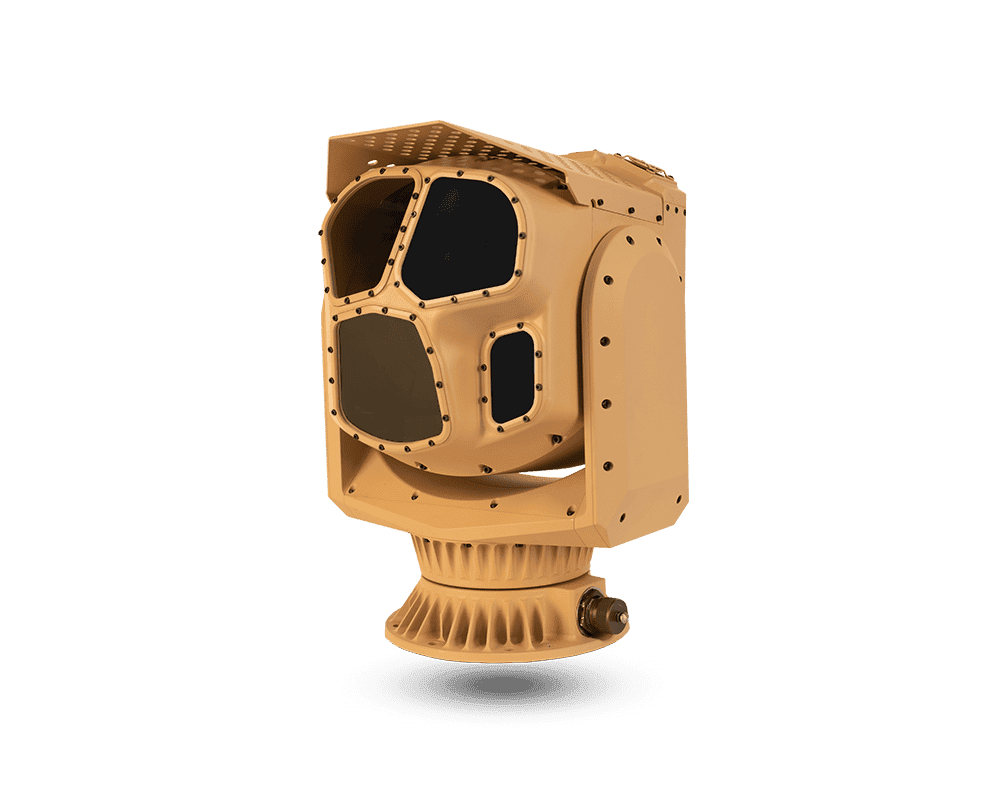

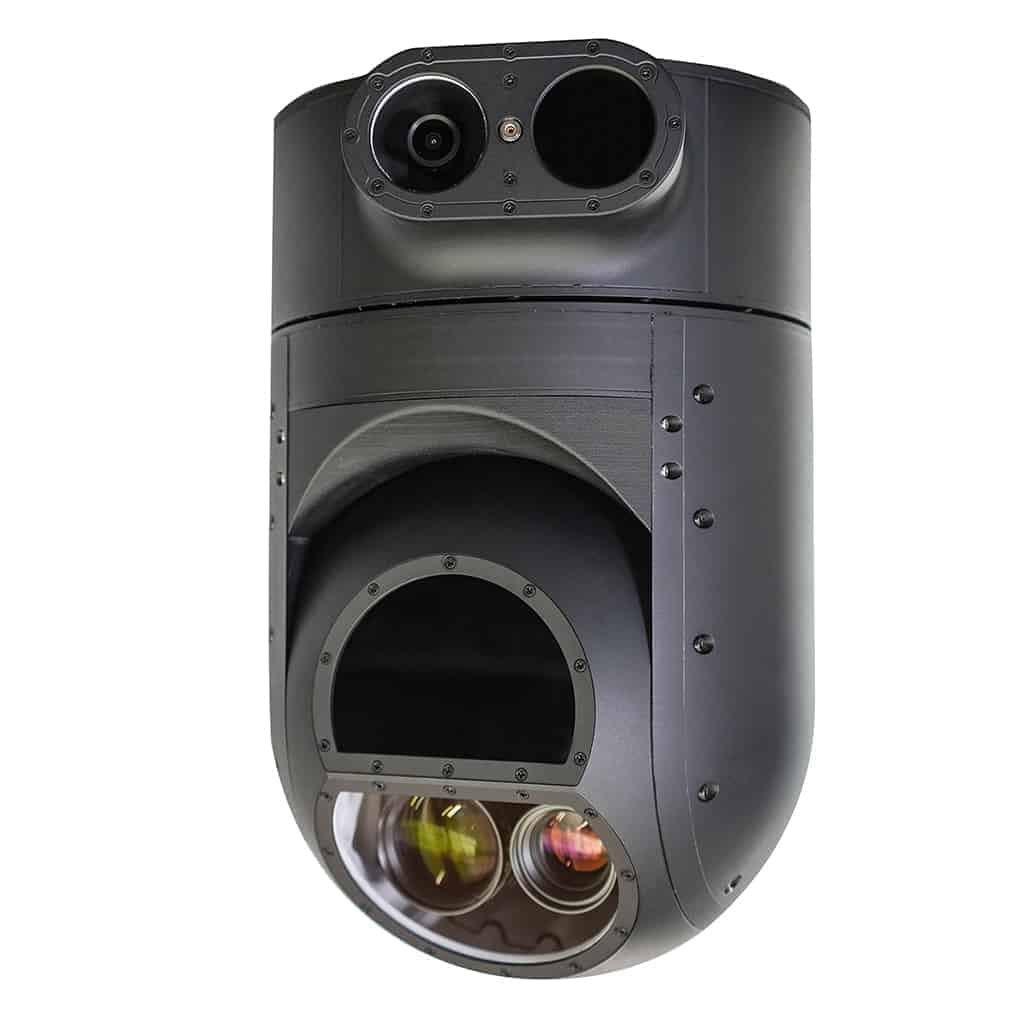
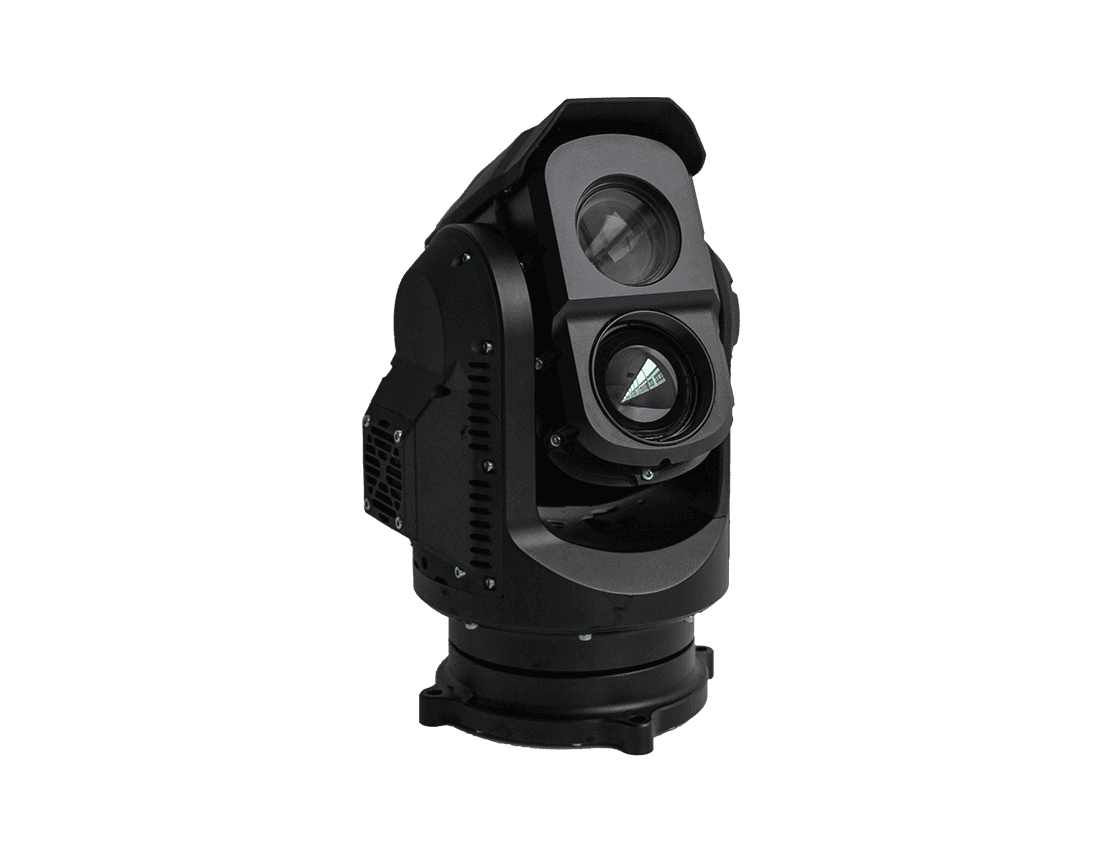
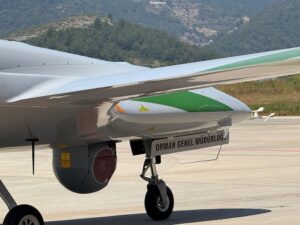
Advanced Mission Systems for Defense Forces Across the Land, Air, Naval & Space Domains

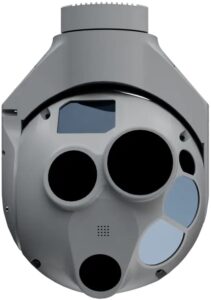
Cutting-Edge Visible & Thermal Imaging Camera Gimbal Payloads for Mission-Critical Applications

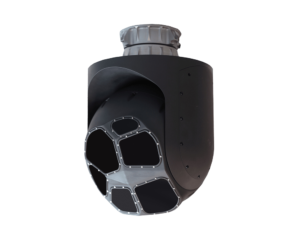
Gyro-Stabilized ISR Imaging Gimbal Systems for Tactical UAVs, Unmanned Systems, & Counter-UAS Platforms

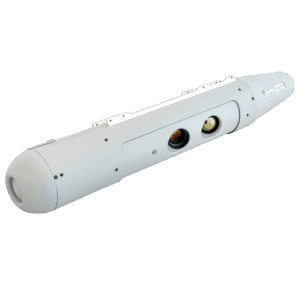
Advanced Imaging & Sensor Autonomy for Time-Critical Airborne Intelligence Missions

If you design, build or supply Gimbal Payloads, create a profile to showcase your capabilities and connect with visitors who have an active requirement for your solutions.

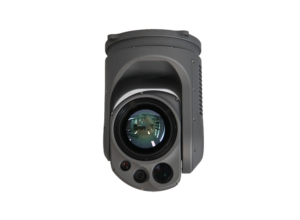
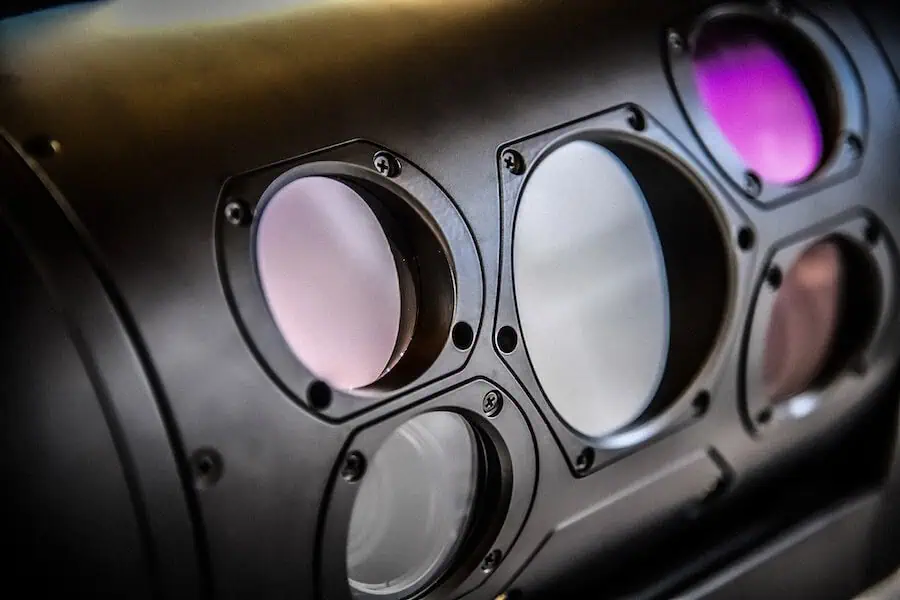
Gimbal payloads are multi-axis stabilized platforms that integrate electro-optical (EO), infrared (IR), multispectral, and auxiliary systems such as laser rangefinders, inertial sensors, and onboard processors to support mission-critical defense applications.
These systems provide persistent imaging, targeting, and geospatial intelligence in operational environments where clarity, speed, and precision are paramount.
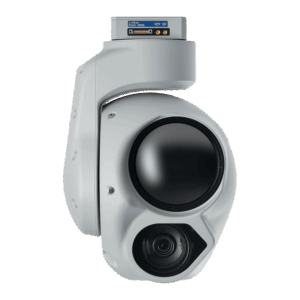
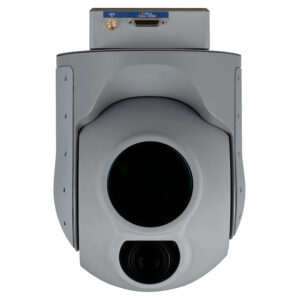
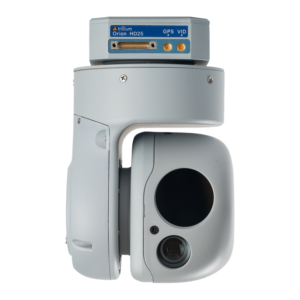
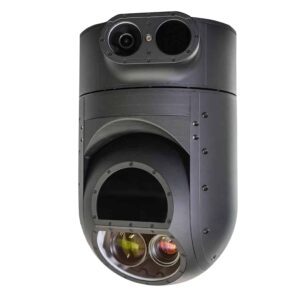
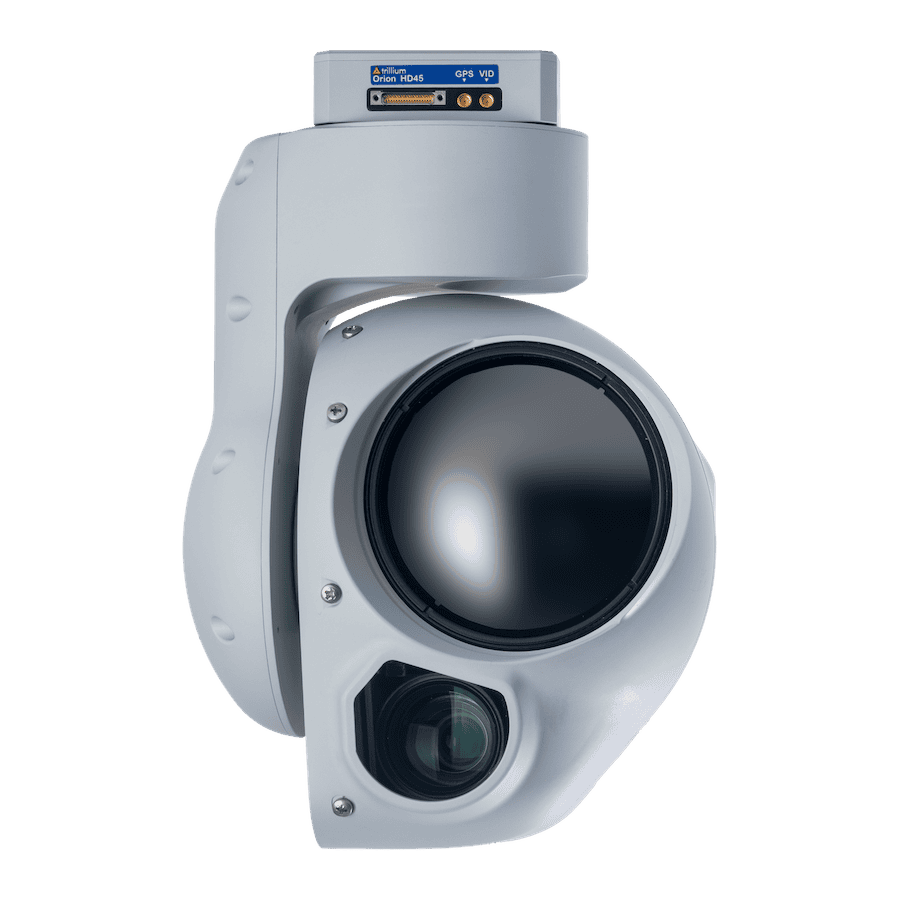
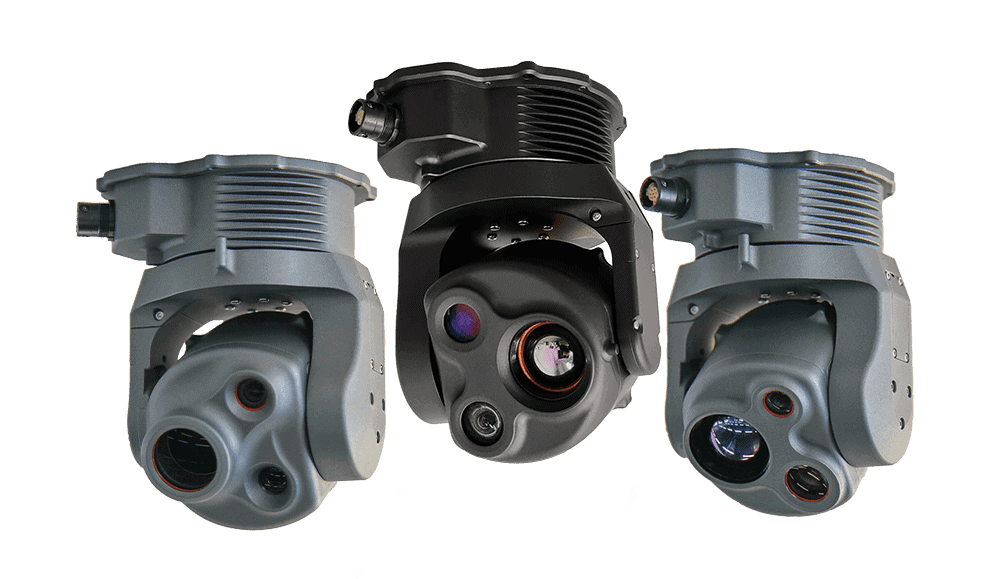
EO/IR UAV gimbal payload from Trillium.
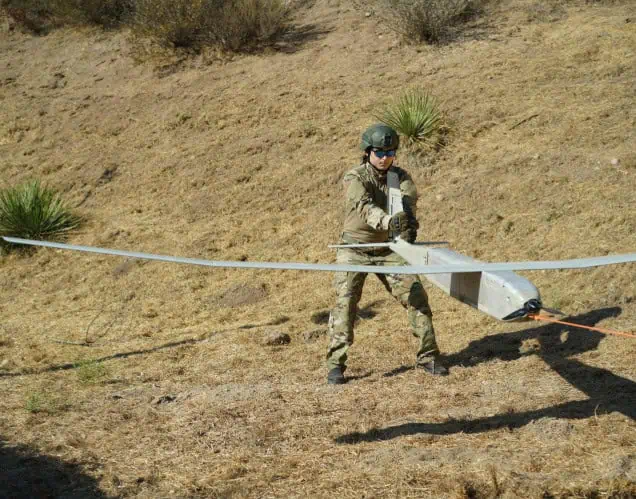
In modern battlefields, defense forces rely on gimbal payloads to fulfill roles from tactical reconnaissance and real-time targeting to long-range surveillance and counter-UAS operations. These payloads are embedded on platforms ranging from hand-launched UAVs and Group 5 drones to rotary-wing aircraft, ground vehicles, and naval assets. The miniaturization of sensors and advances in onboard processing continue to expand their deployment versatility and mission adaptability.
Gimbal payloads are engineered for versatility, enabling deployment across a broad range of missions:
Defense gimbal payloads typically integrate a combination of the following:
Stabilization performance defines gimbal utility. Defense-grade payloads incorporate dual or quad-axis configurations, providing continuous azimuth rotation and broad elevation control. Gyro-stabilization systems compensate for pitch, yaw, and roll, maintaining steady imagery even during rapid maneuvering or platform vibration. High-performance gimbals use brushless motors and magnetic encoders to achieve precision, responsiveness, and low acoustic signatures.
Operational features such as auto-horizon tracking, adjustable control modes, and mechanical locking mechanisms enhance reliability and safety during transport or system idle states. Advanced models may employ adaptive control algorithms, allowing the gimbal to dynamically react to changes in motion, wind conditions, or payload imbalance.
Gimbal payloads are integrated into various platforms, each presenting unique space, weight, and power (SWaP) constraints. UAVs, ranging from nano drones to long-endurance HALE systems, typically require lightweight and power-efficient gimbals. Rotary-wing and fixed-wing aircraft use modular gimbal systems mounted externally for unobstructed imaging fields. Ground vehicles may utilize mast-mounted or turret-integrated payloads for convoy security and battlefield awareness. Naval vessels and unmanned surface vehicles (USVs) employ marine-rated gimbals for ISR in coastal and open-sea operations.
Standardized interfaces such as STANAG 4586, Ethernet/IP, and MIL-STD connectors allow interoperability with ground control stations, command-and-control software, and digital mapping tools.
Defense missions subject gimbal payloads to extreme and variable environments. Systems must perform reliably in desert heat, arctic cold, maritime salt spray, and high-altitude low-pressure conditions. Payloads are typically engineered to operate across a temperature range of -40°C to +60°C and to resist moisture, dust, and particulate intrusion through sealed housings with IP66 or higher ratings.
Shock-absorbing mounts and compliant materials help mitigate the effects of vibration from ground vehicle engines or rotorcraft turbulence. In airborne deployments, gimbals must function in reduced atmospheric pressure and maintain calibration during rapid altitude changes. Optical clarity must be maintained despite condensation, salt crystallization, or fogging. These environmental protections are crucial for mission continuity and system longevity.
Gimbal payloads designed for military use adhere to rigorous environmental, electromagnetic, and interoperability standards. MIL-STD-810 ensures resilience against temperature extremes, dust, moisture, and vibration. MIL-STD-461 governs electromagnetic compatibility for safe operation among other electronics. NATO standards such as STANAG 4609 and STANAG 3733 ensure ISR video and payload control protocols align with coalition interoperability requirements. For airborne platforms, DO-160 provides guidelines for vibration, lightning, and altitude-related durability.
Modern gimbal payloads feature robust software architectures and communication protocols to ensure seamless integration. Control signals are transmitted over serial, CAN, or Ethernet interfaces, with video feeds delivered via SDI, IP, or HDMI outputs. Standard video encoding formats like H.264, H.265, and MJPEG support bandwidth-efficient transmission while complying with ISR standards such as STANAG 4609 for metadata tagging and frame synchronization.
Systems may support open architecture frameworks or proprietary SDKs, allowing integrators to customize functionality, interface with mission computers, and update firmware in the field. Gimbals often include web-based GUIs or dedicated operator control units for sensor switching, geo-pointing, and video streaming management. Data from IMUs and GPS modules can be logged for post-mission analysis or transmitted in real time to ground command stations.
Choosing the right gimbal payload involves evaluating mission requirements, platform constraints, and performance trade-offs. ISR-focused missions prioritize sensor resolution, zoom capability, and low-light performance, while targeting roles emphasize laser precision, geolocation accuracy, and low-latency control.
Platform size, endurance, and power supply influence the selection of compact versus full-featured gimbals. Harsh operating environments may require higher MIL-STD compliance and optical stabilization performance. Modular gimbals offer flexibility for upgrades or sensor reconfiguration, while sealed, fixed payloads maximize ruggedness.
Budget, lifecycle cost, and integration complexity also play roles in procurement decisions, particularly when deploying at scale across a mixed fleet of manned and unmanned systems.
| Payload Type | Sensor Composition | Primary Use | Platform Suitability |
|---|---|---|---|
| EO/IR Gimbals | Daylight and thermal imaging | General ISR | Manned and Unmanned |
| Multisensor Gimbals | EO, IR, SWIR, laser, IMU | Multi-Mission | Rotary, fixed-wing, large UAVs |
| Laser-Designator Gimbals | EO, IR, LRF, LTD | Precision Targetig | Tactical UAVs, JTAC |
| Miniature UAV Gimbals | EO, IR, compact build | Tactical ISR | Group 1–3 UAVs |
As defense strategies shift toward multidomain operations, gimbal payloads enable shared awareness and coordinated action. They serve as frontline data providers in joint all-domain command and control (JADC2) frameworks, transmitting ISR feeds and targeting data across air, land, sea, cyber, and space layers.
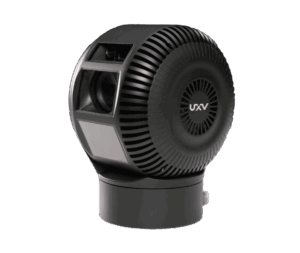
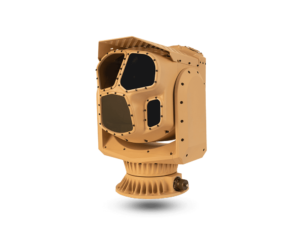
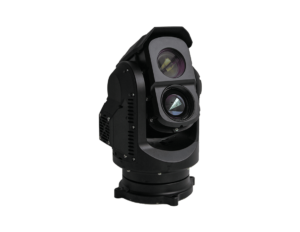
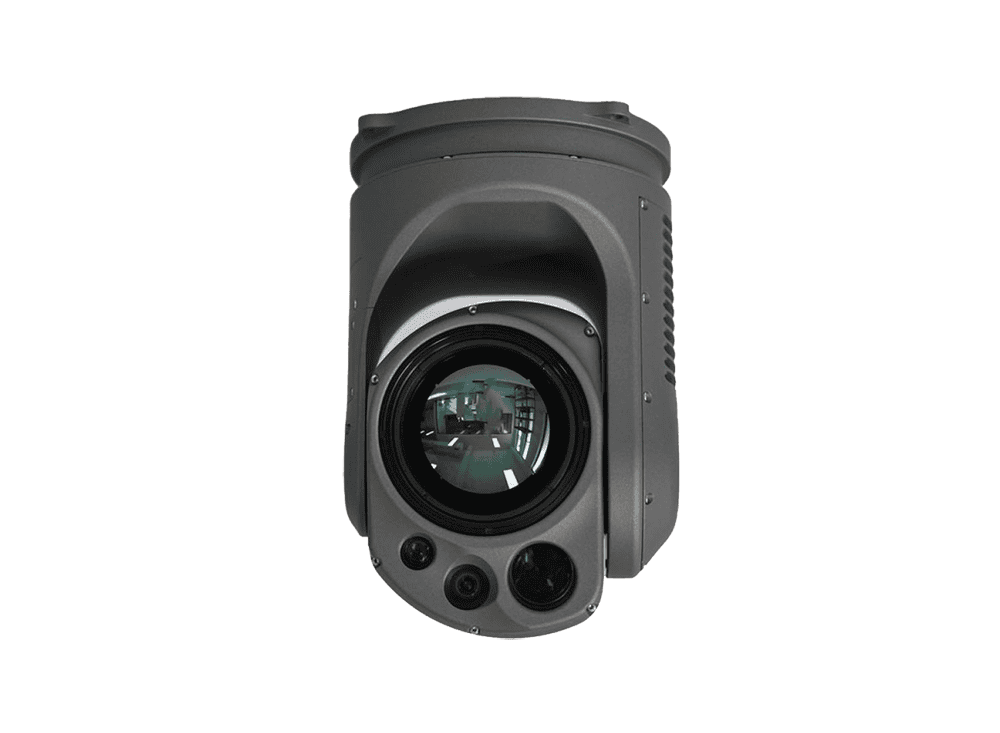
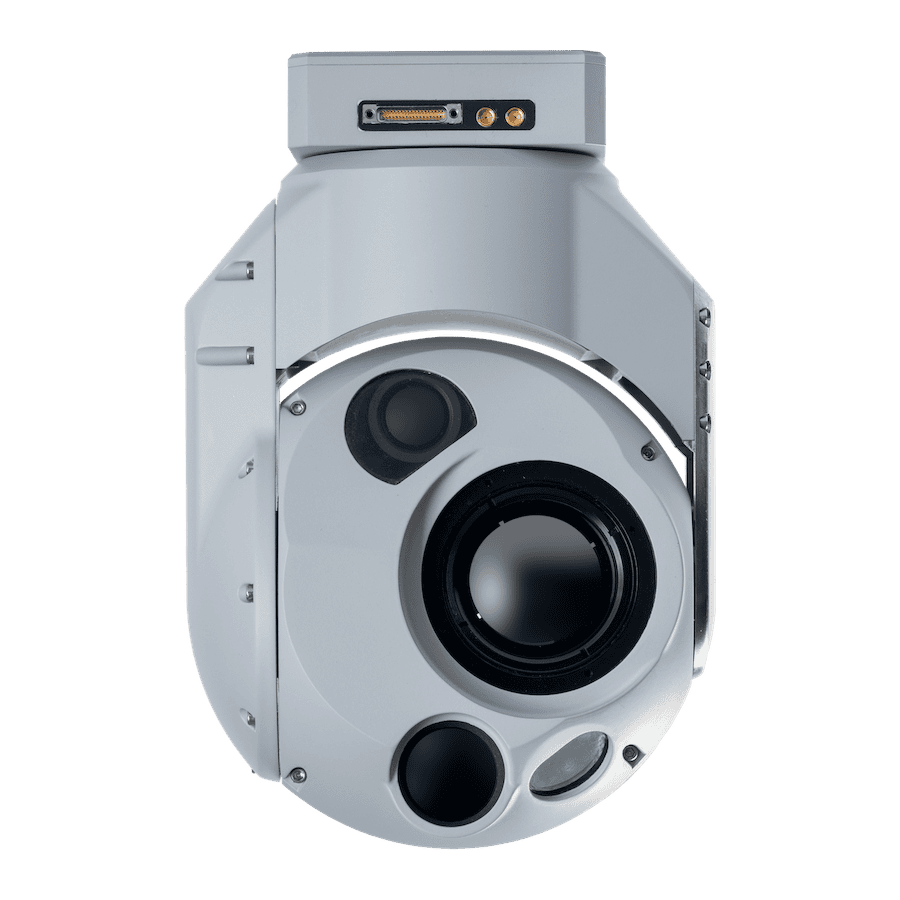
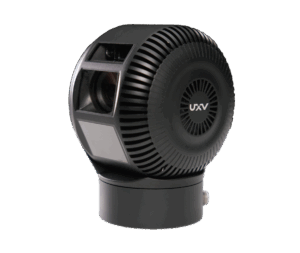
EO/IR gimbal payload from UXV Technologies.
In manned-unmanned teaming (MUM-T), gimbal-equipped UAVs extend the sensor reach of ground troops or crewed aircraft, providing overwatch, threat detection, and precision cueing. Gimbals also support persistent surveillance bubbles, linking through relay aircraft or satellites to maintain continuous coverage of operational zones.Their ability to function within tactical data links, mesh networks, and AI-enhanced analytics pipelines ensures sensor data is captured and acted upon in near-real time.
Ongoing advancements in gimbal technology are transforming their operational roles. AI-driven systems now support onboard processing of large data streams, enabling automatic detection, classification, and tracking of objects without human input. High-definition video and sensor fusion across EO, IR, and radar streams produce composite views of complex environments. Cybersecurity features have also improved, with encrypted data links and hardened processors preventing adversary exploitation.Emerging systems support augmented reality overlays, where ISR feeds are combined with geospatial data and tactical overlays to provide enhanced mission context. These overlays improve operator understanding of terrain, movement, and target relations in real time.Miniaturization is another key trend. New low-SWaP gimbals with cooled IR sensors and advanced optics now operate within small UAVs, expanding mission profiles for portable and dismounted units. At the same time, scalable architectures enable system integrators to deploy identical software frameworks across multiple gimbal sizes and classes.
Gimbal payloads deliver high operational value through their ability to extend vision, improve targeting accuracy, and compress decision cycles. Long-range zoom optics and thermal imaging allow early detection of threats and infrastructure. Embedded geolocation and tracking software support rapid targeting and real-time coordination with kinetic assets. When networked across platforms, gimbals contribute to layered ISR coverage, shared situational awareness, and collaborative threat engagement.
Whether conducting reconnaissance over hostile terrain, directing munitions to enemy positions, or scanning maritime zones for unauthorized activity, gimbal payloads play a pivotal role in modern defense strategies. Their blend of agility, endurance, and sensing capability makes them indispensable assets across all branches of the armed forces.


 Searching Companies & Products