Showcase your capabilities
If you design, build or supply Directed Energy Weapons, create a profile to showcase your capabilities and connect with visitors who have an active requirement for your solutions.



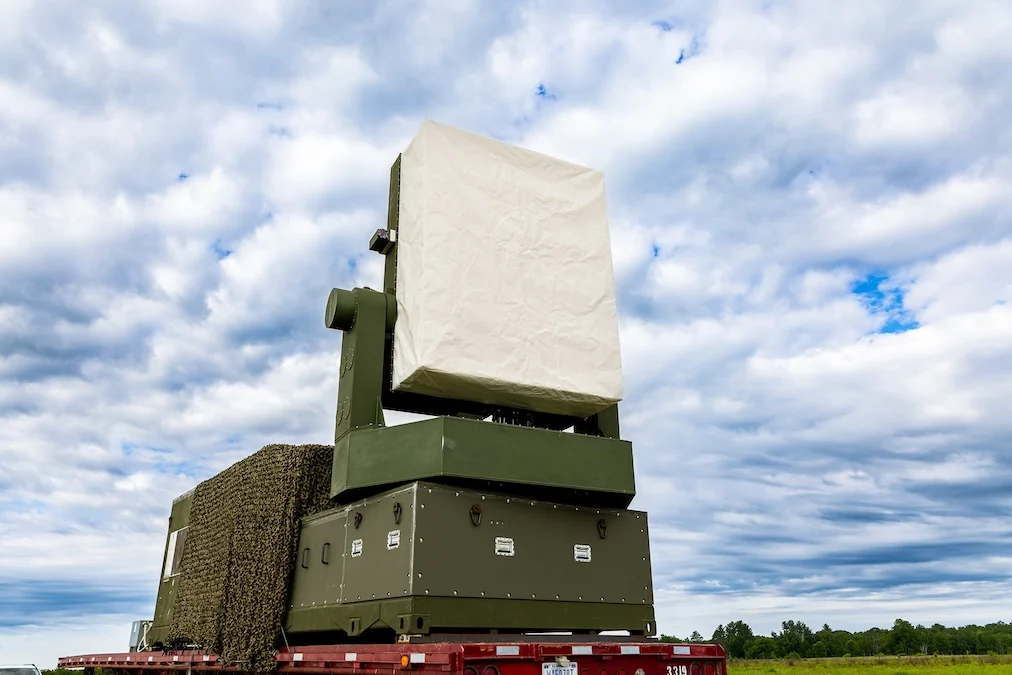
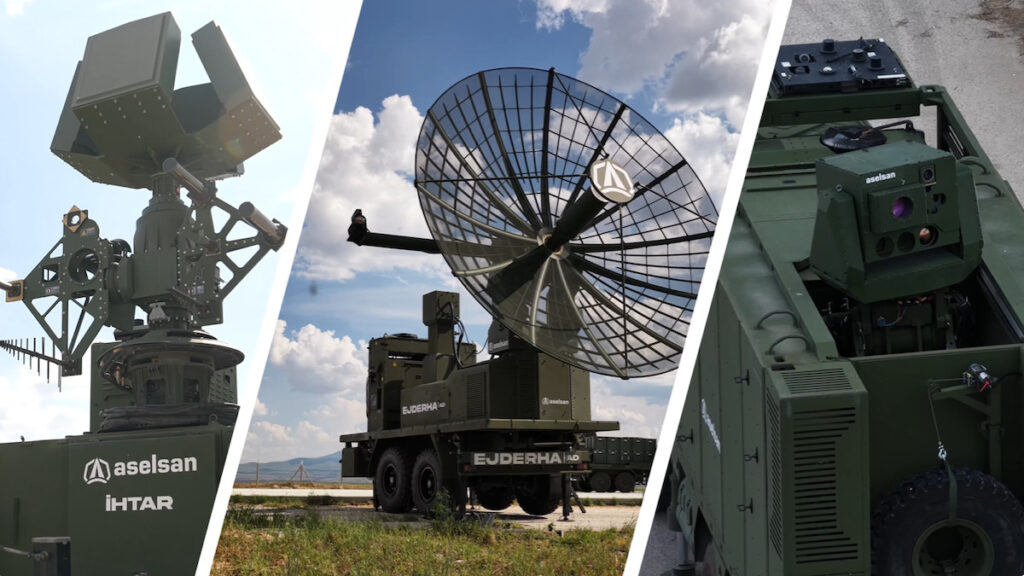
Directed Energy Weapons (DEW) are military systems that use concentrated electromagnetic energy to disrupt, disable, or damage targets without conventional projectiles. These technologies include High-Energy Laser (HEL), High-Power Microwave (HPM), and Radio Frequency (RF) weapons.
This page features suppliers of DEW systems for Counter-Unmanned Aircraft Systems (C-UAS) operations, air defense, military asset protection, and maritime security.
Read the Technology Overview
Advanced Mission Systems for Defense Forces Across the Land, Air, Naval & Space Domains

If you design, build or supply Directed Energy Weapons, create a profile to showcase your capabilities and connect with visitors who have an active requirement for your solutions.

Directed Energy Weapons (DEW) are military systems that use concentrated electromagnetic energy to disable, disrupt, or damage hostile targets. Unlike conventional weapons that rely on physical projectiles, directed energy weapon systems deliver energy through focused laser beams, high-power microwaves, or other Radio Frequency (RF) emissions. These technologies support air defense, counter-drone operations, electronic attack, and the protection of military assets.
Military directed energy weapons include High-Energy Laser (HEL) systems designed for precise target engagement and High-Power Microwave (HPM) systems capable of disrupting or damaging vulnerable electronic equipment. DEW technology is being integrated into fixed installations, armored vehicles, naval vessels, and mobile defense platforms, providing additional engagement options alongside conventional kinetic weapons.
Directed energy weapon technologies differ in their operating frequencies, energy delivery methods, target effects, and operational requirements. The principal types include laser-based systems that produce concentrated thermal effects and electromagnetic weapons designed to disrupt or damage electronic components and circuits. Some classifications overlap, particularly among RF, microwave, and pulsed electromagnetic systems.
| Weapon Type | Operating Principle | Key Characteristics |
| High-Energy Laser (HEL) Weapons | Deliver concentrated optical energy to damage or disable targets through localized heating. | Precise, line-of-sight engagement using beam directors and tracking systems. Effectiveness depends on atmospheric conditions, beam quality, available power, and engagement time. |
| High-Power Microwave (HPM) Weapons | Emit intense microwave energy to disrupt or damage susceptible electronic circuits and systems. | Can illuminate wider target areas than lasers, potentially affecting multiple electronic targets. Effectiveness depends on electromagnetic coupling, shielding, and target susceptibility. |
| Radio Frequency (RF) Directed Energy Weapons | Use high-intensity RF emissions to induce disruptive or damaging effects in vulnerable electronic equipment. | Broad category encompassing certain microwave weapons. Unlike conventional RF jamming, these systems are designed to disrupt or damage electronic hardware through electromagnetic energy. |
| Millimeter-Wave Directed Energy Systems | Generate focused electromagnetic emissions, typically operating within the 30 to 300 GHz frequency range. | High-frequency electromagnetic beams with effects dependent on frequency, exposure characteristics, and target properties. Performance is influenced by atmospheric absorption and propagation distance. |
| Pulsed Electromagnetic Directed Energy Systems | Deliver short bursts of high-intensity electromagnetic energy, including pulsed microwave or broadband RF emissions. | Use pulsed energy delivery rather than continuous emission. This classification overlaps with certain HPM and RF weapon architectures, with effectiveness dependent on pulse characteristics and target coupling. |
Directed energy weapon systems combine specialized energy-generating equipment with targeting, control, and support technologies. Their configuration depends on the weapon architecture, required output, platform integration, and intended military application.
Effective system integration requires coordinated management of electrical power, thermal loads, sensor feedback, tracking accuracy, and engagement control, particularly for mobile and high-duty-cycle applications.
Military directed energy weapons provide additional defensive capabilities against aerial, electronic, and other suitable threats. Their applications range from individual drone interception to the protection of deployed forces, naval platforms, and strategically important installations.
Directed energy weapons against drones are a major area of military development and deployment, providing alternatives to missile-based and conventional gun-based interception. High-energy laser systems can engage individual Unmanned Aircraft Systems (UAS) through concentrated thermal energy, while high-power microwave systems may disrupt multiple vulnerable drones within an illuminated area. These C-UAS directed energy systems are particularly relevant to defending against small drones and coordinated drone attacks. Laser anti-drone systems require accurate target tracking and sufficient engagement time, while microwave systems depend on the electronic susceptibility and shielding of the target aircraft.
Directed energy air defense systems are being developed to complement conventional interceptors against selected airborne threats. High-energy lasers may engage certain rockets, artillery projectiles, mortars, and missiles when sufficient power, tracking precision, and engagement time are available. Counter-Rocket, Artillery, and Mortar (C-RAM) applications place particularly demanding requirements on response time and target tracking. Directed energy weapons can offer a low marginal energy cost per engagement, although their effectiveness remains constrained by target characteristics, atmospheric conditions, line of sight, and system power capacity.
Fixed military installations and Forward Operating Bases (FOBs) can employ directed energy weapon systems to defend against drones, surveillance platforms, and other suitable threats. Ground-based DEW installations may integrate radar, EO/IR sensors, and command systems to support persistent monitoring and defensive engagements. Fixed installations can also accommodate larger power supplies and cooling infrastructure than many mobile platforms. These capabilities support the protection of airfields, command facilities, ammunition storage areas, and other critical military infrastructure.
Vehicle-mounted directed energy weapons provide mobile forces with additional protection against small UAS and selected aerial threats. Laser and high-power microwave systems can be integrated into suitable tactical vehicles, subject to available electrical power, cooling capacity, and installation space. These systems may support convoy protection, maneuver force defense, and short-range counter-drone operations. Their integration requires balancing weapon performance with vehicle mobility, onboard electrical demands, and environmental durability.
Naval directed energy weapon systems are undergoing testing and integration for shipboard protection against drones, small surface threats, and selected airborne targets. High-energy laser weapons can provide precision engagement capabilities, while microwave-based technologies offer potential options for disrupting susceptible electronic systems. Naval vessels may accommodate substantial electrical generation and cooling equipment, although available capacity depends on the ship’s design. Maritime DEW installations must also account for platform motion, saltwater exposure, atmospheric effects, and integration with existing combat management systems.
Directed energy technology can support electronic attack missions by interfering with vulnerable electronic equipment or optical sensors. RF and microwave weapons may produce disruptive or damaging effects in susceptible circuits, while specialized laser systems can dazzle, interfere with, or damage electro-optical sensing equipment. These capabilities may be relevant to counter-surveillance operations and the protection of military assets from hostile reconnaissance. The resulting effects depend on the weapon technology, target construction, operating conditions, and applicable engagement restrictions.
Advances in laser technology, electromagnetic emitters, power electronics, and targeting systems are supporting the development and operational integration of directed energy solutions. Engineering efforts focus on increasing output, improving efficiency, reducing system size and power requirements, and expanding counter-drone capabilities.
Continued testing, deployment, and integration of directed energy weapon systems are expanding their role in layered military defense, particularly for counter-drone protection, electronic attack, and short-range air defense operations.


 Searching Companies & Products