



MKS Ophir is addressing the challenges of next-generation MWIR and LWIR imaging systems as detector pixel sizes continue to shrink. Read more >>
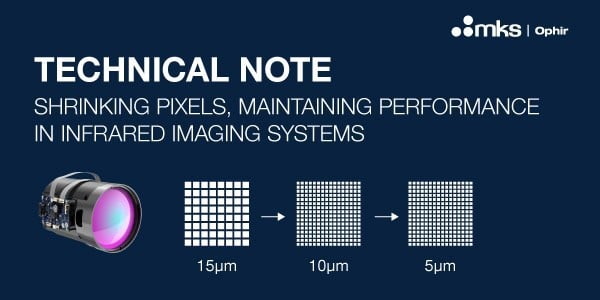
With pixel pitch reduced from 17 µm to as small as 5 µm, imaging platforms can now be made more compact, lightweight, and cost-efficient. However, this shift requires more advanced optics, designed specifically to match the characteristics of smaller detectors, in order to preserve image quality and resolution.
While smaller focal plane arrays (FPAs) offer benefits such as reduced cooling power, shorter optical paths, and better integration into SWaP-C-constrained systems, they also bring new challenges. Reduced pixel area lowers photon collection and signal-to-noise ratio, while tighter optical tolerances demand lenses with higher modulation transfer function (MTF) at increased spatial frequencies. Simply reusing optics designed for larger detectors results in performance losses, making specialized optical design and manufacturing essential.
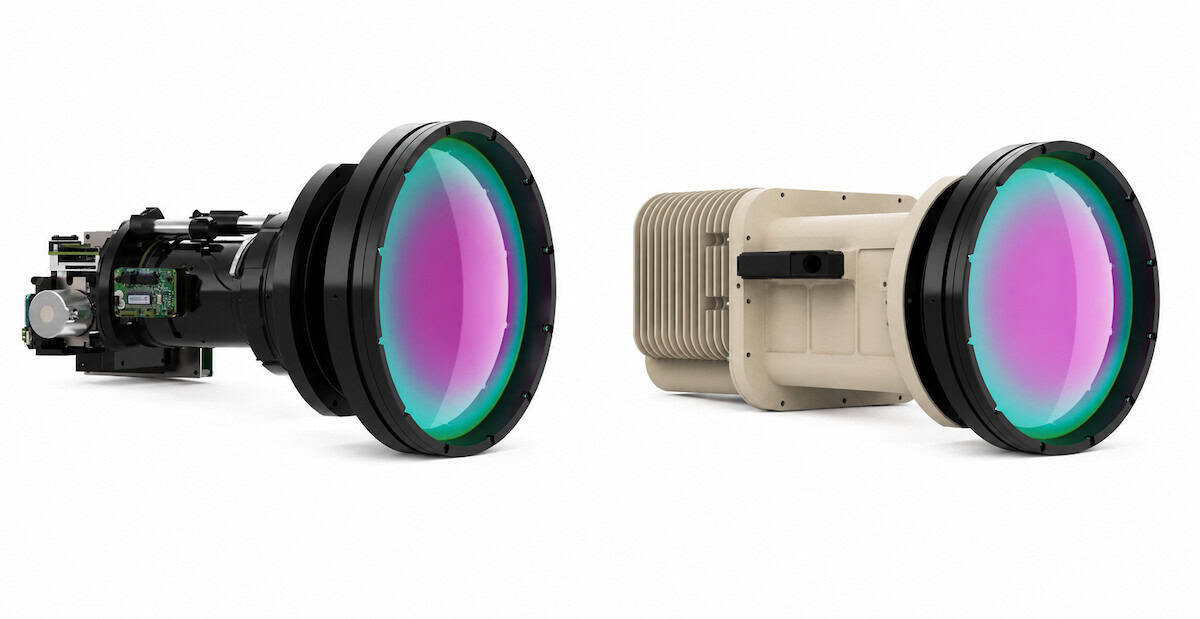
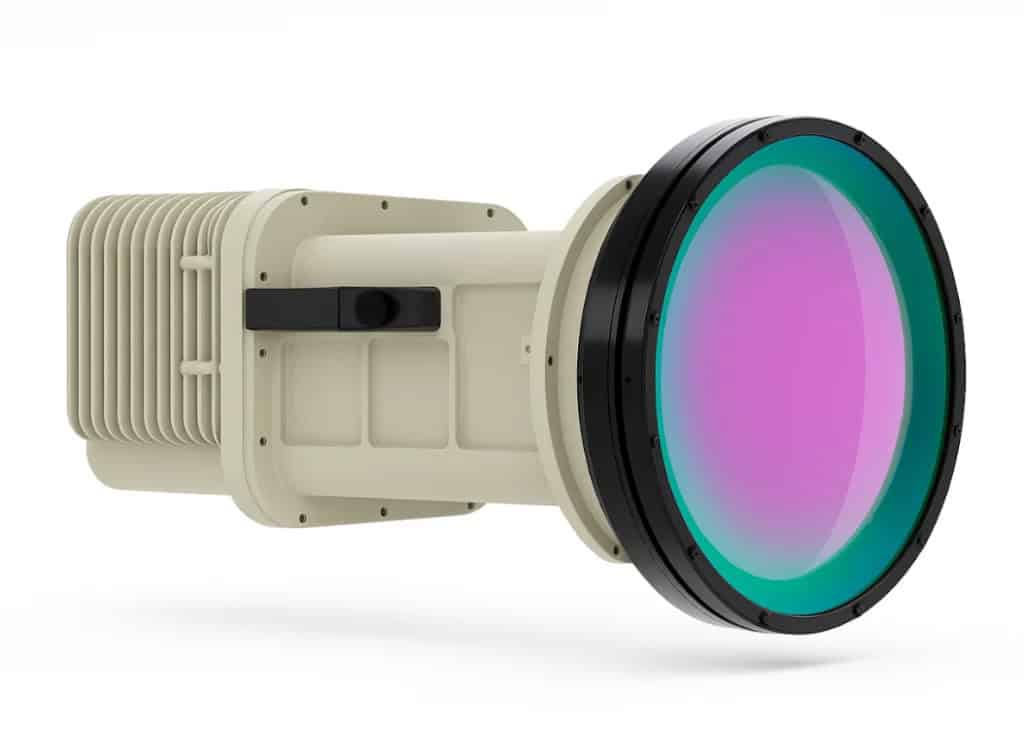
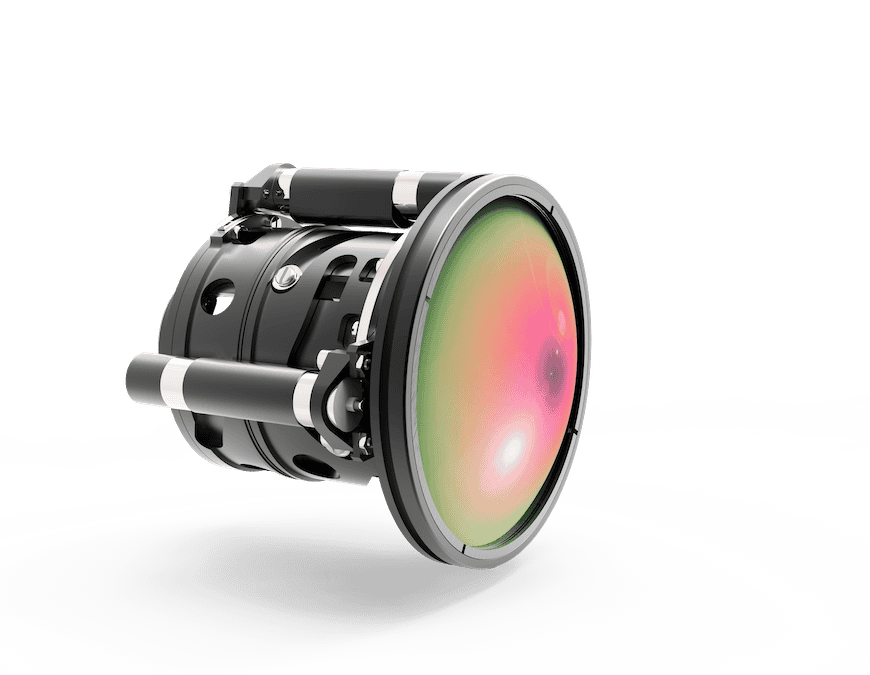
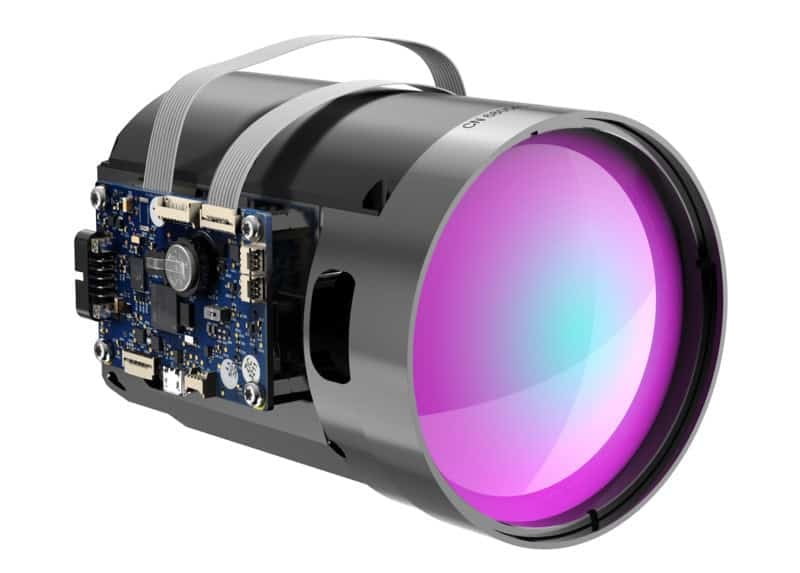
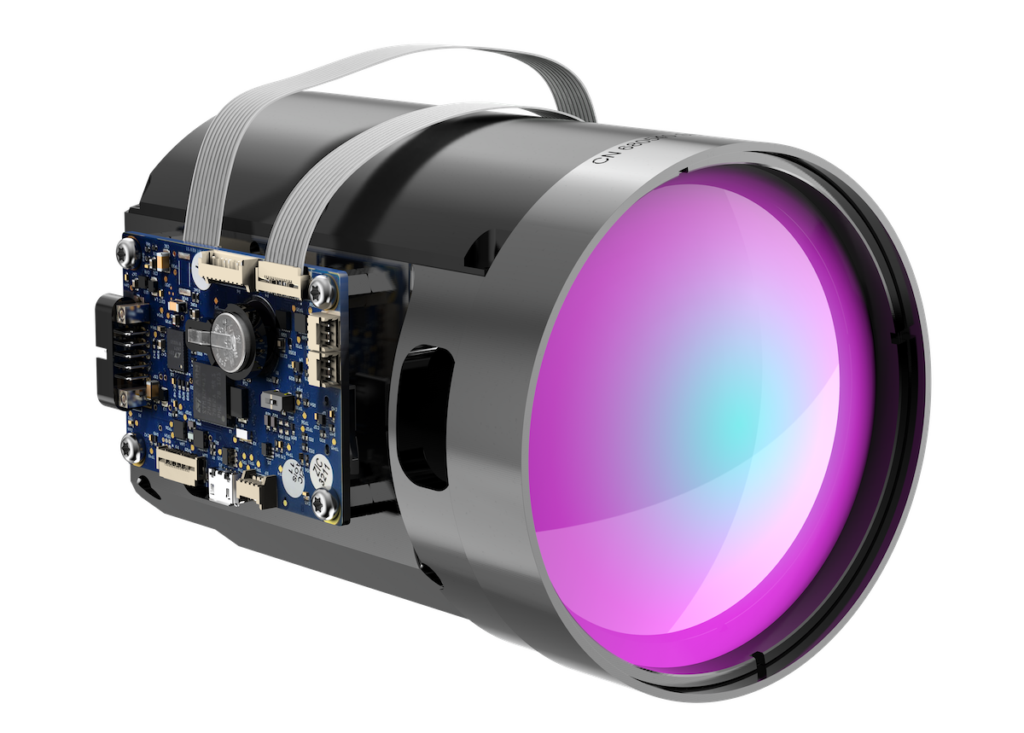
Through its Ophir Infrared Optics product line, MKS provides tailored solutions that maintain performance when working with small pixel pitch detectors. The company’s vertically integrated design, fabrication, and assembly capabilities enable optics that meet exacting tolerances for alignment, wavefront precision, and environmental durability. Recent developments include the SupIR 10–135mm f/1.8 continuous zoom MWIR lens, optimized for cooled SXGA detectors with 5 µm pixel pitch, delivering near-diffraction-limited performance for long-range detection.
The move to smaller pixels promises higher performance and better SWaP-C optimization, but only when matched with optics designed for the task. To explore the technical considerations in detail and learn how MKS Ophir is enabling system developers to fully realize the potential of new infrared detectors, read the full article on MKS Ophir’s website.