Showcase your capabilities
If you design, build or supply MEMS Gyroscopes, create a profile to showcase your capabilities and connect with visitors who have an active requirement for your solutions.




MEMS gyroscopes (Microelectromechanical Systems gyroscopes) enable precise angular velocity sensing in compact, power-efficient formats. Leveraging the principles of the Coriolis effect, these sensors offer exceptional performance for navigation, stabilization, and orientation tasks across a wide range of military platforms.
Read the Technology Overview

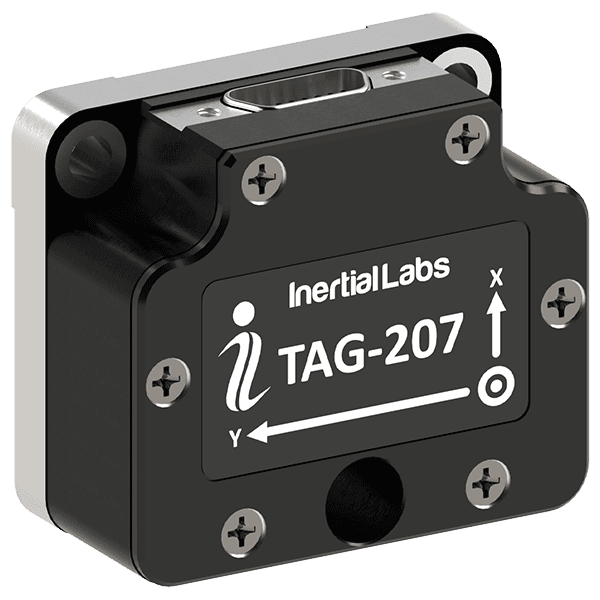

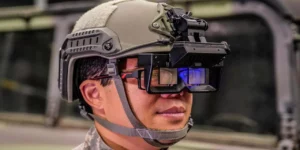
Advanced Solutions for Defense Modernization: Propulsion, Sensors, Communication & Augmented Reality Systems

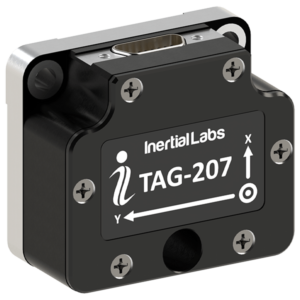
Tactical Grade IMU, GPS/INS, Weapon Orientation Solutions

High-Precision MEMS, Quartz & FOG Inertial Sensing Systems for Military, Aerospace & Defense Applications


High-Performance Fiber Optic and MEMS Inertial Sensors & Navigation Systems

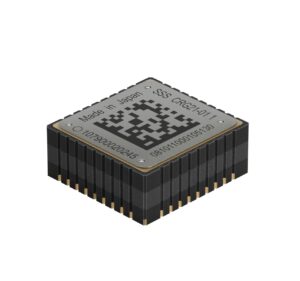
MEMS Inertial Sensors, Gyroscopes & Accelerometers for Inertial Guidance, Control & Stabilization

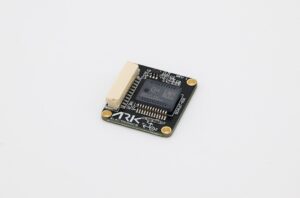
State-Of-The-Art NDAA-Compliant Electronic Hardware Components for Mission-Critical Drone & Robotics Platforms. Made in the USA.

If you design, build or supply MEMS Gyroscopes, create a profile to showcase your capabilities and connect with visitors who have an active requirement for your solutions.

MEMS gyroscopes are compact angular velocity sensors that are essential components of modern navigation and control systems. As a subclass of microelectromechanical systems, MEMS gyros are built on silicon-based microfabrication technology. They measure rotational motion through the Coriolis effect, which occurs when a vibrating mass experiences angular velocity. These electronic gyroscopes convert the Coriolis force into electrical signals, enabling highly accurate, real-time feedback.
A MEMS gyroscope is a miniaturized device that detects angular velocity using vibrating structures. Unlike traditional spinning mass gyroscopes, MEMS sensors leverage microscopic mechanical components to determine changes in orientation. The design reduces size and power requirements while maintaining sufficient sensitivity for tactical and strategic defense applications.
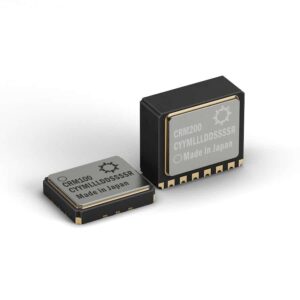
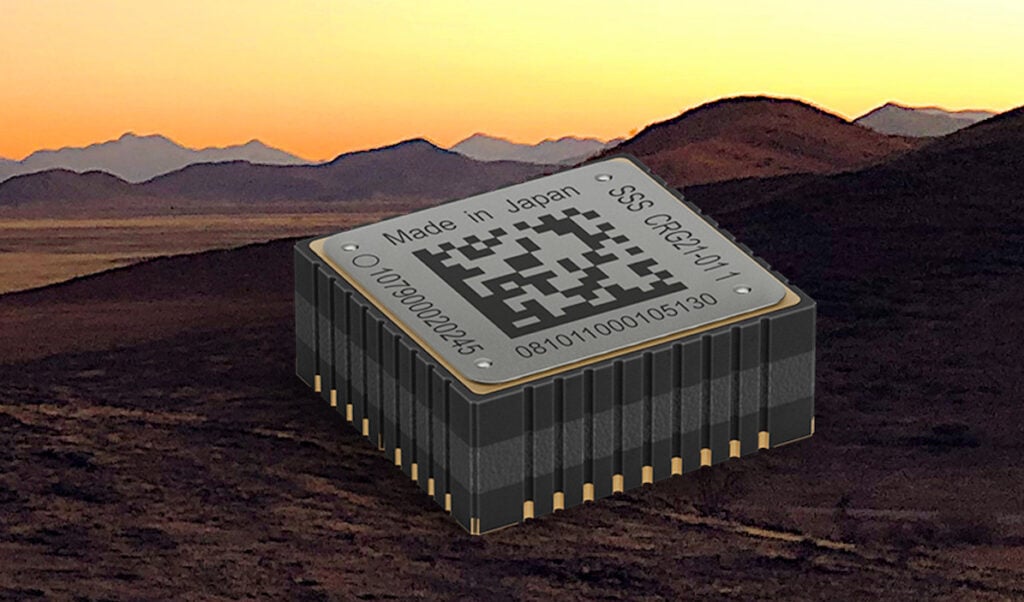
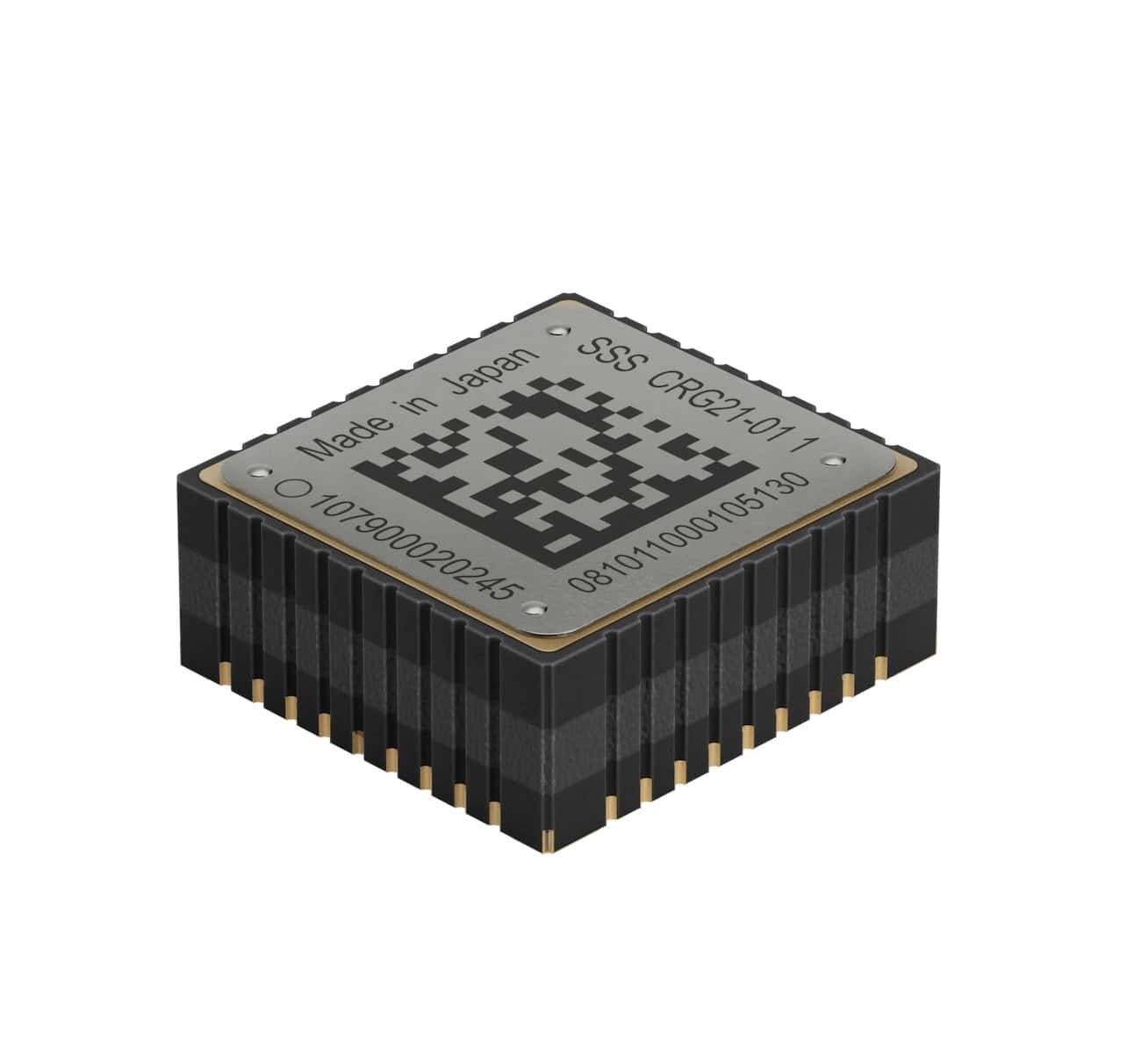
MEMS Gyroscopes by Silicon Sensing
MEMS gyroscopes use a vibrating structure, commonly referred to as a vibrating structure gyroscope or a Coriolis vibratory gyroscope, that detects movement through tiny shifts in resonating masses. When the device rotates, the Coriolis effect causes a measurable deflection in the structure, which is then translated into an electrical output. Advanced MEMS gyroscope sensors can capture motion across one, two, or all three axes (as with 3-axis MEMS gyroscopes), providing full spatial awareness.
Traditional gyroscopes rely on mechanical spinning rotors, which offer high precision but are bulky and sensitive to environmental conditions. MEMS gyroscopes, by contrast, offer advantages in ruggedness, size, and scalability. Their ability to be integrated with other MEMS sensors, such as MEMS accelerometers, allows for the creation of inertial measurement units (IMUs) with combined sensing capabilities. This integration supports advanced guidance, navigation, and control systems in compact packages.
MEMS gyroscopes are embedded in a wide range of defense technologies, offering reliable motion sensing for guidance, stabilization, targeting, and situational awareness. The following sections categorize key applications across defense domains:
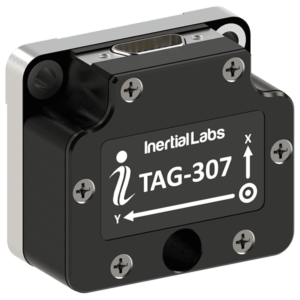
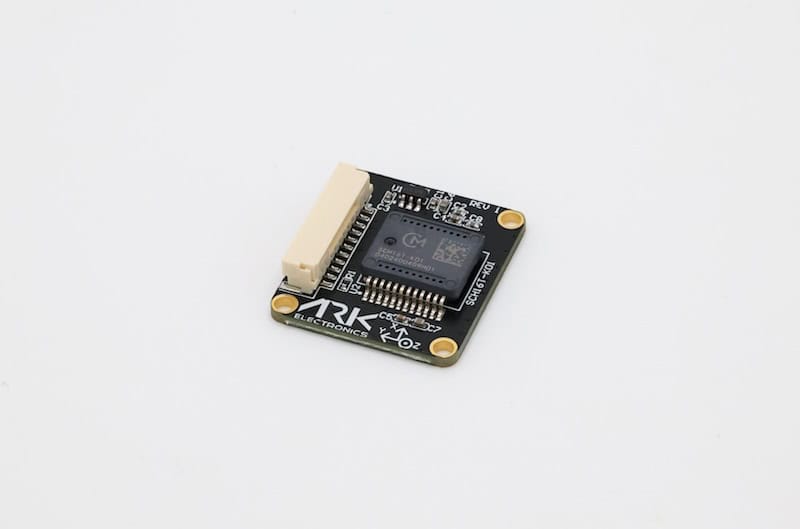
3-Axis MEMS Gyroscope by Inertial Labs
MEMS gyroscopes are integral to unmanned systems, where size, weight, and power efficiency are paramount. In UAVs (Unmanned Aerial Vehicles), UGVs (Unmanned Ground Vehicles), and USVs (Unmanned Surface Vehicles), MEMS gyro sensors support:
Their low power consumption makes them ideal for drones and robotics that operate in extended or autonomous missions.
Soldier-worn systems utilize MEMS gyroscopes to enhance individual situational awareness and survivability. Applications include:
By combining gyroscope data with GPS and other sensors, personnel can maintain orientation and mission alignment even in GPS-denied environments.
In manned military platforms, MEMS gyroscopes are embedded in avionics, fire control, and stabilization systems. These sensors contribute to:
The rugged nature of MEMS gyroscopes makes them suitable for harsh operational environments, including vibration and shock-prone conditions.
MEMS gyroscopes are used in counter-unmanned aircraft systems (C-UAS) and electronic warfare tools to support:
As drones become a common threat vector, MEMS gyroscopes support real-time positioning and targeting solutions within compact countermeasures.
In smart weapons and guided munitions, MEMS gyros help deliver high accuracy while maintaining a compact footprint. Key uses include:
Their resistance to extreme acceleration and temperature makes MEMS gyros suitable for use in projectiles and missiles.
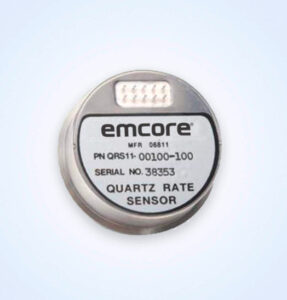
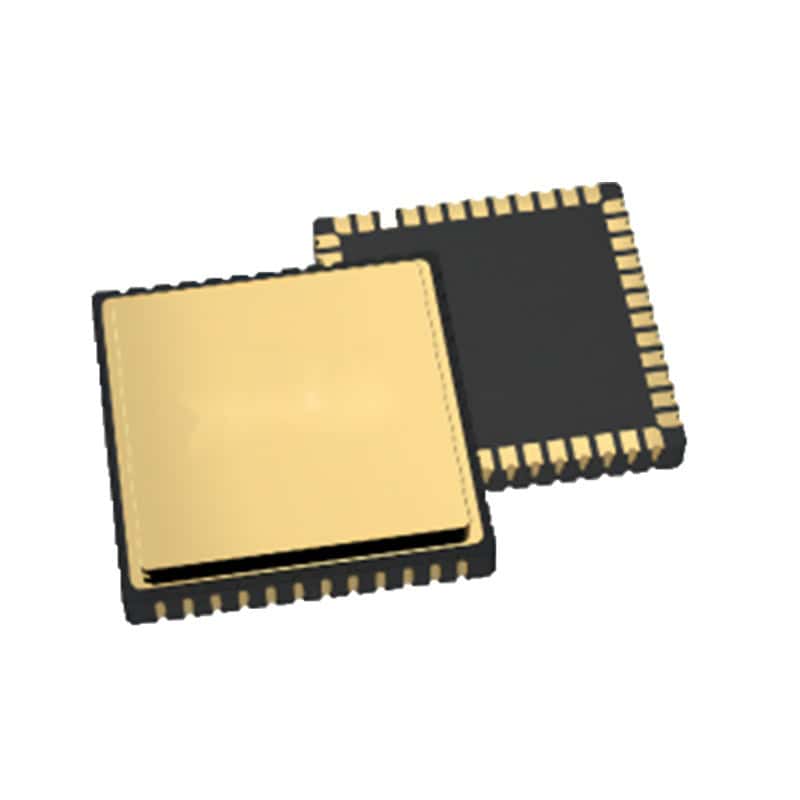
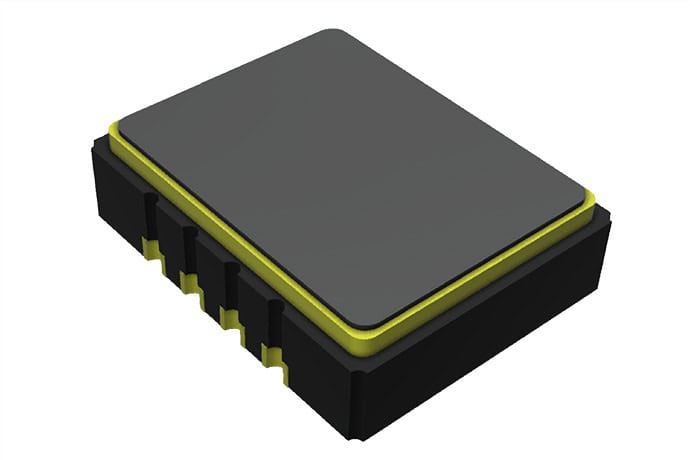
MEMS Sensor Gyroscope by Emcore
Though underwater applications present challenges for MEMS due to pressure and thermal variability, ruggedized MEMS gyros still serve in:
In integrated systems, MEMS gyroscopes complement magnetic and acoustic sensors to improve underwater inertial navigation.
MEMS gyroscopes are often integrated with MEMS accelerometers and magnetometers to form complete inertial measurement units (IMUs). These multi-axis IMUs provide robust positional tracking and orientation data, crucial in environments where GPS is unavailable or unreliable. MEMS sensors also pair with barometers and GPS receivers in fusion algorithms that deliver more accurate positioning.
The benefits of MEMS gyroscopes for defense applications are numerous:
These advantages have driven widespread adoption in both tactical and strategic defense systems.
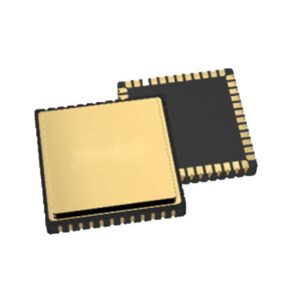
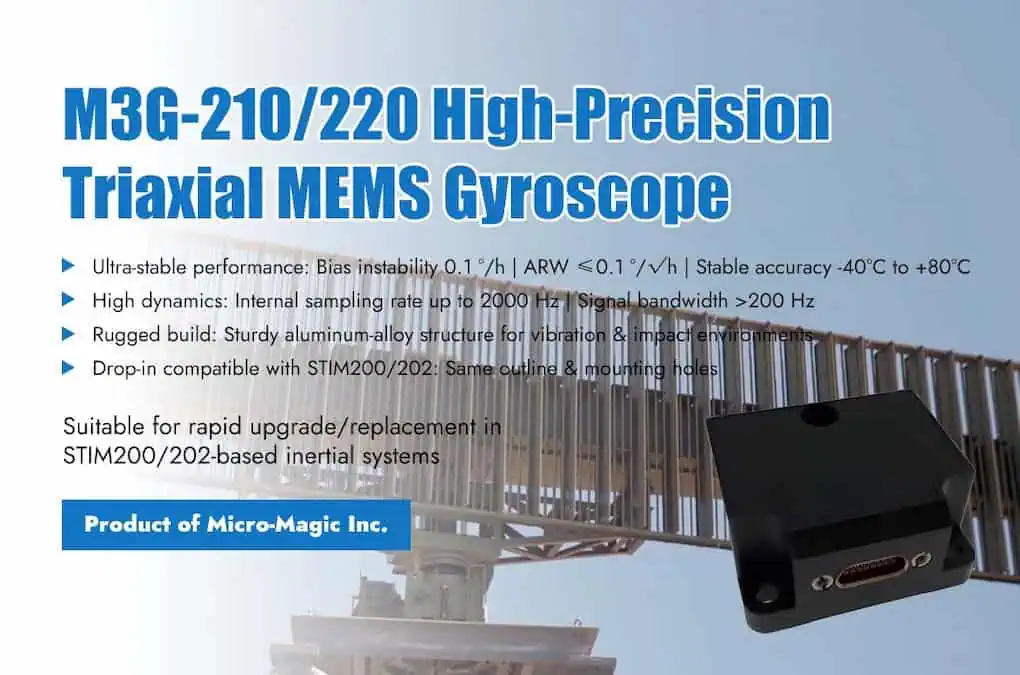
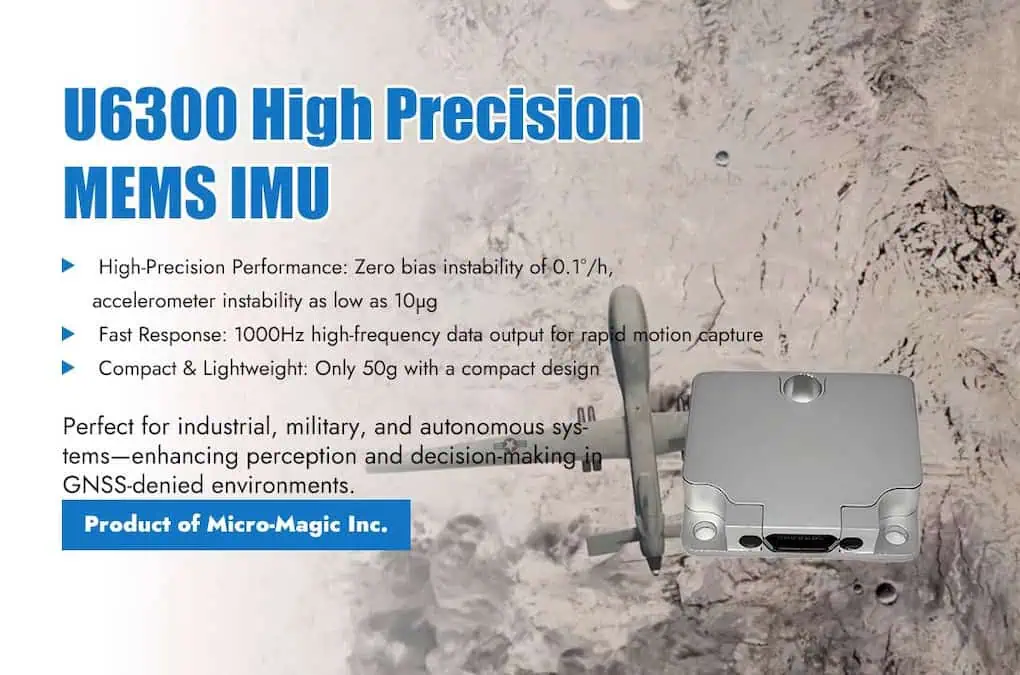
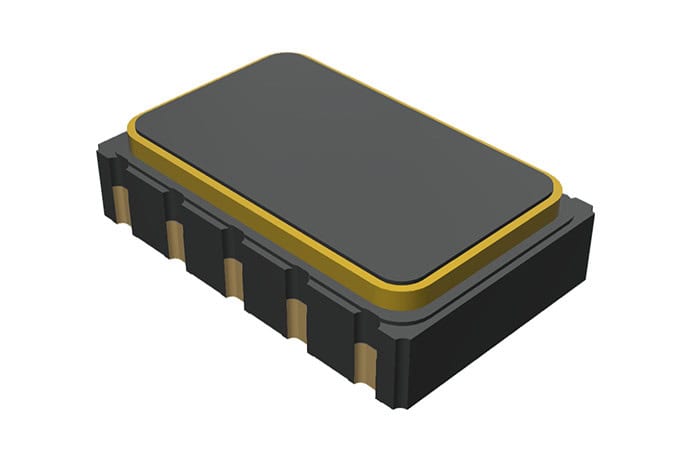
Microelectromechanical Systems Gyroscope Sensors by Micro Magic
To ensure reliability under extreme conditions, MEMS gyroscopes used in defense must comply with rigorous military standards. Two of the most important are:
MIL-STD-883: Specifies test methods for microelectronic devices, including resistance to temperature fluctuations, vibration, and mechanical shock. Devices meeting Class H of this standard are tested for hermetic sealing and long-term durability.
MIL-STD-810: Focuses on environmental engineering considerations, ensuring equipment can function under harsh operational stresses such as humidity, thermal cycling, and intense vibration.
These specifications ensure that MEMS sensors deliver dependable performance in the most demanding battlefield environments.
As defense operations increasingly rely on compact, networked, and autonomous systems, MEMS gyroscope technology continues to evolve. Advances in fabrication techniques are leading to sensors with greater sensitivity, reduced bias drift, and improved thermal stability. Emerging designs are also addressing the need for higher dynamic ranges and robustness under extreme shock and vibration, broadening their use in advanced weaponry and high-speed platforms.
MEMS gyroscopes are becoming central to AI-driven systems that rely on inertial data for real-time decision-making. Their integration into SWaP-optimized (Size, Weight, and Power) systems will be critical in the deployment of next-generation unmanned platforms, wearable systems, and precision munitions. Additionally, enhanced sensor fusion—combining MEMS gyroscopes with AI-powered data interpretation—will enable smarter, more autonomous responses in complex battlefield environments.
In summary, MEMS gyroscopes are a foundational technology in modern defense, enabling mission-critical functions across air, land, sea, and space domains. Their ongoing development will further reduce system size and cost while increasing functionality, positioning them as essential enablers of future military innovation.


 Searching Companies & Products