




Silicon Sensing Systems Ltd’s inertial sensor technology is at the core of a new north-finding navigation device recently unveiled by Kongsberg Discovery AS, which will be showcased at Oceanology International this month.
In June 2025, the two companies announced a co-operation agreement to develop a new generation of inertial products. This device is the first development to result from that collaboration.
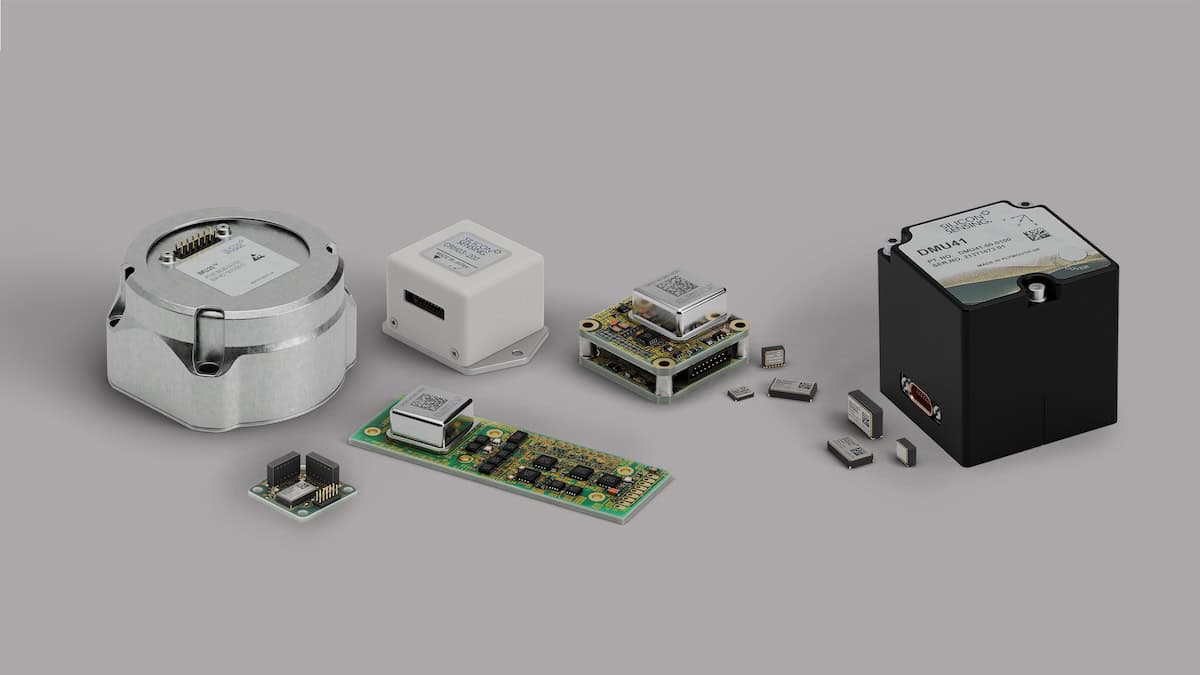
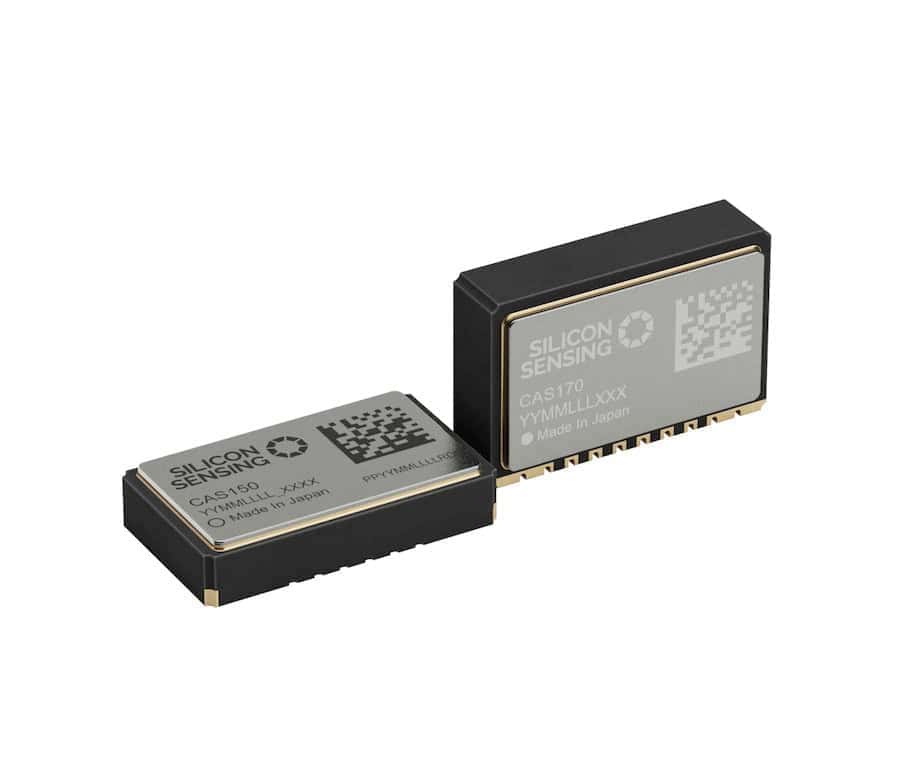
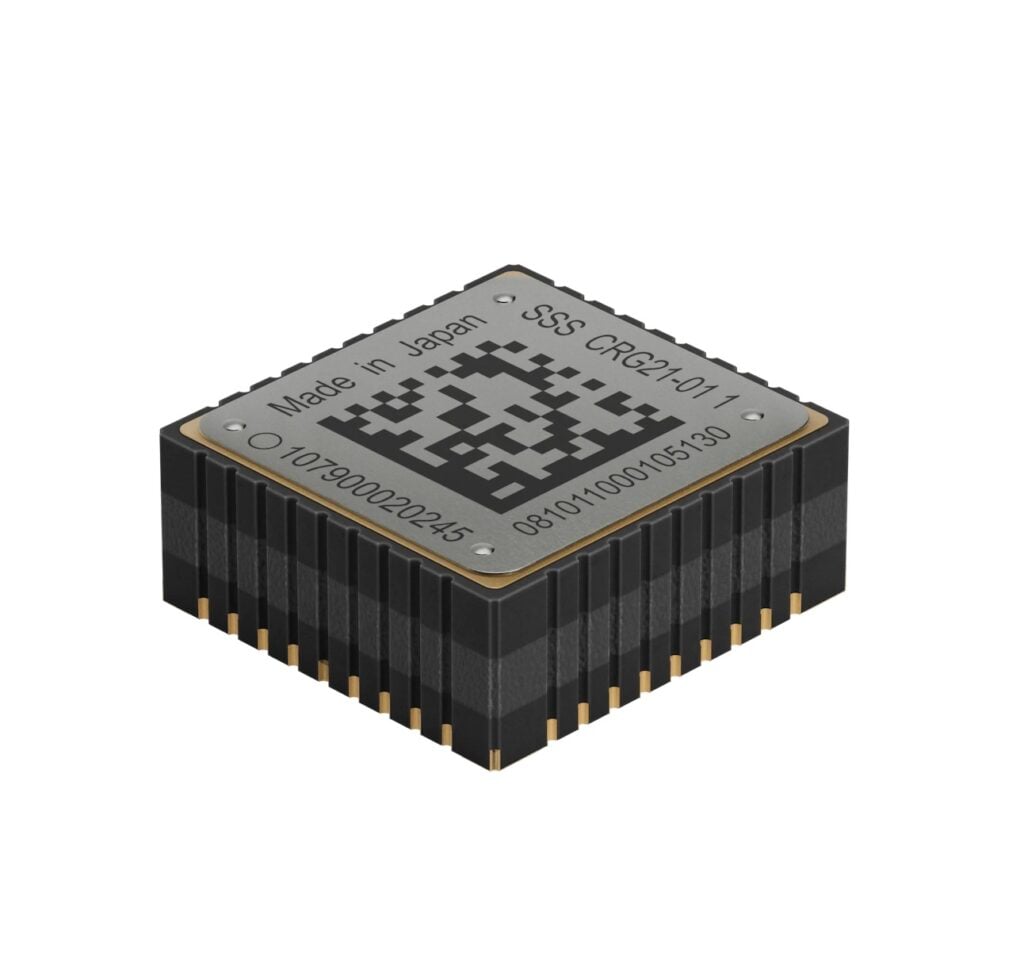
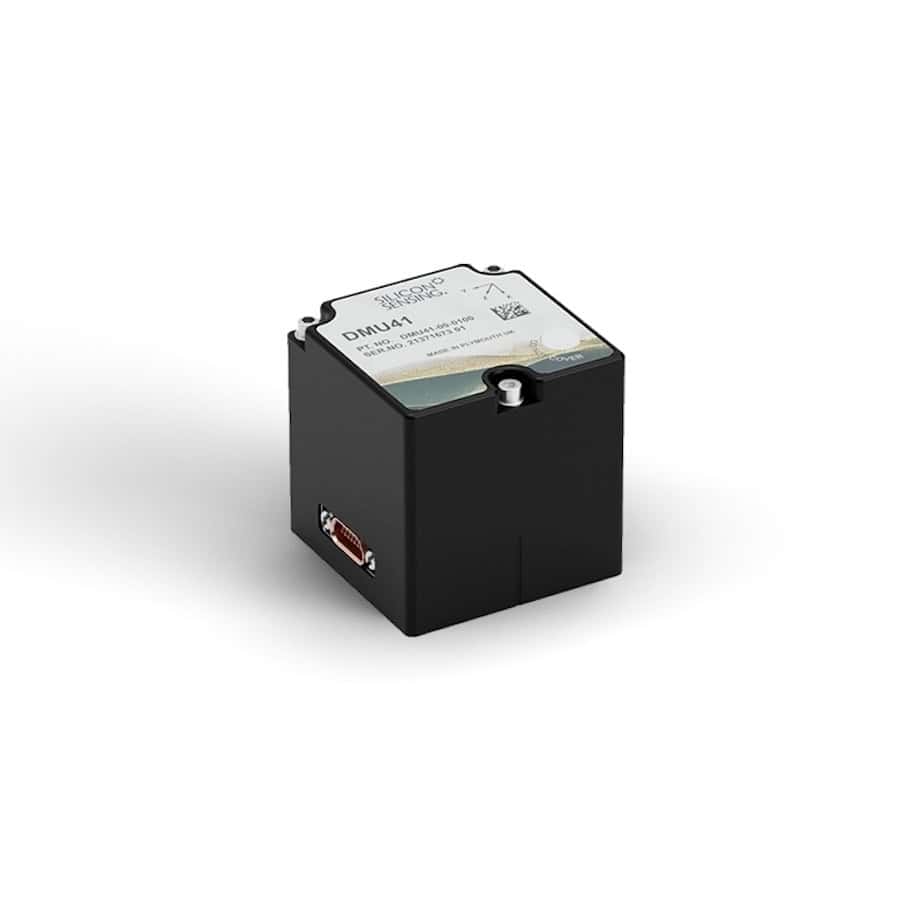
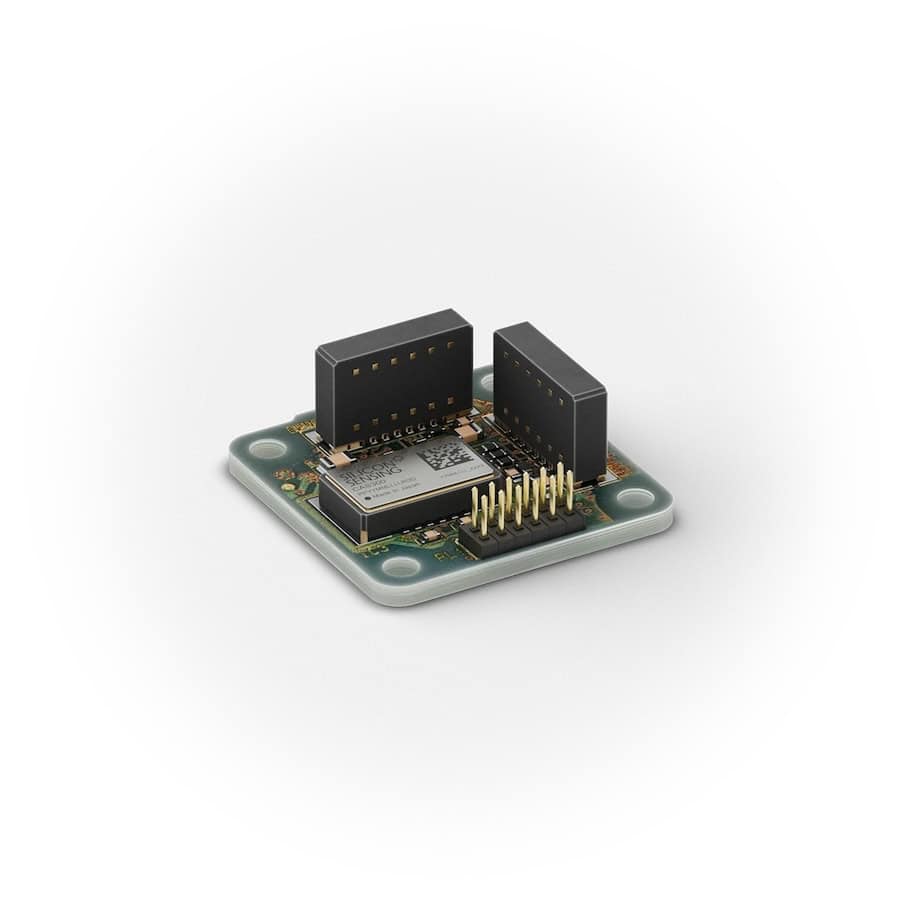
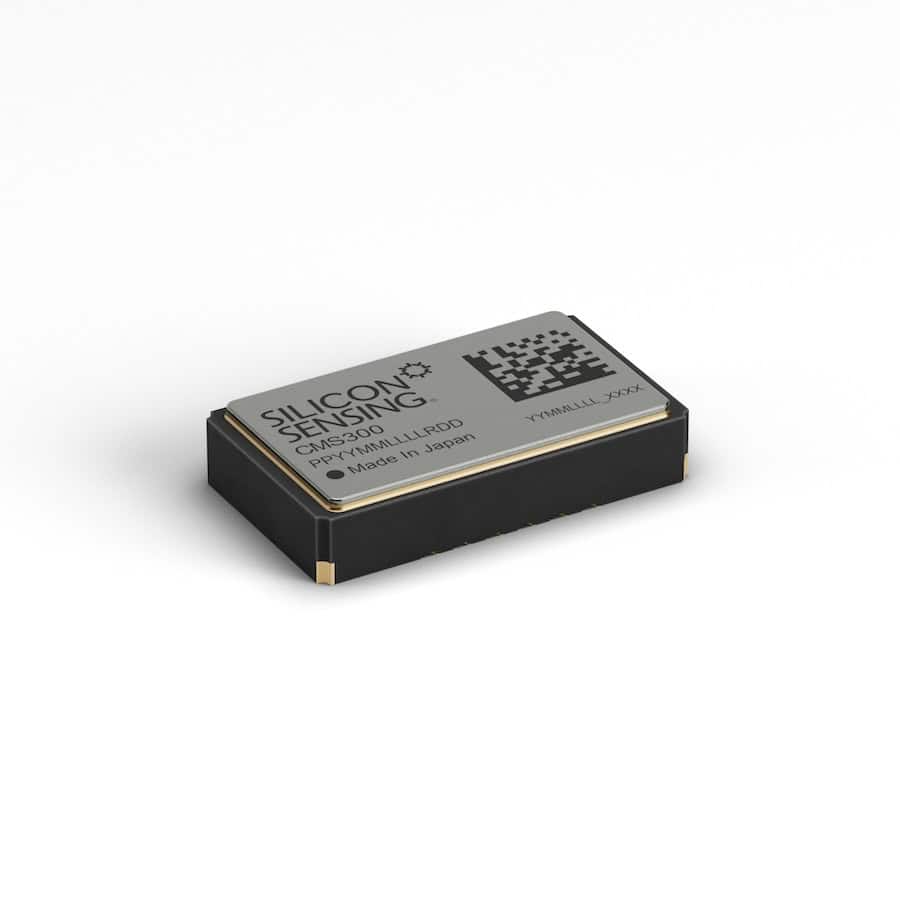
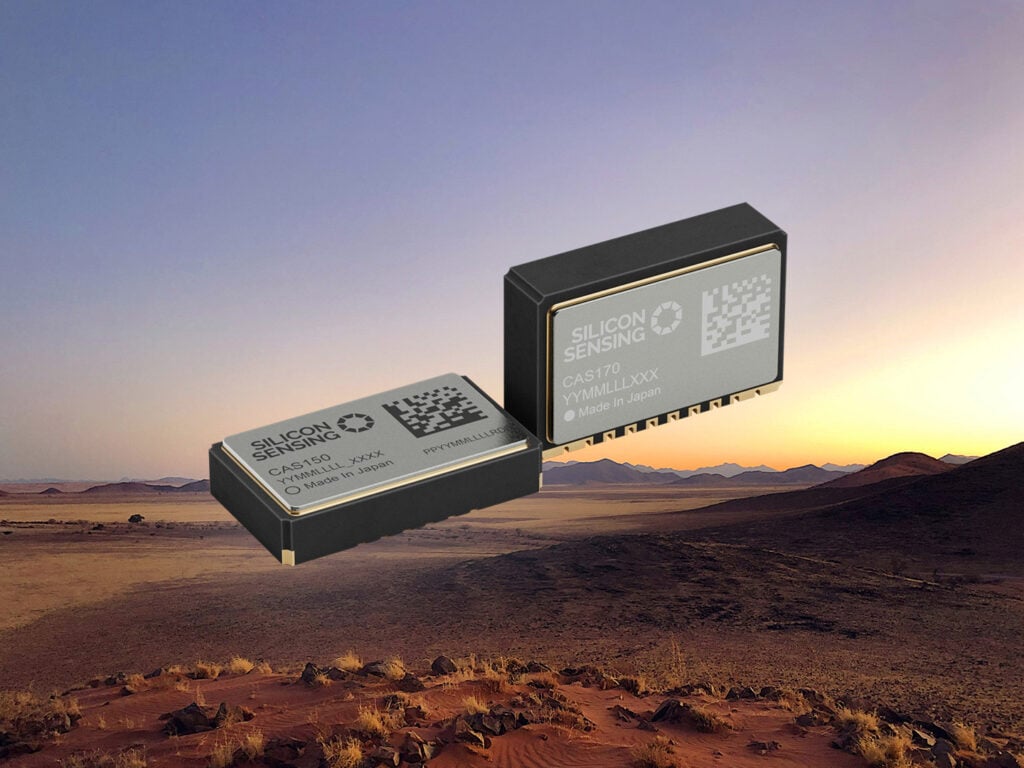
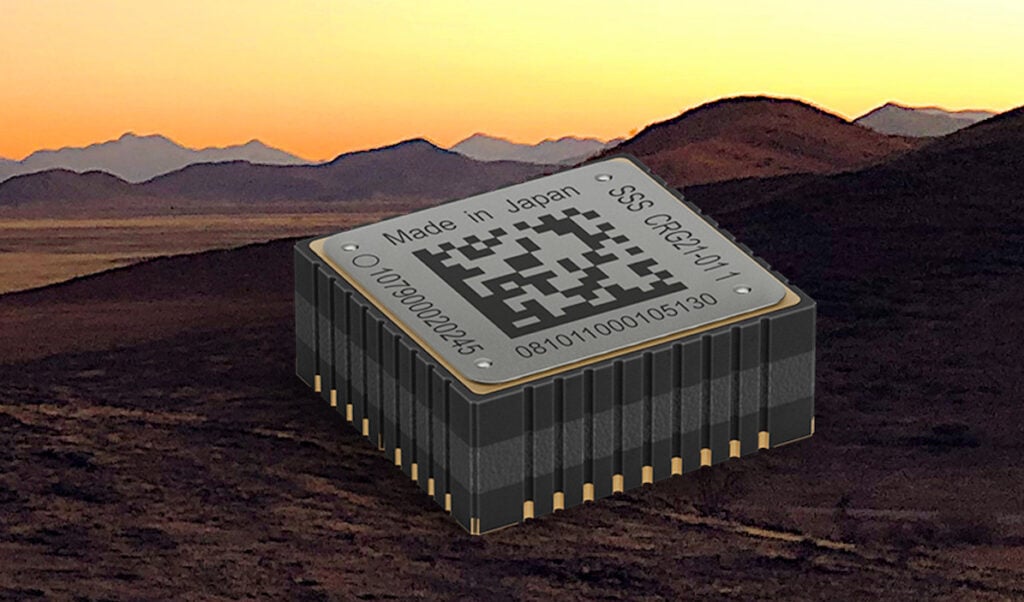
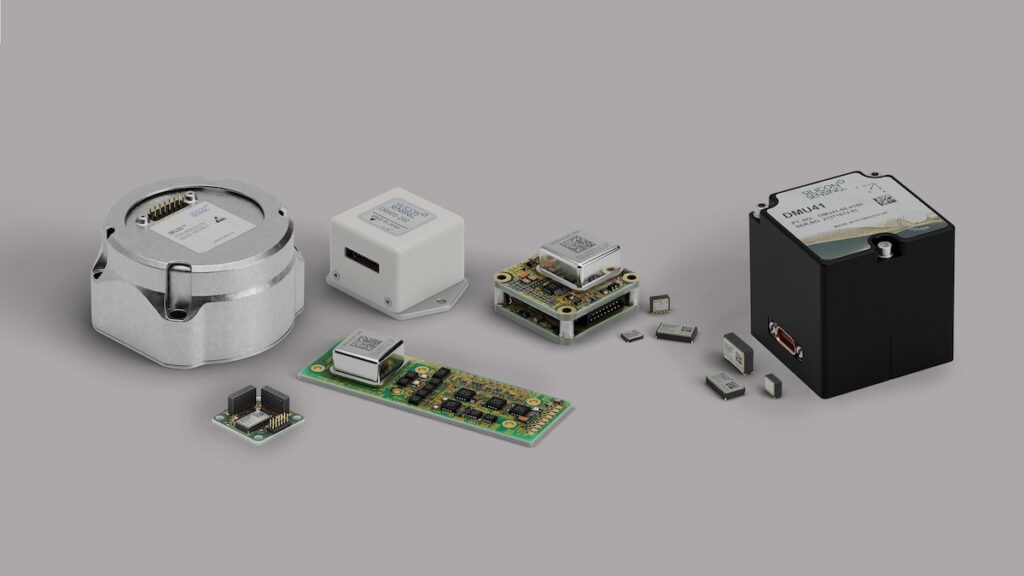
At the core of the new system is Silicon Sensing’s latest generation inductive silicon MEMS gyroscope, the SGH03. The sensor is also used in Silicon Sensing’s range of high-performance inertial products, including the CRH03 single-axis gyro and the tactical-grade DMU41 inertial measurement unit with nine degrees of freedom.
The collaboration addresses increasing market demand for north-seeking gyroscopes that meet low Size, Weight, Power, and Cost (SWaP-C) requirements. Existing technologies often struggle to achieve these targets, but the combination of Silicon Sensing’s MEMS sensor technology with Kongsberg Discovery’s electronics and software expertise aims to provide a compact solution for a range of critical navigation applications.
David Somerville, General Manager of Silicon Sensing, commented, “Nine months ago we signed a co-operative agreement with an ambition to achieve navigation-grade performance from a MEMS-based gyro. Today we have reached a major milestone in that. North-seeking MEMS is a breakthrough that will bring real operational benefits for a range of sectors and we are proud to be part of this endeavour with Kongsberg Discovery.”
According to Kongsberg Discovery, the MEMS solution delivers the accuracy associated with larger and more costly systems in a compact, lightweight and robust tactical-grade unit. The device is designed for applications ranging from air and surface drones to subsea Remotely Operated Vehicles (ROVs) and Autonomous Underwater Vehicles (AUVs), as well as defence systems, marine surveying and energy sector operations requiring reliable navigation without continuous external aiding.
Ane Dalsnes Storsæter, Vice President Inertial Solutions at Kongsberg Discovery, explained, “This MEMS solution takes the accuracy associated with larger and more costly units and repackages it in a tiny, lightweight, robust and affordable tactical grade unit that makes resilient navigation truly accessible. From air and surface-based drones, to subsea ROVs and AUVs, to defence systems, marine surveying, energy applications, and beyond, the device allows for reliable, precise navigation without continuous aiding.”