SAE Media | Counter UAS
Honeywell Aerospace | Better Cooling
International Armoured Vehicles
Leading Global Suppliers

Edge AI Computers for Defense Systems

Edge AI computers are embedded processing systems that enable military platforms to run AI models locally without continuous cloud connectivity. Rugged edge AI computers support real-time inference, computer vision, object detection, sensor fusion, and autonomous operations across Unmanned Aerial Vehicles (UAVs), Unmanned Ground Vehicles (UGVs), naval systems, and deployed defense infrastructure.

This category featured suppliers of edge AI computers for applications including ISR, counter-UAS, electronic warfare, autonomous navigation, and tactical situational awareness.

Read the Technology Overview

Edge AI Computer Suppliers & Manufacturers

11 Leading Suppliers
Grid List
RuggON
RuggON
Taiwan

Ultra-Reliable & Mission-Proven Rugged Computing Solutions for Demanding Defense & Security Applications

Trillium Engineering
USA

Cutting-Edge Visible & Thermal Imaging Camera Gimbal Payloads for Mission-Critical Applications

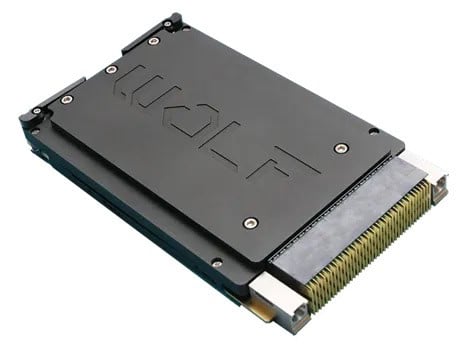
Wolf Advanced Technology
Canada (2 locations)

Rugged High-Performance Computing & Video I/O Modules: 6U and 3U VPX, XMC, and VNX+ for Defense Applications

Futuris Electronic
Futuris Electronic
Turkey

Rugged Image Processing & Mission-Critical Electronics for Defense Systems

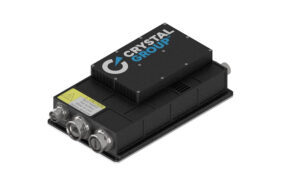
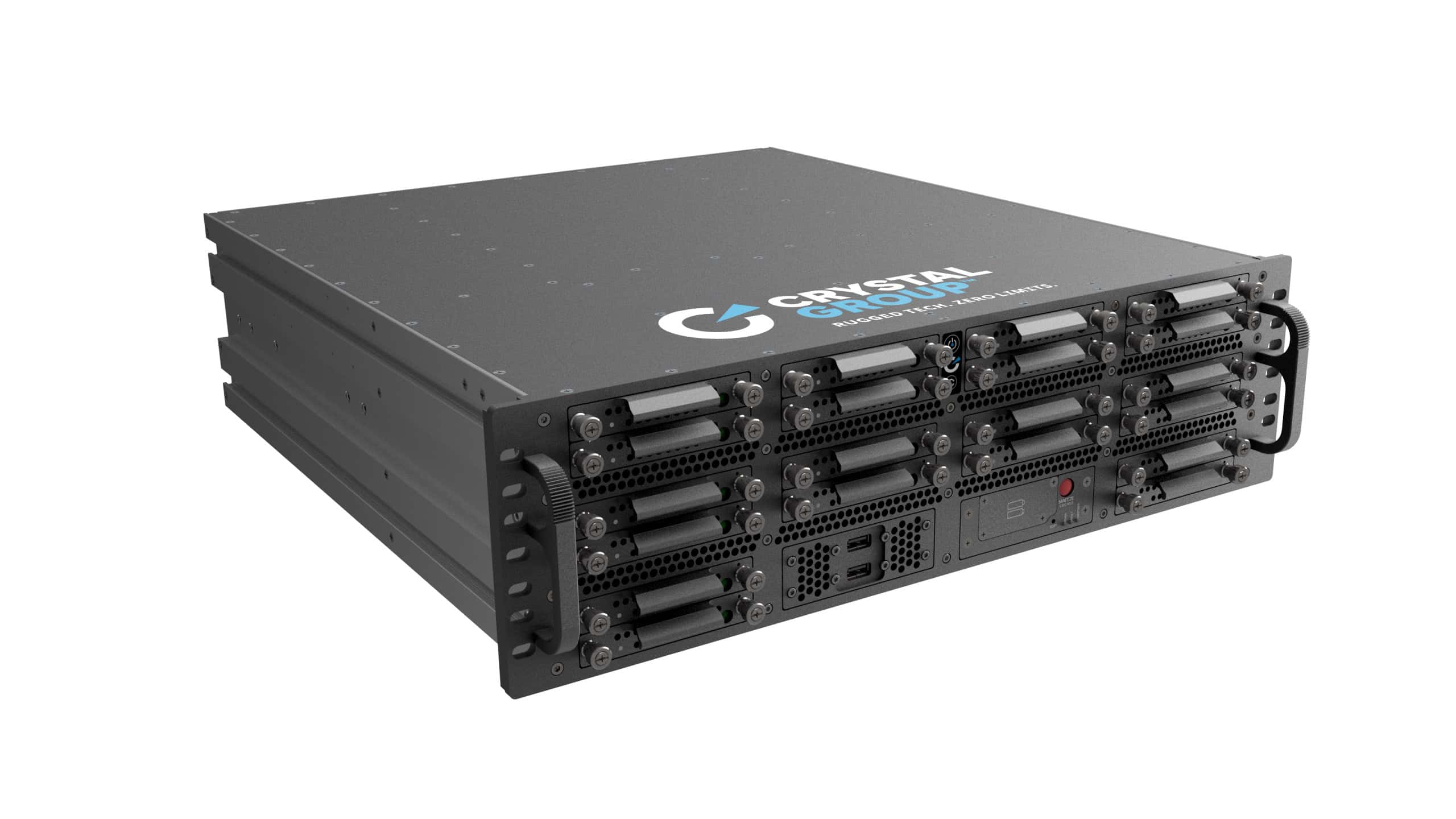
Crystal Group
Crystal Group
USA

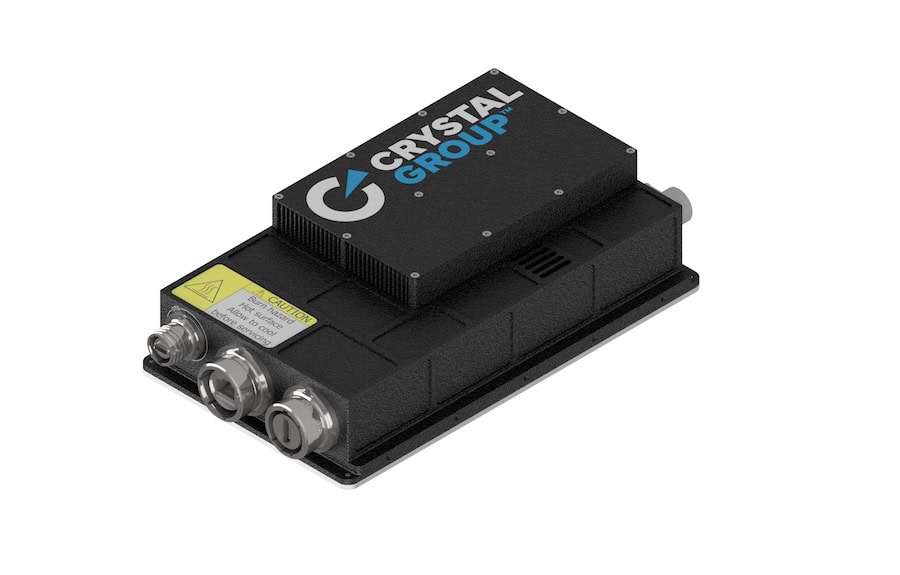
Ruggedized Edge Computing & Networking for Mission-Critical Defense Applications

Kutta Technologies
Kutta Technologies
USA (2 locations)

Mission-Critical Hardware & Software Technologies for Enhanced Command & Control in Challenging Battlefield Environments

Chess Dynamics
Chess Dynamics

Advanced Electro-Optical Surveillance, Targeting & Fire Control Systems for Defence Applications

UXV Technologies
UXV Technologies
Denmark

Pioneering Ground Control Stations (GCS), Electronics and Payload Solutions for Unmanned Systems and Defense Robotics

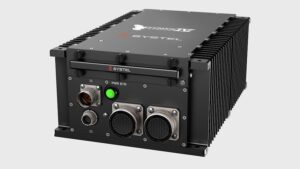
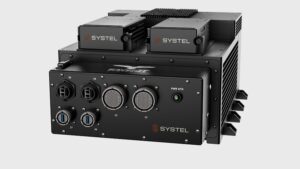
Systel
Systel
USA

Rugged Mission-Critical Computing Solutions for Defense & Government Applications: Air, Land & Sea

Auterion Government Solutions
USA (3 locations)

NDAA-Compliant Software-Defined Ecosystem For Next-Generation Robotics & Autonomous Vehicle Platforms

EIZO Rugged Solutions
USA

High-Performance Video Graphics, GPGPU, AI/ML Processing & Display Solutions for Mission Critical Environments

Browse suppliers by country
Showcase your capabilities

If you design, build or supply Edge AI Computers, create a profile to showcase your capabilities and connect with visitors who have an active requirement for your solutions.


Create Supplier Profile

Edge AI Computers

23 Cutting-edge Solutions
Add your solutions
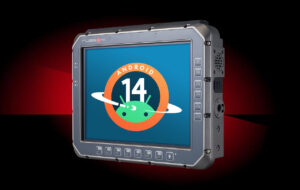
VULCAN 10A
VULCAN 10A

10.4” VMC with up to 12 TOPs of AI performance for tactical edge computing

10.4” VMC with up to 12 TOPs of AI performance for tactical edge computing
... vehicle mount computer that is ideal for tactical platforms and robotics. Based around Android 14...
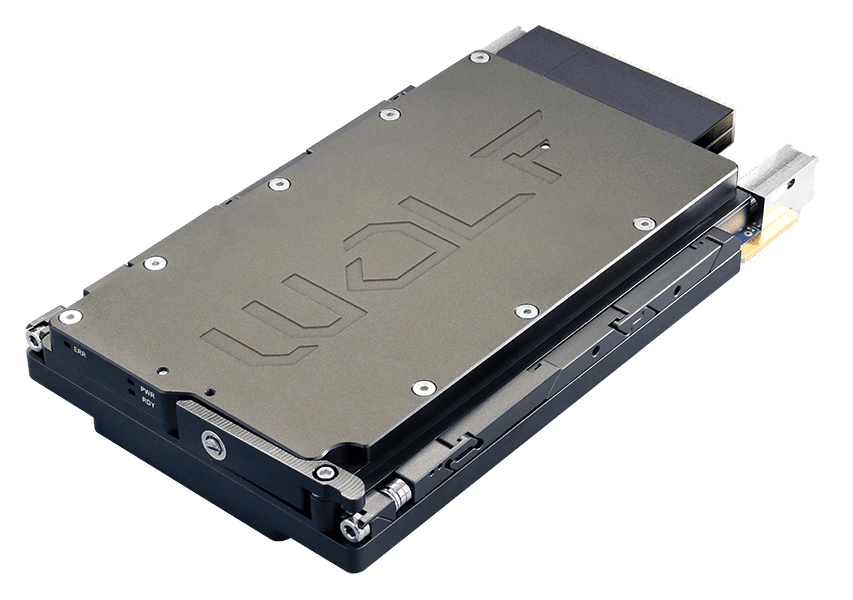
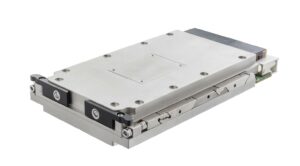
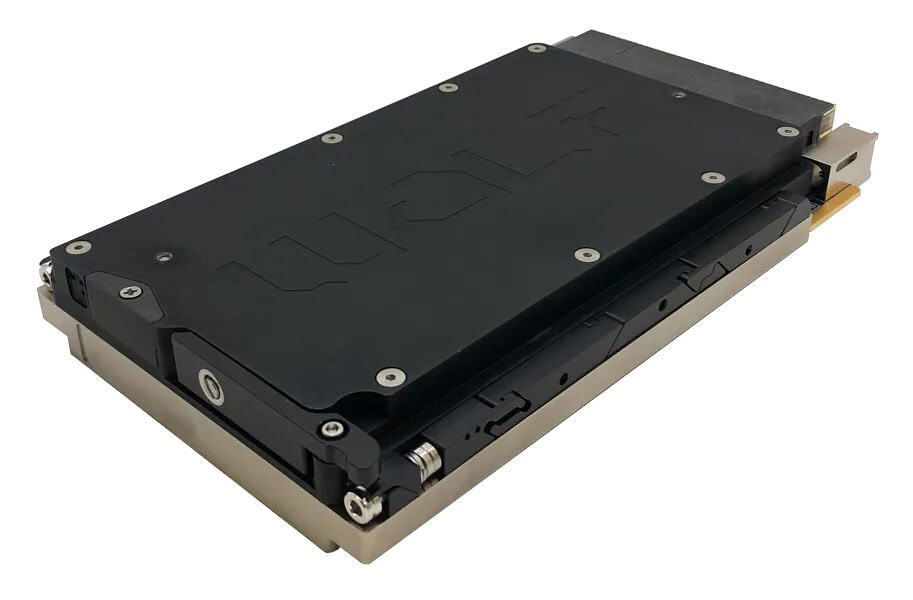
VPX3U-THOR-SBC (WOLF-16T1)

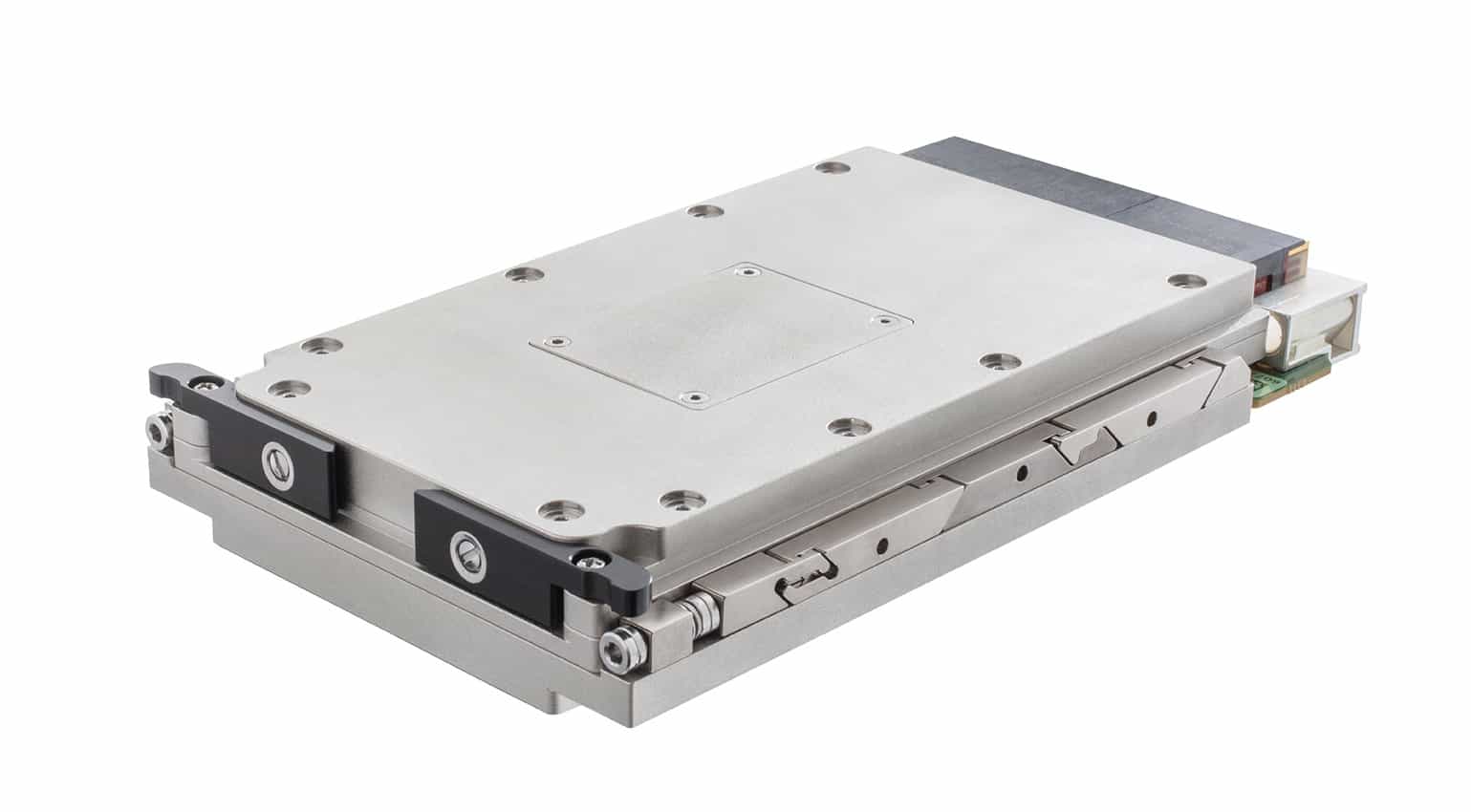
3U VPX computing module with NVIDIA IGX Thor™ GPU for defense AI & mission computing

3U VPX computing module with NVIDIA IGX Thor™ GPU for defense AI & mission computing
...ext-generation defense systems requiring real-time AI, high-performance computing, and secure data... ...rkloads at the edge. Its SOSA-aligned architecture includes PCIe Gen4 switching with ISO 26262...
VPX3U-THOR-CX7-FGX2-SBC (WOLF-16T0)

3U VPX SBC with NVIDIA IGX Thor™, ConnectX®-7 SmartNIC & FGX2 video I/O for ISR systems

3U VPX SBC with NVIDIA IGX Thor™, ConnectX®-7 SmartNIC & FGX2 video I/O for ISR systems
...multi-function AI computing solution for defense ISR systems. The FGX2 provides flexible video... ...vanced thermal system for efficient heat dissipation over 100 W. The SOSA-aligned module includes...
VPX3U-THOR-CX7-PAY (WOLF-16TZ)

3U VPX AI payload module with NVIDIA IGX Thor™ GPU & ConnectX®-7 SmartNIC for C5ISR systems

3U VPX AI payload module with NVIDIA IGX Thor™ GPU & ConnectX®-7 SmartNIC for C5ISR systems
...16TZ) provides defense integrators with a secure and high-performance computing payload for... ...d for embedded defense applications where reliability and throughput are mission critical. The...
VPX3U-THOR-CX7-SBC (WOLF-16T5)

3U VPX SBC with NVIDIA IGX Thor™ GPU & ConnectX®-7 SmartNIC for defense AI workloads

3U VPX SBC with NVIDIA IGX Thor™ GPU & ConnectX®-7 SmartNIC for defense AI workloads
...g for military AI and defense mission systems. Combining NVIDIA® IGX Thor™ processing with... ...n SWaP-limited defense environments. Designed for continuous operation under shock, vibration, and...
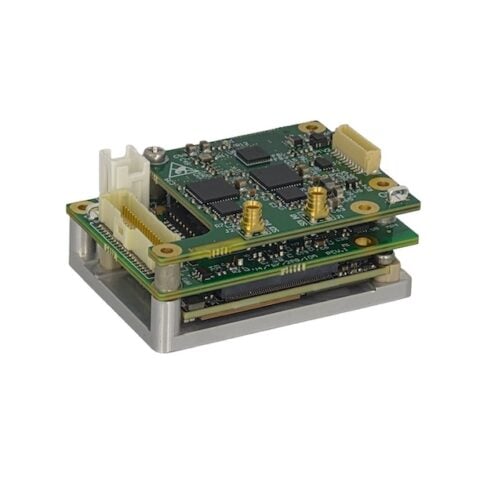
Clarity-HD
Clarity-HD

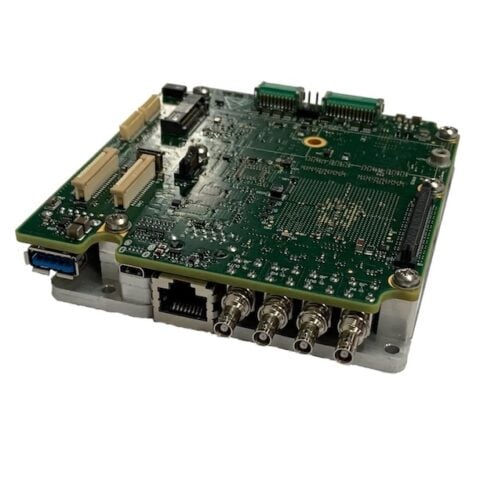
Embedded computing module for AI-powered image processing capabilities

Embedded computing module for AI-powered image processing capabilities
Clarity-HD is a compact and lightweight embedded computing module that allows tactical UAS operators...
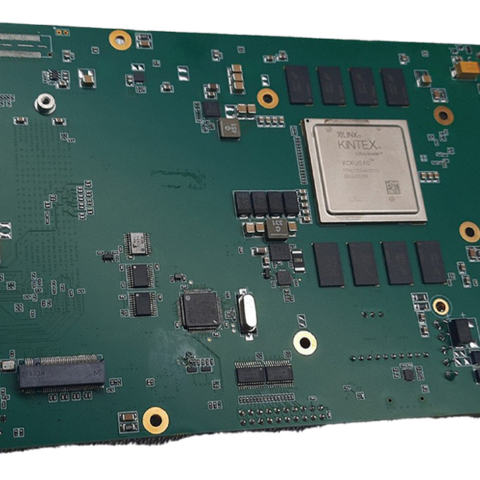
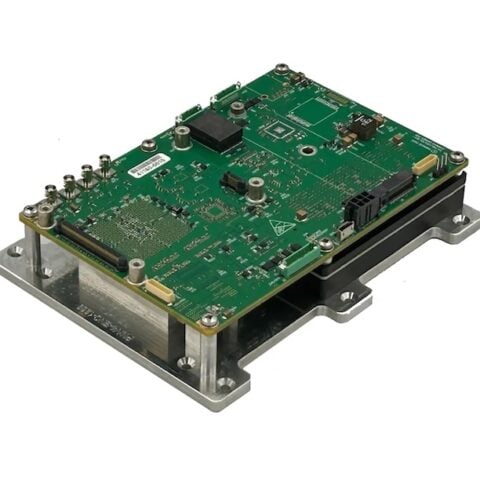
GPU & FPGA Image Processing Board

Hybrid edge processing solution for AI, video and sensor data

Hybrid edge processing solution for AI, video and sensor data
...l for embedded defense and ISR applications including sensor fusion, AI-assisted image processing,...
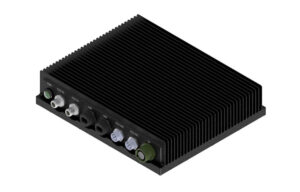
RE1600M
RE1600M

Small-form-factor AI edge computer for video processing and inferencing

Small-form-factor AI edge computer for video processing and inferencing
...ealed Embedded Computer is designed with AI edge processors for maximum performance in extreme...
RE1900M
RE1900M

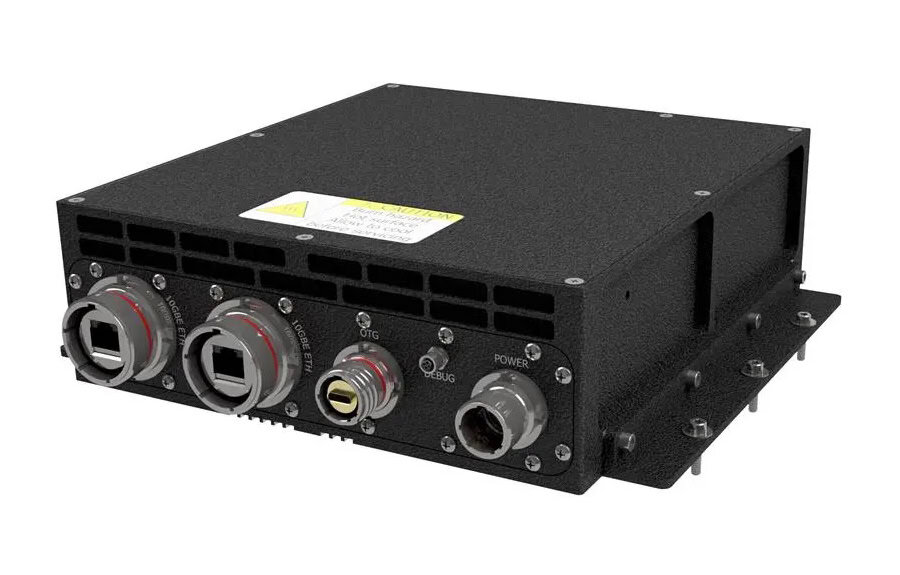
Rugged sealed AI edge computer for unmanned and mobile platforms

Rugged sealed AI edge computer for unmanned and mobile platforms
...ealed Embedded Computer is designed with AI edge processors for high performance in extreme...
RE3500
RE3500

Rugged small-form-factor AI computer for tactical edge vision processing

Rugged small-form-factor AI computer for tactical edge vision processing
...t the tactical edge. Designed to create operator situational awareness using AI image recognition,...
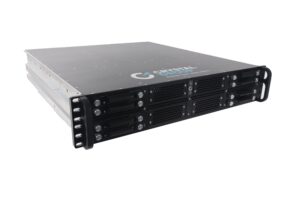
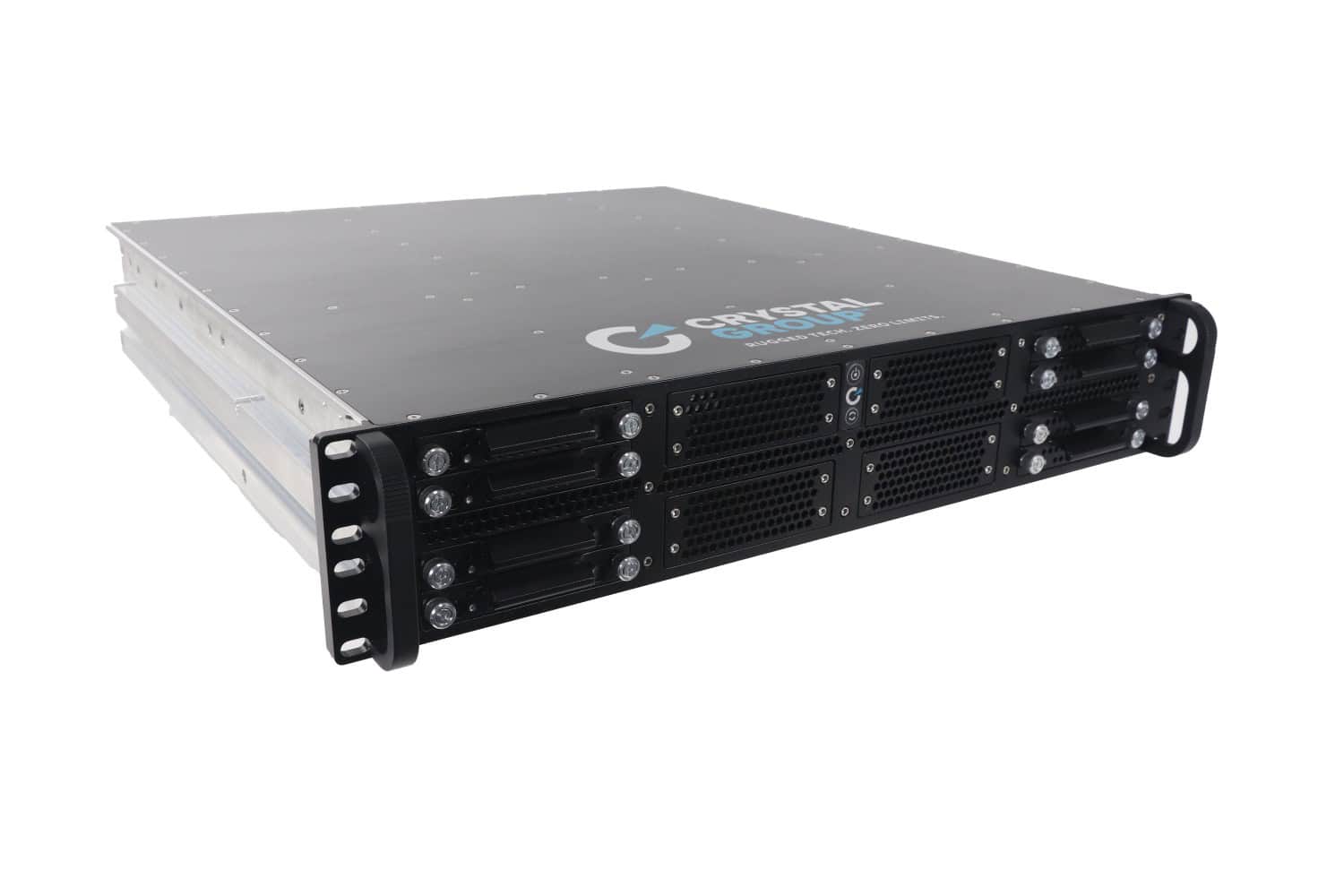
FG2 2U Server
FG2 2U Server

Scalable rugged server for real-time AI, ML and tactical edge workloads

Scalable rugged server for real-time AI, ML and tactical edge workloads
...take real-time AI and machine learning from the data center to the edge. Equipped with up to four...
Small Mission Computer

Compact & rugged general-purpose computing platform for UAVs & UGVs

Compact & rugged general-purpose computing platform for UAVs & UGVs
... Small Mission Computer is a rugged low-power general-purpose edge processing platform designed to...
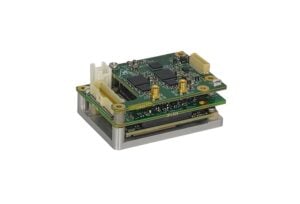
CHARM100NX (Xavier NX)

Compact embedded video processing with AI acceleration

Compact embedded video processing with AI acceleration
...computing with AI/ML acceleration, it runs Vision4ce FrameWorkx software for defense imaging and...
CHARM50
CHARM50

Low-SWaP embedded video and image processing module

Low-SWaP embedded video and image processing module
...s, seekers and airborne defense platforms. Built around the NXP i.MX95 processor, it combines...
CHARM150AGX
CHARM150AGX

Embedded video processing for demanding AI workloads

Embedded video processing for demanding AI workloads
...chitecture and AI/ML acceleration provide the computing capability for demanding defense imaging and...
SBCM
SBCM

Modular compute module for manned & vehicle-mounted defense systems

Modular compute module for manned & vehicle-mounted defense systems
...ivers advanced edge computing capabilities while functioning as a Nett Warrior-compatible power and...
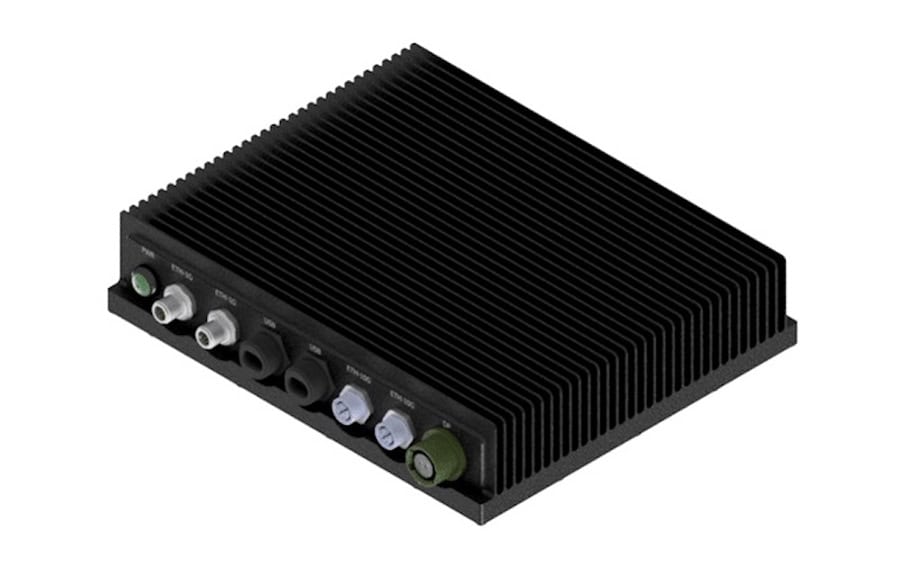
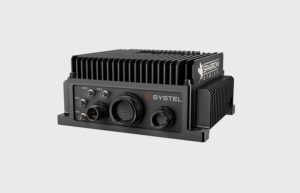
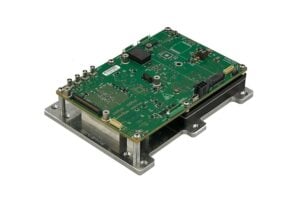
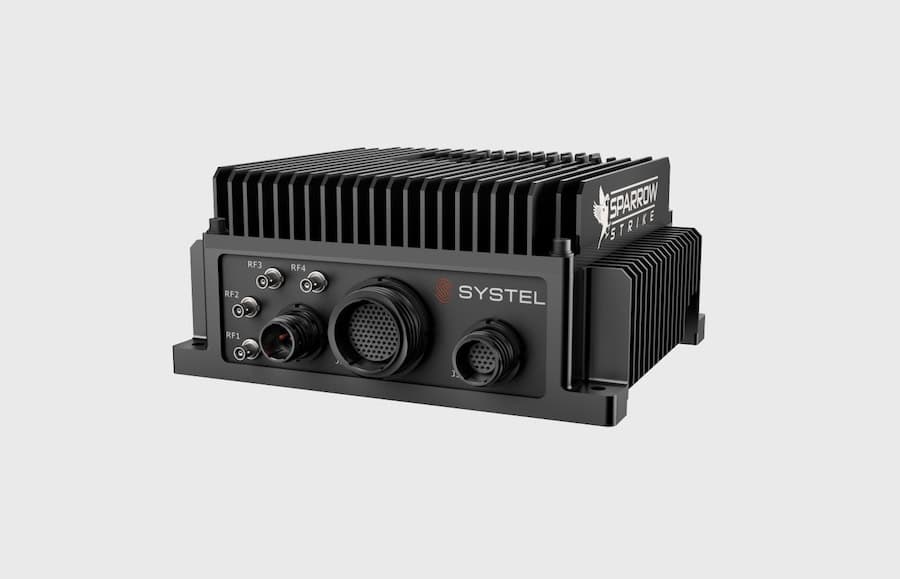
Sparrow-Strike Embedded Computer

Ultra-small form factor rugged embedded computer

Ultra-small form factor rugged embedded computer
...Jetson Orin NX edge AI platform or a SMARC x86 CPU. Developed using a Modular Open Systems Approach...
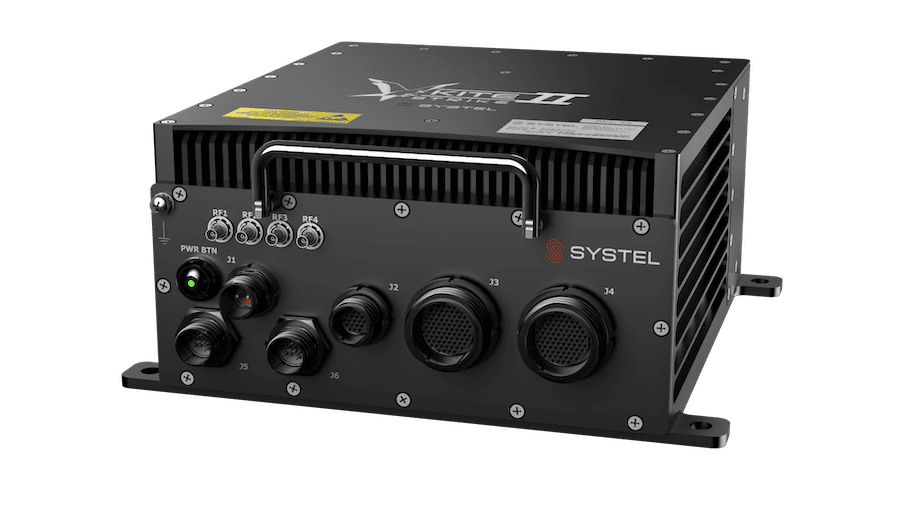
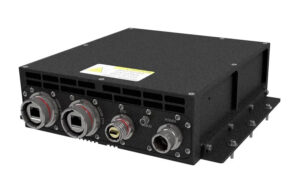
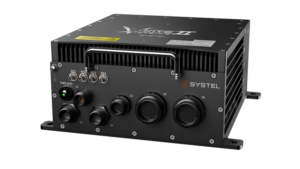
Kite-Strike II Mission Computer

Small form factor mission computer with AGX Orin SOM

Small form factor mission computer with AGX Orin SOM
...ate-of-the-art edge AI processing capabilities. Developed using a Modular Open Systems Approach...
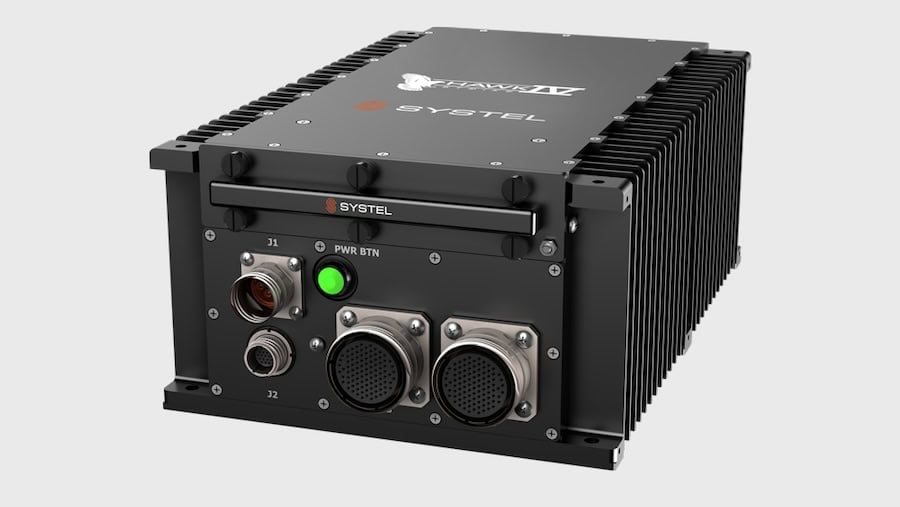
Hawk-Strike IV Mission Computer

Workstation-class LRU multi-mission system

Workstation-class LRU multi-mission system
...ugged embedded edge computer designed as a single line-replaceable unit (LRU) and ideal for...
Raven-Strike II Mission Computer

Enterprise server-class computing system for tactical edge applications

Enterprise server-class computing system for tactical edge applications
...ce to tactical edge applications. Developed using a Modular Open Systems Approach (MOSA) and...
Condor AGX-ORIN64-HPC

Embedded 3U VPX Single Board Computer with NVIDIA Jetson AGX Orin 64GB

Embedded 3U VPX Single Board Computer with NVIDIA Jetson AGX Orin 64GB
......ance single board computer (SBC) designed for both autonomous and embedded edge computing... ...64GB of LPDDR5 system memory allows up to 205 GB/s memory bandwidth shared between the internal CPU,...
Condor AGX-IOX
Condor AGX-IOX

Rugged SOSA-aligned SBC based on NVIDIA Jetson AGX Orin

Rugged SOSA-aligned SBC based on NVIDIA Jetson AGX Orin
...etson AGX Orin system-on-module and incorporating an NVIDIA Ampere GPU and an Arm Cortex-A78AE CPU....
AI Node for Skynode GX

AI companion computer for edge processing

AI companion computer for edge processing
AI Node equips drones and robotic vehicles powered by Auterion Skynode GX with supercomputer-level o...

Overview of Edge AI Computers for Defense Applications

William Mackenzie

Updated:

Introduction to Edge AI Computers for Defense

Edge AI computers are embedded processing systems that enable military platforms to run AI models locally, without relying on continuous cloud connectivity. By processing sensor data directly onboard vehicles, aircraft, and deployed defense equipment, these systems support real-time AI inference, computer vision, object detection, sensor fusion, and autonomous decision-making.

Defense edge AI solutions range from compact computing modules and embedded AI accelerators to high-performance, rugged edge AI computers designed for harsh operational environments.
By combining specialized processors with onboard memory, storage, and sensor interfaces, these systems can execute demanding AI workloads close to the source of the data, reducing reliance on external processing infrastructure and enabling faster responses to changing operational conditions.

Military & Defense Applications of Edge AI Computers

Airborne ISR, Autonomous UAVs, and Collaborative Swarms

Edge AI computing enables military drones and Unmanned Aerial Vehicles (UAVs) to process Electro-Optical/Infrared (EO/IR) imagery, recognize objects, track targets, and support autonomous navigation without transmitting all sensor data to a ground station. A drone onboard computer can also support obstacle avoidance, local route planning, and onboard AI processing for Beyond Visual Line of Sight (BVLOS) operations. In collaborative swarms, distributed computing allows UAVs to exchange selected observations and coordinate tasks, depending on their communications infrastructure and autonomy capabilities.

Unmanned Ground Vehicles (UGVs) and Combat Vehicle Autonomy

Military UGVs use embedded edge AI to interpret camera, Light Detection and Ranging (LiDAR), radar, and navigation data when operating across complex terrain. Onboard processing supports obstacle detection, terrain classification, route planning, and robotic manipulation, reducing the need for continuous remote operator input. Crewed combat vehicles can also integrate edge AI hardware to support driver assistance, situational awareness, and automated detection of potential threats.

Naval USVs, Subsea AUVs, and Maritime Domain Awareness

Edge AI computers support autonomous navigation and sensor processing aboard military Unmanned Surface Vehicles (USVs) and Autonomous Underwater Vehicles (AUVs). Maritime applications include vessel detection, obstacle recognition, sonar data analysis, and automated classification of underwater contacts. Local processing is particularly valuable for subsea platforms operating with limited communications bandwidth, allowing acoustic and navigation data to be analyzed onboard while relevant results are stored or transmitted when connectivity permits.

Counter-UAS, Perimeter Defense, and Border Security

Edge AI systems support counter-UAS operations by processing radar, Radio Frequency (RF), acoustic, and imaging data to detect, classify, and track potential drone threats. Local inference can reduce detection latency and support continuous monitoring at forward operating bases, border installations, and critical infrastructure. These computers also enable automated intrusion detection, object recognition, and intelligent video analytics for perimeter surveillance and security applications.

Electronic Warfare, SIGINT, and Tactical Intelligence

In Electronic Warfare (EW) and Signals Intelligence (SIGINT) applications, edge AI computing supports local signal analysis, pattern recognition, and classification of electromagnetic activity. AI-enabled processing can help identify signal characteristics, prioritize collected information, and improve electronic situational awareness. Tactical intelligence systems also use local AI inference to analyze sensor observations and present relevant information to operators, particularly when connectivity to centralized processing infrastructure is limited or unavailable.

Multi-Sensor Fusion and Contested-Link Bandwidth Optimization

Military edge AI platforms combine information from multiple sensors to improve situational awareness and support time-sensitive decisions. By correlating camera imagery, radar returns, acoustic measurements, and navigation data, onboard systems can generate consolidated observations instead of transmitting separate raw data streams. Local filtering, event detection, and data prioritization can further reduce communications bandwidth requirements, particularly during degraded or intermittent network connectivity.

Edge AI Computing Hardware & Processing Architectures

Military edge AI computers use different processing architectures to balance computational performance, power efficiency, programmability, and real-time requirements. Data received through sensor interfaces is processed by hardware running AI models, with the resulting outputs used by mission software, autonomous control systems, or operators. The following table compares the main processing technologies and supporting hardware used in embedded defense AI systems.

Processing Architecture Core Characteristics Defense Applications
Central Processing Units (CPUs) General-purpose processing for operating systems, application logic, communications, and AI workload coordination. Mission computing, sensor management, and autonomous control
Graphics Processing Units (GPUs) Highly parallel processing for computationally intensive neural networks, image analysis, and AI inference. EO/IR processing, object recognition, and multi-camera surveillance
Neural Processing Units (NPUs) Dedicated AI accelerators optimized for efficient neural network inference with relatively low power consumption. UAV edge computing, embedded vision, and battery-powered autonomous systems
Field-Programmable Gate Arrays (FPGAs) Reconfigurable hardware supporting specialized processing pipelines, predictable timing, and low-latency acceleration. Radar processing, electronic warfare, and real-time sensor analysis
Heterogeneous Computing Architectures Integrated CPUs, GPUs, NPUs, or programmable logic that distribute workloads across specialized processors. Multi-sensor fusion, autonomous vehicles, and complex mission computing
Supporting Memory, Storage, and Data Interfaces RAM capacity, memory bandwidth, storage performance, and high-speed sensor interfaces that support data acquisition and processing. High-resolution imaging, simultaneous AI workloads, and continuous sensor recording

Military Standards & Compliance Considerations

Rugged edge AI computers for defense applications may need to meet environmental, electrical, electromagnetic compatibility, and cybersecurity requirements, depending on the platform and installation. Relevant standards and architectural considerations include:

  • MIL-STD-810: Environmental engineering and testing methods for assessing equipment against relevant temperature, shock, vibration, humidity, and other operating conditions.
  • MIL-STD-461: Electromagnetic interference requirements covering conducted and radiated emissions and susceptibility of military electronic equipment.
  • MIL-STD-1275: Electrical input voltage limits and transient characteristics for equipment connected to military ground vehicle 28 V Direct Current (DC) power systems.
  • DO-160: Environmental conditions and test procedures for airborne equipment, applicable where specified for military aviation installations.
  • SOSA and VPX Architectures: Modular embedded computing approaches supporting standardized hardware interfaces and integration. VPX provides an embedded hardware architecture, while the Sensor Open Systems Architecture (SOSA) Technical Standard defines a broader framework incorporating selected OpenVPX specifications.
  • Cybersecurity Requirements: Secure boot, hardware-based security, encryption, access control, software integrity, and protection against unauthorized modification.

Qualification requirements vary according to the military platform, installation environment, and applicable procurement specifications. Compliance with individual standards or selected test methods should be evaluated against documented equipment qualification results rather than general claims of military-grade construction.

Emerging Developments in Military Edge AI Computing

Advances in embedded processing hardware and AI software are expanding the capabilities of military edge AI systems, particularly where power, connectivity, and onboard computing resources are limited. Key developments include:

  • More Efficient AI Accelerators: Advances in GPU, NPU, and specialized accelerator architectures are improving inference performance per watt, enabling more demanding AI workloads on compact, power-constrained military platforms.
  • Multimodal AI Processing: Advanced AI models are being developed to combine imagery, radar, acoustic, and other sensor inputs to improve object classification, scene interpretation, and situational awareness.
  • Distributed and Collaborative Edge AI: Networked military platforms are being developed and evaluated to share selected AI outputs, coordinate autonomous tasks, and distribute processing responsibilities across deployed systems.
  • Generative AI at the Tactical Edge: Compact language and multimodal models are being developed and evaluated for local information analysis, intelligence summarization, natural-language interaction, and operator decision support without continuous cloud access.

Continued improvements in processing efficiency, model optimization, and rugged embedded hardware are enabling more sophisticated onboard AI capabilities across military vehicles, autonomous systems, and deployed defense infrastructure.


THE WEEKLY eBRIEF

The latest defense technology news, straight to your inbox.

Get our weekly roundup of technology developments, new products and industry news.

By subscribing, you agree to receive the weekly DA eBrief newsletter from EchoBlue Ltd. Unsubscribe at any time using the link in every email. See our Privacy Notice.

Advancing Defense Capability Through Strategic Collaboration Defense Advancement works with major OEMs to foster collaboration and increase engagement with SMEs, to accelerate innovation and drive defense capabilities forward.