


Showcase your capabilities
If you design, build or supply Technical Services, create a profile to showcase your capabilities and connect with visitors who have an active requirement for your solutions.




Browse technical services available to military and defense clients, covering engineering, integration, prototyping, PCB assembly, and sustainment. Program teams can assess capabilities and identify suitable service partners for mission-critical systems.
Read the Technology Overview

Composite Manufacturing for Mission-Critical Military & Defense Projects

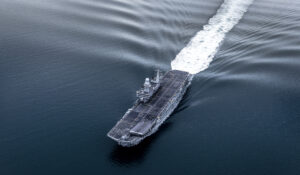
Naval Vessels, Submarines & Autonomous Maritime Systems for Modern Defense Forces

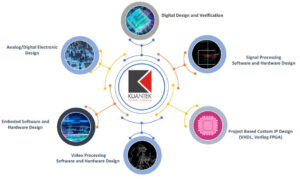
Advanced Military & Defense Electronics, Electro-Optics, Thermal Imaging, FPGA, Embedded Systems, Industrial IoT and Smart Energy Solutions

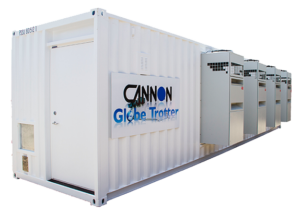
Manufacturer & Systems Integrator of Deployable Systems for Military, Government & Security Applications

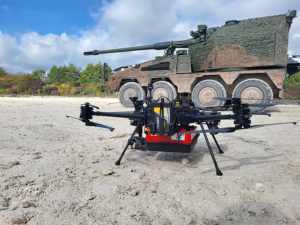
UK Sovereign Autonomous Uncrewed Systems for Defence, Security & Critical Infrastructure

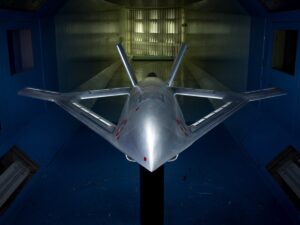
Cutting-Edge Aviation Technologies & Autonomous Systems for Government & Defense Applications

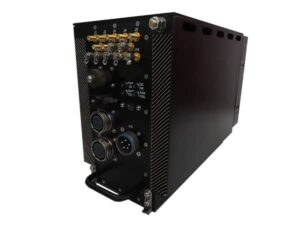
Rugged Electronic Enclosures, Backplanes & Full Systems Integration for Defense & Aerospace Applications

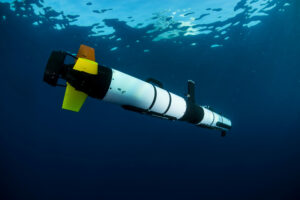
Undersea Sensing, Communications, Imaging, Control and Navigation Solutions for Naval Forces

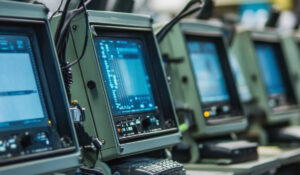
Mission-Critical Rugged Displays, Embedded Computing & Electronics for Defence Systems


Defense Technology Consultancy Providing Rapid Development of Mission-Critical Solutions


Rugged Computing Solutions for Mission-Critical Defense, Homeland Security, Law Enforcement & Emergency Response Applications

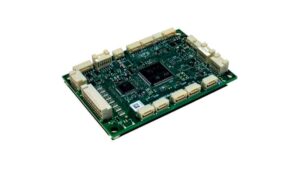
Battery Management Systems (BMS) for Military, Defense & Security Applications

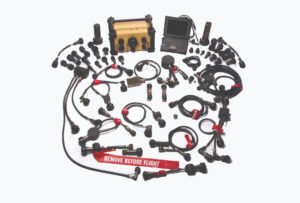
Support Equipment Design & Manufacturing for Military Aviation & Aerospace Programs


Bespoke Drone & Robotics Software Solutions for the Defense & Security Industries


Contract Electronics Manufacturing (CEM) Services for the Military, Defense & Security Industries

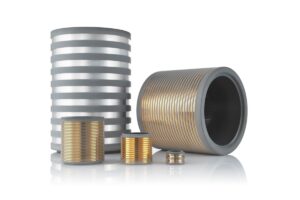
Custom Slip Ring & Rotary Joint Solutions for Demanding Military Power & Data Transmission Applications

Mission-Critical Integrated Systems, Chassis & Backplanes For Military Systems Operating In All Domains

If you design, build or supply Technical Services, create a profile to showcase your capabilities and connect with visitors who have an active requirement for your solutions.

Modern defense programs require external technical services to execute defined work packages across engineering, integration, testing, and production. These services support requirements development, hardware and software design, subsystem integration, verification and validation, and low- to mid-volume manufacturing for military platforms.
Typical engagements include embedded software development, electronics prototyping, PCB fabrication and assembly, avionics and sensor integration, environmental and compliance testing, and production-scale electronics manufacturing. Defense organizations and prime contractors engage engineering service providers, systems integrators, and contract electronics manufacturers to supplement internal resources, manage schedule risk, and access specialized capabilities aligned with military standards and export controls.
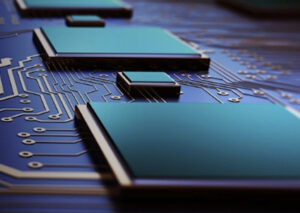
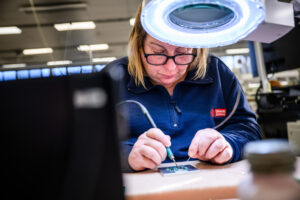
PCB technical services by KT Technical Solutions.
Defense engineering services include mechanical engineering, electrical design engineering, and software engineering, all tailored to military applications. These capabilities support system architecture development, modeling and simulation, requirements analysis, and qualification testing. Engineering support services often span the full lifecycle, from concept design through sustainment.
Software development services for military systems focus on secure, real-time, and mission-critical applications. This includes embedded systems integration, custom drone and UAV software development, ISR integration software, avionics integration frameworks, and command-and-control systems integration. Secure coding practices, deterministic performance requirements, and compliance with defense cybersecurity standards are central to program execution.
System integration services ensure interoperability between subsystems, sensors, communications equipment, and mission computers. Systems integrators support ISR, radar, embedded systems, and UAS sensor integration across multi-domain operations. Integration activities include interface management, hardware and software validation, and platform-level verification.
Rapid prototyping services and additive manufacturing for defense programs enable accelerated development cycles and iterative design validation. Capabilities include 3D printing services, industrial 3D printing services, SLS 3D printing services, and prototype fabrication. Defense prototyping supports proof-of-concept hardware, aerospace prototyping services, and mechanical design engineering validation.
Electronics manufacturing services, including contract electronics manufacturing, provide PCB fabrication and assembly, as well as electronic assembly. Rugged electronics manufacturing supports high-reliability assemblies for defense applications. Services include quick-turn and custom PCB assembly, as well as prototype manufacturing.
Printed circuit board assembly services and PCB prototyping services support the development and production of military-spec printed circuit boards. Providers handle PCB fabrication, component sourcing, surface mount and through-hole assembly, and inspection in controlled manufacturing environments. Military programs typically require documented traceability, environmental qualification, configuration control, and adherence to IPC and defense-specific quality standards.
Prototype development services and prototype engineering support early-stage system validation. These services include electronics prototyping and manufacturing design. Defense suppliers and military contractors use prototype development to reduce risk prior to full-rate production.
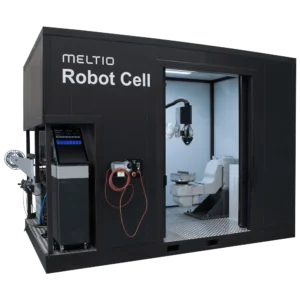
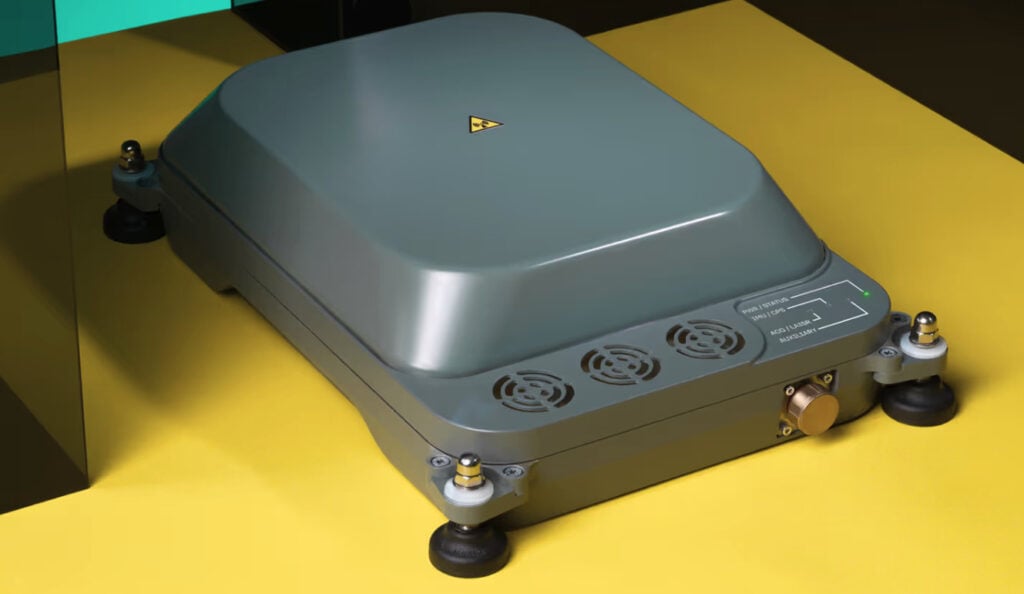
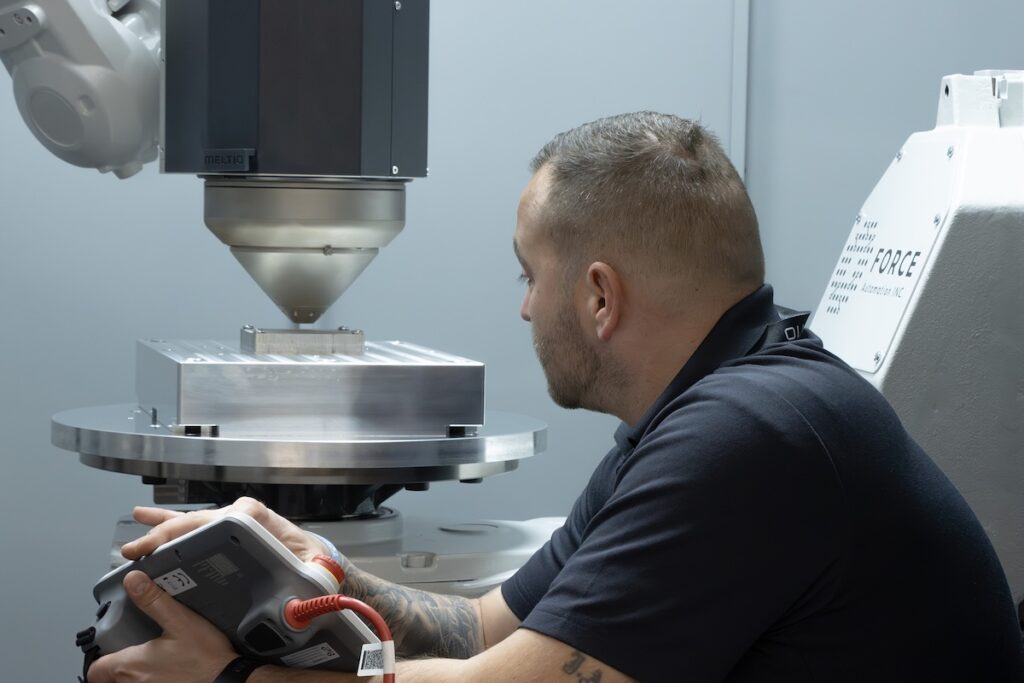
Robot Cell metal 3D printing solution by Meltio.
Contract manufacturing services enable defense programs to transition from prototype to sustained production. Providers establish controlled, repeatable manufacturing processes for aerospace and military electronics, including assembly, inspection, and test. These services are typically supported by supply chain management, obsolescence planning, and long-term lifecycle support to maintain operational readiness.
Defense technical services may be delivered under several engagement models depending on program scope and risk allocation.
An in-house engineering model provides direct control but requires substantial infrastructure and cleared personnel. External engineering service providers and systems integrators offer scalability and access to specialized expertise.
Prime-contractor-led integration models centralize responsibility for integrating mission and command-and-control systems. Alternatively, distributed systems integrators collaborate under a modular open systems approach to support defense technology integration across multiple suppliers.
Additive manufacturing service providers can complement traditional manufacturing pipelines by enabling low-volume production, custom 3D printing services, and 3D printing for military applications. This approach supports rapid fielding and sustainment of legacy systems.
Technical services for military and defense forces operate within strict regulatory and standards-based frameworks. Compliance requirements may include International Traffic in Arms Regulations for controlled technologies, quality management standards such as AS9100, and cybersecurity frameworks aligned with defense contracting requirements.
Hardware and electronic assemblies often conform to MIL-STD specifications for environmental testing, electromagnetic compatibility, and reliability. NATO-aligned programs may reference STANAG agreements to ensure interoperability across allied forces. For electronics manufacturing services, EMS providers must adhere to IPC standards for printed circuit board assembly and soldering quality.
Security clearance considerations, export controls, and secure facility requirements influence the delivery of military technical services. Engineering support, software development services, and system integration consulting services must account for data protection and the handling of classified information where applicable.
Technical services enable defense organizations to transition from concept to operational capability with reduced risk and improved performance. By combining design engineering, electronics manufacturing, and systems integration services, military suppliers and defense contractors can accelerate development timelines while meeting stringent performance and compliance requirements.
The integration of additive manufacturing services, rapid prototyping, PCB assembly services, manufacturers, and electronic assembly service providers supports agile development models for defense systems. Whether supporting aerospace and defense services, military support services, or mission systems integration, technical services form a foundational element of modern defense technology programs.


 Searching Companies & Products