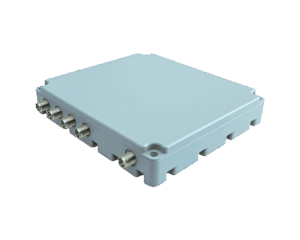
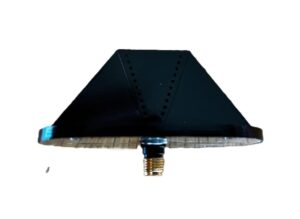
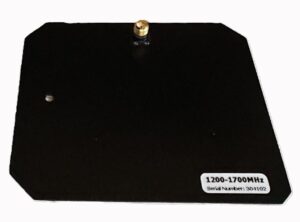
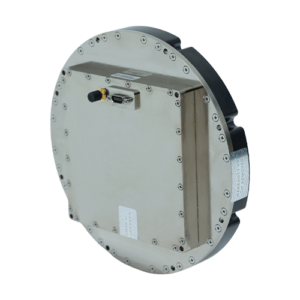
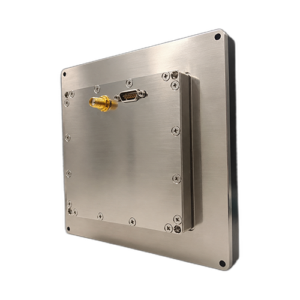
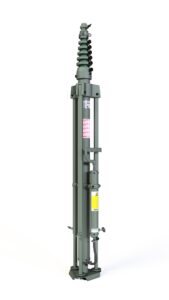
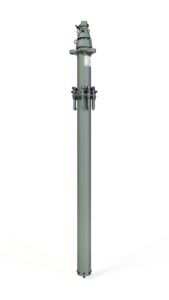
Military antennas and accessories play a crucial role in modern defense technology, providing reliable and secure communication solutions. From GPS antennas and antenna masts to advanced CRPA antennas and tactical radio systems, these technologies ensure effective communication and data transmission in the most demanding environments.
If you design, build or supply Antennas, Masts & Dishes, create a profile to showcase your capabilities and connect with visitors who have an active requirement for your solutions.
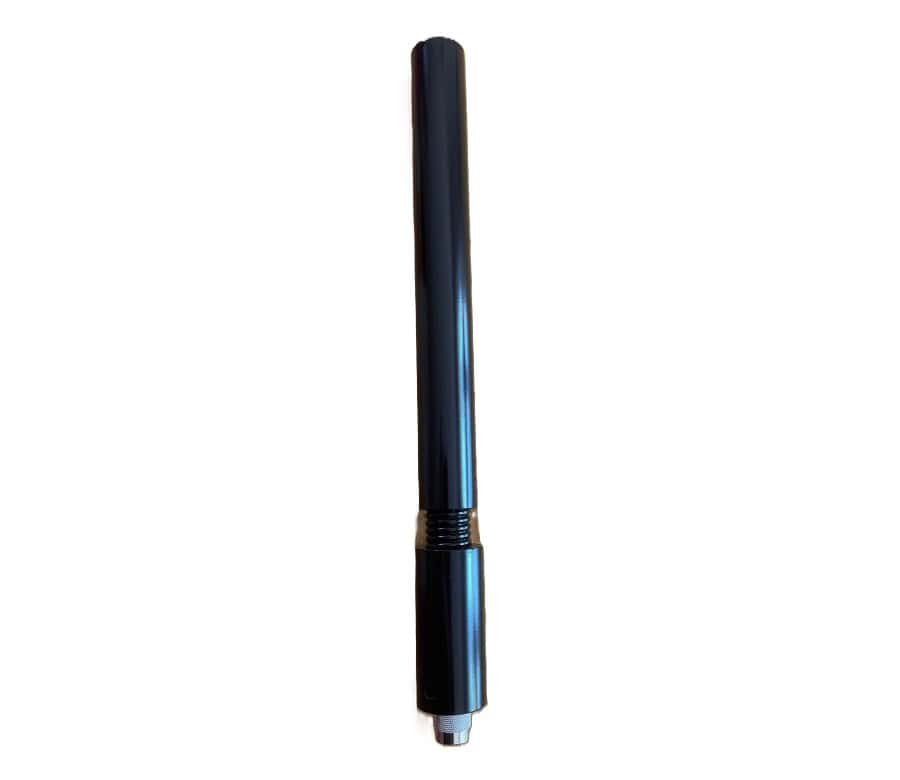
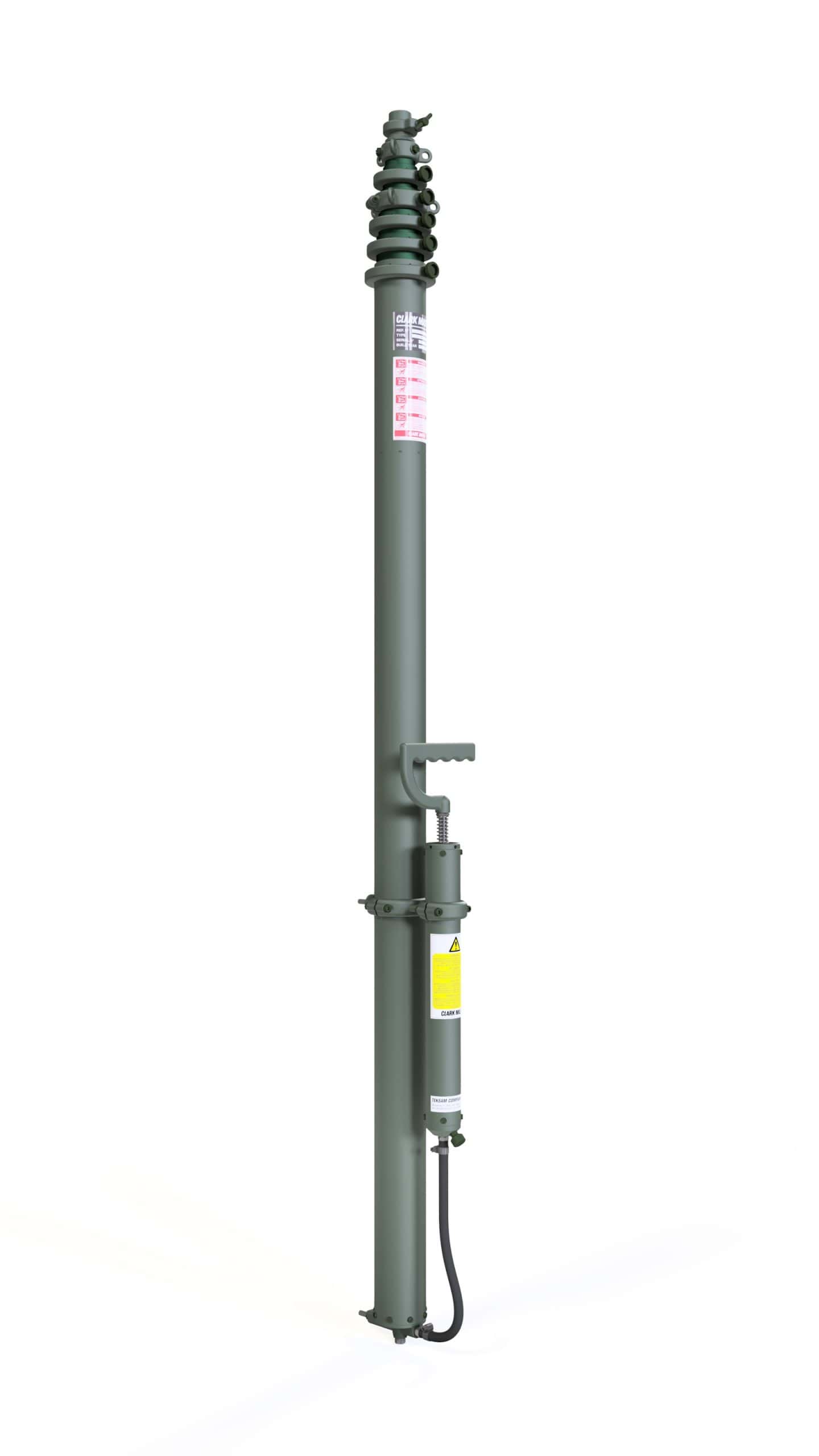
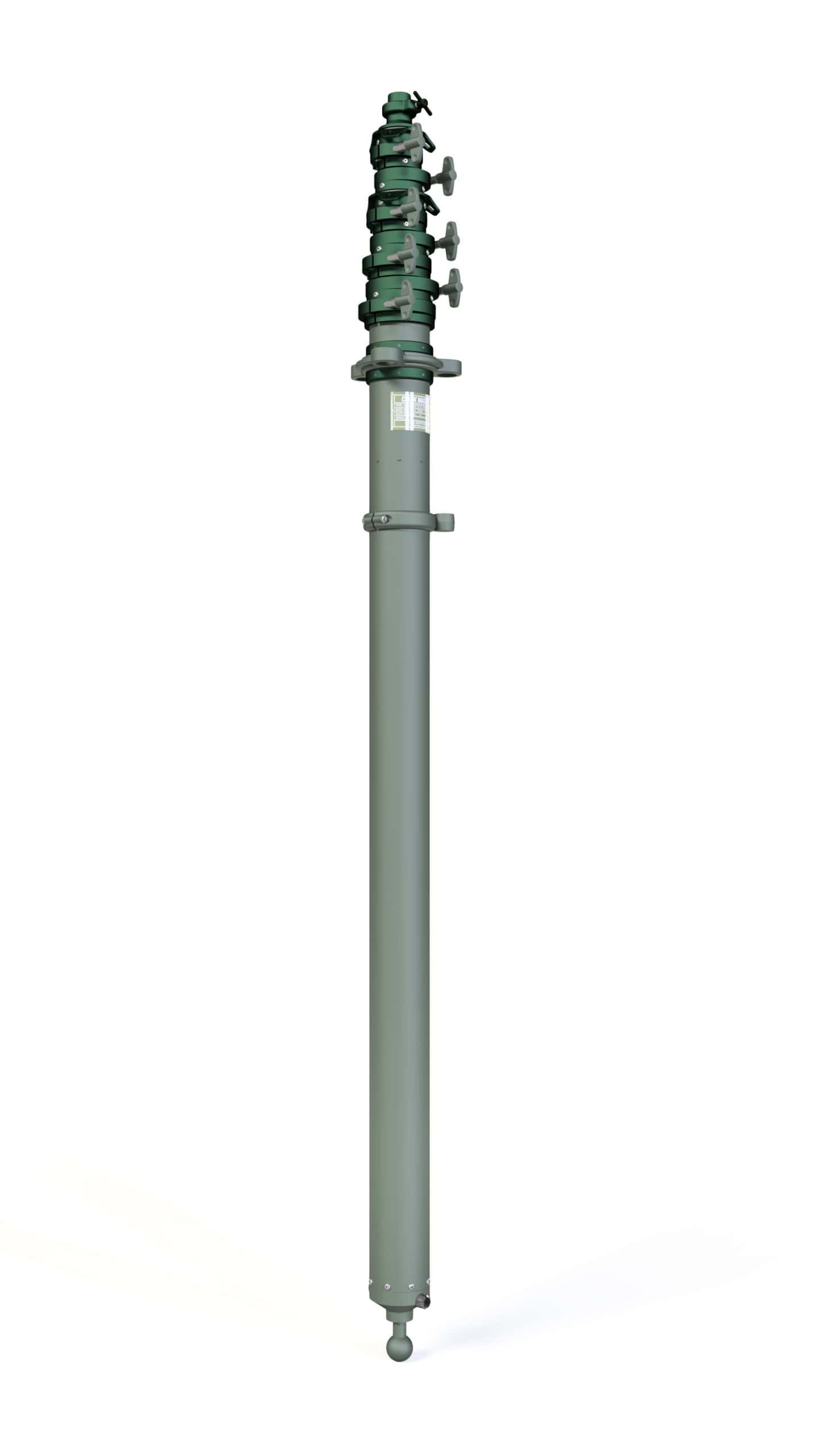
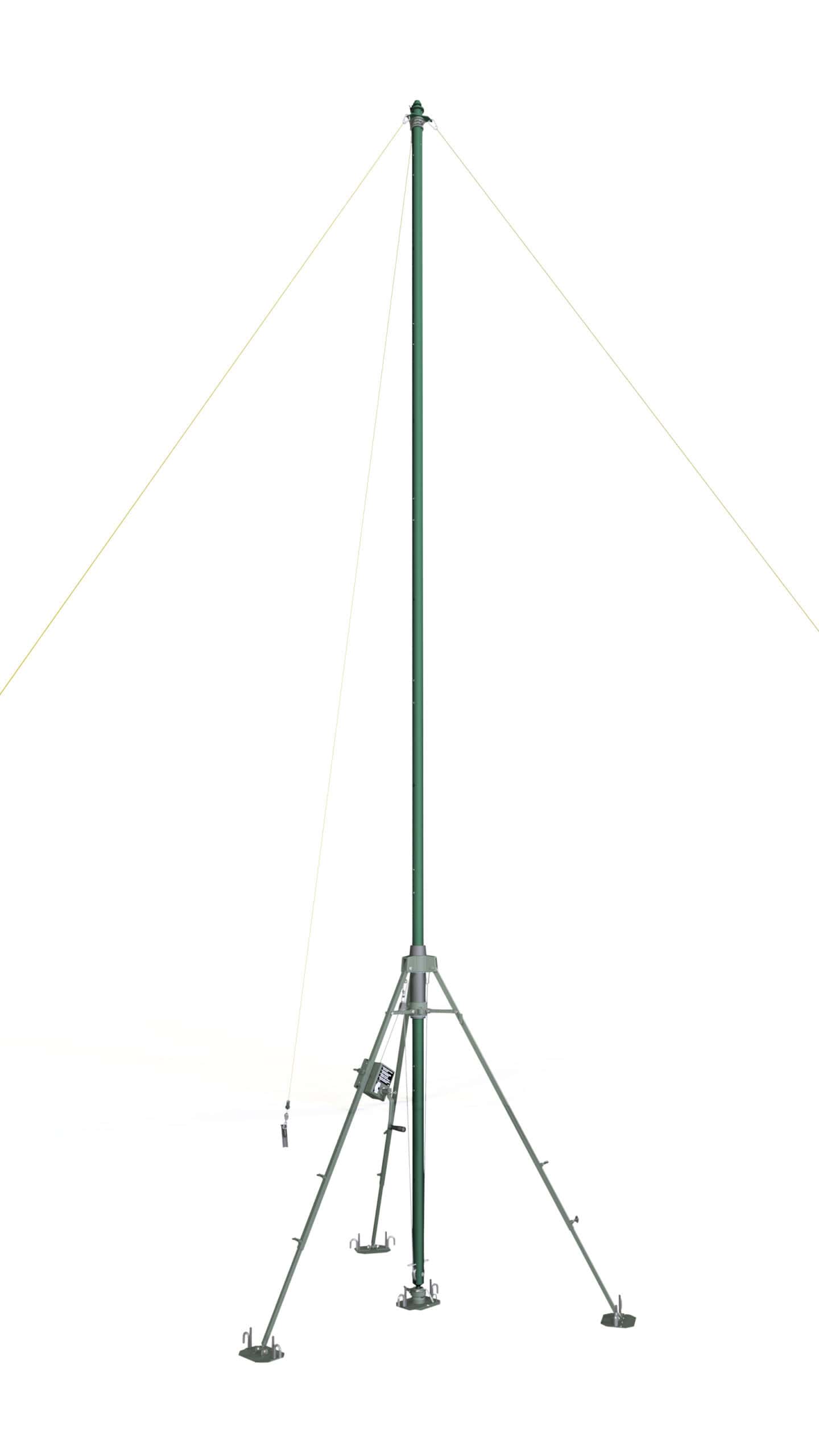
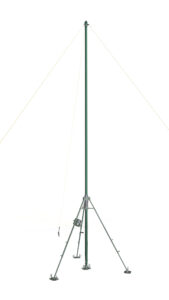
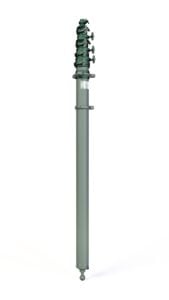
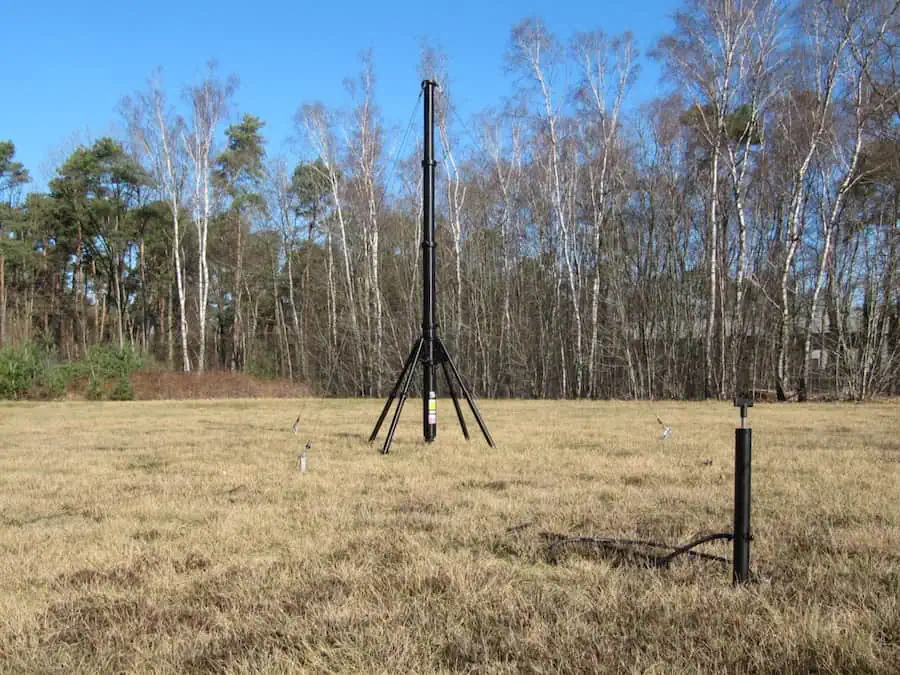
The Clark Masts PU Series features lightweight anodized aluminium telescopic masts that have been... ......es include Halyard adapters and tensioners, cable straps, and adapters for military VHF antennas...
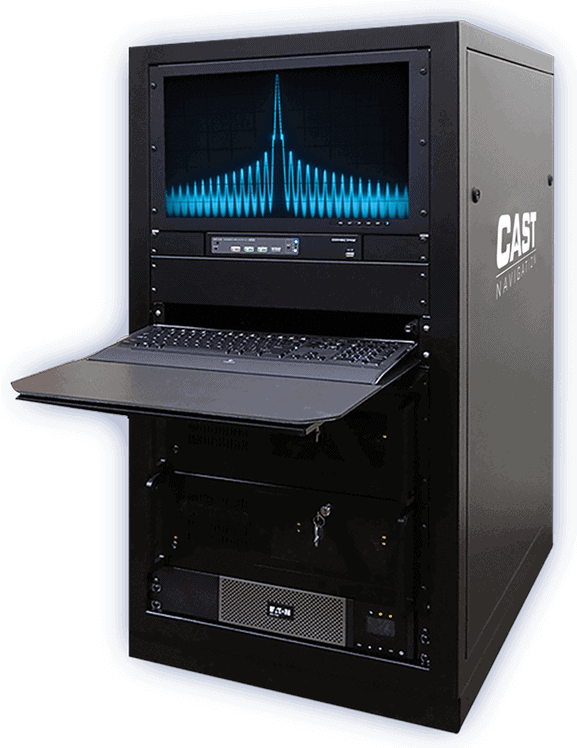
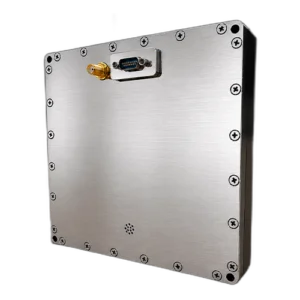
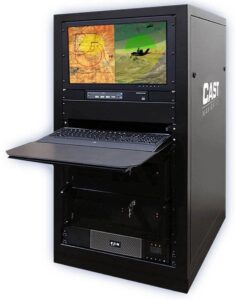
Threat simulation for navigation & anti-jamming systems
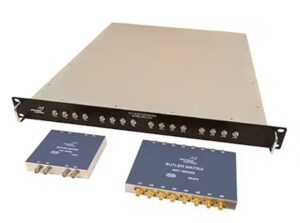
Threat simulation for navigation & anti-jamming systems
......Ideal solution for military laboratories where an interference signal capability is desired ...on systems for military navigation and positioning applications support the testing, verification,...
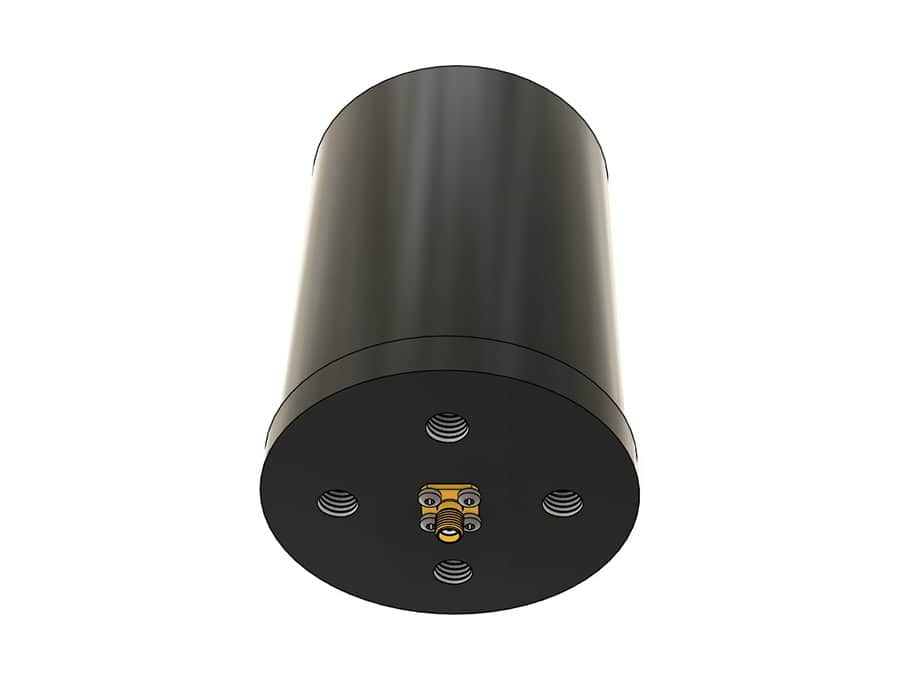
Military radio antennas and accessories are vital in modern defense, providing secure, reliable communication and data transmission across challenging environments. Essential components include GPS and Controlled Reception Pattern Antennas (CRPA), which offer precise navigation and anti-jamming capabilities, ensuring dependable positioning even in hostile electronic environments.
Advanced SATCOM systems, including mobile and ground-based satellite antennas, enable global data transfer for command and intelligence sharing. Electronic Warfare (EW) antennas provide jamming, interception, and deception capabilities to counter enemy radar and communications, while direction-finding antennas support precise enemy signal tracking. Together, these systems form a resilient communication infrastructure that enhances military coordination, situational awareness, and mission success across land, air, and sea.
Types of Military Radio Antenna by Usage
Communication Antennas
These antennas form the backbone of military communications, allowing for secure transmission of voice, data, and video across different environments and branches.
Ground Communication
Typical frequency range: 30-88 MHz (VHF), 225-400 MHz (UHF)
Antenna types:
Whip antennas – for mobile communication on vehicles or man-portable units.
Dipole antennas – for fixed installations, providing broad frequency coverage.
Collinear antennas – for omni-directional gain, ideal in stationary command centers.
Air-to-Ground / Air-to-Air Communication
Typical frequency range: 108-137 MHz (VHF Airband), 225-400 MHz (UHF)
Antenna types:
Blade antennas – low-profile, aerodynamic designs for aircraft.
Wideband omni-directional antennas – seamless, multi-band operation for dynamic communication.
Monopole antennas – commonly used on smaller aircraft for compact design.
Naval Communication
Typical frequency range: 2-30 MHz (HF), 300-3000 MHz (UHF)
Antenna types:
Whip antennas – for HF communications on ships.
Conformal antennas – integrated into ship structures for stealth and durability.
Log-periodic antennas – for broadband coverage in HF and VHF bands.
Tactical Radio Systems
Typical frequency range: 30-512 MHz (VHF/UHF)
Antenna types:
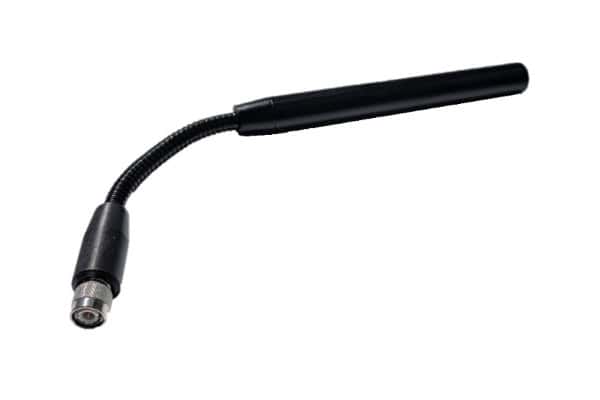
Whip antennas – lightweight for man-portable radios.
Monopole antennas – resilient for field use in rugged environments.
Foldable antennas – portable for easy transport in the field.
Surveillance and Reconnaissance Antennas
These antennas support intelligence gathering, allowing military units to detect, track, and monitor adversary movement.
Radar Detection and Tracking Antenna Arrays
Typical frequency range: 1-18 GHz (L, S, C, X, Ku, Ka bands)
Antenna types:
Parabolic dish antennas – for high-gain, narrow-beam targeting.
Phased array antennas – for electronic steering in target acquisition.
Slotted waveguide antennas – provide directional beams for radar.
Signal Intelligence (SIGINT)
Typical frequency range: 20 MHz – 6 GHz
Antenna types:
Loop antennas – for direction-finding at lower frequencies.
Log-periodic dipole arrays – broad frequency coverage.
Spiral antennas – for circular polarization, used in signal capture.
Ground Surveillance
Typical frequency range: 1-10 GHz (L, S, C, X bands)
Antenna types:
Yagi antennas – directional, commonly for ground-based surveillance.
Parabolic and horn antennas – used in fixed ground radar systems.
Dipole arrays – vertically, or horizontally polarized, provide flexibility in coverage and direction.
Aerial Surveillance
Typical frequency range: 1-40 GHz (S, C, X, Ku, Ka bands)
Antenna types:
Conformal antennas – integrated into aircraft for reduced drag.
Planar array antennas – lightweight, covering large surveillance areas.
Active electronically scanned arrays (AESA) – for high-resolution imaging.
Electronic Warfare (EW) Antennas
EW antennas are specialized for counteracting adversary radar and communication systems through jamming, deception, and interception.
Jamming Antenna
Typical frequency range: 20 MHz – 18 GHz
Antenna types:
Wideband omni-directional antennas – for multi-band jamming.
Spiral and log-periodic antennas – provide broad frequency coverage.
Horn antennas – for directed jamming.
Interception Antennas
Typical frequency range: 20 MHz – 6 GHz
Antenna types:
Log-periodic dipole arrays – for wide frequency interception.
Biconical antennas – for capturing enemy signals.
Spiral antennas – for circularly polarized signal capture.
Deception and Decoy Antennas
Typical frequency range: 500 MHz – 18 GHz (varies by enemy radar frequency)
Antenna types:
Phased array antennas – for steering deception signals.
Dipole and monopole arrays – for adaptable decoy signals.
Log-periodic antennas – for multi-band deception.
Direction-Finding Antennas
Typical frequency range: 100 MHz – 3 GHz
Antenna types:
Loop antennas – for HF and VHF direction-finding.
Yagi antennas – directional, for locating enemy transmitters.
Crossed-loop antennas – for high-accuracy location pinpointing.
Navigation and GPS antennas
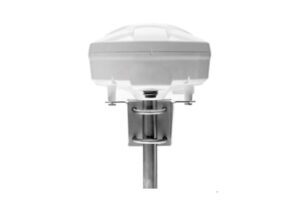
GPS antennas provide accurate navigation and timing data essential for coordinating military operations.
GPS and GNSS Antennas
Typical frequency range: 1.1-1.6 GHz (L1 and L2 bands)
Antenna types:
Patch antennas – compact and reliable GPS antenna.
Helical antennas – ideal for portable devices, providing good gain.
Quadrifilar helix antennas – for circular polarization in GPS signal capture.
Beacon Navigation Antennas
Typical frequency range: 200-400 kHz (non-directional beacons) and UHF bands
Antenna types:
Monopole antennas – for beacon systems.
Dipole antennas – standard for stationary beacons.
Loop antennas – suitable for direction-finding in navigation.
Inertial Navigation Support Antennas
Typical frequency range: 1.1-1.6 GHz (integrated with GPS)
Antenna types:
Patch antennas – for GPS/inertial systems.
Microstrip antennas – compact and integrated into systems.
Low-profile GNSS antennas – for mounting on vehicles/aircraft.
Satellite Communication (SATCOM) Antennas
SATCOM antennas allow long-range, global data transfer critical to military command, control, and situational awareness.
Ground-based SATCOM
Typical frequency range: 2-30 GHz (C, X, Ku, Ka bands)
Antenna types:
Parabolic dish antennas – high-gain for fixed installations. Often used as a tracking antenna.
Phased array antennas – enable beam steering for satellite tracking.
Horn antennas – for focused SATCOM transmission.
Mobile SATCOM
Typical frequency range: 2-30 GHz
Antenna types:
Flat panel antennas – low profile for vehicles.
Helix and spiral antennas – provide gain in mobile use.
Manpack SATCOM antennas – portable SATCOM units for ground forces.
High-bandwidth SATCOM
Typical frequency range: 20-40 GHz (Ka band)
Antenna types:
Phased array and flat panel antennas – for data-heavy transmissions.
Parabolic antennas – where high directional gain is needed.
LEO and GEO SATCOM
Typical frequency range: LEO: 1-2 GHz; GEO: 3-30 GHz (S, C, X, Ku, Ka bands)
Antenna types:
Parabolic dish antennas – for GEO satellite communications.
Beam-steering antennas – for rapid adjustments with LEO satellites.
Portable and Mobile Antennas
Body-Worn Antennas
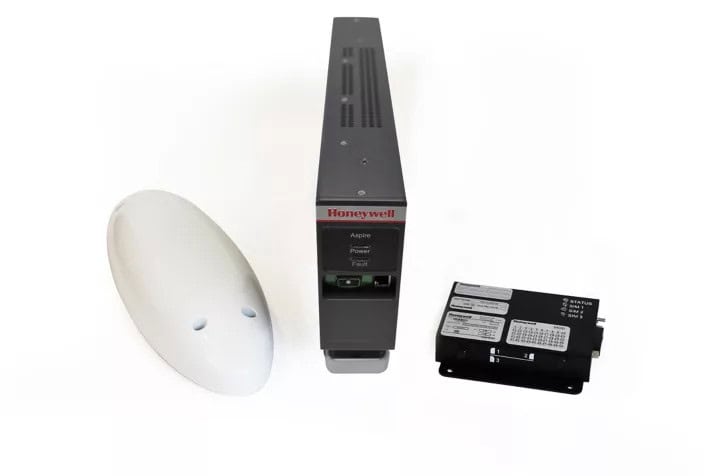
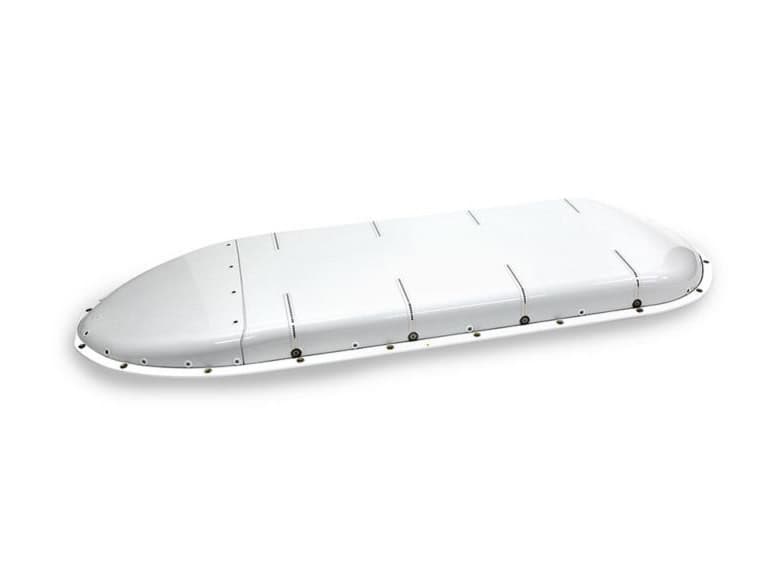
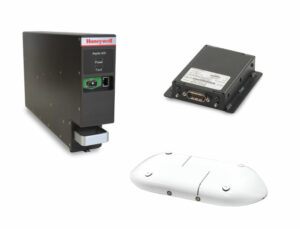
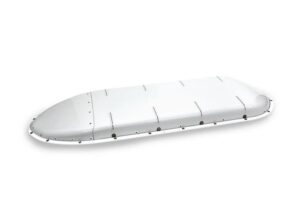
AMT-3800 Aircraft Antenna by Honeywell Aerospace
As military communications evolve, body-worn antennas have emerged as an innovative solution for troops on the ground. These antennas can be integrated into soldiers’ clothing, providing discreet and reliable communication capabilities without needing external hardware. Incorporating antennas into uniforms and gear allows for more seamless and secure communications, particularly in combat or reconnaissance missions where stealth and mobility are paramount.
Manpack Radio Antennas
Manpack antennas are typically used with manpack radios to enable secure voice, data, and GPS communications across various frequency bands. Engineered for durability and flexibility, manpack antennas often feature collapsible or ruggedized designs that can withstand harsh battlefield conditions. Their portability makes them an ideal tactical antenna, allowing troops to maintain constant communication with command centers or other units, even in remote or high-mobility scenarios. Advancements in antenna technology mean that modern military manpack antennas now offer enhanced performance, supporting high-gain, wideband, and SATCOM capabilities for various operational needs.
Military Vehicle Antennas
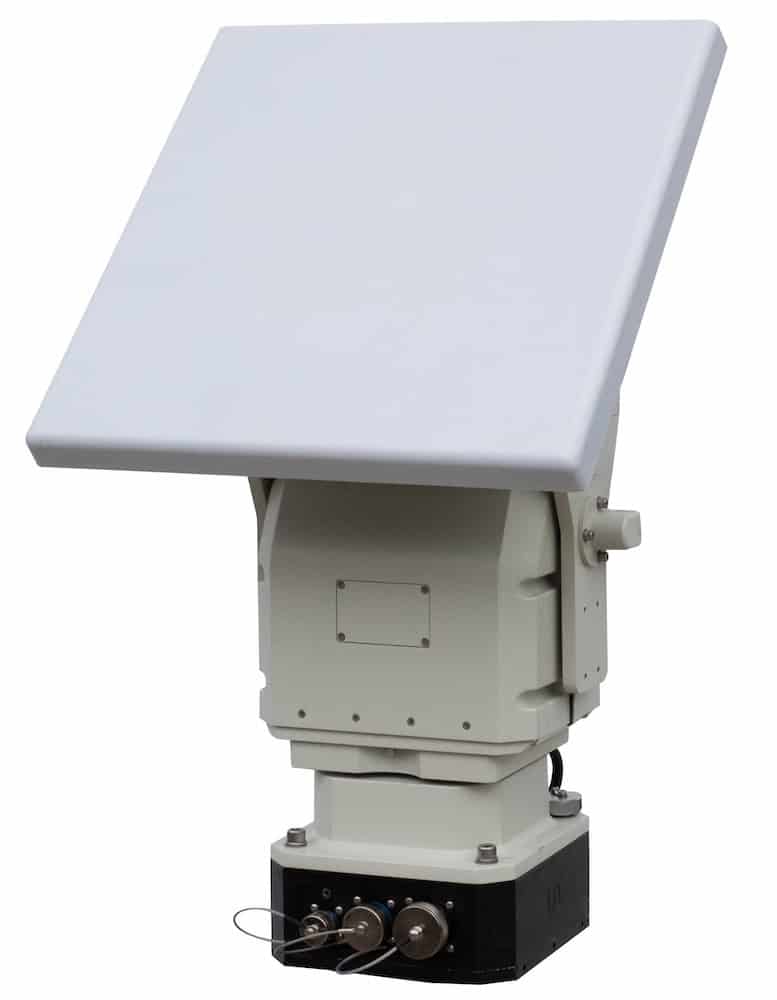
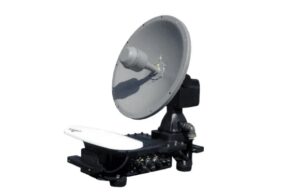
TTS 2.0 Mobile Tracking Antenna System by Triad RF Systems
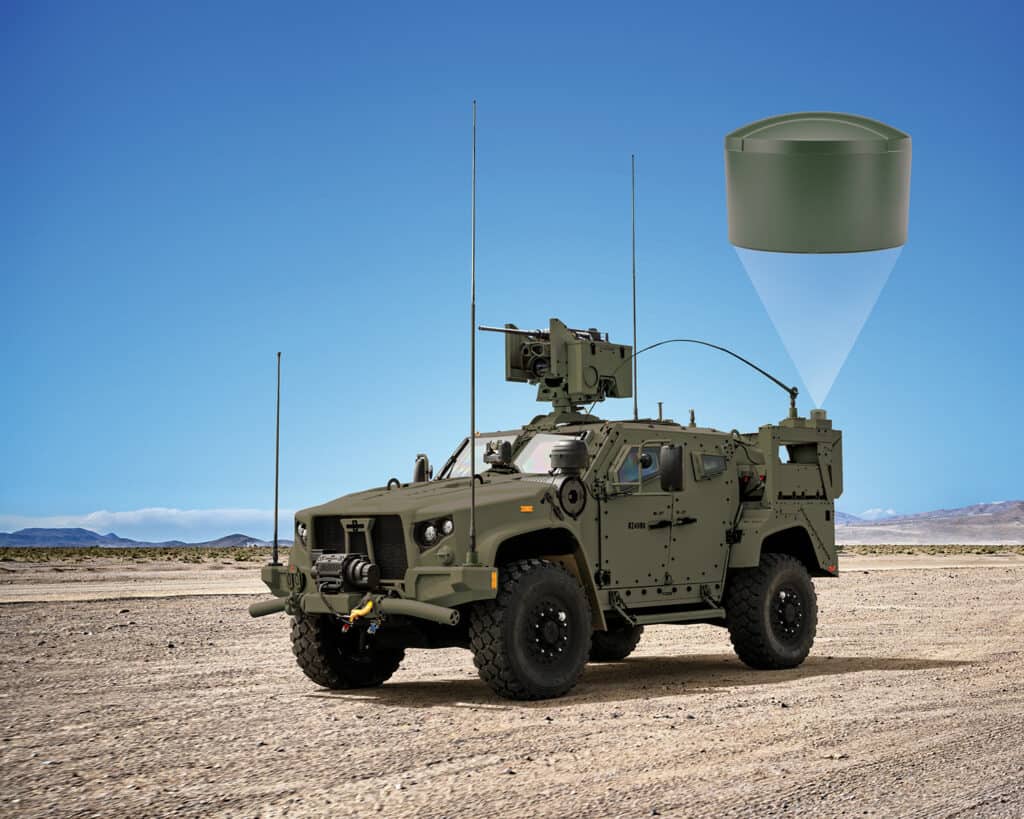
Military vehicle antennas are essential for maintaining robust communication and data links across a range of operations, from ground support to high-mobility engagements. Mounted on armored vehicles, tanks, and tactical trucks, these antennas are designed for durability and can operate effectively in harsh environments, ensuring uninterrupted connectivity on the move. Vehicle antennas cover various communication needs, including VHF/UHF for local command, SATCOM for long-distance links, and wideband capabilities for data-heavy transmissions.
Equipped with features like automatic tuning and shock resistance, military vehicle antennas withstand extreme conditions, including vibration and impact, while supporting voice, data, and situational awareness systems. Some vehicle antennas integrate multiple frequency bands into a single, compact unit, providing flexibility and reducing the equipment footprint on the vehicle. By enabling real-time communication with command centers and other units, these antennas ensure that mobile forces maintain situational awareness and coordination, critical in fast-paced operational settings.
Antennas for Unmanned Platforms
Unmanned systems, including military drones and unmanned ground vehicles (UGVs), rely heavily on specialized antennas to maintain robust communication links for command and control and payload data transmission.
Common data link (CDL) Ku-band antennas with circular polarization and up to 4dBiC gain are frequently used to ensure reliable data communication between unmanned platforms and their control stations.
Counter-drone antennas are designed to mitigate the growing threat of enemy UAVs. These antennas are critical in disrupting hostile drone operations and ensuring airspace security.
Directional antennas, used for communication between towing aircraft and the aircraft being towed, offer enhanced precision in data transmission.
Colinear, vertically polarized omni antennas, often installed on aircraft wings, provide high-gain solutions for improved range and signal clarity.
Other specialized antennas for unmanned platforms include radar cross-section enhancement antennas, radar detection systems, and spiral antennas used for navigation.
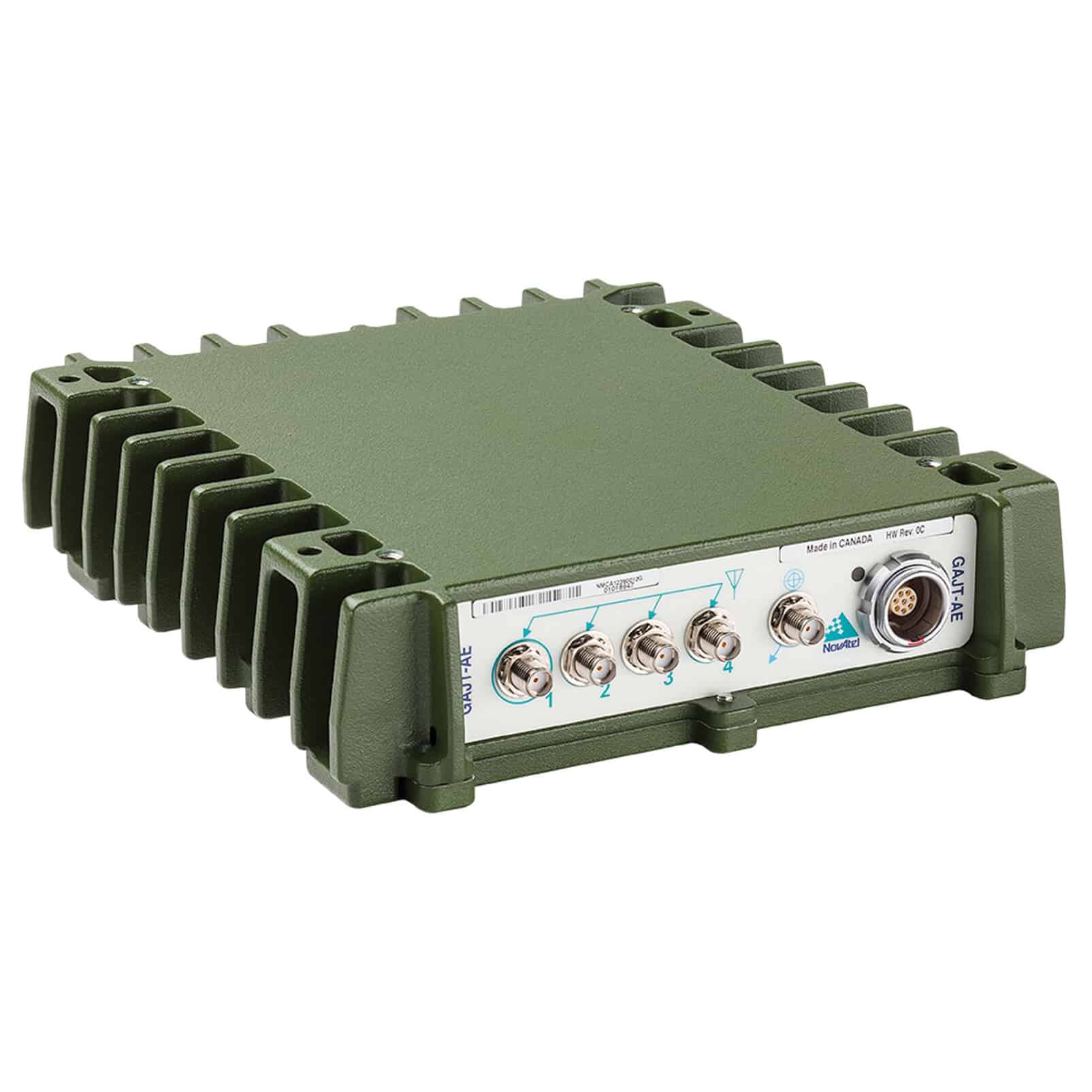
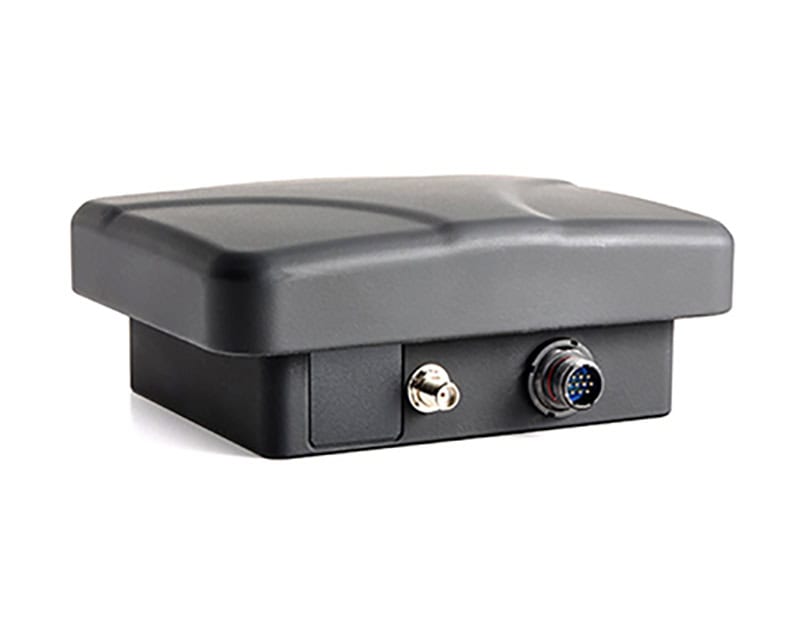
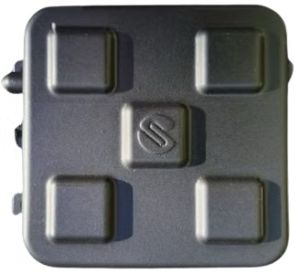
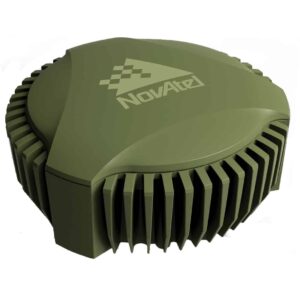
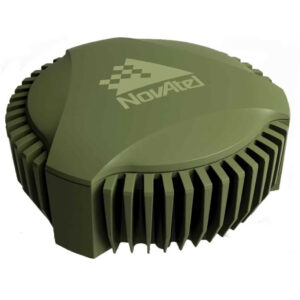
GAJT-410ML Anti-Jam Military Vehicle Antenna by NovAtel
Specialist Antennas
SATCOM Antennas
Satellite communication (SATCOM) antennas are another critical element in military operations, ensuring long-range communication between various units, often in remote or contested areas. SATCOM antennas are designed to withstand harsh environmental conditions while providing reliable uplink and downlink capabilities. They can be integrated into ground vehicles, aircraft, and naval platforms, supporting various tactical and strategic communication needs. With satellite-based communication becoming increasingly important in modern warfare, SATCOM antennas continue to evolve to meet the demands of next-generation defense systems.
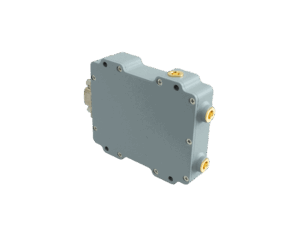
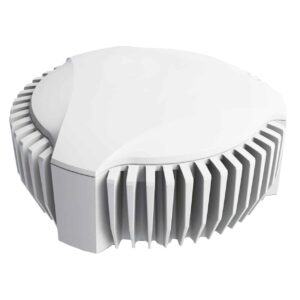
GAJT-710ML GPS Anti-Jam Antenna by NovAtel
Anti-Jam GPS Antenna
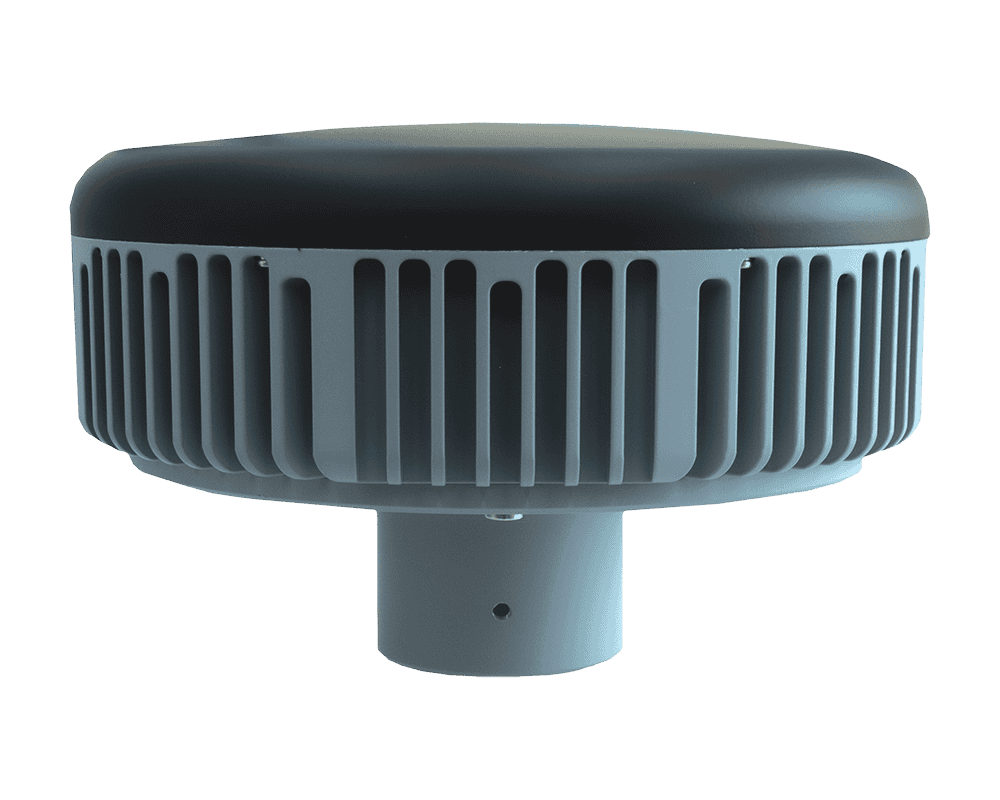
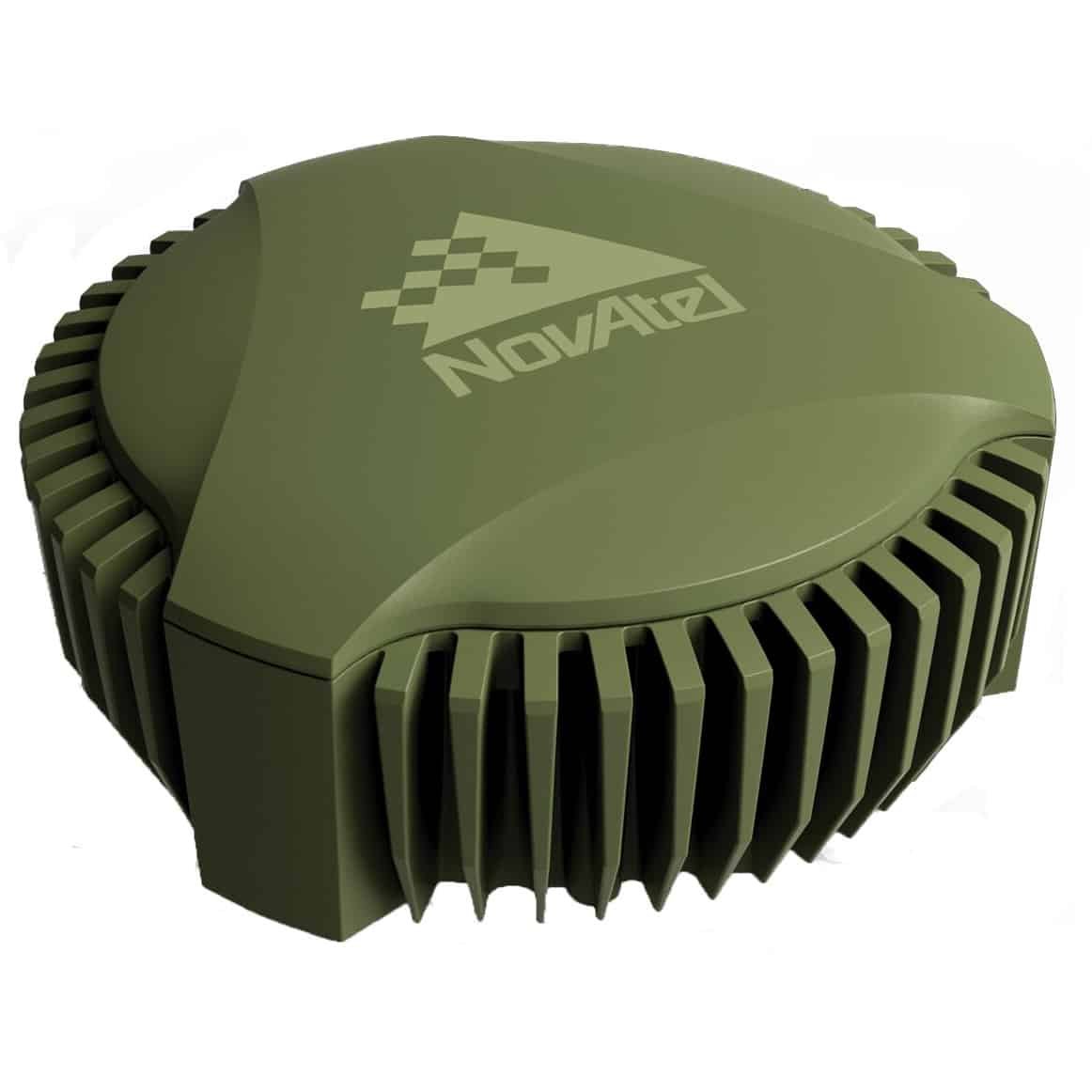
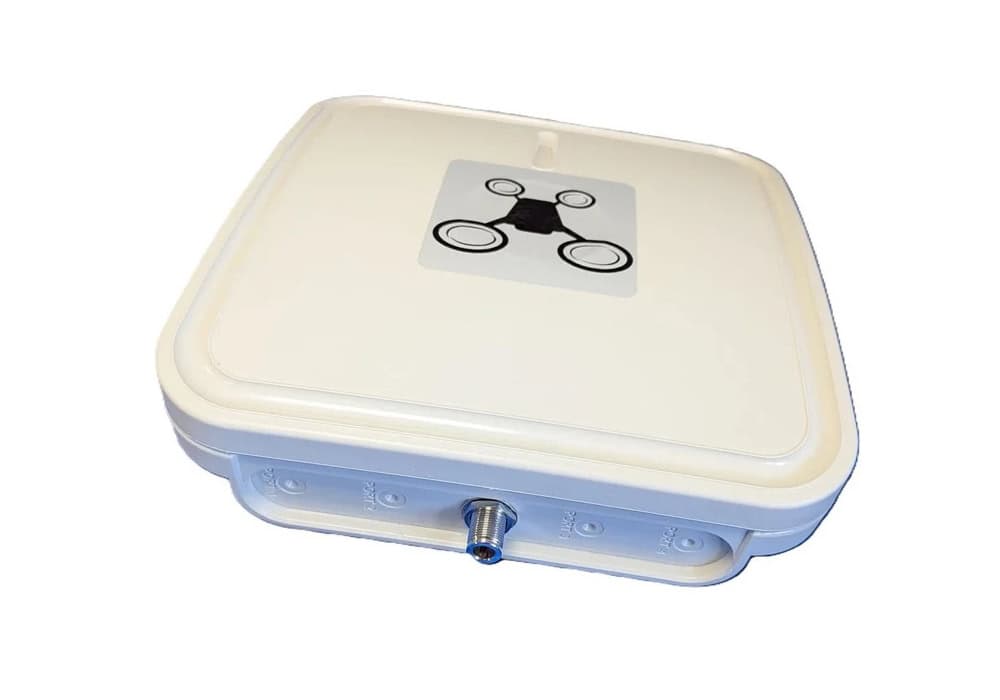
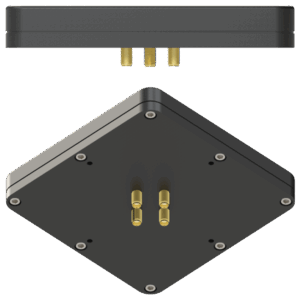
Secure and reliable GPS signals are vital for navigation, targeting, and situational awareness in modern military operations. However, GPS signals are vulnerable to jamming and interference from adversaries, posing a significant threat to mission success. Anti-jam GPS antennas are designed to combat this issue, ensuring that military systems can maintain accurate positioning and timing information even in contested environments.
Anti-jam GPS antennas use advanced signal processing techniques, such as beamforming and null steering, to filter out unwanted signals and focus on genuine GPS signals. These antennas can adjust their reception patterns dynamically, suppressing interference sources while maintaining a solid connection with GPS satellites. This capability is significant in combat scenarios, where electronic warfare tactics can include GPS jamming to disrupt military operations.
CRPA Antenna Systems
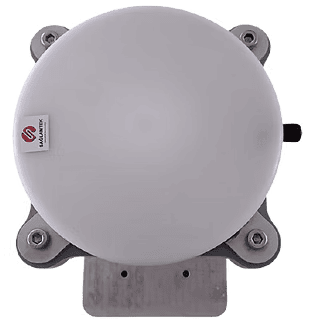
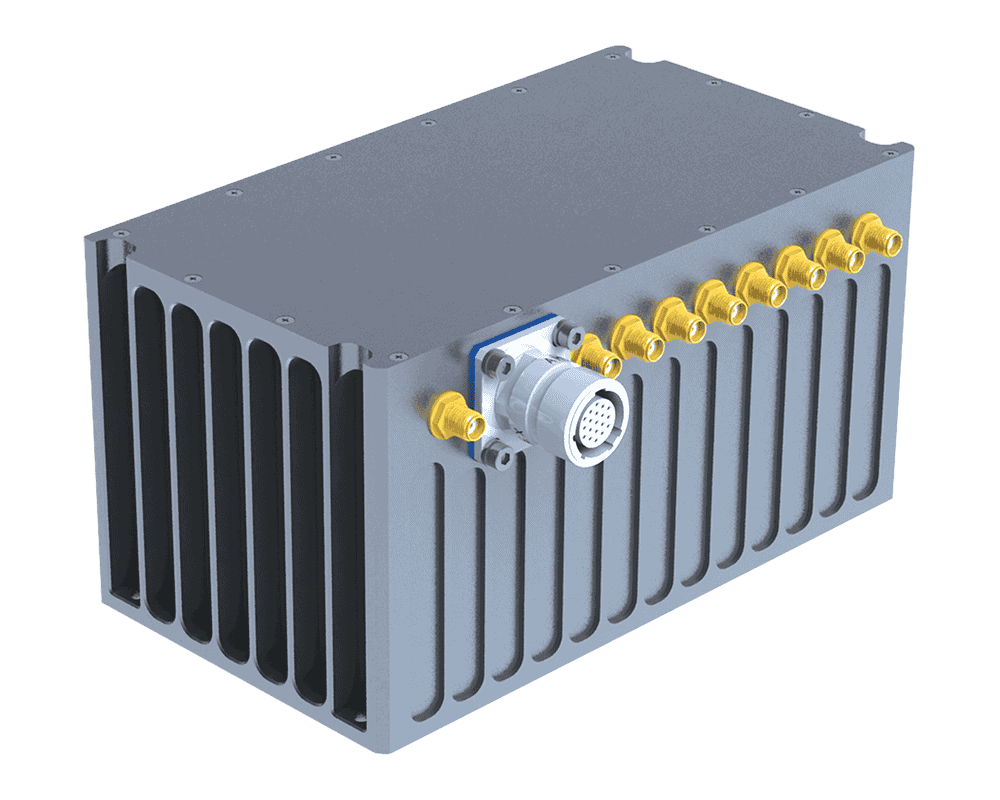
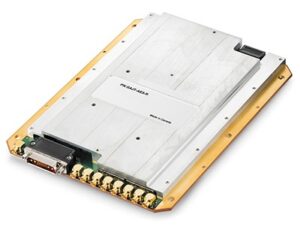
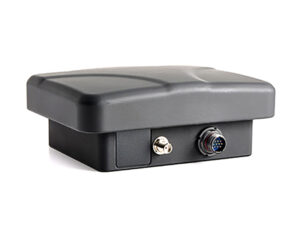
M-AJ-QUATRO Military CRPA Antenna System by Inertial Labs, a VIAVI Solutions Company
Many anti-jam antennas integrate Controlled Reception Pattern Antenna (CRPA) technology, which allows them to optimize signal reception based on the direction of incoming GPS signals and jamming sources. CRPA-equipped anti-jam antennas provide enhanced protection by continuously adapting to changing conditions on the battlefield.
Anti-jam GPS antennas ensure continuous access to reliable GPS signals, critical to maintaining the effectiveness of military navigation systems, guided munitions, and other GPS-dependent technologies. As electronic warfare threats evolve, these antennas remain a cornerstone of military communication and navigation resilience.
High-Gain and Low-Gain Antennas
Military communication systems require antennas with different gain characteristics depending on the application. High-gain radar and communication systems typically use wideband antennas with multi-octave radiation patterns, capable of delivering high-performance data links over long distances. These systems often incorporate Voltage Standing Wave Ratio (VSWR) optimization, sometimes with wide-angle scanning to cover broader operational areas.
In contrast, low-gain mobile communication systems are designed with simpler radiation patterns but still require wideband VSWR to maintain robust communication links in mobile operations. These systems are often used in more tactical environments where compact, versatile communication systems are needed.
Antenna Masts
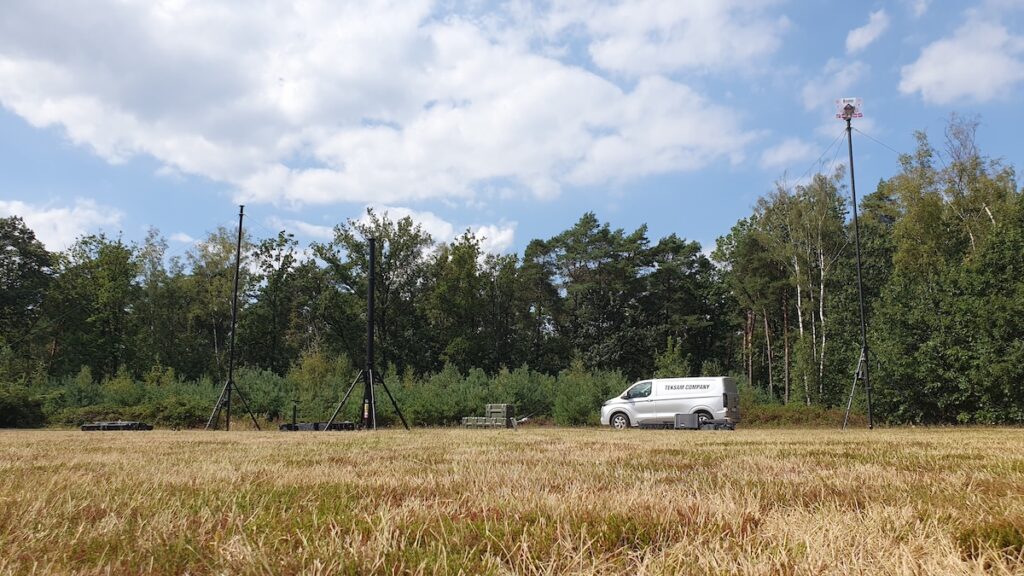
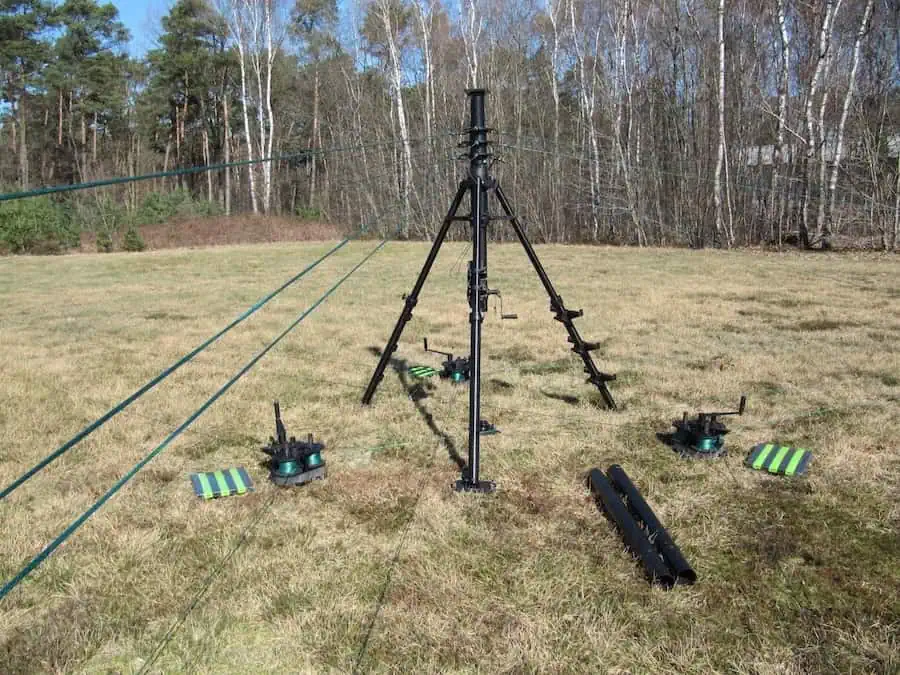
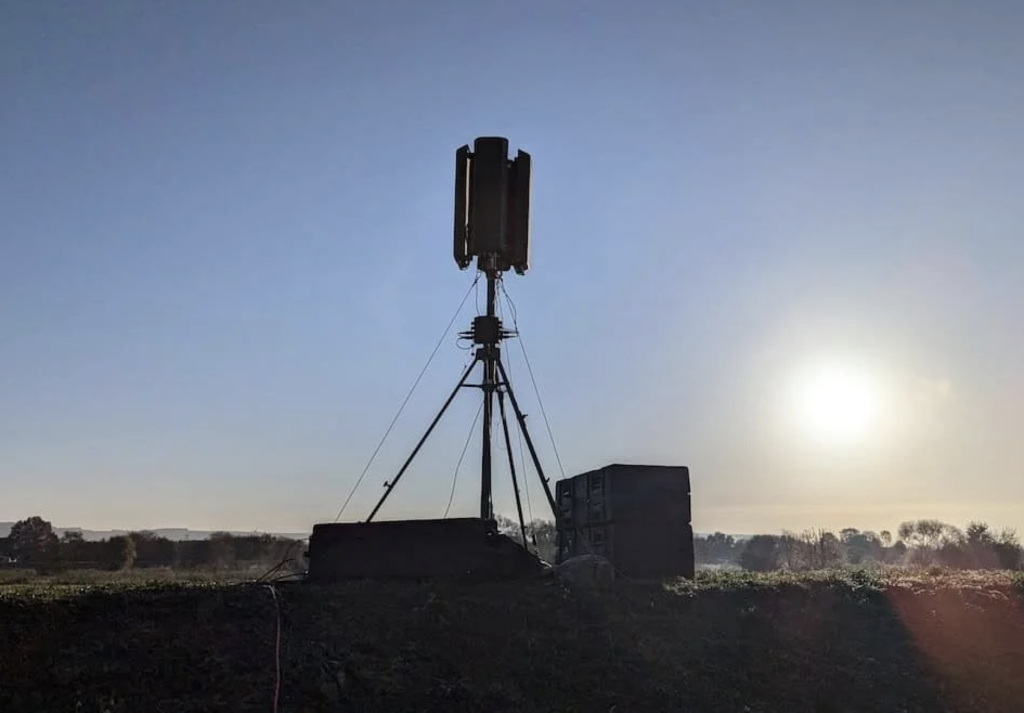
Antenna masts are integral to many military communication setups, providing the necessary height and positioning for optimal signal transmission. These masts can support a variety of antennas, from wideband omnidirectional systems to more specialized directional or sector antennas. Deployed in fixed and mobile configurations, antenna masts are essential for establishing communication networks in field operations, particularly in remote or challenging terrains.
Relevant US Military Standards
MIL-STD-461: Electromagnetic Interference (EMI) Control
MIL-STD-461 sets detailed requirements for controlling electromagnetic interference (EMI) emissions and susceptibility in military electronic systems and subsystems. By managing EMI, the standard ensures that different military devices, vehicles, and systems can operate together without signal interference or operational degradation.
By adhering to MIL-STD-461, antennas and communication systems are validated to operate across designated military frequency bands without causing or being affected by interference. For example, an antenna in the VHF/UHF range would undergo RE102 testing up to 1 GHz to ensure it doesn’t emit unintended signals outside its operating range, which could disrupt other systems.
MIL-STD-810: Environmental Engineering Considerations and Laboratory Tests
MIL-STD-810 establishes environmental testing protocols to ensure that military equipment can withstand a range of environmental stresses, such as extreme temperatures, humidity, vibration, and electromagnetic environments. It provides a series of tests tailored to simulate conditions that equipment may encounter during deployment.
Compliance with MIL-STD-810 ensures that military antennas maintain reliable operation across their frequency range in harsh environments, which is vital for field operations. For example, tactical antennas tested under MIL-STD-810 should withstand environmental factors without performance loss, enabling reliable communication even in extreme weather.
Why these standards are important
Ensuring Compatibility: MIL-STD-461 and MIL-STD-810 together validate that military antennas operate without interference in diverse environments, both in terms of EMI control and resilience to environmental stresses.
Field Reliability: MIL-STD-810 tests for robustness in extreme conditions, making it essential for verifying that antennas will retain signal fidelity and structural integrity regardless of climate or environmental factors.
Operational Continuity in Joint Forces: These standards support NATO and allied forces interoperability, ensuring that antennas and communication systems can function without EMI-related disruptions in shared operations.
By aligning with these standards, military antennas and communication systems achieve a high level of reliability, resilience, and compliance with international military requirements, essential for coordinated defense operations.
NATO STANAGs (Standardization Agreements)
NATO Standardization Agreements (STANAGs) are specifications developed by NATO to ensure interoperability and standardization among member nations’ military systems, equipment, and operational procedures. By adhering to these agreements, NATO allies can operate in a coordinated, cohesive manner, allowing for seamless communication, logistics, and tactical collaboration in joint missions.
STANAG 4204
High-Frequency (HF) Radio Equipment Interoperability – Establishes HF communication standards, vital for long-range, over-the-horizon communication among ground, air, and maritime forces.
STANAG 4372
UHF SATCOM – Standardizes UHF satellite communication protocols, which require specific antenna designs for ground, air, and naval operations.
STANAG 5048
Tactical Data Link (Link 16) – Defines interoperability requirements for tactical data links used widely across NATO, including frequency requirements for communication antennas.
STANAG 4626
Software-Defined Radio (SDR) Architecture – Covers requirements for SDRs, which are increasingly used in modern EW and communication systems, enabling adaptable frequency use and multi-functional antenna designs.
Why these standards are important
Interoperability: Adherence to NATO STANAGs ensures that military antennas and communication systems from various countries operate cohesively within the same frequency bands and protocols, critical for allied operations.
Operational Security and Spectrum Management: STANAGs provide guidance on secure, efficient frequency use, enabling allied forces to avoid friendly interference and leverage EW measures while protecting their own communication assets.
Adaptability for Multinational Missions: With STANAGs, NATO forces can deploy and integrate antennas and communication systems across different countries’ units, supporting rapid, coordinated responses and flexible deployments.
By following NATO STANAGs, military antennas, EW systems, and communication protocols align with international defense standards, which is essential for the successful execution of joint missions and strategic interoperability among allied nations.
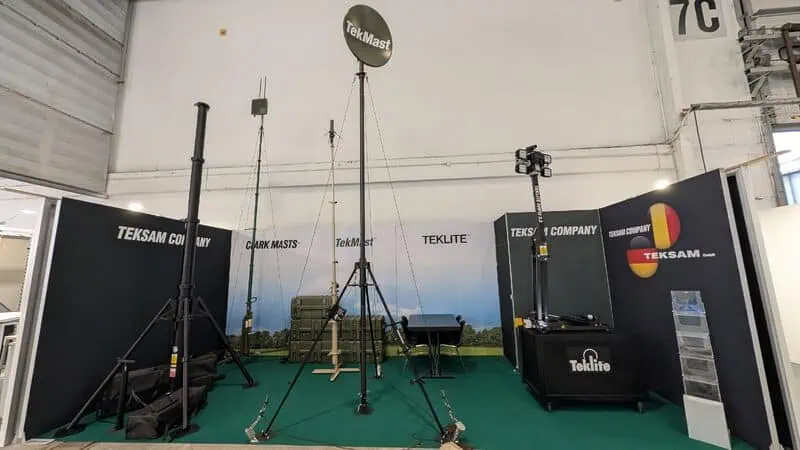
In this Q&A, Frank Oyen, General Manager at Teksam Company, discusses how military mast systems are selected and deployed to support communications, surveillance, counter-UAS, and BVLOS operations
The TekMast VMS-X mechanical mast system from Teksam Company supports high-elevation radar, surveillance, and communications payloads in demanding operational environments
Teksam Company’s TekMast VPT pneumatic mast system is designed to provide rapid tactical deployment, structural stability and reliable support for communications and ISR operations
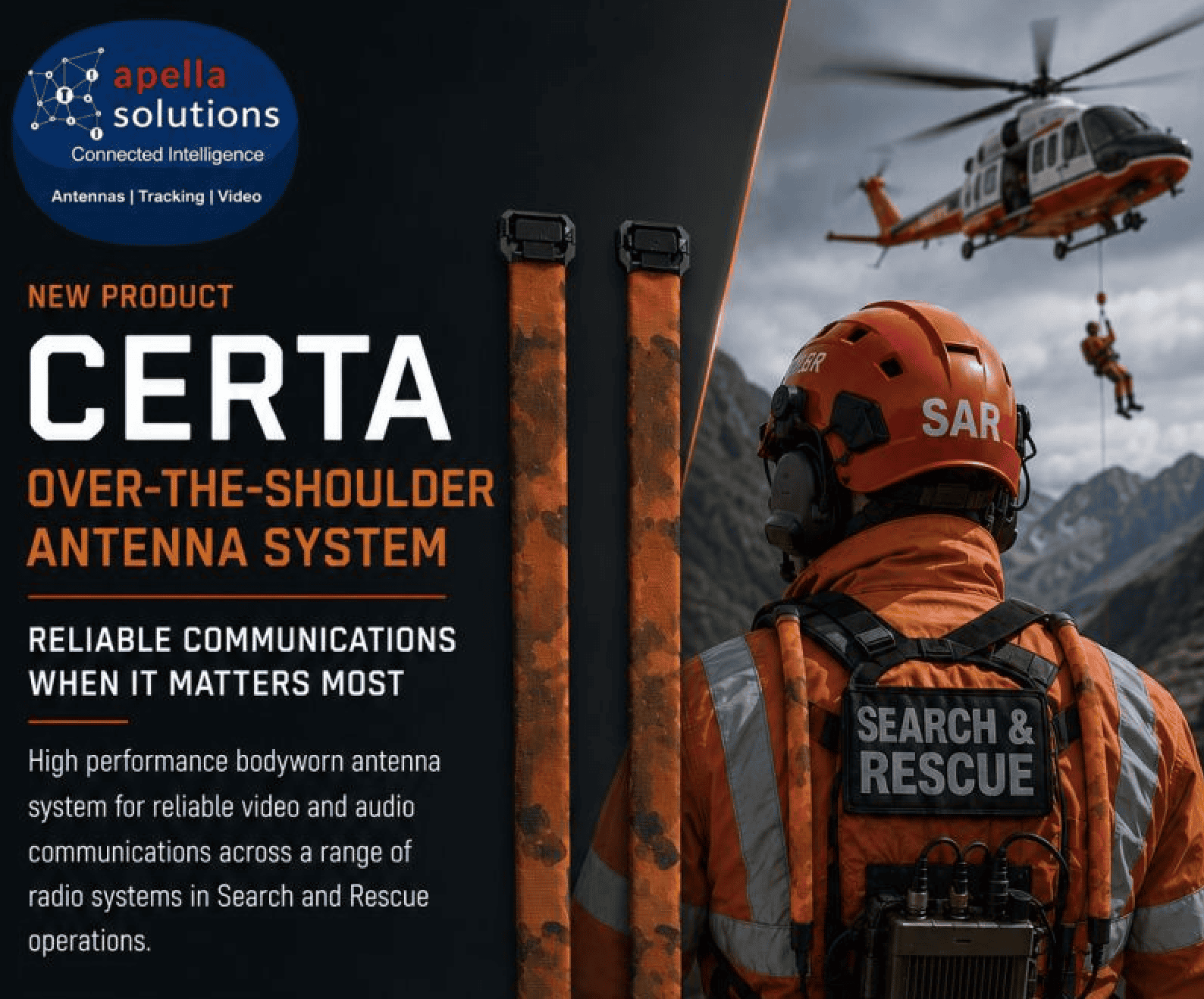
Apella Solutions has released the CERTA over-the-shoulder system to provide reliable video and audio transmission across multiple frequency bands for personnel in the field
Thales and BAE Systems have entered into a collaboration that aims to integrate high-speed stealth sensors onto uncrewed underwater vehicles to enhance situational awareness in contested waters
DTC introduces a self-contained system that maintains continuous real-time connectivity for drones without requiring manual alignment or external processing
Teksam Company is a specialist manufacturer of rapidly-deployable tactical mast systems for military and emergency services communications, lighting, and surveillance applications
EDGE Microwave outlines how GNSS signals are vulnerable to interference, exploring impacts across key operational domains and the mitigation approaches used to ensure reliable positioning, navigation, and timing
TEKSAM COMPANY is set to showcase its advanced defense solutions across a comprehensive international tour in 2026, engaging key stakeholders at premier exhibitions throughout Europe and Asia to drive industry innovation
The latest defense technology news, straight to your inbox.
Get our weekly roundup of technology developments, new products and industry news.
THANK YOU FOR SIGNING UP
Thanks for joining us. Check your inbox.
We've sent you an email. Click the confirmation link to complete your subscription to the weekly eBrief. In the meantime, explore the latest news, suppliers and technologies on DA.
Advancing Defense Capability Through Strategic Collaboration
Defense Advancement works with major OEMs to foster collaboration and increase engagement with SMEs, to accelerate innovation and drive defense capabilities forward.