


Teksam Company is a specialist in telescopic and sectional mast systems for military, communications, surveillance, lighting and other field-deployable applications.
In this exclusive Q&A, Defense Advancement spoke with Frank Oyen, General Manager at Teksam Company, to explore how different mast technologies support military communications, surveillance, counter-UAS and BVLOS operations, the factors that influence mast selection and deployment, and how payload, environmental and installation requirements shape the choice of system.
What is the difference between an antenna mast and a telescopic mast, and why are the terms often used interchangeably in military applications?
The terms antenna mast and telescopic mast are open to broad interpretation and cover a wide range of products. Although they overlap considerably, they do not necessarily refer to the same thing.
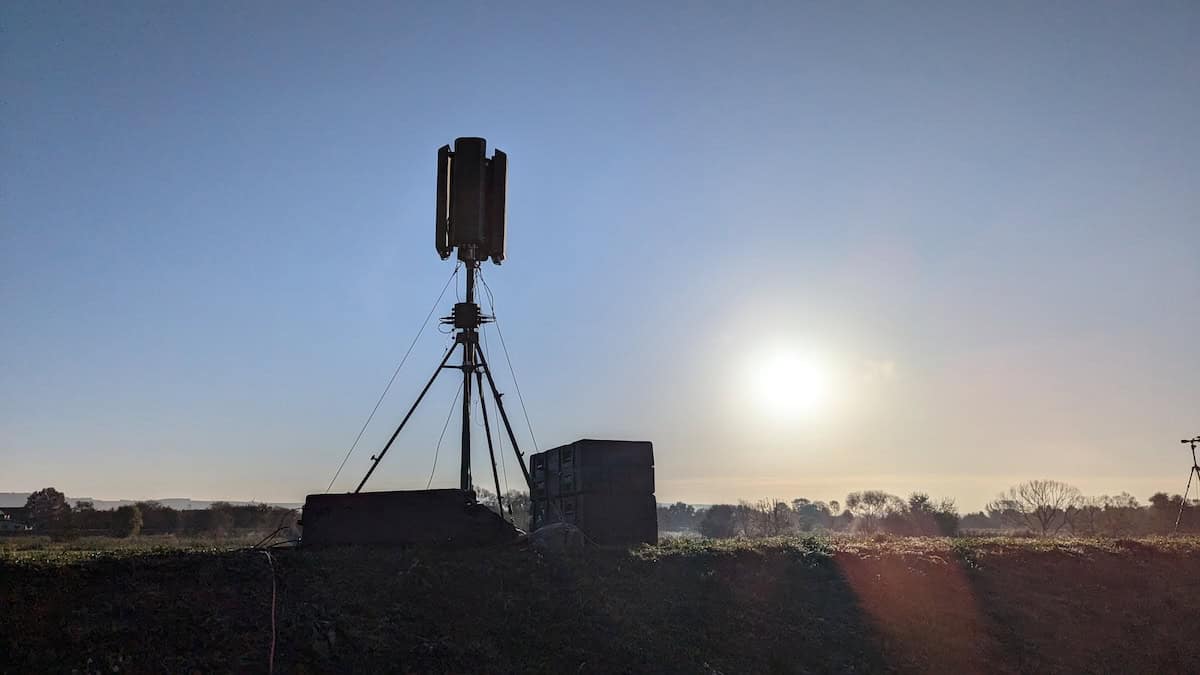
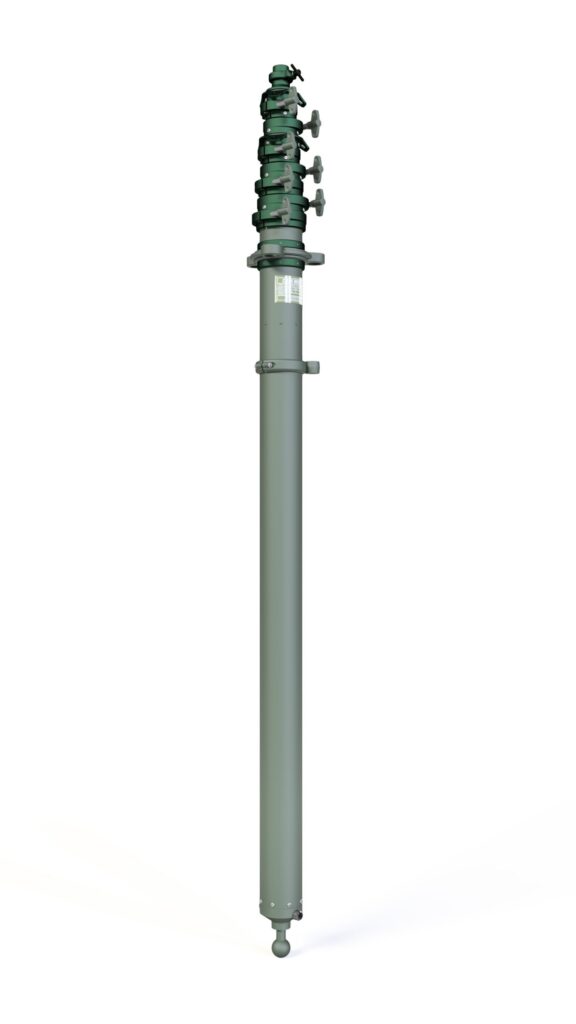
An antenna mast is, as the name suggests, a mast used to raise an antenna for better reception. The type of antenna is not defined by the term. In military applications, this primarily refers to portable, lightweight masts. These can be telescopic or sectional masts, where tubes are stacked on top of each other. They can be vehicle-mounted, although a typical antenna mast is generally considered a field mast. An example is the TekMast VMS-M from Teksam Company.
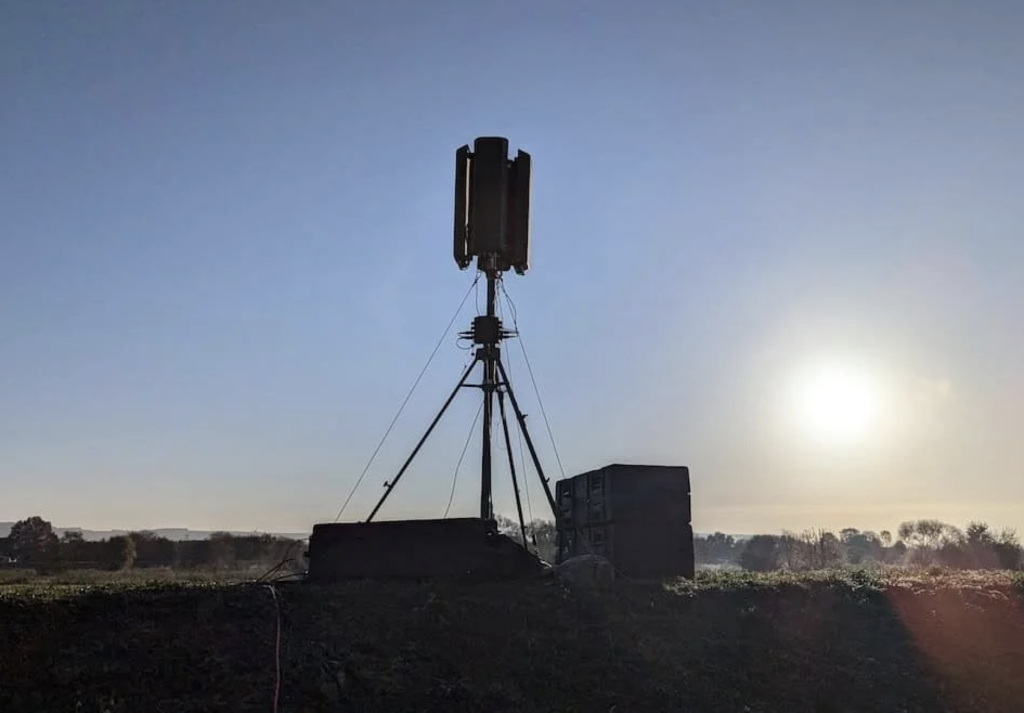
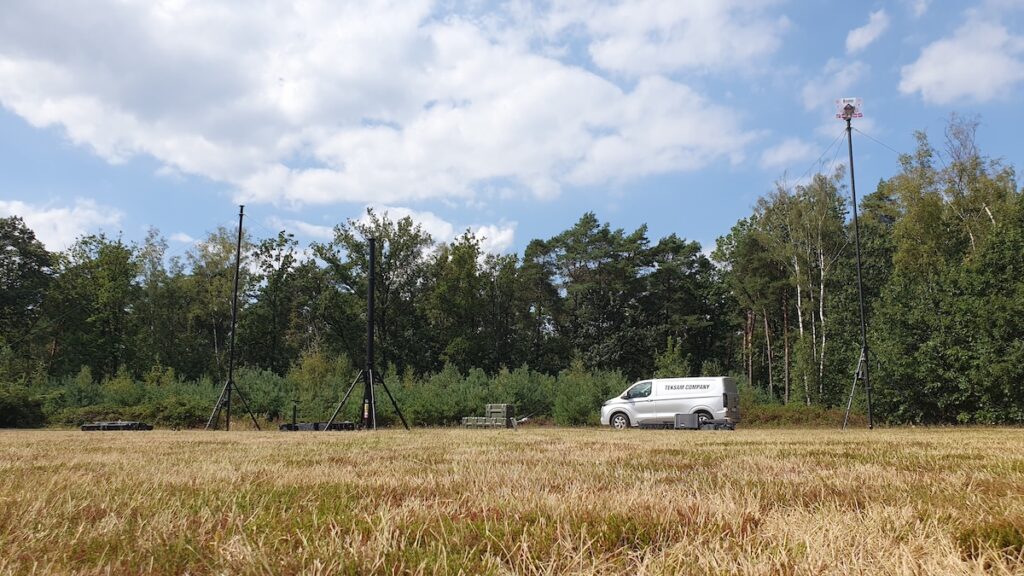
A telescopic mast specifically uses tubes of progressively smaller diameters that slide inside one another when retracted and extend to raise a payload, such as an antenna. Telescopic masts can be mounted on vehicles, trailers, or containers, or deployed freestanding in the field with supporting feet.
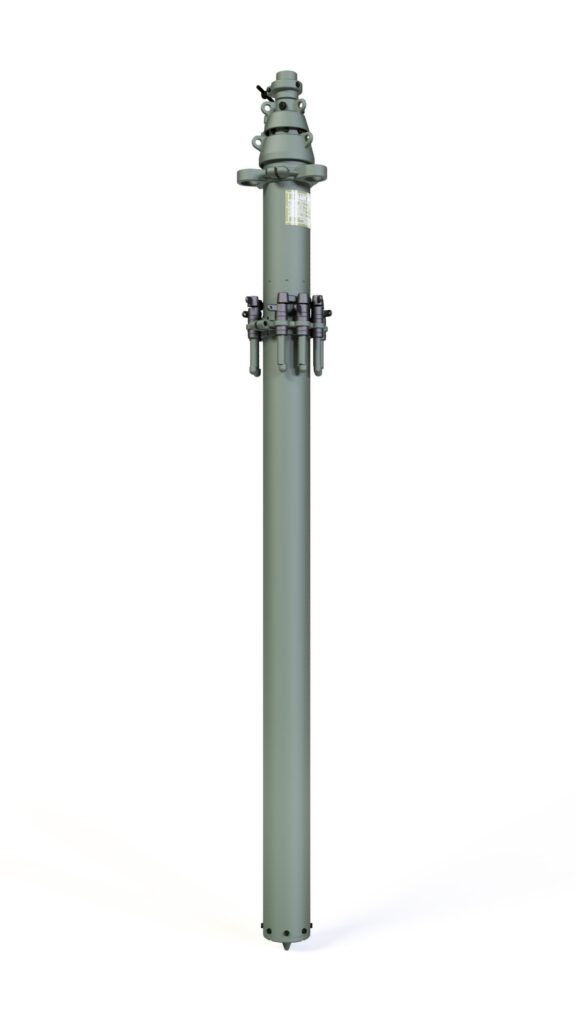
While a telescopic mast can carry an antenna, it can also support lighting, surveillance cameras, measuring equipment, radars, and network modules. An example is the TekMast VPT from Teksam Company.
What operational factors should military users consider when selecting a mast system, including deployment speed, height, payload capacity, mission duration and transport requirements?
The first question is always what you need to raise, where this needs to be done, and how high.
Selection starts with the weight and size of the headload, whether it is for field or vehicle-mounted use, and the required height. From there, additional requirements can be considered, such as maximum retracted height, whether guying can be added for extra stability and wind resistance, and whether internal cabling is needed for data transmission or power.
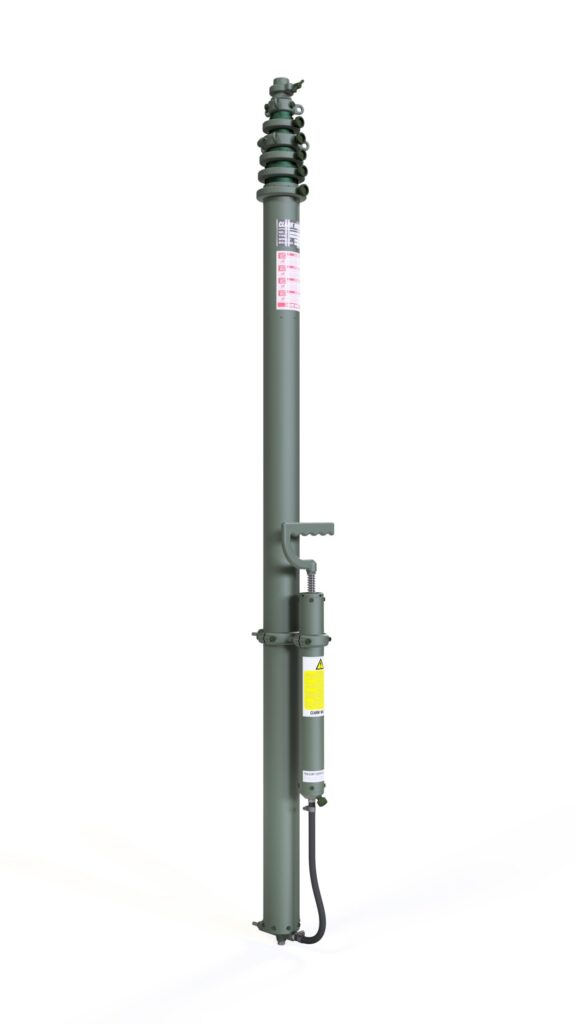
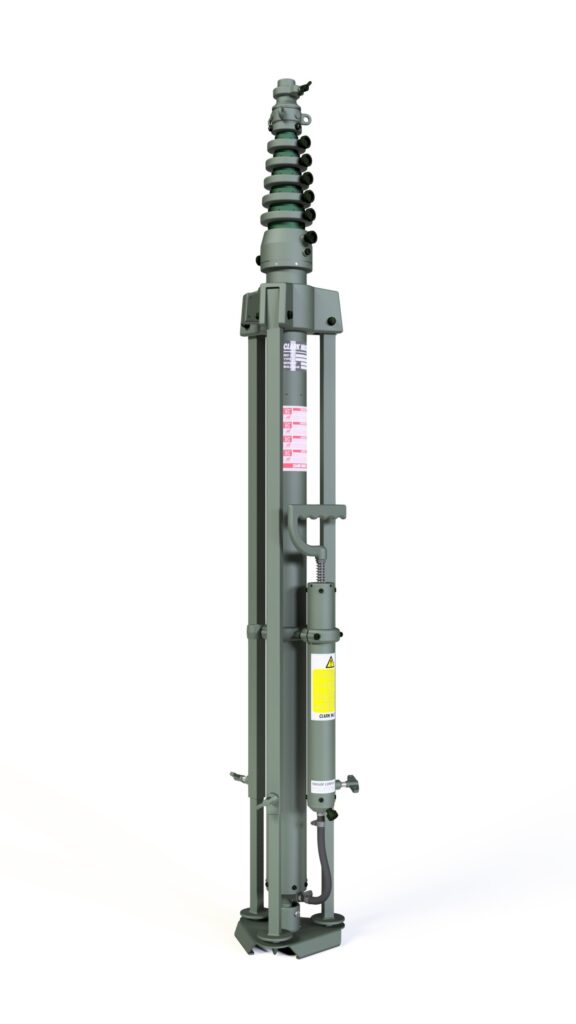
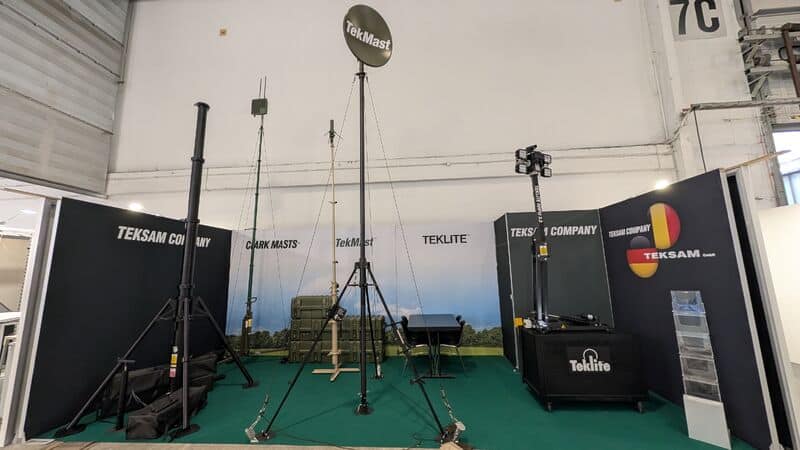
Mission duration and deployment speed are also important. For example, a TekMast VMS is suitable for extended outdoor use, while a Clark Masts QT with a hand pump can be set up and taken down quickly. A Teklite TF series mast is ideal for vehicle-mounted lighting at 6 m, while a TekMast VPT with clamp collars provides extra stability when raising radar systems above a vehicle.
There is therefore no single best mast, but rather an ideal mast for each application.
How do manually operated, pneumatic, hydraulic and electrically driven telescopic masts compare, and which applications are best suited to each type?
The choice is primarily based on weight. Hydraulic or electromechanical masts are generally used for very heavy applications, pneumatic masts for most common applications, and manually operated masts for lighter loads.
There is considerable overlap between mast types, as strength also depends on factors such as tube wall thickness and cord tensioning. Winch-operated mechanical masts, although manually operated, can also lift heavier loads.
Manual masts can support antennas, cameras, and weather stations, while pneumatic masts are commonly used for lighting, cameras, and electrical equipment. Pneumatic masts can accommodate internal coiled cables for protected power or data supply. Electromechanical masts use an internal spindle, so cabling to heavier radar and antenna payloads must be routed externally.
Hydraulic masts are more comparable to cranes and generally fall into a separate category supplied by crane manufacturers.
How do wind, terrain, temperature, payload dimensions and other environmental factors affect mast stability, installation and safe operation?
Wind is often considered a determining factor in mast stability but is less frequently considered during setup and dismantling, even though masts may need to be deployed in poor weather. For example, the TekMast VMS-M uses a patented guy controller that allows one person to control the cords during installation and dismantling, even in windy conditions. With the VMS-X, this is achieved using a winch designed to handle high wind speeds.
Payload weight is also important, but for lightweight payloads with large dimensions, wind load can become the determining factor, making cord tension more important than mast strength.
Terrain must also be considered, as masts need to be erected vertically, although most field masts can accommodate slopes of up to 10°. Temperature and weather are particularly important for pneumatic masts, where condensation can form internally and freeze, preventing retraction. Teksam Company therefore equips its TekMast, Clark Masts, and Teklite ranges with drain valves to remove water after use.
How can telescopic masts support military communications, surveillance, counter-UAS, drone tracking and BVLOS command-and-control operations?
This depends on the application, but generally the transmitter and receiver must be able to maintain an uninterrupted signal without interference from surrounding equipment.
A mast can raise communications equipment above treetops or other physical obstructions, improve proximity to drones for higher-quality video transmission, or separate receivers from nearby systems that could cause interference. This can support communications, surveillance, drone tracking, counter-UAS, and BVLOS command-and-control operations by helping maintain clearer, more reliable links.
In military environments, signal quality can be critical to maintaining effective communication and situational awareness.
What common mistakes should organizations avoid when specifying a mast, and what information should they provide to Teksam to identify the most suitable solution?
Good communication is key. The most difficult requests are incomplete ones that leave important questions unanswered or requirements uncertain.
Customers sometimes select a mast based solely on its datasheet, but it is best to confirm the choice with Teksam’s sales team. For example, payload calculations should include the weight of any cabling running up the mast, while wind load surface should be considered alongside overall weight.
Providing complete information on the application, payload, height, installation, and operating conditions helps Teksam identify the most suitable solution.
It has been a pleasure speaking with Frank, and we look forward to following the company’s continued work in telescopic and sectional mast systems for military communications, surveillance, lighting and other field-deployable applications.