EDGE Microwave outlines the growing challenge of GNSS interference, emphasizing the vulnerability of satellite navigation systems due to their inherently weak signal strength at the Earth’s surface. Read more >>
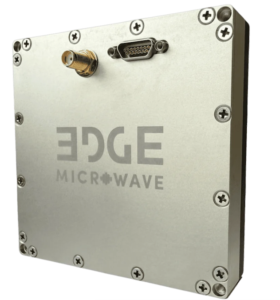
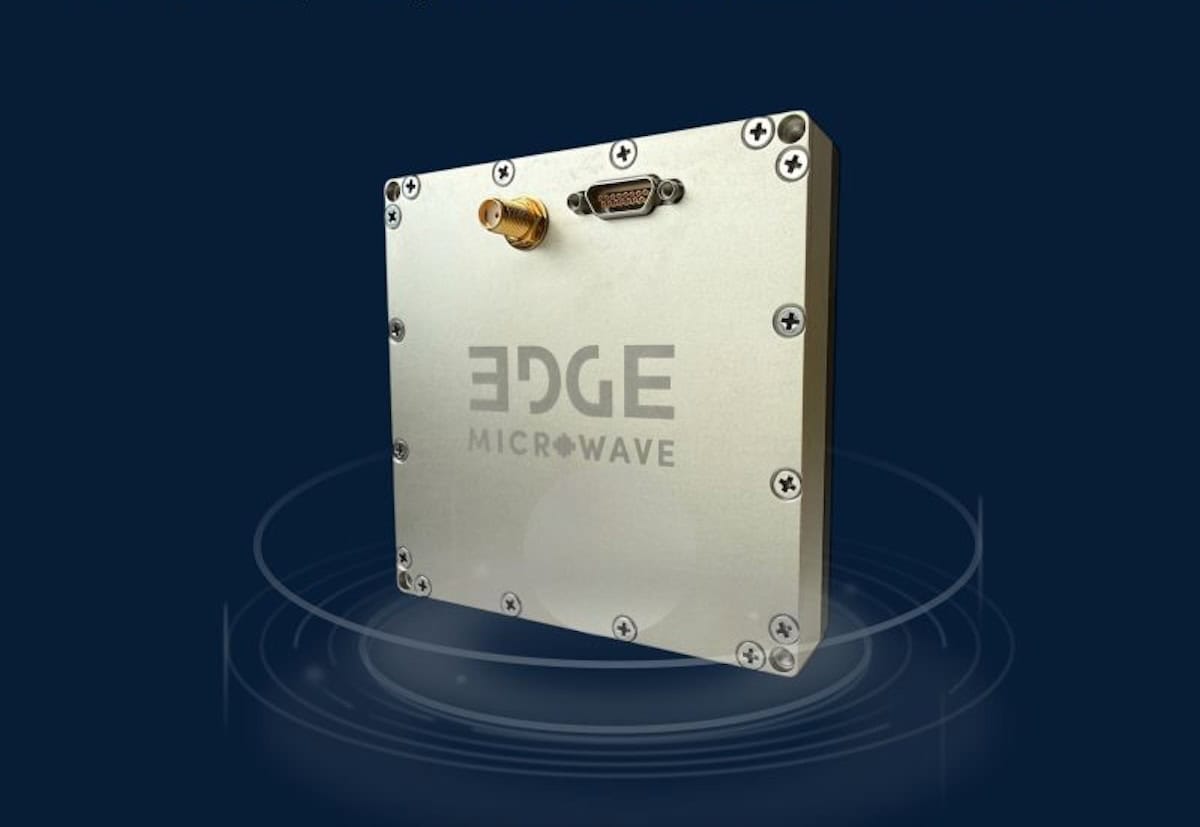
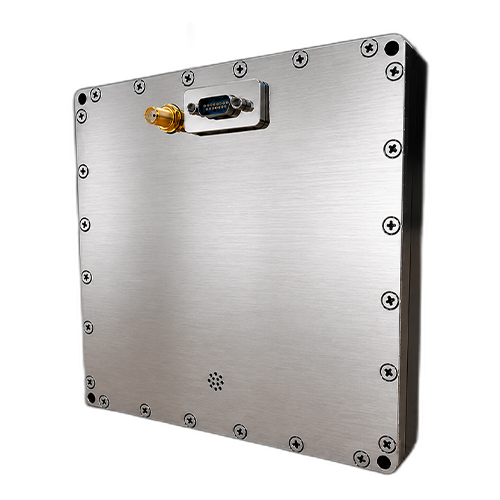
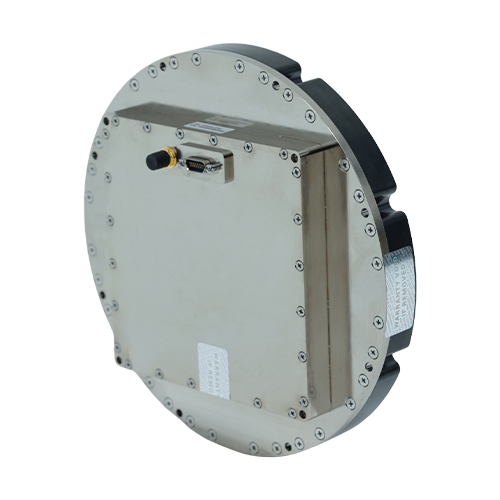
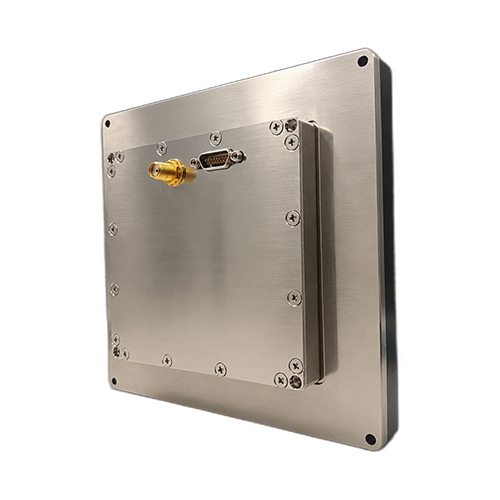
HEDGE-8008 8-channel CRPA GNSS anti-jamming antenna.
Systems such as GPS, Galileo, GLONASS, and BeiDou underpin critical operations across aerospace, maritime, telecommunications, and civilian infrastructure, yet are increasingly exposed to radio frequency disruption from both unintentional sources, such as radar and broadcast transmissions, and deliberate threats including jamming, spoofing, and meaconing.
The impact of this interference spans multiple domains. Civil infrastructure can experience timing instability and operational disruption, while Uncrewed Aerial Vehicles (UAVs) risk navigation failure, drift, or malicious redirection. Maritime and naval platforms are also significantly affected, with documented cases of prolonged jamming and spoofing events disrupting navigation, port operations, and situational awareness. Even localized interference can propagate wider system-level consequences, highlighting the dependency of modern systems on reliable Positioning, Navigation, and Timing (PNT).
To address these challenges, a range of mitigation strategies are employed across different stages of the signal processing chain. Pre-correlation techniques, including adaptive notch filtering, pulse blanking, and GNSS/INS integration, aim to suppress interference before it corrupts signals.
Post-correlation methods, such as measurement monitoring and Receiver Autonomous Integrity Monitoring (RAIM), focus on identifying and excluding compromised data. A layered approach combining these methods is widely recognized as the most effective way to maintain GNSS performance under interference conditions.
The article further identifies Controlled Reception Pattern Antennas (CRPAs) as a highly effective solution, capable of spatially filtering interference by forming directional nulls while preserving desired satellite signals. As interference events increase in frequency and complexity, CRPA-based systems are becoming central to resilient navigation architectures across defense and commercial applications.
For a more detailed technical analysis and expanded discussion of mitigation techniques, read the whitepaper ‘A Review of GNSS Interference and Mitigation Strategies’.