Showcase your capabilities
If you design, build or supply Stabilization Systems, create a profile to showcase your capabilities and connect with visitors who have an active requirement for your solutions.




Explore suppliers and manufacturers of defense stabilizers providing systems for platform, imaging, and weapon applications. These technologies deliver the precision and stability required for reliable operation in dynamic defense environments.
Read the Technology Overview


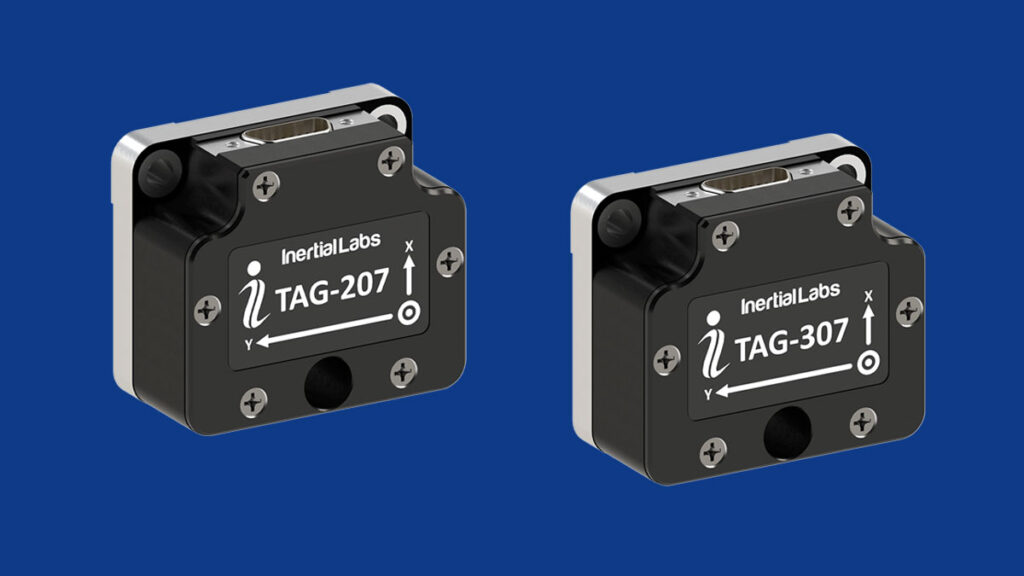
High-Precision Gyro Stabilization Mounts for Mission-Critical Military & Defense Applications

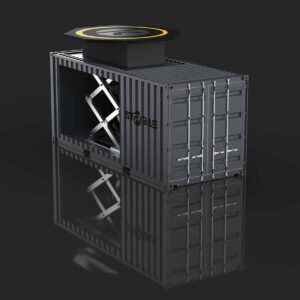
Stabilized Platforms for Military Use: Radar, Antennas, LiDAR, UAV & Patients

If you design, build or supply Stabilization Systems, create a profile to showcase your capabilities and connect with visitors who have an active requirement for your solutions.

Stabilization systems are found in various kinds of modern military hardware, minimizing the impact of vibration, recoil, and motion to deliver consistent targeting, imaging, and tracking accuracy. Used across ground vehicles, maritime vessels, aircraft, and remote weapon stations, stabilizers combine sensors, actuators, and control algorithms to maintain orientation and steady performance even in harsh and dynamic environments.

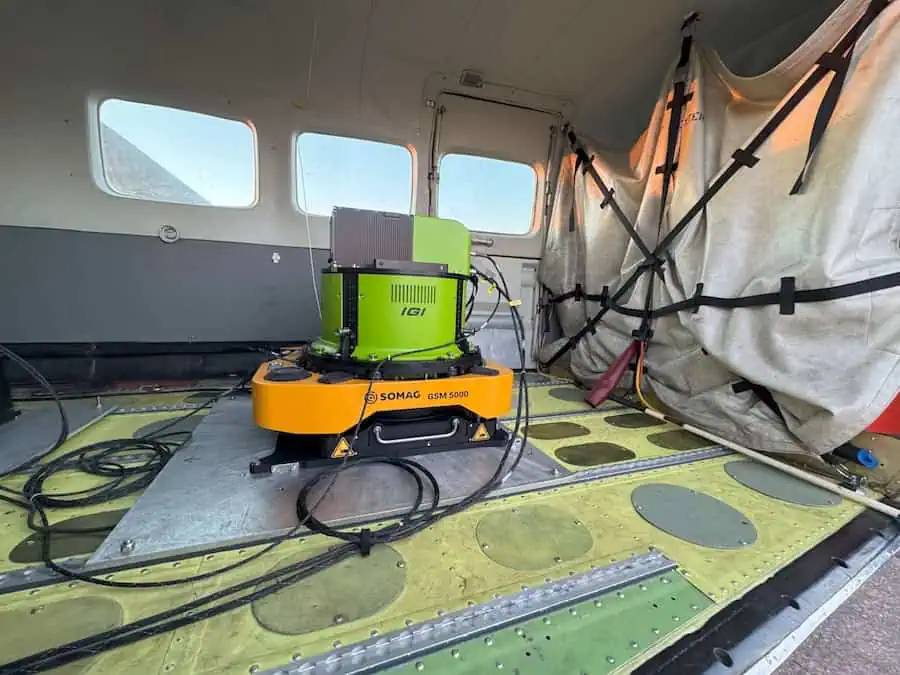
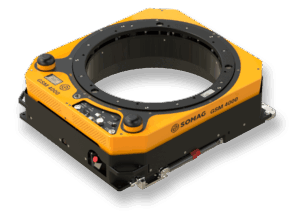
GSM 5000 by SOMAG AG Jena
In modern defense systems, stabilization technologies are applied wherever platform motion, vibration, or recoil could compromise targeting accuracy, sensor performance, or situational awareness. These systems are indispensable across all military domains —land, sea, air, and space —providing precise control and steady output in environments subject to continuous motion, shock, and dynamic load changes.
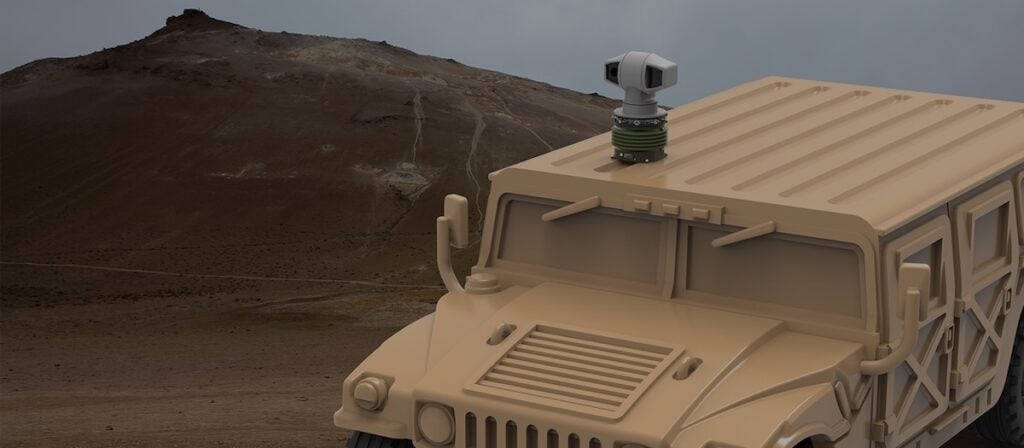
Platform stabilization is critical for maintaining steady alignment of mission equipment on moving vehicles, ships, and aircraft. On land systems such as armored vehicles or mobile radar units, stabilizers compensate for uneven terrain, vehicle acceleration, and recoil impact, allowing antennas, turrets, or sensors to maintain their intended orientation. In maritime environments, stabilization systems are vital for counteracting roll, pitch, and heave caused by waves, ensuring the continuous accuracy of radar, sonar, and weapon control systems even in rough sea states. Naval stabilization solutions often incorporate multi-axis gyroscopic systems or servo-controlled actuators linked to inertial navigation systems, ensuring minimal drift and high pointing precision.
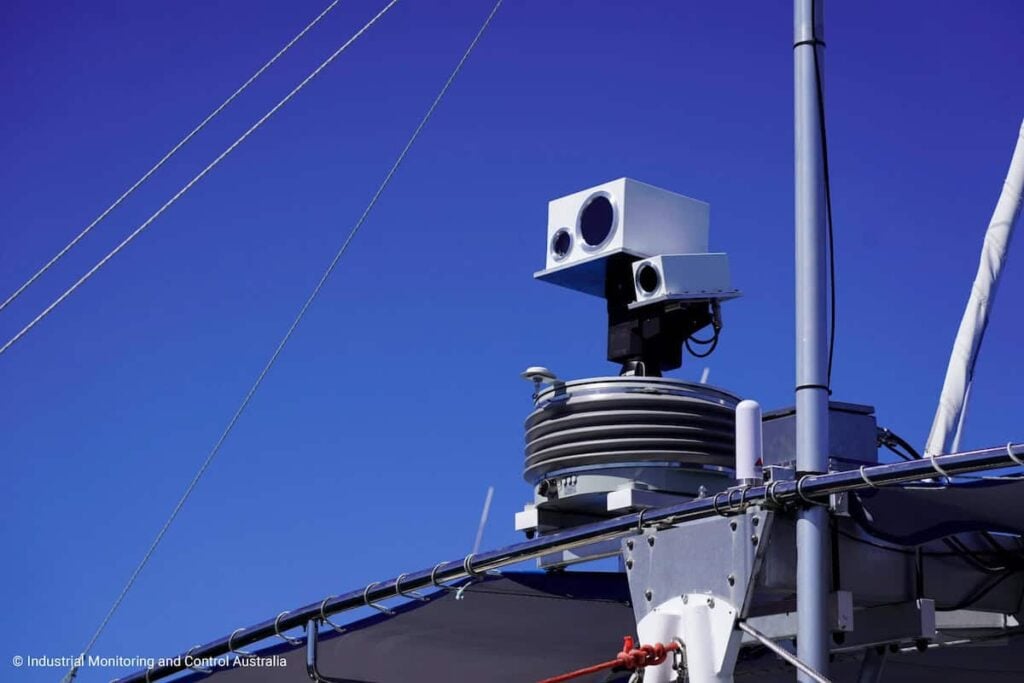
Electro-optical (EO), infrared (IR), and multispectral imaging systems are integral to reconnaissance, surveillance, and target acquisition (RSTA) missions. These payloads rely on advanced stabilization to eliminate motion blur and maintain line-of-sight accuracy during dynamic movement. Camera stabilizers use precision gimbal systems, inertial measurement units (IMUs), gyroscopes, and accelerometers to detect motion and apply compensatory control inputs in real time. High-performance imaging stabilizers can achieve micro-radian-level pointing stability, enabling clear imagery for long-range observation and target identification.
Stabilized camera systems are common in airborne ISR (Intelligence, Surveillance, Reconnaissance) aircraft, unmanned aerial vehicles (UAVs), and naval observation masts. They are also essential for ground-based systems such as mast-mounted surveillance suites or vehicle-mounted targeting pods. By isolating imaging payloads from vibration and motion, these stabilizers ensure continuous optical performance and accurate data capture for command-and-control networks.
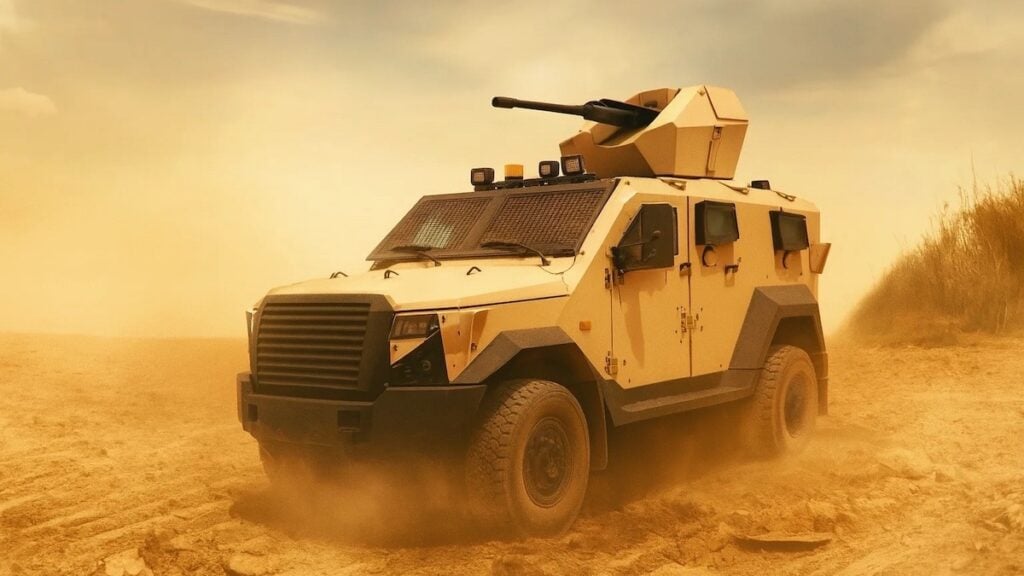
Weapon stabilization systems enable accurate targeting and firing on the move; a critical capability for modern combat vehicles and naval systems. A stabilized gun or turret uses servo-controlled actuators, gyroscopic feedback, and real-time control algorithms to maintain bore alignment with the target while the platform experiences motion, recoil, or environmental disturbances.
In main battle tanks and infantry fighting vehicles, dual-axis gun stabilizers provide azimuth and elevation correction, ensuring round-on-target accuracy even over rough terrain. Remote Weapon Stations (RWS) and naval gun mounts employ similar technology, integrating motor controllers, feedback sensors, and inertial reference units within the fire control system. This ensures precise stabilization during rapid movement or heavy sea states, allowing operators to track and engage targets effectively.

ISA-100C – Tactical Grade IMU by Hexagon NovAtel
Stabilization technologies are now central to multi-domain operations, where interoperability and shared situational awareness are paramount. Integrated systems link stabilizers with fire control computers, navigation units, and communication networks to synchronize motion data and targeting inputs across joint forces.
For instance, a stabilized camera on a UAV may relay targeting data to a ground-based artillery system, both relying on synchronized inertial references for accurate geolocation. Similarly, naval and airborne systems employ networked stabilization architectures that maintain consistent sensor alignment for cooperative engagement and data fusion.
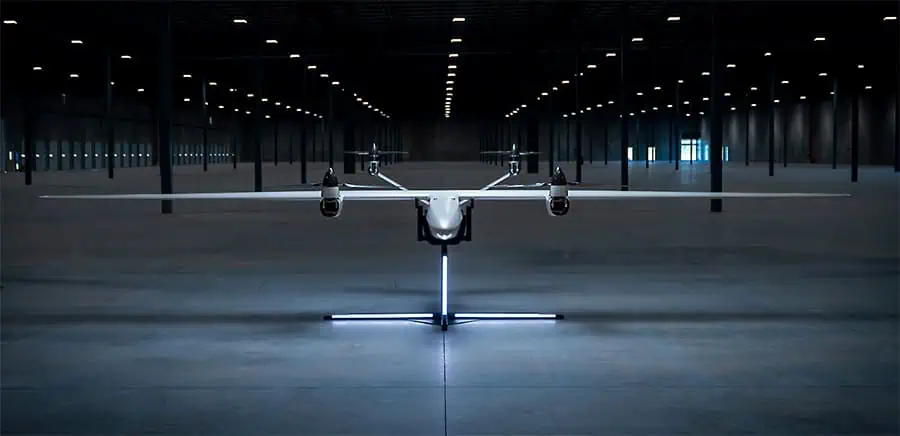
Stabilization plays an equally critical role in unmanned systems. UAVs, UGVs (unmanned ground vehicles), and USVs (unmanned surface vessels) rely on compact, lightweight stabilization modules to maintain payload orientation and sensor accuracy without adding excessive mass or power draw. Advanced MEMS-based IMUs, miniature gimbals, and software-driven control loops allow these systems to deliver precision performance in compact form factors. The same principles apply to robotic weapon stations and reconnaissance drones, where stability directly affects target acquisition and mission success.
Across all applications, the operational value of stabilization lies in its ability to translate motion-prone, mobile systems into steady, accurate, and responsive platforms. Effective stabilization increases hit probability, enhances image resolution, and extends operational capability in challenging environments. Whether maintaining a clear sight picture for an airborne sensor or enabling precision fire control aboard a moving ship, stabilization technology underpins the accuracy and reliability expected in modern defense operations.
Platform stabilizers form the foundational layer of many military systems, designed to counteract motion and maintain the positional accuracy of critical equipment. They are employed on armored vehicles, naval vessels, aircraft, and unmanned systems where the base structure experiences continuous movement or vibration.
These stabilizers use a combination of inertial measurement units (IMUs), gyroscopes, and servo-actuated mechanisms to maintain steady alignment of mounted systems, such as radar arrays, antennas, targeting sensors, and communication masts. On ground vehicles, stabilizers reduce the effects of terrain-induced oscillations, enabling onboard systems to operate effectively while in motion. In naval environments, multi-axis stabilization platforms mitigate pitch, roll, and heave, ensuring uninterrupted data transmission and precise targeting in variable sea conditions.
Imaging and sensor payloads demand exceptional stability to maintain high-resolution accuracy in reconnaissance, surveillance, and target acquisition missions. Defense-grade camera stabilizers employ multi-axis gimbal systems combined with precision gyroscopes, accelerometers, and position sensors to counteract vibration and motion blur in real time.
These systems are essential for electro-optical (EO), infrared (IR), and multispectral imaging payloads mounted on UAVs, aircraft, naval systems, and vehicle masts. Advanced units feature closed-loop control algorithms that dynamically compensate for external forces such as wind gusts, engine vibration, or rapid vehicle movement. Some camera stabilizers are integrated into pan-tilt systems with built-in inertial reference units (IRUs) to achieve sub-milliradian pointing precision, a necessity for long-range observation and targeting. In the defense sector, stabilized imaging systems also support automatic target recognition (ATR) and motion-compensated tracking, which depend on consistent image stability for data accuracy.
Weapon stabilizers represent one of the most mission-critical applications of stabilization technology, directly influencing accuracy, lethality, and operational readiness. These systems are integrated into main battle tanks, infantry fighting vehicles, remote weapon stations (RWS), and naval gun mounts.
A turret or gun stabilizer typically employs dual-axis or multi-axis servo systems that maintain the weapon’s line-of-sight relative to the target, even as the system moves or encounters recoil. The system continuously measures angular displacement using encoders and rate gyros, and adjusts motor output via high-speed control loops. The result is consistent firing precision, enabling engagement while maneuvering—a capability known as “fire on the move.”
In naval applications, large-caliber weapon stabilizers incorporate hydraulic actuators and gyro-controlled servo valves to maintain weapon alignment despite rolling seas. Integration with fire control systems and ballistic computers ensures that the stabilized turret system compensates for both platform movement and environmental factors such as wind, humidity, and projectile flight dynamics.
Gyroscopic and inertial stabilizers use the physical principles of angular momentum and inertial sensing to resist motion and maintain orientation. These systems can function independently or as part of larger stabilization architectures.
High-precision gyroscopes, accelerometers, and IMUs form the core of these stabilizers, continuously monitoring pitch, roll, and yaw to provide real-time correction data. Ring laser gyros (RLGs) and fiber-optic gyros (FOGs) are often employed in high-end systems for their accuracy and reliability.
Such stabilizers are frequently found in fire control units, missile guidance systems, surveillance platforms, and shipboard stabilization systems, where consistent reference alignment is essential. The use of advanced digital signal processors (DSPs) enables low-latency correction, while redundant sensor arrays ensure reliability in contested or GPS-denied environments.
Hydraulic and servo-based stabilizers are commonly used in heavy-duty applications where mechanical robustness and load capacity are critical. These systems leverage hydraulic cylinders, servo motors, and power amplifiers to exert high-torque corrective force against motion disturbances.
Hydraulic stabilizers are often employed in naval gun systems, armored vehicle turrets, and deck-mounted equipment, providing smooth, precise movement even under extreme forces. Servo stabilizers, which are electromechanical, use brushless DC motors or AC servo drives in conjunction with motor controllers and feedback sensors to achieve fast response times with minimal overshoot.
Hybrid systems combining both hydraulic and servo technologies are increasingly used to achieve optimal power density and precision. These systems feature adaptive control algorithms that adjust response characteristics in real time, enhancing stability and reducing vibration-induced error.
Beyond these core categories, specialized stabilizers are developed for niche or cross-domain applications. Examples include aerial refueling probe stabilizers, naval sensor mast stabilizers, and stabilized weapon pods for aircraft and UAVs.
Hybrid stabilization solutions often integrate mechanical damping, active vibration control, and software-based motion compensation to create compact, multi-purpose systems. These are particularly valuable in modular or open-architecture defense programs, where interoperability and reconfigurability are key procurement requirements.
Together, these stabilizer categories form the technological foundation of modern defense motion-control systems, enabling accuracy, reliability, and operational superiority across the full spectrum of military environments.
A complete stabilization solution typically integrates the following subsystems:
These subsystems must function seamlessly within the host platform’s command-and-control architecture, often conforming to established defense communication standards such as MIL-STD-1553 or STANAG 4586.
A defense stabilizer typically integrates inertial measurement units (IMUs), gyroscopes, accelerometers, encoders, and motor controllers into a unified control loop. A control processor processes data from orientation sensors and gyroscopes to detect motion and apply real-time corrections via servo motors or actuators.
This closed-loop feedback system ensures precise compensation for disturbances. The algorithms involved, often PID or adaptive control models, continuously adjust motor torque or position to stabilize the payload. Advanced systems may employ gimbal mechanisms, isolation mounts, and vibration sensors to achieve sub-arcsecond imaging and targeting accuracy.
Modern stabilizer systems are highly integrated, utilizing digital communication links, real-time control software, and modular hardware. The use of inertial systems, gimbal systems, and motion control processors allows for a scalable architecture that supports diverse payloads, from small UAV camera gimbals to heavy-caliber naval gun mounts.
Integration with C4ISR and fire control systems enables synchronized operation between sensors, targeting computers, and weapon actuation units. Systems often employ redundant control loops to ensure fail-safe operation under combat conditions.
Military stabilizers must meet stringent reliability and environmental criteria. Compliance with defense standards ensures consistent performance under extreme temperature, shock, and vibration conditions. Common references include:
Additional NATO and defense-specific standards often apply to vibration isolation, shock resistance, and data communications, ensuring compatibility across multinational systems and joint operations.
Recent advancements in defense stabilization include:
These technologies enhance precision and reduce system latency, enabling higher levels of autonomy and accuracy in modern defense systems.
Defense procurement teams evaluate stabilizers based on stabilization accuracy, response speed, SWaP (size, weight, and power) efficiency, MIL-STD compliance, and system integration capability. Suppliers must demonstrate proven reliability, environmental endurance, and compatibility with existing defense communication and control infrastructures.
Interoperability within NATO frameworks is increasingly critical, driving demand for systems that conform to standardized protocols and modular open systems architecture (MOSA).


 Searching Companies & Products


 Subscribe to the Weekly eBrief
The latest engineering and technical developments straight to your inbox - join thousands of engineers who receive it.
Subscribe to the Weekly eBrief
The latest engineering and technical developments straight to your inbox - join thousands of engineers who receive it.