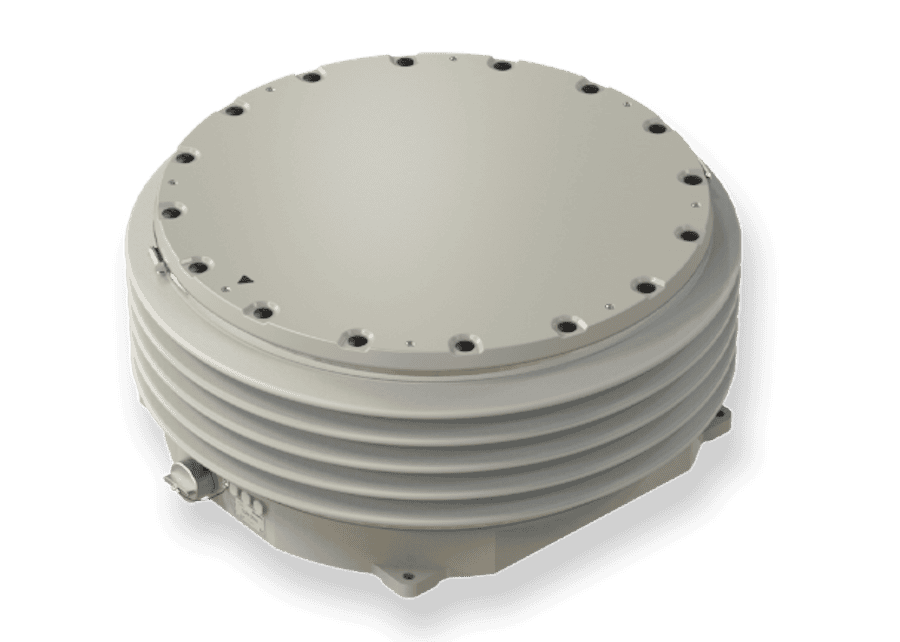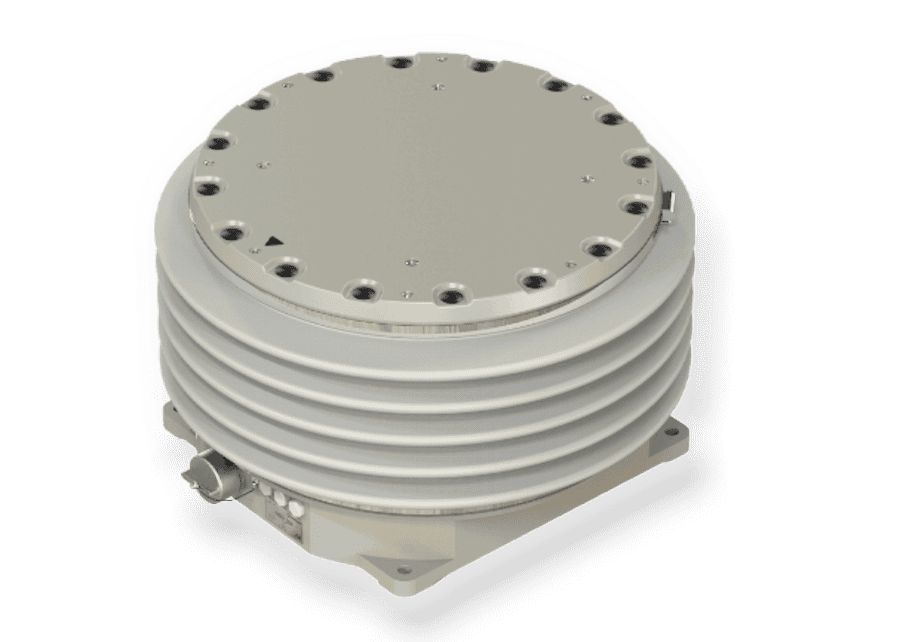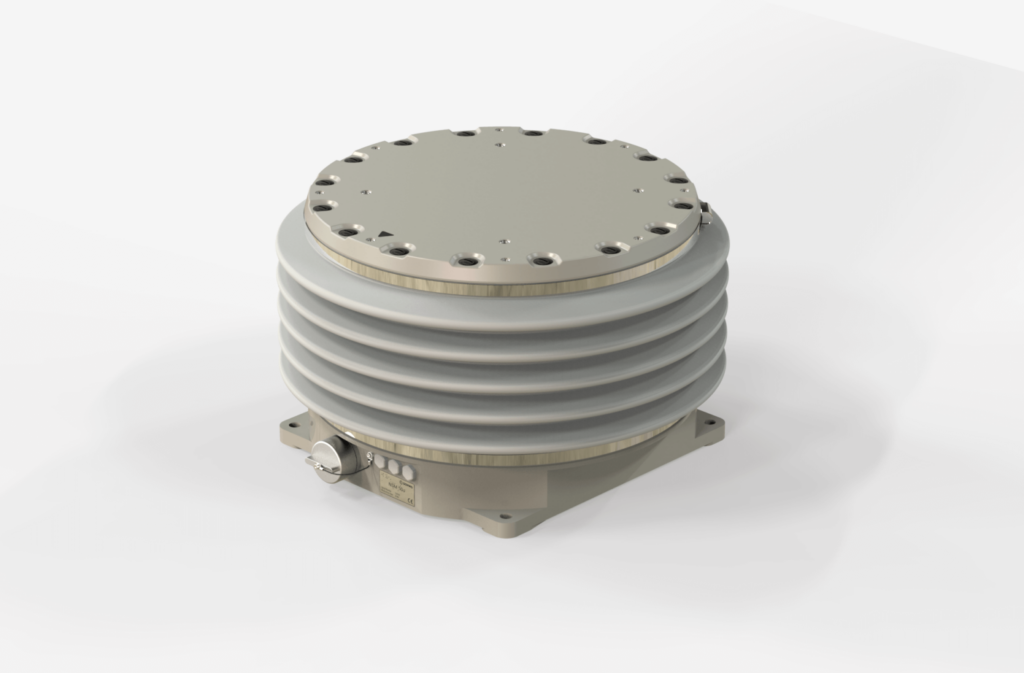
SOMAG AG Jena provides a comprehensive overview of the field test of its GSM 5000 gyro stabilization platform, highlighting its performance under extreme conditions and its ability to deliver precise, reliable data during challenging thermal mapping missions. Read more >>
The company took part in a challenging thermal imaging mission over Phoenix, Arizona as part of the IGI Lighthouse Project, a collaborative initiative advancing 3D and thermal mapping in the U.S. Partners included ESRI, Fugro, Revolution Flight, and InfraTec.
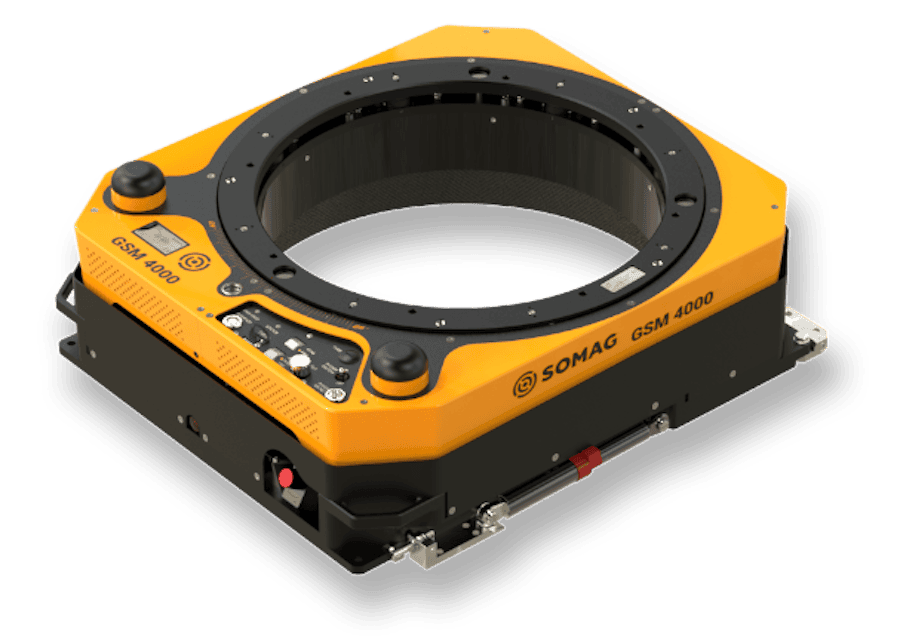
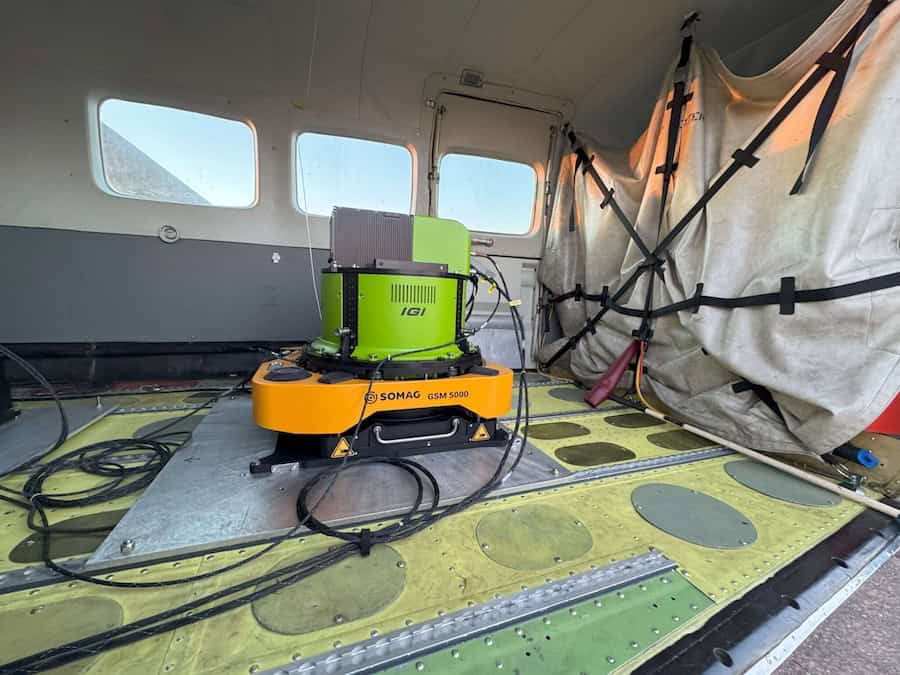
Phoenix’s extreme heat and turbulence posed significant challenges. Two independent systems were deployed: EcoMapper-1280 C on a GSM 5000 Mount (rear hatch) and UrbanMapper-2P on a GSM 4000 Mount (front hatch).
While both gyro stabilization platforms performed well, SOMAG’s GSM 5000 showcased superior stability under turbulence and the harsh flying conditions, ensuring the IGI’s EcoMapper-1280 C could operate at full potential. This ensures a stronger mission solution, with stable sensor alignment and consistent data quality.
The GSM 5000 installs in under an hour, is compatible with the GSM 4000, and accommodates larger sensors with its lighter weight and increased motion range. Key design features include minimized mechanical vignetting and plug-and-play deployment, saving valuable field time.
Flight data showed GSM 5000 maintained a stable performance and sensor alignment even under extreme Roll, Pitch, and Yaw motions, outperforming GSM 4000. For GSM 5000, RMS values improved from 0.31° to 0.14° in Roll and 0.34° to 0.06° in Pitch. Thermal imagery captured during the mission demonstrated sharper, more reliable data, confirming GSM 5000’s effectiveness in high-stress environments.