MEMS Gyroscopes
Discover cutting-edge solutions from 6 leading global suppliers
GuideNav provides a comprehensive range of inertial solutions for stabilized Laser Rangefinder (LRF) systems used in dynamic environments.
With extensive experience across mobile platforms and gimbal-mounted systems, the company supports both compact MEMS-based modules and high-performance fiber optic gyroscopes (FOG), offering tailored options for size, power, and long-term accuracy.
These solutions are backed by full technical documentation, integration support, and customization for mission-critical applications.
The Role of Inertial Sensors in LRF Stabilization
Inertial sensors supply angular rate data that allow LRF systems to maintain consistent line-of-sight during movement.
Integrated with gimbal control loops, these sensors enable real-time corrections to counteract pitch, yaw, and vibration. Without accurate inertial feedback, LRF systems may drift during turns, terrain shifts, or recoil, compromising mission success.
MEMS vs. FOG: Principles & Performance
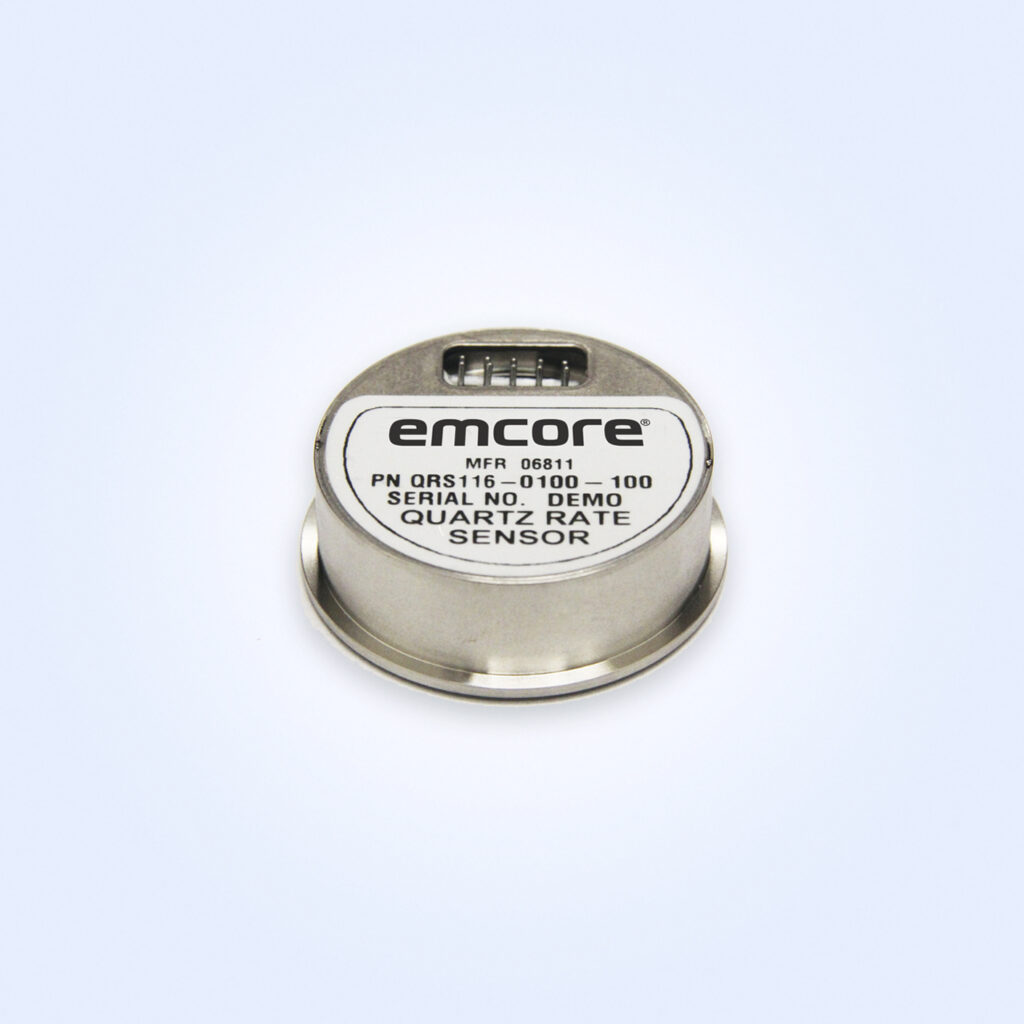
MEMS gyroscopes use vibrating silicon structures, while FOG sensors rely on the optical Sagnac effect. MEMS units are compact and energy-efficient but more sensitive to vibration and thermal drift. FOG systems are larger and draw more power but provide superior bias stability and reliability over time.
Important benchmarks include bias stability, angular random walk, bandwidth, shock tolerance, and thermal resilience.
MEMS sensors are often suitable for cost-sensitive applications but may degrade under prolonged motion. FOG sensors consistently deliver high accuracy in demanding conditions.

Field-Test Insights Under Vibration & Shock
Real-world tests show MEMS sensors often experience bias drift and signal disruption after repeated shocks, while FOG gyroscopes retain stable output even under sustained vibration.
For platforms exposed to continuous mechanical stress, FOG-based systems are the recommended choice.
Long-Term Drift Comparison
Over extended operation, MEMS-based LRF systems gradually misalign due to drift, while FOG-equipped systems maintain sub-degree accuracy without resets or GNSS correction.
Thermal Behavior
Temperature changes significantly impact MEMS sensors, often causing noticeable drift. FOG sensors, equipped with thermal regulation and stable optical elements, remain accurate across wide temperature ranges without the need for recalibration.
SWaP Considerations
MEMS sensors are lightweight, compact, and low-power, ideal for space-constrained platforms. FOG sensors are larger and more power-hungry but offer enhanced stability, making them suitable for systems where precision is the priority.

Cost & Maintenance
While MEMS sensors have a lower initial cost, they often require frequent recalibration and filtering. FOG sensors come at a higher upfront cost but deliver long-term performance with minimal maintenance.
GuideNav offers both MEMS and FOG options to match specific system requirements, along with technical support and integration assistance for reliable LRF stabilization.
Read the full article >>