Rugged Single Board Computers for Military & Defense Applications
Category Presented by
Military-spec single board computers (SBCs) are compact, ruggedized computing systems built to operate reliably in extreme environments. Used across defense platforms, these embedded systems are engineered for high performance, longevity, and compliance with military specifications.
If you design, build or supply Single Board Computers (SBC), create a profile to showcase your capabilities and connect with visitors who have an active requirement for your solutions.
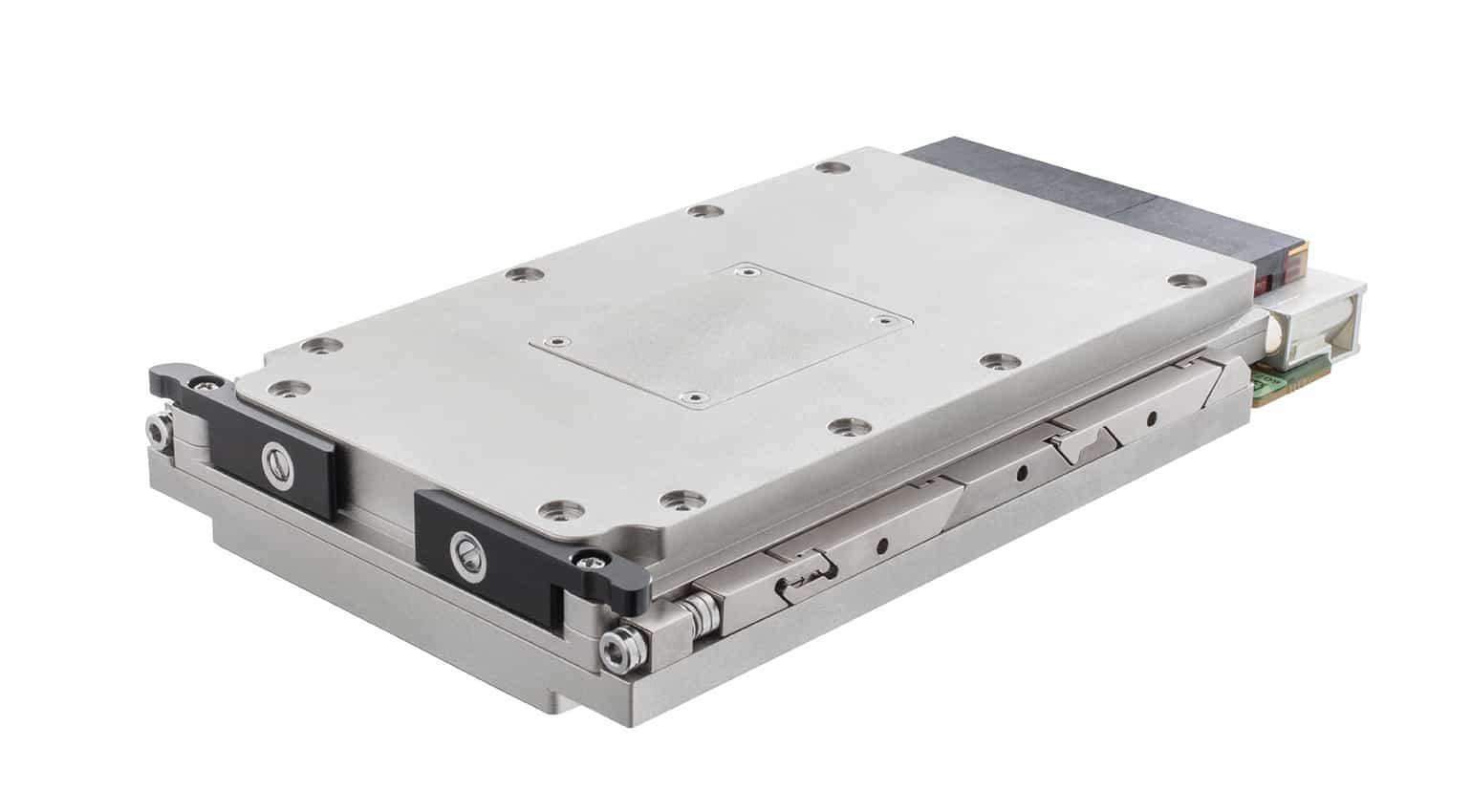
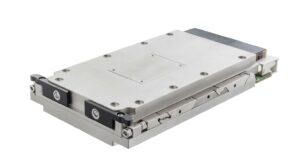
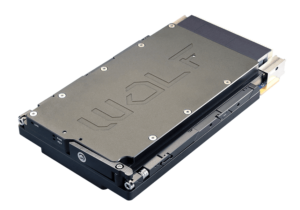
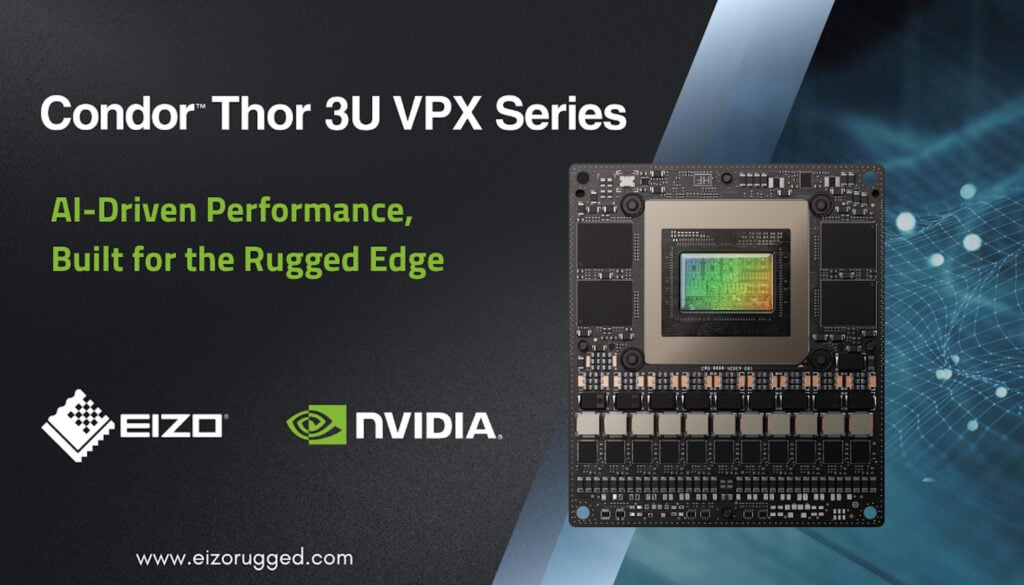
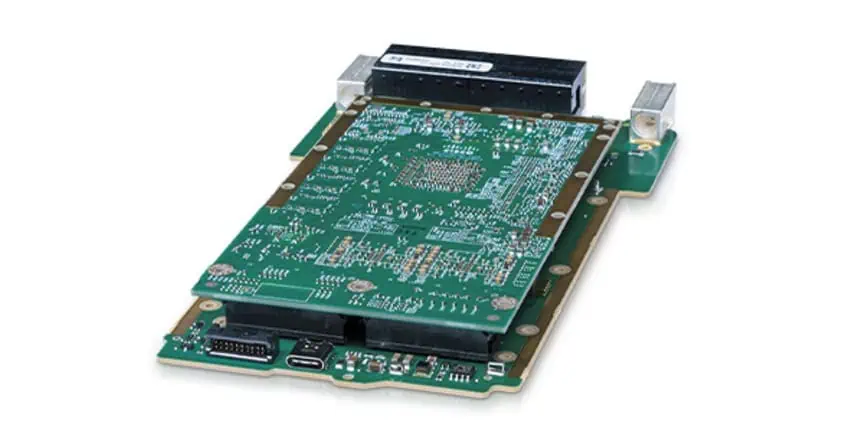
3U VPX computing module with NVIDIA IGX Thor™ GPU for defense AI & mission computing
3U VPX computing module with NVIDIA IGX Thor™ GPU for defense AI & mission computing
The VPX3U-THOR-SBC (WOLF-16T1) is a rugged 3U VPX computing module built for next-generation defense... ...the VPX3U-THOR-SBC provides deterministic performance and mission endurance under −40 °C to +85...
Rugged Single Board Computers for Military & Defense Applications
Overview by
Sarah Simpson
Updated:
Rugged single board computers are integral to modern military infrastructure, powering mission-critical systems in airborne, ground, and naval environments. Designed to withstand temperature extremes, shock, vibration, and electromagnetic interference, these computers deliver dependable performance in the field. They are commonly deployed in unmanned aerial vehicles (UAVs), autonomous ground vehicles (AGVs), mobile command units, and military-grade embedded systems. Military SBCs come in various architectures and form factors, including VPX, VME, and COM Express, each suited to specific defense applications.
Applications of Rugged SBCs in Military Operations
Rugged SBCs play a vital role in advancing the capabilities of modern defense systems. These embedded computers are deployed in various military platforms, where size, weight, power, and thermal management (SWaP-T) constraints are critical. Common applications include:
Unmanned Systems: UAVs, UGVs, and autonomous naval systems rely on SBCs for flight control, navigation, and sensor integration.
Mobile Command Units: Provide real-time situational awareness, tactical communication, and battlefield management using rugged computing platforms.
Signal Processing and Sensor Fusion: Military SBCs process inputs from thermal imaging sensors, analog inputs, and digital outputs to support ISR operations.
Edge Computing: Enable low-latency data analysis and decision-making directly at the operational edge in disconnected environments.
Cybersecurity and Electronic Warfare: Handle secure processing workloads with embedded BIOS, watchdog timers, isolation circuits, and hardware-based encryption modules.
Weapons Control and Guidance Systems: Interface with mission-critical control systems and actuators using real-time deterministic protocols.
Types of Military SBC
VPX SBC
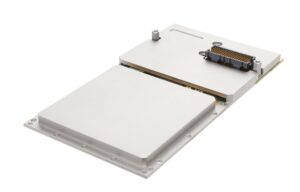
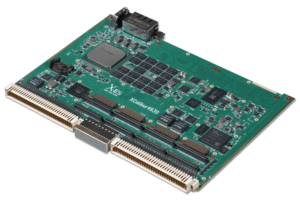
XCalibur4630 Rugged SBC by Extreme Engineering Solutions
VPX SBCs follow the VITA 46 standard and are designed for high-performance embedded computing in military platforms. These boards support advanced processors such as multi-core CPUs and integrated GPUs, and provide high-speed serial fabrics like PCIe and Ethernet. Rugged VPX boards are often deployed in defense applications requiring extreme thermal management, EMI shielding, and high I/O bandwidth.
Use cases include radar signal processing, image recognition for ISR, AI-enabled battlefield analytics, and modular mission computing. VPX SBCs are also scalable and compatible with OpenVPX architectures for long-term system interoperability and upgradeability.
VME SBC
The VMEbus standard (VITA 1) is a legacy but still widely used architecture in military embedded computing. VME SBCs provide proven reliability, extended life cycles, and support for real-time operating systems (RTOS). These are commonly found in avionics systems, industrial control, and legacy military platforms that prioritize stability and ruggedization.
VME SBCs are typically equipped with robust GPIO support, serial and Ethernet ports, conformal coatings for environmental protection, and a wide range of I/O options for integration with legacy sensors and control systems.
COM Express and Other Modular SBCs
Modular SBCs such as COM Express and PC/104 form factors allow designers to build customizable systems with reduced development time. These platforms enable efficient deployment in tight spaces such as missile systems, drone payload bays, and man-wearable systems.
Other types include:
CompactPCI (cPCI): Offers fault-tolerant operation for communications systems
XMC/PMC Modules: Used for FPGA-based data processing and signal acquisition
Mini-ITX and Nano-ITX: Utilized in mobile systems where standardization and ease of integration are priorities
Key Components & Specifications
Their component quality and environmental resilience distinguish rugged SBCs for military use. Critical features include:
Processors: CPUs from ARM and x86 families, integrated GPUs, and FPGAs
Memory: RAM modules designed for shock tolerance and temperature extremes
Storage: SSDs with wear-leveling, encryption, and industrial-grade interfaces
I/O: Serial ports, USB ports, GPIO pins, analog and digital inputs/outputs, and Ethernet ports
Coatings and Thermal Management: Conformal coatings, cooling fins, and heat spreaders ensure thermal integrity and protection against contaminants
Standards Compliance: MIL-STD-810G for environmental durability, MIL-STD-461 for EMI, and IP ratings for ingress protection
Embedded SBCs in Defense System Integration
Military embedded SBCs must seamlessly integrate with various defense electronics and sensors. Use in tactical environments demands features like wide input voltage ranges, real-time data processing, and secure communications.
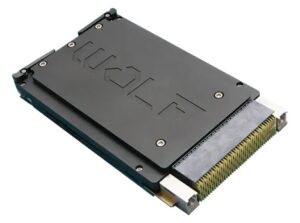
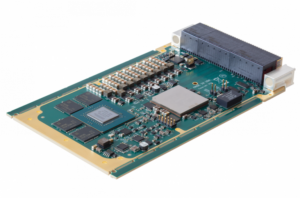
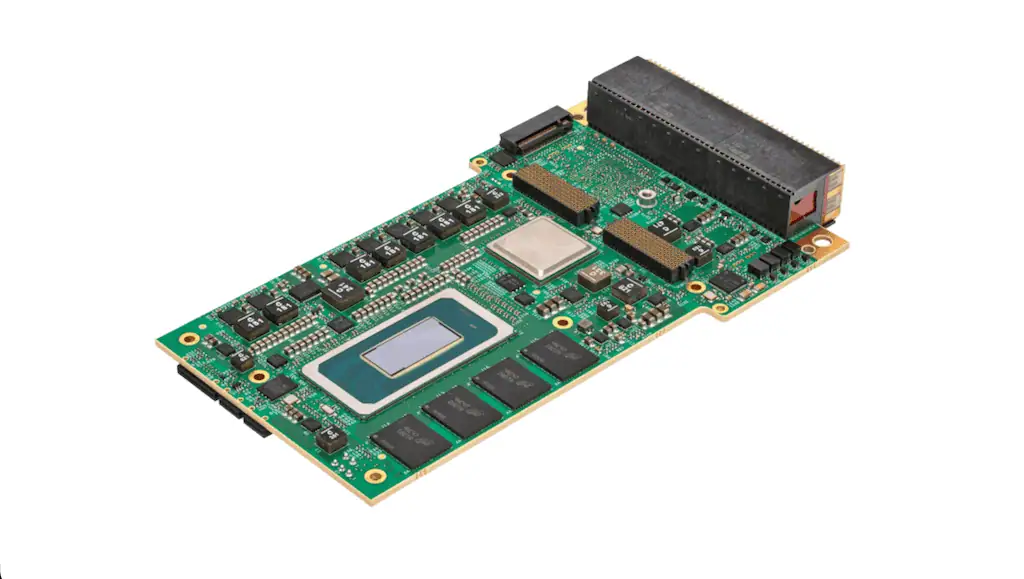
VPX3U-ORIN-CX7-FGX2-SBC Module by WOLF Advanced Technology
They are also integrated into broader systems such as:
Military SBCs are available in various form factors tailored to different operational demands:
3U/6U VPX and VME: Standardized military sizes with modular expansion
Rugged Small Form Factor (SFF): Compact boards for tight spaces
Fanless and Conduction-Cooled: For silent operation and durability
Wide Temperature Operation: Typically -40°C to +85°C, suitable for harsh conditions
Performance considerations include multi-core processing, AI acceleration, and GPU computing at the edge. Low-power variants are optimized for battery-powered applications like manned portable systems and micro-UAVs.
MIL-STD-810H: Environmental engineering for temperature, vibration, shock
MIL-STD-461G: Control of electromagnetic interference
DO-160: Relevant for airborne systems
IP65/IP67 Ratings: Protection from water and dust ingress
VPX/VME Open Standards: For interoperability and longevity in defense architectures
Considerations for Military SBC Selection
When selecting an SBC for military use, system architects should evaluate:
Operating environment and temperature thresholds
Processor architecture and mission-specific performance needs
I/O and expansion capability
SWaP constraints
Lifecycle support and vendor traceability
Compatibility with existing military-grade systems and rugged connectors
Military single board computers are the foundation of modern battlefield computing, enabling autonomous systems, real-time decision-making, and modular upgrades in a scalable, rugged platform.
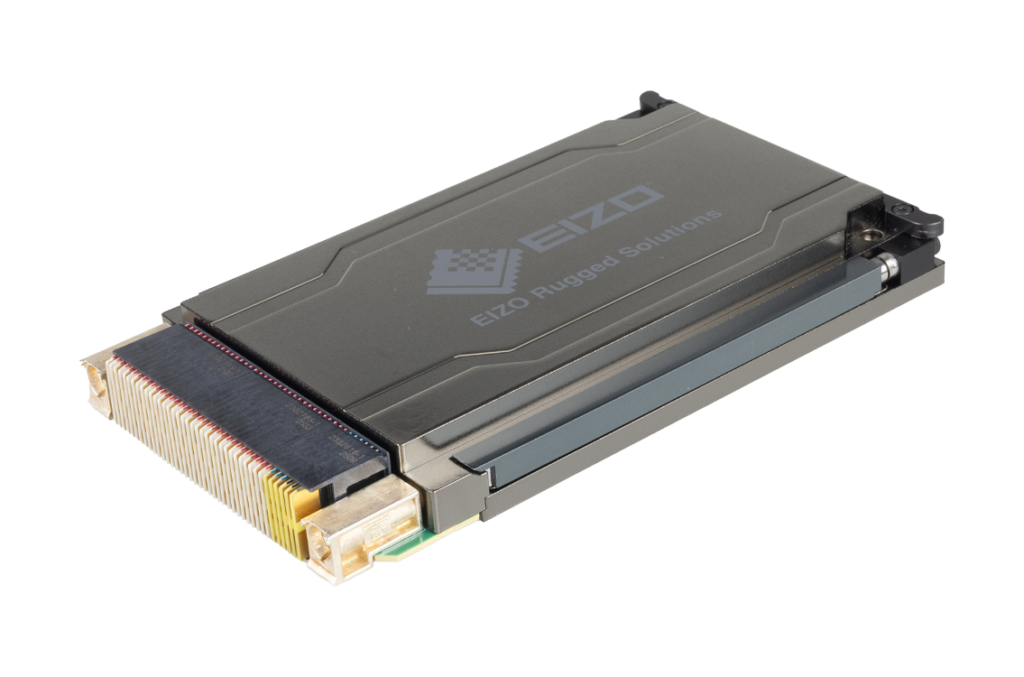
EIZO has launched the Condor T5-IOX single board computer, harnessing NVIDIA IGX Thor to deliver next-generation tactical edge AI, multi-sensor fusion, and low-latency processing for mission-critical military applications
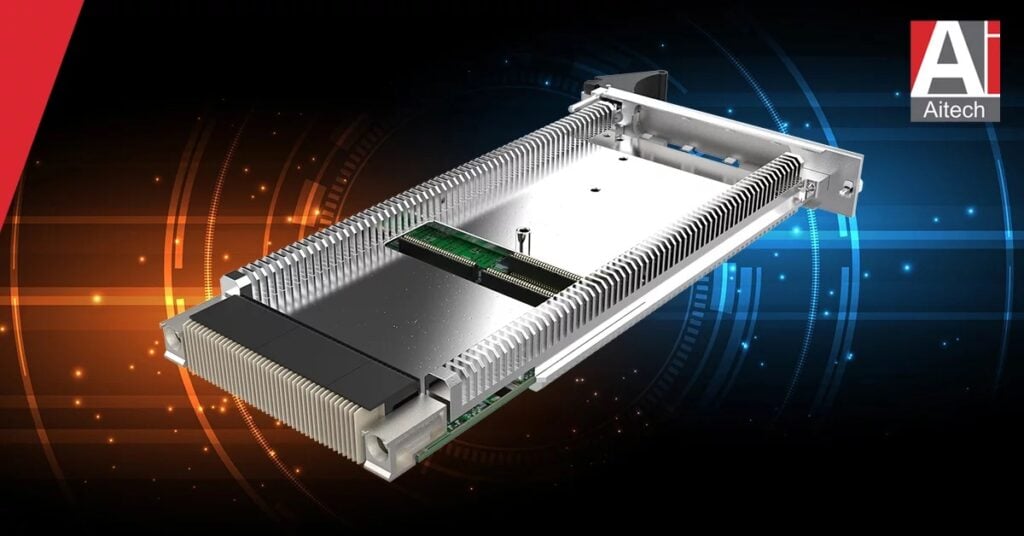
Aitech has launched two single board computers, leveraging Intel 14th Gen Core Ultra technology to deliver accelerated AI processing and high-speed connectivity for military and aerospace environments
New Single Board Computers (SBCs) leverage Intel 18A process technology and hybrid architecture to deliver high-performance AI and real-time processing in extreme environments
New cards powered by next-generation AMD Ryzen Embedded processors and Versal Adaptive SoCs aim to enhance performance for aerospace and defense systems.
Aitech introduces SP1, a space-rated 3U OpenVPX Single Board Computer (SBC) engineered for high-performance computing, enabling advanced autonomy, debris avoidance, and flexible payload integration in next-gen space missions
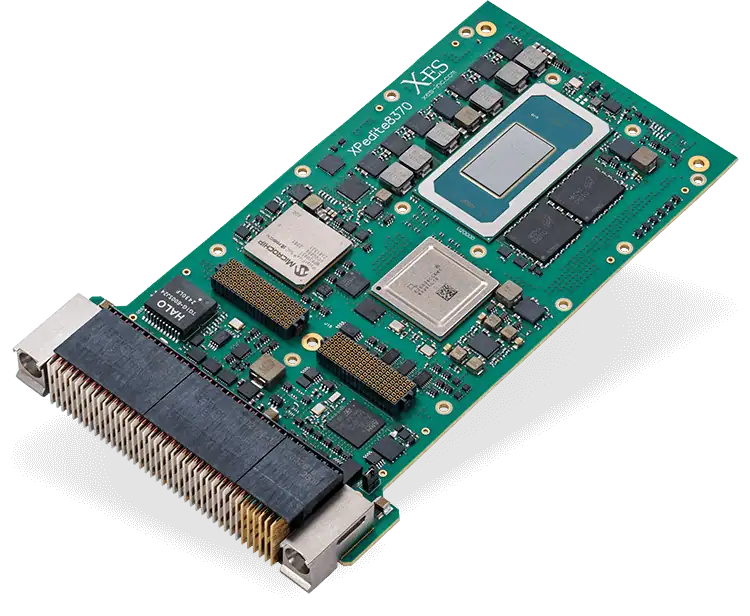
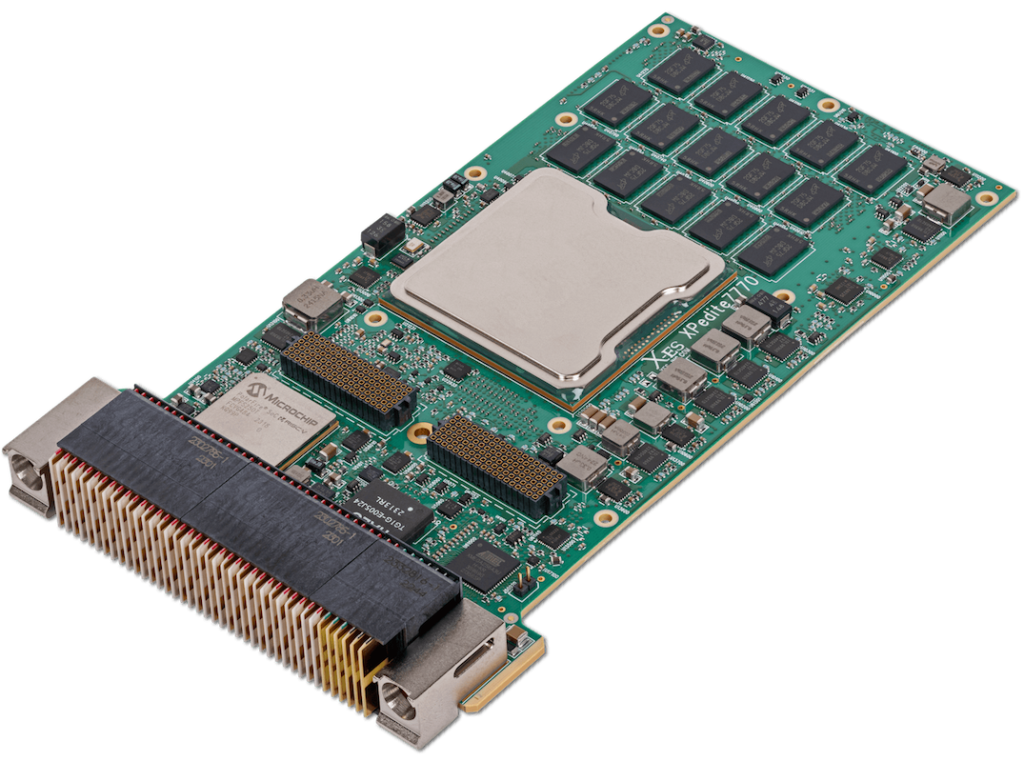
Extreme Engineering Solutions (X-ES) highlights its XPedite7770 SBC, designed for secure, high-speed computing in defense applications with advanced networking, storage, and SOSA-aligned compatibility
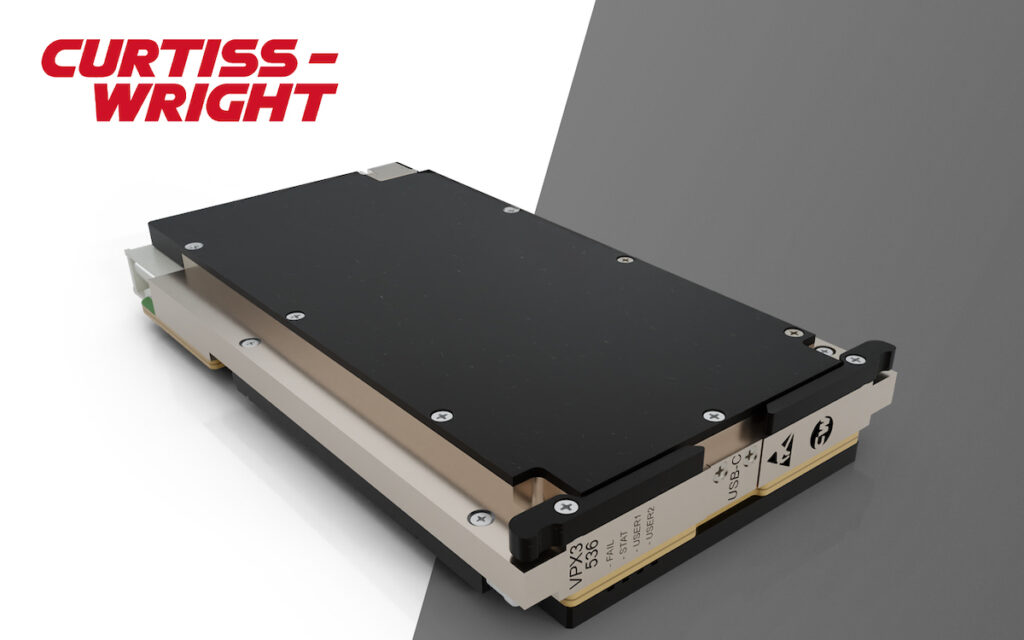
Curtiss-Wright is unveiling the VPX3-536 Adaptable Processor, a new SOSA-aligned 3U VPX FPGA plug-in-card (PIC) module designed for demanding tactical sensor processing applications such as radar and electronic warfare
Curtiss-Wright and Cisco have partnered to create a rugged 3U VPX module, reportedly the defense industry’s first designed for use with SOSA and CMOSS aligned systems
The latest defense technology news, straight to your inbox.
Get our weekly roundup of technology developments, new products and industry news.
THANK YOU FOR SIGNING UP
Thanks for joining us. Check your inbox.
We've sent you an email. Click the confirmation link to complete your subscription to the weekly eBrief. In the meantime, explore the latest news, suppliers and technologies on DA.
Advancing Defense Capability Through Strategic Collaboration
Defense Advancement works with major OEMs to foster collaboration and increase engagement with SMEs, to accelerate innovation and drive defense capabilities forward.