Drone mitigation solutions are counter-UAS response technologies designed to redirect, capture, disable, or defeat unauthorized drones in military and defense environments. They include electronic warfare methods such as jamming and spoofing, cyber takeover tools, kinetic interceptors, and high-power microwave effectors.
This page features leading suppliers of drone mitigation technology for protecting military airfields, convoys, naval assets, borders, and critical infrastructure.
If you design, build or supply Drone Mitigation Systems, create a profile to showcase your capabilities and connect with visitors who have an active requirement for your solutions.
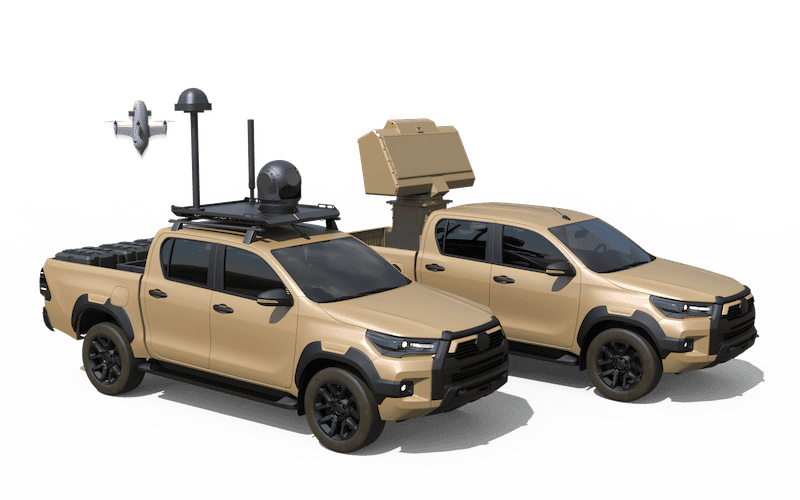
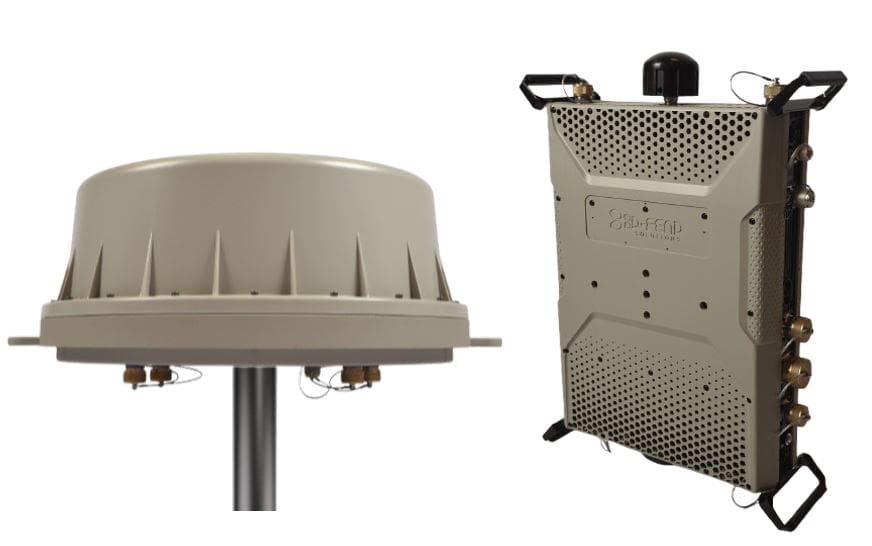
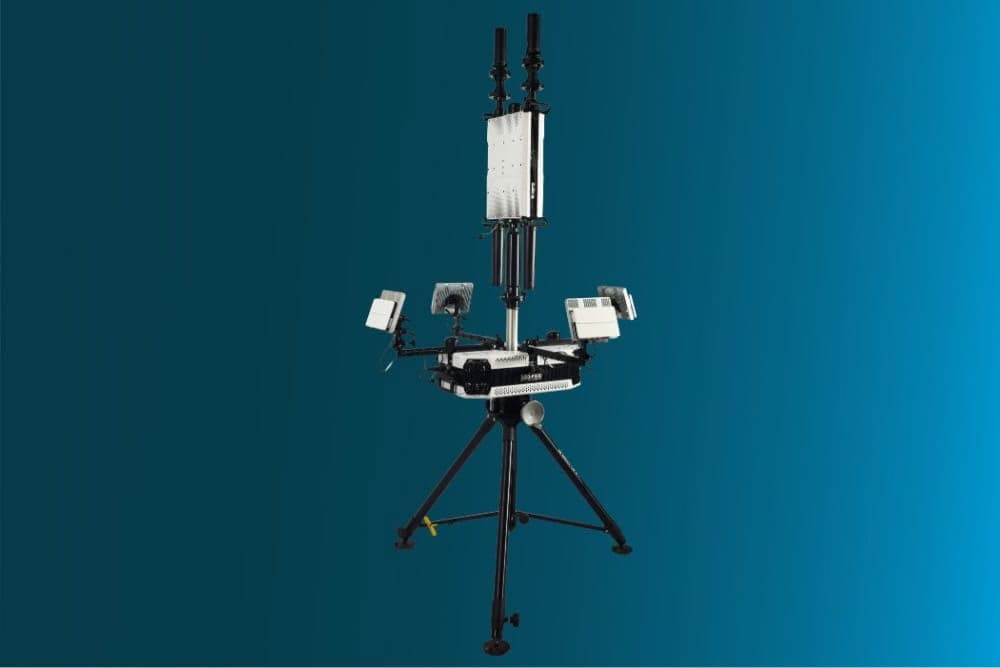
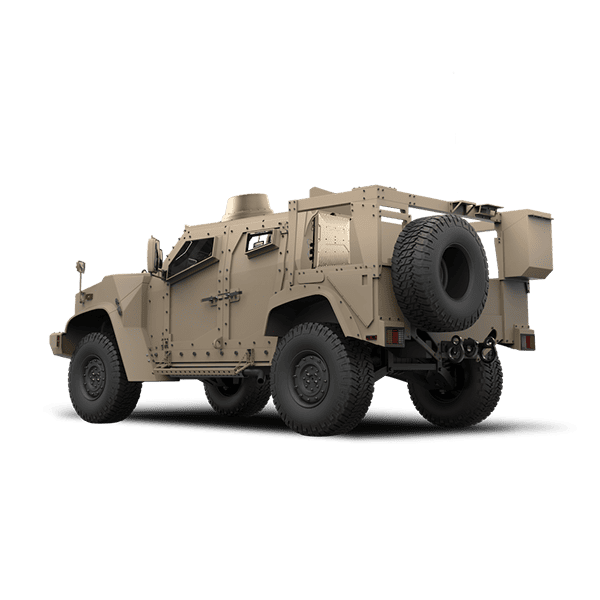
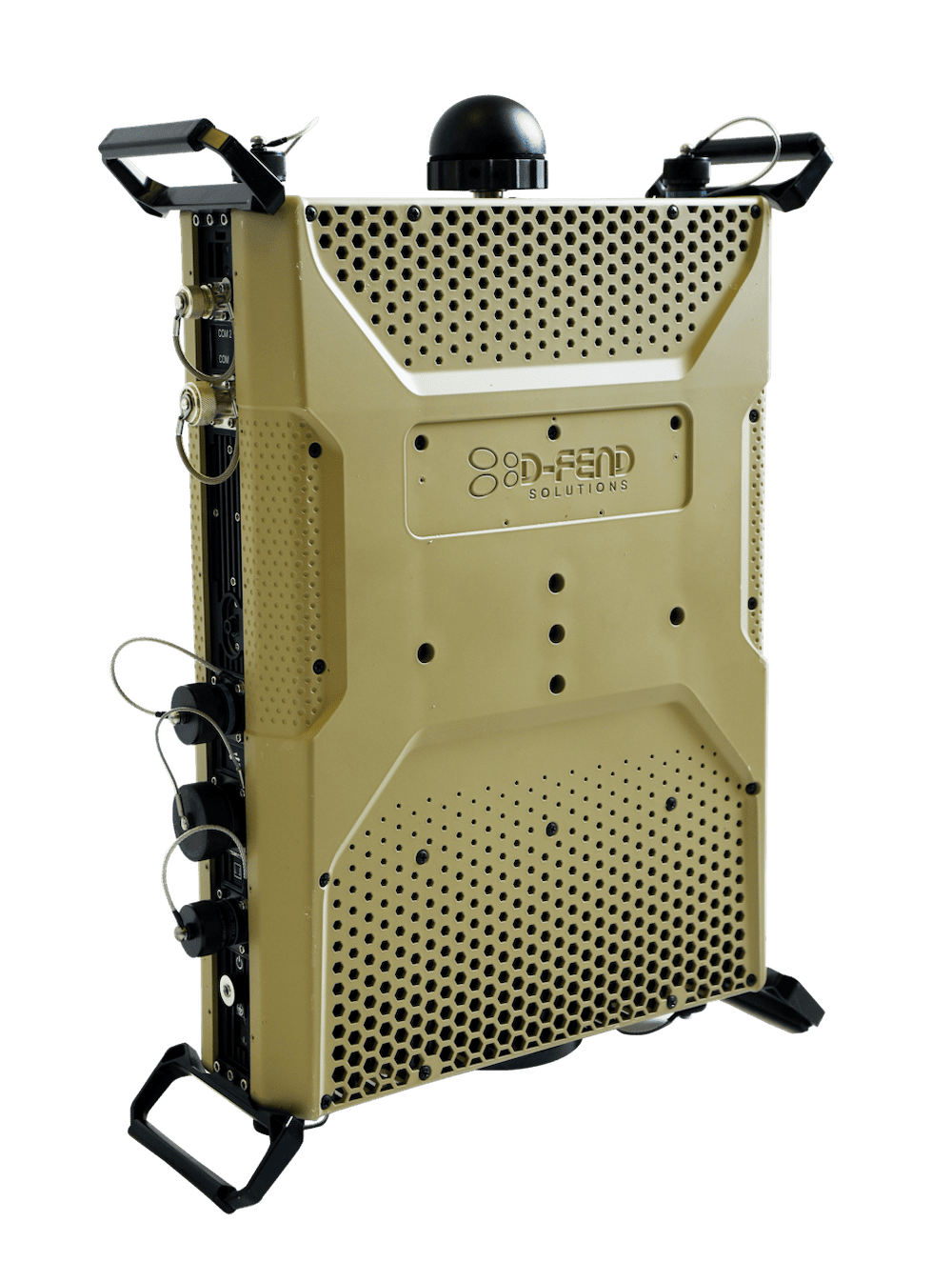
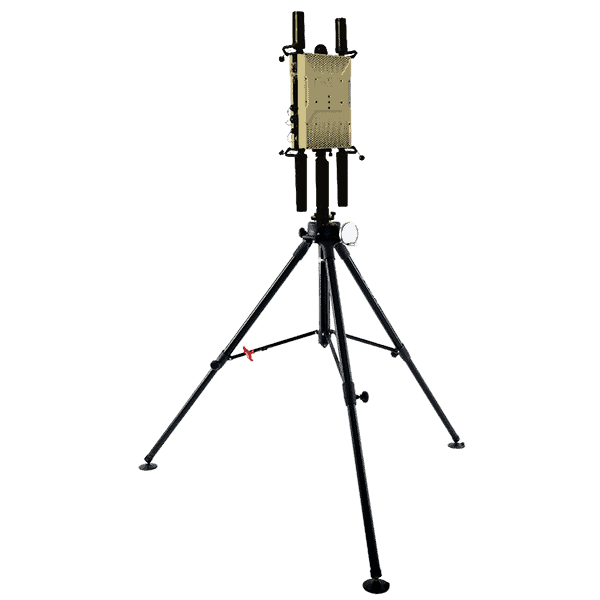
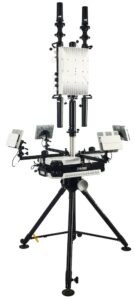
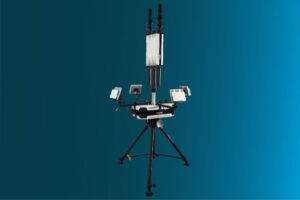
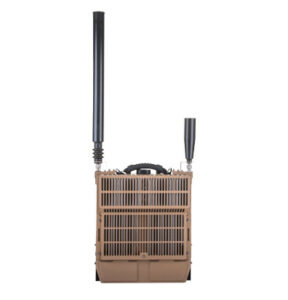
Tripod-mounted tactical deployment kit for mobile, multilayer counter-drone defense
Tripod-mounted tactical deployment kit for mobile, multilayer counter-drone defense
...it from D-Fend Solutions equips military and security forces with a rapidly deployable... ......d coordination of multiple systems for wide-area drone defense across diverse military...
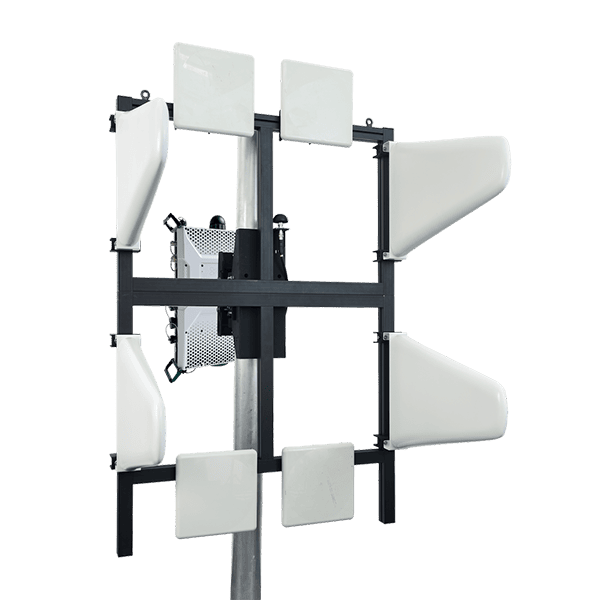
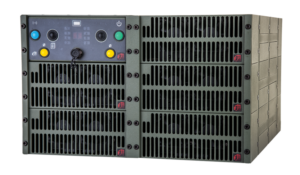
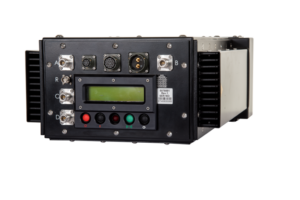
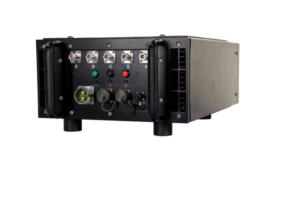
Multilayer, AI-enhanced C-UAS system for tactical & strategic airspace defense
Multilayer, AI-enhanced C-UAS system for tactical & strategic airspace defense
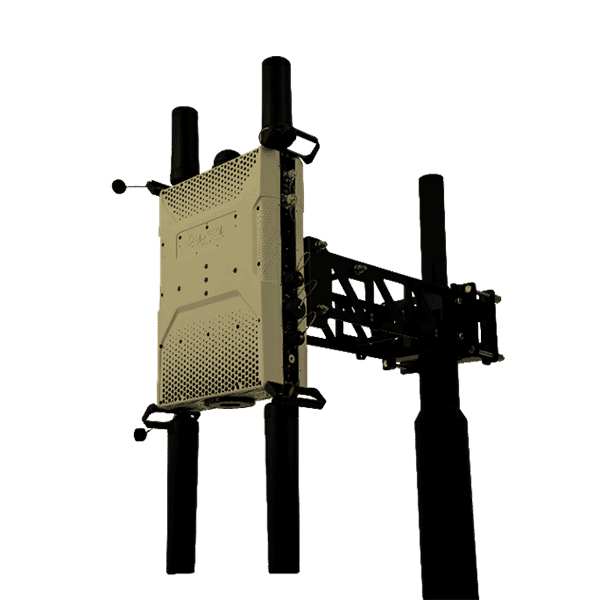
...US from D-Fend Solutions is an advanced counter-drone system that integrates the EnforceAir2... ...calating C-UAS solution enables rapid deployment with automated calibration and intuitive system...
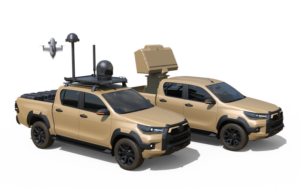
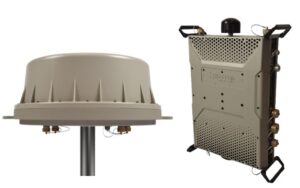
RF Cyber-Takeover C-UAS for Naval & Maritime Defense
RF Cyber-Takeover C-UAS for Naval & Maritime Defense
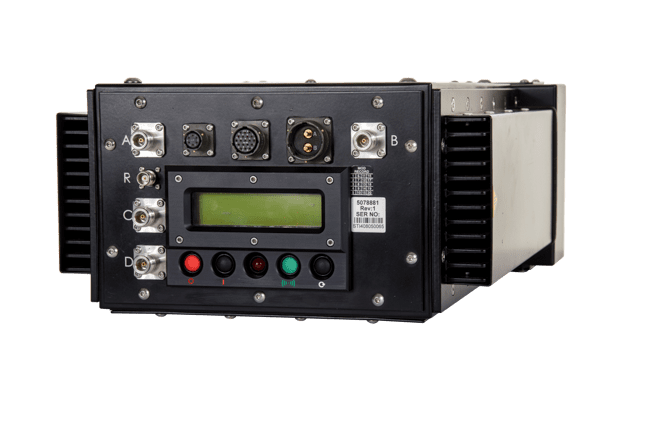
......itime offers a scalable, low-power, and ruggedized solution to naval drone threats.... ...ing or kinetic solutions, EnforceAir2 Maritime leverages advanced RF Cyber technology. This approach...
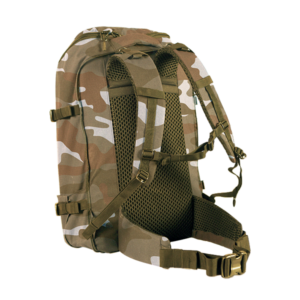
Man-portable drone detection & mitigation for tactical & stealth missions
Man-portable drone detection & mitigation for tactical & stealth missions
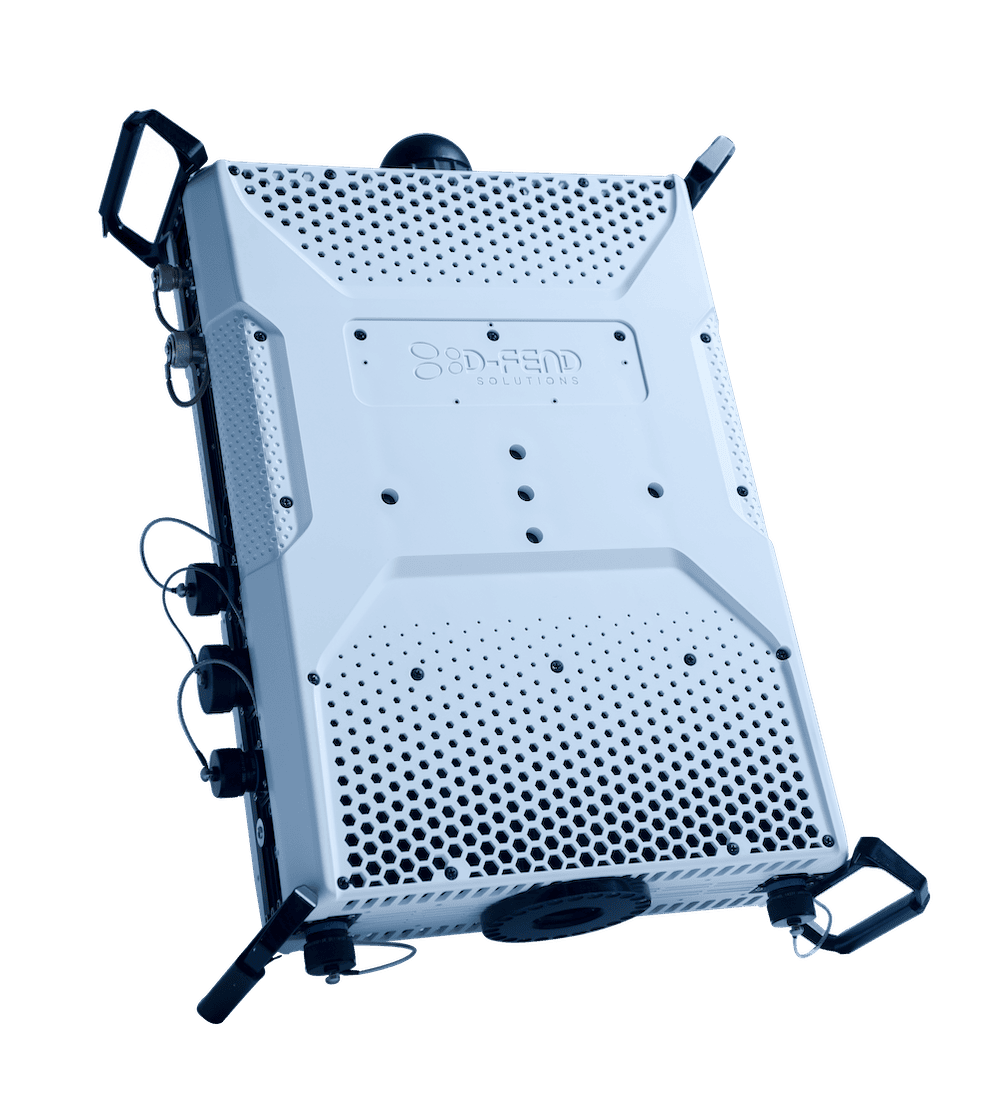
...mobile counter-drone system designed to provide omnidirectional on-the move protection for tactical... ...tinguish rogue drone threats. It effectively neutralizes these threats by assuming control of the...
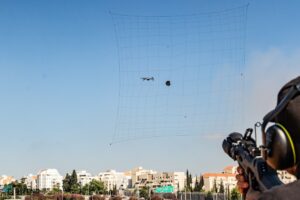
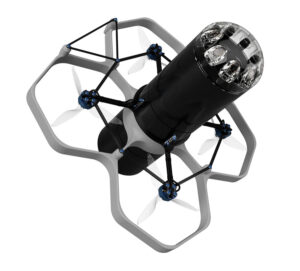
Net interception systems for effective counter-drone operations
Net interception systems for effective counter-drone operations
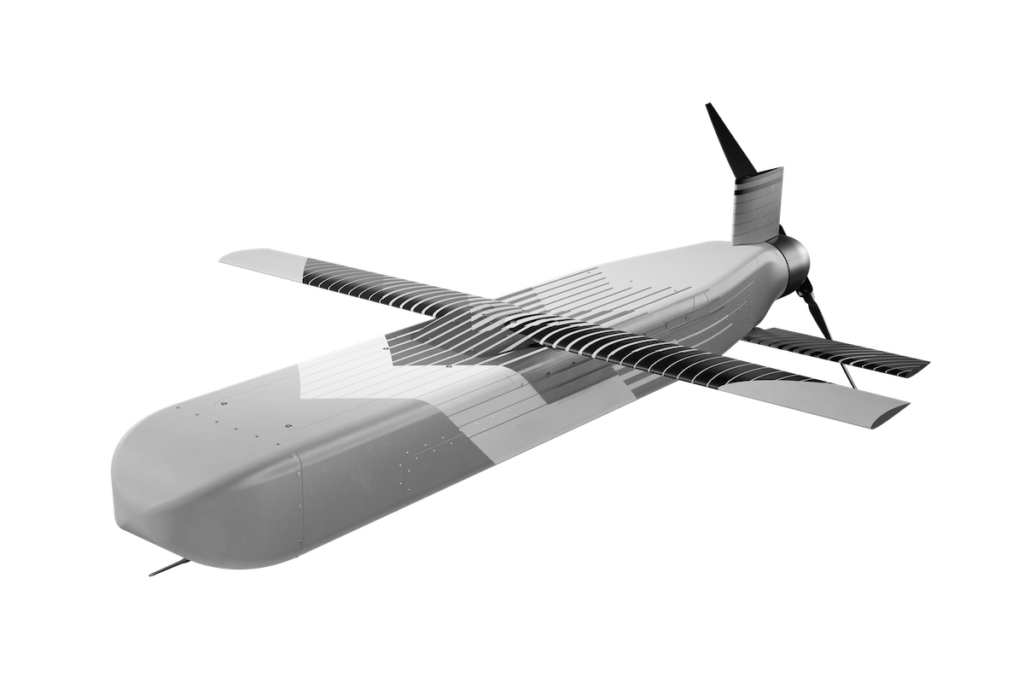
...r Interception Drone – A lightweight drone-mounted system designed for high-speed pursuit of... ... and versatile solution ensures safety for all personnel in the vicinity while ensuring rapid and...
The Specifiers Guide to Military Drone Mitigation Solutions
Overview by
William Mackenzie
Updated:
Introduction to Drone Mitigation Solutions for Military & Defense
Drone mitigation systems are counter-UAS response technologies used to stop, redirect, capture, disable, or defeat unauthorized drones. Counter-drone technologies are commonly divided into detection and mitigation functions. Drone detection technologies locate, classify, identify, and track unmanned aircraft, while mitigation technologies apply an electronic, cyber, physical, kinetic, or directed-energy effect. These may be described as soft-kill or hard-kill methods.
Types of Drone Mitigation Technology
Counter-UAS Radar
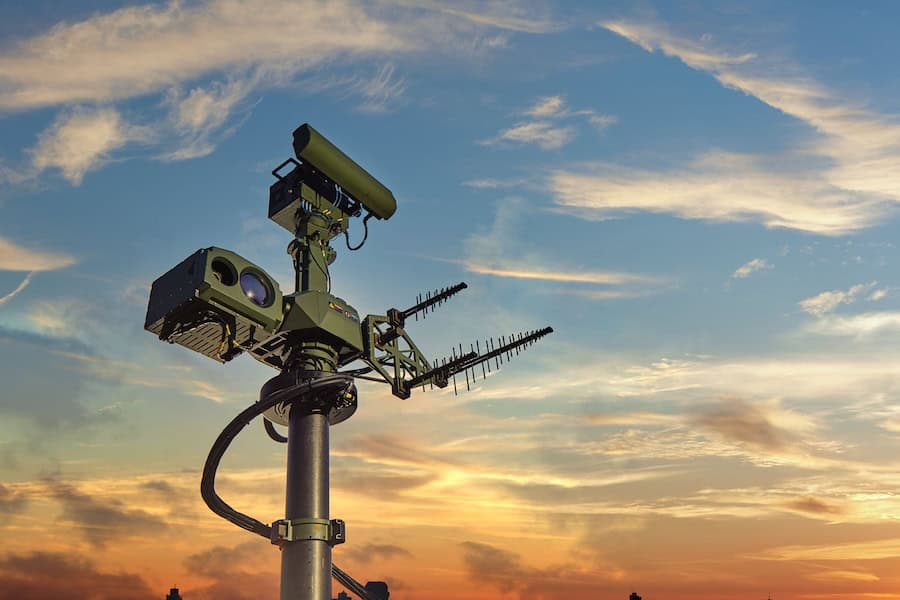
Counter-UAS radar detects airborne objects and provides range, bearing, altitude, speed, and trajectory data. Systems designed for small drones must detect targets with a low Radar Cross Section (RCS) and distinguish them from birds, vehicles, vegetation, and other clutter. Radar can also cue optical sensors or effectors for confirmation and engagement.
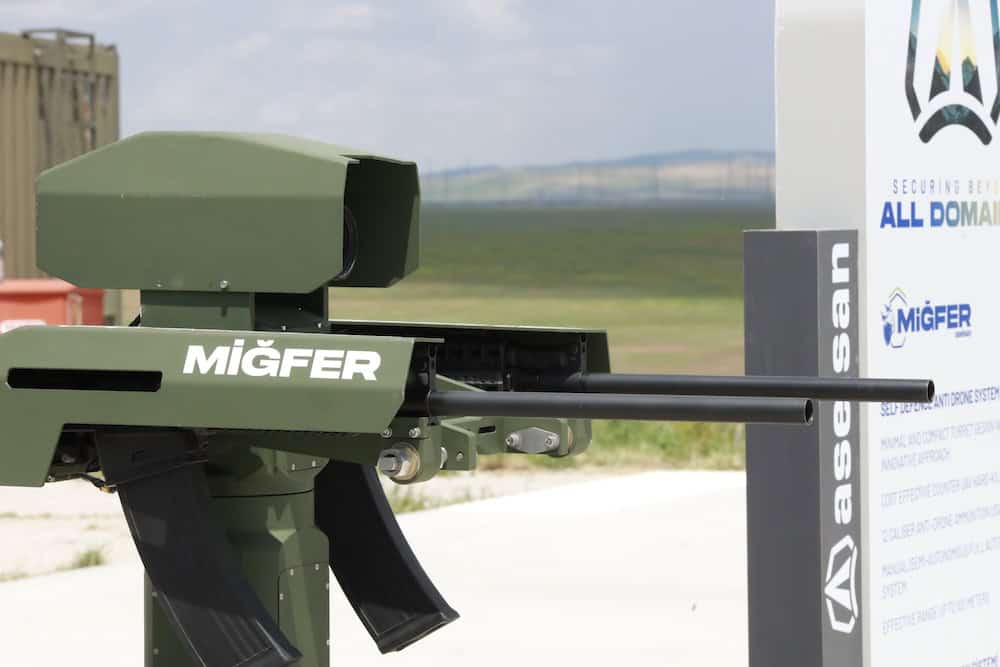
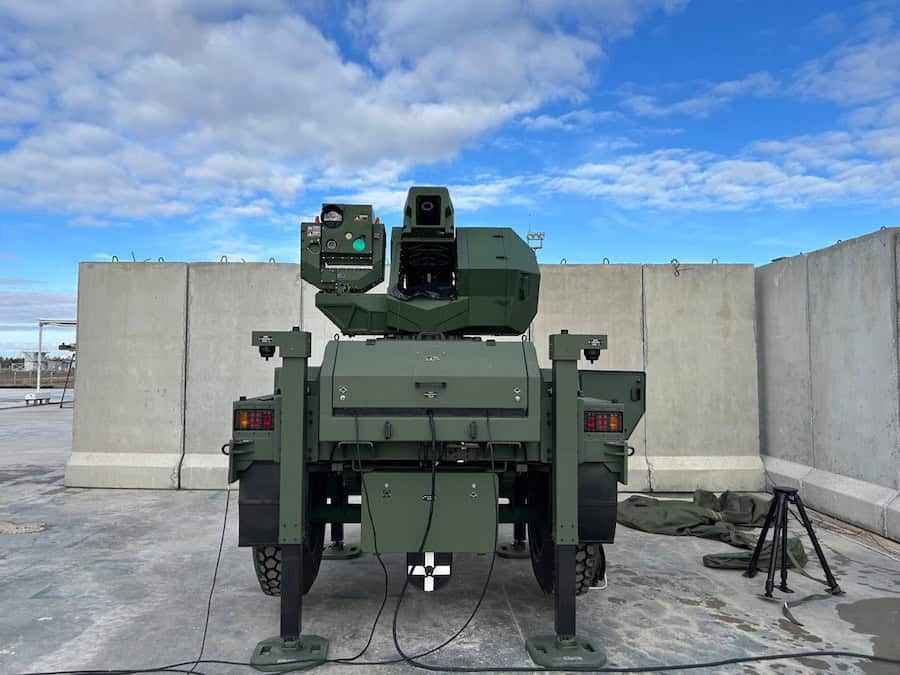
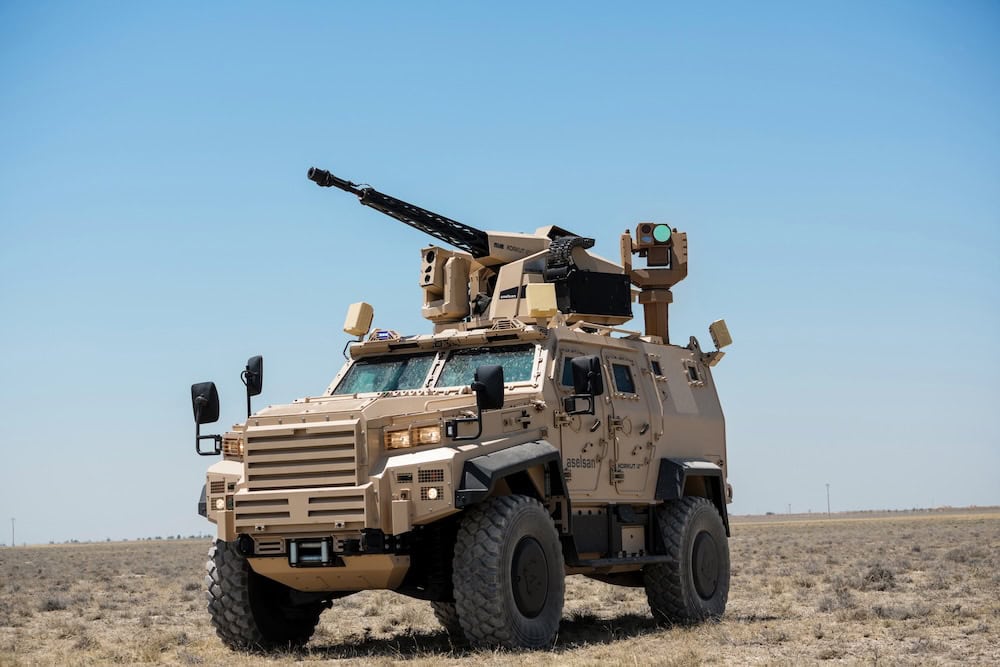
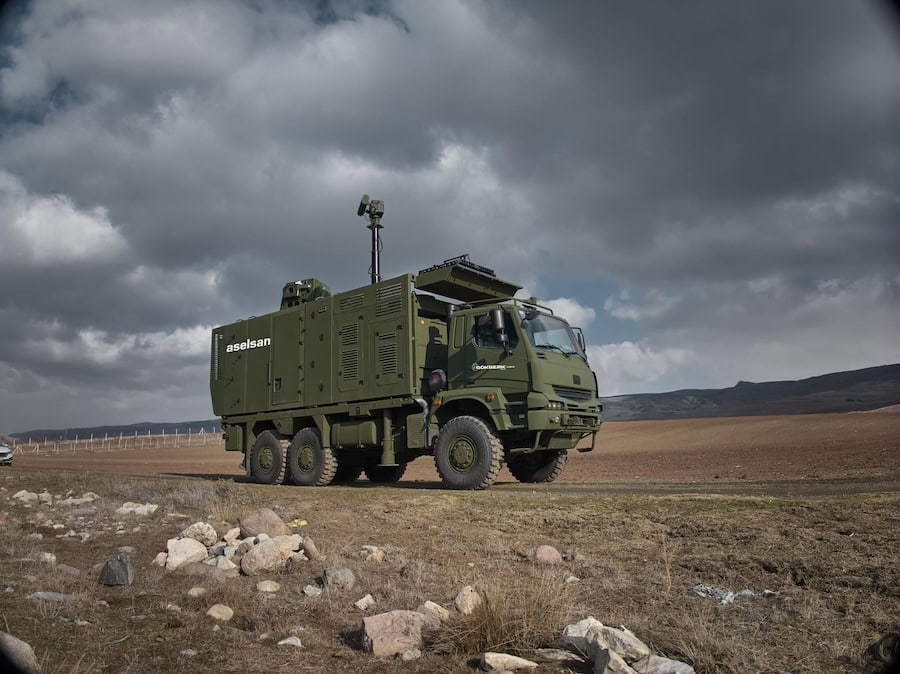
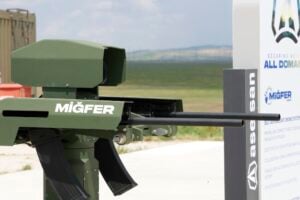
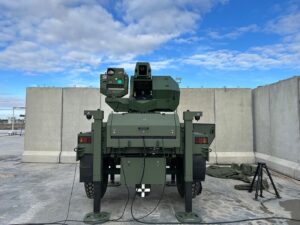
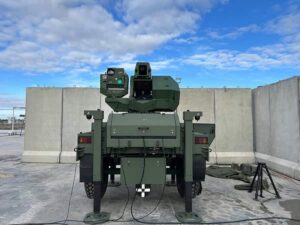
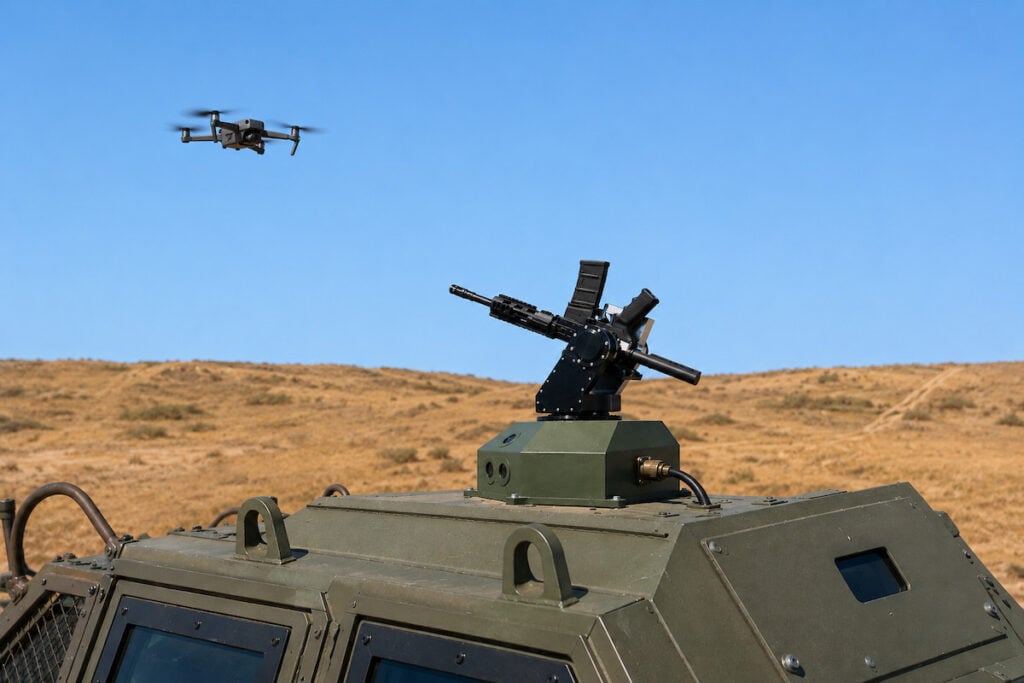
ŞAHİN 130/40GL hard-kill counter-UAS mitigation system by ASELSAN
RF Drone Detection
RF detection systems monitor command links, telemetry, video transmissions, Remote ID signals, and recognizable communication protocols. Direction-finding or networked sensors may help determine the drone type and estimate the location of the aircraft or its operator. Performance can be reduced against autonomous, encrypted, frequency-agile, modified, or radio-silent aircraft and is limited to monitored frequency bands.
Visual Detection with Electro-Optical and Infrared Sensors
Acoustic detection systems use microphone arrays and signal processing to recognize drone motor and propeller signatures. They support passive surveillance where obstacles restrict other sensors. Wind, traffic, machinery, echoes, and other background noise can reduce detection range and classification accuracy.
Automated Classification and Threat Recognition
Automated tools analyze radar, RF, optical, acoustic, and behavioral data to distinguish drones from other objects. They can prioritize tracks based on flight path, speed, altitude, proximity, or entry into a protected zone. Data fusion can improve confidence across sensor inputs. Human oversight remains important because classification errors can affect airspace safety and engagement decisions.
Anti-Drone Guns, Nets and Directed Energy Weapons
Physical and kinetic mitigation systems include anti-drone guns, programmable ammunition, interceptor-launched nets, lasers, and High-Power Microwave (HPM) effectors. Guns and nets act against the airframe, lasers can damage structures or components, and HPM systems disrupt or damage onboard electronics. Suitability depends on target type, range, line of sight, collateral risk, weather, power, magazine depth, and surrounding airspace. Debris, stray projectiles, laser dwell time, and electromagnetic effects must also be considered.
Cyber Takeover CUAS
Cyber takeover counter-UAS systems attempt to control a drone through its communications protocol, network connection, or software behavior. Compatible systems may redirect the aircraft, command it to land, or separate it from its operator without physically destroying it. These systems depend on supported protocols, vulnerabilities, and target-link access.
Signal Jamming and Spoofing
An electronic drone mitigation system may jam command signals, telemetry, video, or Global Navigation Satellite System (GNSS) signals. Spoofing introduces misleading control or positioning data intended to alter the aircraft’s behavior. The result is not always predictable because a drone may hover, land, return to a programmed point, switch navigation modes, continue autonomously, or lose control. Both methods require spectrum coordination and appropriate authority because they may affect friendly communications, navigation services, authorized drones, or nearby infrastructure.
Military Applications of Drone Mitigation Systems
Protection of Forward Bases, Airfields, and Deployed Units
Forward bases and airfields may face reconnaissance drones, FPV drones, coordinated swarms, and loitering munitions. Integrated systems can provide early warning, classify approaching targets, assign a mitigation response, and assess whether the threat has been neutralized. Drone mitigation for aviation environments must also be coordinated with friendly aircraft, navigation aids, air traffic systems, and authorized Unmanned Aircraft Systems (UAS) operations. Clear engagement procedures are essential.
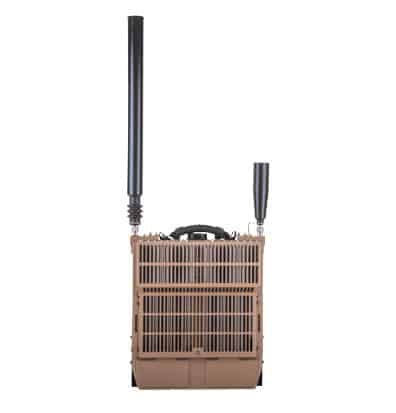
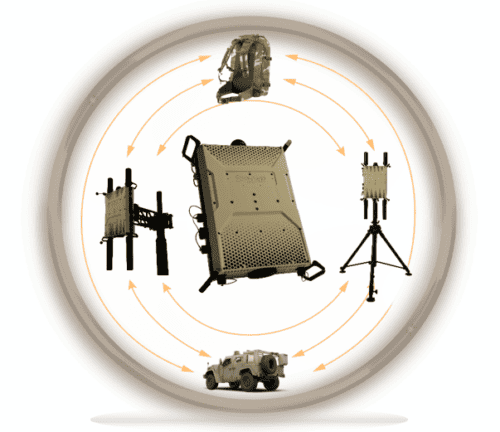
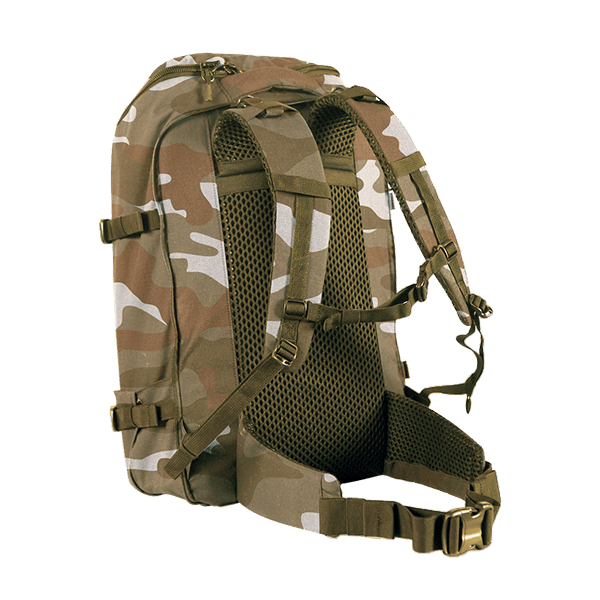
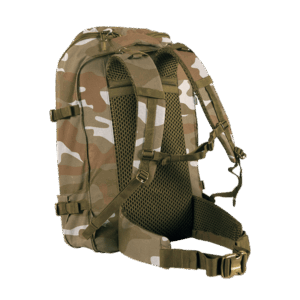
Backpack Deployment Kit drone detection and mitigation system by D-Fend Solutions
Convoy, Logistics, and Critical Infrastructure Security
Vehicle-mounted and deployable systems can protect convoys, ammunition points, fuel facilities, communications nodes, and logistics hubs. These applications require rapid response to low-altitude threats approaching from several directions or using terrain for concealment. Equipment must also operate within practical limits on space, electrical power, setup time, mobility, and operator support. Electronic effectors must be managed carefully when friendly forces use the same spectrum.
Naval, Port, Border, and Coastal Protection
Naval vessels, ports, borders, and coastal facilities require systems that can operate over water and against complex backgrounds. Shipboard and shore-based installations may combine radar, RF detection, stabilized imaging, and electronic or physical effectors. Sea clutter, platform motion, corrosion, restricted fields of fire, horizon limits, and congested spectrum conditions can affect performance. Integration must also account for ship systems and civilian traffic.
Urban Operations and Counter-Swarm Defense
Urban environments create visual obstructions, radar masking, multipath RF effects, and dense civilian activity. Drone mitigation for law enforcement or military support to civil authorities must emphasize accurate identification, controlled effects, and limited collateral risk. Counter-swarm operations require simultaneous tracking, automated prioritization, rapid engagement, sufficient effector capacity, and re-engagement of surviving targets. No single effector is likely to suit every drone within a mixed swarm.
Emerging Drone Mitigation Technologies
Development is increasingly focused on reducing response times, improving classification, lowering engagement costs, and adapting to changing drone designs. Important areas of development include the following:
Artificial Intelligence (AI) for detection and classification: Machine Learning (ML) tools can analyze several sensor feeds, identify unusual behavior, improve track correlation, and reduce operator workload, although outputs still require validation.
Autonomous interceptor drones: Interceptors can pursue unauthorized aircraft and may provide reusable or recoverable engagement options.
Low-cost and attritable effectors: Affordable systems can counter inexpensive drones without requiring costly missiles for every engagement.
Distributed passive sensing networks: Networked RF, acoustic, and optical nodes can extend coverage, improve track continuity, and reduce reliance on a single sensor.
These technologies are most effective in modular architectures that accept system updates. Future systems will need rapid adaptation, human authorization, interoperability, cybersecurity, realistic testing, and safe operation around friendly forces.
Axon Vision has been awarded an order valued at up to NIS 15 million for autonomous system capabilities designed to protect forces against advancing aerial attack drones
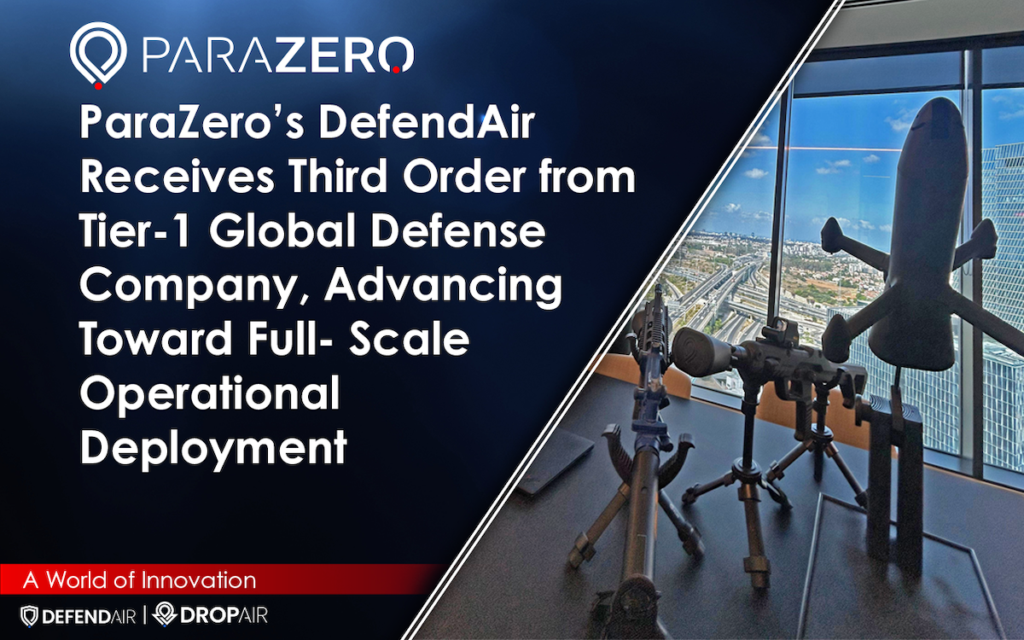
Following a successful evaluation phase, a Tier-1 global defense contractor has placed a third procurement order for ParaZero’s DefendAir Net Pods to advance technical integration toward full-scale operational system deployment
The Netherlands Ministry of Defence and Destinus have partnered to develop a canister-launched kinetic drone interceptor aimed at providing affordable, scalable air defence across the Royal Netherlands Navy fleet
ParaZero Technologies has secured an initial order for its DefendAir Net Pods from a premier European defense manufacturer, expanding net-based physical interception capabilities within broader next-generation autonomous counter-UAS system architectures
A new non-explosive C-UAS configuration from ParaZero Technologies and Axon Vision combines AI threat analysis with autonomous net capturing to safeguard critical infrastructure assets and sensitive environments from unauthorized aerial threats
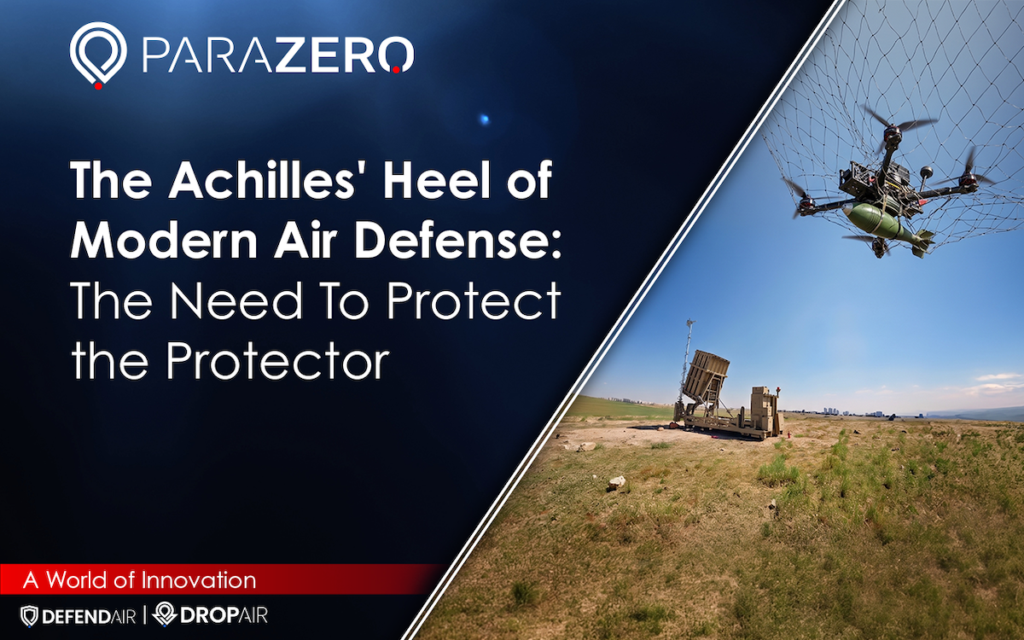
As advanced missile defense systems face growing vulnerabilities from cheap attack drones on modern battlefields, ParaZero Technologies offers DefendAir to deliver a vital terminal defensive layer protecting critical ground infrastructure
ParaZero Technologies has received a new purchase order for its DefendAir Net Pod system and dedicated engineering support from a third business unit within a Tier-1 Israeli-based global defense company
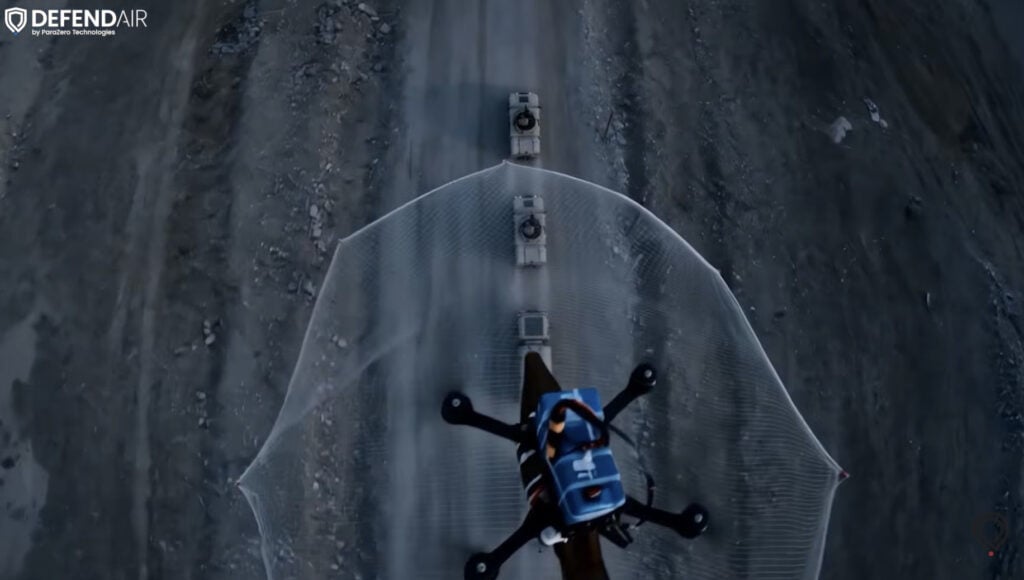
ParaZero recently received a secondary system order to integrate its non-explosive, net-based drone interception technology into a Tier-1 customer's autonomous ground-based counter-unmanned aerial systems platform
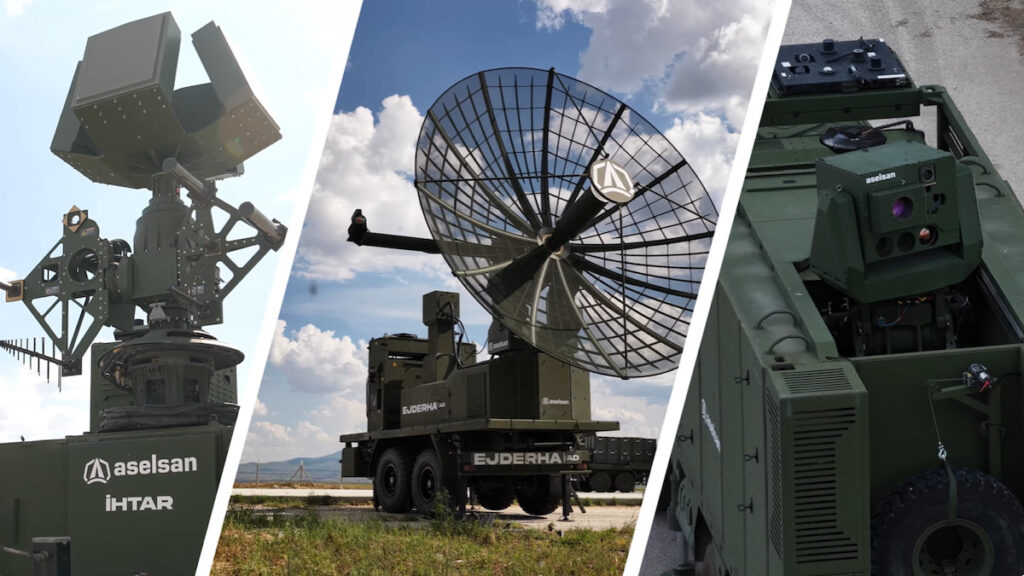
Turkish defense company ASELSAN has demonstrated an integrated drone defense system that coordinates multiple advanced detection and destruction subsystems to neutralize diverse mini and micro UAV threats
The latest defense technology news, straight to your inbox.
Get our weekly roundup of technology developments, new products and industry news.
THANK YOU FOR SIGNING UP
Thanks for joining us. Check your inbox.
We've sent you an email. Click the confirmation link to complete your subscription to the weekly eBrief. In the meantime, explore the latest news, suppliers and technologies on DA.
Advancing Defense Capability Through Strategic Collaboration
Defense Advancement works with major OEMs to foster collaboration and increase engagement with SMEs, to accelerate innovation and drive defense capabilities forward.