
ParaZero Technologies
Verified companies work with us to ensure we display the most up-to-date and comprehensive product information, articles and other material to help you choose the right solution for your requirements.
ParaZero Technologies is a leading developer of net-based counter-UAS systems for military force protection, critical infrastructure security and homeland defence. Developed by aviation professionals, military veterans and drone safety specialists, the company’s DefendAir technology provides controlled physical interception of hostile unmanned aircraft.

The modular system is designed to complement radar, EO/IR, RF detection, electronic warfare and command-and-control capabilities, providing a terminal C-UAS layer when jamming, spoofing or cyber takeover is ineffective. DefendAir can be deployed by dismounted personnel or integrated with stationary, vehicle-mounted and airborne platforms.
DefendAir is a modular counter-drone solution designed to neutralize threats ranging from agile FPV attack drones to commercial heavy-lift UAVs carrying hostile payloads.
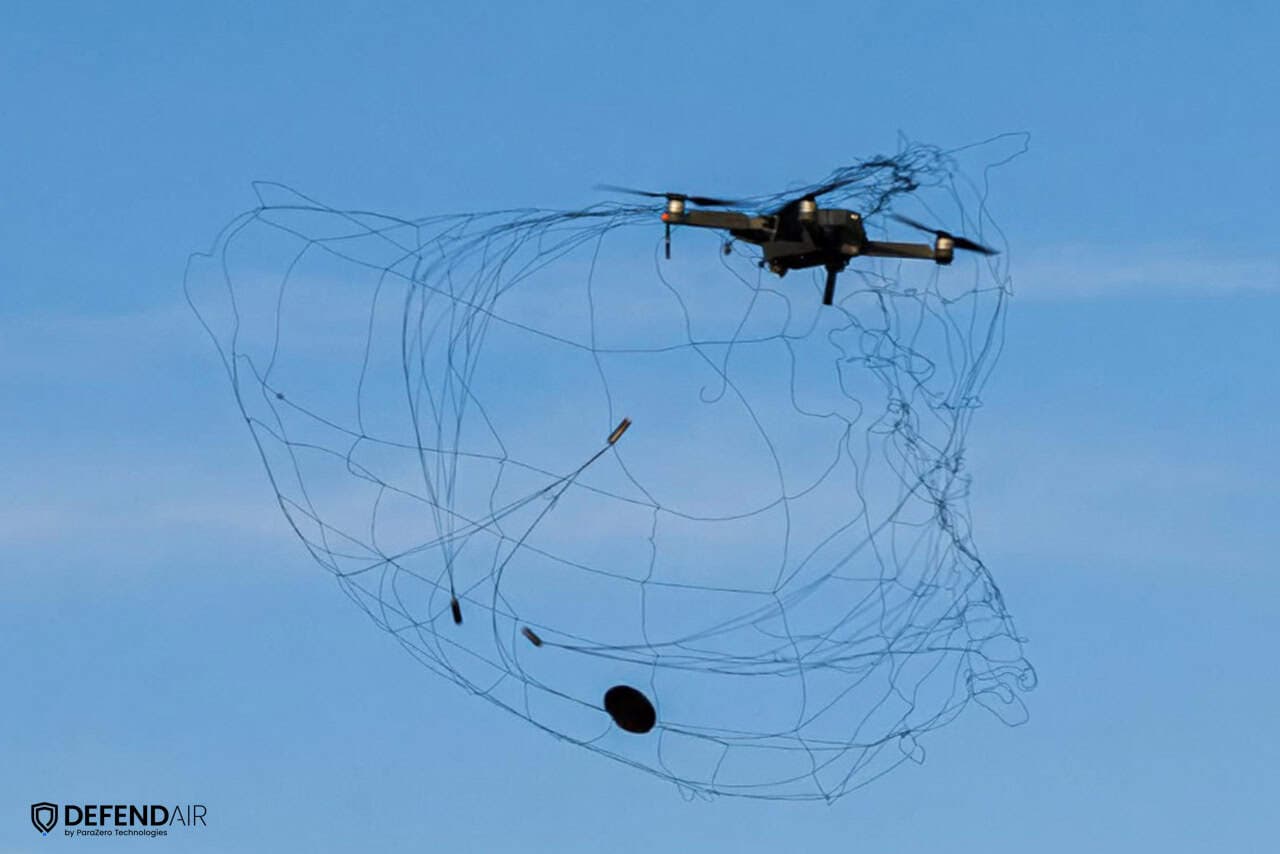
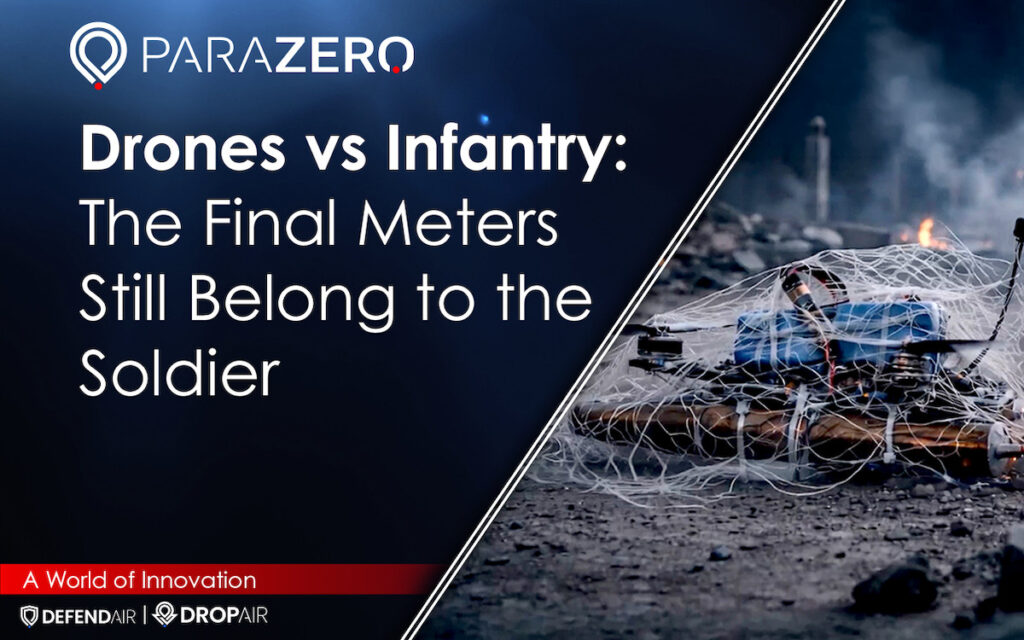
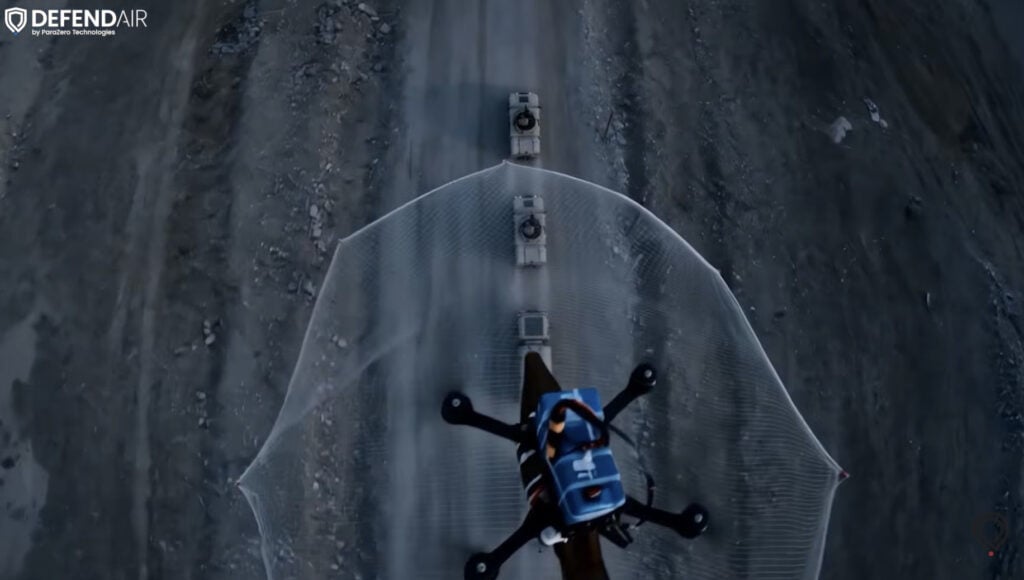
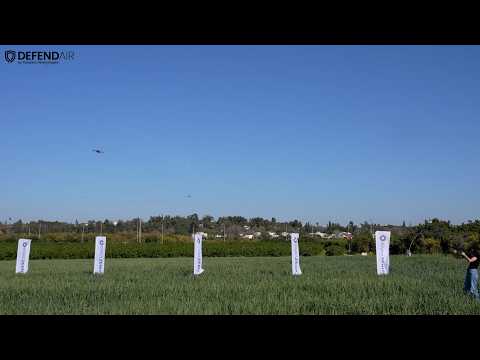
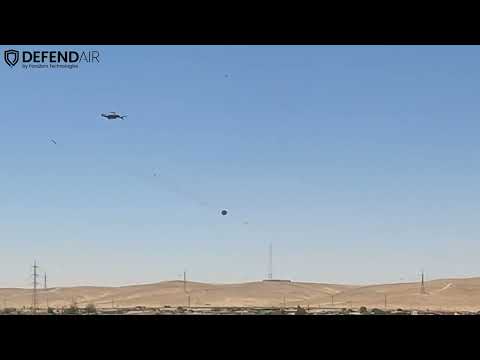
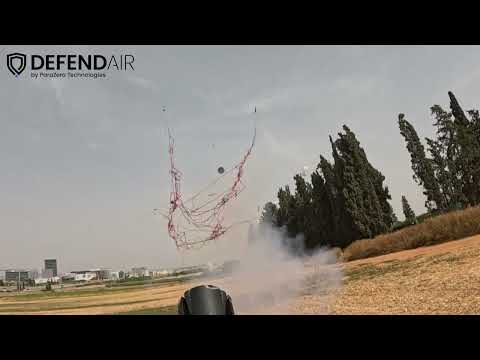
The system launches a purpose-designed net that entangles the target aircraft and prevents continued flight. This non-explosive physical defeat mechanism reduces the fragmentation and collateral risks associated with conventional kinetic effectors.
DefendAir provides:
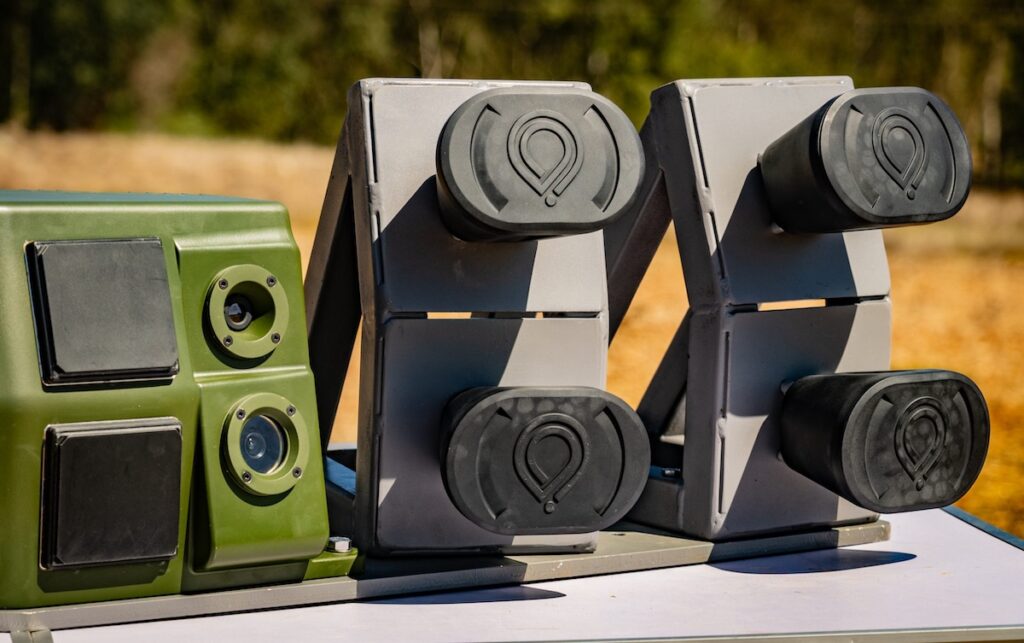
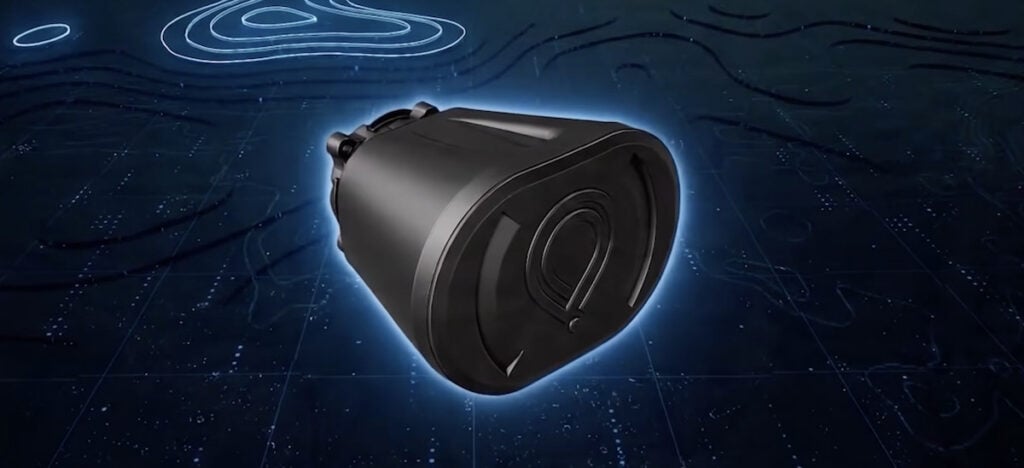
Net dimensions and launch power can be configured for different target sizes, speeds, weights and engagement requirements. This adaptable architecture enables defence primes and C-UAS integrators to incorporate DefendAir into new or existing layered air-defence solutions.
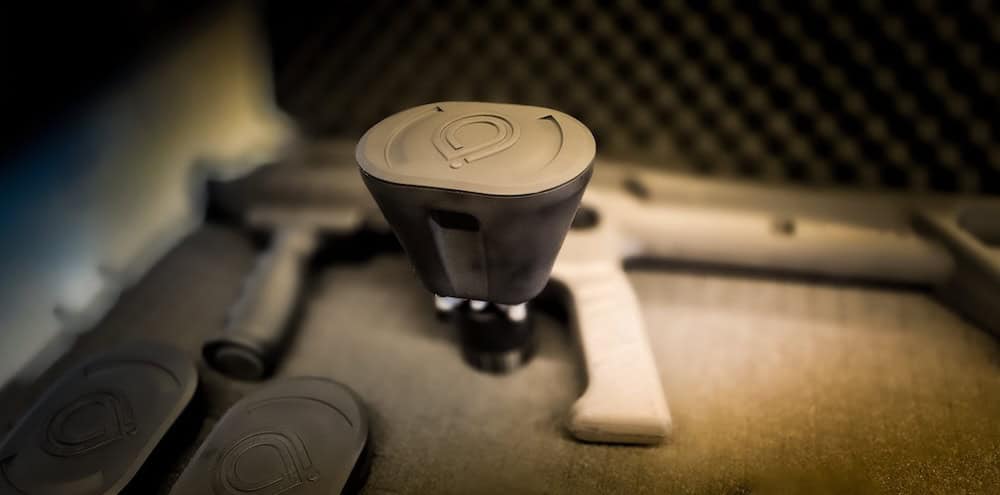
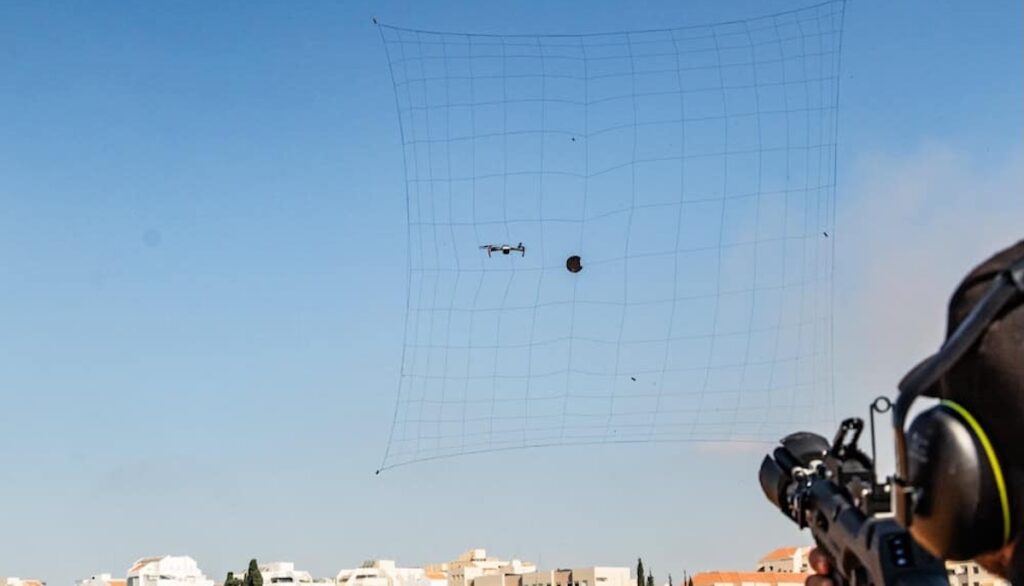
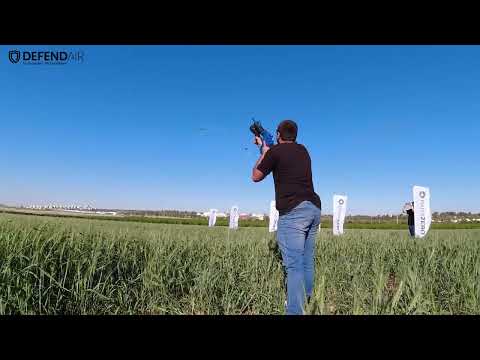
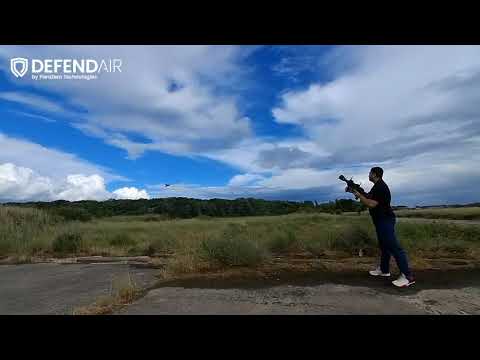
The Personal DefendAir Net Gun is a lightweight, handheld C-UAS solution designed to provide immediate protection for soldiers, tactical units and security personnel.
Carried as part of a standard combat loadout, the manually operated launcher enables dismounted forces to engage close-range drone threats without relying on RF jamming, ammunition or explosive interceptors. ParaZero states that the system offers an effective range of up to 35 metres.
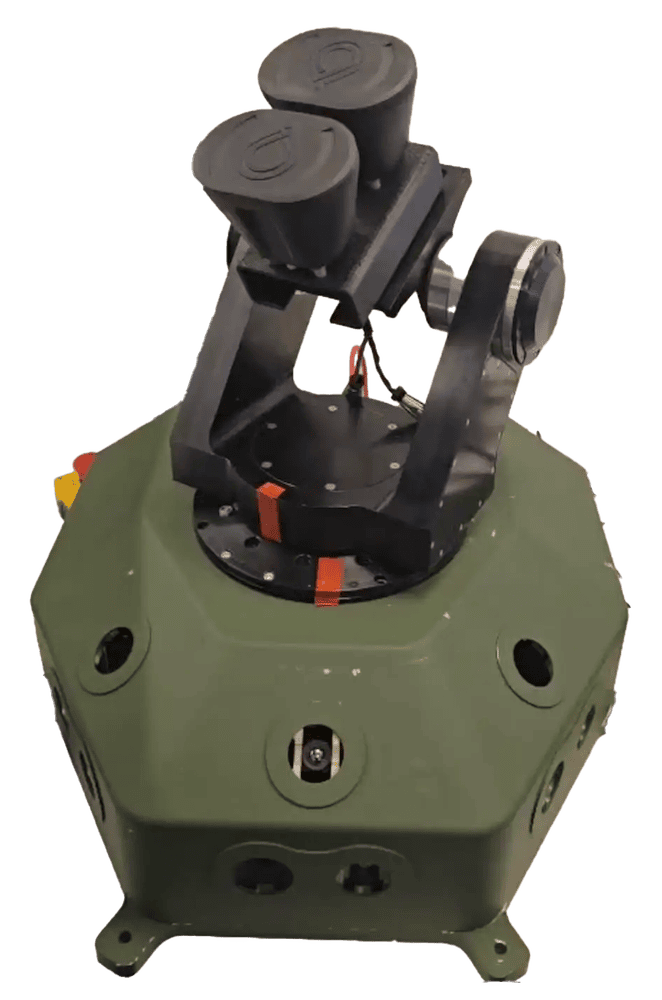
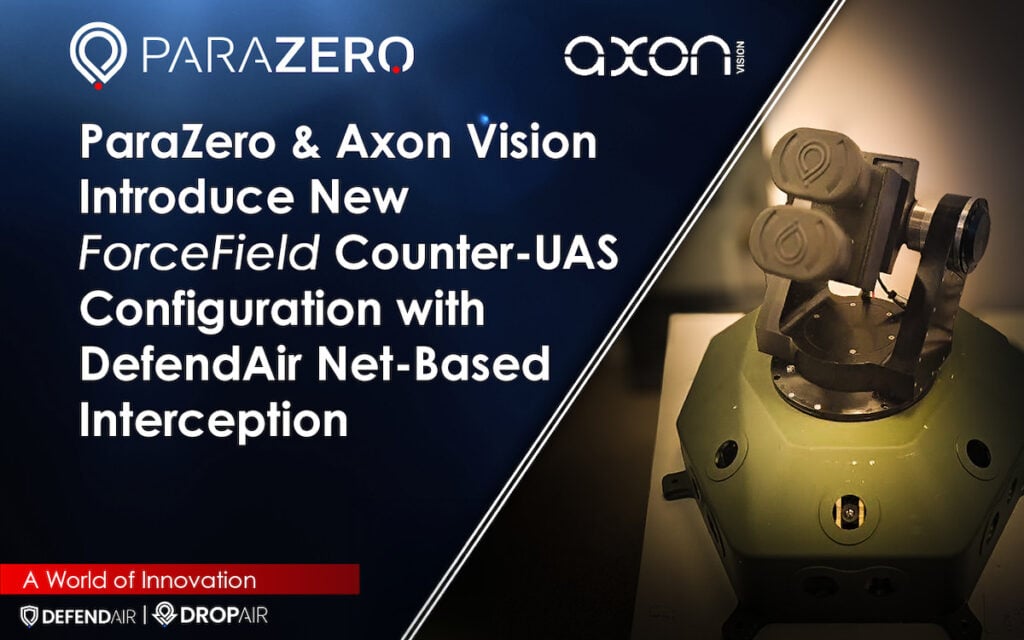
Stationary and turret-mounted configurations add a terminal effector to existing detect-track-identify-defeat architectures. The technology can also be integrated with armored vehicles and mobile platforms to provide counter-FPV protection for maneuvering forces and logistics convoys.
Its non-explosive mechanism is particularly suited to operations around personnel, sensitive equipment and infrastructure where fragmentation or uncontrolled projectile effects would create additional hazards.
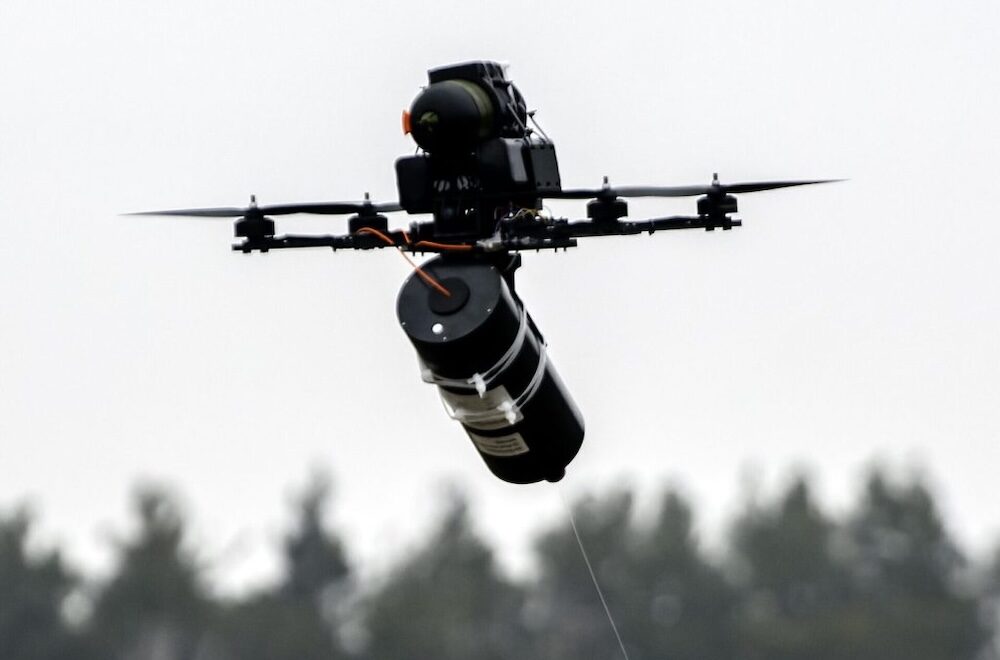
Once cued by external detection and tracking systems, the interceptor can pursue and physically neutralize hostile aircraft before they reach the protected force or asset.
The lightweight Net Pod supports high-speed air-to-air interception of agile FPV threats and larger commercial or logistics-class UAVs. Airborne integration extends the engagement envelope beyond close-range ground-based systems and can reinforce wider base, perimeter and maneuver-force protection.
Fiber-optic-guided drones present a significant challenge to electronic countermeasures because they do not rely on a conventional radio-frequency control link. Autonomous and GNSS-denied aircraft can create similar gaps in C-UAS architectures that depend solely on electronic disruption.
DefendAir physically engages the aircraft and is therefore independent of the target’s control, communications or navigation method. This provides forces with a last line of defence against low-signature FPV, autonomous and fiber-optic drones in contested electromagnetic environments.
DefendAir is designed to complement existing detection and mitigation systems. Its modular Net Pod can be integrated with third-party sensors, command-and-control platforms and autonomous systems to complete the C-UAS engagement chain.
The solution can operate alongside:
This layered approach enables operators to select the most appropriate effect for each threat while retaining a physical interception option when electronic defeat is unsuccessful.
DefendAir’s net-based interception mechanism minimizes the risks of fragmentation, stray rounds and explosive effects around friendly forces or sensitive assets.

Capturing rather than destroying the hostile aircraft may also preserve onboard electronics and mission data for forensic exploitation, operator identification and threat intelligence. This makes DefendAir particularly relevant to military security, border protection and counter-smuggling operations.