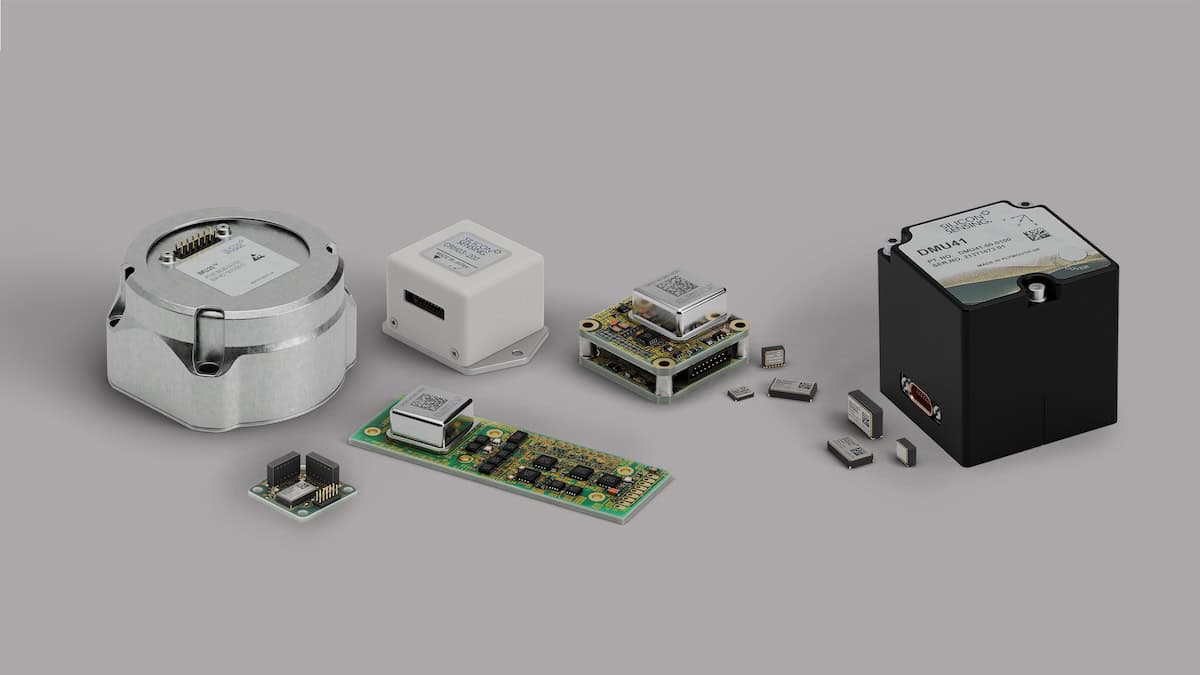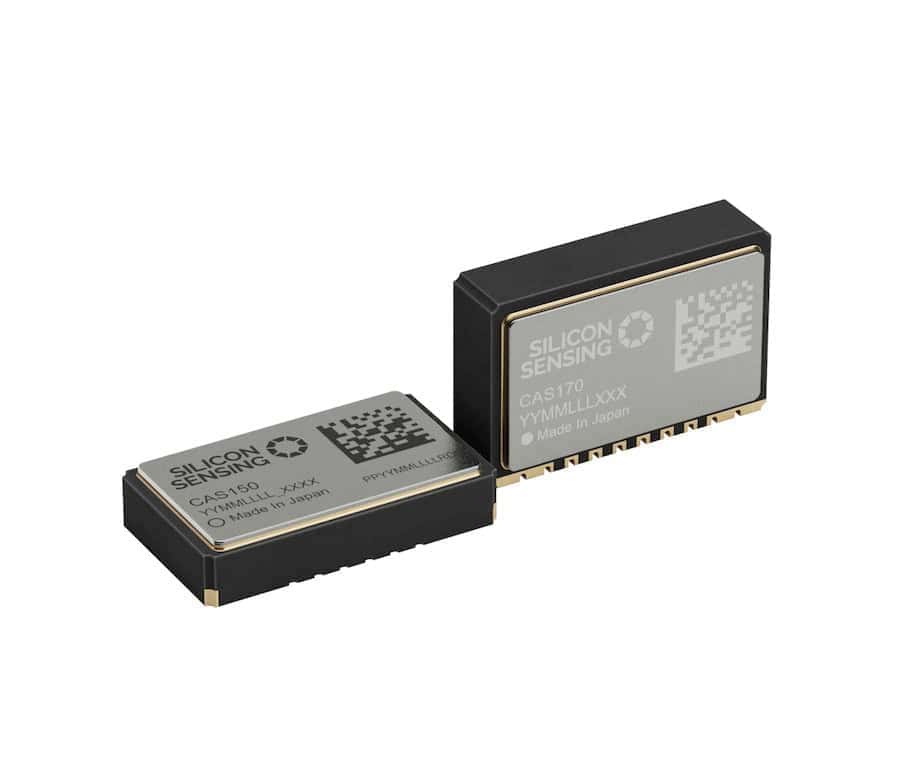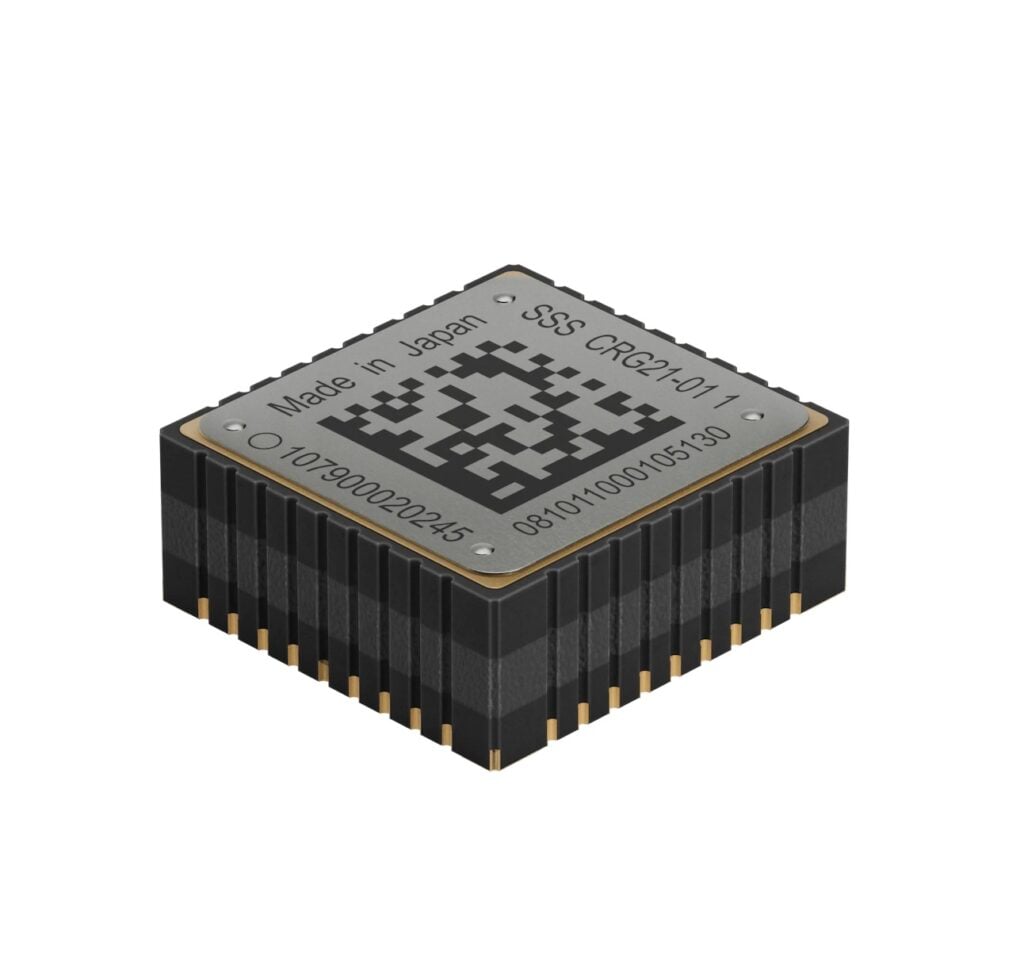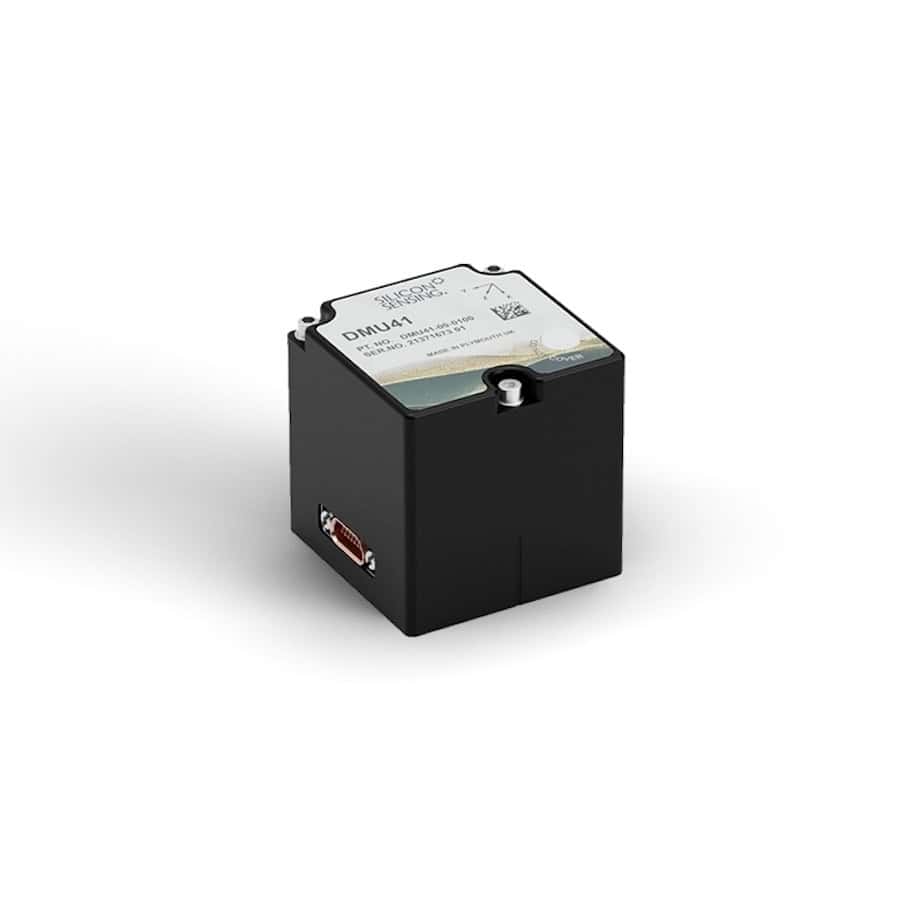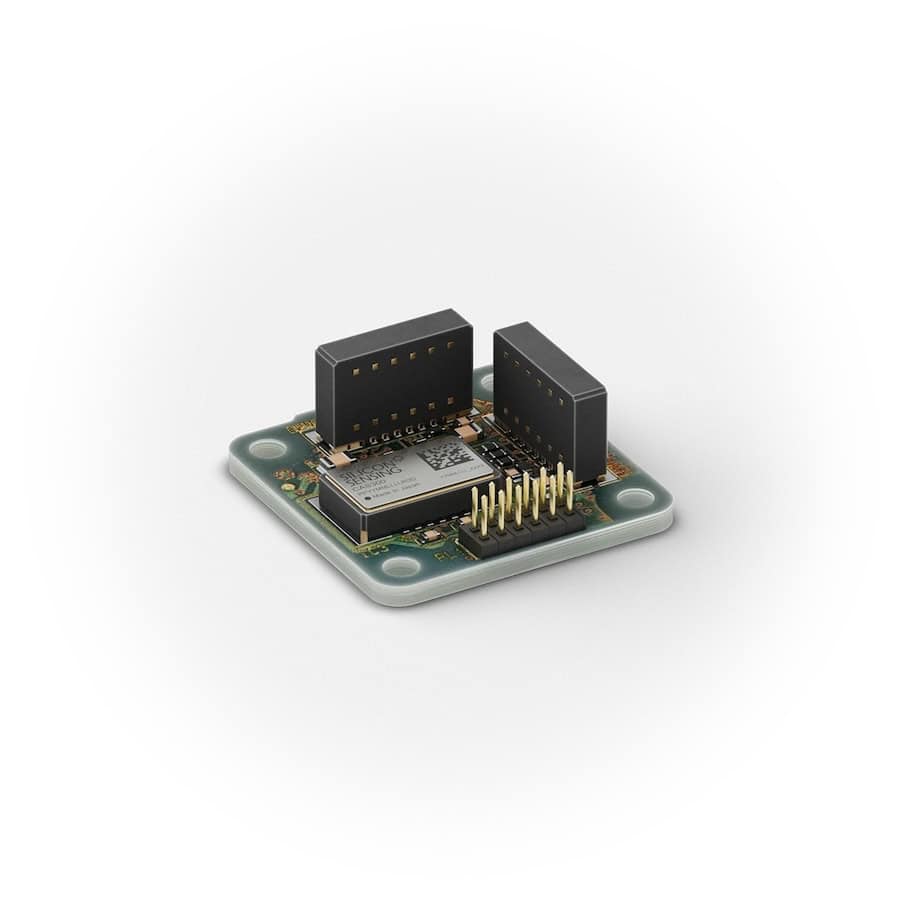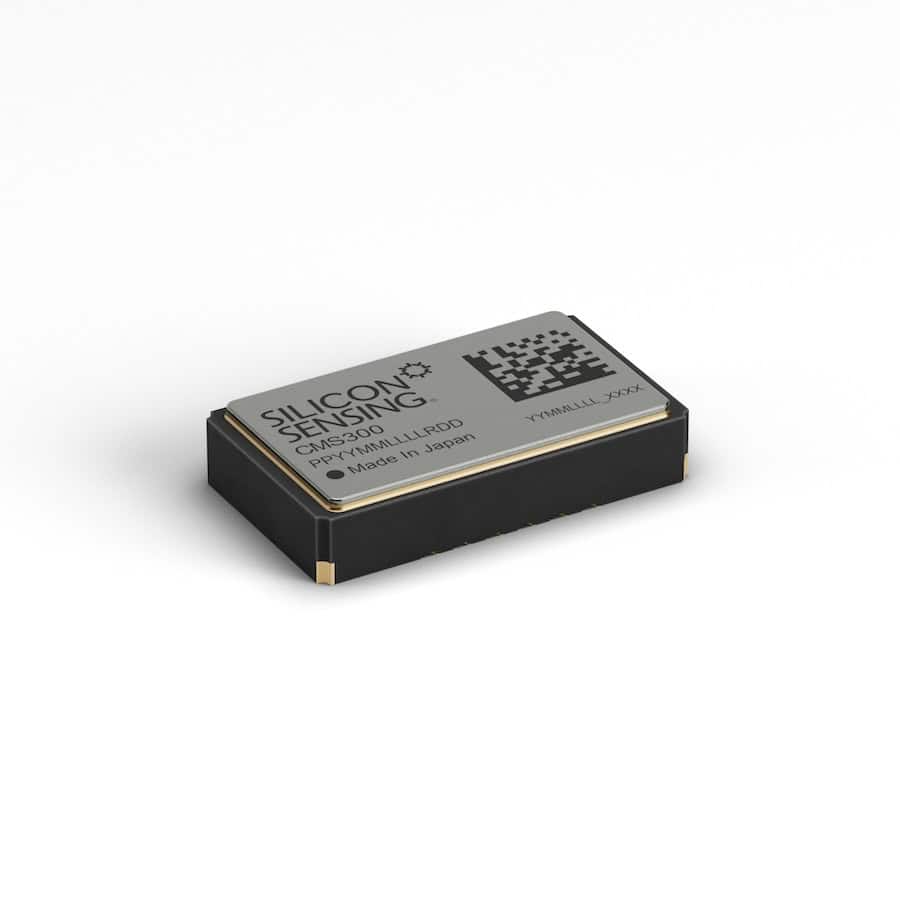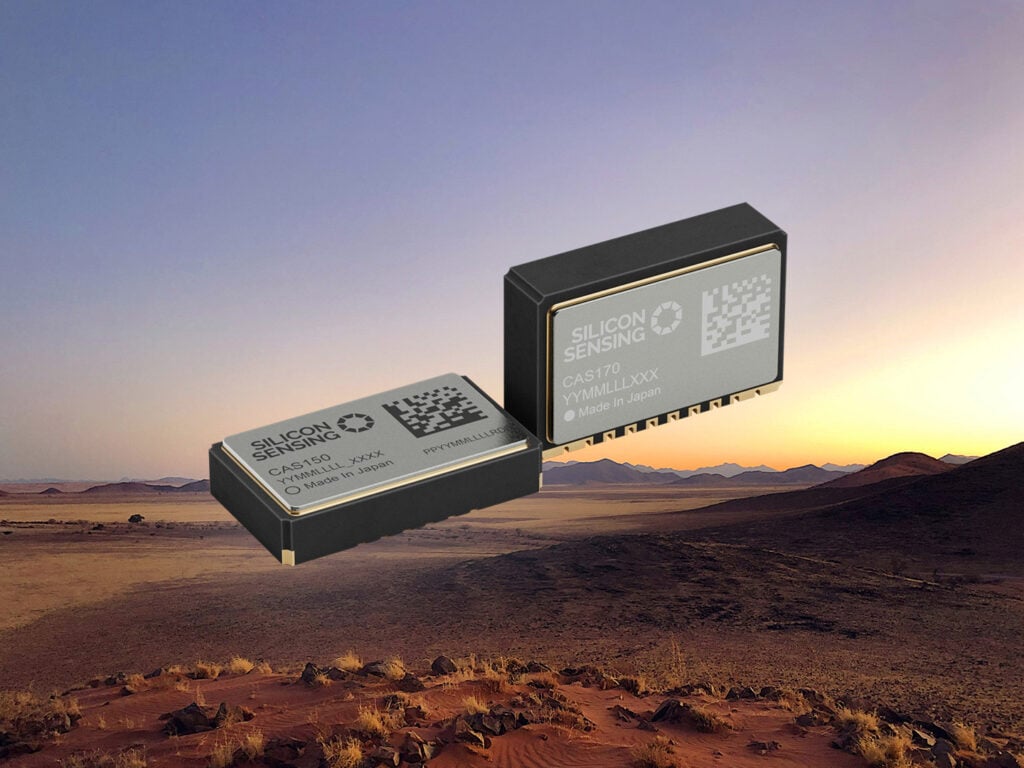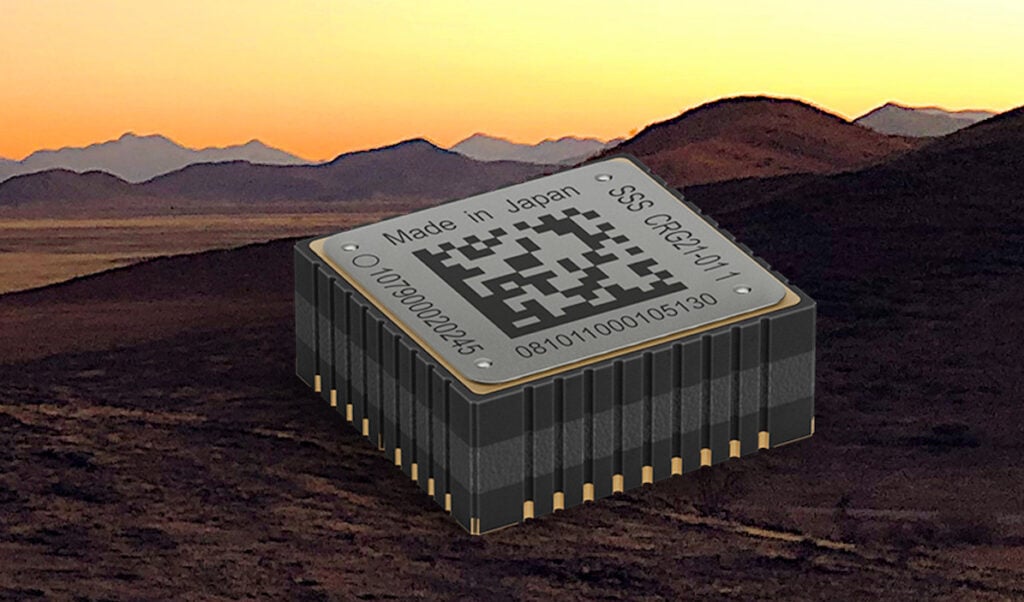



Resilient autonomous navigation increasingly depends on reliable inertial sensing. A recent conversation with DA saw Kevin Swain, Head of Sales and Business Development at Silicon Sensing, discuss how Micro-Electromechanical Systems (MEMS) inertial sensing can support resilient navigation, stabilization and control when external positioning references are degraded, disrupted or unavailable.
 For autonomous defense platforms, reliance on Global Navigation Satellite Systems (GNSS) presents a challenge when signals are jammed, spoofed or unavailable.
Swain points to the conflict in Ukraine as highlighting the impact of GPS denial, spoofing and jamming, and the importance of inertial sensing when external navigation references cannot be relied upon.
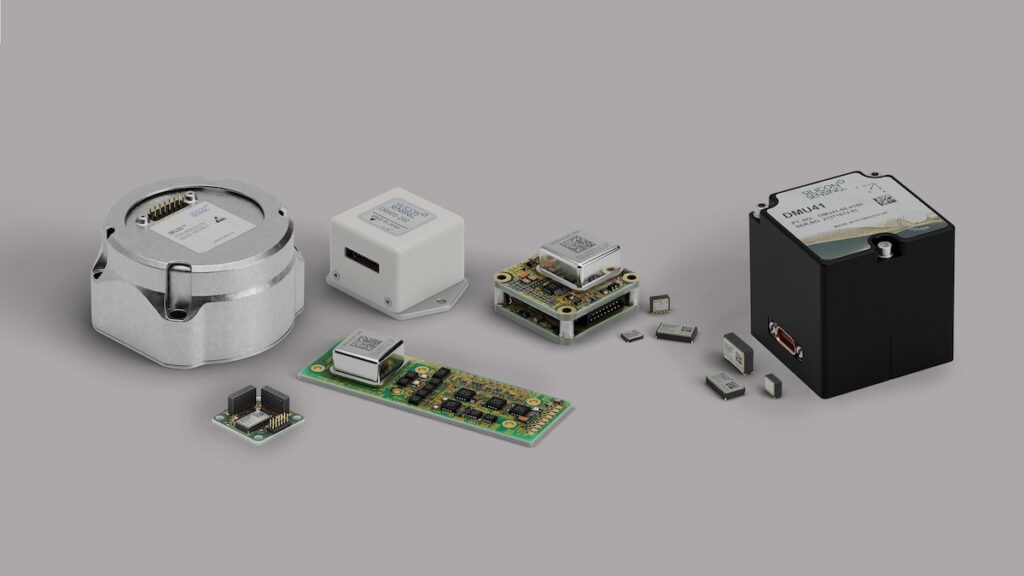
Inertial sensing provides a passive onboard source of motion information that does not depend on an external positioning signal. Rather than replacing other navigation inputs, the Inertial Measurement Unit (IMU) operates alongside GNSS, Doppler-based systems and LiDAR as part of a wider sensor-fusion architecture.
When external references are interrupted, the inertial system can support resilient navigation for a period, with the duration and accuracy dependent on the performance of the sensor and wider system.
Around a decade ago, MEMS technology was primarily associated with lower-dynamic stabilization, motion sensing and complementing external positioning sources. Today, Swain says it is moving much closer to precision-navigation performance while retaining advantages in cost, power consumption, size and weight.
Matching Performance to the Mission
The required level of inertial performance varies considerably by platform and mission.
“A lot’s going to depend on what the program is, the operational role,” Swain explains.
A small, short-range drone has very different requirements from a larger, long-range, high-performance uncrewed aircraft. Engineers therefore need to consider precision, drift, dynamic performance and Size, Weight, Power and Cost (SWaP-C) according to the needs of the program.
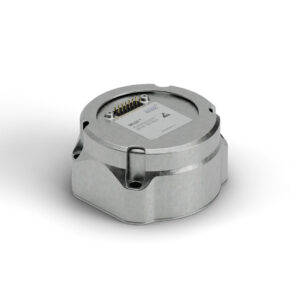 As MEMS performance improves, these trade-offs are becoming less significant, with different sensors and IMUs offering different performance profiles for different applications.
Silicon Sensing works with customers to identify the product best suited to a particular program before refining the sensor or IMU to meet more detailed requirements.
Stabilization and Pointing
For autonomous defense platforms, the role of inertial sensing extends beyond navigation. Swain highlights platform and gimbal stabilization and pointing, antenna stabilization and pointing, and weapon-system stabilization and pointing.
“Our sensors can go through high vibration and high shock,” Swain says.
With no moving parts, MEMS technology is well suited to these applications while enabling smaller, lighter, more robust and more cost-effective inertial products.
Toward Higher-Grade MEMS Performance
Silicon Sensing has worked in inertial technology for more than 25 years, with particularly significant improvements in sensor and IMU performance over the past decade.
Swain describes that progress as gradual rather than the result of one major technological shift, with continued development focused on improving and refining sensor performance.
The longer-term objective is to move toward gyrocompass- and navigation-grade performance while retaining the size and cost advantages associated with MEMS.
Recent work involving Kongsberg and other companies is focused on increasing sensor performance, while Silicon Sensing is also preparing its next generation of sensors for future production.
For autonomous defense platforms, further MEMS performance gains could extend useful dead reckoning and reduce reliance on continuously available external positioning references. In contested or GNSS-degraded environments, that could support longer periods of autonomous navigation while preserving the size, power and cost advantages of MEMS.
Kevin Swain leads the international sales and business team at Silicon Sensing Systems Ltd, a supplier of inertial products to aerospace, defence and commercial organisations worldwide. With nearly 20 years’ experience in inertial sensing, motion control and precision measurement, he works closely with engineering teams on navigation, stabilisation and system performance challenges. Swain began his career at Silicon Sensing before moving to Collins Aerospace, where he led the Inertial Business Development team, and returned to Silicon Sensing in 2024.