



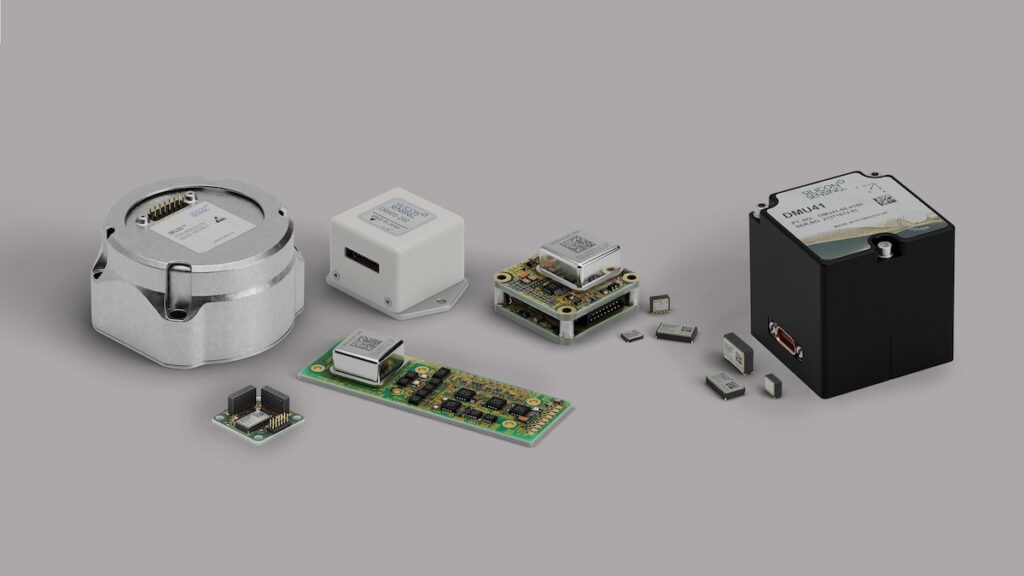
Silicon Sensing Systems will make its debut as an exhibitor at Eurosatory 2026 in Paris from June 16-19, showcasing its proven, robust, and reliable inertial technology in Hall 4, Stand E02.
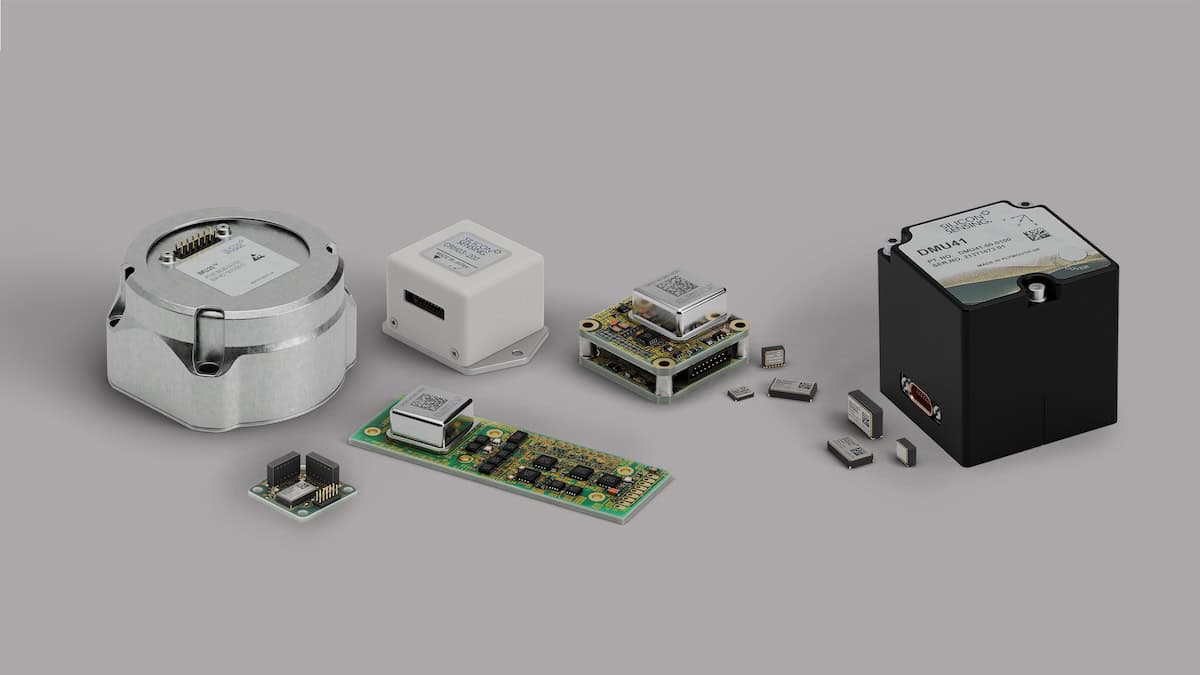
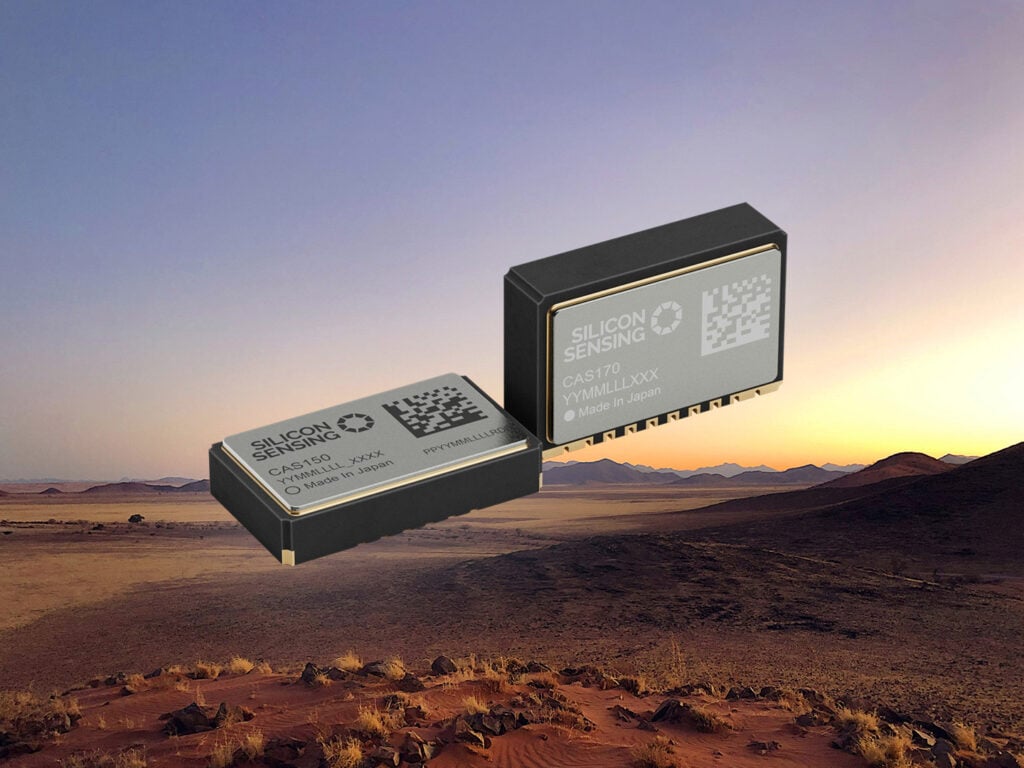
The company’s product portfolio ranges from miniature, low-cost navigation and pointing gyros to a tactical-grade, 9 Degrees of Freedom (DoF) Inertial Measurement Unit (IMU). These technologies target modern defense platforms that are becoming smaller, lighter, and more power-efficient while requiring longer operational lifespans.
David Somerville, General Manager, Silicon Sensing Systems, stated, “Our proven MEMS-based products are well-suited to the demands of defence applications across land, sea, air and space, for both manned and unmanned platforms – especially in GNSS-denied environments. As platforms become smaller, lighter and more power-efficient, while remaining operational for longer, our products can deliver real value through their precision performance, compact size and low power consumption.”
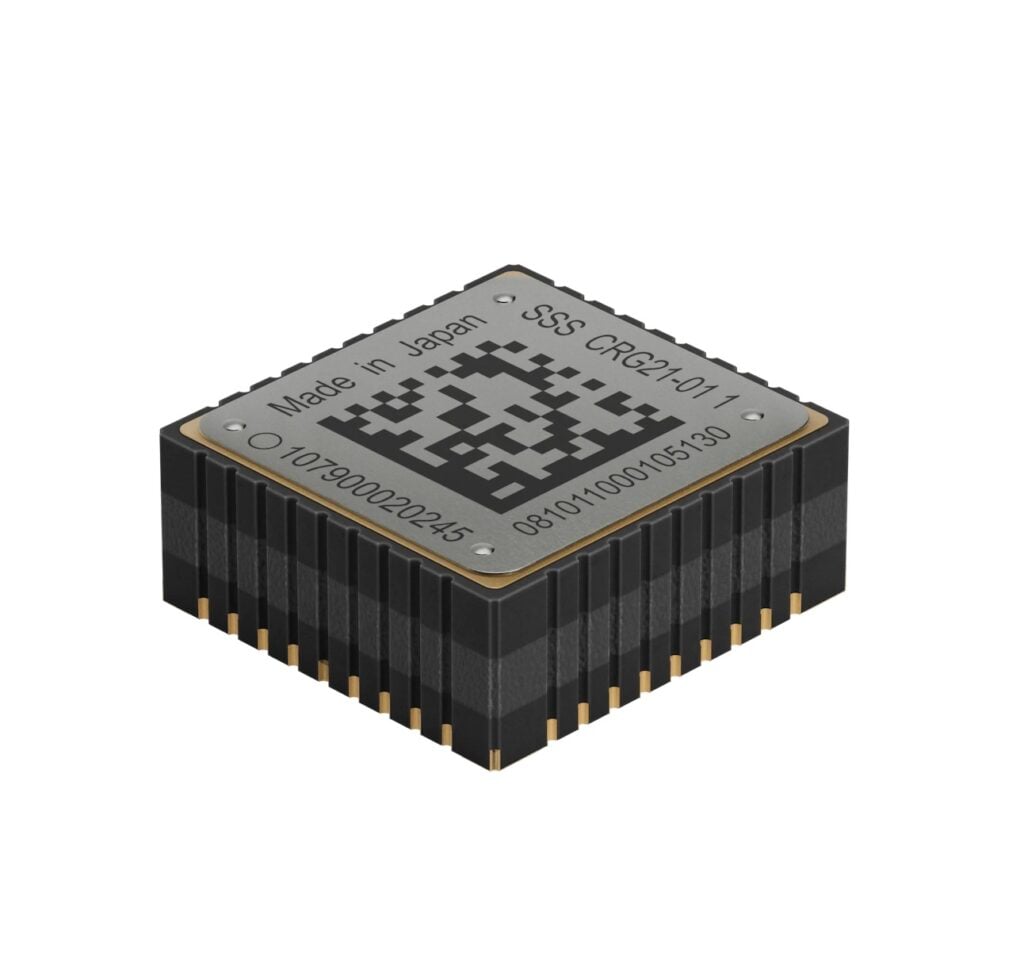
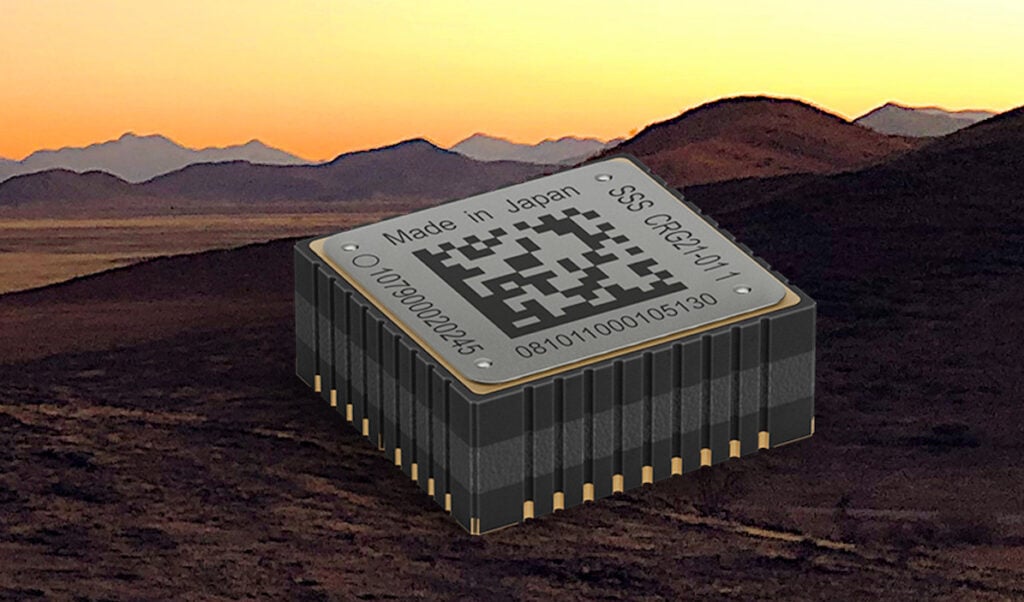
In recent contracts, the company secured an agreement to supply its CRH03 tactical-grade gyro to Psionic Inc for their SurePath™ navigation system, where it will provide critical heading information and support GNSS-denied navigation. The CRH03 is a compact, ultra-stable, non-ITAR, MEMS-based product that delivers high stability and low noise performance with excellent Angle Random Walk (ARW). It offers comparable bias characteristics to traditional, larger Fibre-Optic Gyroscopes (FOG) and Dynamically Tuned Gyroscopes (DTG).
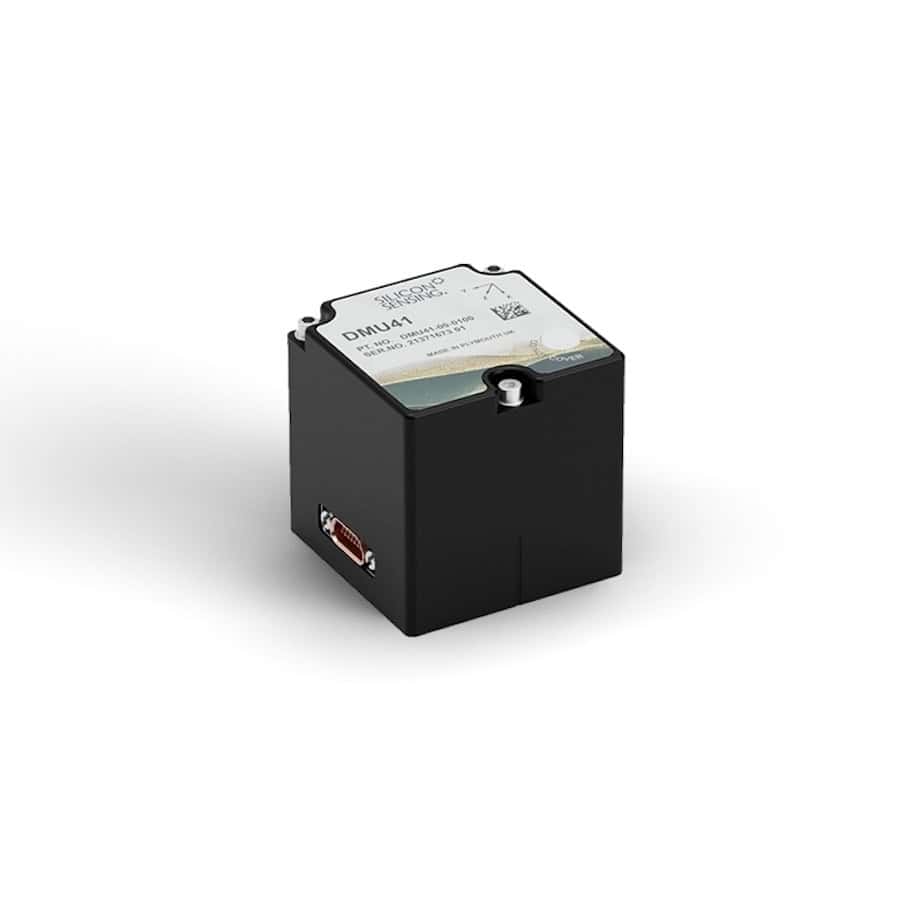
For full inertial sensing, the tactical-grade DMU41 IMU also competes with larger, heavier, and more costly FOG-based systems. This rugged, non-ITAR, 9 DoF unit measures just 50.5 x 50.5 x 51.0 mm, weighs less than 180 g, and consumes less than 1.8 W. It provides advanced angular rate and linear acceleration data with outstanding ARW, bias, and noise characteristics.
Alongside the DMU41, Silicon Sensing offers the DMU11 IMU as a lower-cost option. This 6 DoF IMU is designed for high-volume motion sensing and control applications requiring strong, sustained performance. Built for simple integration into larger systems, it provides reliable, robust, low-noise output under challenging real-world conditions.
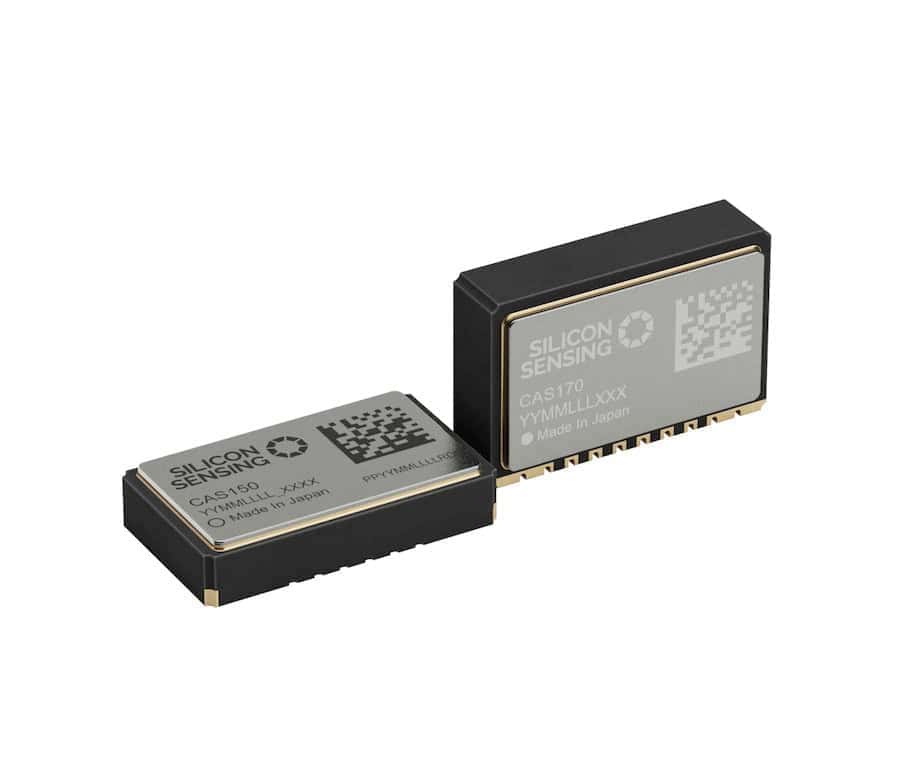
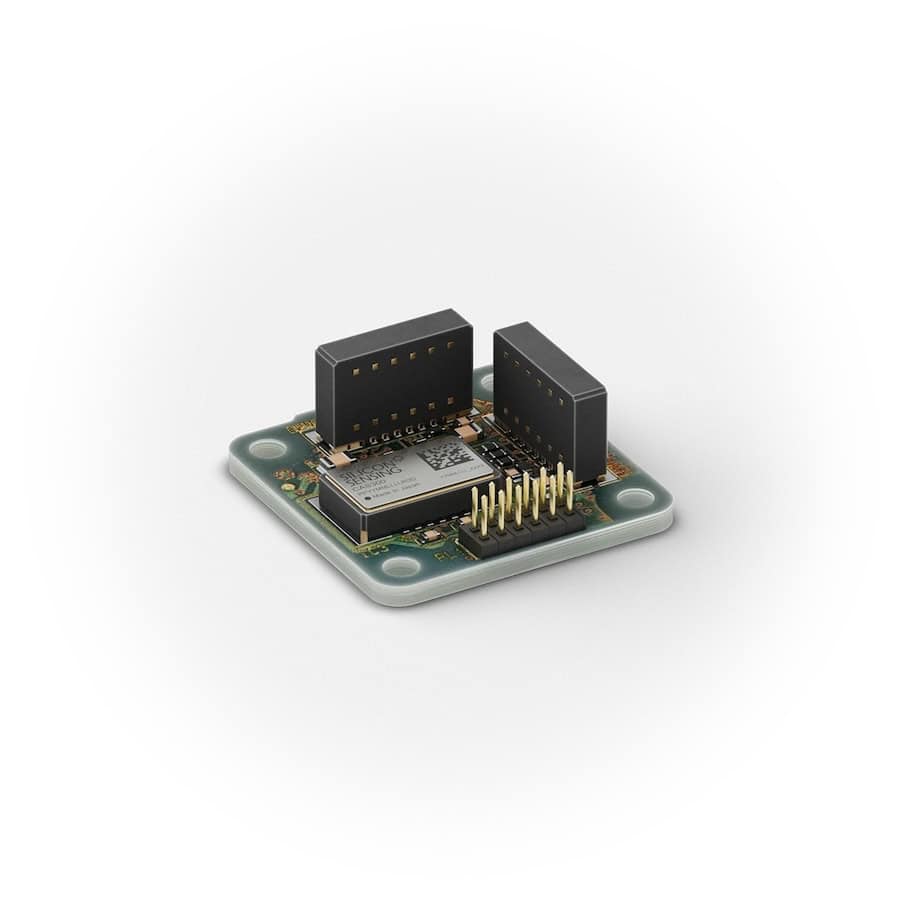
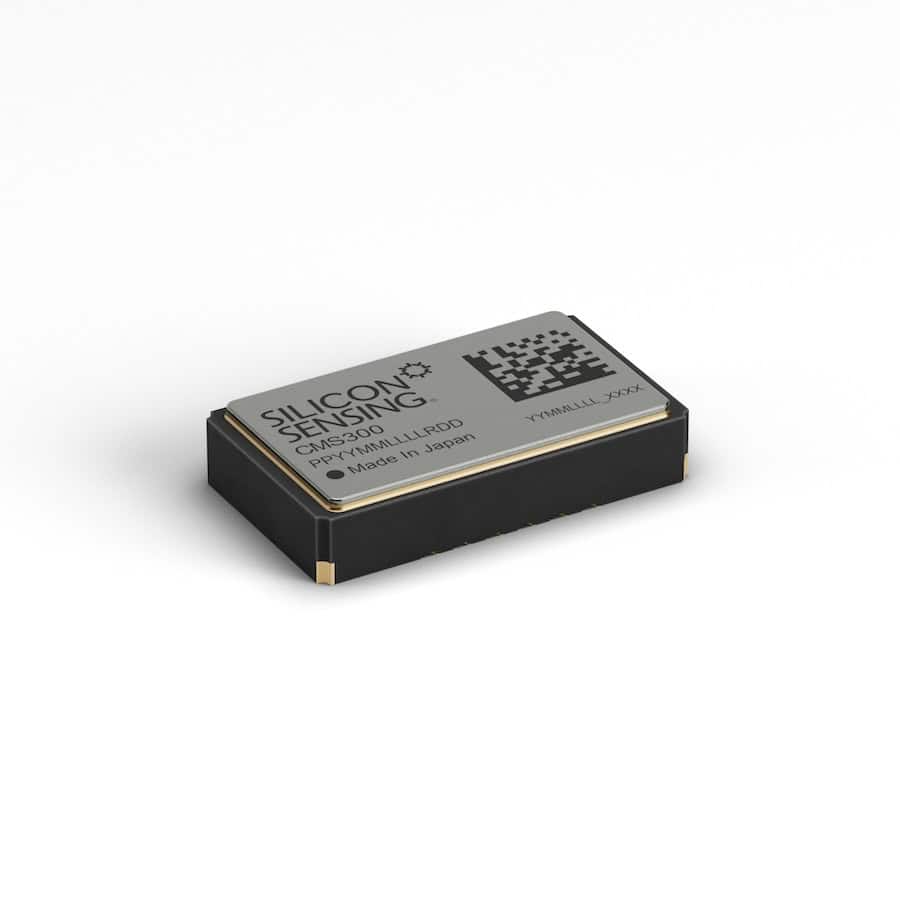
The company’s smallest sensor is the Pinpoint® gyro, which is approximately the size of a fingernail. This low-cost, precision single-axis MEMS gyroscope delivers excellent bias stability and low noise over temperature. Available in flat and orthogonal packages, multiple Pinpoint units can be combined on a single board to provide three DoF measurement across pitch, roll, and yaw. While already utilized across multiple commercial markets, the sensor holds significant potential for a wide range of defence applications.
Somerville concluded, “Our IMUs, gyros, accelerometers and combi-sensors offer real benefit for the international defence sector, where precision, robustness, compact size and low power consumption are all essential. We look forward to starting new conversations and building on existing ones at Eurosatory this June.”