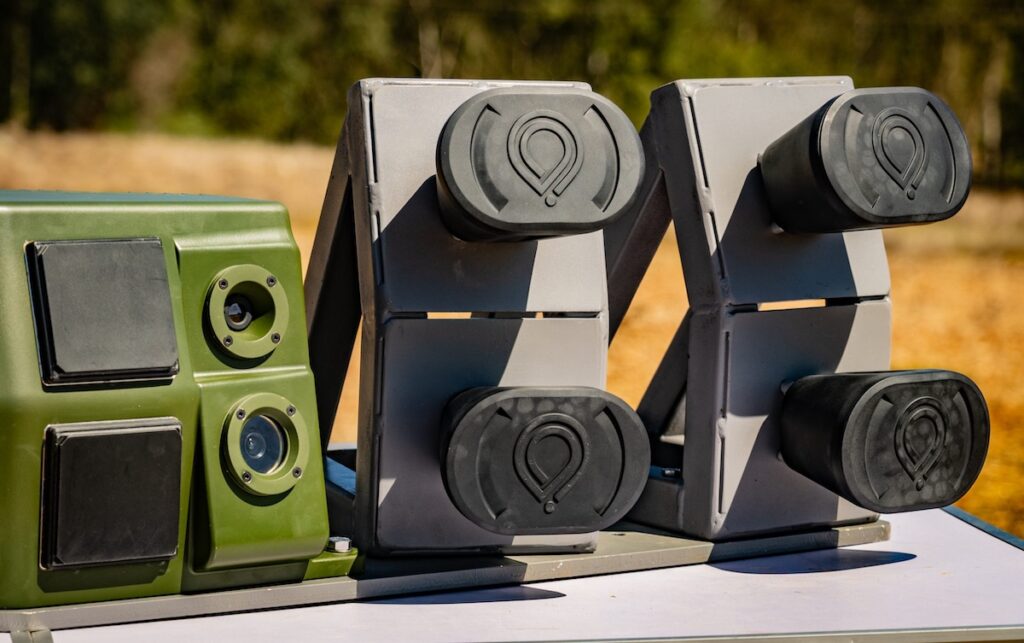
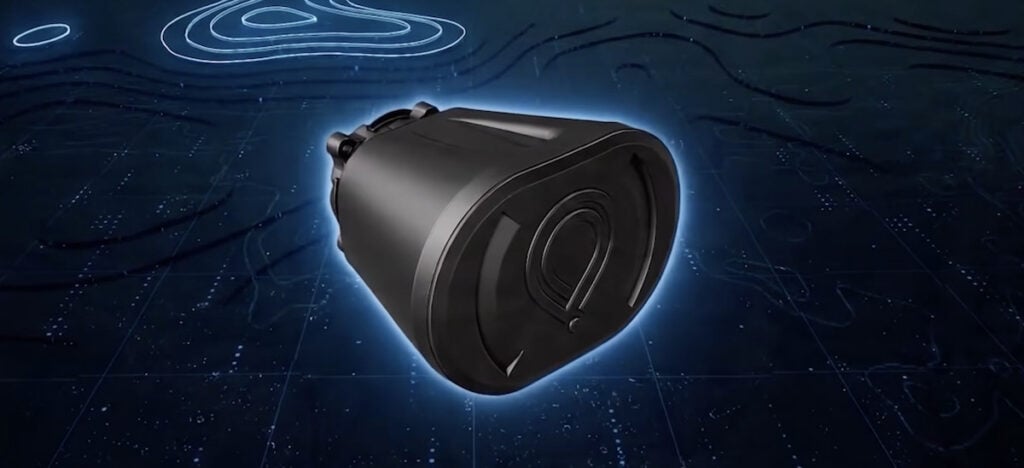
Watch a successful interception and neutralization of a fast-incoming attack drone using ParaZero Technologies‘ DefendAir net-based C-UAS.
This highlights DefendAir’s effectiveness against high-velocity, low-altitude, maneuverable FPV platforms, which represent one of the most critical and time-sensitive aerial threats facing military forces and critical infrastructure operators today.
Operational Significance, FPV attack drones are characterized by:
- Very short detection-to-impact timelines
- High closing speeds and evasive maneuvering
- Low altitude flight profiles
- Reduced effectiveness of EW / soft-kill countermeasures
- DefendAir’s ability to function as a last-layer, close-range kinetic-effect interceptor, without the use of explosives, designed to engage threats where jamming, GNSS denial, or cyber takeover are ineffective or unavailable.
Key Capabilities Demonstrated
- Engagement of a high-speed FPV attack drone
- Rapid reaction within a compressed engagement window
- Effective against small, agile, low-signature UAVs
- Non-explosive net capture, reducing fragmentation and collateral effects
- Suitability for point defense and asset protection missions
Relevant Military & Homeland Security (HLS) Use Cases
- Forward operating base and perimeter defense
- Protection of vehicles, convoys, and mobile units
- Defense of critical infrastructure and strategic assets
- Urban and complex terrain environments
- Integration as the terminal layer in a layered C-UAS architecture
DefendAir is designed to complement existing detection, EW, and command-and-control systems, providing a deployable, scalable, and rules-of-engagement-compliant solution for countering FPV threats in operational environments.