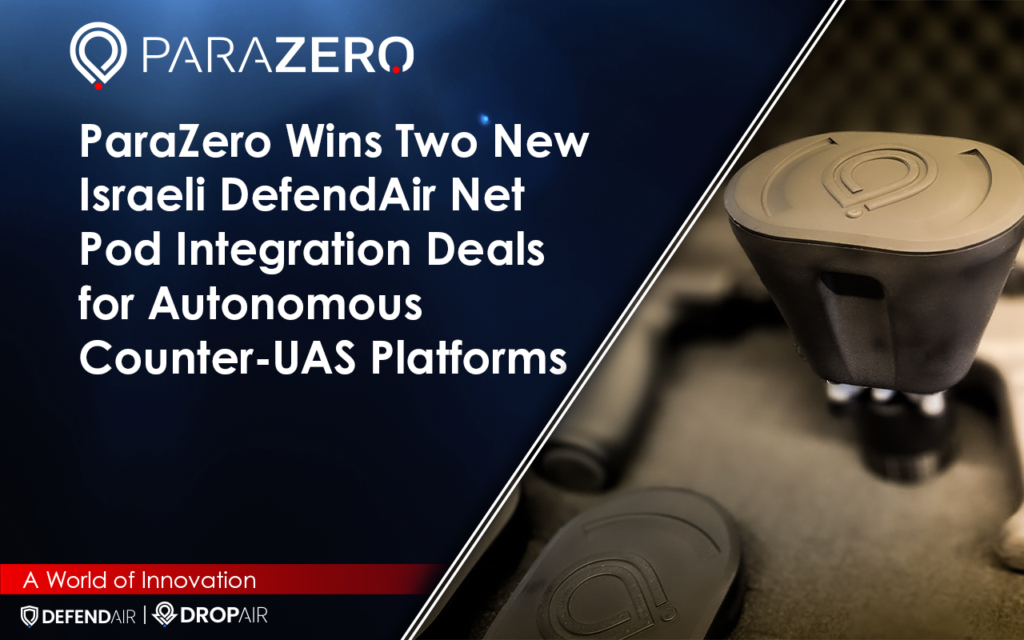
ParaZero Technologies Ltd. has received two purchase orders in Israel for DefendAir Net Pods from separate companies developing autonomous Counter-Unmanned Aircraft System platforms.
The technology will be incorporated into sensor-based autonomous defense systems, adding a physical interception capability to wider Counter-UAS architectures.
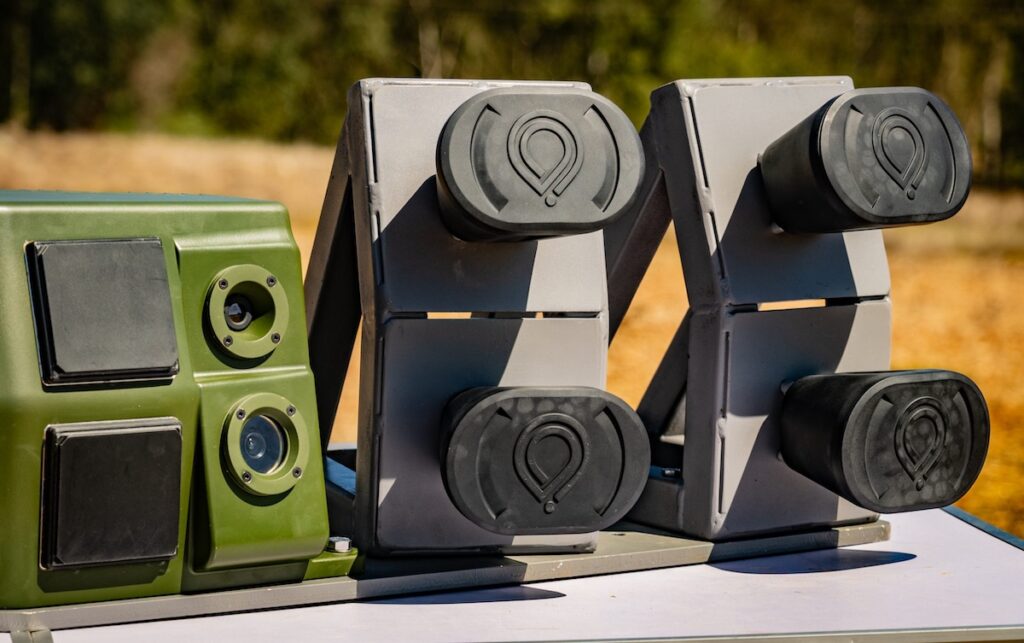
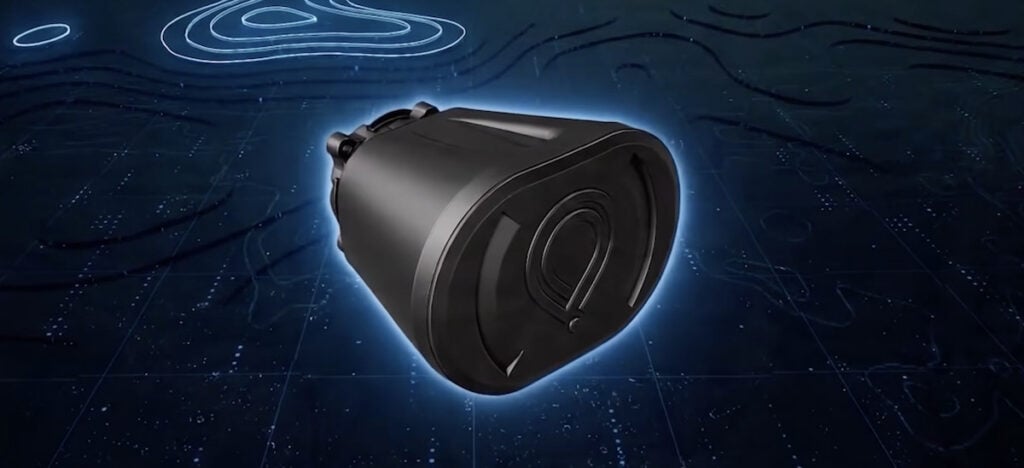
ParaZero’s DefendAir Net Pod uses patented net-launching technology to intercept hostile drones without explosive effects. It is designed for integration with autonomous platforms, unmanned systems and other defense applications where controlled engagement and reduced collateral risk are important operational considerations.
The orders come after ParaZero established a new production line to strengthen the manufacturing, assembly and delivery of its DefendAir systems. The expanded production capability is intended to support demand for multiple configurations, including man-operated, vehicle-mounted, point-defense and autonomous systems.
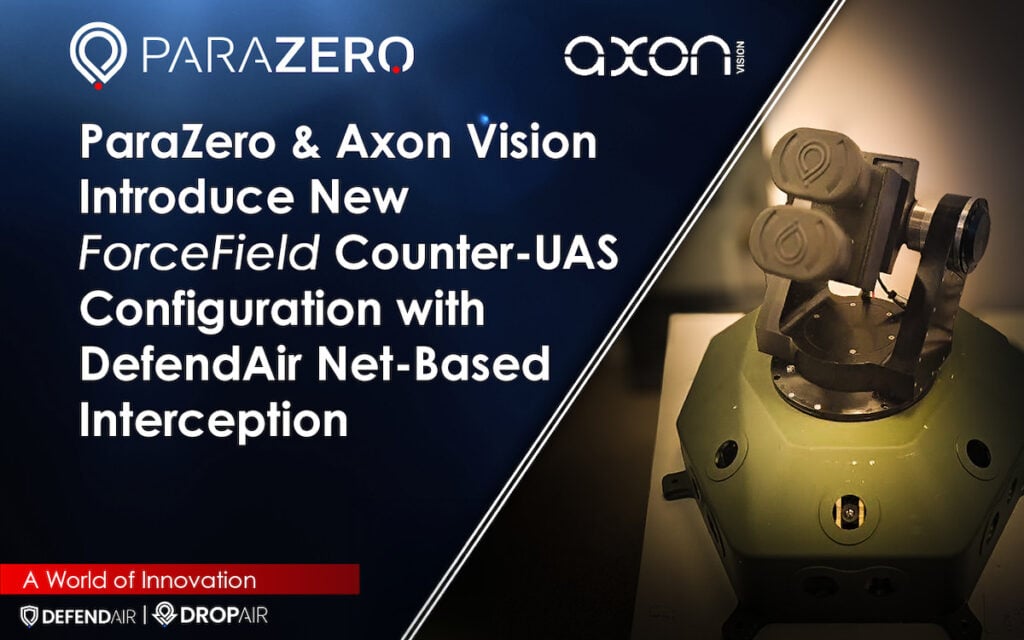
Integrating the Net Pods with third-party sensors and autonomous platforms is intended to support systems that combine drone detection, tracking, engagement and neutralization within a layered Counter-UAS approach.
Ariel Alon, CEO of ParaZero, commented, “We believe that these agreements mark an important step in ParaZero’s transition from early market adoption to broader Counter-UAS integration. The market is adapting quickly, and customers are increasingly seeking complete solutions that combine sensors, autonomous platforms, and effective neutralization capabilities. DefendAir’s Net Pod was built to serve as that final physical interception layer. Its integration into autonomous systems demonstrates both the flexibility of our technology and the growing recognition that reliable, non-explosive interception is becoming a critical component of modern Counter-UAS defense.”
The wider DefendAir portfolio includes autonomous-platform, vehicle-mounted, airborne and man-operated configurations. ParaZero has designed the technology for potential use across battlefield, homeland security, critical infrastructure and urban defense environments.
The company plans to continue supporting the integration of DefendAir into autonomous Counter-UAS platforms, sensor-based point-defense systems and other defense applications requiring a final physical interception layer.