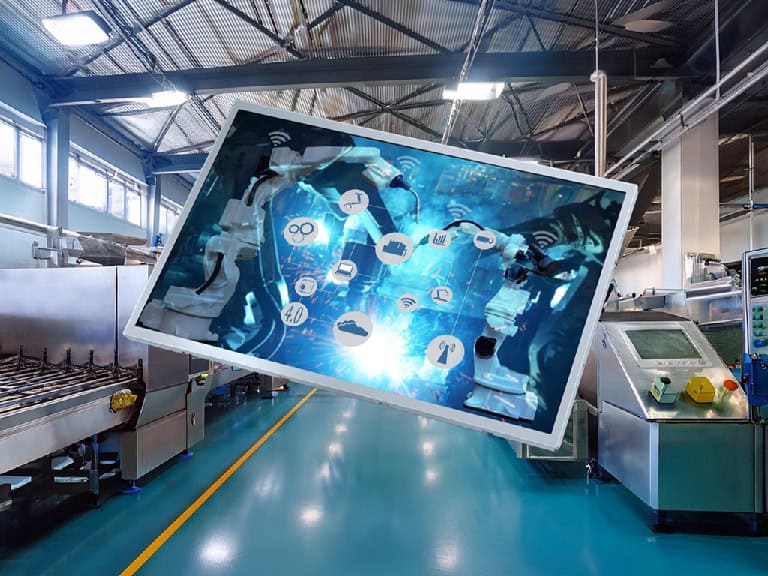



Rugged displays are designed to provide reliable visual interfaces in environments where standard commercial screens may struggle, with Review Display Systems (RDS) highlighting the factors engineers should consider when selecting displays for demanding industrial applications.

Unlike conventional commercial displays, ruggedised solutions can be engineered to withstand extremes of temperature, mechanical shock and vibration, moisture, dust, bright sunlight and other environmental stresses. These considerations are particularly important for systems expected to operate reliably in challenging field conditions.
According to RDS, engineers should assess factors including operating and storage temperature ranges, vibration and shock resistance, humidity, cover-glass impact resistance, UV resistance and, where required, bacterial resistance. Careful attention to sealing, ventilation and mechanical protection can help prevent failures caused by heat, moisture, dust ingress or physical impacts.
Display technologies and construction methods can also improve readability and usability. High-brightness backlights, appropriate display technologies, optical treatments and robust cover-glass materials can help maintain visibility in demanding environments.
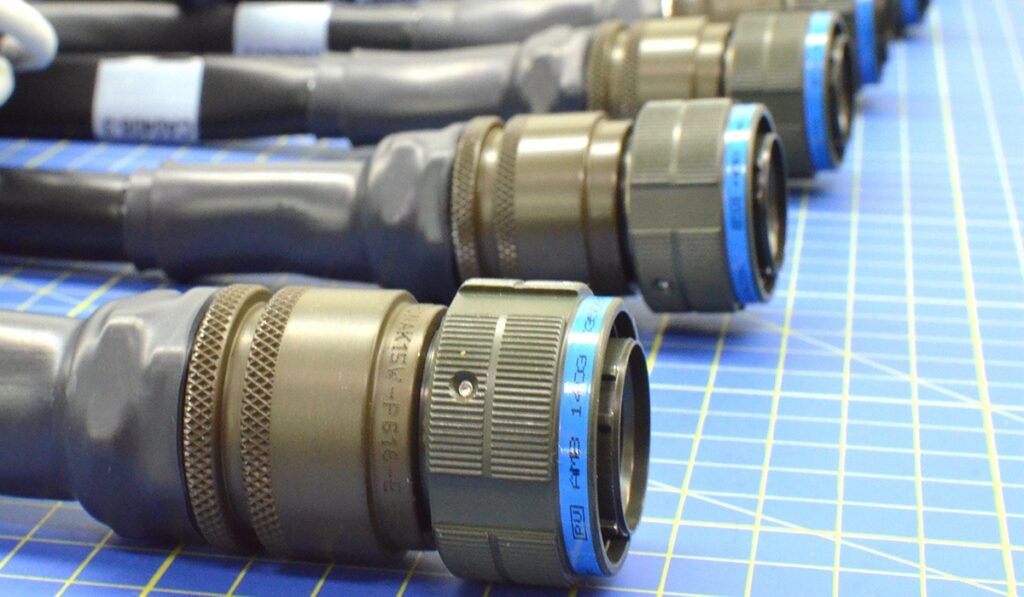
RDS also highlights the benefits of customized rugged display solutions. Standard displays can be enhanced with additional impact protection, custom metalwork, connectors and touch panels, allowing the finished solution to be adapted to specific mechanical, electrical and environmental requirements.
The company further advises engineers to consider long-term availability and quality rather than selecting displays based primarily on initial cost. Supply continuity and technical performance can be critical for systems expected to remain operational over extended lifecycles.