Ruggmate, a developer of rugged hardware and Human-Machine Interface (HMI) equipment for mission-critical defense applications, outlines the importance of phased execution as a structured approach to managing uncertainty in large-scale engineering programs.
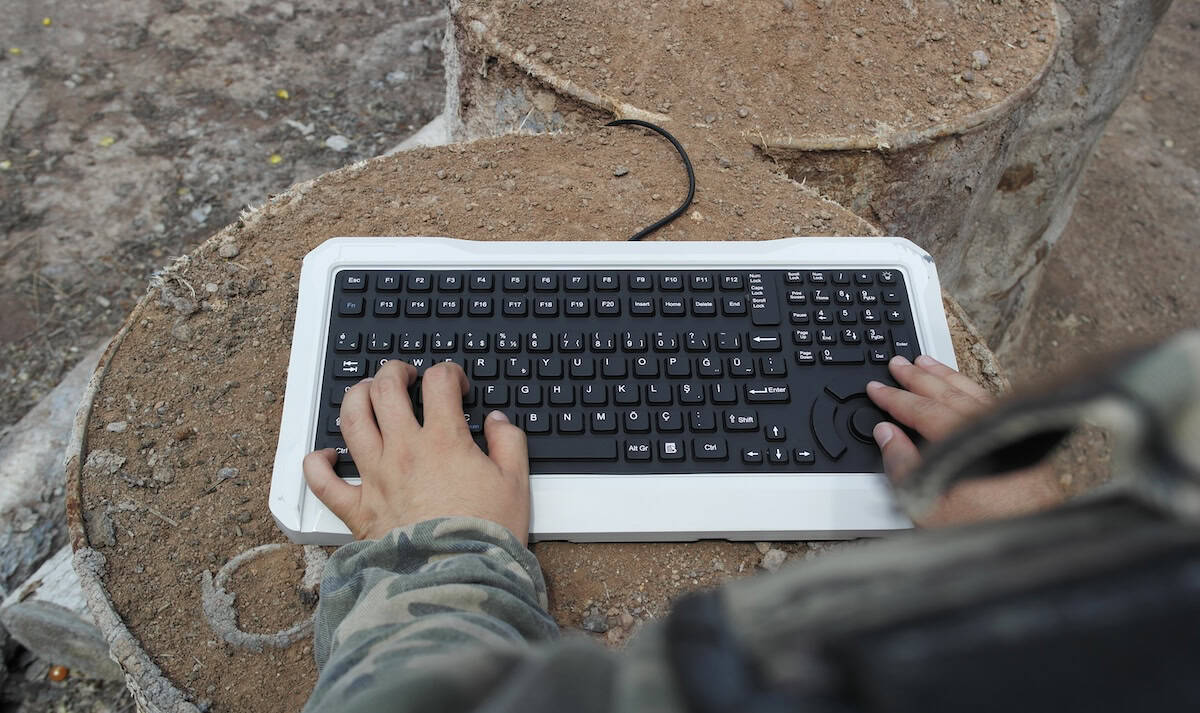
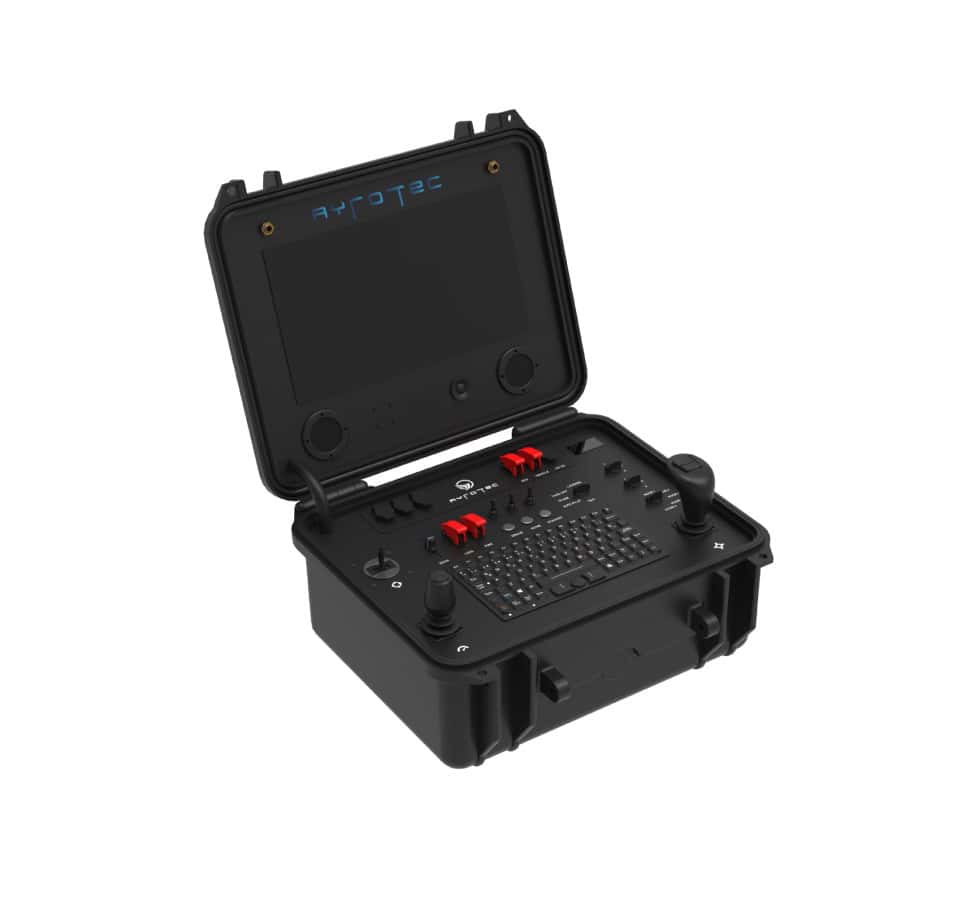
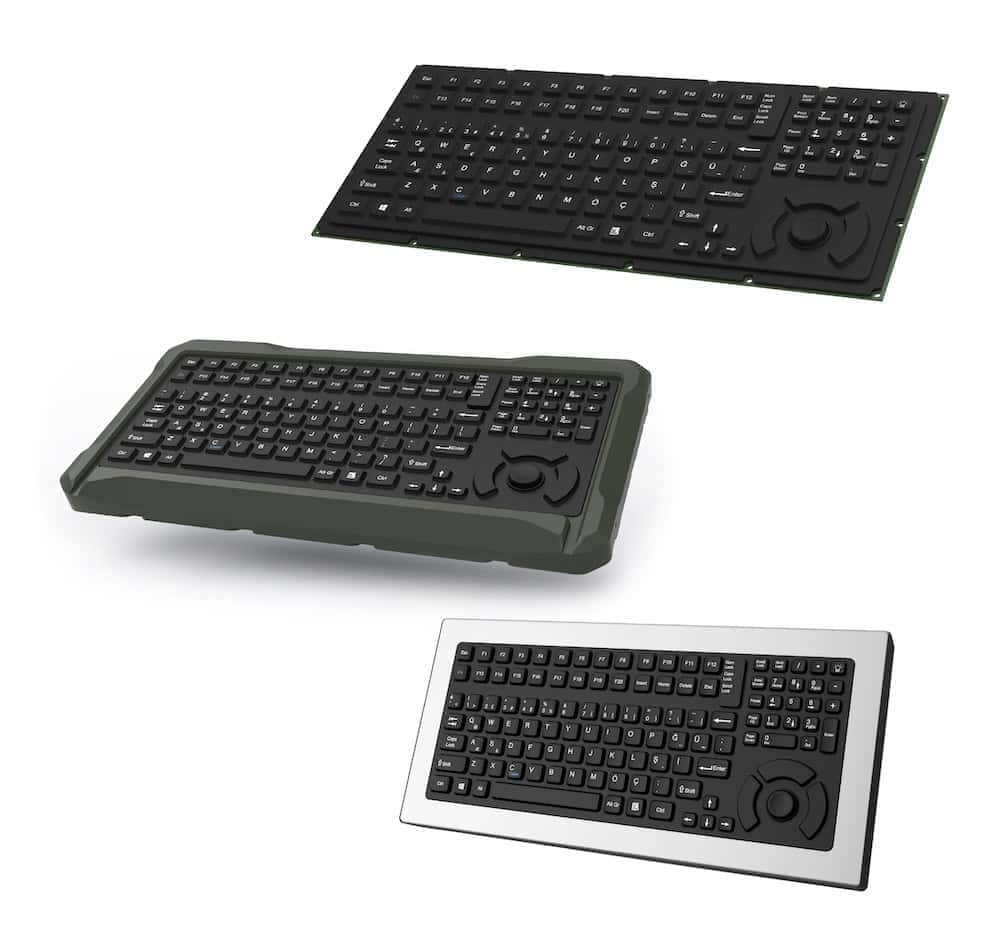
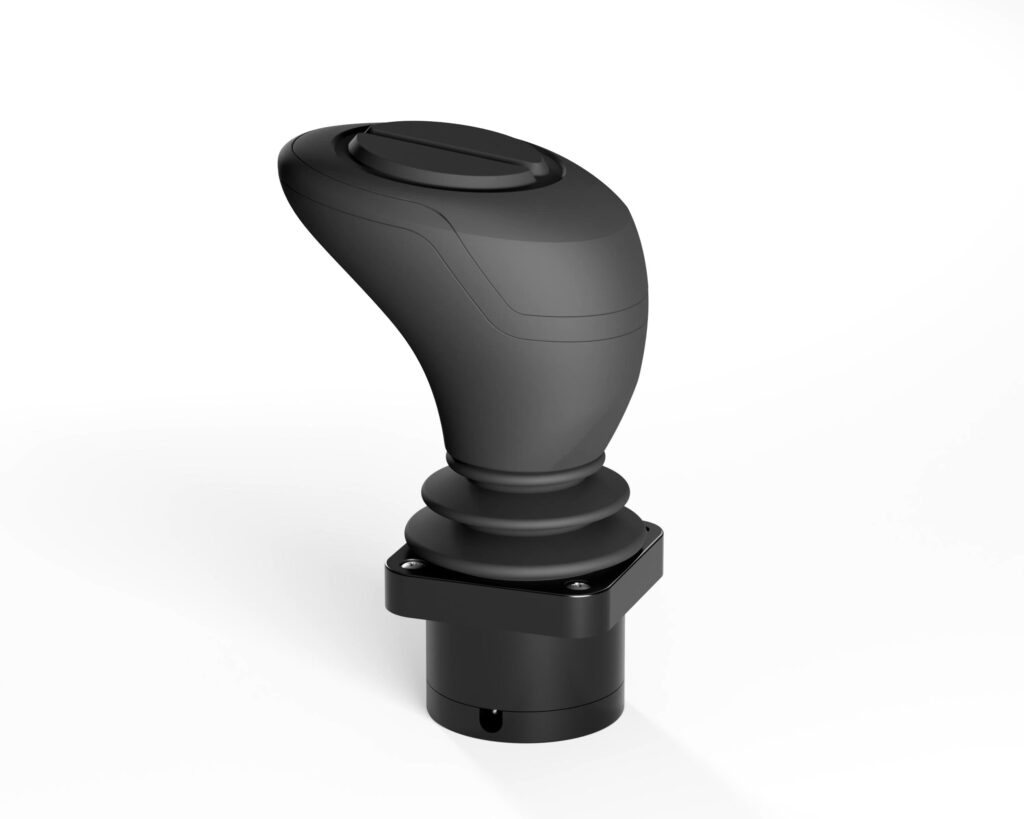
 Its systems are designed for harsh operating environments and are engineered to meet standards such as MIL-STD-810, MIL-STD-461, and IP67. The company’s portfolio includes high-reliability input devices for land and maritime use, as well as a customizable ground control station for tactical drones and robotic platforms.
Mitigating Risk through Validation
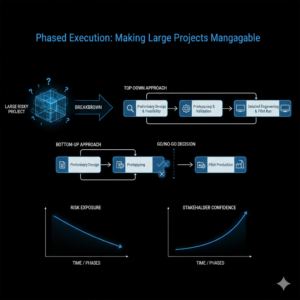
Large-scale projects often face evolving technical requirements and integration challenges. Treating these developments as monolithic packages increases the likelihood of failure. By implementing stages such as preliminary design, feasibility studies, prototyping, and pilot production, engineering teams can anchor decisions in tangible data. Each phase serves as a verification checkpoint to ensure technical assumptions are validated under real conditions before advancing.
Each phase serves as a checkpoint to assess whether the project is moving in the right direction, whether technical assumptions are validated in real conditions, and whether sufficient data exists to proceed.
Financial and Operational Control
Committing entire budgets upfront can expose both clients and suppliers to unnecessary risk. A phased structure allows for progressive investment evaluation, ensuring that expenditure remains aligned with validated progress.
This approach supports team sustainability. Personnel work toward defined objectives with measurable outcomes, rather than operating in a reactive state.
Sustainable Project Management
Phased execution is a structured way of managing development that reduces uncertainty and supports clearer project definition. It enables teams to move away from continuous crisis mode and toward planned execution with defined milestones.
As Ruggmate notes, “Phased execution is more than a project management method. It is a way of working that minimizes surprises, strengthens communication, and enables trust-based collaboration. This is how large projects become manageable.”