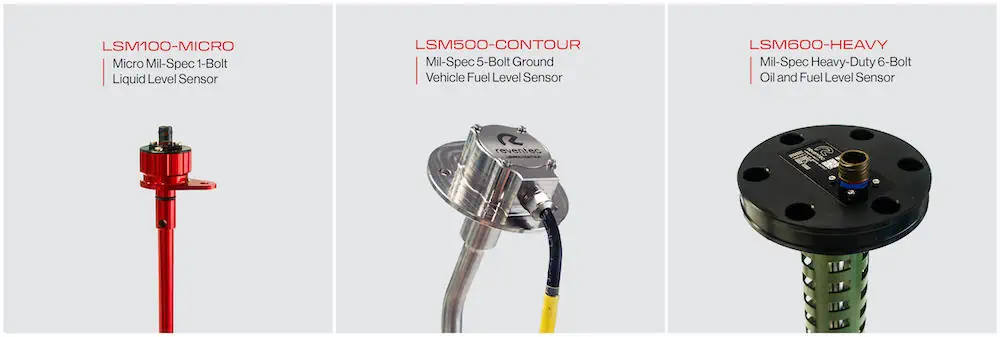

Showcase your capabilities
If you design, build or supply Oil Level Sensors, create a profile to showcase your capabilities and connect with visitors who have an active requirement for your solutions.




Military-spec oil level sensors ensure the operational integrity and longevity of a wide range of military vehicles and platforms. From unmanned aerial vehicles to heavy-duty tracked armor, these sensors enable real-time monitoring of engine and hydraulic oil levels, ensuring mission readiness and reducing maintenance downtime. This guide showcases suppliers of oil level sensors designed to meet strict military specifications such as MIL-STD-461G, built for resilience, accuracy, and reliability in the harshest operational environments.
Read the Technology Overview

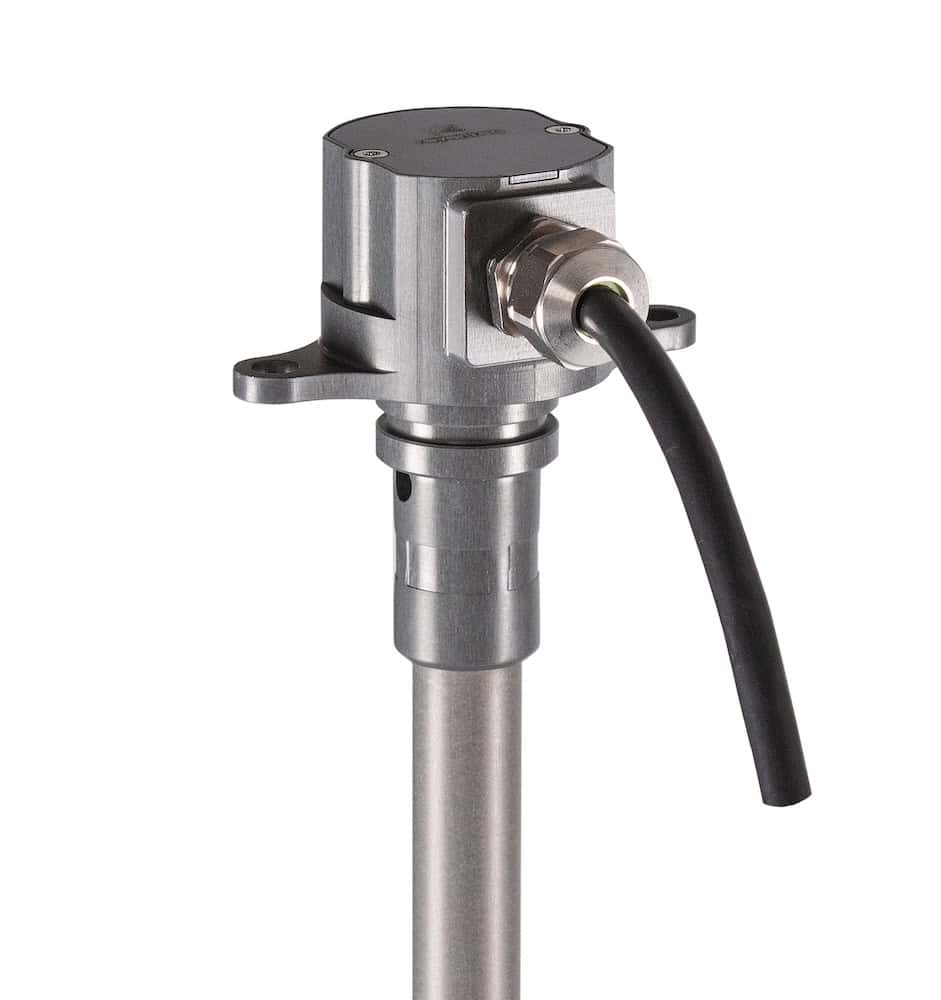
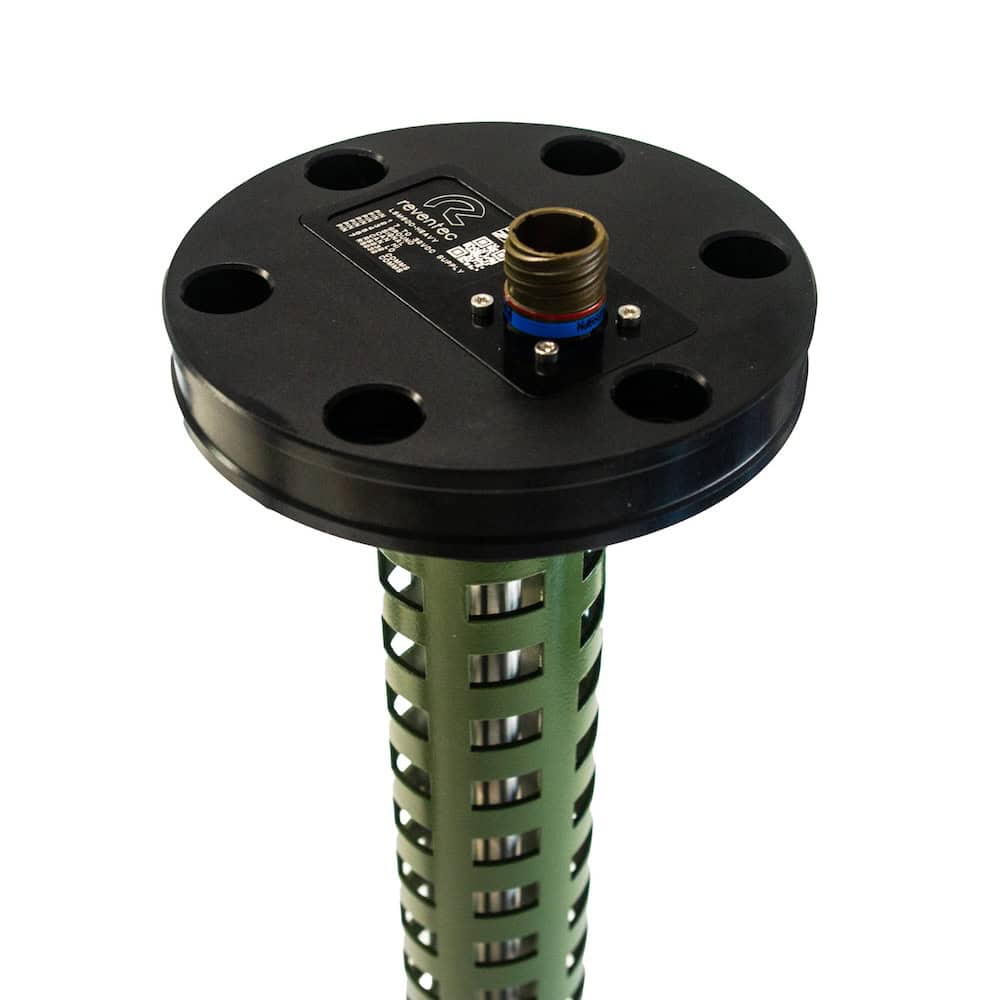
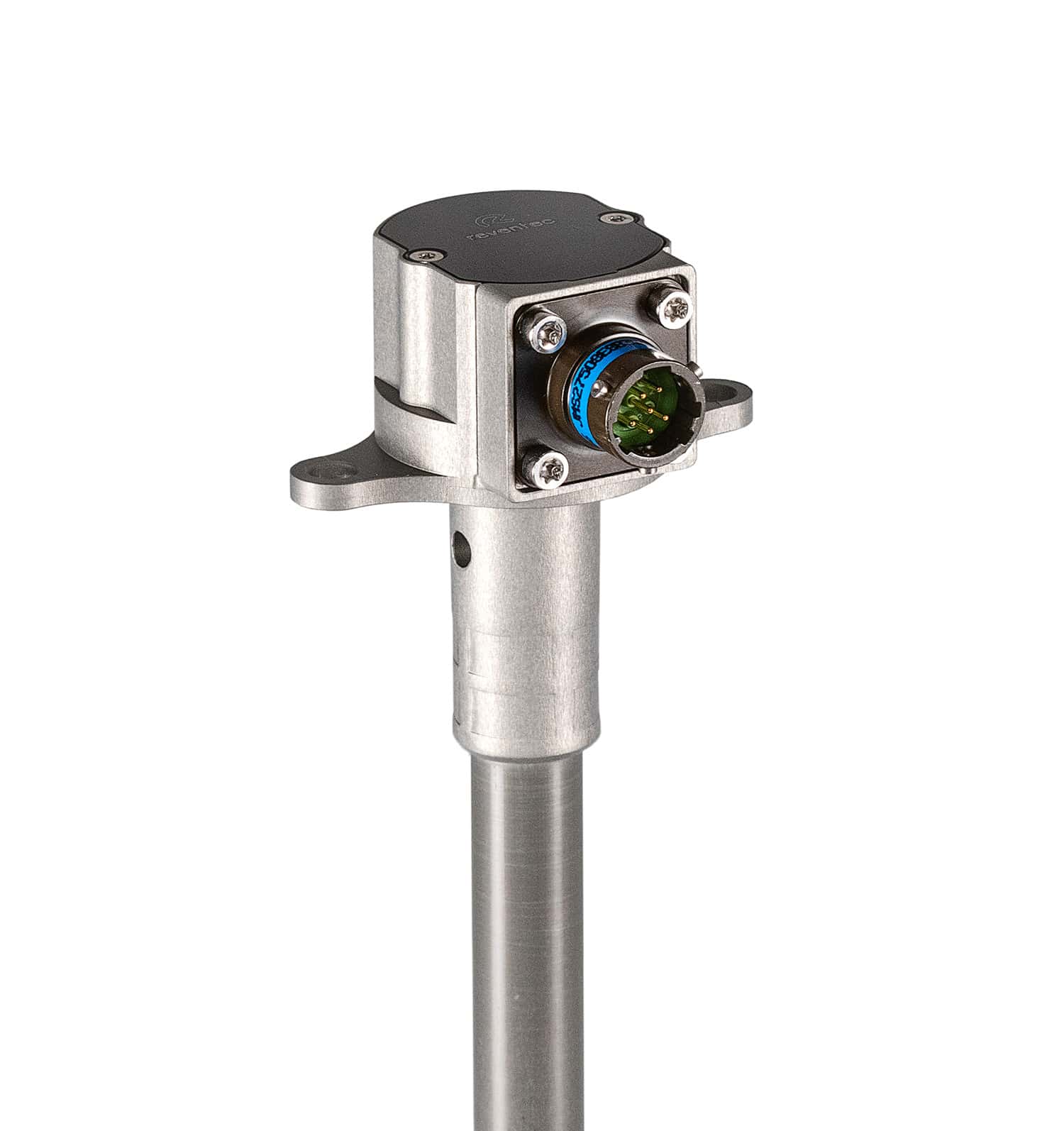


If you design, build or supply Oil Level Sensors, create a profile to showcase your capabilities and connect with visitors who have an active requirement for your solutions.

Oil level sensors are indispensable in military applications where performance, durability, and accuracy are non-negotiable. Military-spec oil level sensors monitor fluid levels in engines, transmissions, and hydraulic systems across a spectrum of platforms, from traditional manned vehicles to next-generation unmanned systems.
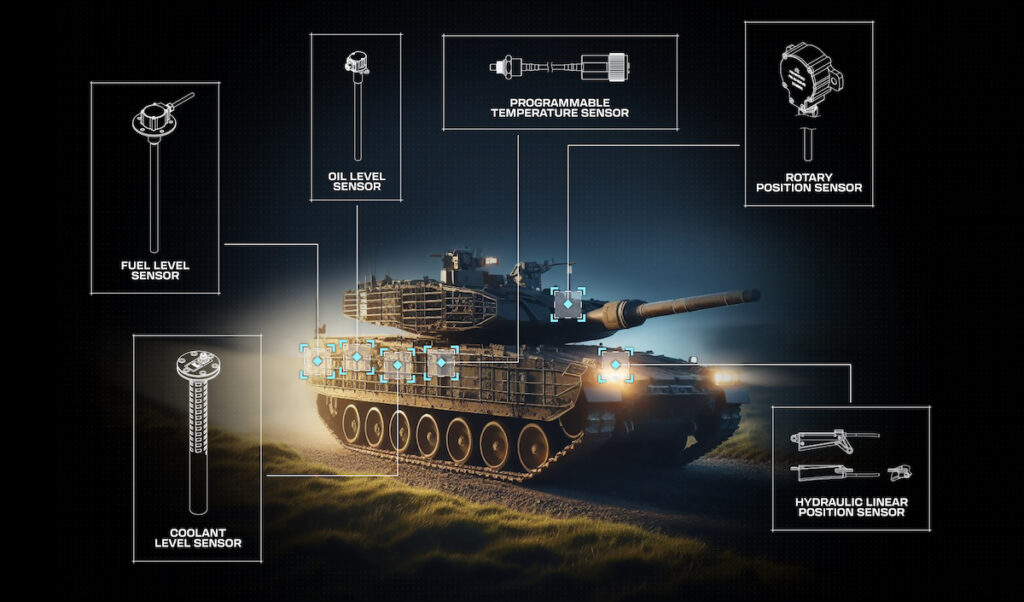
Military spec oil level sensors are used extensively in a wide range of manned and unmanned military vehicles. These include but are not limited to:
Additionally, oil level sensors play a pivotal role in vehicles such as reconnaissance vehicles, military ambulances, military bulldozers, and high mobility multipurpose wheeled vehicles (HMMWVs), where engine reliability can directly affect operational effectiveness and personnel safety.
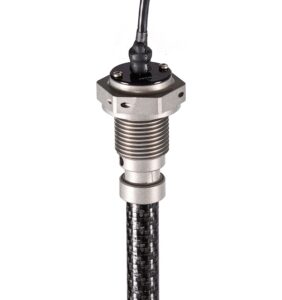
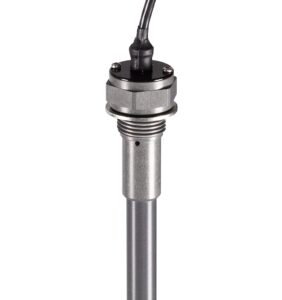
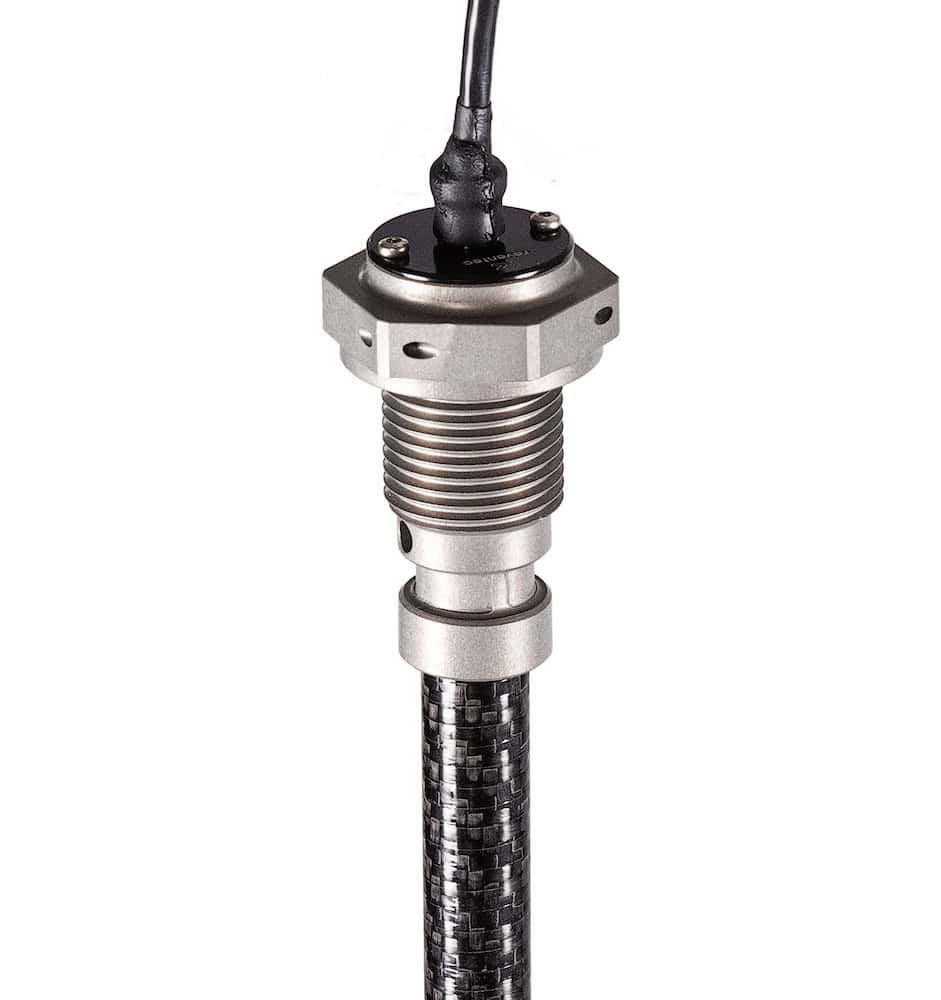
LSM1000 Oil Level Sensor by Reventec
Military oil level sensors are built to meet the military specification MIL-STD-461G, which governs electromagnetic interference. They are designed to function reliably in extreme temperatures, high-vibration environments, and under electromagnetic stress. They provide real-time oil level data that is critical for maintaining engine health and preventing system failures. A robust oil monitoring system is especially crucial in operational scenarios where vehicle uptime is a matter of mission success or failure.
Military-grade oil level sensors utilize various sensing technologies, including capacitive, resistive, and ultrasonic sensing, tailored for specific use cases and fluid types. Many are equipped with integrated temperature sensors or support digital output for integration with onboard diagnostics and data systems.
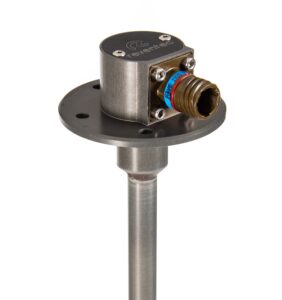
To comply with defense-sector standards, these components often include MIL-DTL-38999 connectors and are housed in sealed enclosures that prevent ingress of dust, moisture, and contaminants. Compliance with standards such as MIL-STD-461G ensures electromagnetic compatibility, which is essential for deployment in electronically dense environments.
These sensors are frequently integrated into broader oil monitoring systems, which collect and transmit data to central vehicle control units or remote diagnostic platforms. This data-driven approach allows for predictive maintenance, reduces the risk of component failure, and optimizes fleet management.
In unmanned systems such as UAVs, UUVs, and USVs, where manual inspection is not feasible, the reliability of oil level data is paramount. Sensors must maintain calibration over long operational periods and function without the need for human intervention, often in GPS-denied or communication-constrained environments.
Given the diversity of military platforms, manufacturers often provide customizable solutions. Sensors can be adapted in length, mounting style, voltage requirements, and communication protocols to suit various vehicle configurations and operational roles. Whether for a compact unmanned underwater vehicle (UUV) or a large-scale armored recovery vehicle, tailored sensor configurations ensure compatibility without sacrificing performance.
Military-spec oil level sensors are critical for maintaining the reliability and performance of a wide range of defense vehicles and systems. Their robust design, compliance with stringent military standards, and compatibility with legacy and modern digital monitoring systems make them essential components in military maintenance and operational readiness strategies. As the defense industry continues to evolve, with increased reliance on unmanned systems and data-driven logistics, the role of precision fluid-level sensing becomes even more pronounced.


 Searching Companies & Products