

Showcase your capabilities
If you design, build or supply IMSI Locators, create a profile to showcase your capabilities and connect with visitors who have an active requirement for your solutions.




IMSI catchers are tactical surveillance tools used by defense, police, and intelligence services to detect and identify mobile phones by their IMSI numbers. Some advanced models also function as IMSI locators, offering real-time tracking of device movement within an operational area.
Read the Technology Overview

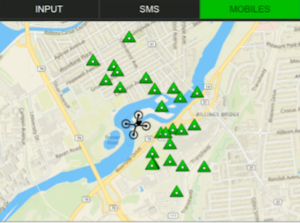
Mobile Phone Detection & Location Systems for ISR & Emergency Response Applications

If you design, build or supply IMSI Locators, create a profile to showcase your capabilities and connect with visitors who have an active requirement for your solutions.

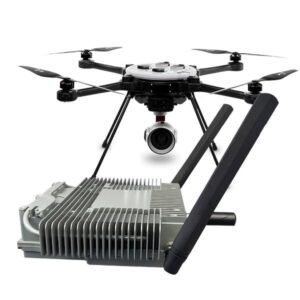
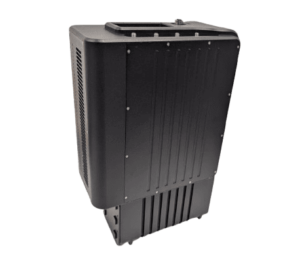
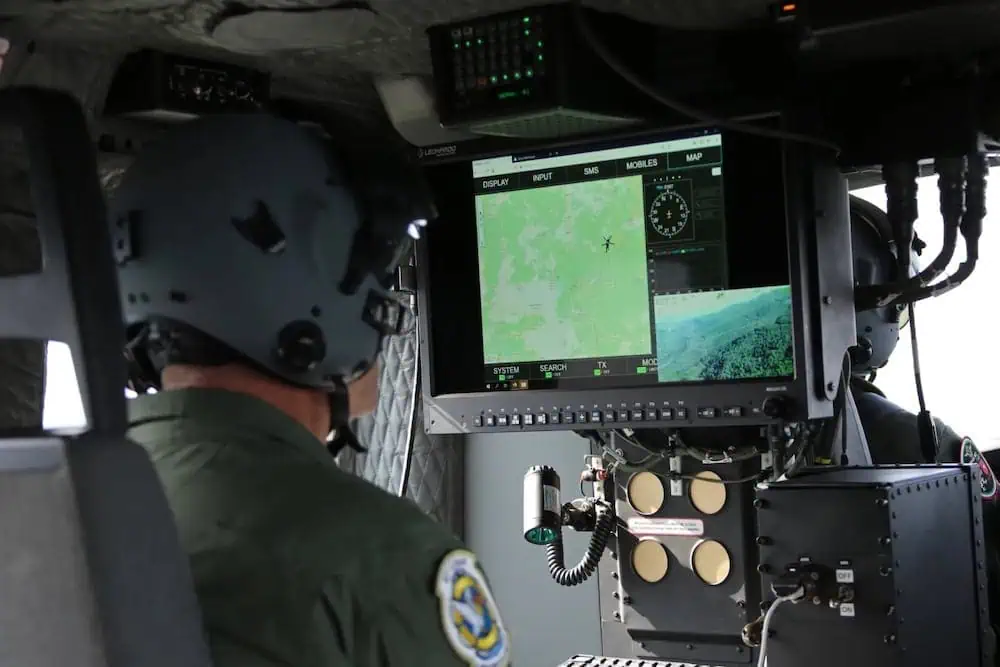
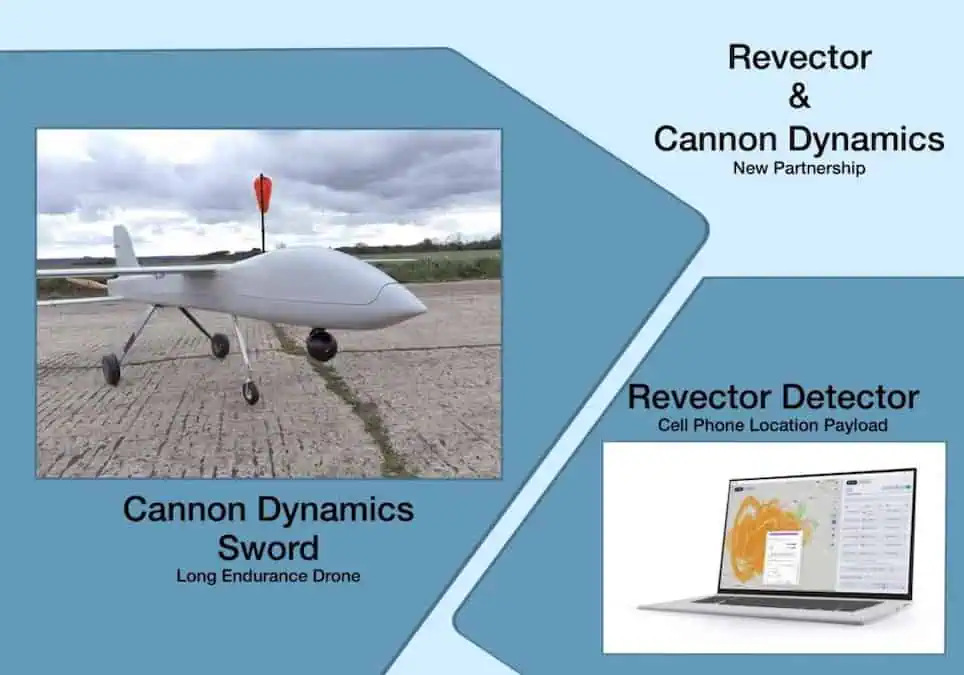
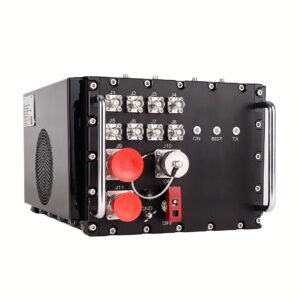
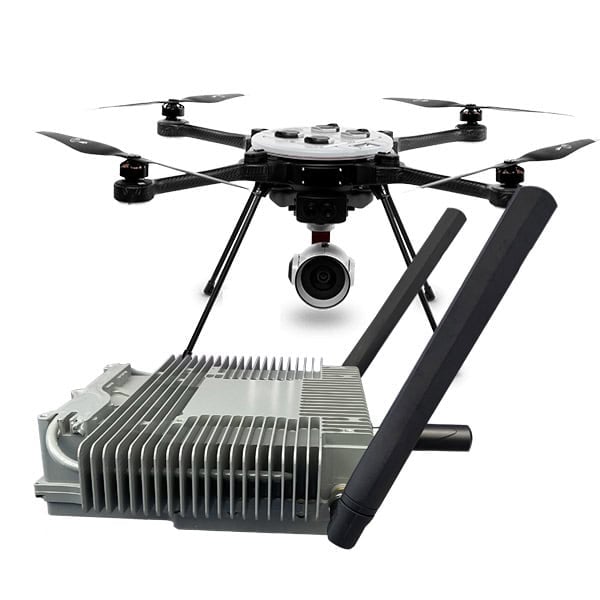
IMSI Catcher for mobile surveillance, UAV 3.0, by Revector.
IMSI catchers, also known as cell site simulators or base station emulators, allow military, law enforcement, and security forces to capture the International Mobile Subscriber Identity (IMSI) of mobile devices. These systems force nearby phones to connect, enabling identification and enumeration of targets. While all IMSI catchers intercept identity data, some advanced systems serve dual functions as IMSI locators, capable of approximating device positions using signal analysis or triangulation techniques. These hybrid systems enhance mobile surveillance, target tracking, and operational awareness in various tactical environments.
An IMSI catcher simulates a mobile network base station, prompting nearby phones to connect and transmit their IMSI numbers. This process allows the operator to:
IMSI catchers operate across multiple cellular bands, including GSM, UMTS, LTE, and emerging 5G networks. Some systems are passive (listening only), while others are active, enabling interaction with connected devices.
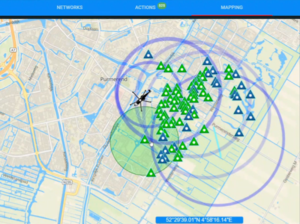
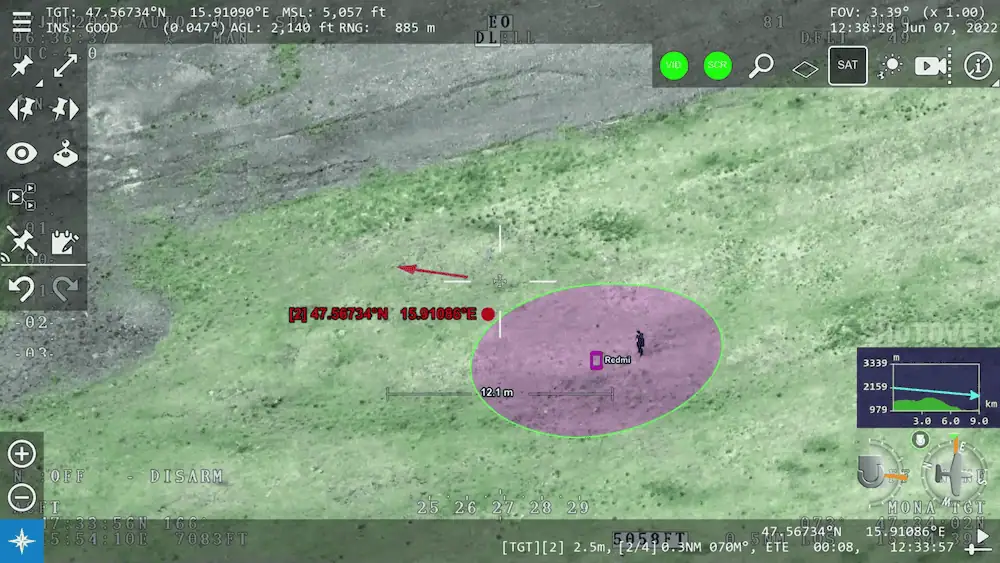
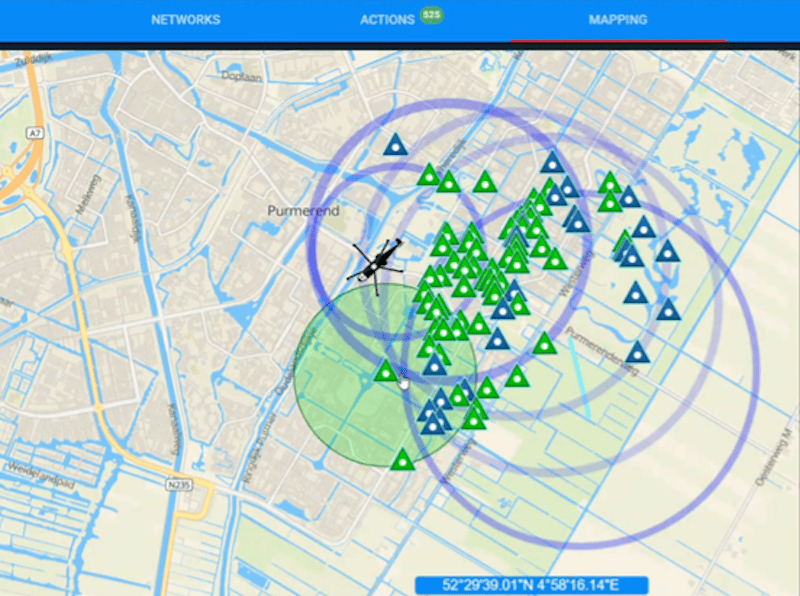
While traditional IMSI catchers collect identifiers, IMSI locators offer additional geolocation functionality. Using metrics such as signal strength, time difference of arrival (TDOA), or integration with external sensors, IMSI locators estimate the position of a device.
These capabilities support:
Not all IMSI catchers have locating features, but platforms marketed as IMSI locators or equipped with locator modules fill this operational gap.
IMSI catcher and locator systems are deployed in:
They are also used in missing person searches and hostage recovery operations, especially when conventional tracking methods are ineffective.
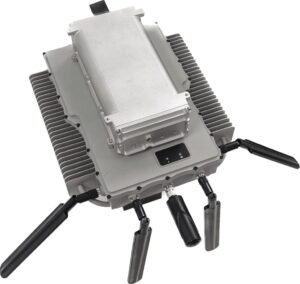
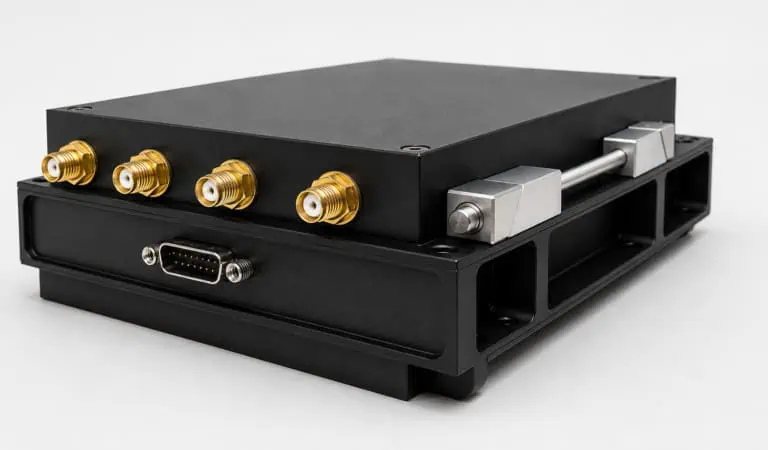
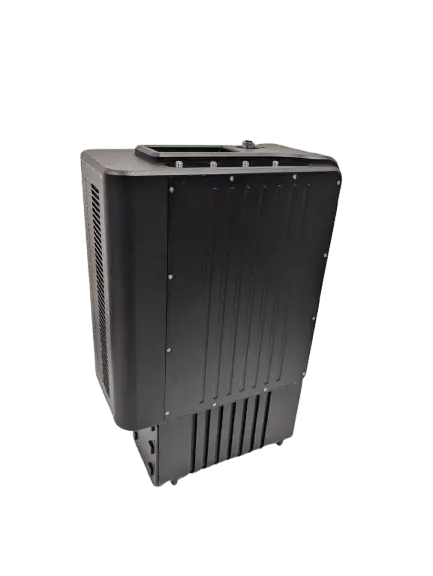
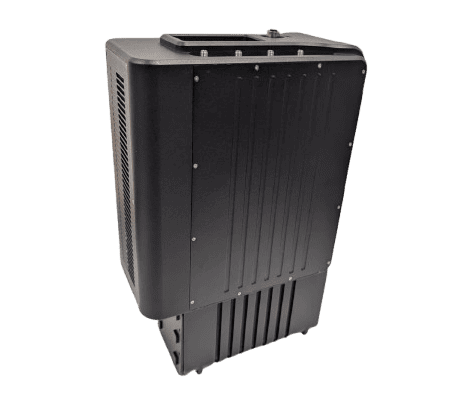
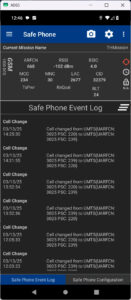
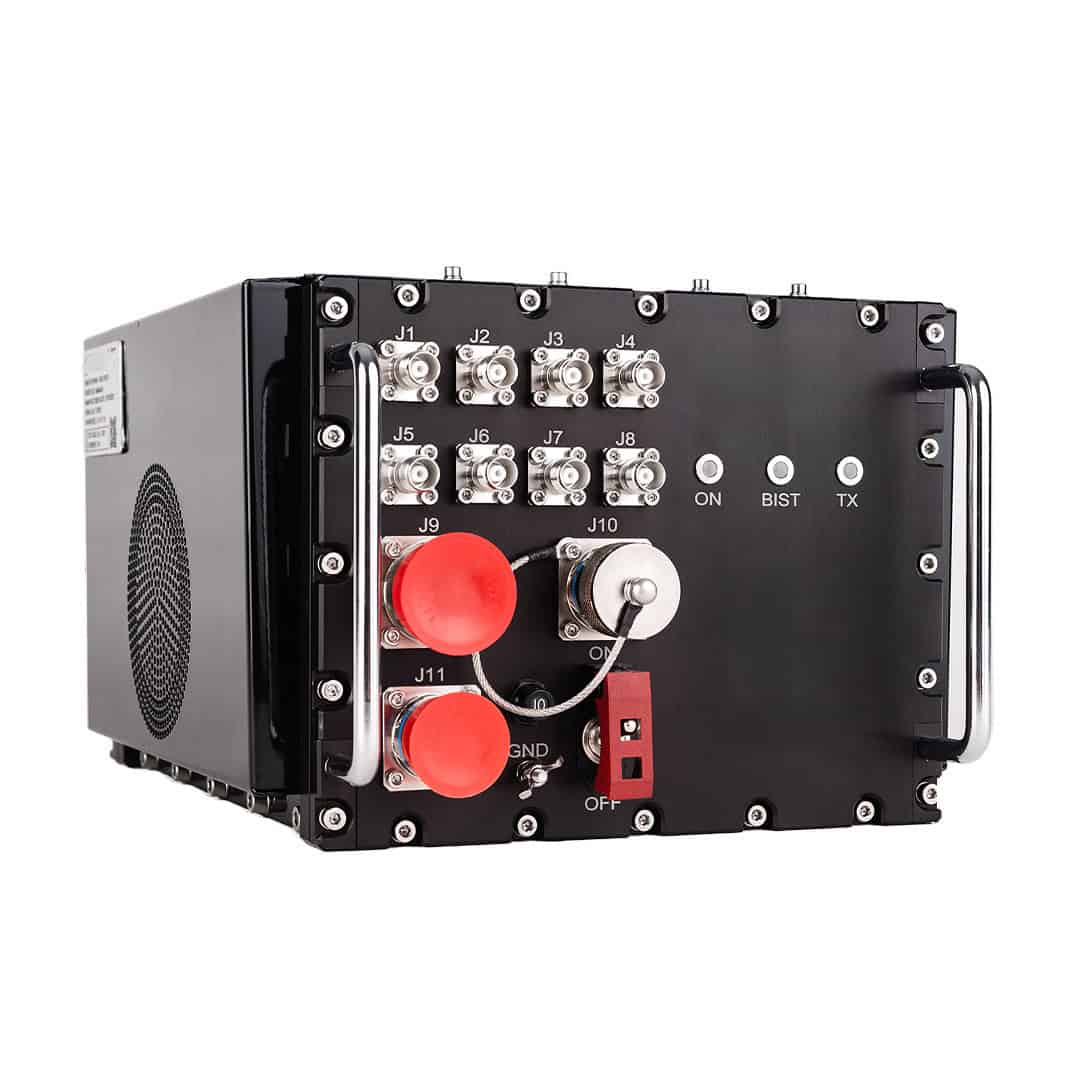
IMSI locator, the RPS Module, from Revector.
Systems vary by size, range, and deployment strategy:
Many models now support multi-band operation and 5G integration, with modular architecture allowing for payload upgrades such as jammers, spoofing defenses, or data link encryption.
To ensure interoperability, safety, and lawful deployment, IMSI catchers and locators typically adhere to:
Compliance is essential for procurement, cross-border deployment, and lawful interception operations.
As 5G networks complicate IMSI catching with stronger encryption and dynamic identifiers, newer systems must adapt. Modern IMSI locators use fallback exploits, protocol manipulation, and artificial intelligence to maintain efficacy in hostile RF environments. Payloads are now tailored for electronic intelligence (ELINT) missions, supporting both passive data collection and active signal manipulation.
Defense users prioritize stealth, adaptability, and modular expansion as key selection criteria.
IMSI catcher deployment is highly regulated. Use by police and military entities requires legal authorization, often through warrants or mission directives. Compliance with privacy laws, ethical surveillance practices, and international agreements is critical. Detection and counter-IMSI catcher systems are also growing in response to concerns about unauthorized use, particularly in civilian settings.
Comments: Slight change of angle on this one. Meanings have changed over the past year. Where IMSI locator and IMSI catcher used to be interchangeable, they are no longer. Catchers just identify, locators identify and locate.


 Searching Companies & Products