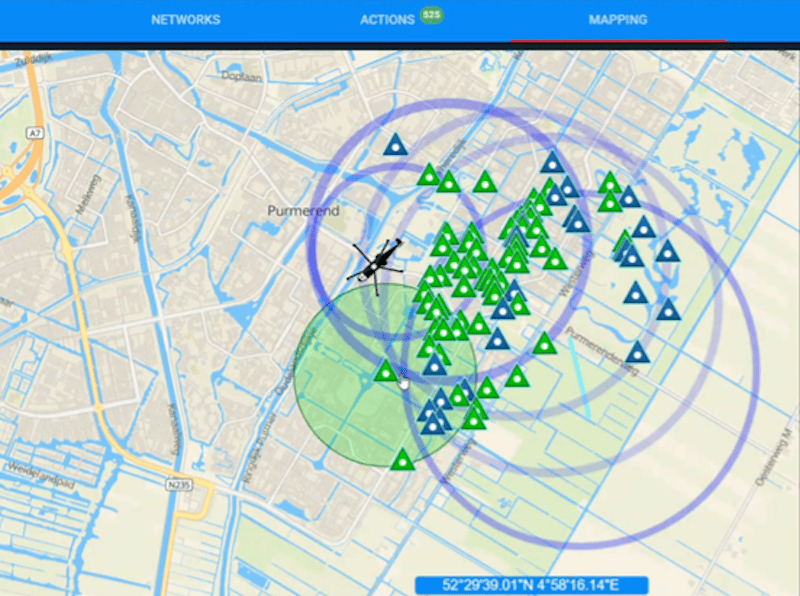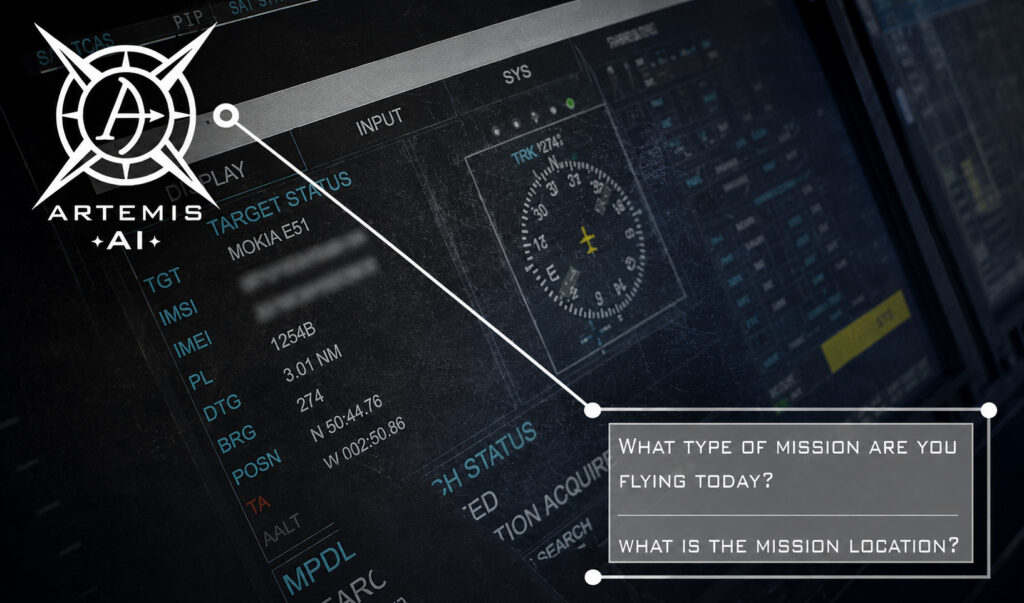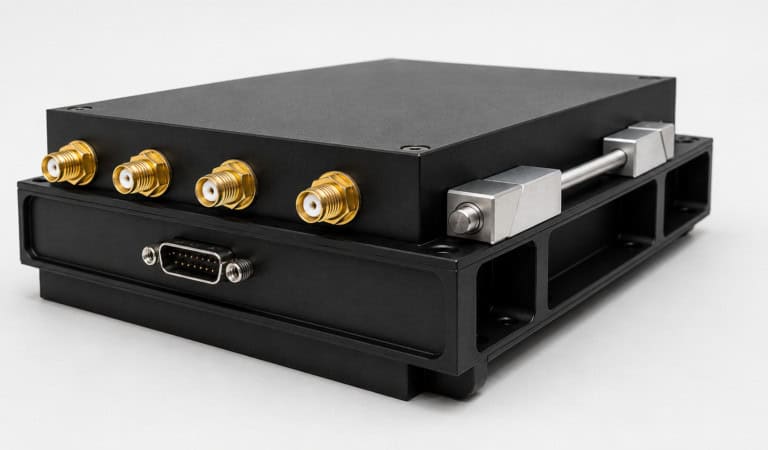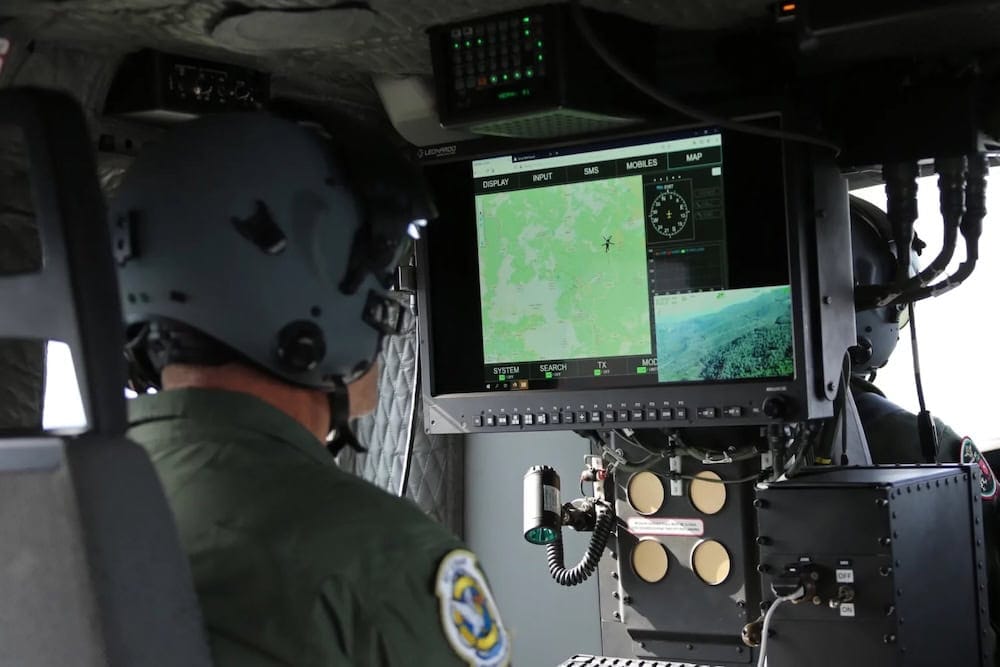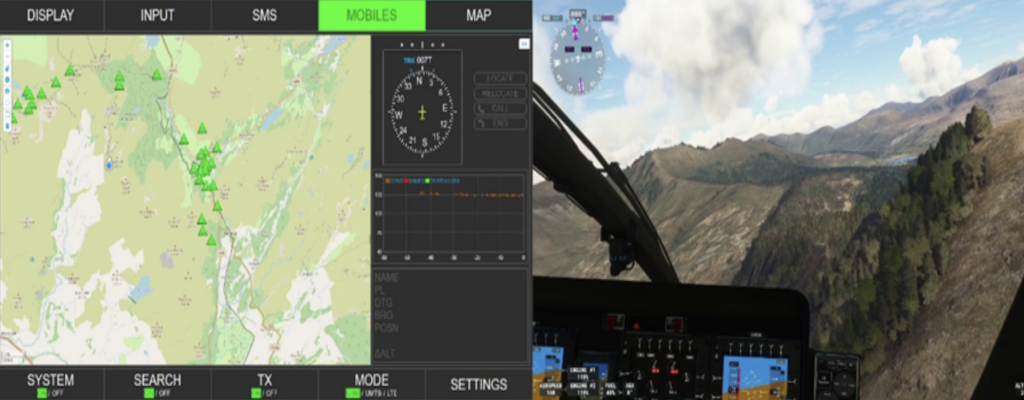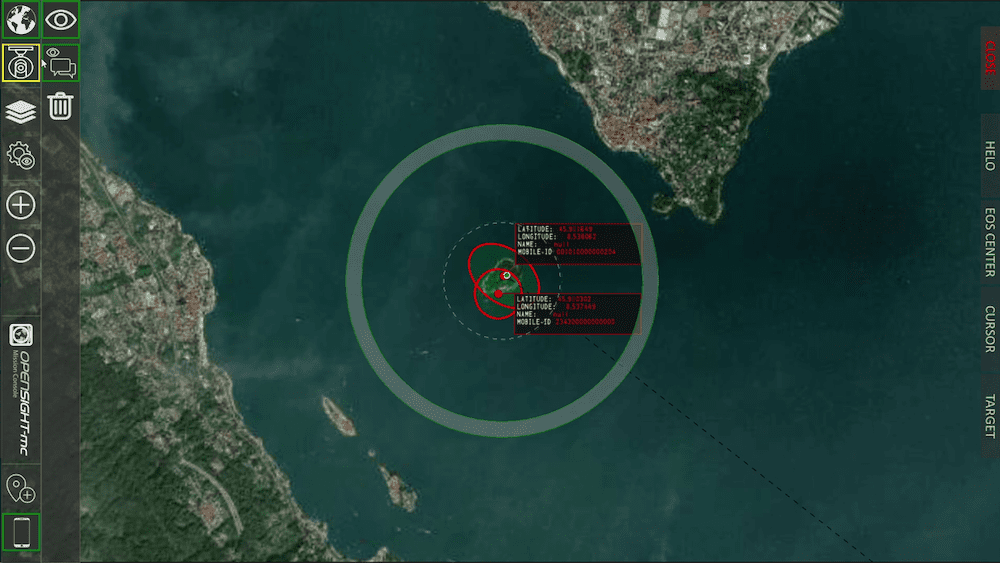




Smith Myers Communications has expanded the capabilities of its ARTEMIS mobile phone detection and location systems by integrating passive Wi-Fi and Bluetooth detection alongside ATAK Cursor-on-Target command functionality.
The inclusion of passive Wi-Fi detection allows the system to identify and geolocate devices connected to local wireless networks, a feature designed to accelerate decision-making and enhance responder safety during aerial firefighting and disaster relief efforts.
The addition of passive Bluetooth detection further extends the operational reach of the platform, enabling the detection of devices in specific scenarios even after a handset’s primary battery has been depleted. Both of these new modes operate entirely passively to maintain a low electronic footprint.
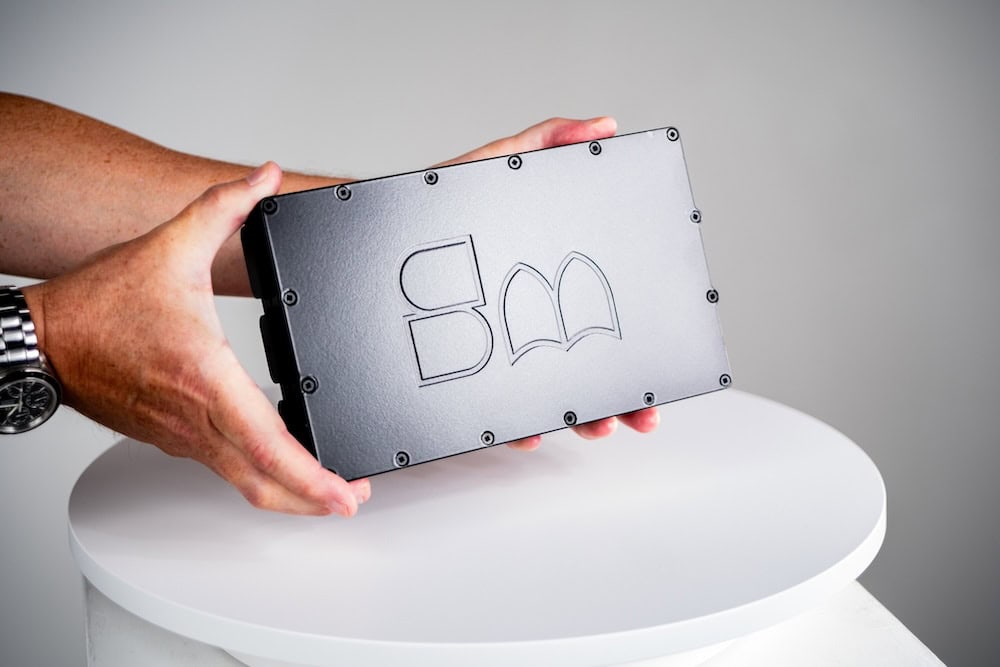
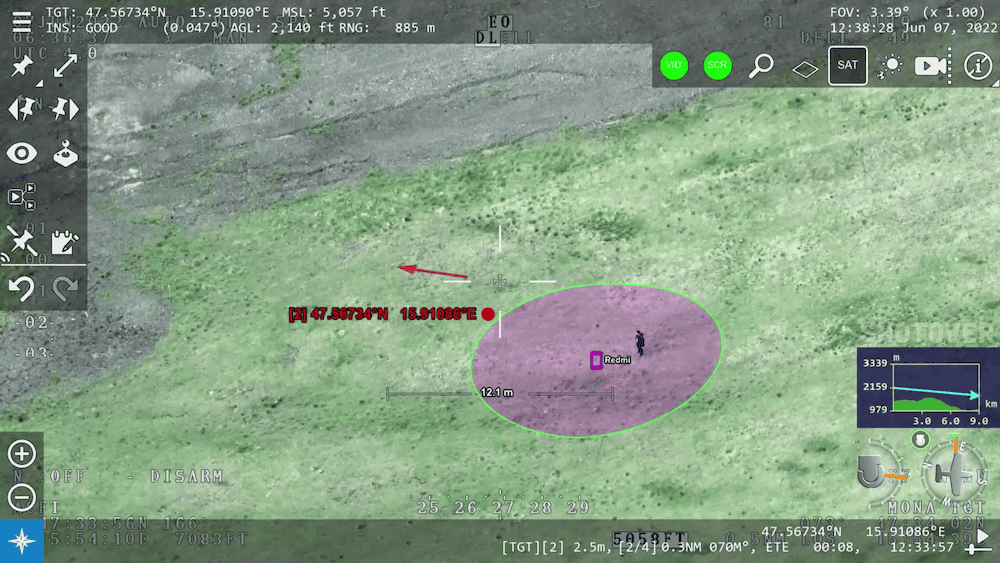
Operational integration is further improved through the introduction of the ATAK Cursor-on-Target (CoT) command capability. This feature allows ARTEMIS to output precise geolocation data directly into CoT-enabled mission systems, facilitating the automatic cueing of EO/IR cameras and other networked sensors. By automating these processes, the system reduces the manual workload for operators and speeds up the visual confirmation of targets in time-critical environments.
The world’s first fully airborne-qualified mobile phone detection provider, Smith Myers has previously integrated Maritime AIS and COSPAS-SARSAT capabilities into its platforms. These latest updates build on a suite of existing features that include mass mapping, geofencing, SARLOC consent-based location sharing, and emergency warning tools.
“By combining cellular, AIS, COSPAS-SARSAT, Wi-Fi, Bluetooth detection and CoT integration in a single system, ARTEMIS delivers multi-layered device awareness and seamless sensor integration across complex operational environments,” said Andrew Munro, Managing Director at Smith Myers. “These new integrations reinforce our commitment to delivering innovative, life-saving technology to operators worldwide.”