Showcase your capabilities
If you design, build or supply Drone Motors, create a profile to showcase your capabilities and connect with visitors who have an active requirement for your solutions.




Military drone motors are electric propulsion systems that generate the torque required to drive propellers and rotors on defense UAVs. Common architectures include brushless DC, inrunner, outrunner, axial-flux, and specialized brushed motors.
This page features drone motor suppliers and manufacturers of electric UAV motors for multirotor, fixed-wing, VTOL, tactical, cargo, and long-endurance platforms.
Read the Technology Overview
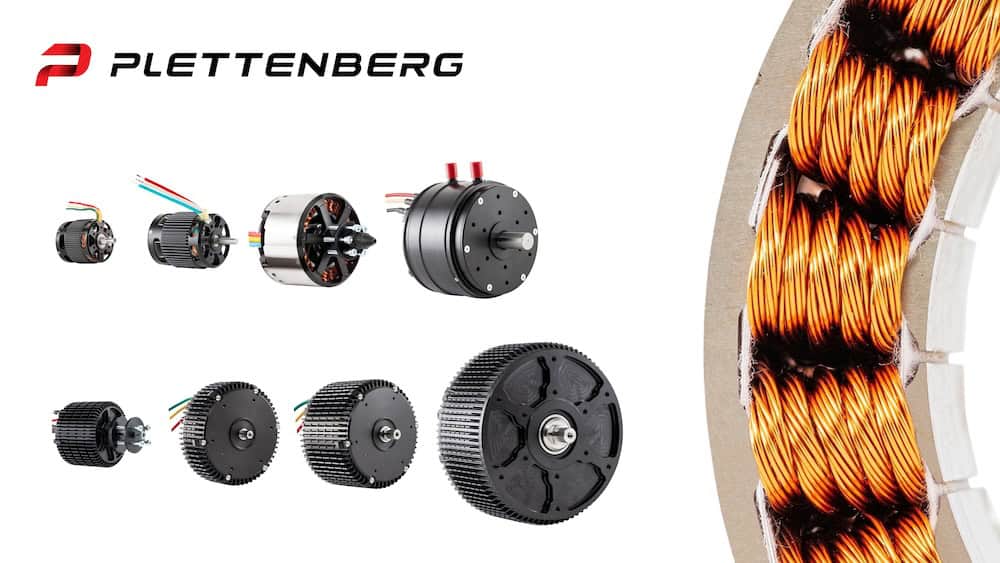

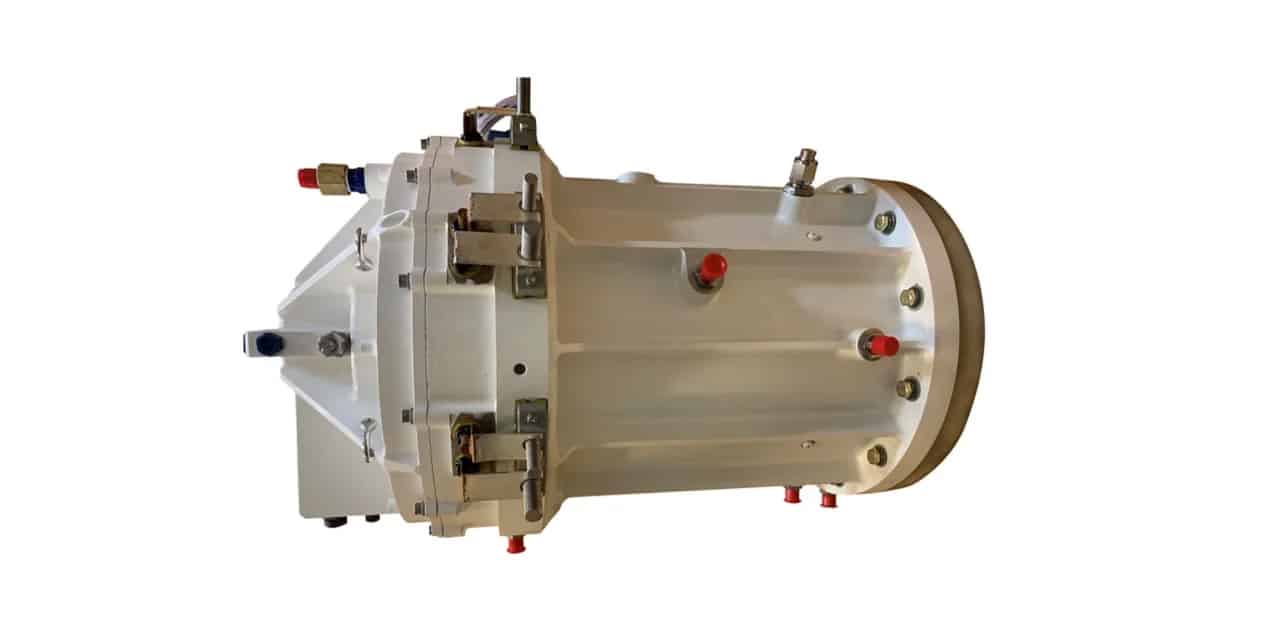
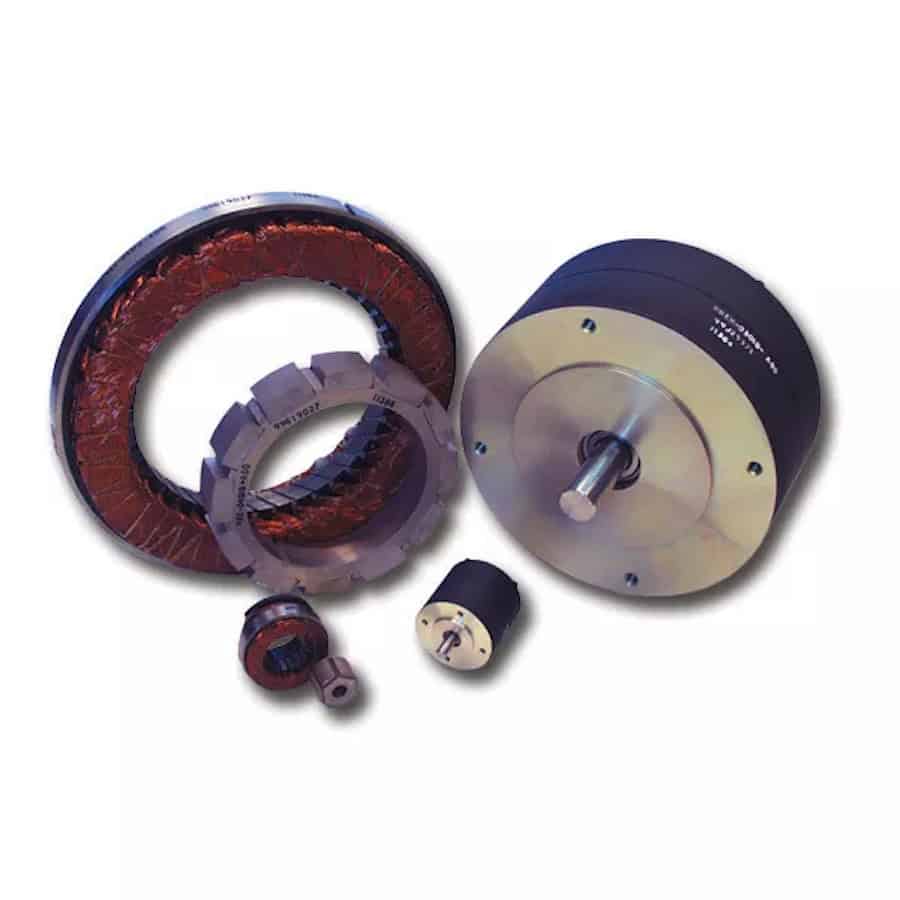
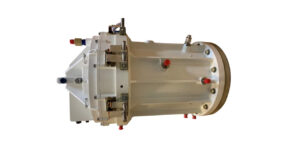
Advanced Solutions for Defense Modernization: Propulsion, Sensors, Communication & Augmented Reality Systems

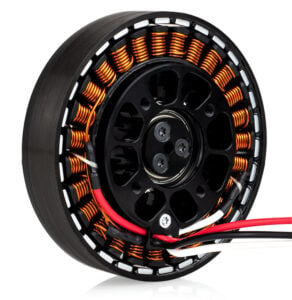
Advanced Motion, Control & Power Solutions for Uncrewed Vehicles Operating in Demanding Mission Environments

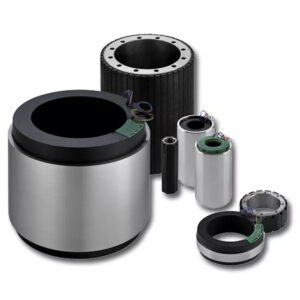
Innovative Precision Motor & Motion Solutions for Mission-Critical Military & Aerospace Applications

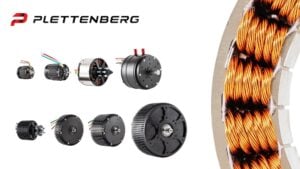
COTS & Custom Drone Propellers and Electric Motors for Military UAVs

If you design, build or supply Drone Motors, create a profile to showcase your capabilities and connect with visitors who have an active requirement for your solutions.

Military drone motors convert electrical power into the mechanical torque required to drive propellers and rotors. In defense UAVs, motor selection affects thrust, endurance, payload capacity, thermal behavior, acoustic and thermal signature, and the size and weight of supporting power electronics. Propulsion design is therefore critical where performance must be balanced against size, weight, and power.

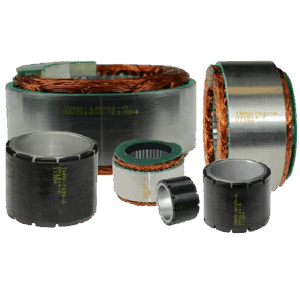
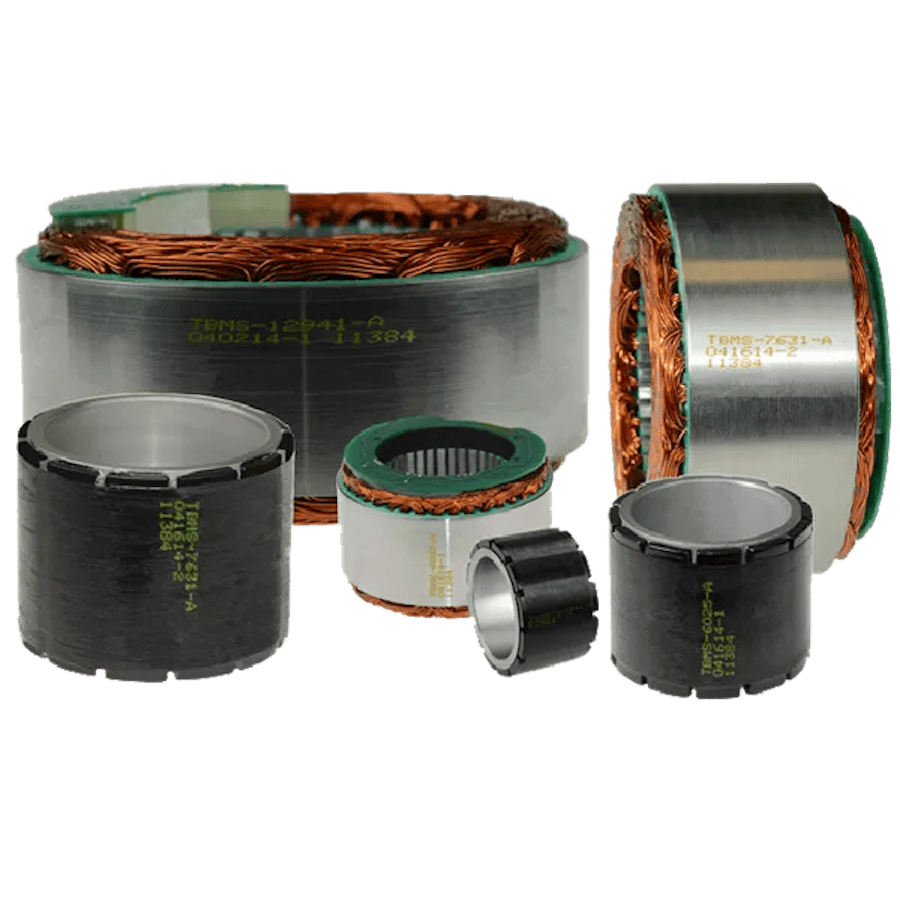
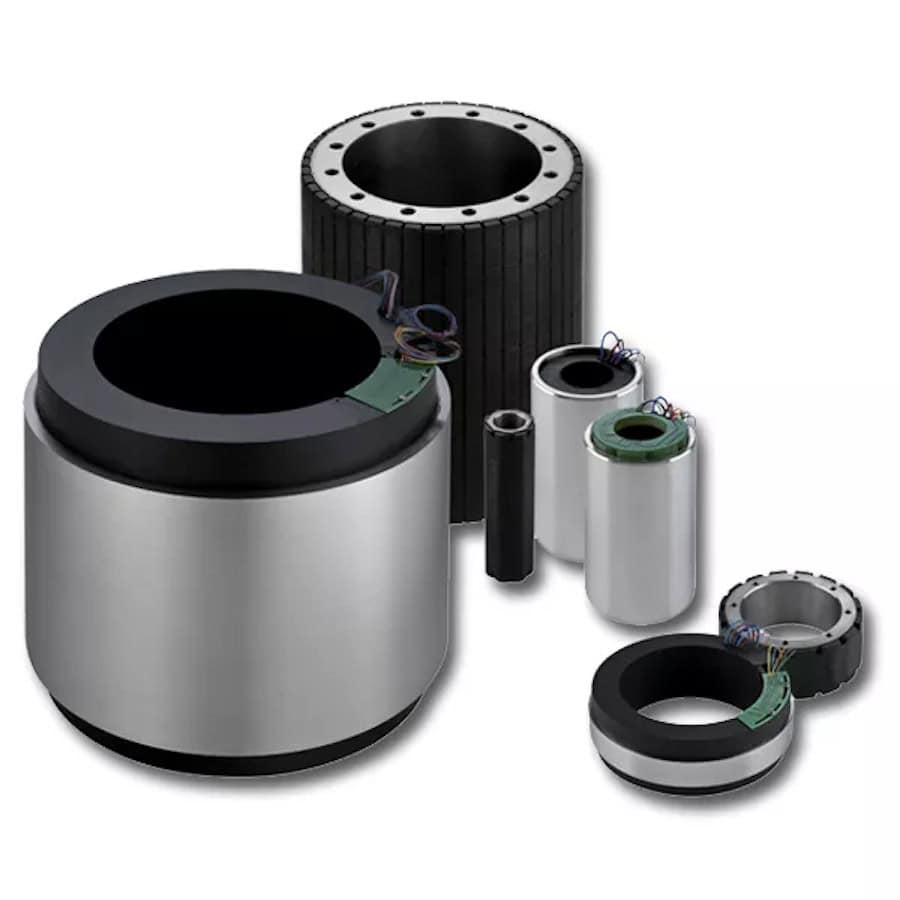
KBM Series by Kollmorgen.
Most modern electric UAV propulsion architectures use permanent-magnet motors with electronic control. The appropriate drone electric motor depends on aircraft configuration, propeller characteristics, required torque and speed, duty cycle, cooling, altitude, available electrical power, and continuous and peak limits. Efficiency, power density, reliability, and thermal management must be considered together.
Brushless DC motors use electronic commutation rather than mechanical brushes to control current through the windings. A BLDC drone motor can deliver high efficiency, responsive control, low maintenance, and favorable power-to-weight performance. The motor, Electronic Speed Controller (ESC), propeller, and electrical supply must be matched as a system. Continuous and peak current, motor speed constant, and thermal limits are important selection parameters.
An inrunner places the rotating component inside the stationary stator. This configuration can support high rotational speeds and compact packaging, making it suitable for smaller propellers, ducted fans, or reduction gearing. Selecting an inrunner UAV motor requires consideration of speed range, torque output, voltage, bearing loads, and cooling requirements.
Outrunner motors place the rotating portion around the stator, increasing rotor radius and enabling useful torque at lower rotational speeds. This can suit direct-drive propeller systems where eliminating a gearbox reduces complexity and mass. Outrunner brushless drone motors are relevant to multirotor, Vertical Takeoff and Landing (VTOL), and other aircraft requiring relatively high propeller torque. Balance, bearings, and cooling also require attention.
Axial-flux machines direct magnetic flux primarily along the motor shaft rather than radially across it. Their geometry can support compact machines with high torque and power density, characteristics valuable for aerospace electric motors where space and mass are tightly constrained. Suitability also depends on cooling, rotor integrity, and manufacturability.
Brushed DC motors use mechanical brushes and a commutator rather than electronic commutation. Their simple control requirements can suit certain low-power, short-life, or specialized mechanisms, but brush wear, arcing, maintenance, and lower efficiency make them less attractive for primary propulsion. A small drone motor may therefore use brushed technology where simplicity and cost outweigh brushless advantages.

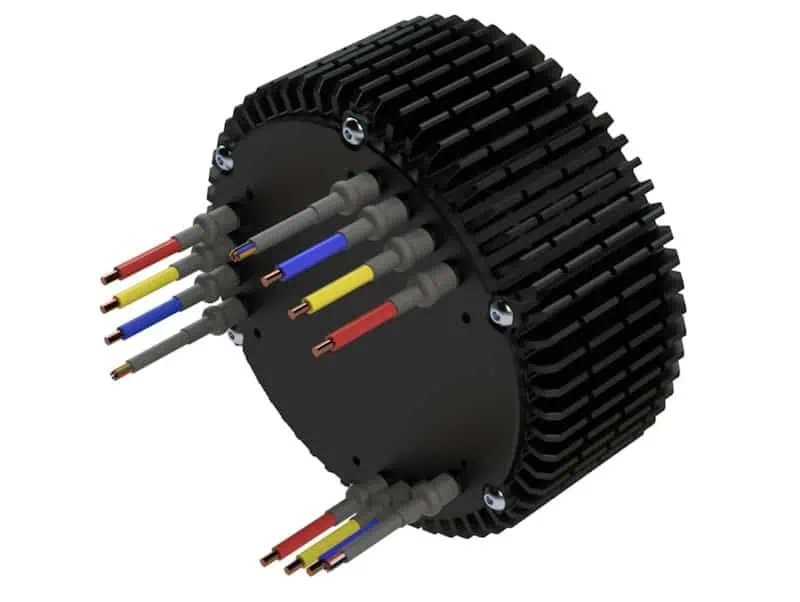
Electric Propulsion Solutions from UAV Propulsion Tech.
Multirotor aircraft control attitude and position by varying thrust across multiple rotors, placing strong demands on responsiveness and speed control. Quadcopter motors must provide sufficient continuous capability for sustained hover. For heavy-lift drone motors, torque delivery, thermal management, power-system capacity, redundancy, and fault response become increasingly important as aircraft mass and payload increase.
A fixed-wing drone motor produces forward thrust while the wings generate aerodynamic lift. The propulsion system can therefore be optimized around cruise efficiency while retaining enough power for launch, climb, maneuvering, and other higher-load phases. Matching propeller diameter and pitch with motor speed, torque, voltage, and operating conditions is central to efficient propulsion.
VTOL electric motors can be dedicated to vertical lift, forward flight, or both functions. Lift-and-cruise designs use separate propulsion groups, while tilt-rotor and tilt-wing aircraft redirect thrust during transition. These arrangements require coordination between motors, power electronics, flight controls, cooling, and fault-management logic.
Motors for electrically propelled loitering munitions must be selected around the complete mission profile, including launch, climb, transit, loiter, and terminal flight. Priorities may include compact packaging, endurance, low acoustic and thermal signature, speed control, and efficient sustained operation. Motor and propeller selection must account for loiter and terminal-flight operating points.
Cargo UAVs can impose substantial propulsion loads during takeoff, hover, maneuvering, and operation at high gross weight. Heavy lift drone motors therefore require appropriate continuous torque capability, thermal margins, bearings, power electronics, and fault tolerance. Repeated high-load cycles and payload variation also matter.
Small drone motors emphasize low mass, compact packaging, efficiency, and compatibility with lightweight batteries and ESCs. Tactical operation can expose propulsion equipment to vibration, dust, moisture, temperature variation, and repeated handling. The complete propulsion assembly must remain dependable and maintainable in its intended environment.
Reduced air density at altitude changes propeller performance and can reduce convective motor cooling. Long-endurance UAV motors benefit from high efficiency because electrical losses generate heat and consume stored energy. Designers should consider altitude derating, insulation, bearing lubrication, cooling, propeller sizing, and efficient operating range.
Military drone motors form part of an interconnected propulsion and flight-control system. Important integration points include:
Electromagnetic compatibility, cooling, vibration isolation, and redundancy should also be assessed at aircraft level.
Qualification requirements vary according to the aircraft program, installation, and intended environment. Relevant considerations can include:
Qualification should consider the installed propulsion system and operational environment, not only standalone motor testing.
Development increasingly focuses on higher specific power, improved efficiency, reduced thermal burden, fault tolerance, and closer propulsion integration. Relevant directions include:
For future military drone motors, advances in architecture, materials, power electronics, cooling, health monitoring, and integration are likely to develop together as designers pursue greater capability without disproportionate increases in system mass.


 Searching Companies & Products