
Showcase your capabilities
If you design, build or supply Batteries, create a profile to showcase your capabilities and connect with visitors who have an active requirement for your solutions.




Military batteries are rugged power sources designed to support defense platforms, field electronics, unmanned systems, communications equipment, sensors, and mission-critical weapon systems. These batteries are selected according to endurance, rechargeability, shelf life, discharge profile, and environmental tolerance.
This page showcases leading military battery suppliers and manufacturers, offering solutions for surveillance payloads, guided munitions, and backup power for tactical sites.
Read the Technology Overview

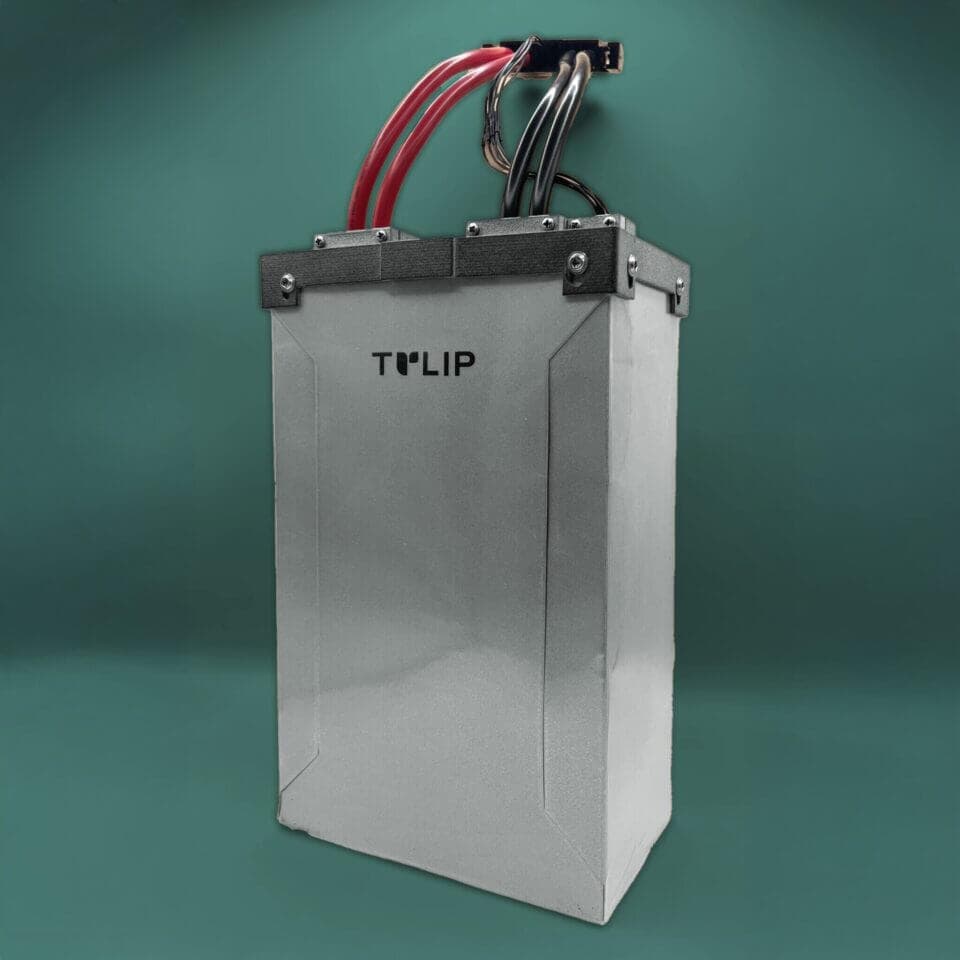
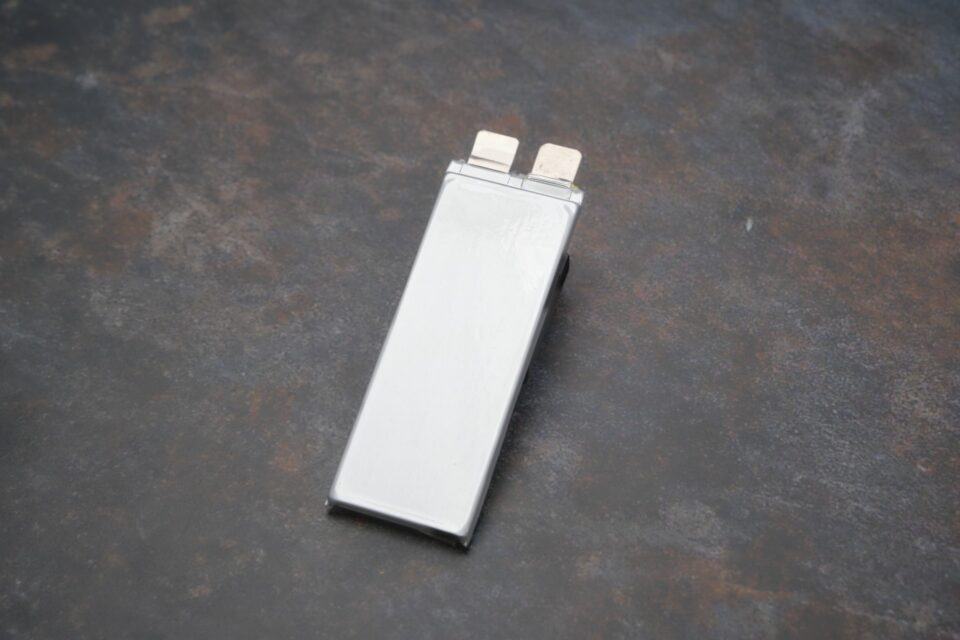

Innovative Silicon Lithium-Ion Battery Technology for Mission-Critical Military, Defense & Security Applications

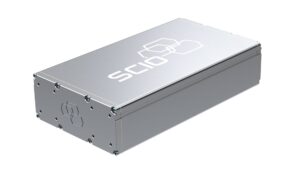
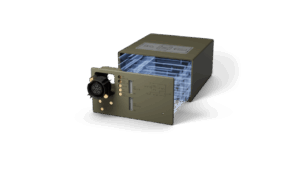
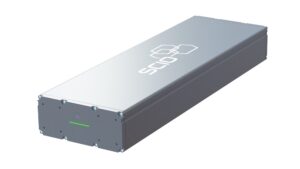
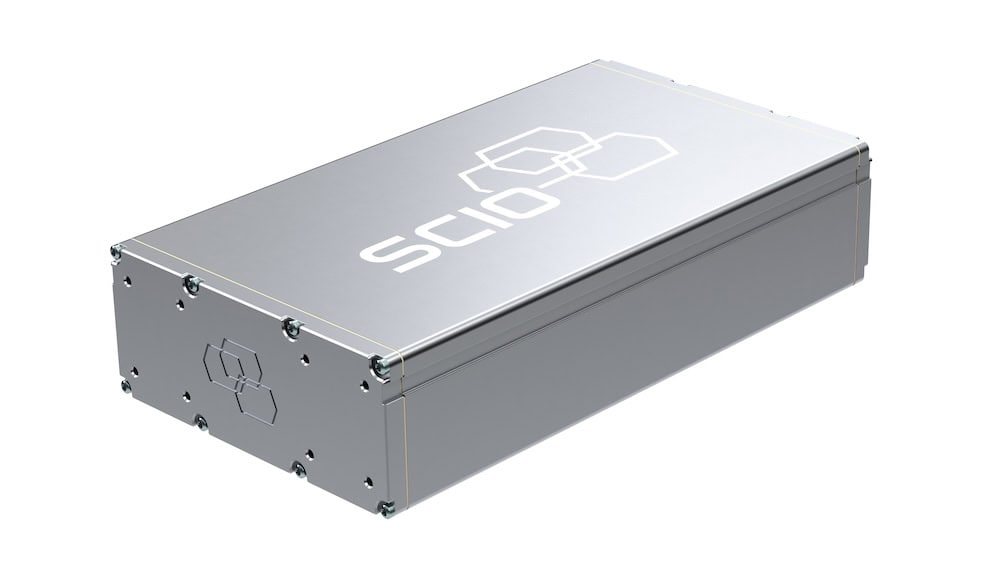
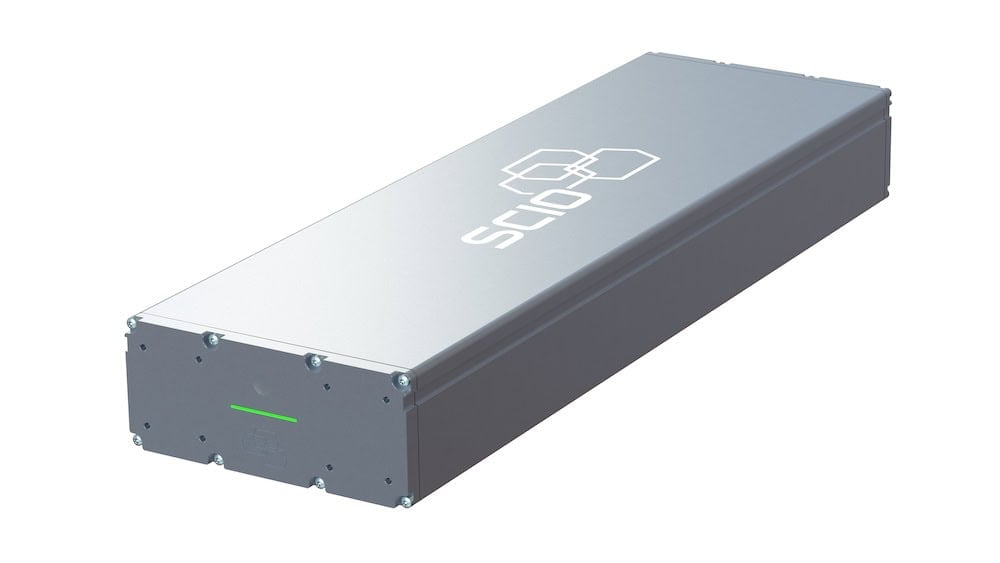
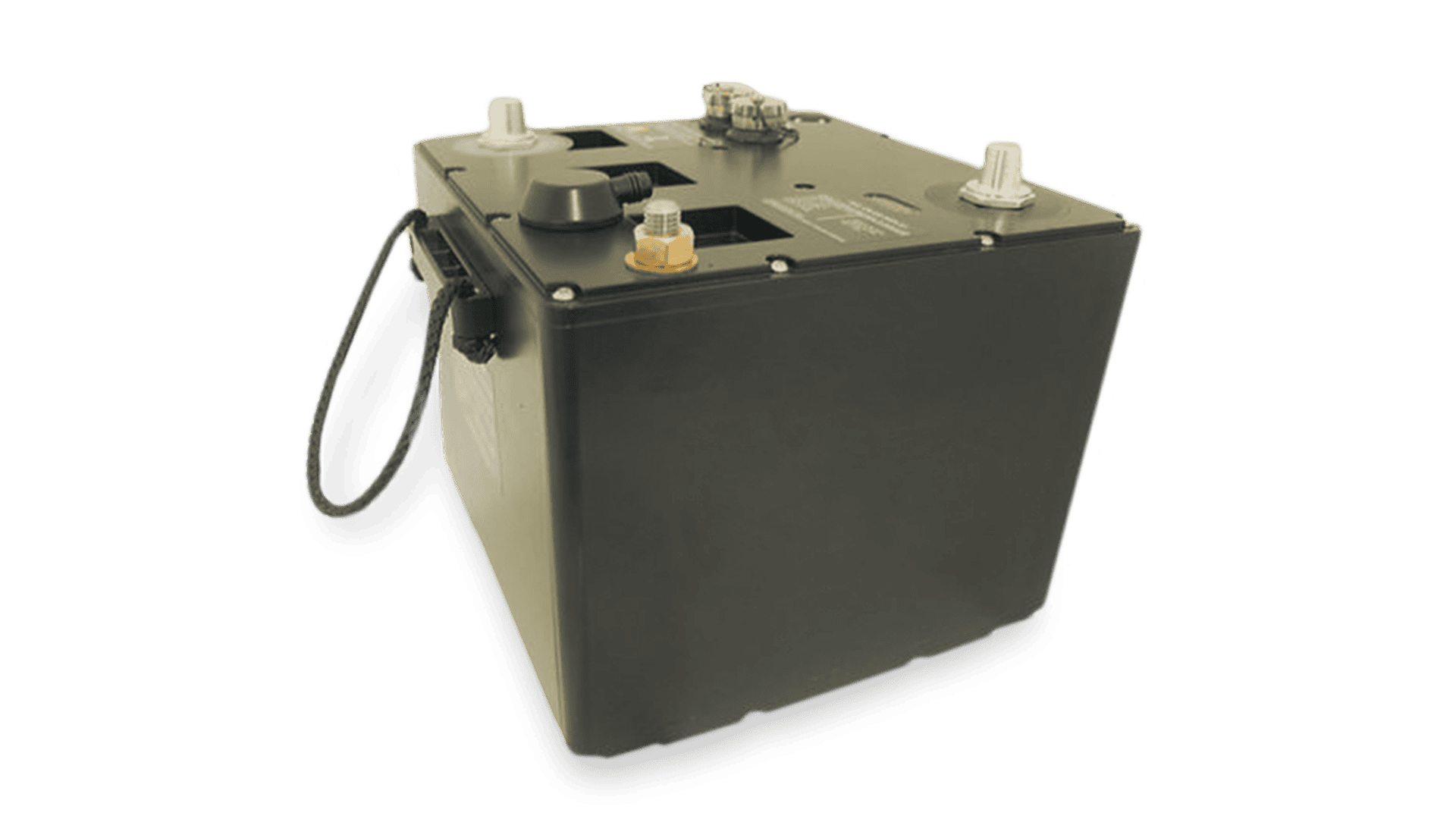
SCIO Brick® Battery Platform: Ultra-Reliable Power for Mission-Critical Military & Defense Applications

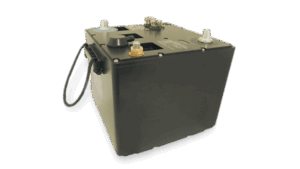
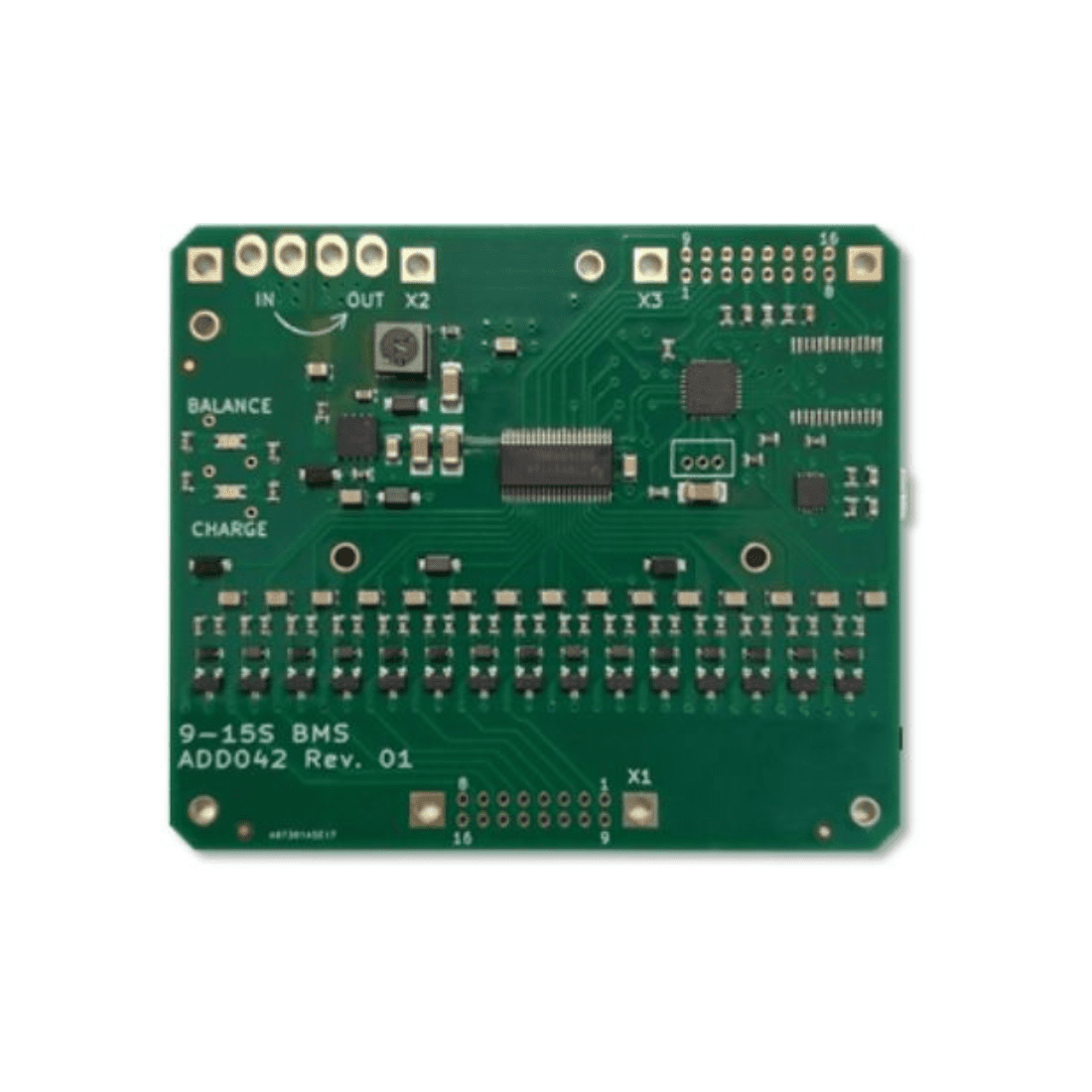
Advanced Mission-Critical Battery Management Solutions for Demanding Military & Aerospace Applications

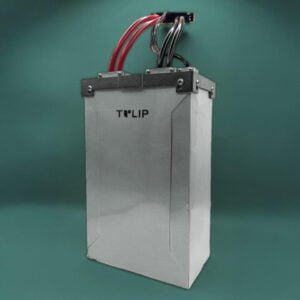
Ultra-High Energy Density Battery Technologies for Military & Government Drones & Unmanned Systems


Field-Proven Rugged Power Conversion Products for Military & Defense Applications

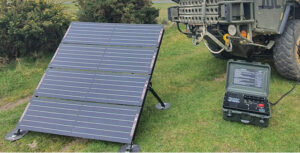
Mission-Critical Power & Lighting Solutions for Sustainable Military Operations

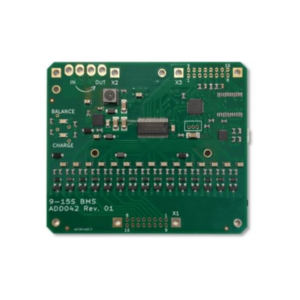
Power Distribution, Power Generation, Battery Management & Engine Starters for Tactical Unmanned Aircraft

If you design, build or supply Batteries, create a profile to showcase your capabilities and connect with visitors who have an active requirement for your solutions.

Military batteries supply power to various defense platforms, including unmanned vehicles and communication systems. Their configurations vary to meet the demands of different operational environments.
As military operations become more digitized, mobile, and autonomous, the demand for robust, efficient, and mission-adaptable battery systems has surged. Batteries, cells, and battery packs are the energy foundation for many defense technologies, ensuring continuous performance in harsh environments. From handheld radios and rugged laptops to drone swarms and remote weapon systems, advanced battery technology underpins mission-critical capabilities.
The defense sector deploys various battery types based on specific energy requirements, environmental challenges, and application use cases. These include:
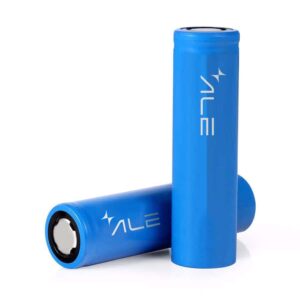
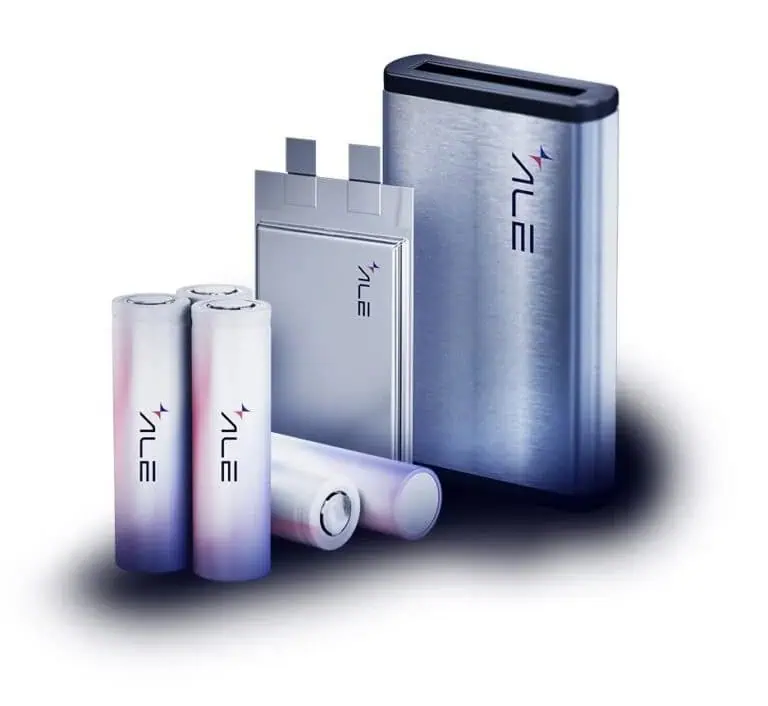
Cylindrical lithium ion military battery from American Lithium Energy (ALE).
Lithium batteries are widely used in defense due to their high energy density, light weight, and rechargeability. They are commonly found in portable communications systems, UAVs, and electronic surveillance equipment. Variants such as lithium polymer batteries and lithium-ion batteries offer flexibility for compact, weight-sensitive applications.
NiMH batteries balance capacity and durability, often used where moderate energy needs must be met with longer cycle life. They are frequently used in field equipment and as a backup battery in emergency systems.
Known for their robust performance in extreme temperatures, NiCd batteries are still utilized in legacy systems, aviation platforms, and rugged field instruments. Their tolerance for overcharging and deep discharges remains advantageous in certain military scenarios.
Solid-state batteries replace liquid electrolytes with solid materials, offering superior safety, thermal stability, and energy density. These are emerging as a future-proof solution for defense platforms, including next-gen military UAS, autonomous ground systems, and advanced communications modules.
Reserve batteries and thermal batteries are designed for long shelf life and instant activation. These are essential for guided munitions, missiles, and emergency systems, where power is only needed at the point of use.
Primary batteries are non-rechargeable and are used in single-mission deployments. Secondary batteries are rechargeable and serve multi-mission or continuous operation systems. Both types are selected based on operational duration, logistical constraints, and mission profiles.
Military batteries and power cells are integral across a broad spectrum of defense domains:
UAV batteries, including lightweight lithium polymer batteries and high-capacity Li-ion cells, enable longer flight times and greater payload efficiency. UAV battery management systems also incorporate thermal and overcurrent protection for safety during flight operations.
Hybrid batteries and modular batteries power ground robots and unmanned ground vehicles (UGVs) for reconnaissance, logistics, and explosive ordnance disposal. Battery management systems (BMS) are critical for balancing power distribution and extending operational life.

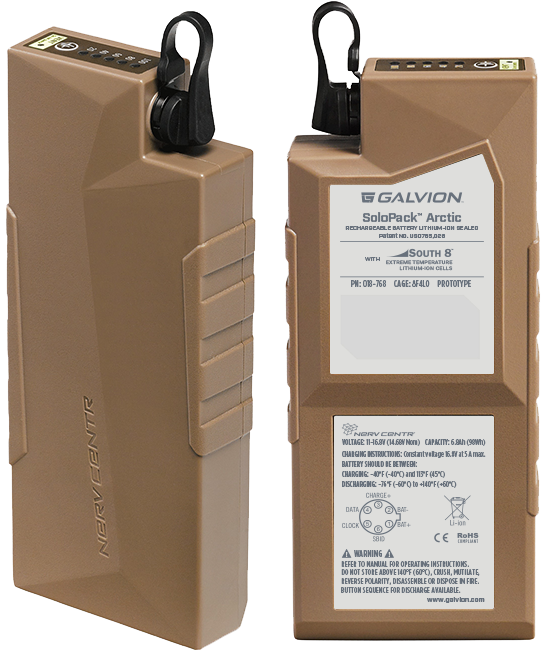
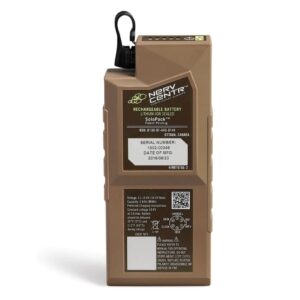
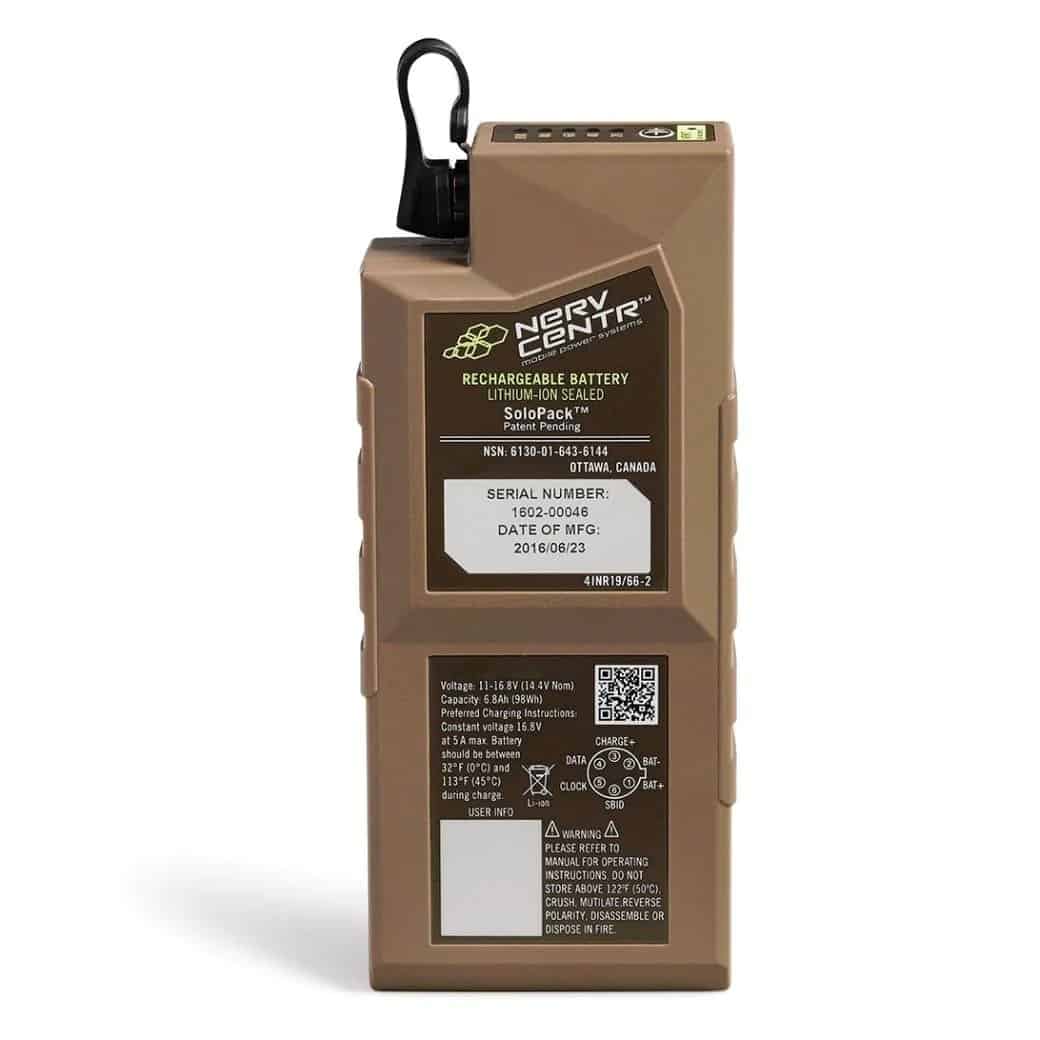
Military Battery, SoloPack, from Galvion
Portable batteries and ruggedized power banks ensure the uninterrupted operation of communication systems. These include BB-2590 and BB-390 military-standard batteries commonly used as radio batteries in military communications and command gear.
Energy cells and custom batteries support remote sensors and surveillance platforms in contested or inaccessible areas. These battery solutions emphasize longevity, weatherproofing, and low maintenance.
High-discharge battery modules and advanced energy storage are being adapted for emerging directed energy weapons, jammers, and signal intelligence systems requiring rapid, high-capacity energy bursts.
Reserve battery systems provide instantaneous power upon arming, supporting targeting electronics, guidance, and telemetry in smart munitions and missile platforms.
Dismounted soldiers rely on battery-powered devices such as radios, GPS units, and night vision systems. Soldier-worn battery solutions are designed for ergonomic integration with combat gear, ensuring mobility without sacrificing power availability. Conformal batteries, modular battery units, and integrated power hubs are increasingly used in soldier modernization programs.
These systems frequently utilize custom lithium-ion batteries and battery management systems that enable real-time power monitoring and thermal regulation. Solid-state and lithium polymer batteries are gaining traction due to their form factor flexibility and operational safety. Soldier-worn systems must withstand rough handling, electromagnetic exposure, and extreme environmental conditions, all while maintaining reliable power delivery.
Battery banks and solar-powered batteries offer backup power solutions for tactical bases, mobile field hospitals, and forward operating posts, ensuring continued functionality in power-degraded scenarios.
Defense-grade battery systems integrate sophisticated design elements to meet military specifications and environmental challenges.
| Type | Energy Density | Rechargeable | Temp Tolerance | Key Applications |
|---|---|---|---|---|
| Lithium-Ion | High | Yes | Moderate | UAVs, radios, surveillance |
| NiMH | Moderate | Yes | Moderate | Field gear, emergency packs |
| NiCd | Low-Moderate | Yes | High | Legacy equipment, cold-weather ops |
| Solid-State | Very High | Yes | High | Robotics, advanced electronics |
| Reserve/Thermal | N/A (on-demand) | No | Very High | Munitions, emergency activation systems |
Military battery systems must meet stringent design, safety, and interoperability standards:
Compliance with these standards ensures interchangeability, field maintainability, and safety under mission-critical conditions.
Advancements in military battery systems are focused on increasing energy density, reducing recharge times, and enhancing operational safety. Some of the emerging trends include:
Continued research in solid-state batteries and silicon-based battery technologies points to greater future capabilities in battlefield energy management.
In modern warfare, where electronic systems define dominance, reliable battery power has become a strategic asset. Military batteries and power cells influence mission capability, autonomy, and operational reach. The ability to field long-lasting, adaptable, and resilient battery solutions is not only a technical priority but a mission-critical necessity across all domains of defense.


 Searching Companies & Products