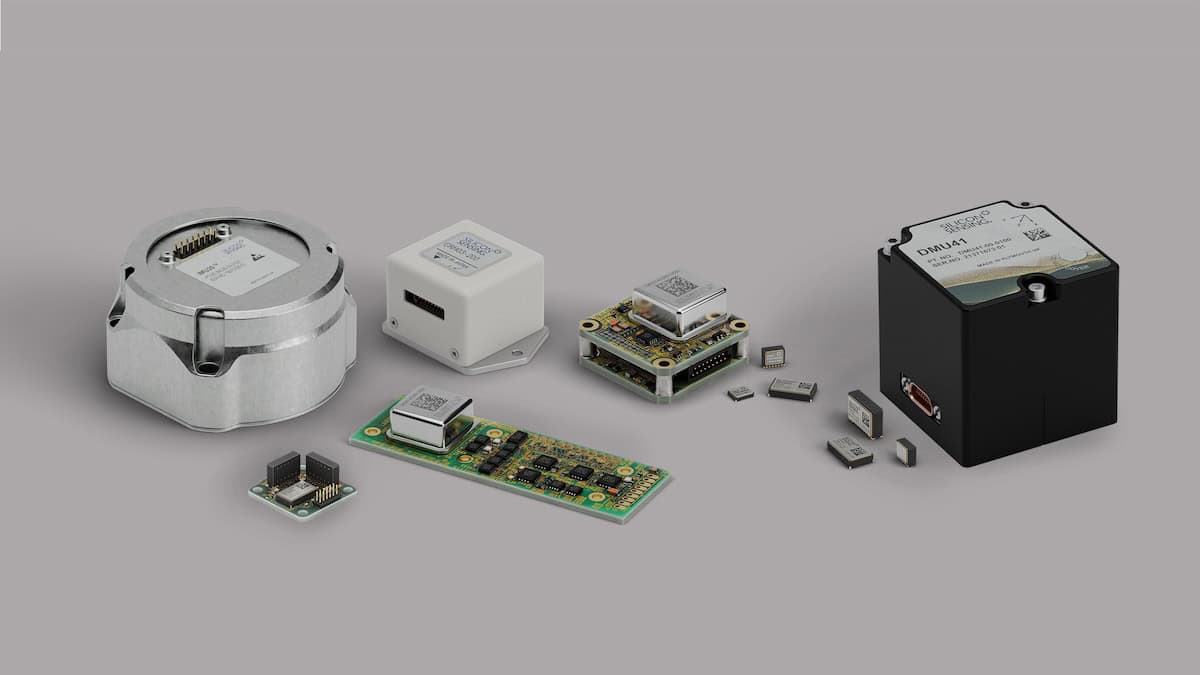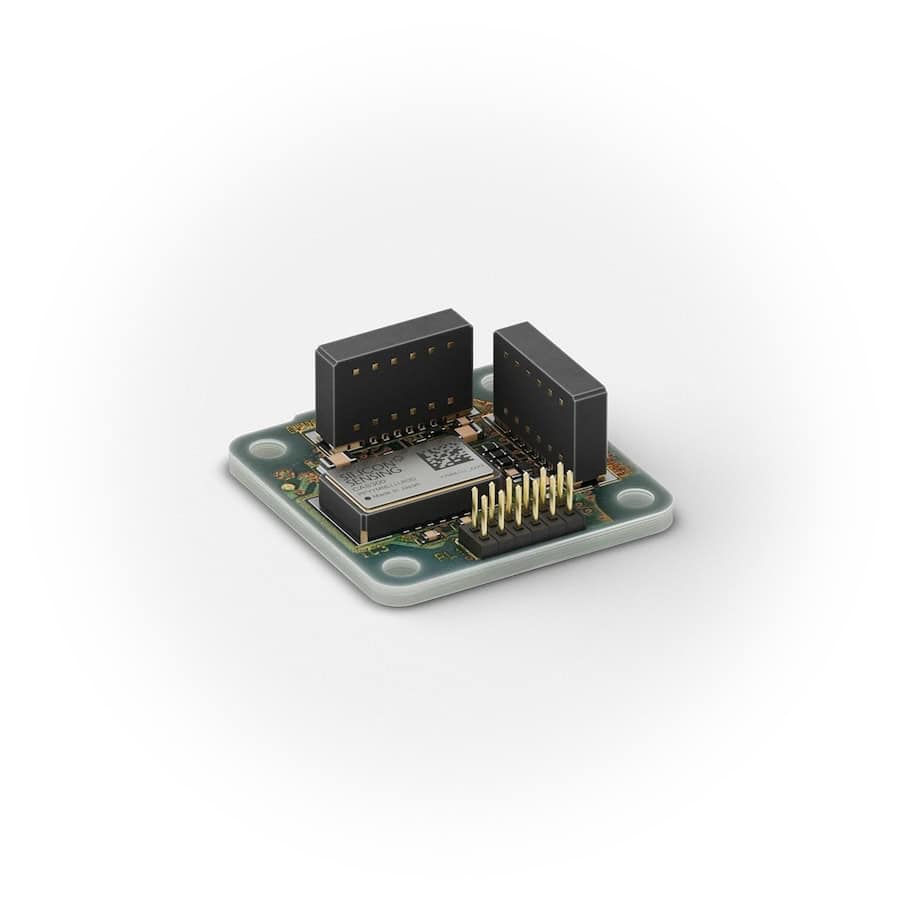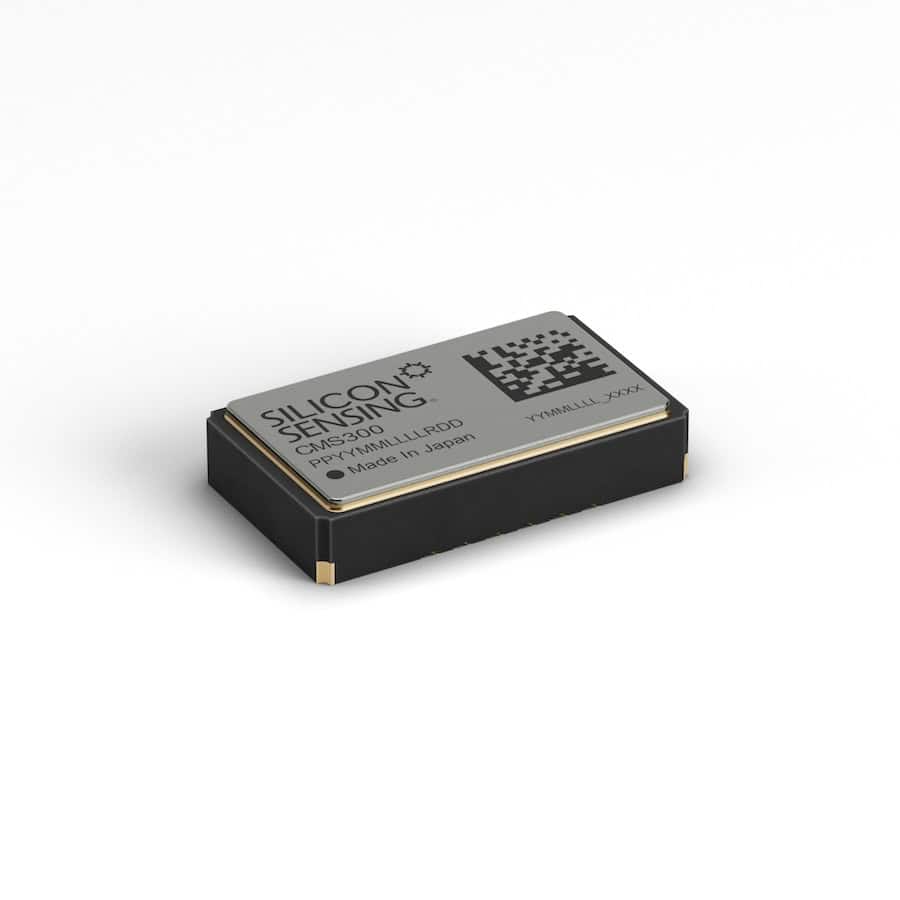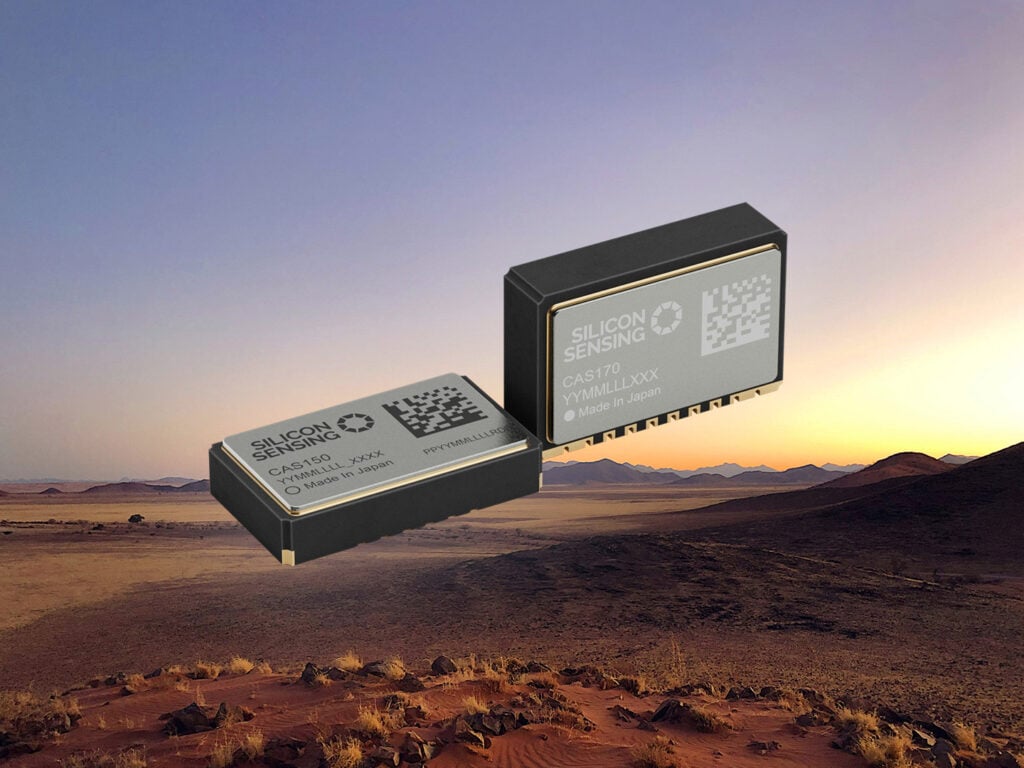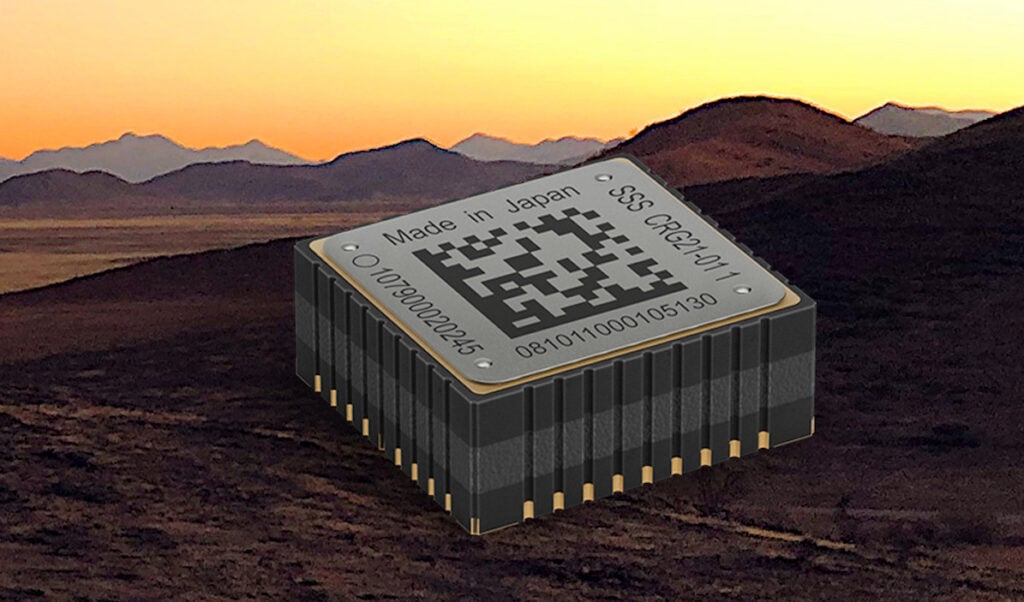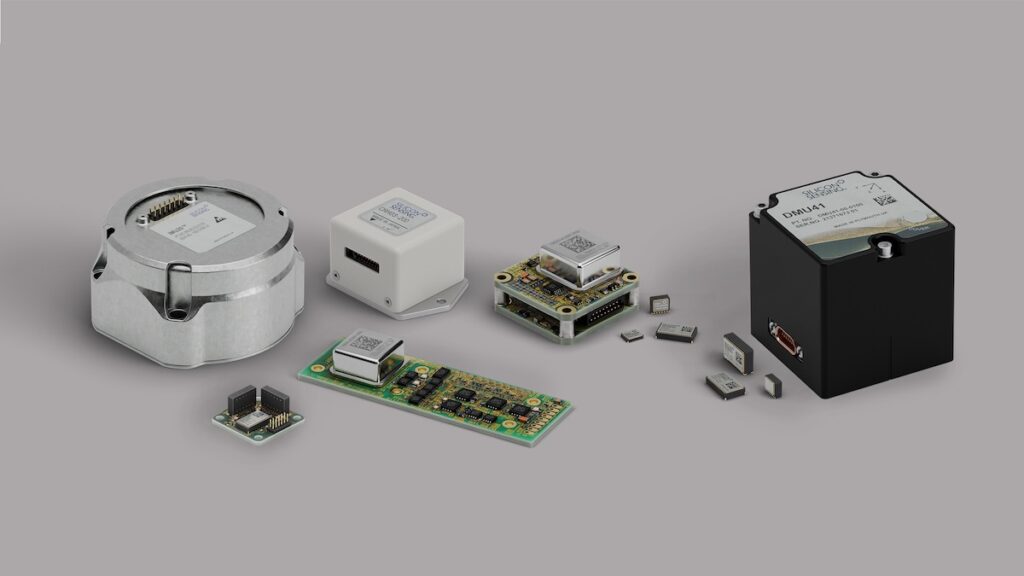



Silicon Sensing Systems has detailed how datasheet radiation figures represent only a starting point when evaluating Inertial Measurement Unit (IMU) options for space missions.
For program managers reviewing hardware, a standard rating like 10kRad Total Ionizing Dose (TID) indicates that a unit has undergone testing, but it fails to reveal how the device performed during exposure or whether performance was maintained post-test. Evaluating true mission risk requires assessing two distinct radiation threat mechanisms: TID, which measures cumulative performance degradation over a spacecraft’s operational lifetime, and Single Event Effects (SEE), which evaluate response characteristics to high-energy particle strikes that can cause instant operational disruptions.
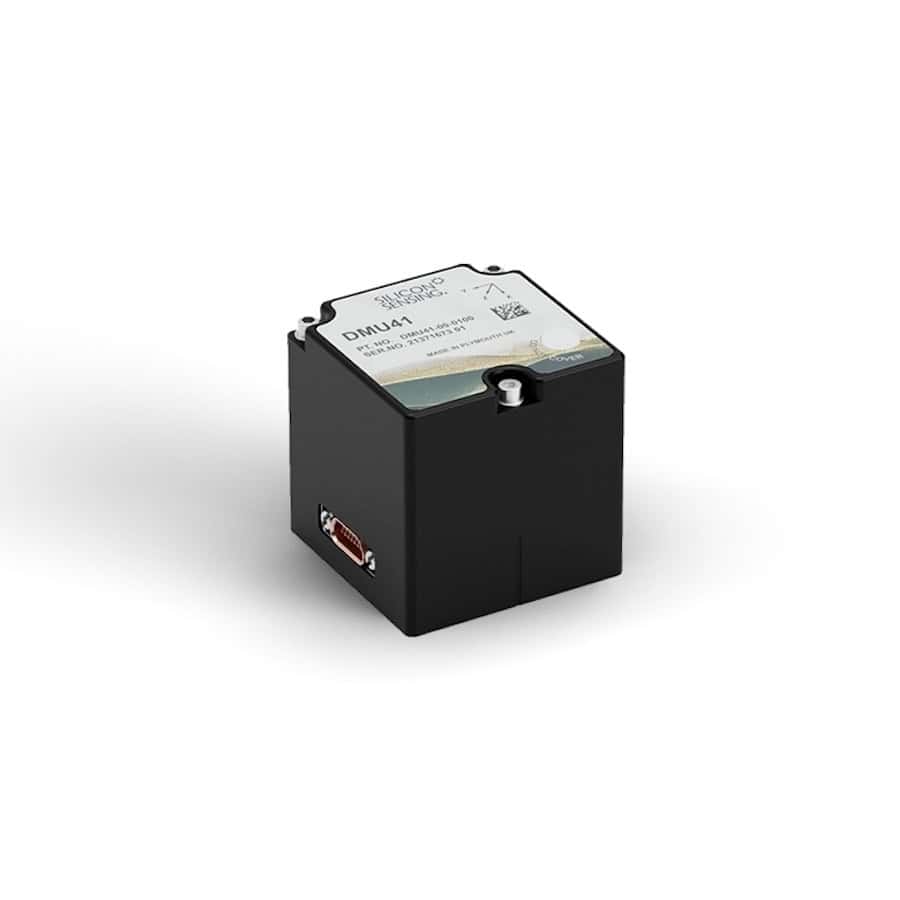
Testing conducted on eight units of the DMU41 IMU focused on SEE performance across proton energy levels of 50, 100, 150, and 200 MeV. At 50 MeV, test monitoring recorded a drop in current consumption alongside uninterrupted normal operation that required no power cycling, as well as a single instance where communication halted and required a power cycle to restore functionality. Across the higher energy levels of 100, 150, and 200 MeV, a consistent pattern emerged where certain high-energy events necessitated power cycling, yet full normal operation resumed following every cycle.
Subsequent Acceptance Test Procedure evaluations confirmed zero significant performance drift, with all DMU41 units remaining fully within operational specification limits. Regarding cumulative exposure, TID testing subjected the units to 30kRad(Si), which represents triple the standard 10kRad benchmark typical for Low Earth Orbit (LEO) missions. The resulting data established that the DMU41 is well suited for standard LEO mission profiles with 10kRad exposure, as well as Geostationary Earth Orbit (GEO) applications when paired with appropriate shielding.
Because no space-based sensor operates with total immunity to particle strikes, operational recovery represents a far more vital metric than achieving a zero-event threshold. Occasional power resets in response to energetic strikes represent a predictable and manageable operational procedure rather than a mission-threatening failure mode.
The structural reset architecture of the DMU41 ensures this operational behavior remains manageable. An integrated watchdog continuously tracks the primary processor to initiate an internal reset if a lockup occurs during particle impacts. Furthermore, core silicon components independent of processor control, such as communication chips, primary regulators, and processor power rails, are hardwired active by design. This layout ensures the device can consistently restore communication and normal operation even when a full power cycle is required. Across every tested dosage, the DMU41 demonstrated total functional recovery without lasting performance degradation.