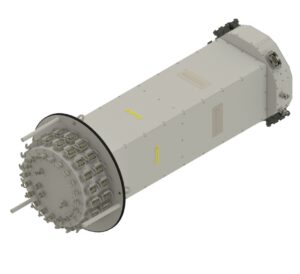
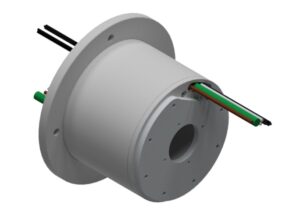
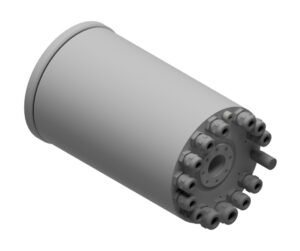
Showcase your capabilities
If you design, build or supply Rotary Joints, create a profile to showcase your capabilities and connect with visitors who have an active requirement for your solutions.




Rotary joints are electromechanical devices that enable the transfer of electrical power, data, optical signals, and radio frequency transmissions across rotating interfaces while preventing cable twisting and mechanical wear. Widely deployed across defense platforms, they support continuous 360-degree operation in radar systems, EO/IR gimbals, SATCOM terminals, sensor masts, electronic warfare systems, and missile guidance applications.
This page showcases rotary joint manufacturers, offering technologies including electrical rotary joints, fiber optic rotary joints, RF rotary joints, waveguide rotary joints, and integrated multi-service assemblies.
Read the Technology Overview
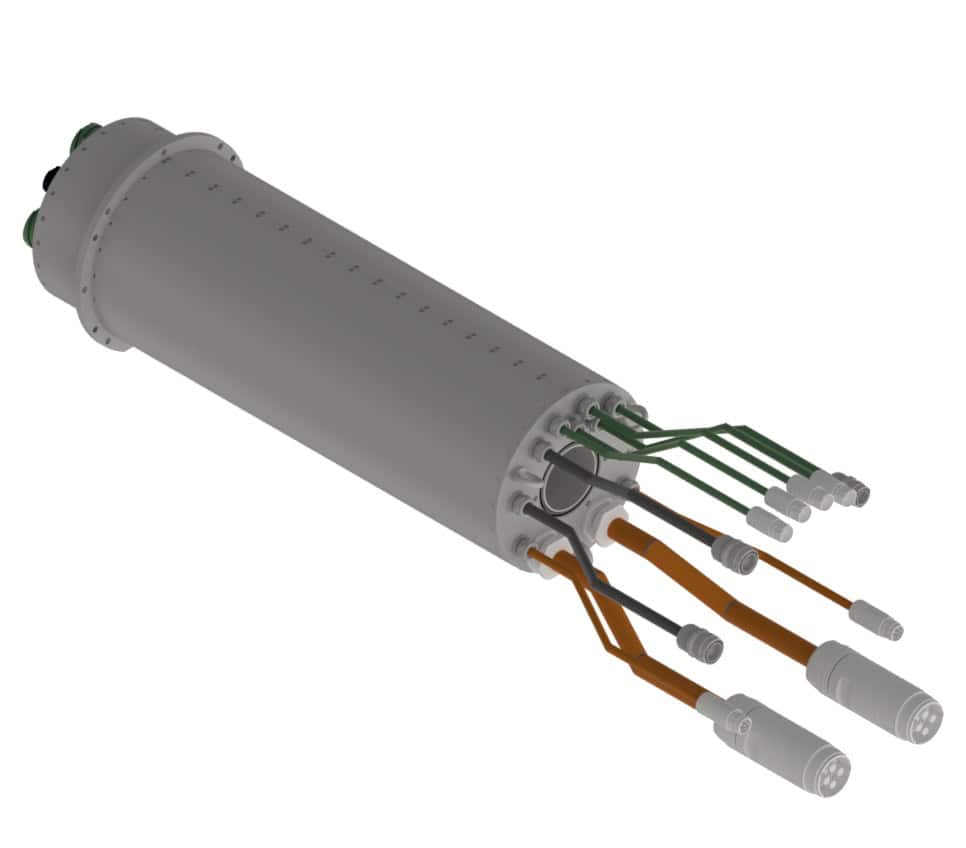
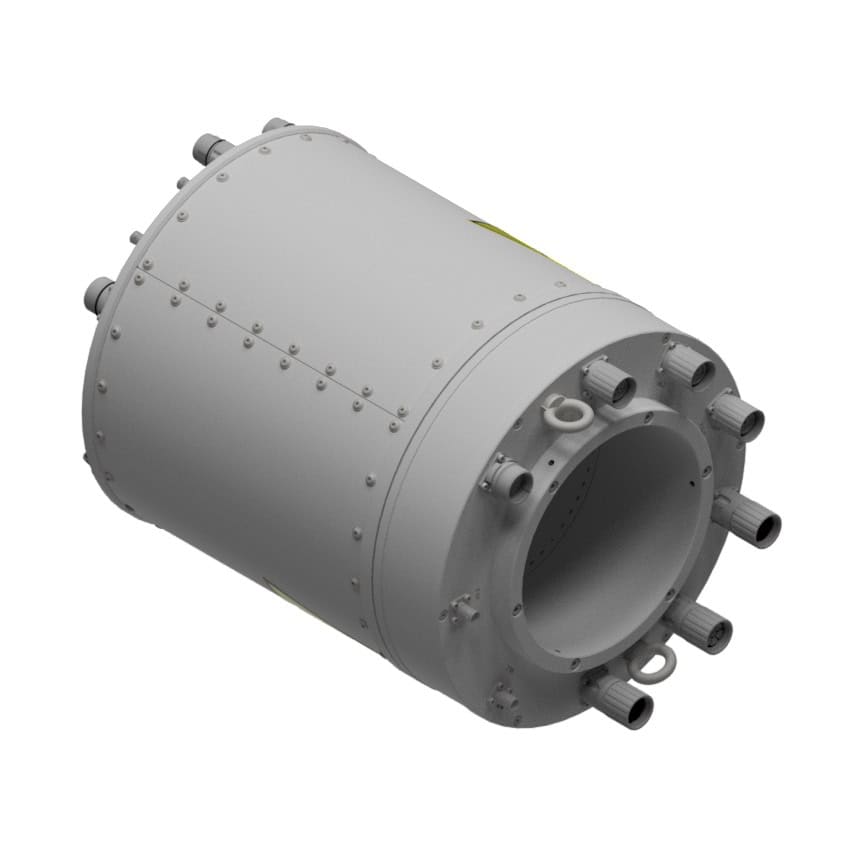
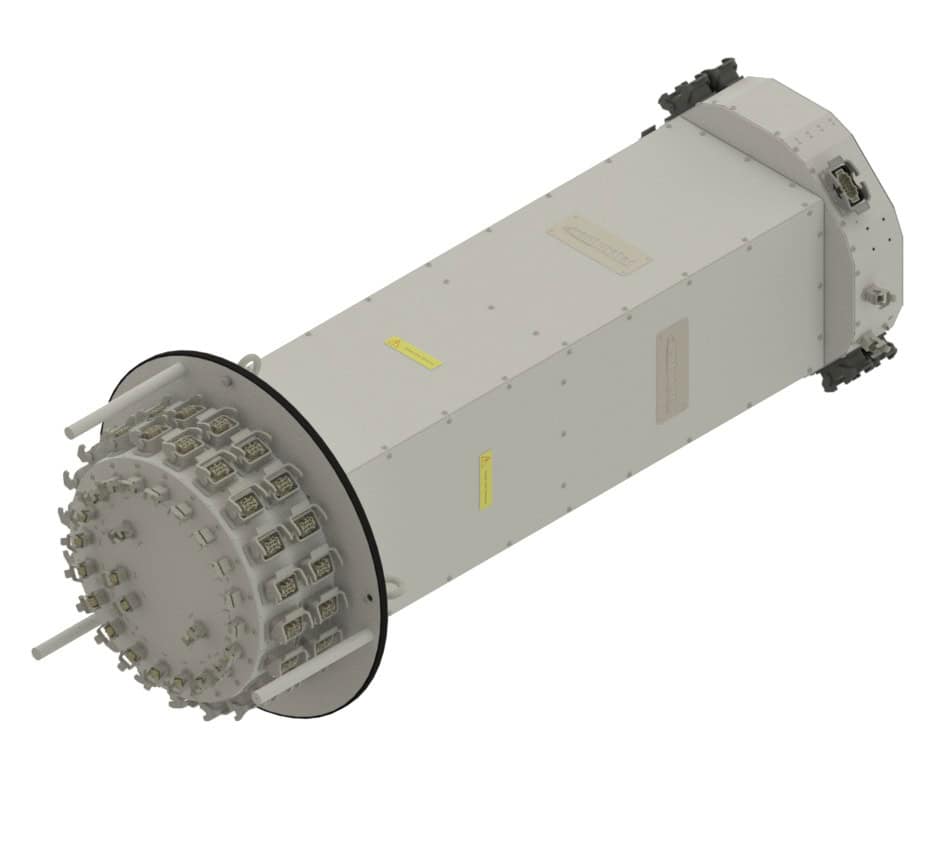
Custom Slip Ring & Rotary Joint Solutions for Demanding Military Power & Data Transmission Applications

If you design, build or supply Rotary Joints, create a profile to showcase your capabilities and connect with visitors who have an active requirement for your solutions.

A rotary joint is a specialized electromechanical device engineered to bridge the gap between stationary and rotating structures. By allowing the transfer of electrical power, digital data, and radio frequency signals across a rotating boundary, these devices eliminate cable twisting, winding, and mechanical fatigue.
In modern defense environments, military rotary joints serve as an important enabling technology. As warfare becomes increasingly networked and data-reliant, platforms demand uninterrupted 360-degree rotation for radar arrays, optical tracking turrets, and satellite communication links. Without units developed by specialized rotary joint manufacturers, persistent situational awareness and target tracking across land, sea, air, and space domains would be difficult to achieve.
When consulting a rotary joint manufacturer, the selection of the core transfer architecture dictates the platform’s lifecycle cost, maintenance intervals, and signal integrity.
| Technology Type | Mechanism | Key Advantages | Trade-offs / Limitations | Typical Applications |
| Contact-Based | Physical brushes riding on conductive tracks. | High power handling, proven reliability, cost-effective. | Mechanical wear, debris generation, electrical noise over time. | Heavy turret power, remote weapon stations, armored vehicles. |
| Contactless | Electromagnetic, capacitive, inductive, or optical coupling. | Zero mechanical wear, ultra-low maintenance, extreme bandwidth. | Higher initial cost, complexity in multi-channel scaling. | Next-gen radar (AESA), high-data ISR gimbals, high-speed rotating sensor systems. |
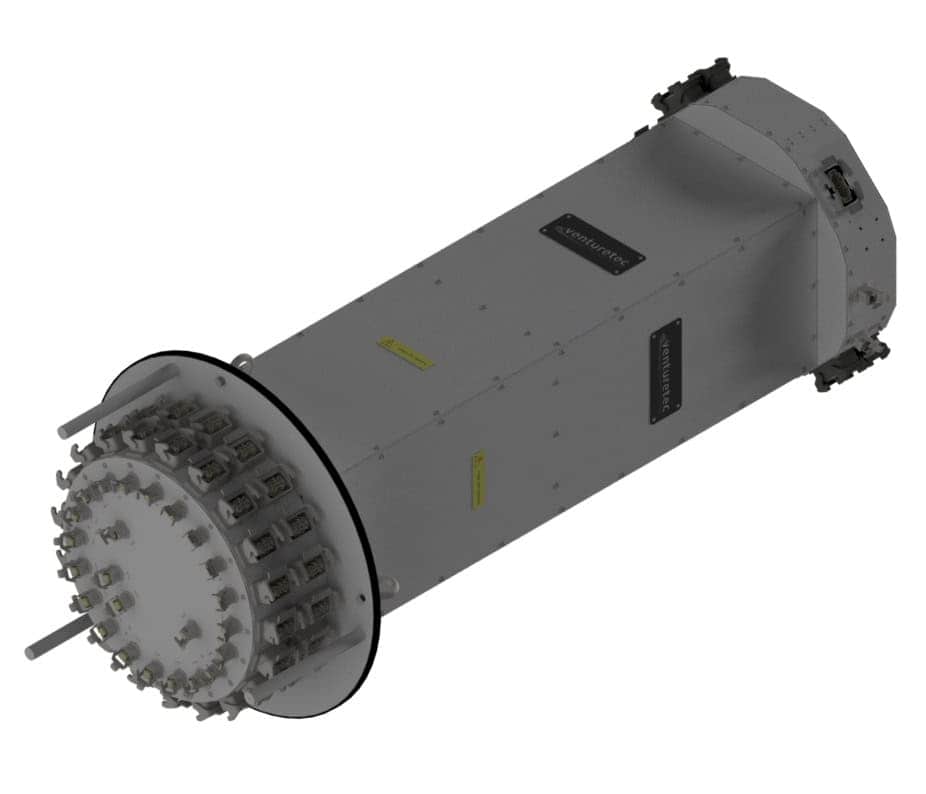
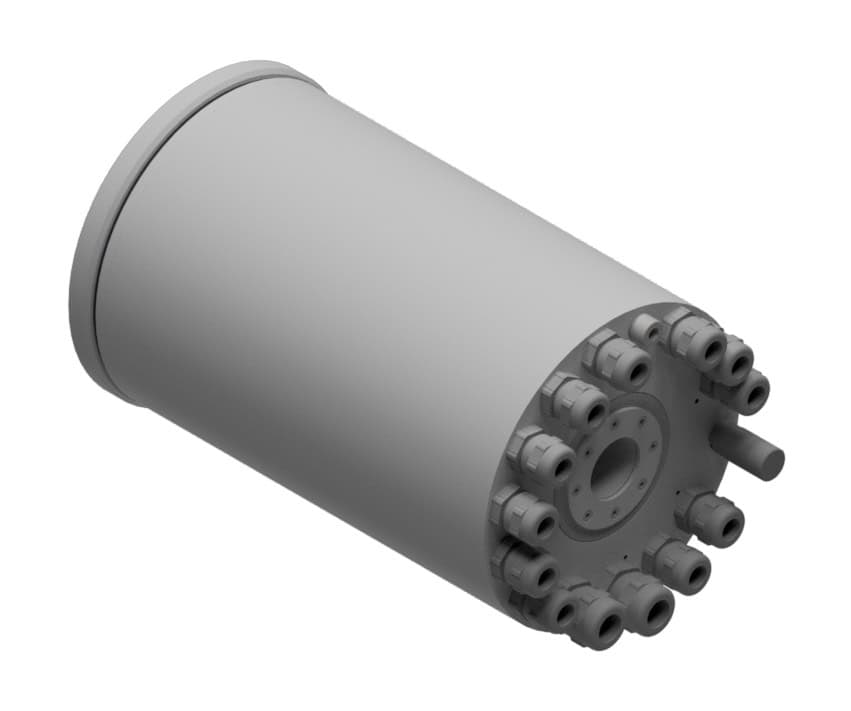
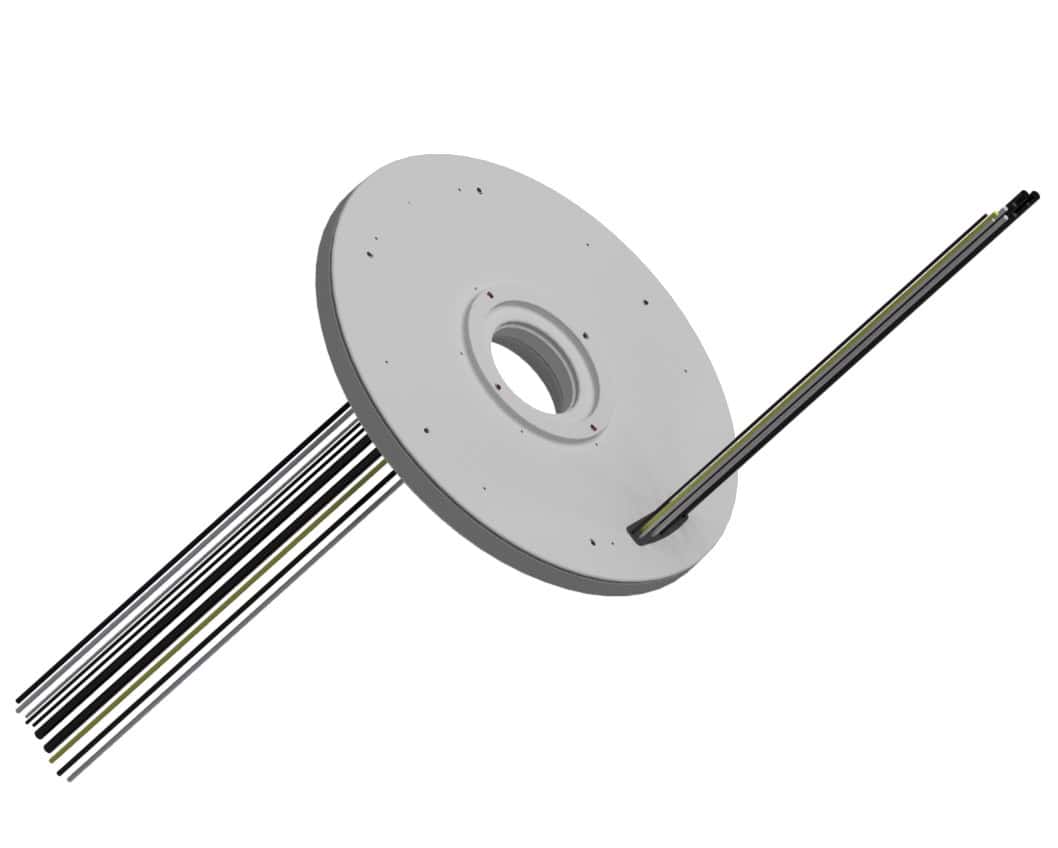
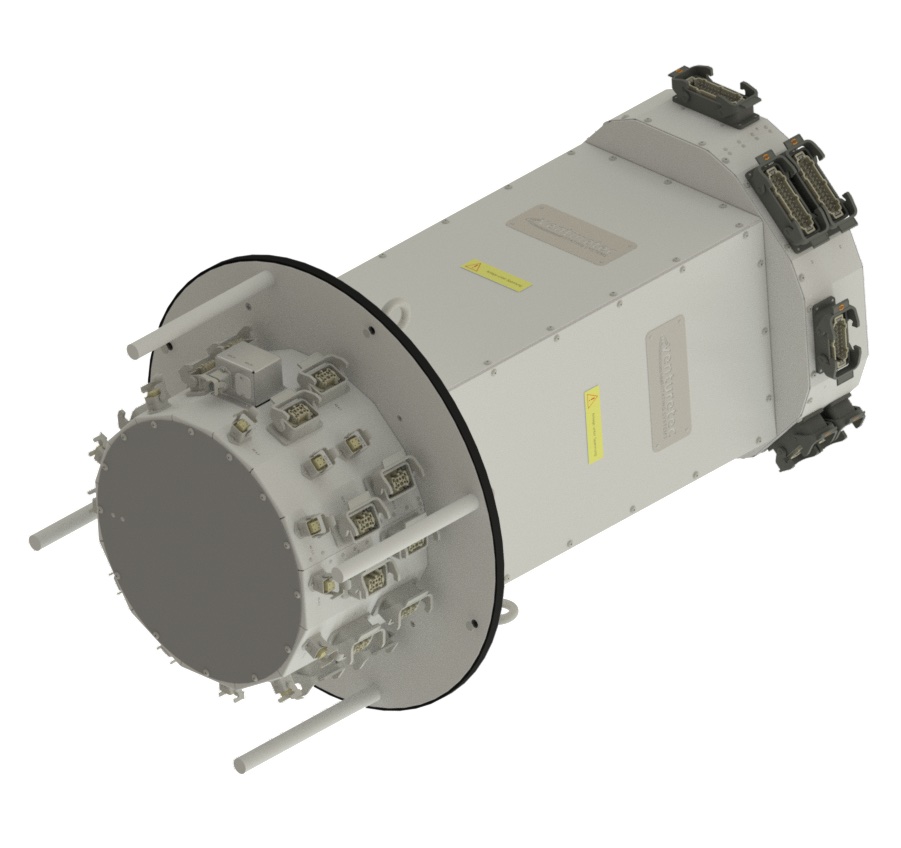
215-Way Slip Ring Rotary Joint by Venturetec
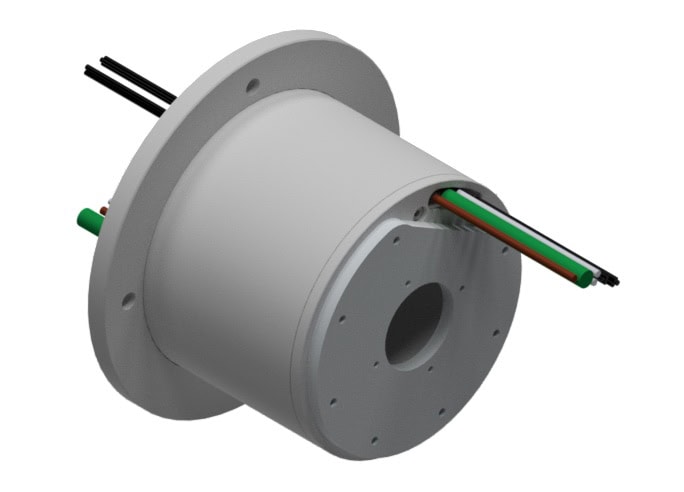
An electrical rotary joint relying on a slip ring design remains a foundational method for power and signal distribution across a rotating threshold. Modern military variants are engineered by manufacturers to handle low-level sensor telemetry up to high-current weapon drive power.
Advanced designs integrate a robust mechanism featuring precious-metal alloys, such as gold-on-gold contacts, to minimize electrical noise and extend maintenance cycles in harsh environments. Modern engineering demands have also given rise to the ethernet rotary joint, which utilizes shielded, low-crosstalk channels to pass high-bandwidth IP networks across rotating boundaries without data packet loss.
Single-channel fiber optic rotary joints feature a single, continuous optical path. These components are typically selected for compact systems that require the transmission of an isolated, high-definition sensor feed or a primary network backbone link. Utilizing a fiber rotary joint ensures that high-speed data streams remain uncorrupted by external signals during continuous mechanical rotation.
Multi-channel configurations leverage precision optical alignment systems, including collimating optics and prism-based architectures, to pass several independent fiber channels across the rotating interface simultaneously. Sourcing these components from certified fiber optic rotary joint manufacturers ensures the tight tolerances required to prevent cross-channel insertion loss. These assemblies are utilized to handle dense, multi-sensor data streams without physical cross-talk or packet drop.
Optical transmission delivers distinct advantages over copper, including total immunity to electromagnetic interference. Utilizing an optical rotary joint allows modern intelligence, surveillance, and reconnaissance (ISR) suites to stream large volumes of hyperspectral and radar data without signal degradation.
An RF rotary joint routes radio frequency energy between stationary transceivers and moving antenna arrays while preserving signal impedance. These specialized components maintain continuous path connectivity while minimizing insertion loss and voltage standing wave ratio fluctuations. Qualified RF rotary joint manufacturers design these units to operate reliably under continuous mechanical rotations without degrading signal purity.
Integrated configurations combine electrical lines, high-frequency microwave channels, optical fibers, and a hydraulic rotary joint into one housing. This structural consolidation reduces the system’s overall Size, Weight, and Power footprint. For systems requiring cooling liquids or hydraulic actuation alongside electronics, integrating a hydraulic rotary joint prevents fluid ingress into adjacent electrical or optical paths.
Airborne imaging platforms, stabilized EO/IR gimbals, and Unmanned Aerial Systems (UAS) rely on lightweight fiber optic rotary joints and compact electrical slip rings to stream high-definition video feeds without adding parasitic weight. These configurations allow target acquisition gimbals to pan continuously while maintaining signal integrity across the rotating interface.
Radar installations represent a primary demand sector for a specialized radar rotary joint. Air surveillance platforms, naval combat systems, ground-based air defense, fire control, and AESA radar networks depend on heavy-duty RF rotary joints to handle continuous high-power transmissions. These systems preserve signal purity during rapid scanning operations in harsh coastal and maritime environments.
Mobile SATCOM and tactical communications terminals utilize multi-channel coaxial rotary joints to maintain constant satellite tracking links during rapid vehicle or vessel motion. These assemblies protect the communication link from dropouts caused by independent rolling, pitching, or turning motions across dynamic operating theaters.
Ground vehicle sensor masts use compact configurations to pass situational awareness data from elevated sensors down to the vehicle cabin, while electronic warfare arrays leverage multi-channel microwave rotary joints for uninterrupted signal jamming and interception. Armored systems and tactical unmanned ground vehicles also utilize a ruggedized robotic rotary joint within articulated manipulation limbs and turrets to withstand mud, dust, and mechanical shocks. For heavy platforms, a hydraulic rotary joint is integrated alongside these electrical tracks to power auxiliary systems.
Certain missile launch and guidance systems embed specialized rotating components to transfer critical pre-launch targeting data and tracking telemetry directly from the stationary vehicle frame to the rotating missile pod, supporting rapid engagement and the effective operation of onboard missile INS and guidance systems.
Sourcing components from verified rotary joint suppliers ensures that assemblies satisfy rigorous validation criteria to confirm deployment readiness in severe operational environments.
The lifespan of a traditional slip ring rotary joint is tied to tribology. Modern builders utilize advanced gold-alloy wire brushes or carbon-fiber matrices that minimize contact wear, reduce electrical noise, and eliminate the formation of conductive dust.
To maintain a continuous optical link across a rotating split, fiber optic rotary joints rely on microscopic alignment lenses, fluid-filled cavities, or fiber collimators that keep light insertion loss stable throughout millions of revolutions.
High-performance microwave rotary joint designs rely on precision non-contacting coaxial cavities or tuned waveguide structures. These mechanisms manage impedance matching and limit insertion loss variations across a wide frequency range.
Duplex precision bearings act as the mechanical backbone, neutralizing axial and radial runout caused by heavy payloads, wind loads, or high-speed rotations.
Military-grade systems require environmental barriers like viton O-rings, IP67/IP68 sealing, or hermetic barriers to defend delicate internal electronics and optical alignment lenses from sand, dust, and moisture ingress.
The evolution of defense platforms requires continuous innovation from rotary joints manufacturers to meet next-generation criteria.


 Searching Companies & Products