Find suppliers and manufacturers of tactical-grade IMUs engineered for precise navigation, stabilisation, and control in defence platforms. These rugged inertial units support reliable performance in GPS-denied, contested, and harsh environments across unmanned, autonomous, and crewed military systems.
If you design, build or supply Tactical Grade Inertial Measurement Units, create a profile to showcase your capabilities and connect with visitors who have an active requirement for your solutions.
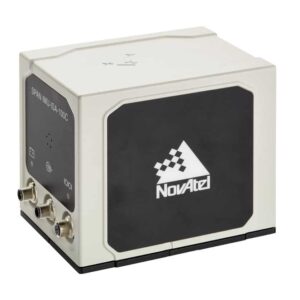
...gh performance tacticalgradeIMU combines with NovAtel's GNSS technology to deliver 3D position,... The IMU-ISA-100C features Northrop-Grumman Litef GMBH's proven inertial measurement technology...
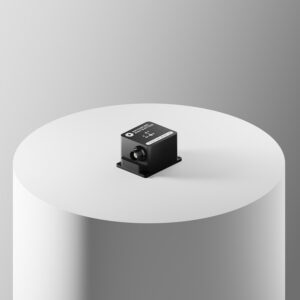
UIMU-H62 Tactical Grade (RLG) Inertial Measurement Unit (IMU)
UIMU-H62 Tactical Grade (RLG) Inertial Measurement Unit (IMU)
The UIMU-H62 contains Honeywell's HG1700, a tacticalgradeIMU containing Ring Laser Gyros (RLG) and... ...Economical, tacticalgrade OEM IMUs from Honeywell.
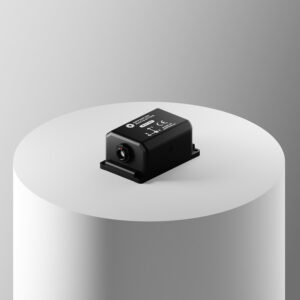
UIMU-H58 Tactical Grade (RLG) Inertial Measurement Unit (IMU)
UIMU-H58 Tactical Grade (RLG) Inertial Measurement Unit (IMU)
The UIMU-H58 contains Honeywell's HG1700, a tacticalgradeIMU containing Ring Laser Gyros (RLG) and... ...Economical, tacticalgrade OEM IMUs from Honeywell.
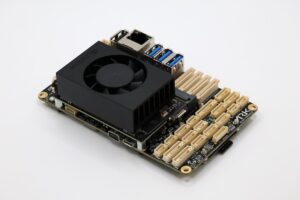
...nical Systems (MEMS) Inertial Measurement Unit (IMU) manufactured by Honeywell. It provides tactical... A proprietary MEMS Interface Card (MIC) couples the HG1930 with SPAN receivers, offering a unique,...
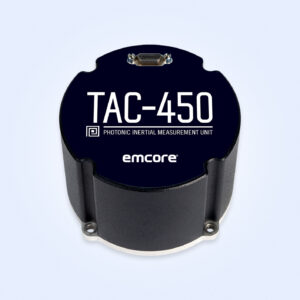
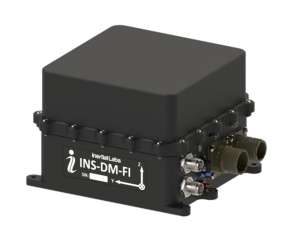
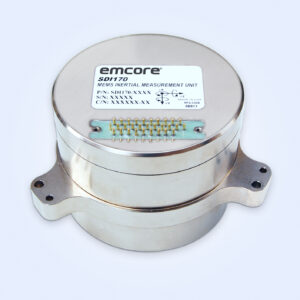
Tactical-grade Photonic IMU for UAV & Autonomous Vehicle Applications (Non-ITAR)
Tactical-grade Photonic IMU for UAV & Autonomous Vehicle Applications (Non-ITAR)
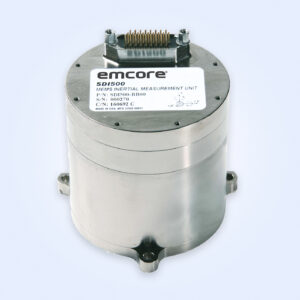
...he TAC-450-360 IMU from EMCORE is engineered to meet the rigorous demands of modern military... ... with inertial-grade accelerometers and tri-axis magnetometers, the TAC-450-360 ensures exceptional...
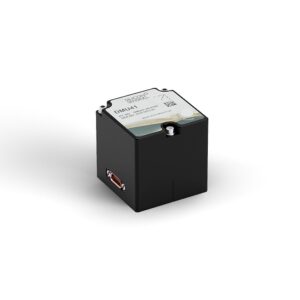
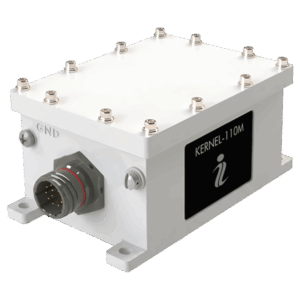
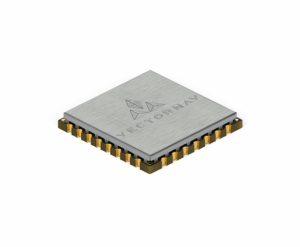
Tactical-grade quartz MEMS IMU for rugged military environments
Tactical-grade quartz MEMS IMU for rugged military environments
...dustry-leading MEMS technology to deliver unprecedented angle random walk values of 0.02°/√hr.,... ......roviding cutting-edge inertial measurement unit (IMU) capabilities for optimized military...
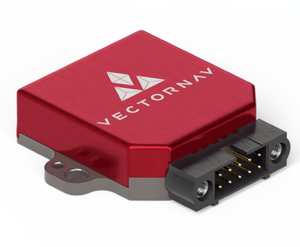
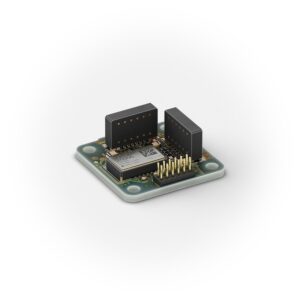
6-DoF IMU for high-volume motion sensing & control applications
6-DoF IMU for high-volume motion sensing & control applications
... is a low-cost IMU designed for high-volume motion sensing and control applications requiring... ...nd lightweight IMU outputs built-in test results, delta theta and delta velocity information on an...
Tactical grade IMUs deliver the accuracy, stability, and robustness required for demanding military operations. These units integrate gyroscopes, accelerometers, and magnetometers to provide precise orientation, position, and velocity data, crucial for navigation in GPS-denied environments.
Military platforms, from UAVs and missiles to autonomous ground systems, rely on these sensors to maintain accurate situational awareness in dynamic and contested settings.
Overview of Tactical Grade IMUs
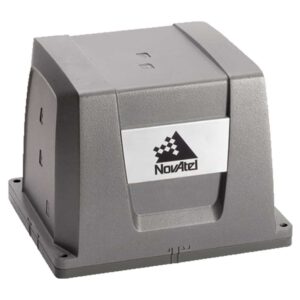
Tactical Inertial Measurement Unit (IMU), UIMU-H58, from Hexagon | NovAtel.
Tactical grade IMUs are specialized inertial sensing systems designed to meet the rigorous demands of military missions. Unlike consumer-grade or industrial IMUs, tactical-grade models feature low drift rates, high dynamic range, and strong resistance to shock, vibration, and temperature fluctuations. These qualities are critical in applications such as missile guidance, drone stabilization, and GPS-denied navigation, where accuracy and resilience are mission-critical.
Most tactical IMUs comprise three-axis gyroscopes and accelerometers, with some incorporating magnetometers and barometric sensors. The combined data enables precise tracking of movement and orientation across all six degrees of freedom (DoF), making them foundational components in inertial navigation systems (INS).
Comprehensive Military Applications of Tactical Grade IMUs
Unmanned Aerial Vehicles (UAVs)
Tactical IMUs are central to UAV stability and flight control for unmanned aerial systems (UAS). They support autonomous navigation, targeting, and terrain-following capabilities, particularly in environments where GPS access is unreliable or actively denied.
Unmanned Ground Vehicles (UGVs)
Military UGVs use tactical IMUs to navigate rugged or obstacle-dense terrain autonomously. These sensors enable dead-reckoning when GNSS is unavailable and assist with vehicle localization during reconnaissance or logistics missions.
Unmanned Surface and Underwater Vehicles (USVs and UUVs)
Tactical IMUs provide navigation in GPS-blocked or underwater environments on surface and subsurface platforms. They are essential for route planning, object avoidance, and geospatial awareness in denied environments.
Counter-UAS / Anti-Drone Systems
Tactical grade IMUs are key in detecting, tracking, and neutralizing hostile unmanned aerial systems. Whether integrated into kinetic interceptors, electronic warfare platforms, or guided munitions, IMUs ensure precise target engagement and stabilization. They support accurate tracking sensor orientation and maintain reliable control of countermeasure delivery systems, even during rapid movement or GPS-denied engagements.
Missile Guidance and Control
Precision-guided munitions depend on tactical-grade IMUs for trajectory calculation and in-flight corrections. Their low drift and high accuracy are critical for ensuring effective midcourse and terminal guidance without GPS reliance.
Drone Navigation and Swarm Coordination
In multi-vehicle operations, tactical IMUs help individual drones maintain formation and orientation. Sensor fusion algorithms supported by IMUs enable real-time coordination and obstacle detection in complex operational spaces.
Gimbal and Turret Stabilization
IMUs stabilize weapon platforms and optical sensors mounted on moving vehicles or aircraft. These units reduce jitter, maintain target lock, and compensate for host vehicle motion during surveillance or targeting operations.
Artillery and Ballistics Systems
Tactical IMUs contribute to precise gun laying and trajectory modeling in artillery systems. They compensate for platform movement and environmental disturbances, improving first-shot accuracy.
Man-Portable Targeting Systems
IMUs in handheld systems provide position, orientation, and azimuth data. These compact units enable dismounted soldiers to target accurately and maintain situational awareness, even in degraded signal environments.
Autonomous Convoy Operations
Convoys of unmanned or manned vehicles use tactical IMUs to maintain relative positioning and heading without relying on external navigation infrastructure. They support both line-haul and tactical resupply missions.
Naval Fire Control Systems
Onboard naval platforms, IMUs stabilize radar, EO/IR systems, and missile launchers. These sensors support precision engagement while underway and during rough sea states.
Rotorcraft and Fixed-Wing Aircraft
Tactical IMUs serve as backups to primary navigation systems in military aircraft. They also assist in targeting pod stabilization, weapons guidance, and inertial reference for air-dropped munitions.
Smart Munitions and Glide Bombs
In GPS-denied scenarios, embedded IMUs enable glide bombs and loitering munitions to navigate and maneuver autonomously. Their data informs onboard control surfaces to maintain course accuracy.
Mobile Air Defense Units
Anti-air systems and use IMUs for orientation and fire control. These sensors support rapid redeployment and calibration of radar and missile subsystems during high-mobility operations.
Satellite and Spacecraft Attitude Systems
Spaceborne tactical IMUs assist with spacecraft orientation, thruster alignment, and payload pointing. Their radiation-tolerant designs and drift performance support short-duration tactical space missions.
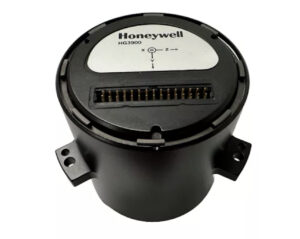
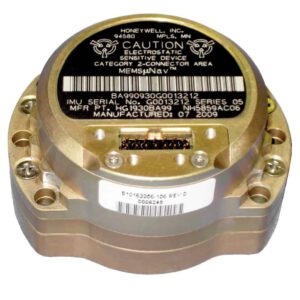
Tactical MEMS IMU, HG3900, from Honeywell.
Wearable Soldier Systems
Tactical IMUs embedded in wearable systems support dismounted navigation, battlefield orientation, and motion tracking. They enhance battlefield awareness and reduce reliance on vulnerable satellite navigation signals.
Key Technologies and Sensor Components
Tactical IMUs leverage a range of advanced sensing and signal processing technologies:
MEMS (Microelectromechanical Systems): Compact, lightweight, and power-efficient, MEMS IMUs offer good performance for small and mid-sized unmanned systems.
Fiber Optic Gyroscopes (FOG): Deliver high angular rate precision and low drift, suitable for applications requiring extended mission duration and high accuracy.
Ring Laser Gyroscopes (RLG): Known for their stability and low bias drift, they are often used in more strategic or long-range military systems.
Barometric Pressure Sensors: Enhance altitude accuracy and support dead reckoning in aerial and ground-based platforms.
Kalman and Extended Kalman Filters (EKF): Essential for fusing sensor data, mitigating noise, and compensating for drift and non-linear motion.
Analog-to-Digital Converters (ADCs): Translate raw analog signals into high-fidelity digital inputs for real-time navigation computations.
Real-Time Clocks (RTC): Provide synchronized time-stamping to coordinate multi-sensor data streams.
Power Management Units (PMUs): Manage internal power distribution and reduce thermal impact in embedded systems.
Performance Tiers and Form Factors
Tactical grade IMUs come in various performance classes and physical formats. Key types include:
MEMS IMUs: Often used in UAVs, UGVs, and man-portable systems.
FOG IMUs: Preferred for long-duration missions and high-endurance platforms.
RLG IMUs: Used in strategic and legacy systems with high accuracy requirements.
Strapdown Systems: Where the IMU is rigidly fixed to the platform and computes orientation through onboard processing.
Form factors include ruggedized modules with sealed enclosures, PCB-mount options for embedded systems, and lightweight packages designed for low-SWaP (size, weight, and power) platforms.
IMU Grade
Gyro Bias Stability (°/hr)
Typical Use Cases
Consumer Grade
>50
Mobile phones, wearable
Industrial Grade
10-50
Warehouse Robotics, automated machinery
Tactical Grade
1-10
UAVs, marine robots, field robotics, micro-sats
Navigation Grade
<1
Strategic missiles, aircraft, submarines
Tactical IMUs fill the critical middle ground between affordability and precision, offering sufficient accuracy for most battlefield and autonomous systems while withstanding the rigors of military deployment.
GPS-Denied Navigation and GNSS/INS Integration
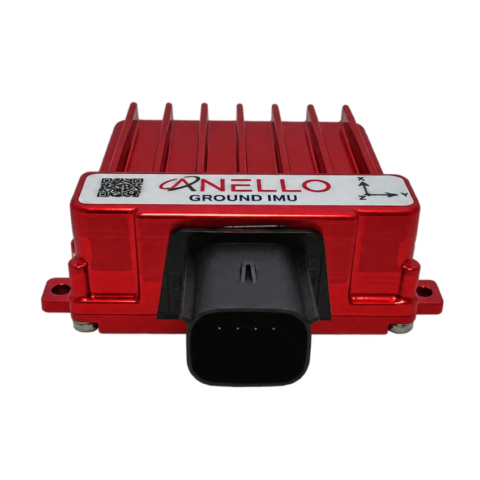
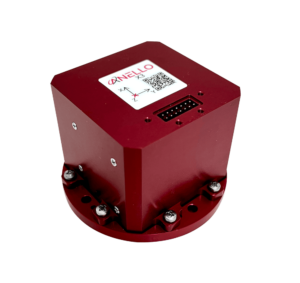
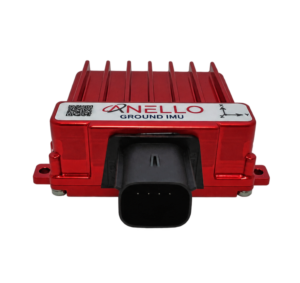
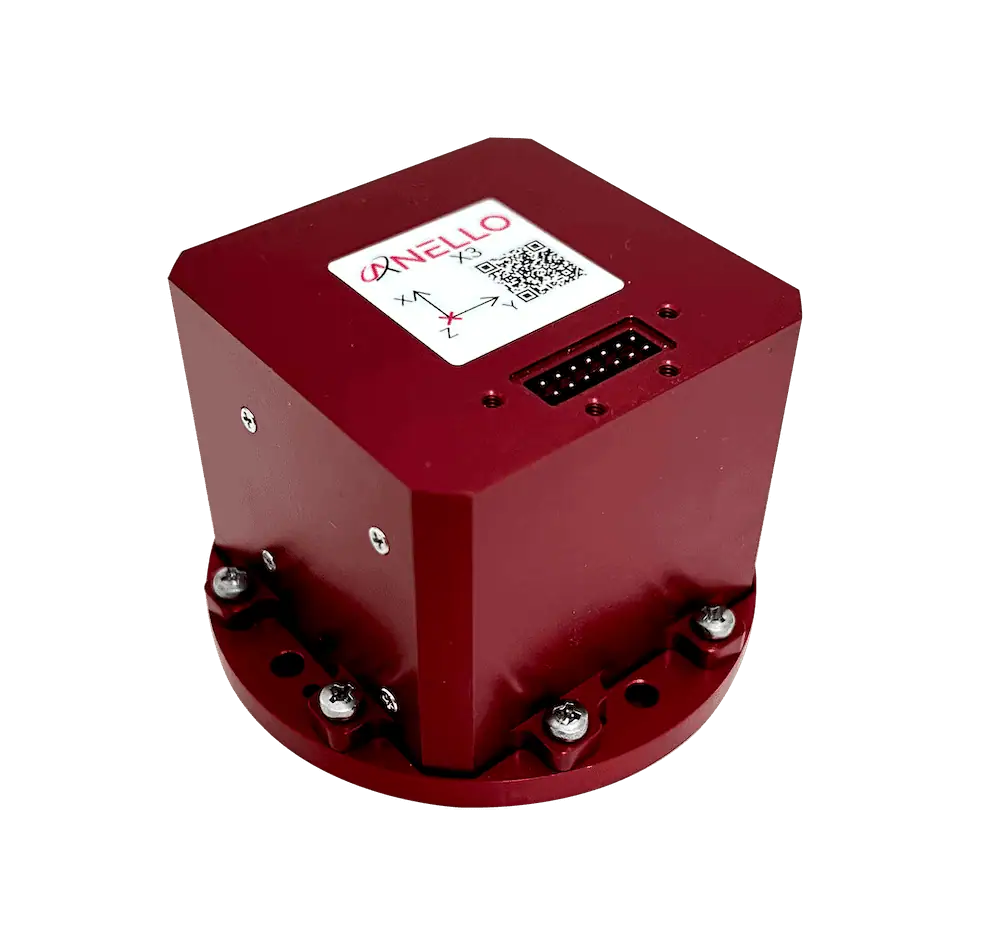
Gyroscope Inertial Measurement Unit (IMU), ANELLO X3, from ANELLO.
In environments where GPS or GNSS signals are jammed, spoofed, or otherwise unavailable, tactical IMUs become the foundation of alternative navigation solutions. These include:
Inertial Navigation Systems (INS): Relying solely on inertial data to compute position and orientation.
Dead Reckoning Systems: Estimating location based on previous position, heading, and velocity.
Vision- and LiDAR-Aided Navigation: Combining IMU data with cameras or lasers to enhance spatial awareness.
SLAM (Simultaneous Localization and Mapping): Used in unmanned systems operating indoors or underground.
Military applications in GPS-contested zones, such as urban combat, subterranean operations, and electronic warfare theaters, depend heavily on these integrated solutions. IMU performance directly influences mission success, particularly in long-duration or deep penetration scenarios.
Interface Options and System Integration
Tactical grade IMUs support a wide array of interface standards for system integration:
Digital Interfaces: RS232, RS422, CAN, SPI, I2C, USB, Ethernet
Analog Output (optional): For legacy systems or simplified integration
Sensor Fusion Support: Many IMUs support internal fusion algorithms or can be paired with external processors
Time Synchronization: Via PPS signals, RTC, or IRIG timing
Shock and Vibration Isolation: Mounting brackets and rugged housings mitigate environmental impact
Software Tools: Calibration, bias compensation, and real-time diagnostics
Customization options may include hardened enclosures, MIL-STD connectors, and firmware options tailored for SWaP optimization, filtering response time, or power management.
ANELLO explains how the X3 IMU strengthens UAV navigation resilience, integrating with PX4 and ArduPilot to support GNSS denied operations without replacing existing flight control architectures
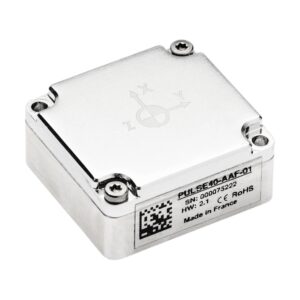
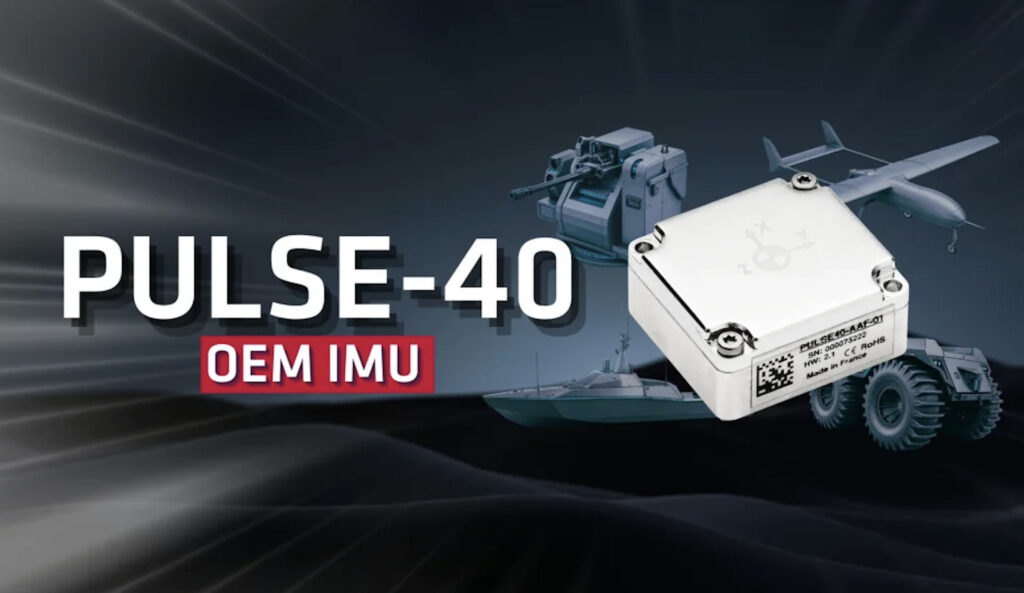
SBG Systems releases compact Pulse-40 OEM, doubling dynamic range and adding real-time vibration monitoring for demanding aerospace and defense applications
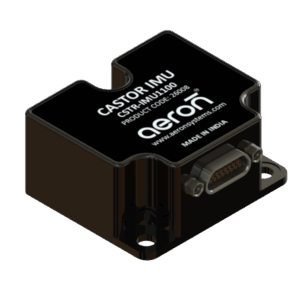
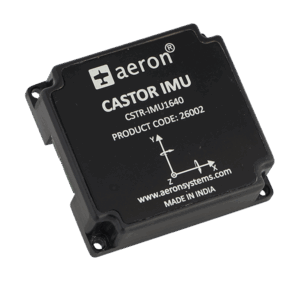
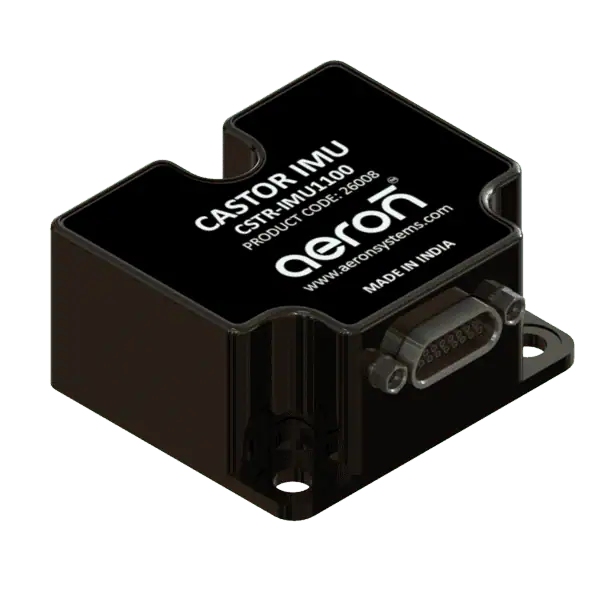
Aeron Systems Castor IMU 1100 is a compact MEMS-based inertial measurement unit delivering control-grade data, designed for integration into size-constrained guidance, navigation, and control systems
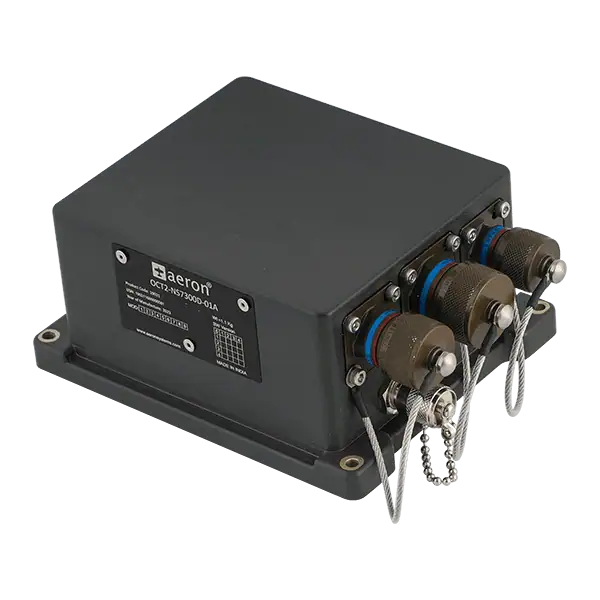
Aeron Systems’ Octantis 2 INS-GNSS provides accurate positioning and navigation for defence and other platforms in GNSS-degraded or denied environments
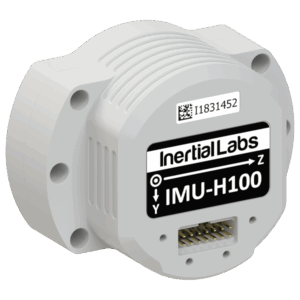
Inertial Labs recently showcased advanced inertial navigation and GNSS-denied technologies at the World Defense Show 2026, enhancing precision positioning and mission-critical performance across autonomous defense platforms
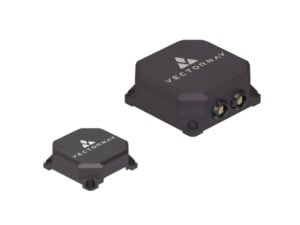
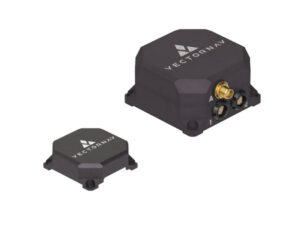
VectorNav has expanded its Tactical Series IMU/INS systems with 90G and 250G accelerometers and 4000°/sec gyroscope ranges to support navigation performance in high-G mission profiles and GPS-denied or degraded environments
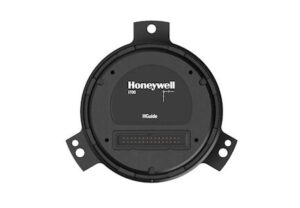
Honeywell Aerospace unveils the HGuide i700 inertial measurement unit, combining near navigation-grade performance with a no-license-required classification to support unmanned vehicles and navigation in GNSS-denied environments
Silicon Sensing’s MEMS gyroscope powers a compact north-finding navigation system from Kongsberg Discovery, designed for drones, subsea vehicles, and applications requiring reliable navigation without external aiding
Silicon Sensing and Althen Sensors and Controls strengthen their partnership to meet rising demand for inertial technology across North America
Feb 13, 2026
Advancing Defense Capability Through Strategic Collaboration
Defense Advancement works with major OEMs to foster collaboration and increase engagement with SMEs, to accelerate innovation and drive defense capabilities forward.